
Nigeria — find the right stay, from deciding to booking
“Lagos and Nollywood, Afrobeats, Aso Rock and the spirit of West Africa”
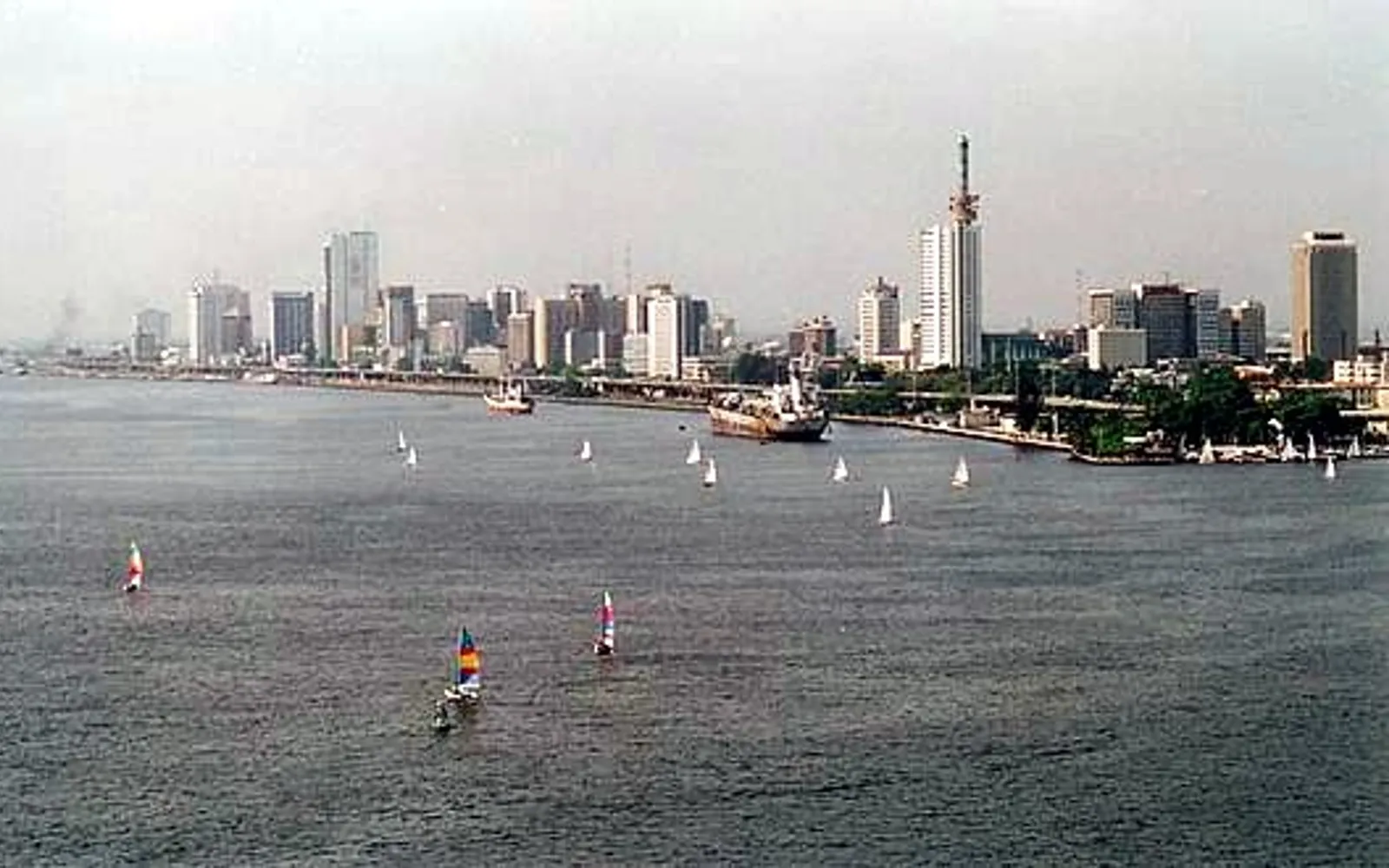
Nigeria is the highest-energy country in Africa — Lagos, the continent's largest city, pulsing with Afrobeats, Nollywood, beaches and nightlife; Abuja, a newly planned capital stunning with Aso Rock and the National Mosque; Calabar, home to the liveliest carnival in Africa; and Yankari National Park with safari and natural hot springs.
Nigeria at a glance
Choose a city in Nigeria
Each city has its own things-to-do and food guides plus in-depth ranked hotel reviews with real photos and price comparison — start with the city that fits your trip.

Decide — is Nigeria right for you?
Why people love Nigeria, how it compares to its neighbors, and which travel style suits you
The birthplace of Afrobeats
Lagos is the home of Fela Kuti and Afrobeats, a sound that's gone global, with world-class nightlife and music studios.
Nollywood
The world's second-largest film industry, producing over 2,500 films a year — a genuine reflection of African culture.
Lagos beaches
Victoria, Landmark and Ikoyi beaches — a bright Atlantic vibe with food, drinks and live music.
Aso Rock
A huge granite monolith that's the symbol of Abuja, surrounded by city views and exercise areas.
Calabar Carnival
The biggest carnival in Africa, held in December, drawing visitors from around the world.
Yankari safari
Yankari National Park in the northeast — elephants, hippos and the natural Wikki Warm Springs.
Nigeria vs its neighbors
| Nigeria | Ghana | Cameroon | |
|---|---|---|---|
| Daily budget (per person) | $45–100 | $35–80 | $30–70 |
| Visa (Thai passport) | Visa/e-visa + yellow fever | Visa in advance | Visa in advance |
| Known for | Music · film · beaches · nightlife | Friendliness · nature · cocoa | Mountains · coffee · culture |
| Currency | Naira (NGN) | Cedi (GHS) | CFA Franc (XAF) |
| Biggest city | Lagos | Accra | Douala |
Figures are rough per-person, per-day estimates — your real budget depends on your travel style.
How do you travel?
Music & nightlife
Lagos's Victoria Island clubs, bars and Afrobeats concerts — a nightlife that never sleeps.
See this plan → 🎪Culture & festivals
The Calabar Carnival in December, the Lagos arts scene, and the National Museum in Abuja.
See this plan → 🦁Nature & safari
Yankari's elephant and hippo safari, hot springs, and other parks in the central region.
See this plan →Plan — stay, eat, see
Start with where to stay (the heart of the trip), then add food and sights, and gauge your daily budget.
Find the stay you want
1 ranked reviews
No reviews match these filters — try removing some.
- 1🍛
Jollof Rice
Rice cooked in a spicy, fragrant tomato sauce — a West African dish every household makes, popular at celebrations.
📍 National dish - 2🍲
Egusi Soup
A thick soup of ground melon seeds with leafy greens, meat and palm oil, eaten with fufu.
📍 Home cooking - 3🥘
Pepper Soup
A hot, spicy meat or fish soup with traditional spices — eaten to ward off chills and believed to be healthy.
📍 Street food - 4🍢
Suya
Grilled beef skewers coated in chili and spices, sold on the streets at night.
📍 Street food - 5🍞
Akara
Fried, spiced black-eyed pea fritters, served in the morning with porridge or bread.
📍 Breakfast - 6🍺
Star Beer
A famous Nigerian local beer, drunk cold alongside street suya in the evening.
📍 Drink
- 1🏖️
Victoria Island
Lagos's business and nightlife island, with beaches, restaurants, bars and top clubs.
📍 Lagos - 2🪨
Aso Rock
The granite monolith that symbolizes Abuja, towering behind the presidential complex.
📍 Abuja - 3🕌
Nigerian National Mosque
A beautiful golden-domed mosque in the heart of the capital — a symbol of well-planned Abuja.
📍 Abuja - 4🎪
Calabar Carnival
The biggest carnival in Africa, in December, with parades, music and world-class performers.
📍 Calabar - 5🦛
Yankari National Park
Nigeria's largest safari park — elephants, hippos, baboons and the Wikki Warm Springs.
📍 Bauchi - 6🏛️
National Museum Lagos
A collection of art, jewelry and artifacts from the Benin Kingdom and ancient Nigerian cultures.
📍 Lagos
🚆 Getting around Nigeria
Domestic flights
Lagos–Abuja–Calabar on Air Peace and Arik Air, flying frequently and taking 1–2 hours.
Cars and taxis
Uber and Bolt work well in Lagos and Abuja — safer and more convenient than hailing on the street.
Danfo and buses
The yellow-and-black minibuses (danfo) in Lagos are cheap but crowded; the BRT express buses are more comfortable.
Ferries
Lagos lagoon ferries link Victoria Island with the mainland — faster than driving in rush hour.
Okada (motorbikes)
Motorbike taxis in smaller towns and suburbs — fast through heavy traffic.
🛂 Etiquette & culture in Nigeria
Afrobeats
Music born in Lagos, blending African rhythms with jazz and funk, exporting culture to the world.
Nigerian warmth
Nigerians are known for their cheerfulness, friendliness and warm welcome.
Colorful clothing
Bright Ankara fabrics and full traditional dress at festivals are a point of cultural pride.
Religion
The south is mostly Christian, the north mostly Muslim — respect sacred sites and dress modestly.
Generosity and food
Sharing food is a symbol of friendship; refusing food a host offers is considered impolite.
💸 Daily budget — a rough guide
Budget
🛏️ Guesthouse / budget room $20–45
Eat street food (suya, jollof rice), use danfo and Bolt, and enjoy free beaches.
Comfortable
🛏️ 3–4★ hotel $50–100
Good local restaurants, Uber, and safari and carnival tours.
Premium
🛏️ Luxury hotel $130+
International-class hotels in Lagos and Abuja, fine-dining restaurants and a private guide.
🗓️ When to visit Nigeria
Dry season
Nov – MarDry, cooler, pleasant weather — the best time to travel, with the Calabar Carnival in December.
December festivals
DecThe Calabar Carnival, Lagos events and lively year-end parties — the busiest time, with the biggest crowds.
Early dry season
Oct – NovAfter the rains, lush green nature, fewer tourists and reasonable accommodation prices.
Rainy season (avoid)
Apr – OctHeavy rain, especially June–August, with frequent flooding in Lagos — though the north is drier.
Book — hotels our team picked
Hand-picked from the highest guest-rated hotels we've reviewed in Nigeria — compare prices across 3 sites.
 ★ 8.9👑 Great for your trip
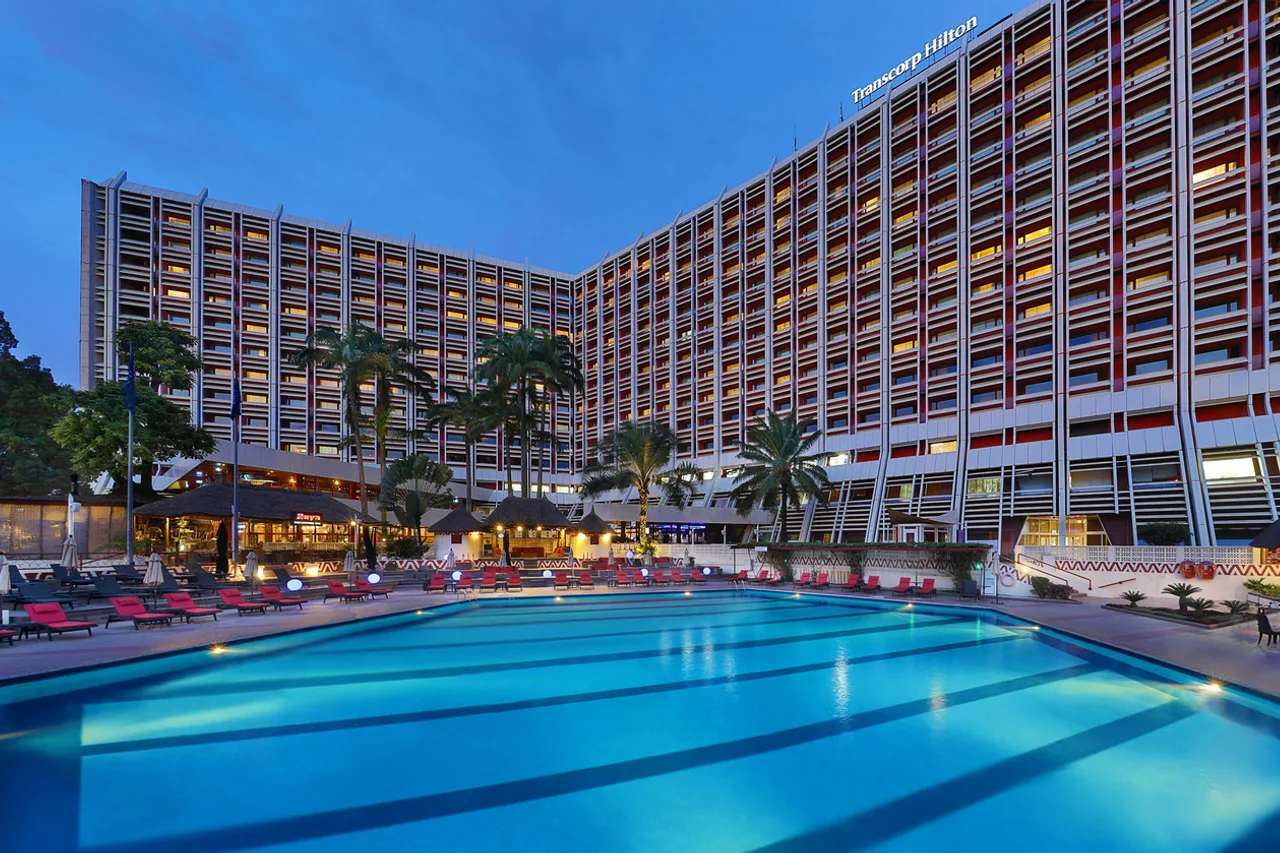 ★ 8.8💼 Great for your trip
 ★ 8.8💑 Great for your trip
Want to see every option in Nigeria?
Browse all our ranked stay reviews — every budget and area, with real photos and price comparison.
View the top city guide →FAQ — visiting Nigeria
How many days do you need in Nigeria?+
7–10 days recommended — Lagos 3–4 days (beaches, nightlife, Nollywood) + Abuja 2 days (Aso Rock, the National Mosque) + Calabar or Yankari 2–3 days, or add more if there's a carnival.
Safety and advice before traveling?+
Lagos, Abuja and Calabar are the main tourist spots that visitors frequent. Check travel advice from your foreign ministry before you go, especially regarding the northeast where some areas carry warnings. Use Uber/Bolt instead of street taxis, and stay at hotels with security.
How do Thai travelers get a visa?+
Apply for a visa/e-visa in advance plus a yellow fever vaccination certificate. Always check the latest requirements with the embassy or the official website before traveling, as they can change.
What vaccinations do you need?+
A yellow fever vaccine is mandatory and you must carry the certificate. Also consult a doctor about malaria prophylaxis and other basic vaccines at least 4–6 weeks before traveling.
Tips before you go to Nigeria
- Book domestic flights ahead; Lagos–Abuja–Calabar fares fluctuate.
- Always use Uber or Bolt in Lagos and Abuja — safer and clearer on price than street taxis.
- Check travel advice from your foreign ministry before traveling, especially if you plan to visit remote areas.
- Try jollof rice and suya at local spots — far tastier than at hotels.
- Have your yellow fever certificate ready; officials may check it at entry.
- For the December Calabar Carnival, book accommodation months ahead — it fills up very fast.