Where to stay in Abuja — pick the right hotel, book in 3 clicks
Abuja is Nigeria's purpose-built capital — a fully master-planned city raised in the 1980s and made the seat of government in 1991 thanks to its central location. The skyline is anchored by Aso Rock, a 400-metre granite monolith looming behind the Presidential Complex, and by the twin landmarks of the golden-domed National Mosque and the neo-Gothic National Christian Centre, which stand barely 400 metres apart as symbols of the country's religious mix. With wide boulevards, tidy districts and a calmer feel than Lagos, it suits business travellers and first-time visitors who want an easygoing slice of Nigeria.
Why stay in Abuja
A city planned from scratch
Abuja didn't grow organically — it was master-planned from the 1980s. Wide roads, clear zoning and well-defined districts make it far easier to navigate than older cities.
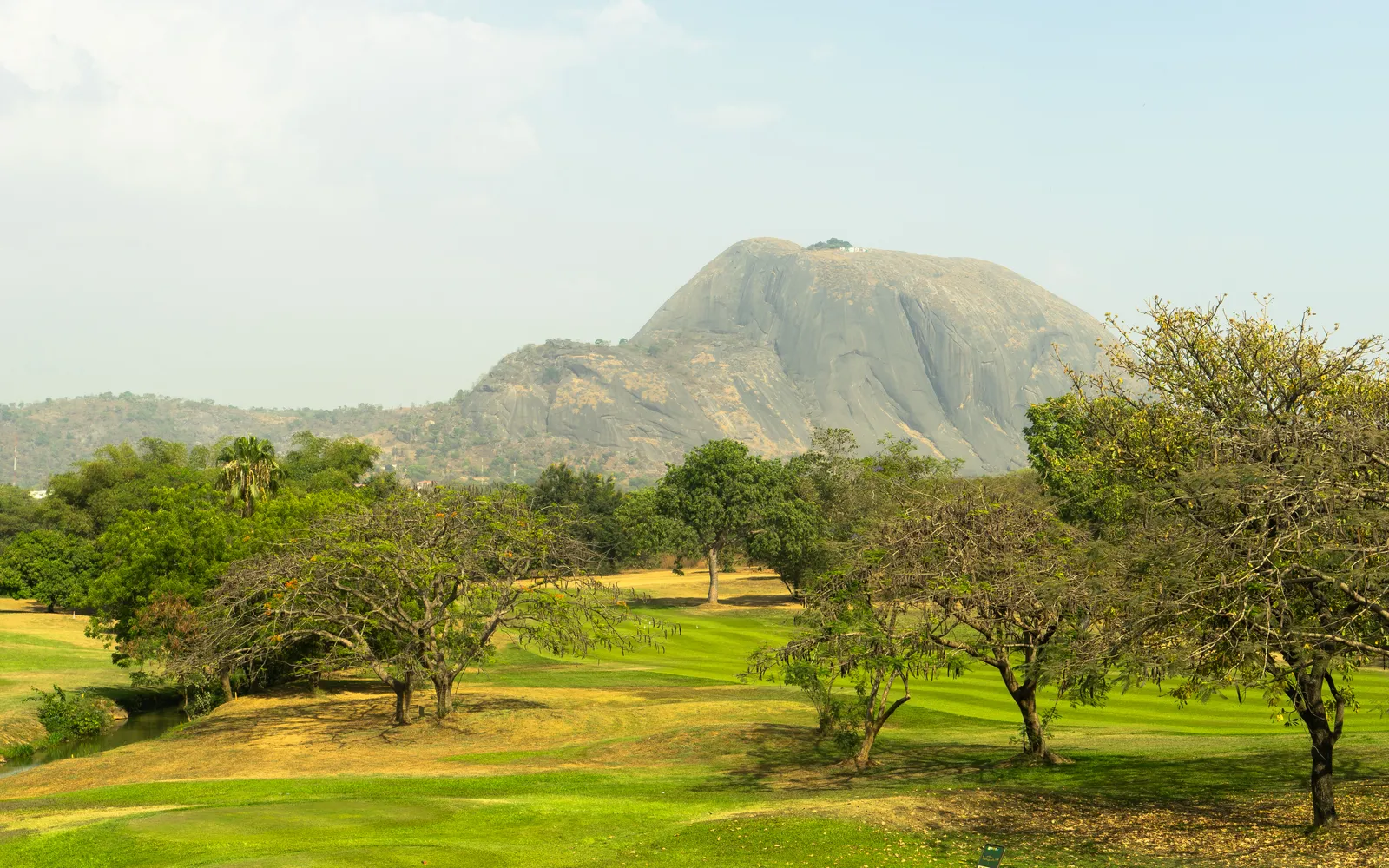
Aso Rock & the seat of power
The giant granite monolith rises behind the Presidential Complex. You can't enter the official side, but Aso Drive and the Three Arms Zone offer great photo angles.
Mosque and church side by side
The golden-domed National Mosque and the National Christian Centre sit less than half a kilometre apart — a striking emblem of Nigeria's diversity, both free to visit.
Calmer and tidier than Lagos
As the administrative capital, Abuja feels orderly and manageable — ideal for a business trip or a relaxed first visit to Nigeria.
Pick an area first — where to stay in Abuja
Location is the single most important thing about a hotel — choose the right area first, then pick the hotel
MaitamaMost upscale district — embassies, five-star hotels (Transcorp Hilton, Sheraton) and international dining
Coming soonAsokoroThe city's safest area — diplomatic and senior-government residences, quiet streets, premium restaurants
Coming soonWuseLively city centre — shopping, Wuse Market, restaurants, bars and the best nightlife
Coming soonCentral Business DistrictBetween Aso Rock and the Three Arms Zone — corporate offices and close to the national landmarks
Coming soonRanked reviews — find your ideal stay in Abuja
Start with where to stay (the heart of the trip), then explore food and sights
We're rolling out Abuja stay reviews — meanwhile search Abuja hotels across all 3 sites now
Local dishes to try in Abuja
- 1🍚
Jollof Rice
The iconic one-pot rice simmered in a rich tomato-and-pepper sauce — a fixture at every Nigerian gathering and a national point of pride.
📍 National dish - 2🍢
Suya
Skewered beef grilled over open flame and dusted with a spicy peanut-chilli rub — West Africa's take on a kebab, best from evening street stalls.
📍 Street food - 3🥘
Egusi Soup
A thick stew thickened with ground melon seeds, loaded with meat, fish and greens. Fluffy in texture and a celebration staple.
📍 Popular soup - 4🍠
Pounded Yam
Boiled yam pounded into a smooth, stretchy dough, eaten by hand with egusi or other soups. Filling and beloved across the country.
📍 Staple - 5🌶️
Pepper Soup
A fiery clear broth with goat, catfish or chicken and bold spices — served at celebrations and as a warming pick-me-up.
📍 Spicy broth - 6🧆
Akara
Deep-fried bean-batter fritters, crisp outside and fluffy within, served with pepper sauce — a cheap, popular street breakfast.
📍 Breakfast snack
- 1⛰️
Aso Rock
A 400-metre granite monolith (peak 936 m) behind the Presidential Complex. The official side is off-limits, but the viewpoints along Aso Drive make for superb photos.
📍 Landmark - 2🕌
National Mosque
Its golden dome gleams in the sun as the city's most iconic sight. Open to non-Muslim visitors outside prayer times — dress modestly.
📍 Religious site - 3⛪
National Christian Centre
A spired, neo-Gothic church standing less than half a kilometre from the National Mosque. Guided tours available; free to enter.
📍 Religious site - 4🌳
Millennium Park
Abuja's largest public park — shaded lawns and gardens where locals picnic and jog. It buzzes in the evenings and is free to enter.
📍 Park - 5🚤
Jabi Lake
A pleasant lakeside spot for sunset walks, boat rides and waterside cafés and restaurants, right next to Jabi Lake Mall.
📍 Leisure - 6🎨
Arts & Crafts Village
A marketplace of local artisans selling textiles, sculptures and traditional art — the best place for authentic souvenirs. Bargaining expected.
📍 Shopping · crafts - 7🪨
Zuma Rock
A massive monolith nicknamed the "Gateway to Abuja," just outside the city on the road toward Niger State. Free to view; guided tours cost extra.
📍 Day trip - 8🎡
Magicland / Wuse Market
Magicland is a family theme park with rides, while Wuse Market is the city's big central bazaar for local food, fabric and everyday goods.
📍 Family · shopping
Things to do in Abuja
Day tours, attraction tickets and travel essentials for Abuja — book ahead on Klook with mobile e-tickets.
Affiliate links — we may earn a commission at no extra cost to you.
3 Abuja hotels our team picked for you
Selected from real reviews — one per budget tier, each with a score and instant 3-site price comparison
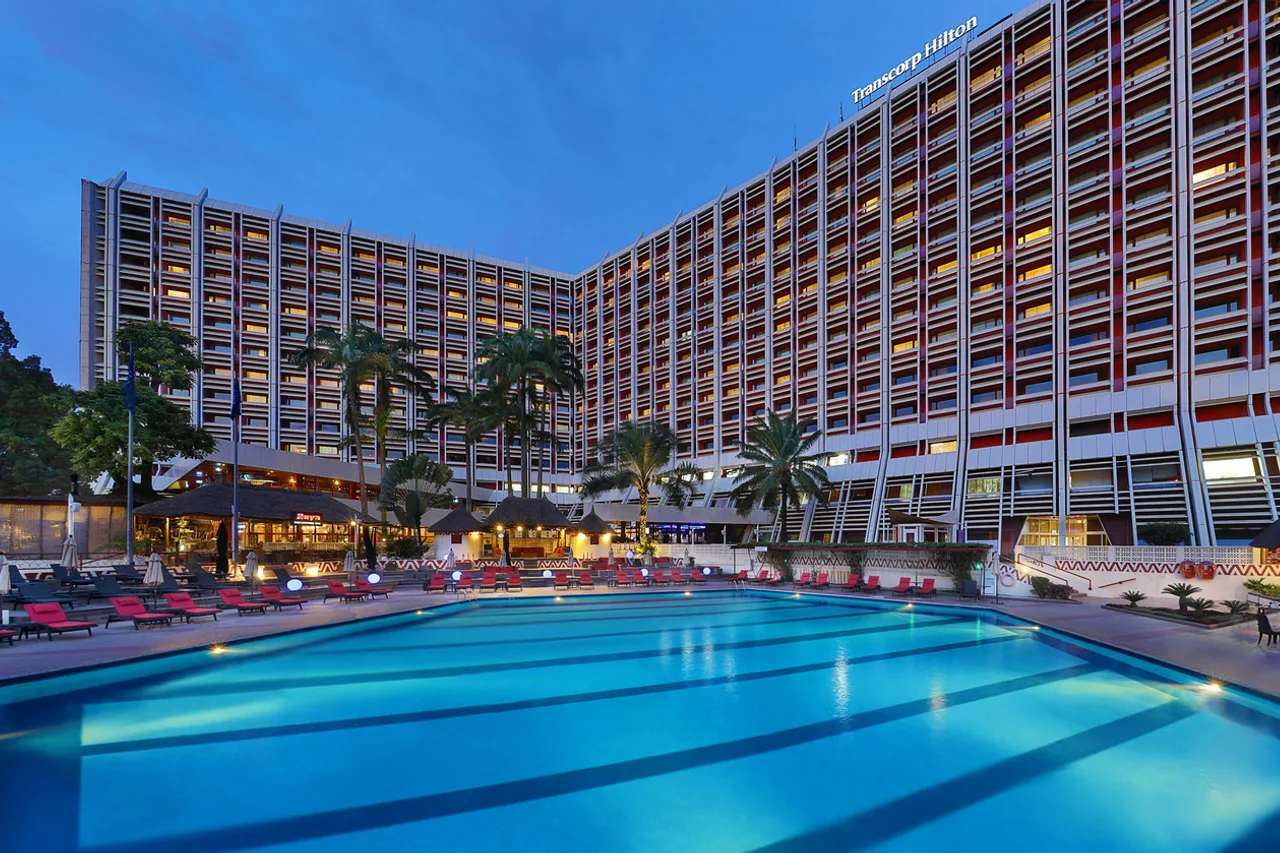 ★ 8.8Luxury
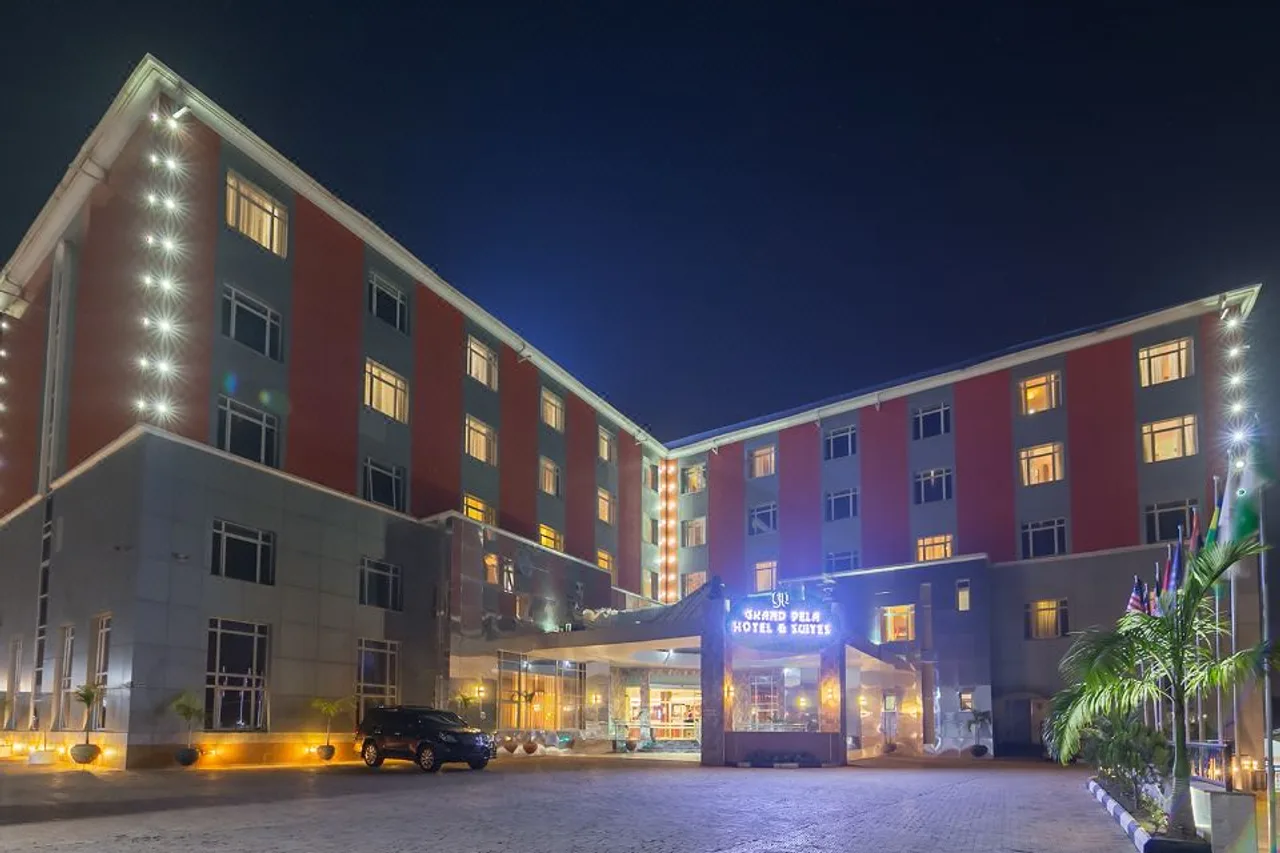 ★ 8.5Upper-mid
 ★ 8.4Luxury
โรงแรมแนะนำทั้งหมดในAbuja
ครบทุกระดับงบ — คัดจากคะแนนรีวิวจริง พร้อมเทียบราคา 3 เว็บ
Haven't found the one? Search all 3 sites yourself
Compare real-time room availability for your Abuja dates
🚆 Getting around Abuja
Nnamdi Azikiwe Airport (ABV)
The main international gateway, about 40 km from the centre — roughly a 45-minute drive past the City Gate and the National Stadium.
Bolt / Uber ride-hailing
Ride-hailing apps work well in Abuja — convenient, safer and with clearer pricing than flagging street taxis. The recommended option for visitors.
Taxis & car hire
Taxis are everywhere; agree the fare before you get in (or use an app). Car rental is available at the airport for trips outside the city.
Abuja Light Rail
The Yellow Line links the airport, Idu Station and the Central Business District in about 40 minutes, but runs only a few times a day, so few tourists use it.
Cash in Naira (NGN)
Carry small notes (1,000 NGN and below) for tips, small buys and rides — vendors and drivers often lack change, and tipping is the norm here.
Where to go next near Abuja
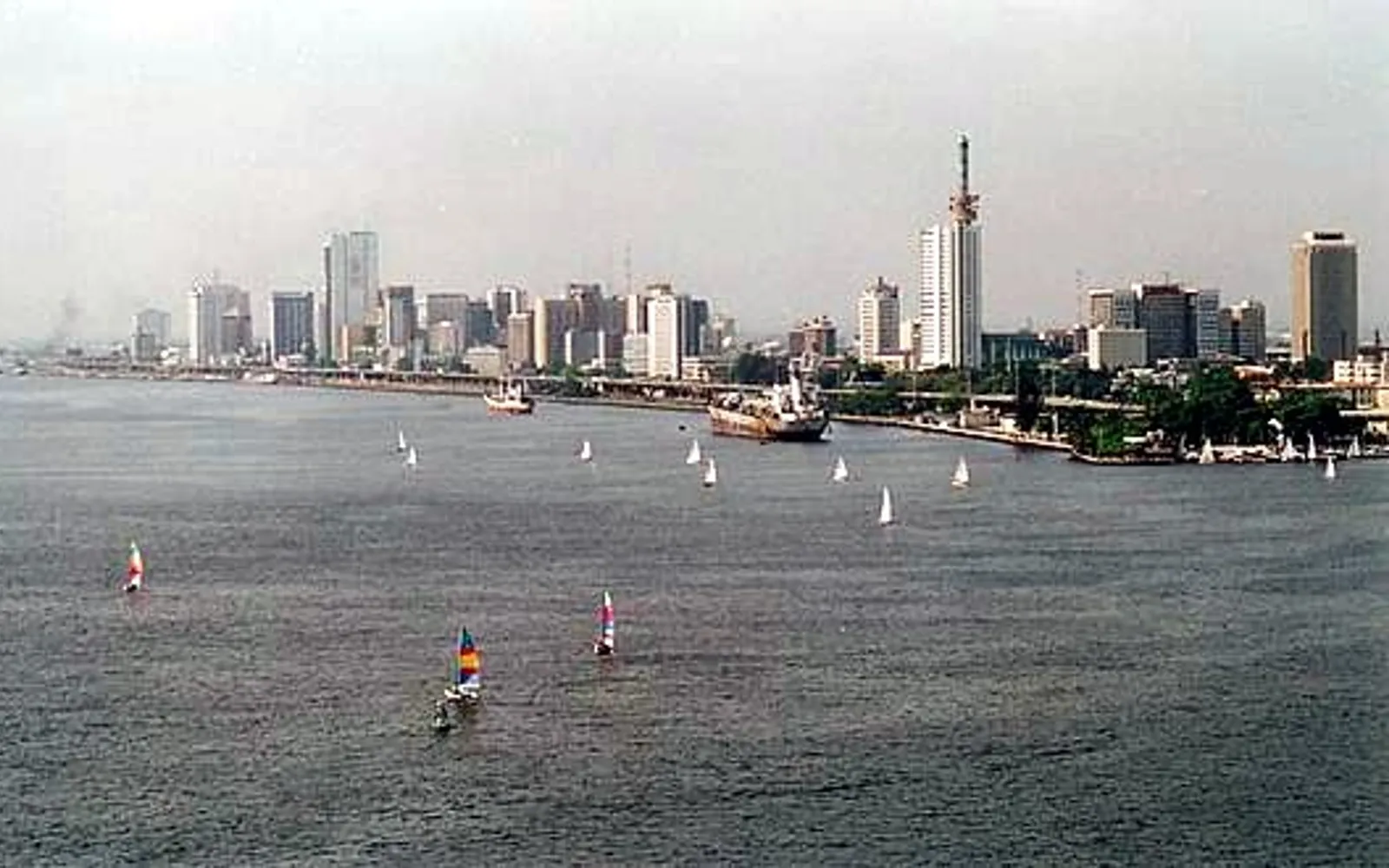 Lagos
LagosAfrica's largest city — Victoria Island, beaches, Afrobeats, and world-class nightlife.
See this city's guide →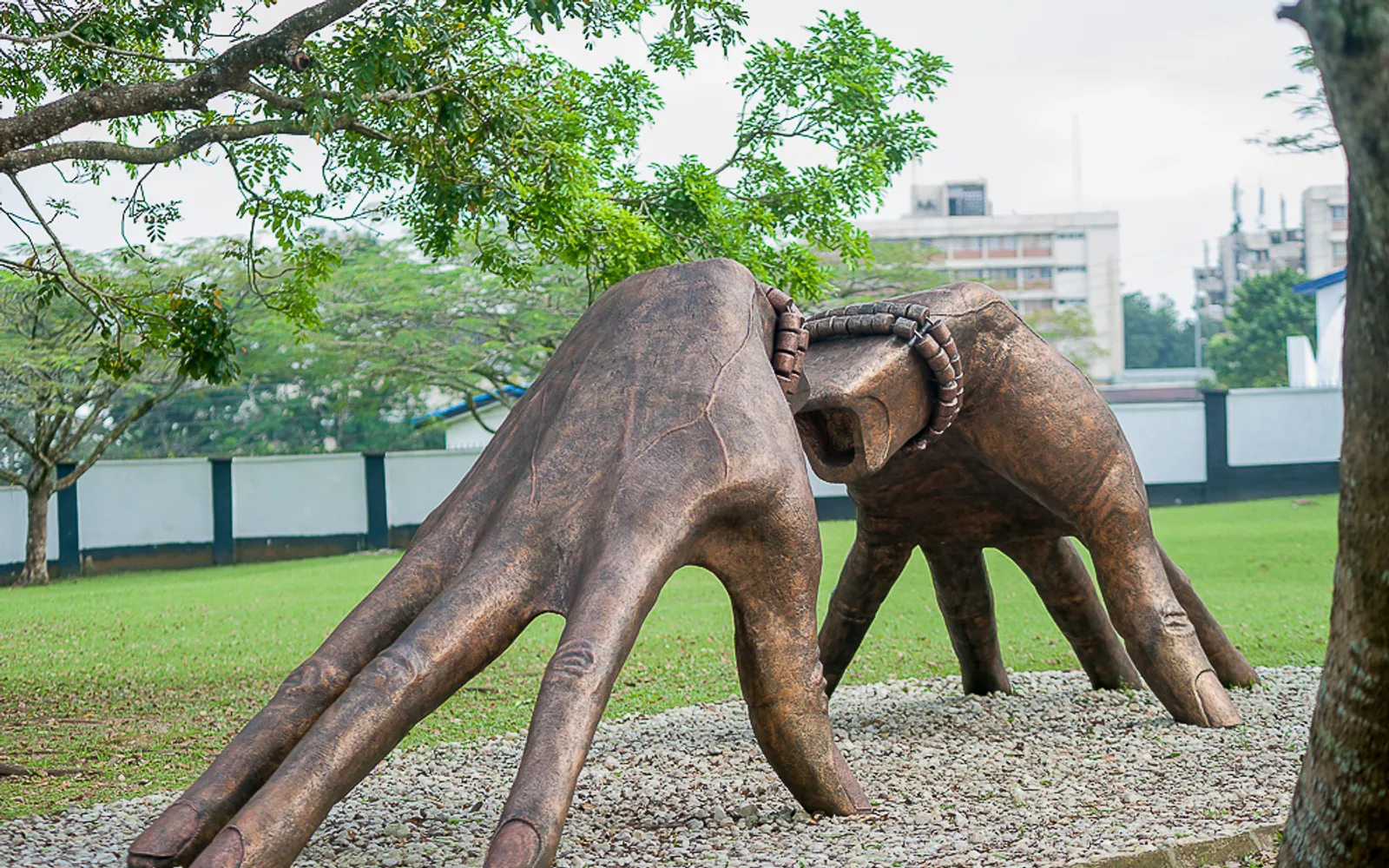 Calabar
Calabar, capital of Cross River State, sits on the river and hosts Africa's biggest street carnival, a drill-monkey sanctuary and a historic slave-trade port.
See this city's guide →Frequently asked — where to stay in Abuja
Is Abuja safe, and can I travel there solo?+
Abuja is the orderly administrative capital and feels calmer than Lagos. The Asokoro and Maitama districts are considered the safest. Use ride-hailing apps (Bolt/Uber) rather than flagging street taxis, carry small cash notes, and check current travel advice before you go as usual.
When is the best time to visit Abuja?+
The best window is the dry season, November to March, with dry weather good for sightseeing — especially February and March, after the dusty Harmattan winds of December–January. April to October is the rainy season.
Which area should I stay in?+
For luxury, business and embassy access, choose Maitama (home to the Transcorp Hilton and Sheraton). For the quietest, safest streets, choose Asokoro. For a lively base near shopping, dining and nightlife, choose Wuse. To be central and near the national landmarks, choose the Central Business District.
Ready to book your Abuja stay?
Start with the 3 hotels our team picked, or search all 3 sites — always compare before booking