Where to stay in Calabar — pick the right hotel, book in 3 clicks
Calabar, capital of Cross River State in southern Nigeria, is widely called the country's "tourism capital" — cleaner, greener and easier-going than Nigeria's bigger cities. Set on the Calabar and Great Kwa rivers, it was once a major colonial slave-trade port, so history runs deep here: the Slave History Museum, missionary Mary Slessor's house and the colonial architecture along Marina Road. Its biggest draw is the Calabar Carnival, billed as Africa's largest street party, held every December and drawing close to two million visitors. This guide helps you pick the right neighbourhood, then points you to the real things to see, eat and the practical ways to get around town.
Why stay in Calabar
A carnival like no other
Every December the Calabar Carnival turns the whole city into one giant dance floor — parades, elaborate costumes and Afrobeats, pulling in close to two million revellers.
Wildlife and conservation
The Drill Rehabilitation Centre (Drill Ranch) and nearby primate sanctuaries make Calabar a natural base for nature lovers exploring the Cross River rainforest.
Deep history by the river
The Slave History Museum, Mary Slessor's house and the National Museum in the Old Residency tell the story of the Atlantic slave trade and the colonial era.
Clean and easy to enjoy
Reputedly one of the cleanest, safest cities in Nigeria, with the waterfront Marina Resort and Tinapa Resort for relaxed downtime.
Pick an area first — where to stay in Calabar
Location is the single most important thing about a hotel — choose the right area first, then pick the hotel
City Centre / Marina RoadHistoric waterfront quarter near the Slave History Museum, Marina Resort and colonial buildings — easy to explore on foot.
Coming soonMarian RoadThe city's main shopping and dining strip with plenty of business hotels, close to Marian Market — good for general travellers.
Coming soonState Housing EstateA central, established residential area from the 1970s — quiet, convenient and close to everything, with small hotels and guesthouses.
Coming soonEkorinimA modern residential district north of the centre with smart homes and mid-range hotels, a short drive into town.
Coming soonRanked reviews — find your ideal stay in Calabar
Start with where to stay (the heart of the trip), then explore food and sights
We're rolling out Calabar stay reviews — meanwhile search Calabar hotels across all 3 sites now
Local dishes to try in Calabar
- 1🥬
Edikang Ikong
The classic Efik vegetable soup of fluted pumpkin and waterleaf, loaded with seafood — periwinkle, dried fish, crayfish, stockfish — served with fufu or pounded yam.
📍 Signature soup - 2🌿
Afang Soup
Wild afang (okazi) fern leaves with waterleaf and assorted seafood — slightly bitter, deeply savoury, and quintessentially Cross River.
📍 Cross River specialty - 3🌯
Ekpang Nkukwo
Grated cocoyam and water yam wrapped in cocoyam leaves, cooked with crayfish and palm oil until firm — a traditional Efik-Ibibio delicacy.
📍 Local dish - 4🐌
Peppered Snail
Large snails fried in a fiery Nigerian pepper sauce — a popular small plate found across Calabar.
📍 Local bite - 5🍚
Iwuk Edesi (Native Jollof)
Efik-style jollof rice cooked with palm oil, seafood and spices — richer and earthier than standard jollof, common at local eateries.
📍 Rice dish - 6🍢
Marian Market street food
Marian Market is the best place to sample Calabar's local snacks and home-style cooking for an authentic taste of the city.
📍 Street eats
- 1🎭
Calabar Carnival
Africa's largest street party, running all through December with parades, costumes, Afrobeats and a Christmas Village, drawing close to two million people.
📍 Festival - 2🐒
Drill Rehabilitation Centre (Drill Ranch)
A conservation centre for endangered drill monkeys, alongside other rescued animals — a highlight for wildlife and nature lovers.
📍 Wildlife - 3⛓️
Slave History Museum
Built on the site of an old slave-trade warehouse at Marina Beach, telling the story of the Atlantic slave trade for which Calabar was a major embarkation point.
📍 History - 4🏝️
Marina Resort
A riverside resort built to boost tourism, featuring the Slave History Museum, a cinema, restaurants, a bar and a waterfront area.
📍 Waterfront - 5🏛️
National Museum (Old Residency)
A colonial-era building housing original documents and exhibits on the history of Calabar, the region and the slave trade.
📍 History - 6👩
Mary Slessor's House & Tomb
Memorial to the Scottish missionary who devoted her life to ending the killing of twins in local culture, located in the Marina Road area.
📍 History - 7🛍️
Tinapa Business & Leisure Resort
An integrated resort about 10 km from the centre with a hotel, cinema and water park — a relaxed day out for families.
📍 Leisure - 8🏔️
Obudu Mountain Resort
A mountain resort elsewhere in Cross River State with a cable car over 4 km long; a long 7–8 hour drive from Calabar, best as an extended trip.
📍 Day/overnight trip
Things to do in Calabar
Day tours, attraction tickets and travel essentials for Calabar — book ahead on Klook with mobile e-tickets.
Affiliate links — we may earn a commission at no extra cost to you.
3 Calabar hotels our team picked for you
Selected from real reviews — one per budget tier, each with a score and instant 3-site price comparison
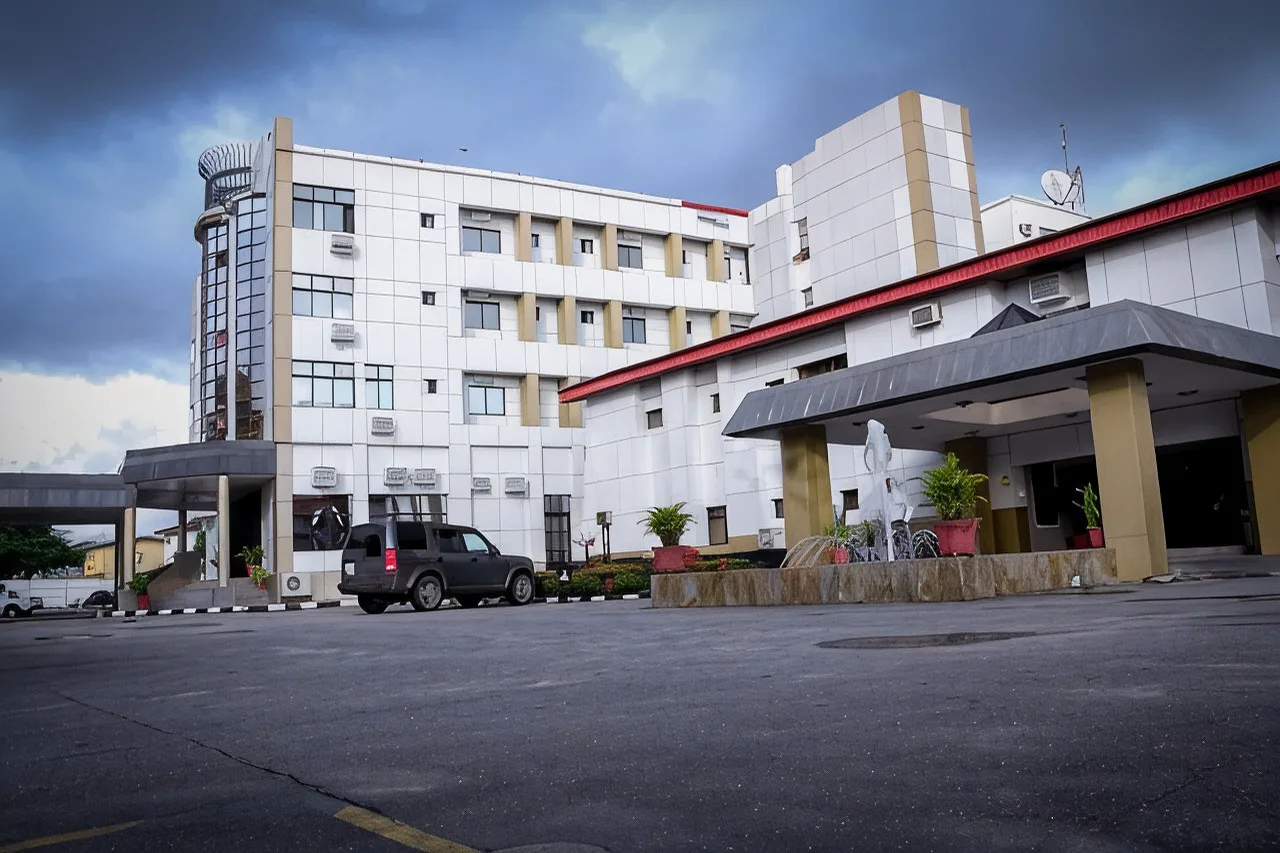 ★ 8.8Value
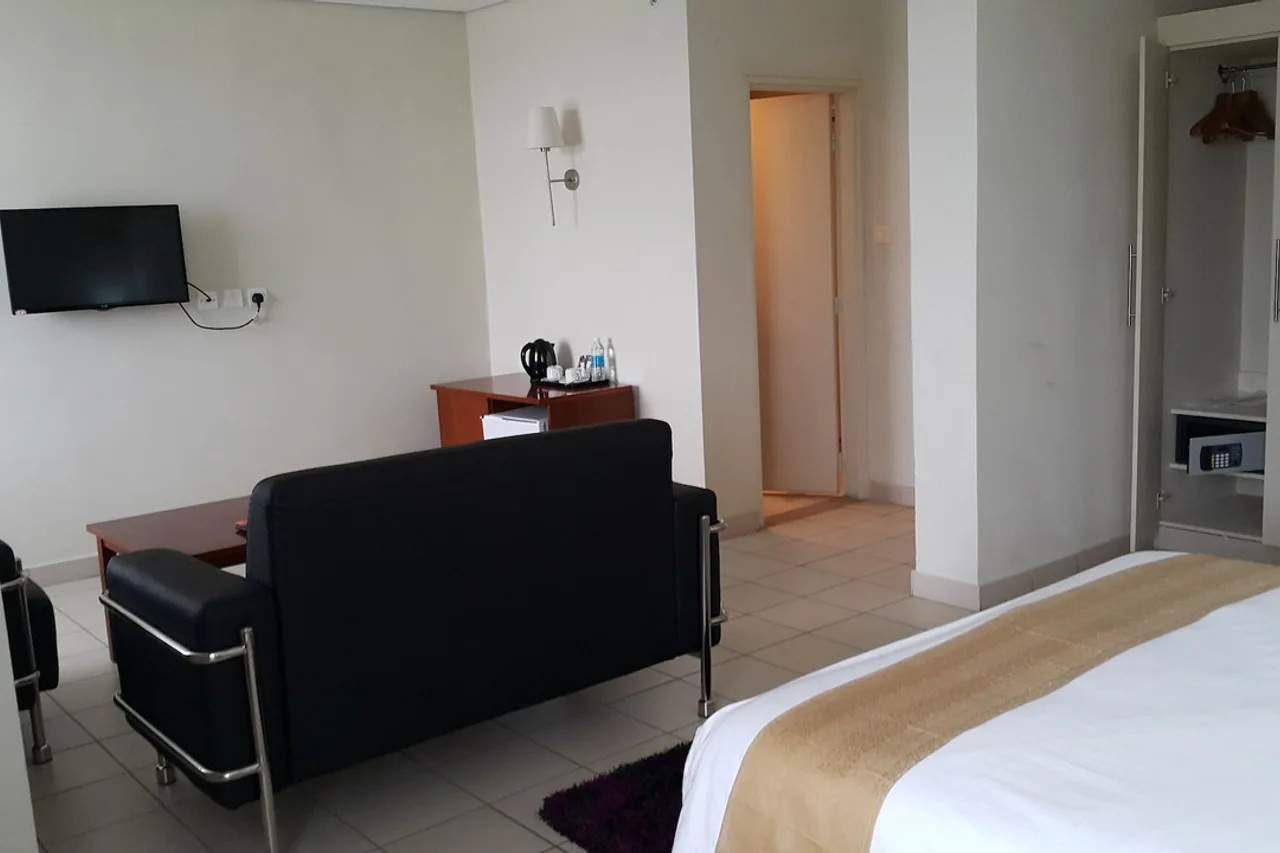 ★ 8.6Value
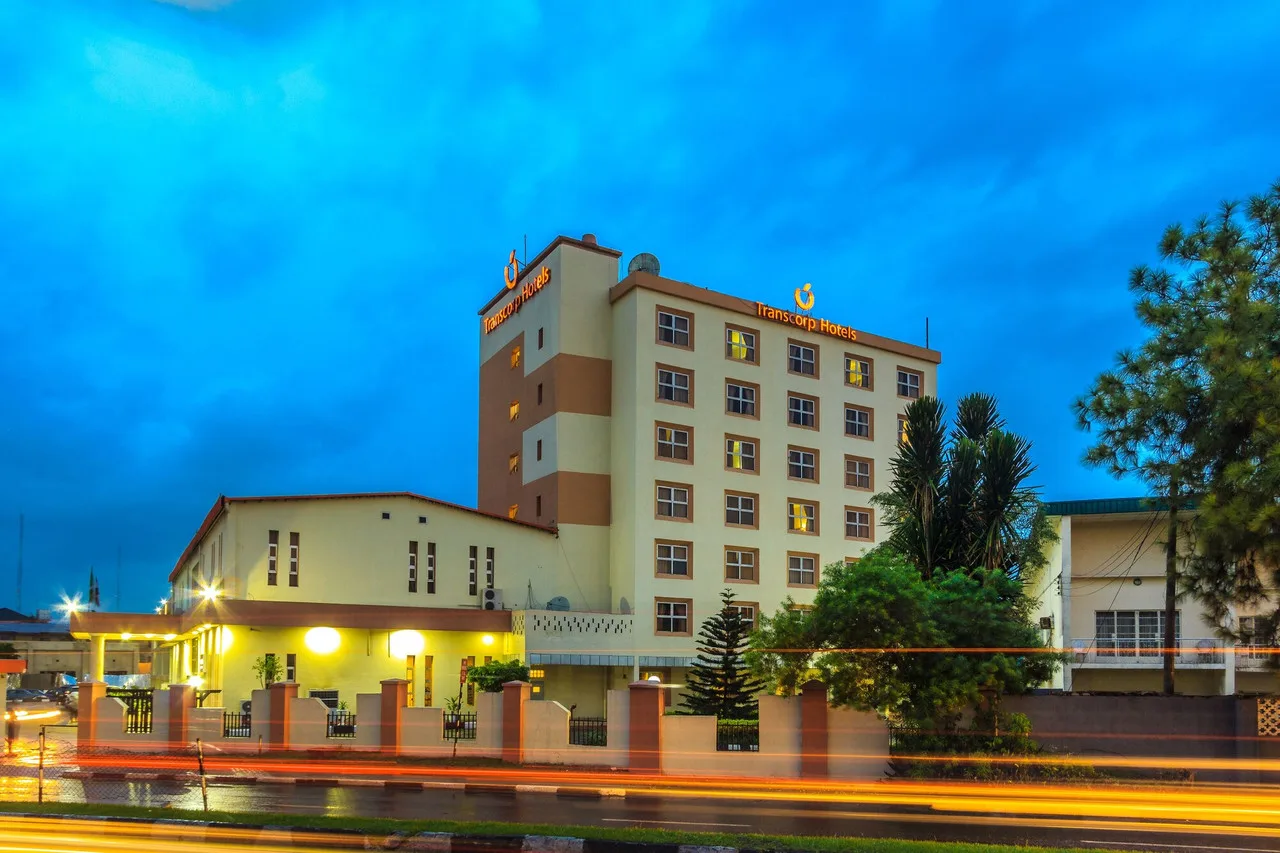 ★ 8.4Upper-mid
Transcorp Metropolitan Hotel Calabar
4-star business hotel in the city center
โรงแรมแนะนำทั้งหมดในCalabar
ครบทุกระดับงบ — คัดจากคะแนนรีวิวจริง พร้อมเทียบราคา 3 เว็บ
Haven't found the one? Search all 3 sites yourself
Compare real-time room availability for your Calabar dates
🚆 Getting around Calabar
Margaret Ekpo Airport (CBQ)
The city's international airport sits about 10–12 km from the centre, a 12–20 minute drive, with flights linking Lagos and Abuja.
Keke (tricycles) & shared taxis
Motorised tricycles (keke) and shared taxis are the main way around town — cheap and everywhere, but unmetered, so agree the fare first.
Bolt ride-hailing
Bolt works in Calabar with clear up-front pricing — handy for visitors who'd rather not haggle, and a popular option from the airport.
Airport taxis & car rental
Taxis wait outside arrivals (negotiate the fare beforehand); car rental should be pre-booked, as major international brands have no airport counters.
Cash in Naira
Nigeria uses the Naira. Carry cash — small shops, keke drivers and markets are largely cash-only.
Where to go next near Calabar
Frequently asked — where to stay in Calabar
When is the best time to visit Calabar?+
For the carnival, come in December — the city's liveliest, headline month — and book accommodation far ahead, as nearly two million people arrive. To avoid the crowds, the dry season (Nov–Feb) brings pleasant weather and little rain.
Is Calabar safe for tourists?+
Calabar is reputed to be one of the cleaner and safer major Nigerian cities. Still, take normal precautions with valuables, use ride-hailing like Bolt or a pre-agreed taxi, and avoid quiet areas after dark.
Which area should I stay in?+
For history and the waterfront, choose the City Centre around Marina Road. For dining, shopping and business hotels, pick Marian Road. For somewhere quiet but central, try State Housing Estate or Ekorinim.
Ready to book your Calabar stay?
Start with the 3 hotels our team picked, or search all 3 sites — always compare before booking