Ethiopia — find the right stay, from deciding to booking
“The rock-hewn churches of Lalibela, the castles of Gondar, the stelae of Axum, and the birthplace of coffee”
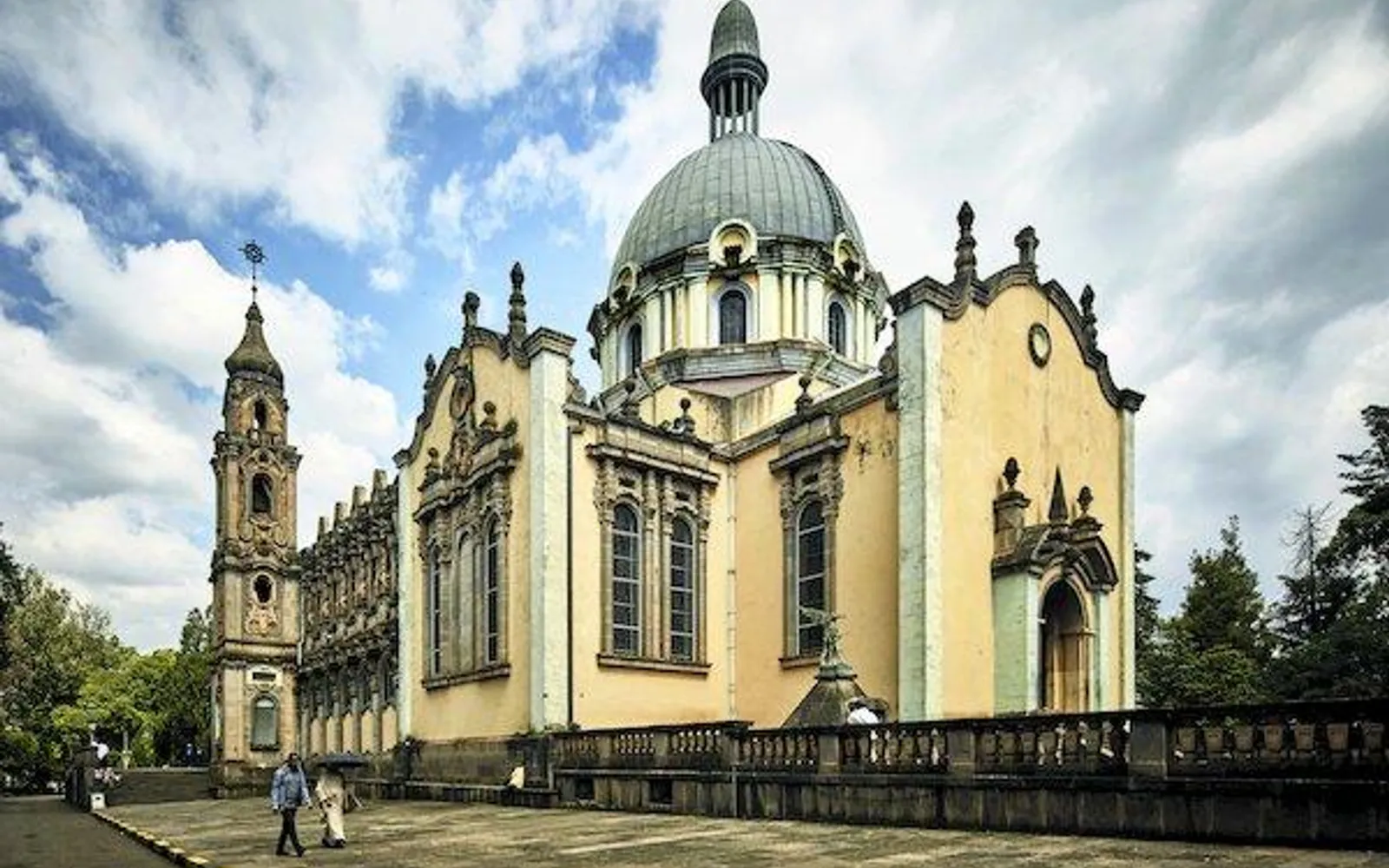
Ethiopia is an ancient civilization that is still alive — with multiple World Heritage sites, rich culture, and the birthplace of coffee — the rock-hewn churches of Lalibela, the Fasil Ghebbi castles of Gondar, the obelisks of Axum, the Simien Mountains home to gelada monkeys, the otherworldly volcanic landscape of the Danakil Depression, and a coffee-and-injera culture rooted in thousands of years of history.
Ethiopia at a glance
Choose a city in Ethiopia
Each city has its own things-to-do and food guides plus in-depth ranked hotel reviews with real photos and price comparison — start with the city that fits your trip.
Decide — is Ethiopia right for you?
Why people love Ethiopia, how it compares to its neighbors, and which travel style suits you
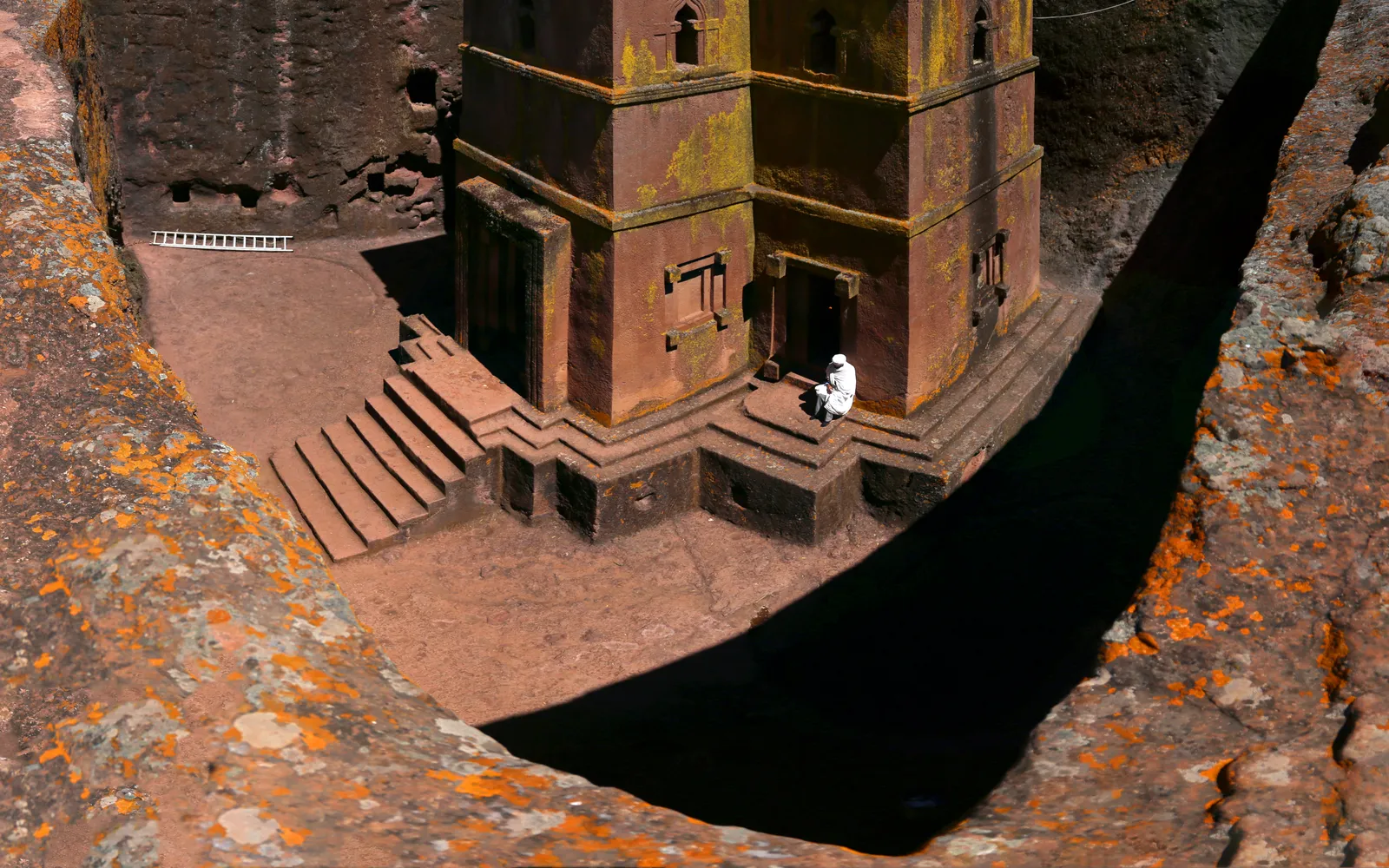
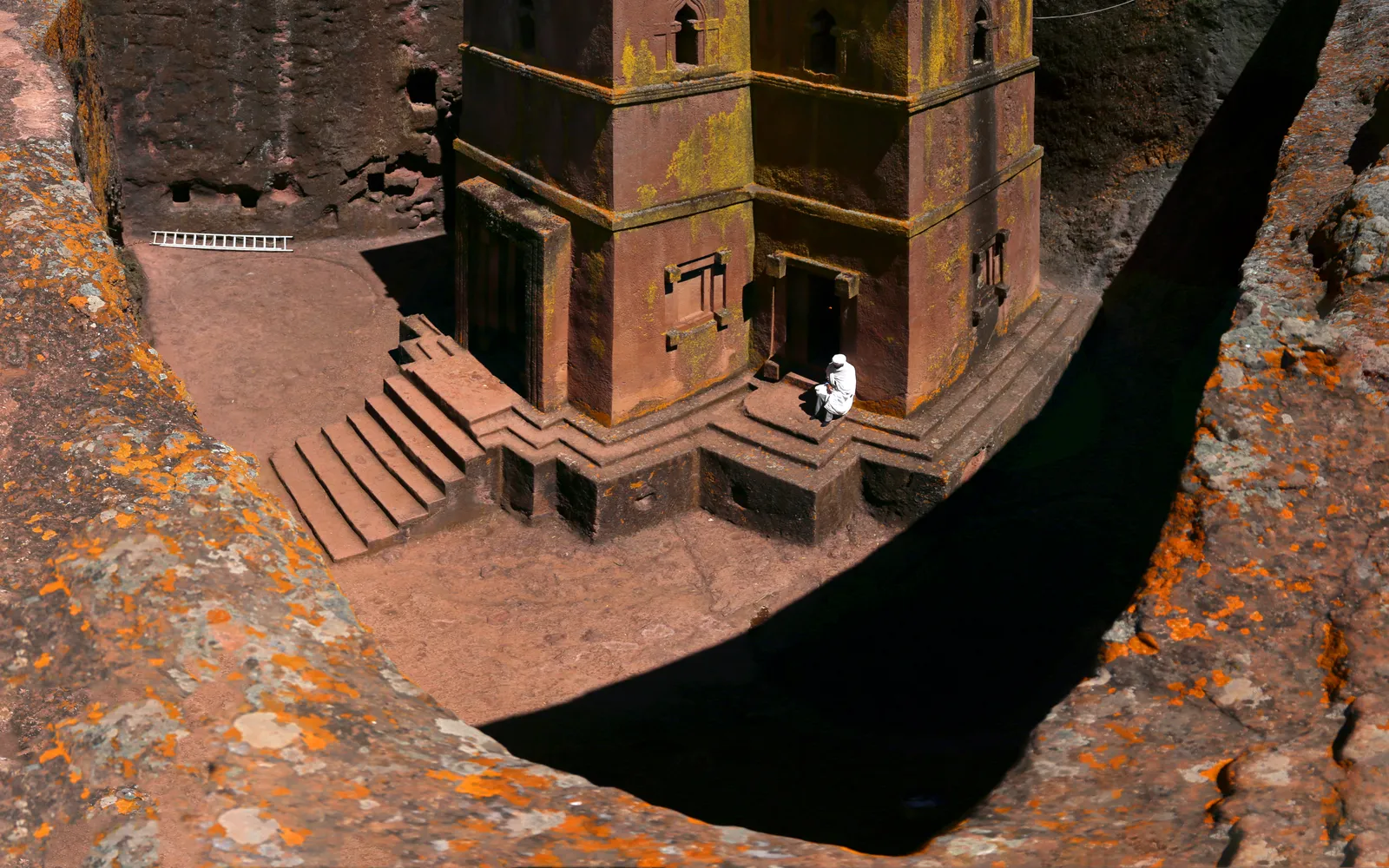
The rock-hewn churches of Lalibela
Eleven churches carved from solid rock in the 12th century — a UNESCO World Heritage site still used for actual worship.
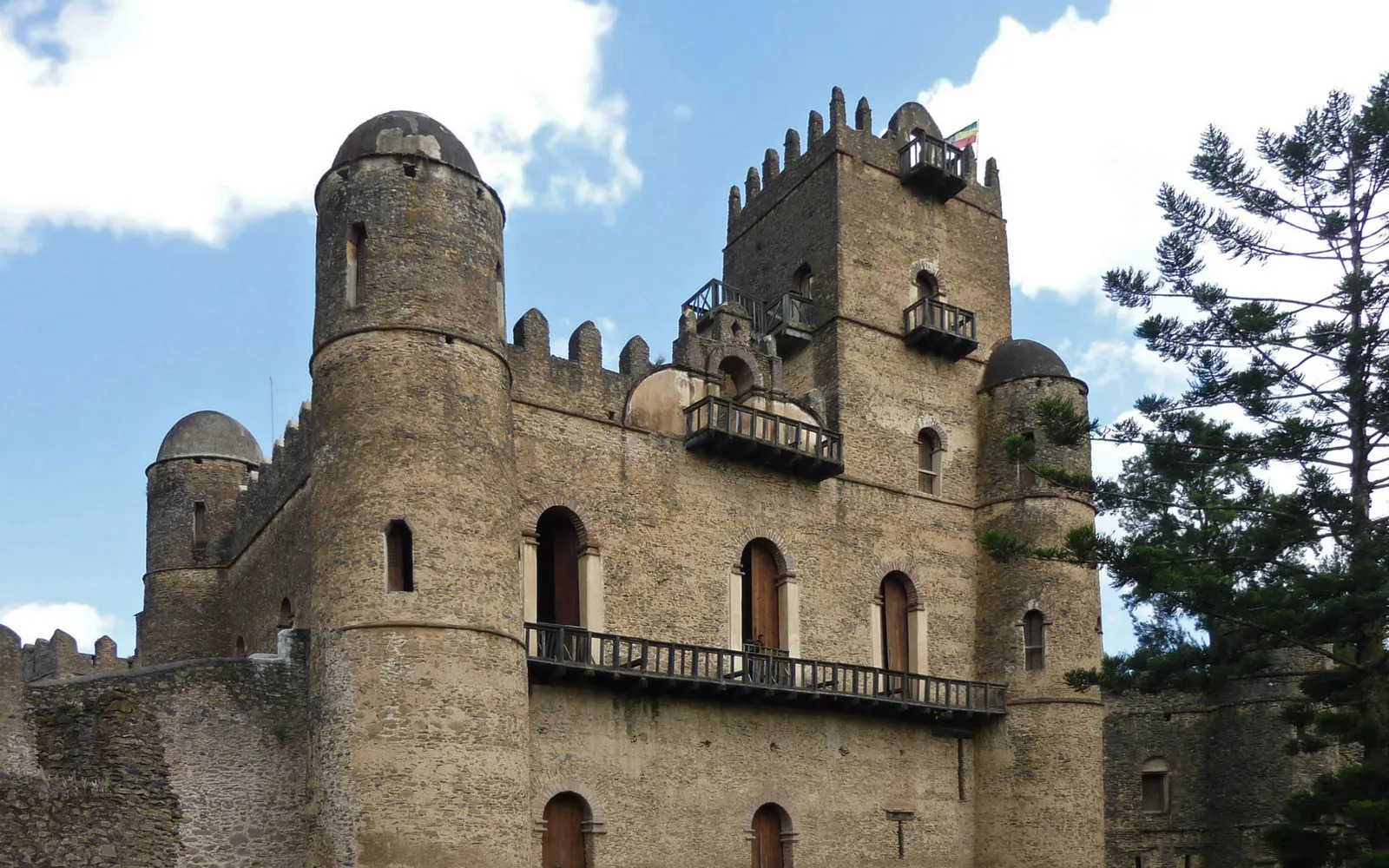
The castles of Gondar
Fasil Ghebbi, a group of 17th-century royal castles and a World Heritage site, nicknamed the 'Camelot of Africa.'
The obelisks of Axum
Carved granite stelae over 20 meters tall, from the ancient Axumite civilization more than 1,700 years old.
The Simien Mountains
A World Heritage park home to the red-chested gelada and the Ethiopian wolf, with dramatic cliff-edge scenery.
The Danakil Depression
Lava fields, yellow sulfur pools, and a salt lake at Africa's lowest point — a landscape unlike anywhere else on Earth.
The birthplace of coffee
Kaffa and Harar are the birthplace of coffee, and the coffee ceremony is a sacred ritual of hospitality.
Ethiopia vs its neighbors
| Ethiopia | Kenya | Tanzania | |
|---|---|---|---|
| Daily budget (per person) | $37–80 | $51–109 | $46–100 |
| Visa for travelers | e-visa in advance | Visa on arrival | Visa on arrival |
| Known for | Civilization · rock churches · coffee | Safaris · wildlife · coast | Safaris · Serengeti · Kilimanjaro |
| Currency | Birr (ETB) | Shilling (KES) | Shilling (TZS) |
| Highlights | Multiple World Heritage sites | World-class safaris | Trekking routes |
Figures are rough per-person, per-day estimates — your real budget depends on your travel style.
How do you travel?
World Heritage lover
The northern circuit — Lalibela, Axum, and Gondar — spending 7–10 days exploring one of the world's oldest civilizations.
See this plan → 🌋Adventure seeker
The Danakil Depression and the Simien Mountains — trekking and exploring extreme landscapes.
See this plan → ☕Culture and coffee lover
Addis Ababa and Harar — coffee ceremonies, fresh markets, and city life blending many cultures.
See this plan →Plan — stay, eat, see
Start with where to stay (the heart of the trip), then add food and sights, and gauge your daily budget.
Find the stay you want
1 ranked reviewsNo reviews match these filters — try removing some.
We're adding Ethiopia food reviews
We're adding Ethiopia sightseeing reviews
🚆 Getting around Ethiopia
Ethiopian Airlines
A world-class national carrier hubbed in Addis Ababa, with direct flights from Bangkok and connections to major cities within the country.
Domestic flights
Flying the Addis-Lalibela-Axum-Gondar route saves far more time than driving on mountain roads.
Car with driver
A popular option for tourists — drivers speak English and know the area well, and prices are negotiable.
Intercity buses
Cheap but very slow (Addis-Lalibela is about 12 hrs) — suited to budget travelers with time to spare.
Taxis and tuk-tuks
Yellow taxis and tuk-tuks in Addis Ababa — always agree on a price first; the Ride app works in the capital.
🛂 Etiquette & culture in Ethiopia
Ethiopian Orthodox Christianity
One of the world's oldest Christian traditions, with many religious holidays — churches are the heart of the community.
The sacred coffee ceremony
Declining coffee that a host has prepared is considered impolite — you should sit through all three rounds.
Ethiopian greetings
A handshake and a cheek touch is a warm greeting, and showing respect to elders matters greatly.
The white shamma
White clothing embroidered with color is the national dress, worn at religious ceremonies and festivals.
The Ethiopian calendar
Ethiopia uses a 13-month calendar, with its year 7–8 years behind the international one — which can make dates confusing.
💸 Daily budget — a rough guide
Budget
🛏️ Small guesthouse $11–26
Ethiopia is very cheap — delicious, low-cost local food, though entry fees at some sites are higher for tourists.
Comfort
🛏️ 3-star hotel $34–71
Domestic flights, a car with driver, a local guide, and tourist-oriented restaurants.
Premium
🛏️ Luxury hotel $100+
Private tours, a Danakil tour with an expert guide, and boutique hotels in Lalibela and Gondar.
🗓️ When to visit Ethiopia
Dry season
Oct – JanThe best weather — clear skies and good road conditions, ideal for travel.
After the early-year rains
Feb – AprLush greenery, warm weather, fewer crowds, and wildflowers in bloom.
Timkat (the great festival)
JanEthiopia's grandest Epiphany festival (celebrating Jesus's baptism) — Lalibela and Addis come alive with color.
Avoid the rainy season
Jun – SepVery heavy rain floods some roads; Danakil becomes hard to reach and even hotter.
Book — hotels our team picked
Hand-picked from the highest guest-rated hotels we've reviewed in Ethiopia — compare prices across 3 sites.
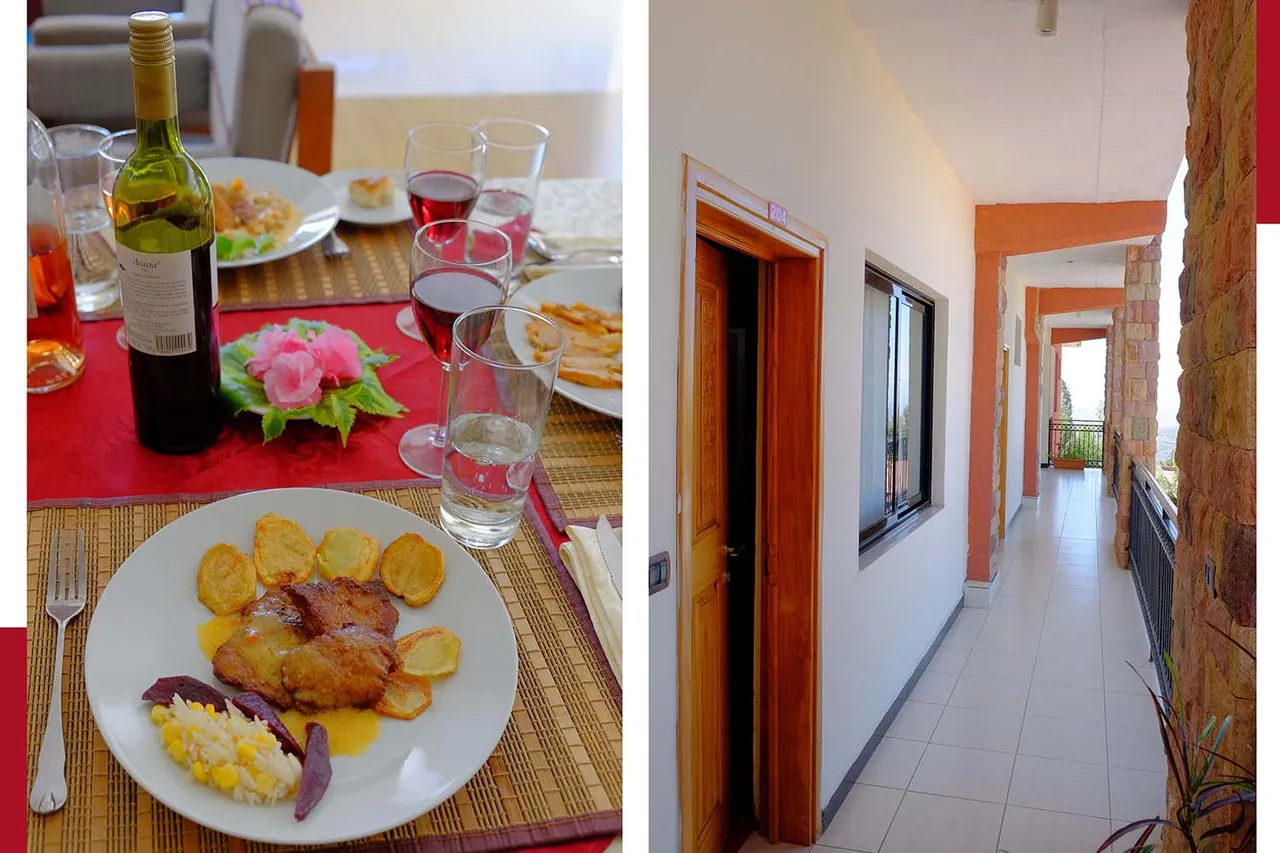 ★ 9.7💑 Great for your trip
 ★ 9.4💑 Great for your trip
 ★ 9.3👑 Great for your trip
Want to see every option in Ethiopia?
Browse all our ranked stay reviews — every budget and area, with real photos and price comparison.
View the top city guide →FAQ — visiting Ethiopia
How many days do you need in Ethiopia?+
8–12 days — Addis Ababa for 2 days plus the northern circuit (Lalibela-Axum-Gondar) for 5–6 days by domestic flight, then on to Danakil or the Simiens if you have time.
Is Ethiopia safe? What should you check before traveling?+
The main tourist sites (Lalibela, Gondar, Axum, Addis) are generally safe for tourists, but some regions have situations to watch. Always check your country's foreign-ministry travel advisories before setting out, and update yourself on the latest conditions before traveling.
Do you need a visa, and what vaccinations are required?+
Get an e-visa in advance plus a yellow fever vaccination certificate. Check the latest conditions, as rules can change, and consult a doctor about other vaccines (typhoid, hepatitis A) before traveling.
What currency is used, and where do you exchange money?+
The Ethiopian birr (ETB), exchangeable at banks and the airport. Most shops accept cash only, so carry enough cash, especially in small towns. Credit cards work only at upscale hotels in Addis Ababa.
Tips before you go to Ethiopia
- Book a Danakil tour with a licensed operator — the area is remote and extremely hot, and a local guide is essential.
- Prepare for the altitude — Addis Ababa sits at 2,300 meters and Lalibela at 2,500 meters.
- Dress modestly to enter churches — a shawl and long trousers, and remove your shoes before going in.
- Check travel advisories with your embassy before setting out, and update yourself on the situation in each region you plan to visit.
- Fly domestically with Ethiopian Airlines to save hours over driving mountain roads.
- Carry anti-diarrheal and basic medicines — they can be hard to find in small towns.