Funafuti (se dice foo-nah-FOO-tii) es la capital de Tuvalu — y sí, es casi con seguridad uno de los lugarcitos más extraordinarios en los que pondrás el pie jamás. Es el 4.º país soberano más pequeño del planeta por superficie, justo por detrás de la Ciudad del Vaticano, Mónaco y Nauru, con solo unos 11.000 ciudadanos en todo el país y aproximadamente 6.000 viviendo aquí mismo, en el atolón de Funafuti. El país entero abarca unos 26 kilómetros cuadrados repartidos en 9 atolones y 124 islotes diminutos que flotan en el Pacífico central. Eso es aproximadamente la huella de la isla de Sentosa en Singapur — salvo que esta huella es una nación soberana con su propia bandera, sus propias monedas, su propio asiento en las Naciones Unidas y una de las calles principales más cinematográficas del planeta.
Aquí va el titular que viniste a buscar: la pista del aeropuerto internacional de Funafuti ES la calle principal de la ciudad. Cuando no hay aviones programados (que es la mayor parte del tiempo, porque solo hay unos dos vuelos de Fiji Airways por semana), los niños juegan al fútbol en el asfalto, las familias pasean a los perros, las motos recorren la línea central, y toda la comunidad la trata como un gigantesco parque lineal. Es una de esas escenas famosas de internet que resultan ser del todo reales, y en el momento en que pones el pie en ella por primera vez entiendes por qué la gente se enamora de Tuvalu.
La otra cosa que necesitas saber de entrada: Tuvalu está, de media, a apenas 2 metros sobre el nivel del mar. Los científicos del clima y el IPCC han advertido de que las islas podrían volverse inhabitables para la década de 2050, y Tuvalu ya ha firmado la Unión Falepili (2024) con Australia, la primera vía formal del mundo para refugiados climáticos. El país ha comprado tierra en Fiyi como respaldo. Las mareas vivas inundan con regularidad calles que estaban secas hace una generación. Esto no es un discurso lastimero — los tuvaluanos son cálidos, divertidos y ferozmente orgullosos de su hogar — pero es una razón real por la que la frase "visítalo antes de que desaparezca" tiene peso aquí. Estás viendo un país, una cultura y un modo de vida polinesio que los viajeros del futuro quizá solo conozcan por documentales.
Qué hacer, en términos sencillos: recorre la laguna de Funafuti, la mayor laguna de atolón de Tuvalu, donde el agua adquiere esos azules imposibles del Pacífico. Toma una barquita hasta Mulitefala, un islote privado gestionado por el Afelita Island Resort, para una tarde de auténtico Robinson Crusoe. Haz esnórquel en la Zona de Conservación de Funafuti — un parque marino protegido con arrecife sano — y pídele a un barquero local que te lleve al pecio del avión estadounidense de la Segunda Guerra Mundial en la laguna, un vestigio de la base de operaciones estadounidense construida aquí en 1943-44. Pasea por Vaiaku, el diminuto distrito de la capital, ante el parlamento, la biblioteca nacional, el centro cultural y la iglesia católica. Por las tardes, si tienes suerte, presenciarás un fatele — danza y canto tradicional polinesio — en una de las salas comunitarias maneapa.
Come como un local. La cocina tuvaluana es comida reconfortante polinesia: pulaka (taro de pantano gigante, una raíz tradicional que se cultiva aquí desde hace más de mil años), pescado de arrecife a la parrilla, fruta del pan, yuca, boniato, y coco en todas sus formas — crema, agua, leche, rallado. Aquí no se elabora cerveza local (el país es demasiado pequeño), así que espera marcas australianas importadas como Tooheys, Carlton o Heineken. Prueba el fa'ausi (una empanadilla dulce de sirope de coco), el koko mani, y las sencillas tartas de coco que venden en pequeñas tiendas al borde de la carretera.
Asuntos de dinero. La moneda oficial es el dólar australiano (AUD), más las propias monedas conmemorativas de Tuvalu, que son de curso legal solo dentro de la isla. Visa y Mastercard prácticamente no se aceptan. Los cajeros son escasos. Lleva efectivo en AUD para todo tu viaje. Todo llega importado por barco desde Fiyi, así que espera que los precios parezcan altos para un remoto rincón del Pacífico: una comida sentada cuesta entre 15 y 30 dólares, el pescado fresco entre 12 y 25, una cerveza entre 5 y 10, los trayectos en taxi por la ciudad entre 5 y 10, y el alquiler de una moto entre 20 y 40 al día. El alojamiento es el mayor gasto — mira las opciones de abajo.
Llegar aquí es la mitad de la aventura. El Aeropuerto Internacional de Funafuti (FUN) tiene una pista tan corta que solo los turbohélices ATR-72 pueden aterrizar con seguridad. Fiji Airways opera aproximadamente dos vuelos por semana desde Suva, que es tu única puerta de entrada realista. Desde Bangkok, espera entre 18 y 26 horas en total vía Sídney, Hong Kong o Singapur hasta Fiyi, y luego hacia Funafuti. Las cancelaciones de vuelos por el clima son habituales, así que deja un margen de al menos 2 días a cada lado de tu viaje. Una vez aterrices, el aeropuerto está a 5 minutos a pie (o un taxi de 5 dólares) de cualquier hotel de la ciudad. Tuvalu ofrece entrada sin visado de 30 días para los titulares de pasaporte tailandés.
Seguridad y prácticos. Funafuti tiene un aviso de viaje de Nivel 1 — la delincuencia es prácticamente nula y los lugareños son célebremente cálidos. Conduce por la izquierda (herencia británica). El agua del grifo procede de la recogida de agua de lluvia, así que bebe agua embotellada o hervida. Las instalaciones médicas son muy limitadas — cualquier cosa seria significa una evacuación médica a Fiyi, así que un buen seguro de viaje es innegociable. El país usa UTC+12 todo el año (Tailandia +5 horas). Los idiomas que se hablan son el tuvaluano, el gilbertés (en la isla de Nui) y el inglés como lengua cooficial — el inglés turístico es generalmente bueno. La estación seca va de mayo a octubre, con agradables días de 25-30 °C; de noviembre a abril es húmedo, caluroso y trae riesgo de ciclones, además de esas inundaciones por mareas vivas. Junio de 2026, cuando muchos lectores aterrizarán, cae perfectamente dentro de la ventana seca.
Una nota más, curiosa para los aficionados a las anécdotas de viaje: Tuvalu posee el dominio de internet .tv, que tiene licenciado desde 1999 (originalmente a VeriSign por unos 5 millones de dólares estadounidenses al año) y que ahora aporta aproximadamente un tercio del PIB del país. Cada streamer de Twitch y cada web relacionada con la televisión que visitas paga discretamente el salario de un maestro o una enfermera tuvaluanos.
A continuación hemos seleccionado a mano 10 lugares para alojarse en Funafuti — casas de huéspedes en su mayoría, porque esa es la honesta realidad local. Cubrimos el único hotel propiamente dicho con servicio completo (Funafuti Lagoon Hotel), el espectacular complejo de islote privado (Afelita Island Resort en Mulitefala), los populares alojamientos a lo largo de la franja de Vaiaku y Fongafale, y los lugares más tranquilos de gestión familiar en los extremos de la pista. Reserves lo que reserves, reserva con antelación — el inventario total de habitaciones de todo el país se puede contar con las dos manos.
Dónde alojarse — barrios
Funafuti (se dice foo-nah-FOO-tii) es la capital de Tuvalu — y sí, es casi con seguridad uno de los lugarcitos más extraordinarios en los que pondrás el pie jamás. Es el 4.º país soberano más pequeño del planeta por superficie, justo por detrás de la Ciudad del Vaticano, Mónaco y Nauru, con solo unos 11.000 ciudadanos en todo el país y aproximadamente 6.000 viviendo aquí mismo, en el atolón de Funafuti. El país entero abarca unos 26 kilómetros cuadrados repartidos en 9 atolones y 124 islotes diminutos que flotan en el Pacífico central. Eso es aproximadamente la huella de la isla de Sentosa en Singapur — salvo que esta huella es una nación soberana con su propia bandera, sus propias monedas, su propio asiento en las Naciones Unidas y una de las calles principales más cinematográficas del planeta.
Aquí va el titular que viniste a buscar: la pista del aeropuerto internacional de Funafuti ES la calle principal de la ciudad. Cuando no hay aviones programados (que es la mayor parte del tiempo, porque solo hay unos dos vuelos de Fiji Airways por semana), los niños juegan al fútbol en el asfalto, las familias pasean a los perros, las motos recorren la línea central, y toda la comunidad la trata como un gigantesco parque lineal. Es una de esas escenas famosas de internet que resultan ser del todo reales, y en el momento en que pones el pie en ella por primera vez entiendes por qué la gente se enamora de Tuvalu.
La otra cosa que necesitas saber de entrada: Tuvalu está, de media, a apenas 2 metros sobre el nivel del mar. Los científicos del clima y el IPCC han advertido de que las islas podrían volverse inhabitables para la década de 2050, y Tuvalu ya ha firmado la Unión Falepili (2024) con Australia, la primera vía formal del mundo para refugiados climáticos. El país ha comprado tierra en Fiyi como respaldo. Las mareas vivas inundan con regularidad calles que estaban secas hace una generación. Esto no es un discurso lastimero — los tuvaluanos son cálidos, divertidos y ferozmente orgullosos de su hogar — pero es una razón real por la que la frase "visítalo antes de que desaparezca" tiene peso aquí. Estás viendo un país, una cultura y un modo de vida polinesio que los viajeros del futuro quizá solo conozcan por documentales.
Qué hacer, en términos sencillos: recorre la laguna de Funafuti, la mayor laguna de atolón de Tuvalu, donde el agua adquiere esos azules imposibles del Pacífico. Toma una barquita hasta Mulitefala, un islote privado gestionado por el Afelita Island Resort, para una tarde de auténtico Robinson Crusoe. Haz esnórquel en la Zona de Conservación de Funafuti — un parque marino protegido con arrecife sano — y pídele a un barquero local que te lleve al pecio del avión estadounidense de la Segunda Guerra Mundial en la laguna, un vestigio de la base de operaciones estadounidense construida aquí en 1943-44. Pasea por Vaiaku, el diminuto distrito de la capital, ante el parlamento, la biblioteca nacional, el centro cultural y la iglesia católica. Por las tardes, si tienes suerte, presenciarás un fatele — danza y canto tradicional polinesio — en una de las salas comunitarias maneapa.
Come como un local. La cocina tuvaluana es comida reconfortante polinesia: pulaka (taro de pantano gigante, una raíz tradicional que se cultiva aquí desde hace más de mil años), pescado de arrecife a la parrilla, fruta del pan, yuca, boniato, y coco en todas sus formas — crema, agua, leche, rallado. Aquí no se elabora cerveza local (el país es demasiado pequeño), así que espera marcas australianas importadas como Tooheys, Carlton o Heineken. Prueba el fa'ausi (una empanadilla dulce de sirope de coco), el koko mani, y las sencillas tartas de coco que venden en pequeñas tiendas al borde de la carretera.
Asuntos de dinero. La moneda oficial es el dólar australiano (AUD), más las propias monedas conmemorativas de Tuvalu, que son de curso legal solo dentro de la isla. Visa y Mastercard prácticamente no se aceptan. Los cajeros son escasos. Lleva efectivo en AUD para todo tu viaje. Todo llega importado por barco desde Fiyi, así que espera que los precios parezcan altos para un remoto rincón del Pacífico: una comida sentada cuesta entre 15 y 30 dólares, el pescado fresco entre 12 y 25, una cerveza entre 5 y 10, los trayectos en taxi por la ciudad entre 5 y 10, y el alquiler de una moto entre 20 y 40 al día. El alojamiento es el mayor gasto — mira las opciones de abajo.
Llegar aquí es la mitad de la aventura. El Aeropuerto Internacional de Funafuti (FUN) tiene una pista tan corta que solo los turbohélices ATR-72 pueden aterrizar con seguridad. Fiji Airways opera aproximadamente dos vuelos por semana desde Suva, que es tu única puerta de entrada realista. Desde Bangkok, espera entre 18 y 26 horas en total vía Sídney, Hong Kong o Singapur hasta Fiyi, y luego hacia Funafuti. Las cancelaciones de vuelos por el clima son habituales, así que deja un margen de al menos 2 días a cada lado de tu viaje. Una vez aterrices, el aeropuerto está a 5 minutos a pie (o un taxi de 5 dólares) de cualquier hotel de la ciudad. Tuvalu ofrece entrada sin visado de 30 días para los titulares de pasaporte tailandés.
Seguridad y prácticos. Funafuti tiene un aviso de viaje de Nivel 1 — la delincuencia es prácticamente nula y los lugareños son célebremente cálidos. Conduce por la izquierda (herencia británica). El agua del grifo procede de la recogida de agua de lluvia, así que bebe agua embotellada o hervida. Las instalaciones médicas son muy limitadas — cualquier cosa seria significa una evacuación médica a Fiyi, así que un buen seguro de viaje es innegociable. El país usa UTC+12 todo el año (Tailandia +5 horas). Los idiomas que se hablan son el tuvaluano, el gilbertés (en la isla de Nui) y el inglés como lengua cooficial — el inglés turístico es generalmente bueno. La estación seca va de mayo a octubre, con agradables días de 25-30 °C; de noviembre a abril es húmedo, caluroso y trae riesgo de ciclones, además de esas inundaciones por mareas vivas. Junio de 2026, cuando muchos lectores aterrizarán, cae perfectamente dentro de la ventana seca.
Una nota más, curiosa para los aficionados a las anécdotas de viaje: Tuvalu posee el dominio de internet .tv, que tiene licenciado desde 1999 (originalmente a VeriSign por unos 5 millones de dólares estadounidenses al año) y que ahora aporta aproximadamente un tercio del PIB del país. Cada streamer de Twitch y cada web relacionada con la televisión que visitas paga discretamente el salario de un maestro o una enfermera tuvaluanos.
A continuación hemos seleccionado a mano 10 lugares para alojarse en Funafuti — casas de huéspedes en su mayoría, porque esa es la honesta realidad local. Cubrimos el único hotel propiamente dicho con servicio completo (Funafuti Lagoon Hotel), el espectacular complejo de islote privado (Afelita Island Resort en Mulitefala), los populares alojamientos a lo largo de la franja de Vaiaku y Fongafale, y los lugares más tranquilos de gestión familiar en los extremos de la pista. Reserves lo que reserves, reserva con antelación — el inventario total de habitaciones de todo el país se puede contar con las dos manos.
Elegimos primero por ubicación y barrio, luego por puntuaciones reales de huéspedes en Agoda · Booking.com · Trip.com, características únicas y relación calidad-precio.
Reseñas · 9 mejores hoteles
Toca un estilo de viaje — la lista se reordena para mostrar la mejor opción primero.
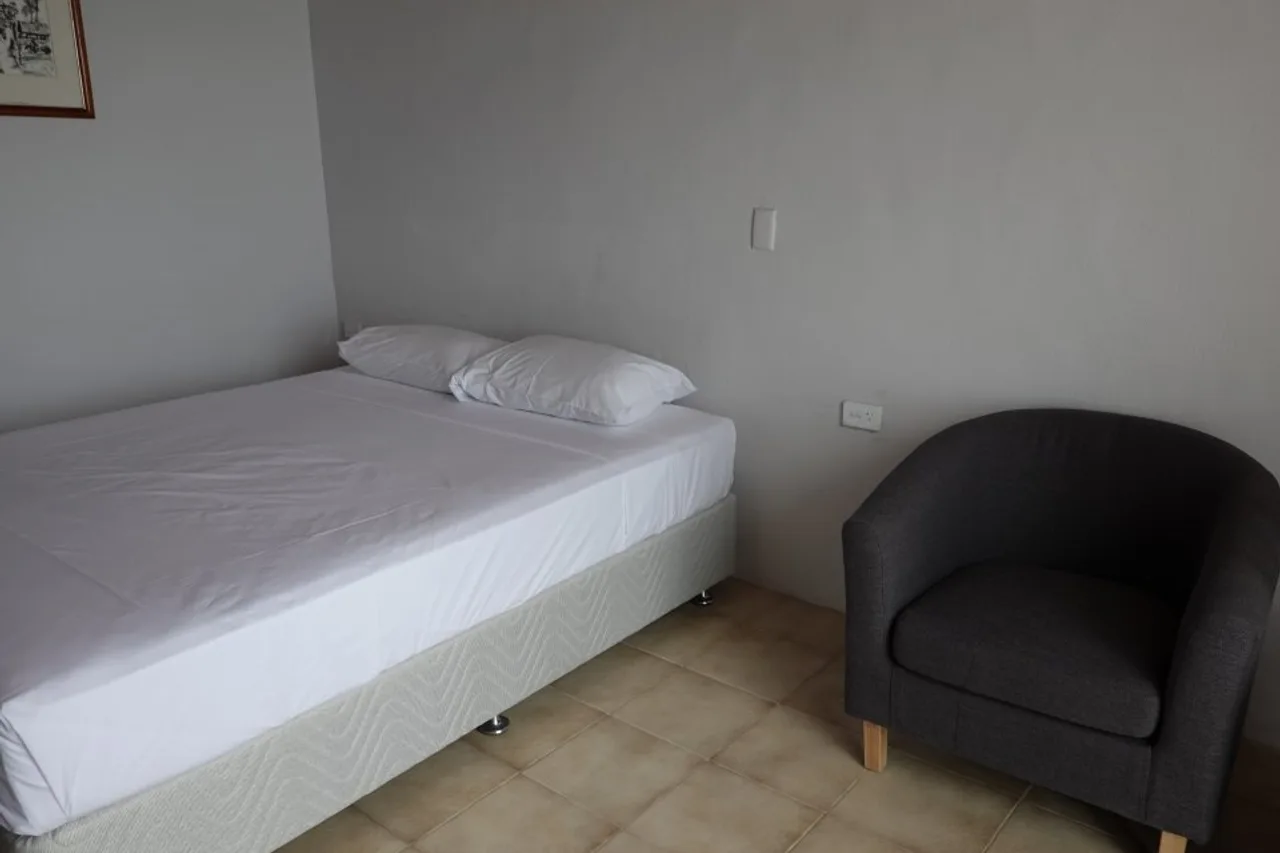 No. 1 #1 The only proper hotel in Tuvalu ★7.6
 Funafuti Lagoon Hotel
📍 Vaiaku, Funafuti — directly on the western shore of Funafuti Lagoon, just 50 metres from the FUN airport terminal, and a few minutes' walk to Parliament House and the government offices.
Funafuti Lagoon Hotel (formerly Vaiaku Lagi Hotel) is the only fully-operating hotel in Tuvalu — the 4th-smallest country on Earth, with just 26 square kilometres of total land. Built in 1993 with Taiwanese development aid, it sits in Vaiaku on Funafuti atoll's western lagoon shore, roughly 50 metres from the terminal at Funafuti International Airport (FUN). The newer wing has 16 rooms with air-con, TV, mini-fridge and hot-water bathrooms, and several balconies open straight onto the turquoise lagoon. On site you get a restaurant, a bar, and a lagoon-side BBQ deck that doubles as the social hub for islanders, diplomats and the handful of travellers who make it this far. Real guest scores sit around 7.6/10 on Agoda and 7.8/10 on Booking — clean, well-equipped, friendly, with a sunset most reviewers say justified the entire trip. Rooms run from roughly US$120 a night up to US$215 for the lagoon-view category.
- Lagoon-front + 50 metres from FUN airport terminal
- Best sunset on the atoll, watched from the BBQ deck
- Tuvaluan staff who treat you like visiting family
- Only proper hotel in the country — fills fast around regional meetings
- Wi-Fi is slow and unreliable atoll-wide
Affiliate links — we may earn a commission at no extra cost to you. Details
 No. 2 #2 Private island · Funafuti Lagoon ★8.7
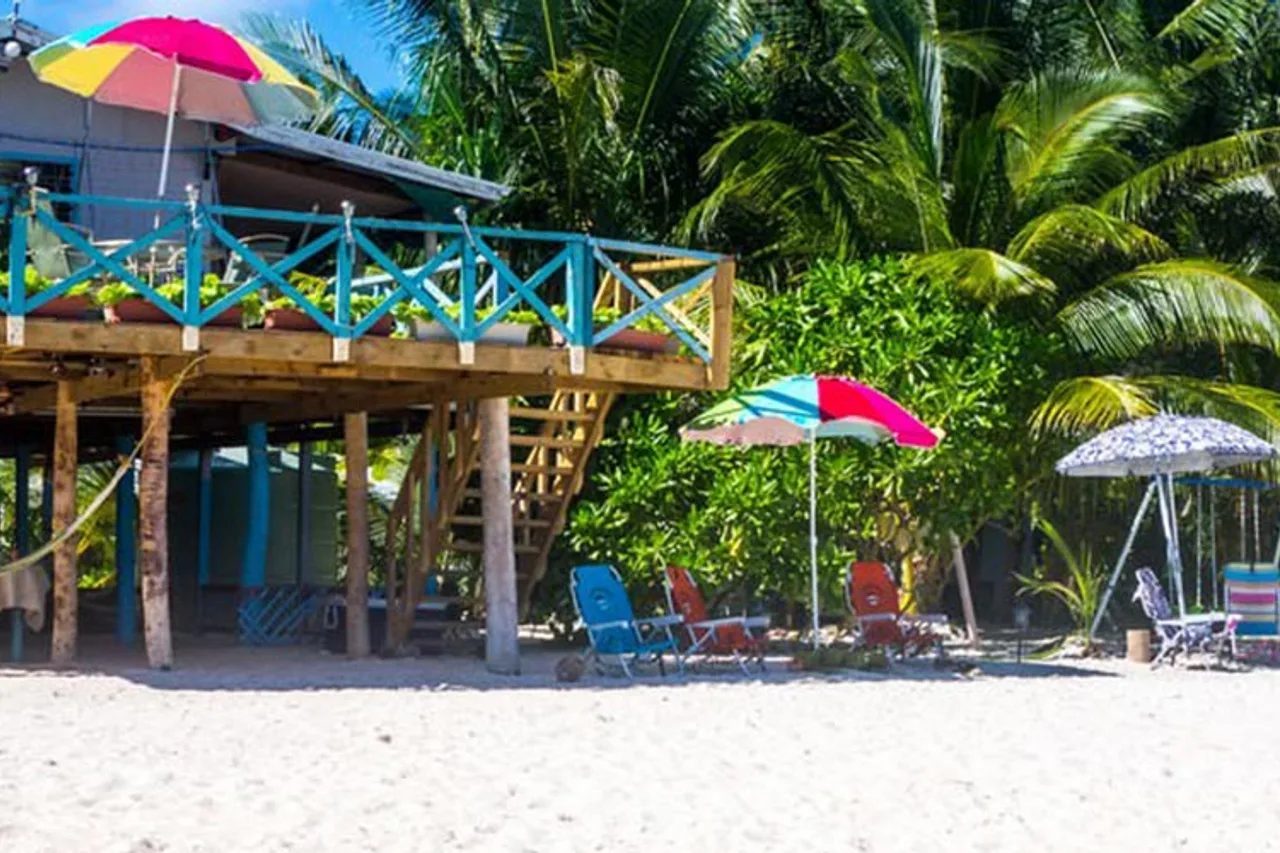
 Afelita Island Resort
📍 On Mulitefala Islet (Pandanus Island), a private coral cay in the middle of Funafuti Lagoon — an 8-minute boat transfer from Amatuku Jetty on the main island, roughly 15 minutes door-to-door from Funafuti International Airport (FUN) including the boat ride.
Afelita Island Resort is one of only a handful of private-island stays in Tuvalu, the fourth-smallest country on Earth at just 26 sq km. The resort sits on Mulitefala Islet — locals call it Pandanus Island — a coral speck of roughly 0.8 hectares in the middle of Funafuti Lagoon, an 8-minute boat hop from Amatuku Jetty on the main island. The whole property is just 8 bungalows with woven-bamboo walls and timber frames in the traditional Pacific style, powered by 100% solar since 2014. Pigs, ducks, chickens, mud crabs and an organic fruit-and-vegetable garden mean most of what lands on the plate was harvested on the island the same day. The surrounding reef is part of the Funafuti Conservation Area, still clear enough that you can snorkel straight off the beach and see parrotfish, blue sea stars and the occasional sea turtle. Rates start around $155 a night, with a guest score of 8.7/10 from the small number of travelers who actually make it this far.
- Genuine private islet — just 8 bungalows, no day-trippers, no other resorts
- 100% solar since 2014, plus an on-site farm feeding most meals
- Easy reef snorkeling straight off the beach inside the Conservation Area
- No air-con in every bungalow, limited hot water, patchy Wi-Fi
- Only ~3 Fiji Airways flights a week reach Tuvalu — easy to get stranded
- No long menu — kitchen cooks only what was harvested or caught that day
Affiliate links — we may earn a commission at no extra cost to you. Details
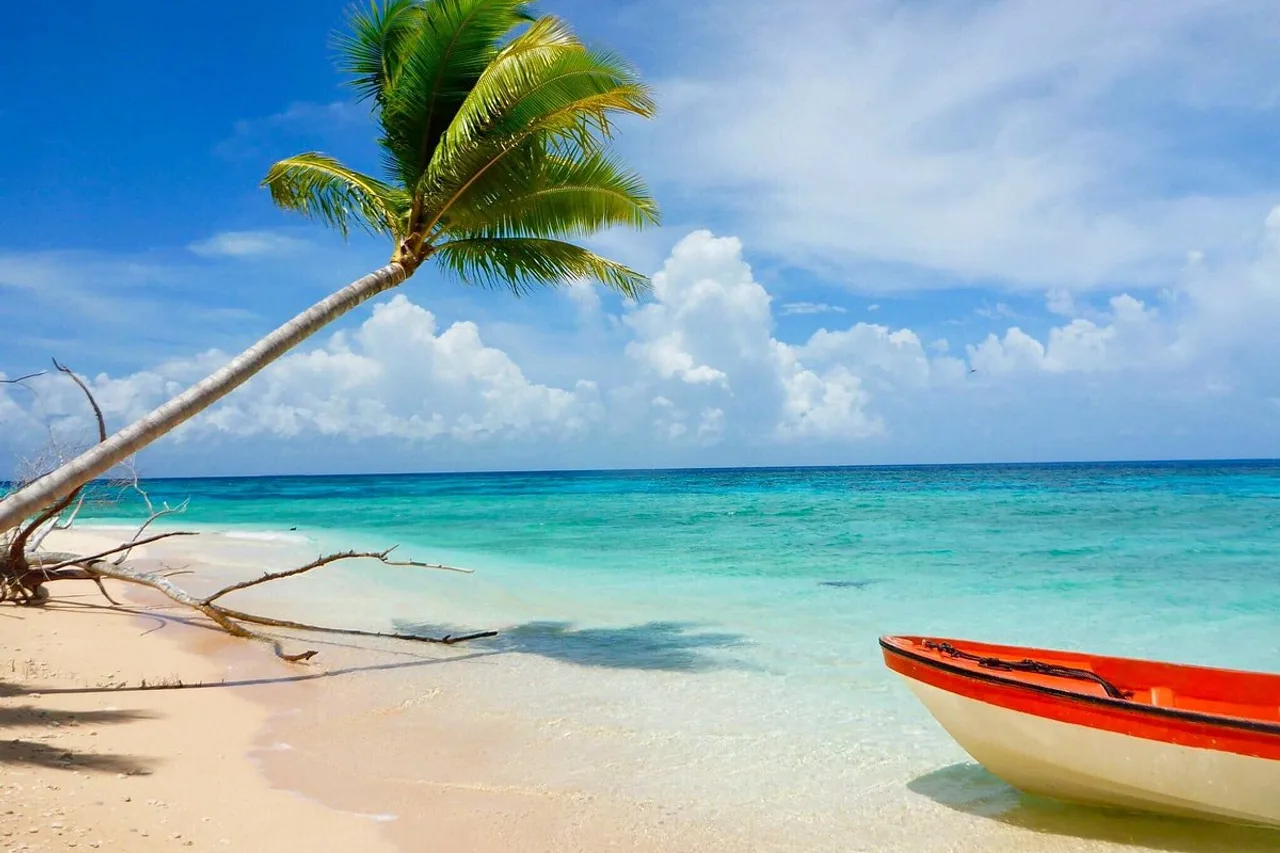 No. 4 #4 Family-friendly · 3 minutes to the airport ★8.4
 Esfam Lodge
📍 Vaiaku district, the government quarter at the centre of Funafuti — about a 3-minute walk to Funafuti International Airport (FUN), the National Bank of Tuvalu, and the Government Building; the single runway runs flush with the main road across the whole atoll
Esfam Lodge is a small family-run lodge with around 10 rooms in the Vaiaku district, the government quarter and de-facto centre of Funafuti — the main atoll of Tuvalu, one of the least-visited countries on earth. From the front door it is roughly a 3-minute walk to Funafuti International Airport (FUN), the Government Building, the Telecom office, and the National Bank of Tuvalu. Every room has a private balcony, a small kitchenette with mini-bar, and an en-suite bathroom. Rates start around US$100/night with breakfast and Wi-Fi included. Reviewers consistently praise the warm family-style service — there is a free airport shuttle and the team will pack a lunch box for day trips around the atoll. A ping-pong table sits in the lobby. With an aggregate score of 8.4/10, it suits government visitors, solo travelers and families who want a simple, central base in Vaiaku.
- 3-minute walk to the airport, government buildings, and the National Bank of Tuvalu
- Free airport shuttle plus packed lunch boxes for atoll day trips
- Breakfast included and free in-room Wi-Fi
- Simple rooms with no pool, gym, or spa
- Aircraft noise when the few weekly flights arrive or depart
Affiliate links — we may earn a commission at no extra cost to you. Details
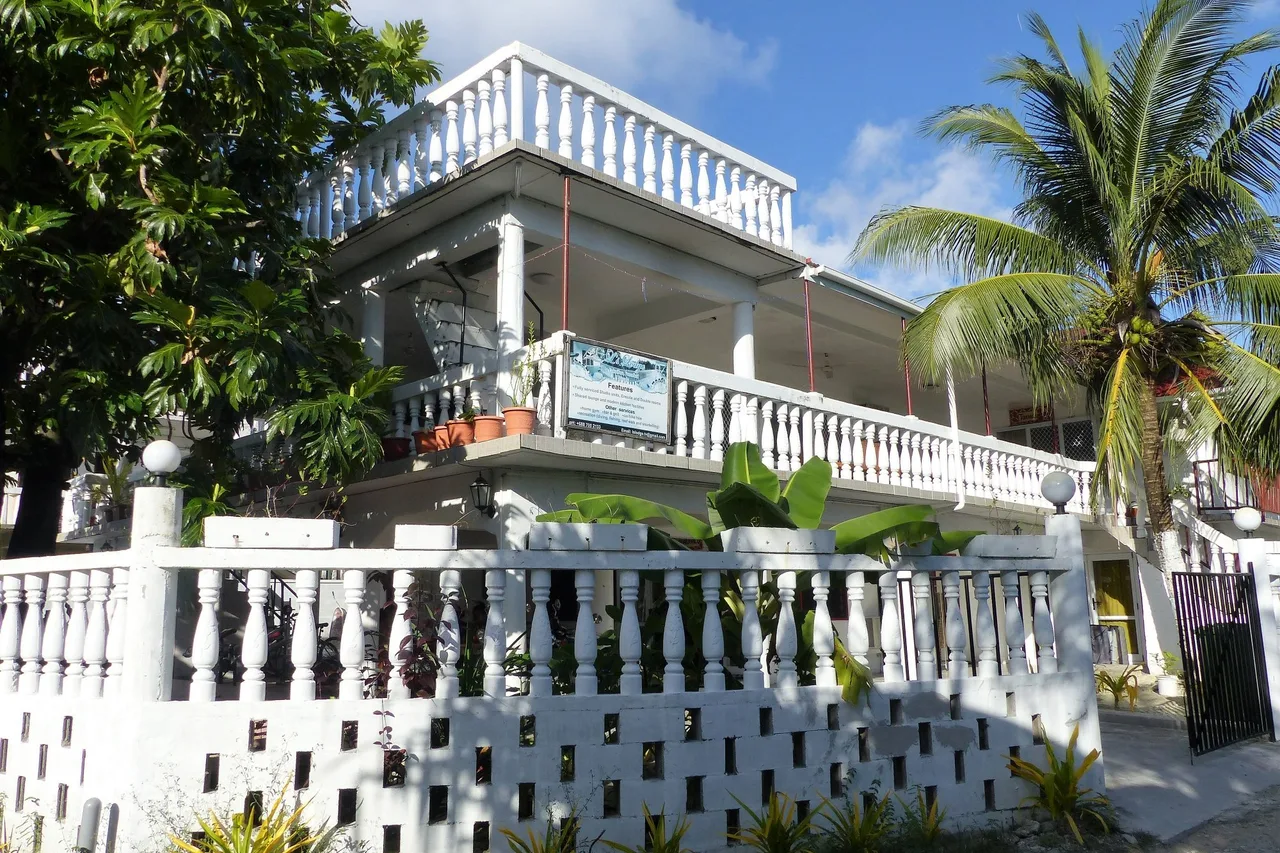 No. 5 #5 Warm island home · steps from the runway ★8.5
 L's Lodge
📍 Central Vaiaku/Fakaifou, at the southern end of Funafuti International Airport (FUN) runway — 2 minutes' walk to the runway strip, about 5 minutes to the market and ferry jetty.
L's Lodge is a small 6-room guesthouse in the Vaiaku/Fakaifou neighborhood, at the heart of Funafuti atoll and within easy walking distance of the runway, the local market, the ferry jetty, and the handful of restaurants the capital actually has. The two-storey island house runs as a 2-star stay with rates starting around $80/night (up to roughly $145 for the better rooms); some have air-con, others a ceiling fan, and en-suite bathrooms exist in only part of the inventory. The real draw is the shared living room and kitchen, where guests cook, swap travel stories, and join the owners over coffee for most of the day. The hosts arrange boat trips to Funafuti Conservation Area, scooter rentals to circle the 12-kilometre island, and pickups straight from the airport terminal a few minutes' walk away. Real-guest reviews land at 8.5 on Agoda and 8.6 on Booking, best suited to travelers who want a close-up look at Tuvaluan life rather than resort polish or privacy.
- Owners run trips, scooter rentals, and airport pickup all in one stop
- Central Vaiaku location — runway, market, and ferry jetty all within 5–10 minutes' walk
- Free shared kitchen and living room for guests
- Small rooms with thin walls — runway and neighborhood noise both audible
- Wi-Fi is island-wide slow; some hours it drops entirely
Affiliate links — we may earn a commission at no extra cost to you. Details
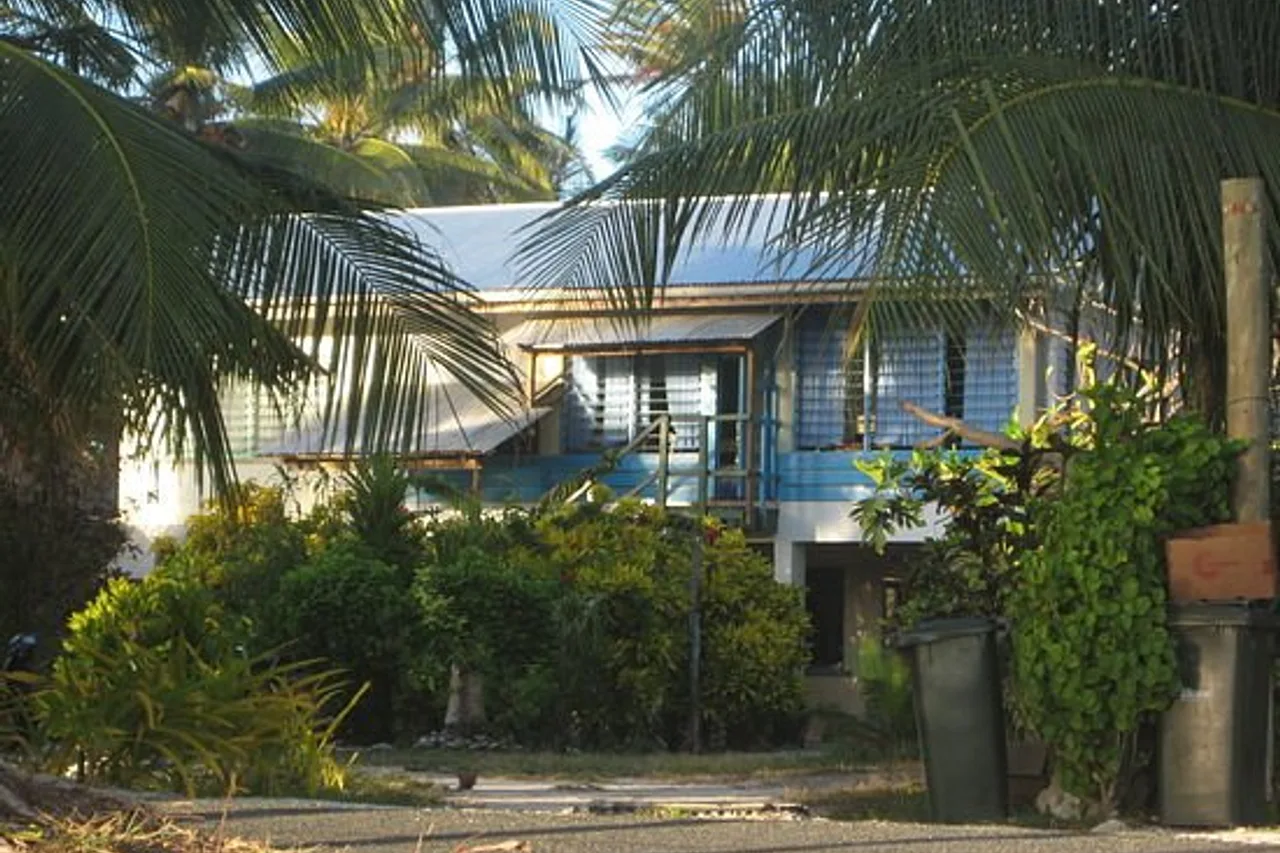 No. 6 #6 Walk to FUN airport · lagoon-front ★8.3
 Hideaway Guesthouse
📍 Alapi district, central Fongafale islet — 300 metres on foot to Funafuti International Airport (FUN), under 10 metres across the road to the lagoon, and a 10-minute walk to the central market and ferry jetty in Vaiaku.
Hideaway Guesthouse is a small family-run stay in Alapi, mid-way along Fongafale islet at the heart of Tuvalu — a country of roughly 11,000 people on 26 square kilometres of coral. Owner Emily, a Tuvaluan cook with a near-cult reputation, runs around 6 simple rooms with kitchenettes, hot-water showers, and a mix of fans and air-con. The front door sits about 300 metres from the Funafuti International Airport (FUN) terminal — a four-minute walk dragging your bag — and the lagoon edge is less than 10 metres across the road. Emily also rents motorbikes for the 12-kilometre ride around the islet, useful since the runway doubles as the village football pitch most evenings. Guests rate it 8.3 on Agoda and 8.4 on Booking, and rooms run roughly $70 to $130 a night. It is the right pick for travellers who want lagoon life over four-star polish.
- 300-metre walk to the FUN terminal — handiest stay on the islet
- Lagoon across the road; wade in within 10 metres
- Owner Emily grills tuna at chef-level quality
- 2-star fittings — no pool, no gym, no lobby polish
- Island-wide power and water cuts hit at random hours
Affiliate links — we may earn a commission at no extra cost to you. Details
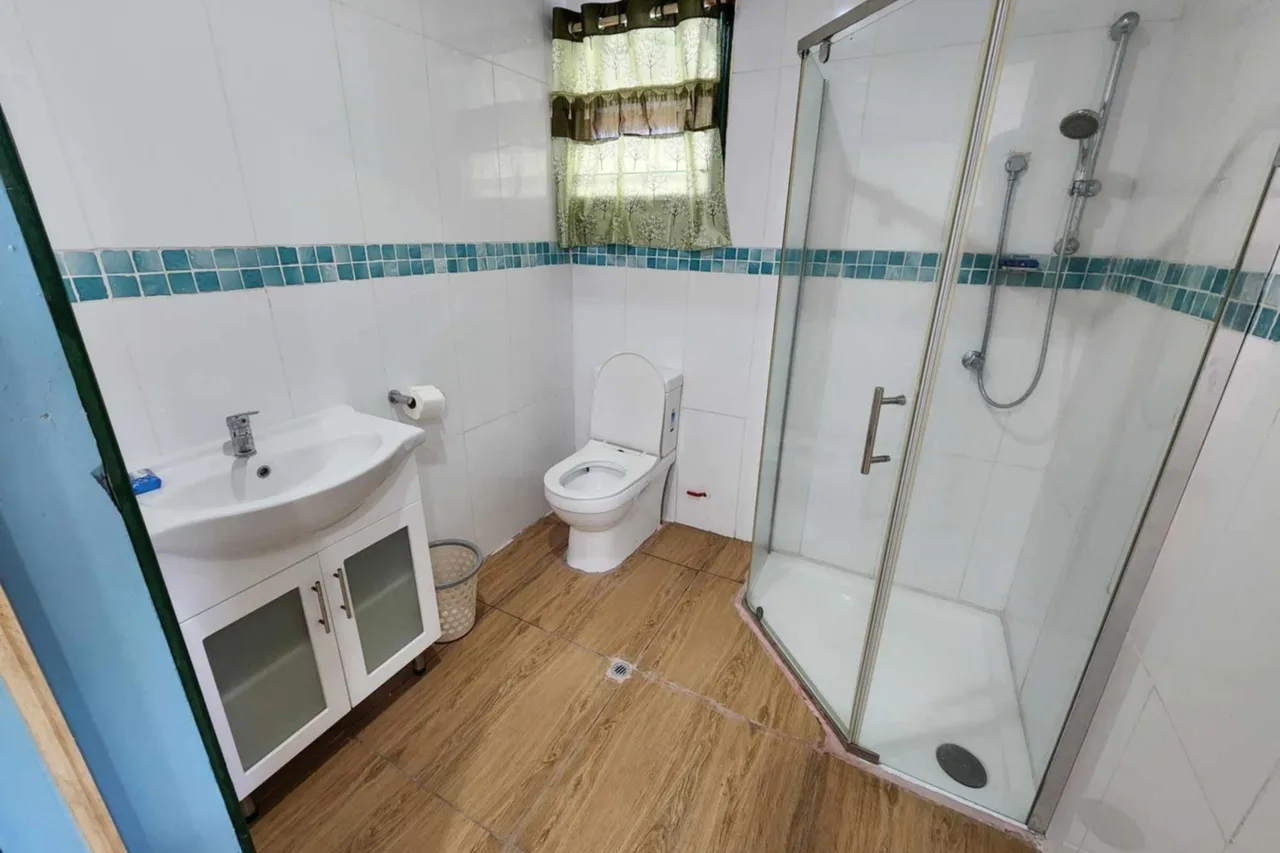 No. 7 #7 Family lodge · Lagoon side ★8.1
 Niueti Lodge
📍 Lagoon side of Fongafale islet — 5-10 minute walk to the public beach and local shops in town, and roughly 1.5 km (5 minutes by car) from Funafuti International Airport (FUN).
Niueti Lodge is a small family-run lodge of roughly 10 rooms on the lagoon side of Fongafale, the main islet of Funafuti atoll — capital of Tuvalu, one of the smallest countries on Earth (about 11,000 people total). The bright-painted bungalow keeps things simple but solid: air-con, en-suite bathrooms, room service and Wi-Fi that reviewers consistently call surprisingly quick for somewhere this remote. Several rooms open straight onto a small balcony with the turquoise lagoon a few steps away. The lodge sits roughly 1.5 km from Funafuti International Airport (FUN) — about a 5-minute drive — and 5-10 minutes on foot to the public beach, the small shops and local eateries in town. Guests rave about the full English/Irish breakfast (eggs, sausage, bacon, beans, toast) and the sound of lagoon waves through the night. Agoda 8.1 · Booking 8.3 · combined 8.1/10.
- Air-conditioned rooms with fast Wi-Fi and a real lagoon view
- 5-minute drive from FUN airport, 10-minute walk to town
- Full plate English/Irish breakfast included
- Only about 10 rooms — book months ahead, especially May-October
- Most local kitchens close before dark; fall back on lodge room service
- Rainwater-fed plumbing means wobbly water pressure and short power outages
Affiliate links — we may earn a commission at no extra cost to you. Details
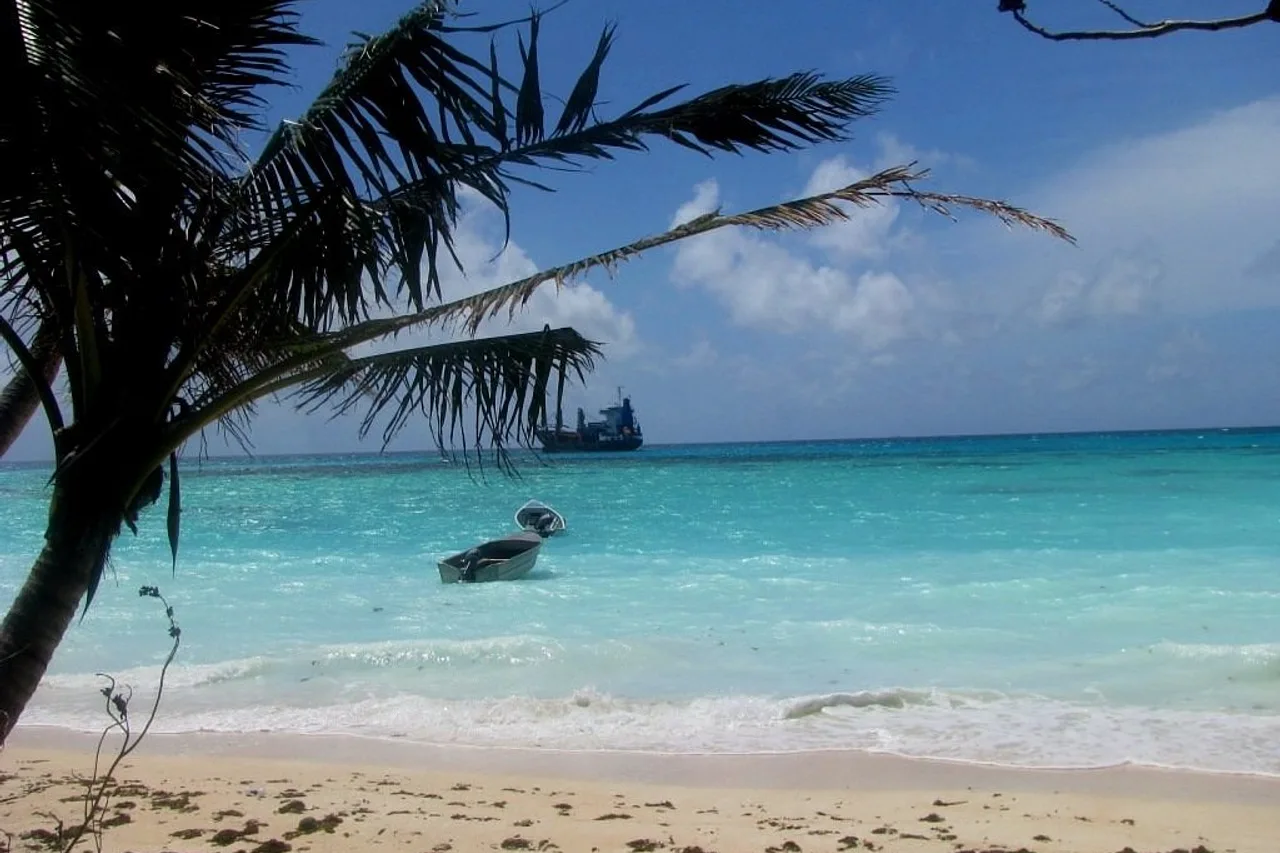 No. 8 #8 Family B&B · central Vaiaku, 3-5 min walk to the runway ★8
 Afelita Bed & Breakfast
📍 Central Vaiaku on Fongafale islet, right beside the Funafuti runway — about a 3-5 minute walk to the FUN airport terminal, a few more minutes to Parliament House and the main village shops, with the runway-as-town-plaza directly across the road.
Afelita Bed & Breakfast is a family guesthouse in the heart of Vaiaku, the tiny capital district of Tuvalu — the world's 4th-smallest country at just 26 square kilometres. It is run by Afelee and Lita Pita, the same couple who operate Afelita Island Resort on a private islet a 30-minute boat ride out in the lagoon. This is the in-town option: cheaper, closer to everything, and a roughly 3-5 minute walk from the Funafuti International Airport (FUN) terminal — a serious perk when Fiji Airways only flies in 2-3 times a week. The headline draw in real reviews is the food: coconuts, vegetables, and reef fish brought in from the family's own farm and the neighbourhood fishermen. The vibe is closer to staying with relatives than checking into a hotel — Lita greets every guest personally. Around 6 simple rooms, some with fan or air-con, some with en-suite. Rates start near US$70/night. Score 8.0/10.
- Closest stay to FUN airport — 3-5 minute walk
- Breakfast and dinner from the Pita family's own farm
- Cheapest credible option in town, around US$70/night
- Plain guesthouse rooms — no spa, gym, or room service
- Aircraft noise during the 2-3 weekly Fiji Airways flights
Affiliate links — we may earn a commission at no extra cost to you. Details
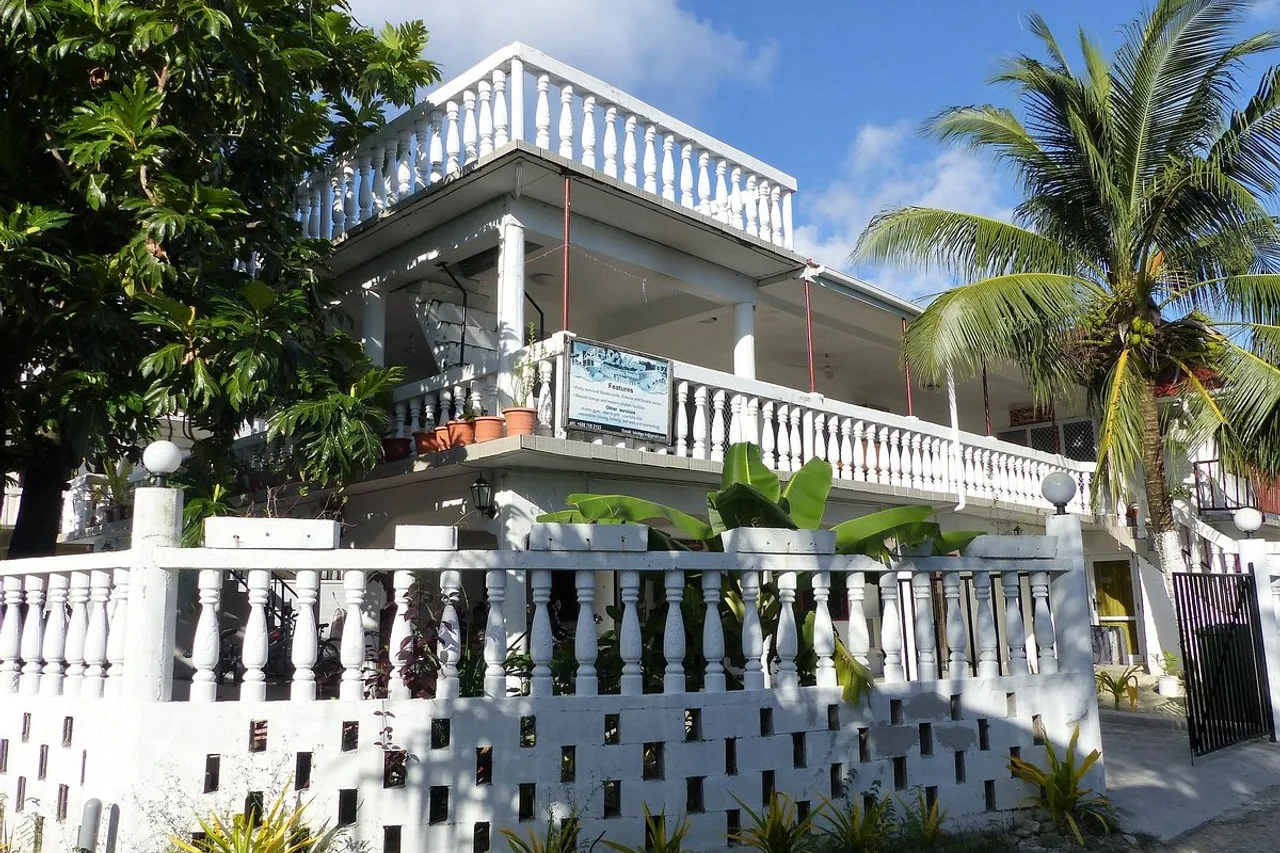 No. 9 #9 Local guesthouse · budget pick ★7.8
 Lilah's Lodge
📍 On the Main Strip of Fongafale Islet, the heart of Funafuti Atoll — about a 3-4 minute walk to the central lagoon, roughly 800 metres to Funafuti International Airport (FUN), with local diners and small shops all within walking distance.
Lilah's Lodge is an 8-room family guesthouse on the Main Strip of Fongafale, the main islet of Funafuti Atoll in Tuvalu — one of the least-visited countries on Earth, with fewer than 3,000 tourist arrivals a year. This isn't a resort; it's a Tuvaluan family's home that happens to take in guests, and the owner runs it herself, day in and day out. She'll tell you where to eat, who to rent a bike from, which boatman to call for a run out to the Conservation Area, and which evening the maneapa has a fatele dance worth watching. Rooms are simple South Pacific stock — your pick of air-con or fan, en-suite with hot water — and reviewers consistently call them "plain but cleaner than you'd expect." The lagoon is a 3-4 minute walk one way; the runway-that-doubles-as-the-town-park is about 800 metres the other. From around $60/night, it's a fraction of what the main government hotel charges. Guest score: 7.8/10.
- Tuvaluan owner runs it herself and gives the best local tips on the island
- On the Main Strip — 3 minutes to the lagoon, 10 to the airport
- From about $60/night, far cheaper than any other stay in Tuvalu
- No pool, no gym, no resort amenities — strictly a 2-star guesthouse
- Wi-Fi is slow and patchy, matching Tuvalu's nationwide connectivity
Affiliate links — we may earn a commission at no extra cost to you. Details
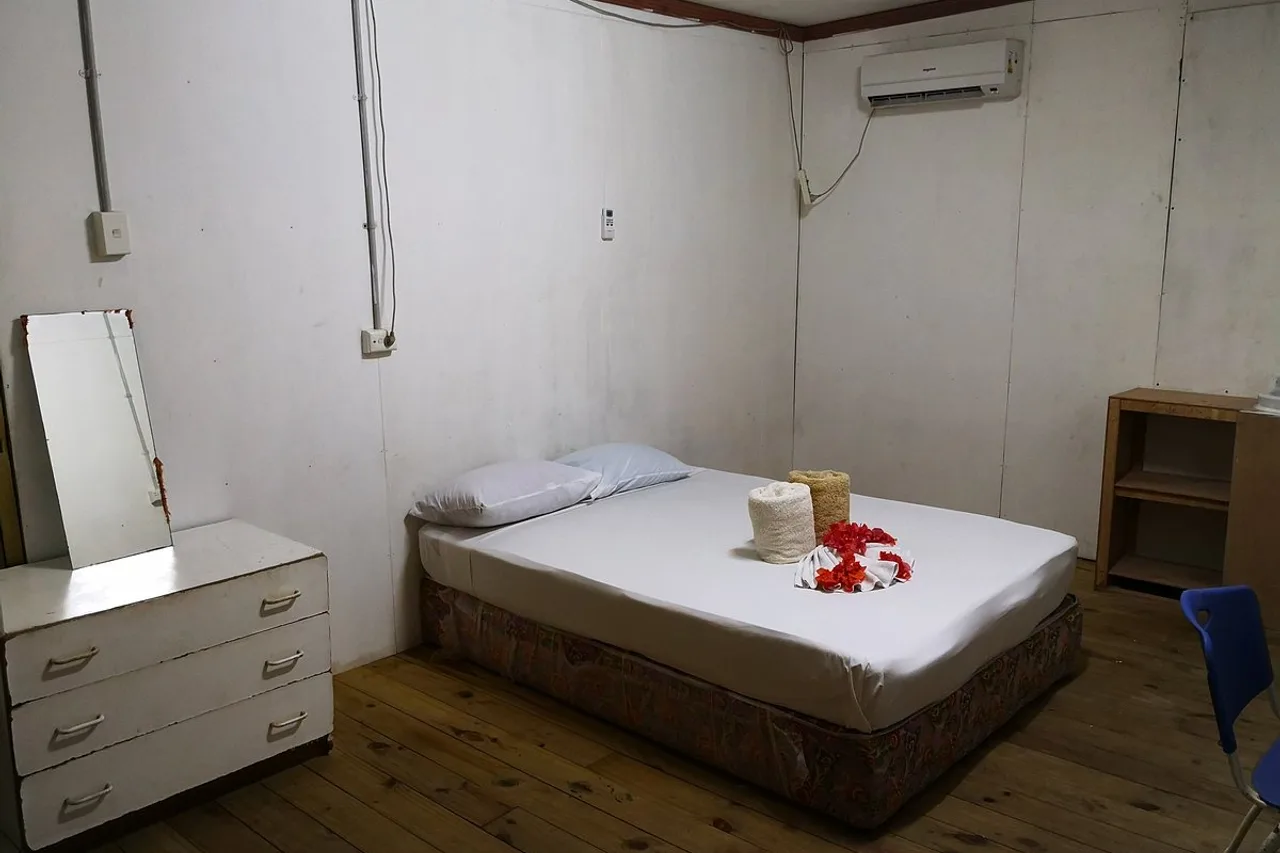 No. 10 #10 Budget · 3-min walk to Vaiaku airport ★7.7
 Filamona Guesthouse
📍 Right in central Vaiaku, a 3-5 minute walk from Funafuti International Airport (FUN) — across the road from the runway that doubles as the village green, and a short stroll to Tuvalu's Parliament and the Maneapa community hall.
Filamona Guesthouse is the budget arm of the family-run Filamona group in central Vaiaku, the capital district of Tuvalu — the world's 4th-smallest country at just 26 sq km. Roughly 8-10 rooms sit inside a single-storey island-style house, plainly furnished but clean, with aircon, a ceiling fan, a real bed and a private bathroom in every room. The guesthouse is about 3-5 minutes on foot from Funafuti International Airport (FUN) — whose runway doubles as the community lawn at sundown — and a few minutes more to Parliament, the government offices and local diners along the same strip. From around $60 a night, it's the cheapest sleep in the capital and ideal if you'd rather spend your money on boat charters to outer atolls than on a hotel. The owners are warm in the classic Polynesian way, help arrange tours and put-ins, and reviews settle around 7.7/10.
- Cheapest beds in central Funafuti — from around $60/night
- 3-5 minutes on foot to both the airport and Parliament
- Owners help line up boats to Funafala and the outer atolls
- Bare-bones facilities — no pool, no gym, no on-site restaurant
- Runway and community-green noise spills in at peak hours
Affiliate links — we may earn a commission at no extra cost to you. Details
📊Comparativa · 9 hoteles
| # | Hotel | Estrellas | Puntuación | Desde / noche | Zona | Destacado |
|---|---|---|---|---|---|---|
| 1 | Funafuti Lagoon Hotel | 3 | 7.6 | ~$120 | Funafuti International Airport (FUN) | #1 The only proper hotel in Tuvalu |
| 2 | Afelita Island Resort | 3 | 8.7 | ~$157 | Amatuku Jetty (Funafuti main island) | #2 Private island · Funafuti Lagoon |
| 4 | Esfam Lodge | 3 | 8.4 | ~$100 | Funafuti International Airport (FUN) | #4 Family-friendly · 3 minutes to the airport |
| 5 | L's Lodge | 2 | 8.5 | ~$80 | Funafuti International Airport (FUN) | #5 Warm island home · steps from the runway |
| 6 | Hideaway Guesthouse | 2 | 8.3 | ~$71 | Funafuti International Airport (FUN) — about a 4-minute walk (300 metres). | #6 Walk to FUN airport · lagoon-front |
| 7 | Niueti Lodge | 3 | 8.1 | ~$86 | Funafuti International Airport (FUN) | #7 Family lodge · Lagoon side |
| 8 | Afelita Bed & Breakfast | 2 | 8.0 | ~$69 | Funafuti International Airport (FUN) | #8 Family B&B · central Vaiaku, 3-5 min walk to the runway |
| 9 | Lilah's Lodge | 2 | 7.8 | ~$63 | Funafuti International Airport (FUN) | #9 Local guesthouse · budget pick |
| 10 | Filamona Guesthouse | 2 | 7.7 | ~$57 | Funafuti International Airport (FUN) | #10 Budget · 3-min walk to Vaiaku airport |
Cuál elegir — por estilo de viaje
#1 Funafuti Lagoon Hotel is the only proper hotel in the 4th-smallest country on Earth — and it earns the slot through lagoon-front position, a 50-metre walk from the airport, and the best sunset on the atoll, not through luxury polish.
#2 Afelita Island Resort is basically owning a tiny coral cay in Tuvalu for the duration of your stay — sleeping in a solar-powered bamboo bungalow, stepping off the veranda into reef fish — and the appeal is the silence and the untouched water, not Maldives-grade luxury.
#4 Esfam Lodge is a family-run lodge in the heart of the atoll, minutes on foot from the airport and the national bank, where the free shuttle and packed lunch boxes matter more than the simplicity of the rooms.
#5 L's Lodge is the closest a traveler can get to actual Tuvaluan daily life on the island — the owners arrange trips and rent you a scooter in one breath.
#6 Hideaway Guesthouse is the closest you can sleep to both the FUN runway and the lagoon — come for Emily's tuna dinners, a rented scooter, and the quiet rhythm of village life, not for resort polish.
#7 Niueti Lodge is a simple lagoon-side guesthouse selling Tuvaluan family warmth, an honest-to-goodness fry-up and the sound of waves all night — the strength is the waterfront location and the hosts, not luxury.
Selección final
9 hoteles para todos los estilos y presupuestos — elige por barrio, características únicas y estilo de viaje.
Haz clic en cualquiera para leer la reseña completa y comparar precios en Agoda · Booking.com · Trip.com.