Afelita Island Resort
by the TopOfHotel team
Afelita Island Resort is basically owning a tiny coral cay in Tuvalu for the duration of your stay — sleeping in a solar-powered bamboo bungalow, stepping off the veranda into reef fish — and the appeal is the silence and the untouched water, not Maldives-grade luxury.
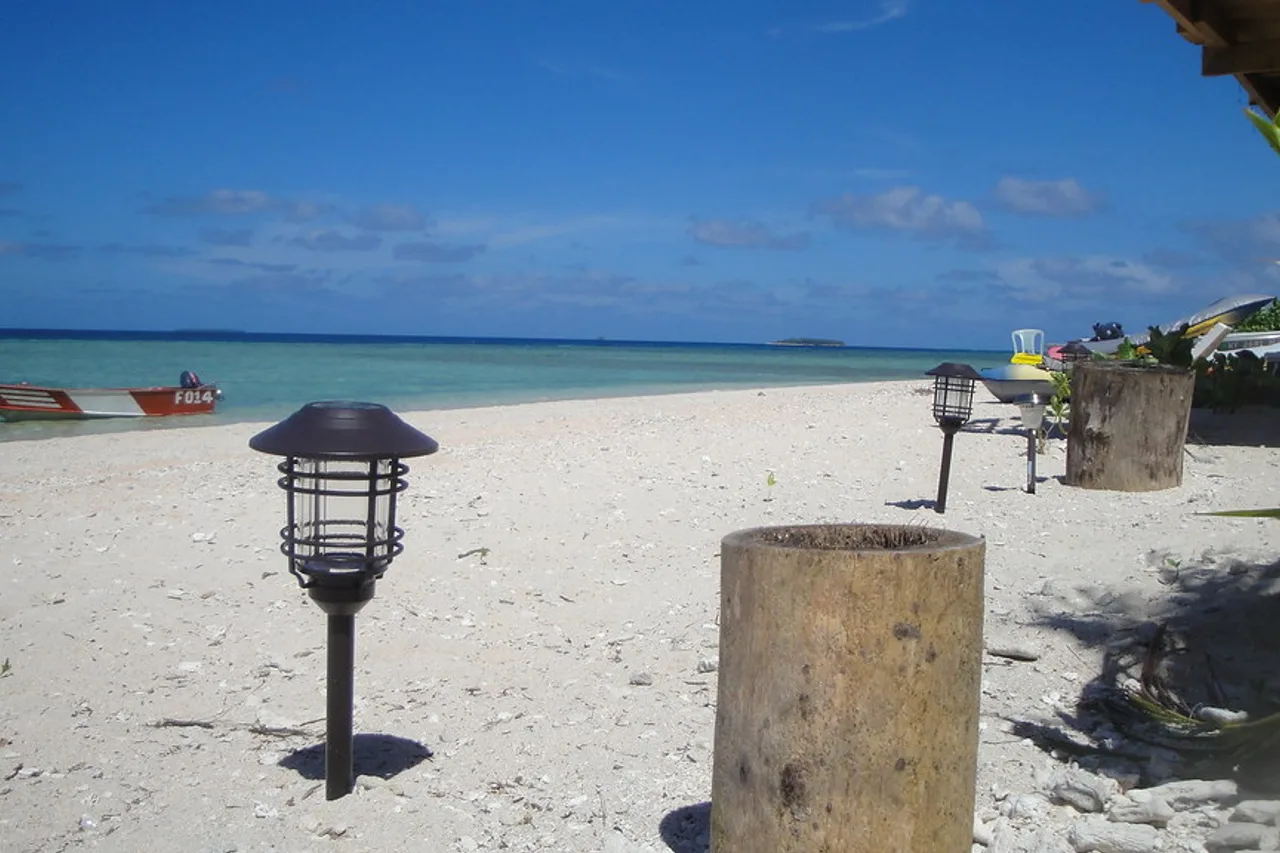
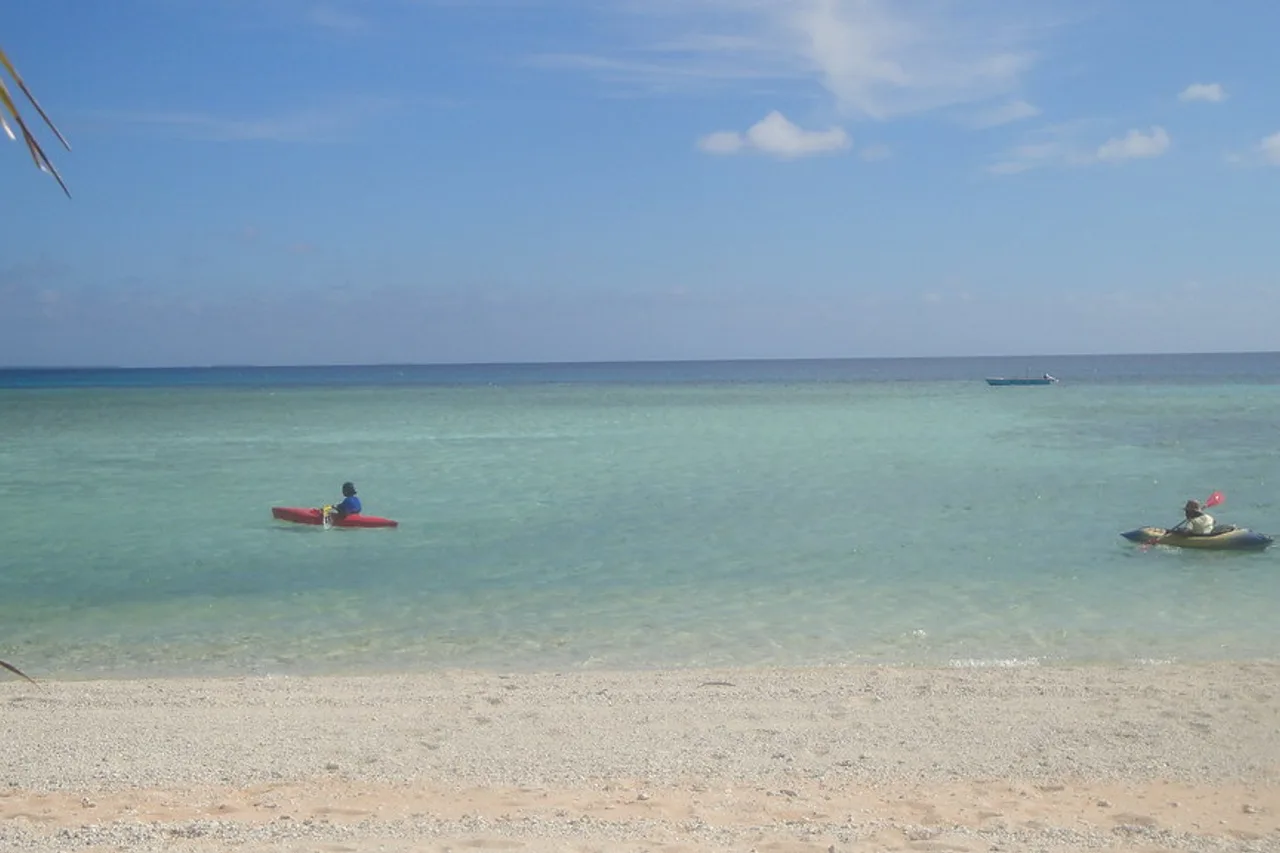
Afelita Island Resort is basically owning a tiny coral cay in Tuvalu for the duration of your stay — sleeping in a solar-powered bamboo bungalow, stepping off the veranda into reef fish — and the appeal is the silence and the untouched water, not Maldives-grade luxury.
In-Depth Review
Rooms and decor
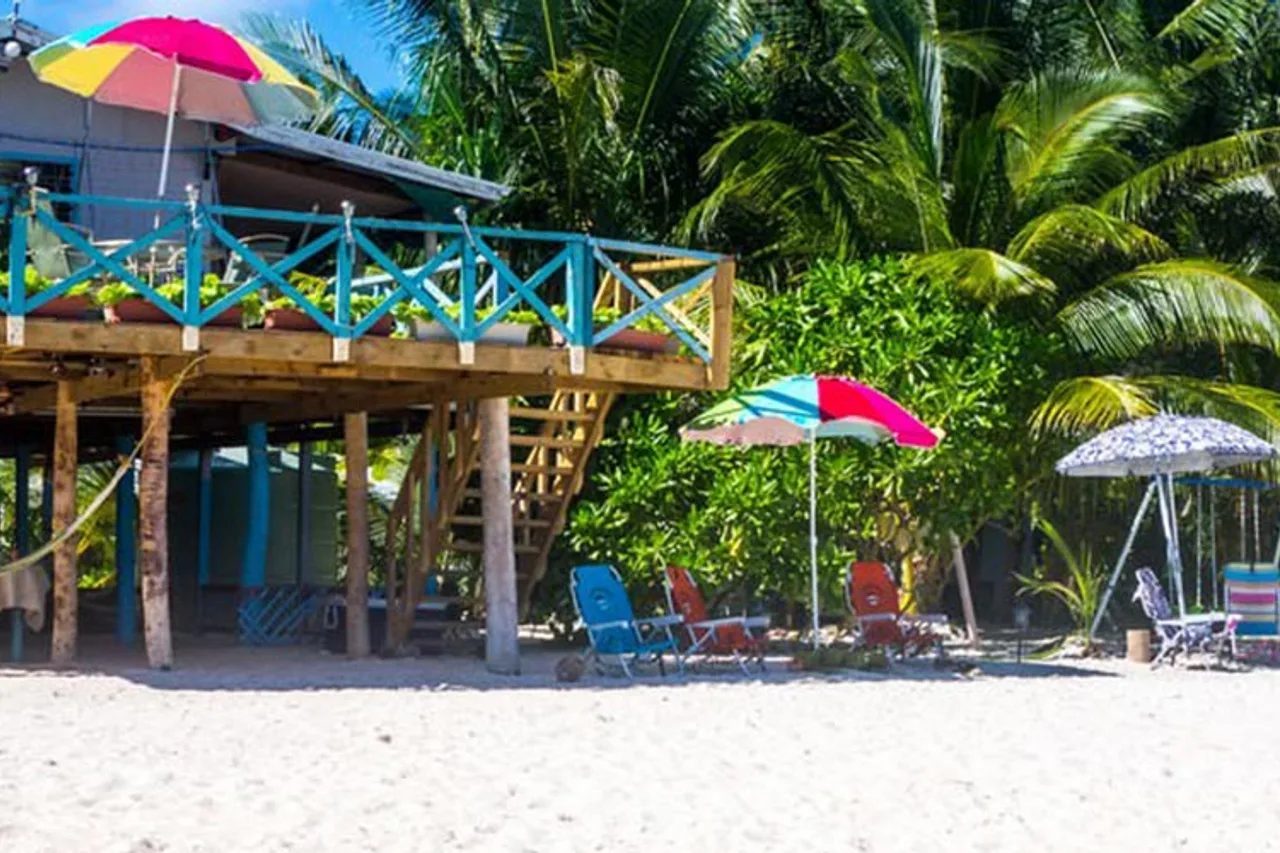
Picture a coral islet of roughly 0.8 hectares in the middle of a turquoise lagoon — no cars, no roads, no convenience store, just the sound of waves and seabirds in the pandanus canopy. That is Mulitefala Islet, the Pandanus Island that gives Afelita Island Resort its setting. The whole resort is 8 bungalows strung along the beach, with woven-bamboo walls and timber frames built in the traditional Pacific style, roofs thatched in pandanus leaf. Interiors are simple but warm: mosquito-netted beds, plank floors, open wooden verandas that point straight at the lagoon. From several decks it is genuinely three or four paces into the water. The look is closer to a Pacific village than to a polished resort, and that is the point. Since only about 16 guests can be on the island at a time, by day two it really does start to feel like you are running your own small country.
Food and amenities
The standout amenity here is the farm. The owners keep pigs, chickens, ducks and mud-crab ponds on the islet, plus a garden of coconut, papaya, breadfruit and tropical vegetables, so most of what comes out of the kitchen was harvested or caught the same day. Menus rotate with the day's haul: sometimes it is fresh-caught reef fish over rice, sometimes mud crab, sometimes traditional Tuvaluan palusami — taro leaves baked in coconut cream — finished with coconut water from a tree by your bungalow. Flavors are simple and honest, not chef-y. The other defining feature is 100% solar power since 2014. There is no generator hum at night. Lights run on what makes sense, hot water is limited, and Wi-Fi sputters in and out. Snorkel gear is provided so you can walk in from the beach into the Funafuti Conservation Area and meet parrotfish, blue sea stars and (with luck) a passing sea turtle inside the first 50 metres. The resort runs boat excursions out to better dive spots and the other small motu inside the lagoon by arrangement.
Location and getting there
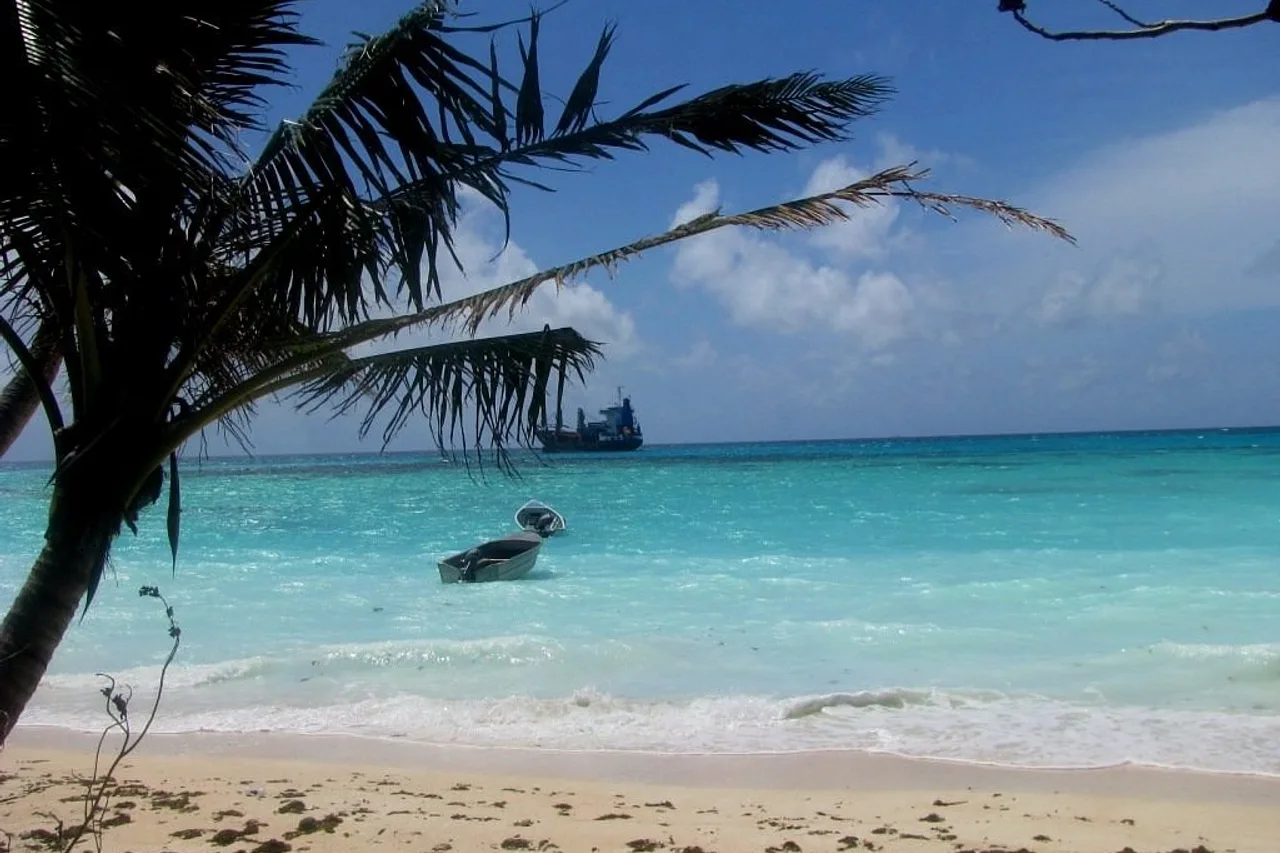
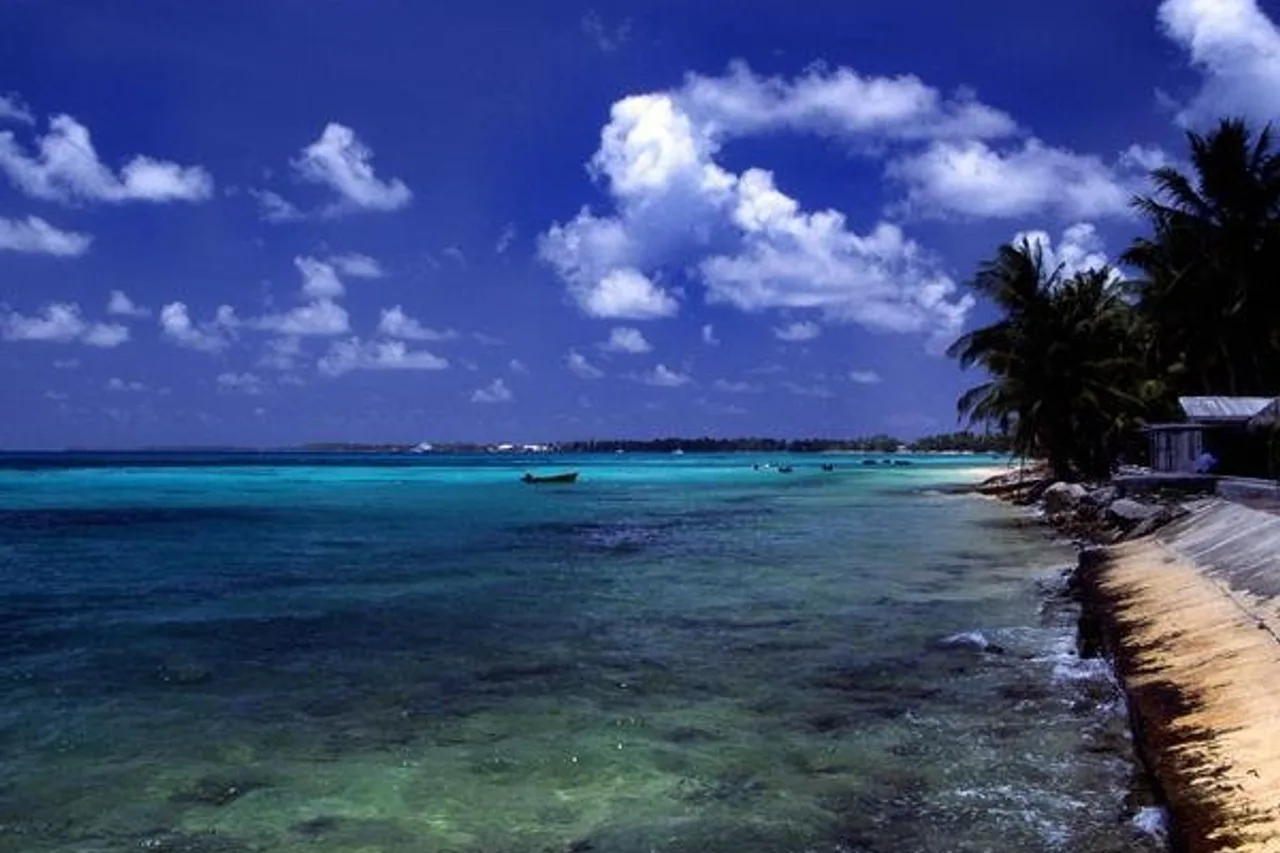
Afelita sits on a private coral cay in Funafuti Lagoon, the largest atoll in Tuvalu. To reach it you first fly into Funafuti International Airport (FUN) — Fiji Airways runs the Nadi-Funafuti route only about 3 times a week, and that is essentially the only commercial way in. From there the resort meets you at Amatuku Jetty on the main island and ferries you across in about 8 minutes on a small boat. Total transit time, airport door to bungalow door, is typically 15-20 minutes. The boat ride is itself one of the best memories most guests take home: the boat slows on approach to a curve of white sand, water so clear you can read the coral underneath, and the resort team waving from the beach. Tuvalu records one of the lowest annual tourist counts on Earth, so the lagoon is genuinely empty most of the time — no day-tripper jet-skis, no neighboring resorts blasting music.
Things to know before booking
Straight talk so you can decide. First, this is a 3-star indigenous eco-resort, not a Maldives overwater villa. Not every bungalow has air-conditioning (several run on fans and sea breeze), hot water is rationed because of the solar setup, and Wi-Fi is slow or non-existent in stretches. Anyone expecting marble bathrooms or seamless video calls will be unhappy. Second, the logistics of getting to Tuvalu are harder than most travelers realize. About 3 weekly Fiji Airways flights, tickets that are not cheap, and schedules that occasionally slip for weather. Always build a 1-2 day buffer on your return leg. Third, the kitchen cooks around whatever was harvested or caught that day, so there is no long menu. Vegetarians, vegans, gluten-free or anyone with allergies should email the resort weeks ahead and bring some dry-food backup. Finally, cash matters: Tuvalu uses the Australian dollar and the main island has no ATM that reliably accepts foreign cards. Bring enough physical AUD for the whole trip plus tips.
Our take
Reading through reviews from the small group of travelers who actually make it to Tuvalu, what comes through is that Afelita Island Resort offers an experience you cannot really replicate anywhere else: a bamboo bungalow on your own coral cay, 100% solar power, food harvested that morning from the islet itself, and snorkeling on an untouched reef with nobody else competing for the view. If the trip in your head is closing the laptop, listening to the waves, watching the Milky Way and being part of an honest attempt at conservation on one of the most climate-threatened nations on Earth, the memory you leave with here is not something a 5-star international resort can match. If your trip in your head is fast Wi-Fi, room service and a long cocktail menu, Afelita will feel too basic. Overall we score it 8.7/10 — ideal for eco-minded couples, adventurous water travelers, and anyone who wants to visit a country that very few people get to before climate change reshapes these atolls for good.
Score Breakdown
Assessed by our editorial team from data and real guest reviews
The Honest Verdict — pros & what to know
- A genuine private-island stay on Mulitefala Islet (also called Pandanus Island) in the middle of Funafuti Lagoon, an 8-minute boat hop from the main island. With only 8 bungalows across the whole islet and a maximum of roughly 16 guests, it really does feel like you have a coral cay to yourselves.
- Bungalows are built with woven-bamboo walls and timber frames in the traditional Pacific style, with open verandas pointed straight at the turquoise lagoon. Several units sit so close to the water that you can step off the deck and be ankle-deep in a few paces.
- 100% solar power since 2014 across the whole island, paired with an on-site farm — pigs, ducks, chickens, mud-crab ponds, plus an organic garden of coconut, papaya, breadfruit and tropical greens. Most meals are harvested or caught the same day.
- Snorkeling is part of the Funafuti Conservation Area, one of the least-trafficked reefs in the South Pacific. You can walk in from the beach and see parrotfish, damselfish, blue sea stars, and on lucky mornings a passing sea turtle — no boat trip required.
- Almost surreal quiet: no roads, no shops, no street lights. After dark the lack of light pollution means the Milky Way stretches across the sky in a way most travelers from cities have never actually seen — many guests rate the stargazing as the single best memory of the trip.
- This is a 3-star indigenous eco-resort, not a luxury overwater villa. Not every bungalow has air-conditioning (some run on fans plus sea breeze), hot water is limited because of the solar setup, and Wi-Fi is slow to outright unavailable for stretches. If you need premium comfort or have to take video calls, this is not the right address.
- Reaching Tuvalu at all is the hardest part of the trip. Fiji Airways flies the Nadi-Funafuti route only about 3 times a week, tickets are expensive, and schedules can shift for weather or operational reasons — always build a 1-2 day buffer on the return leg or risk being stuck.
- The kitchen cooks around whatever was harvested that day, so menus change constantly and there is no long la-carte list. Picky eaters, vegetarians, gluten-free guests or anyone with allergies should email the resort well in advance and pack some snacks or dry food as backup.
Who It’s For
Match Score by travel style
Amenities
Location & Nearby Spots
Things to do near Funafuti
Day tours, attraction tickets and experiences around Funafuti — book ahead on Klook with mobile e-tickets.
See activities in FunafutiAffiliate link — we may earn a commission at no extra cost to you.
Insider Tips
- Book the Fiji Airways FJ241 Nadi-Funafuti flight months ahead — only about 3 services per week — and email Afelita your arrival time so the boat is waiting at Amatuku Jetty when you land.
- Bring enough Australian dollars (AUD) in cash for the whole trip. Tuvalu uses the AUD and the main island's ATMs do not reliably accept foreign cards, so plan to pay everything (and tip) in physical notes.
- Pack reef-safe sunscreen, mosquito repellent, reef shoes and a small headlamp. The islet runs on limited solar lighting and the nights are pitch black — which is exactly why the star field overhead is so absurdly good.