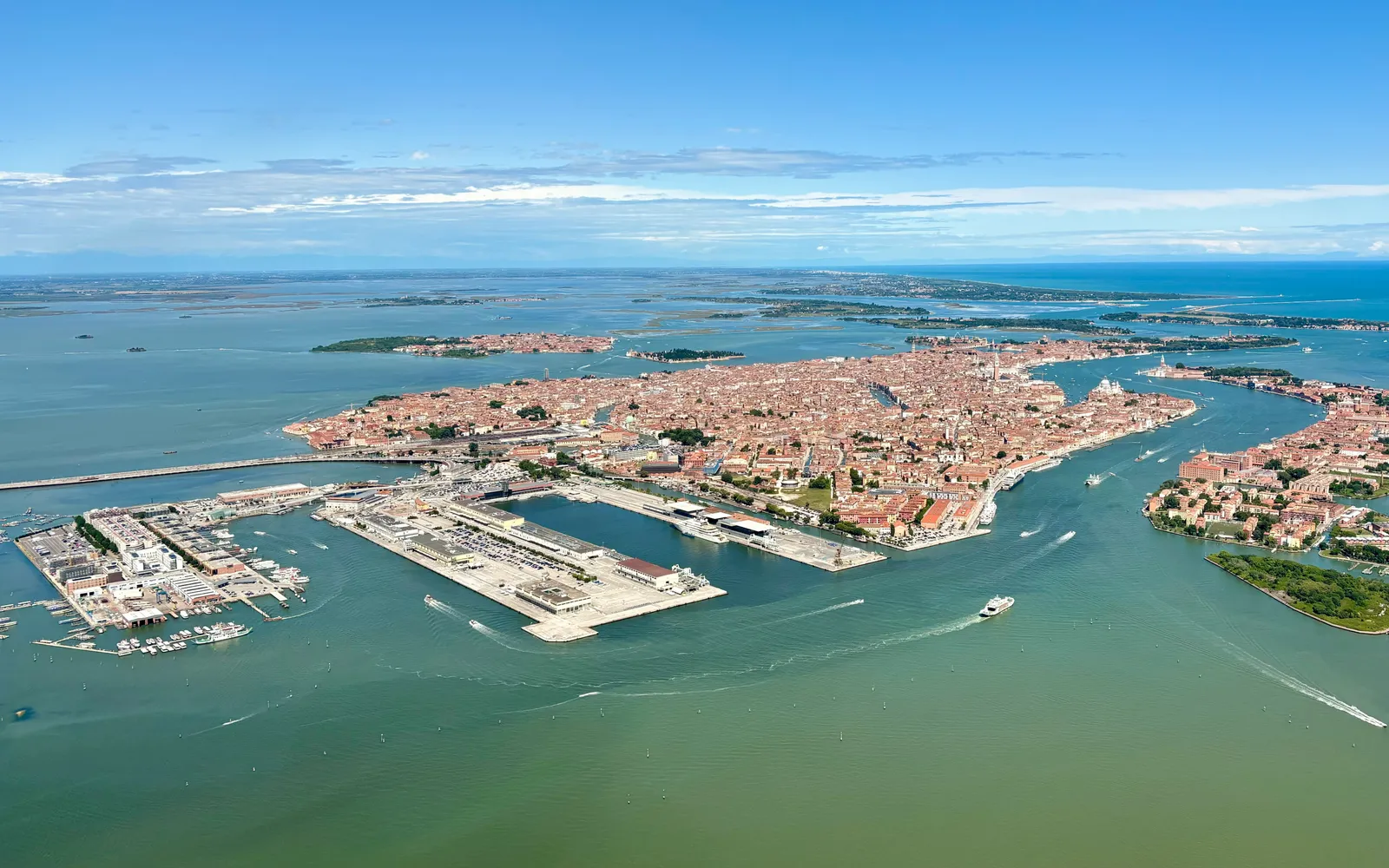
Venetian food doesn't have Rome's fame or Bologna's global reputation, but it has a food culture that exists nowhere else on earth. Cicchetti and spritz are the evening ritual every Venetian has performed since childhood — stopping at a small bacaro, paying a couple of euros for a glass of wine, eating two or three bites, then moving on to the next place. On a good night you hit 4 or 5 bars. It's the cheapest, most enjoyable way to eat dinner in Venice. One practical rule: avoid anything near Piazza San Marco and the Rialto bridge, where prices are routinely double what locals pay.
 #1
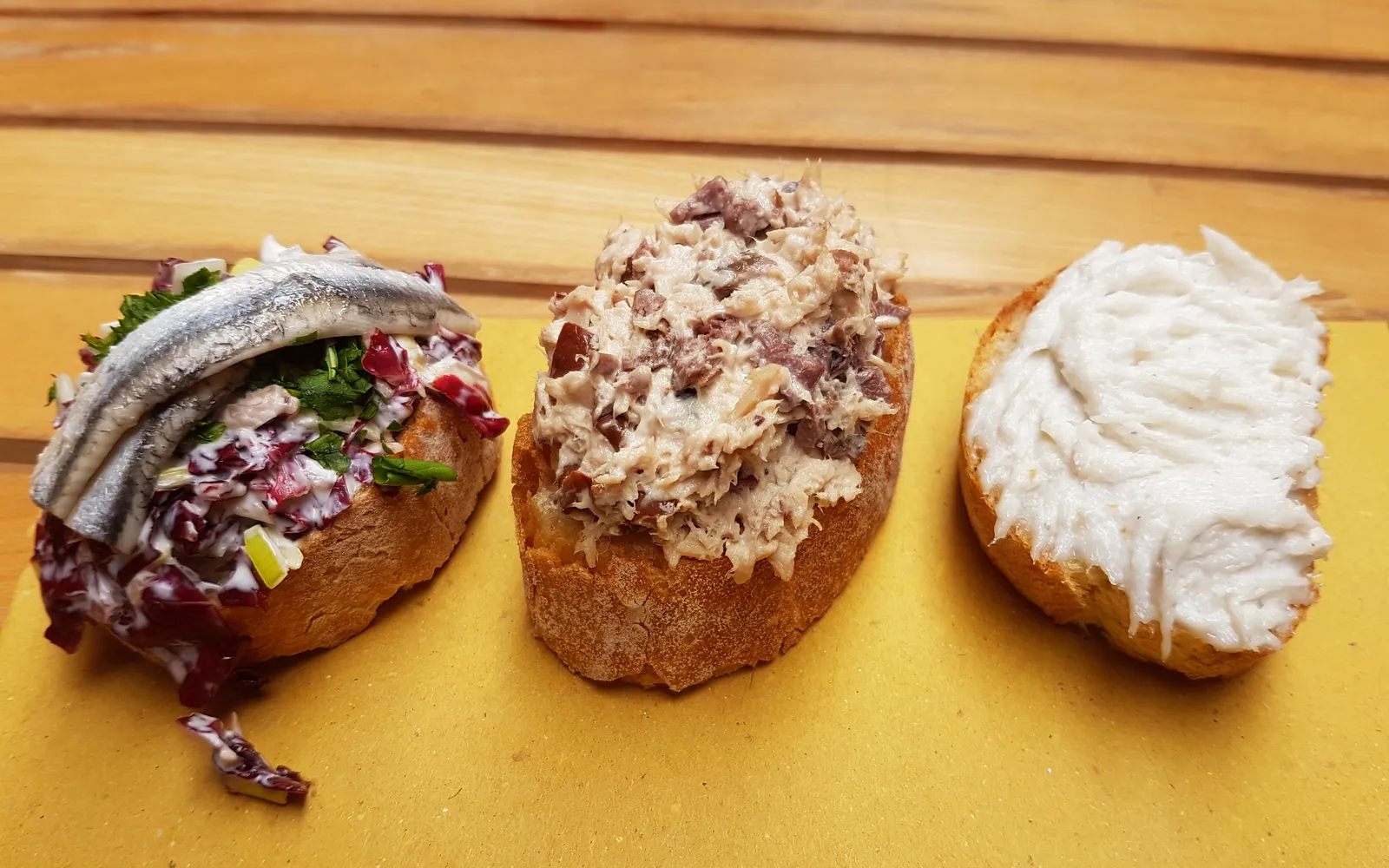
#1 Cicchetti
Venice's version of street food, eaten standing at a tiny bacaro beside a canal. Cicchetti are small crostini or thin polenta rounds topped with everything from baccalà mantecato (whipped salt cod cream) and mozzarella with tomato to grilled liver and braised octopus. Each piece runs €1–2.50 — point and pick. Pair them with a local prosecco or an ombra (a small glass of house wine) at €1.50–3 a glass. This is how Venetians actually eat dinner.
- The best window is aperitivo hour, 6–8 pm, when bacaro kitchens put out the freshest cicchetti of the day.
- Cannaregio — around Campo Santa Maria Formosa and along Strada Nova — has dozens of good bacari that locals use without a tourist crowd.
- Don't hesitate to point and ask 'questo?' Bar staff across Venice are completely used to guests who don't know the name of what they're pointing at and are always happy to explain.
 #2
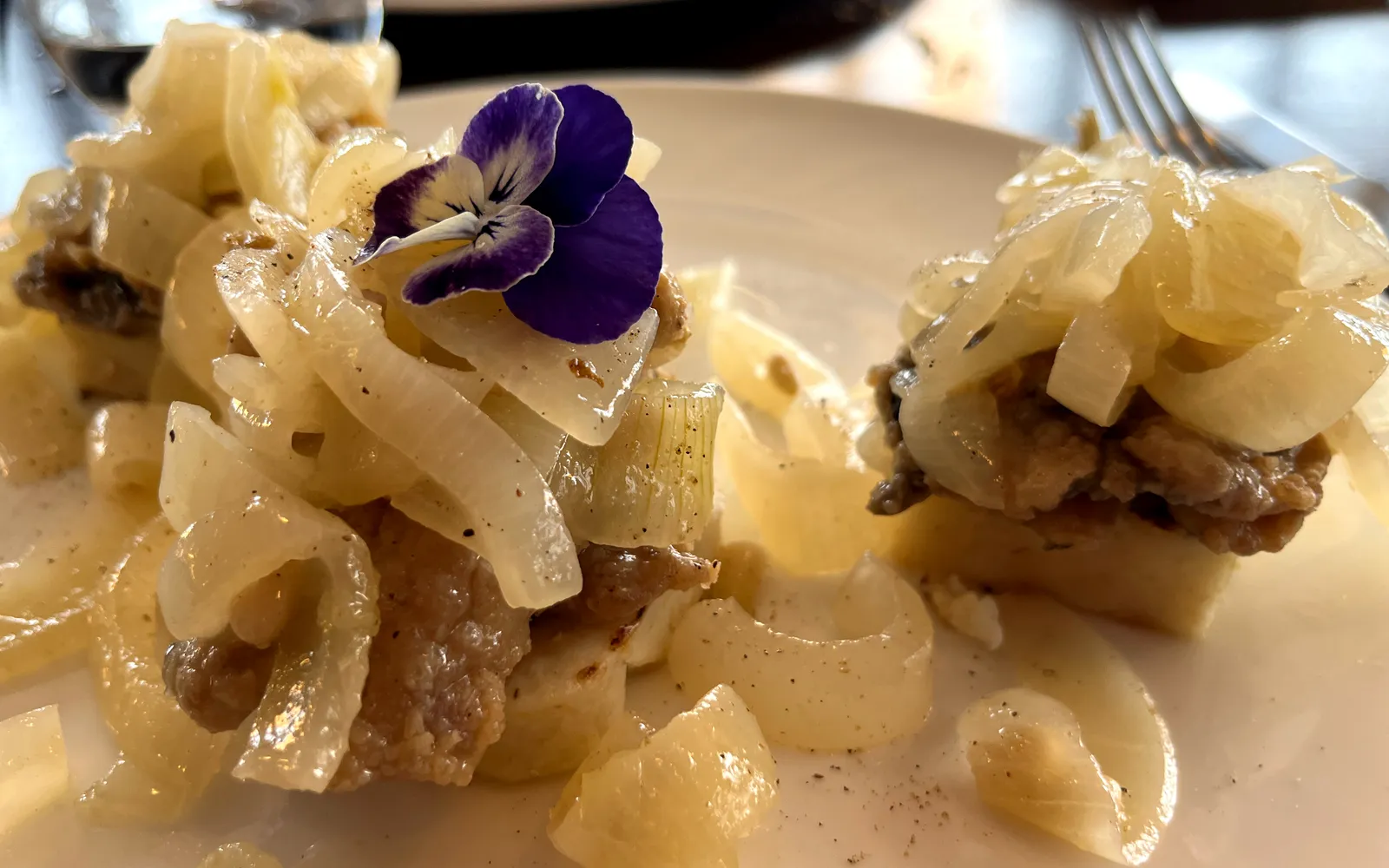
#2 Sarde in Saor
A Venetian dish with over 700 years of history — originally devised to extend the life of fried fish so sailors could eat on long voyages. Sardines are fried crisp, then marinated in white wine vinegar, soft onions, raisins, and pine nuts and left in the refrigerator for at least 24 hours before serving. The flavor is gently sweet-sour from the vinegar and raisins, cutting against the crunch of the fish and the fragrance of pine nuts. It's one of the most distinctive preparations in the Venetian classical repertoire.
- Order it as a starter, not a main — the portion is right for one person and comes with crusty bread.
- A kitchen that does saor properly will have marinated for at least 24–48 hours. Ask how long — the longer the marinade, the more rounded the flavor.
- Cold prosecco alongside is the classic pairing Venetians have used since the Middle Ages.
 #3
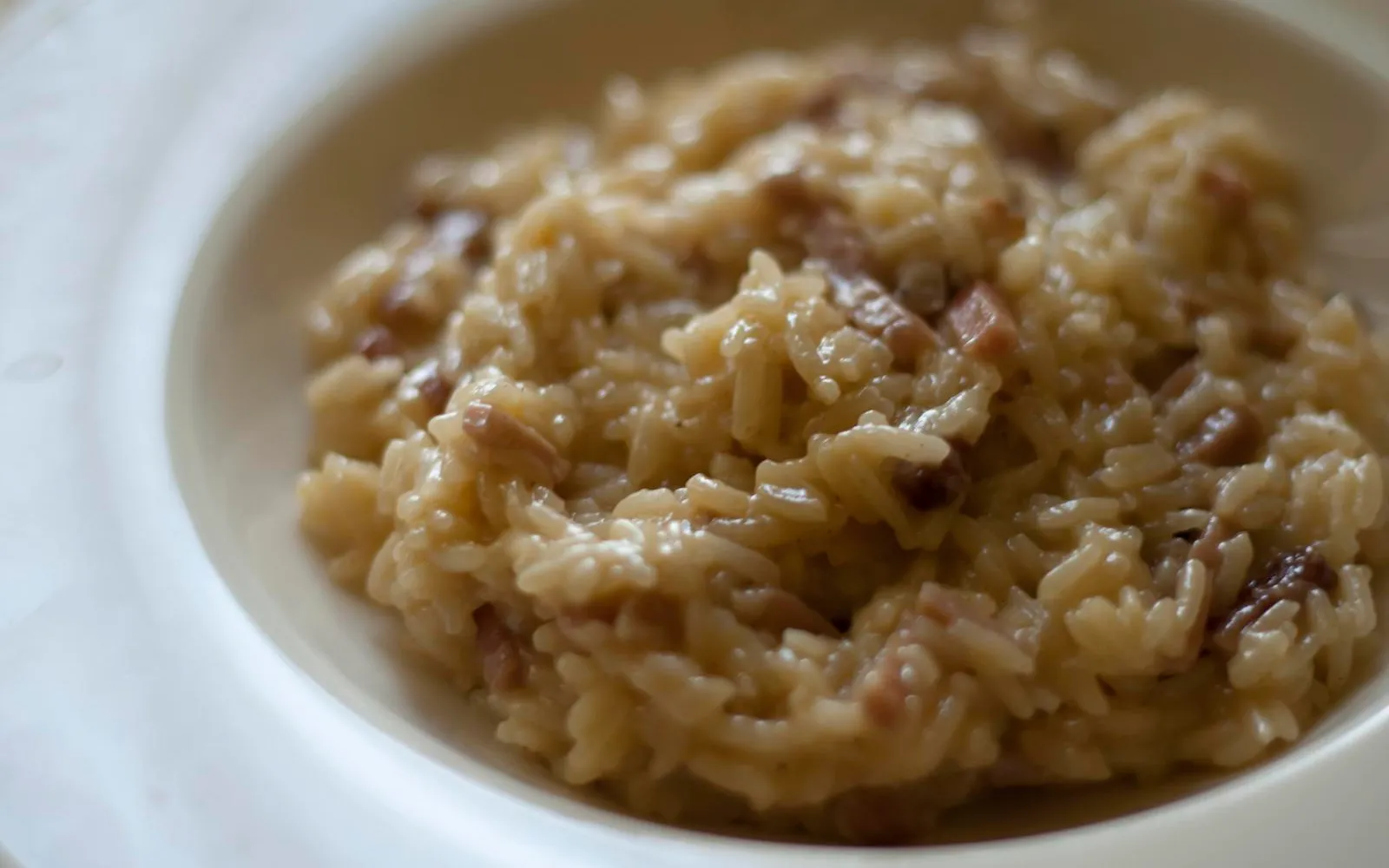
#3 Risotto al Nero di Seppia
The most visually striking dish in the Venetian seafood canon. The risotto turns completely black from the ink (inchiostro) released by cuttlefish (seppia) during cooking — an intensely savory, umami-rich flavor from the sea, layered with the aroma of butter and white wine used in the soffritto. The rice is cooked to a proper al dente. It's served hot alongside cold prosecco, which is the classic local pairing. A full portion is enough for one; most restaurants will do a mezzo porzione (half portion) for €18–28 in a standard trattoria.
- The ink stains teeth and tongue temporarily — usually gone within 1–2 hours, but factor that in if you have an engagement straight after the meal.
- A kitchen using real cuttlefish rather than pre-packaged ink sachets produces a deep, even black throughout the dish — use that as a quality signal.
- Ask for mezzo porzione (half portion) if you want to work through several dishes. Most kitchens are happy to accommodate.
 #4
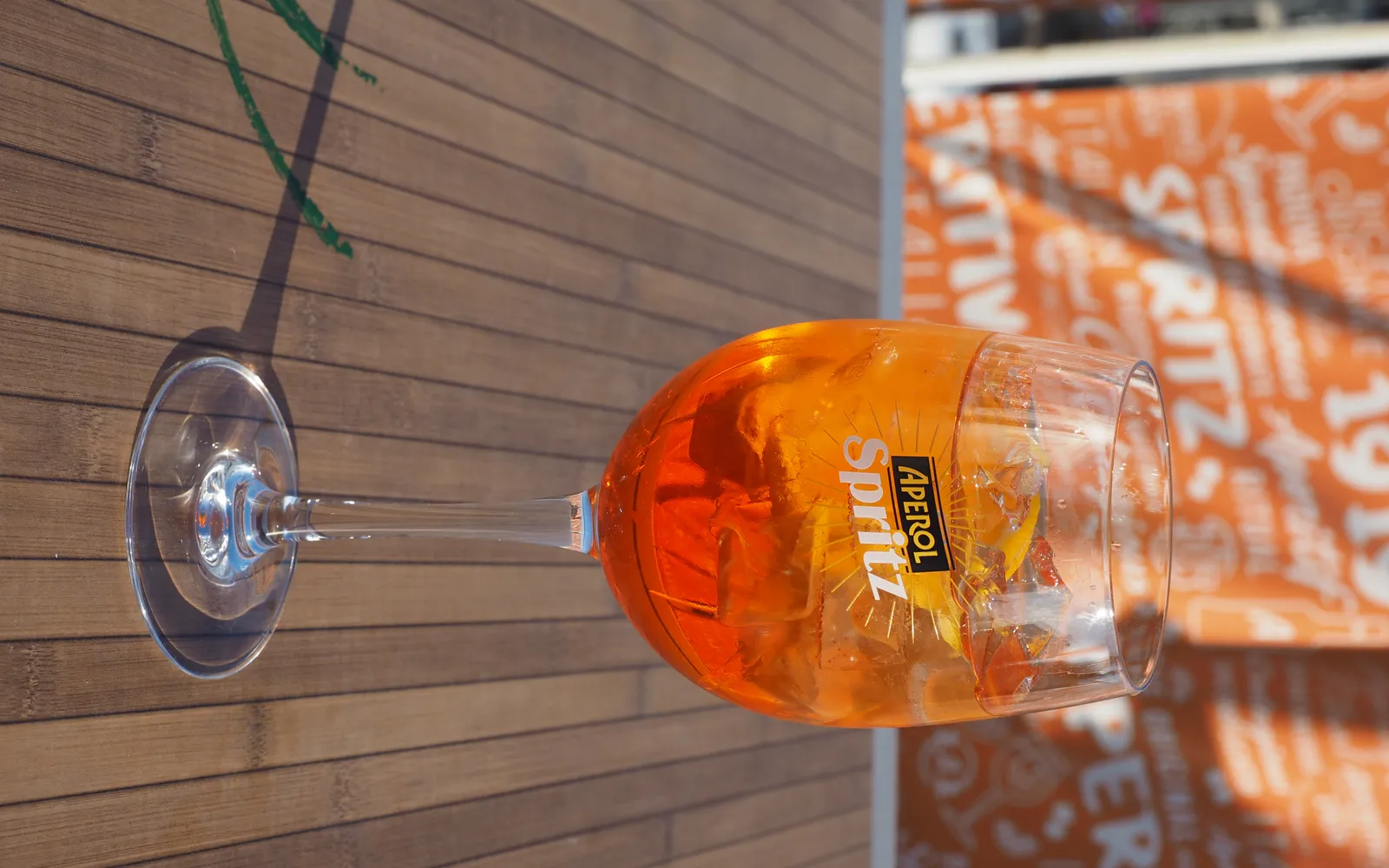
#4 Spritz Veneziano
The cocktail that was born in Venice and became the aperitivo drink of the world. It's mixed from prosecco or cava and either Aperol (sweeter, orange-forward) or Campari (more bitter, more complex) in a 3:2:1 ratio, topped with a splash of soda, served in a wide glass with ice and an olive. At a local bacaro in a residential neighborhood, expect to pay €2.50–4. Sit canal-side on the Grand Canal or in Piazza San Marco and it's €12–18. Only you can decide whether the view is worth it.
- If you're undecided between Aperol (sweeter, brighter citrus) and Campari (more bitter, more layered), start with Aperol — it's the gentler entry point.
- Cannaregio, particularly around Fondamente Nove, is cheaper and more relaxed than the tourist-facing areas.
- Venetians drink spritz from 6 to 8 pm, before dinner. It's not an after-dinner drink here.
 #5
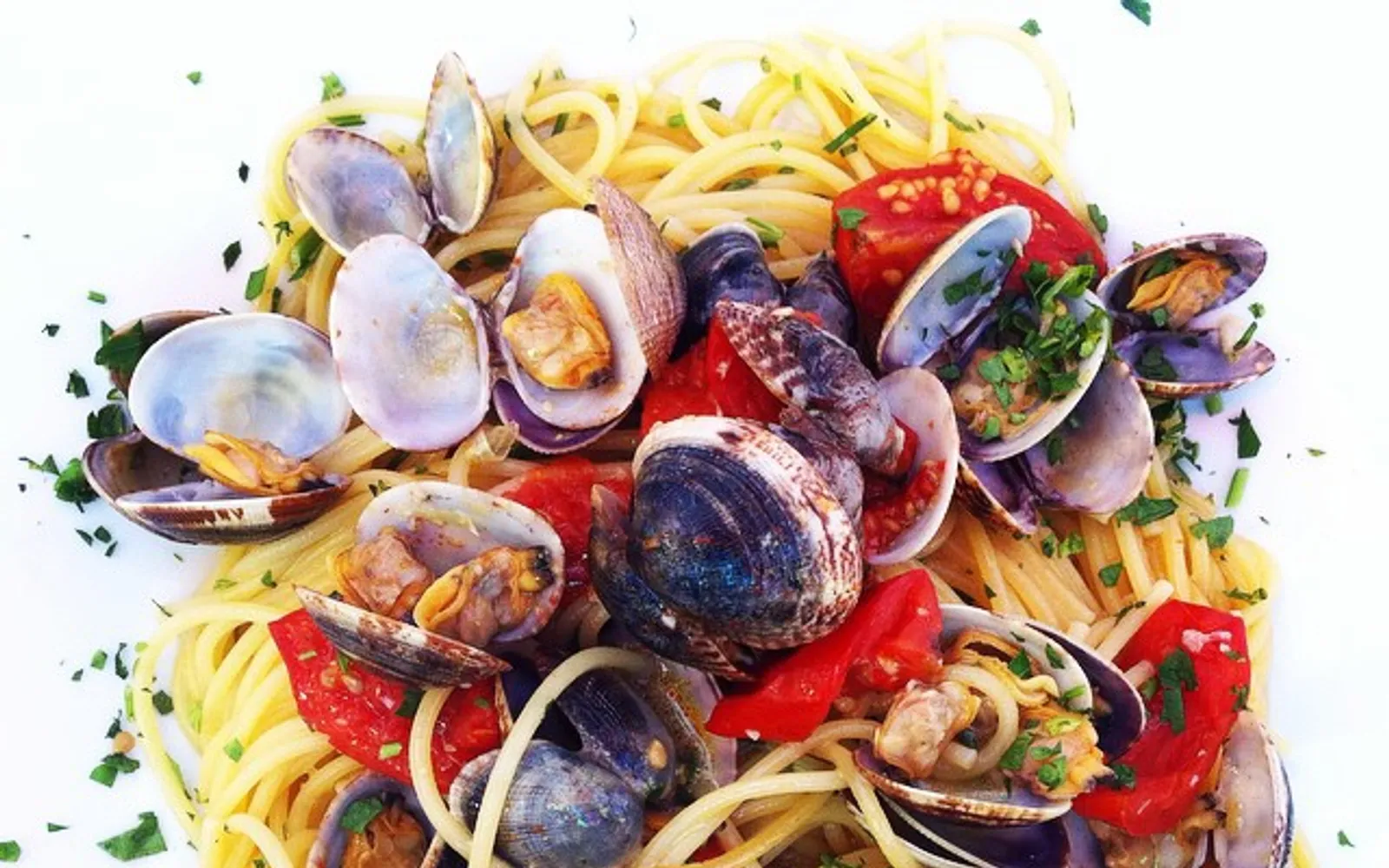
#5 Baccala Mantecato
A Venetian staple eaten since the 15th century, when Venetian merchants began trading dried stockfish from Norway. The cod is soaked overnight, simmered in milk, then whipped with raw olive oil until it becomes a pale, airy cream. Served on grilled polenta rounds or crostini, the flavor is smooth, lightly salty, and fragrant with olive oil. It's the classic Venetian antipasto — found at nearly every bacaro in the city.
- Hand-whipped baccalà (not machine-processed) produces a noticeably smoother, fluffier result. Kitchens proud of the dish tend to say so on the menu or on a chalkboard.
- Grilled polenta under the baccalà is better than bread — the slight crunch of the polenta against the cream is the contrast the dish is built for.
- At €1.50–3 per piece at a bacaro, it's exceptionally good value. Order 2 or 3 as a proper starter before dinner.
 #6
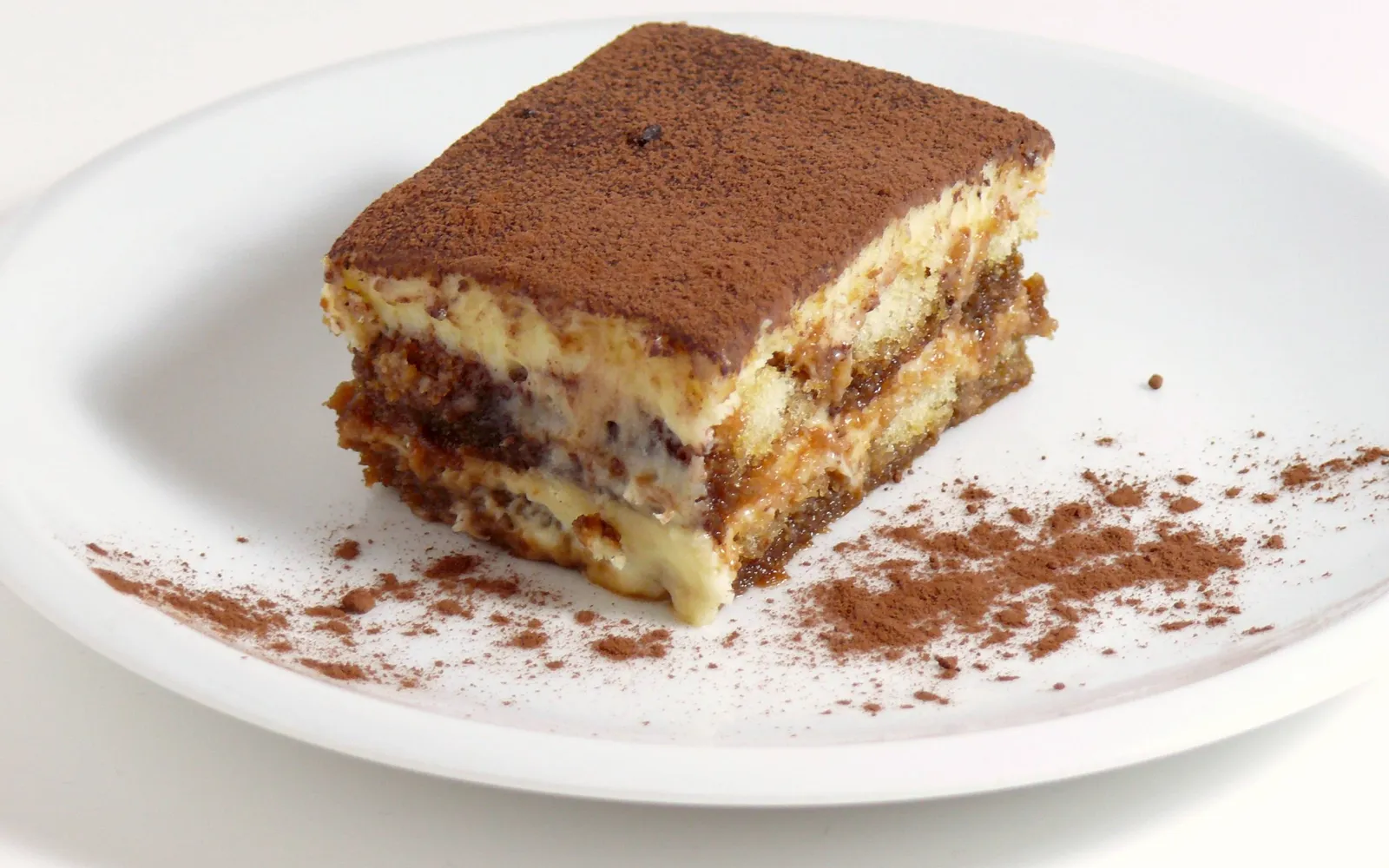
#6 Tiramisu
Every region in Italy claims to have invented this dessert, but the most recent documented evidence points to the Veneto — specifically Le Beccherie restaurant in Treviso, about 30 minutes from Venice, sometime in the 1960s and 70s. It's made from Savoiardi biscuits soaked in strong espresso, layered with mascarpone cream whipped with egg yolks and sugar, then dusted with cocoa powder. Unbaked, served cold. In Venice expect to pay €6–9. A kitchen that takes it seriously uses real mascarpone from Lombardy, not whipped cream from a packet.
- The coffee soak should be present but not soggy, and the mascarpone layer should be dense rather than liquid — those two things are the difference between a good version and a lazy one.
- Pasticcerie in residential neighborhoods usually make it fresh each morning. The batches at tourist-area restaurants may have been sitting considerably longer.
- To taste the original setting: a 30-minute train from Venice to Treviso puts you at Le Beccherie or the other long-established spots in the old town.
Where to stay in Venice for this trip
A well-located hotel means less commuting and more sightseeing. Here are real, top-rated stays in Venice — compare Agoda · Booking · Trip.com in one click.
Violino d'Oro Venezia
Affiliate links — we may earn a commission at no extra cost to you. Details
Palazzo Venart Luxury Hotel
Affiliate links — we may earn a commission at no extra cost to you. Details
The Venice Times Hotel
Affiliate links — we may earn a commission at no extra cost to you. Details
Londra Palace Venezia
Affiliate links — we may earn a commission at no extra cost to you. Details
Tours, tickets & activities in Venice
Day tours, attraction tickets and travel essentials for Venice — book ahead on Klook with mobile e-tickets.
Affiliate links — we may earn a commission at no extra cost to you.
Before You Pack
The best Venetian food is in Cannaregio, Dorsoduro, and Castello — the neighborhoods where real Venetians still live. If a restaurant has its menu translated into 15 languages and staff standing out front waving people in, walk past. Find the place with a blackboard written only in Italian listing what's good today. That's where the locals eat.