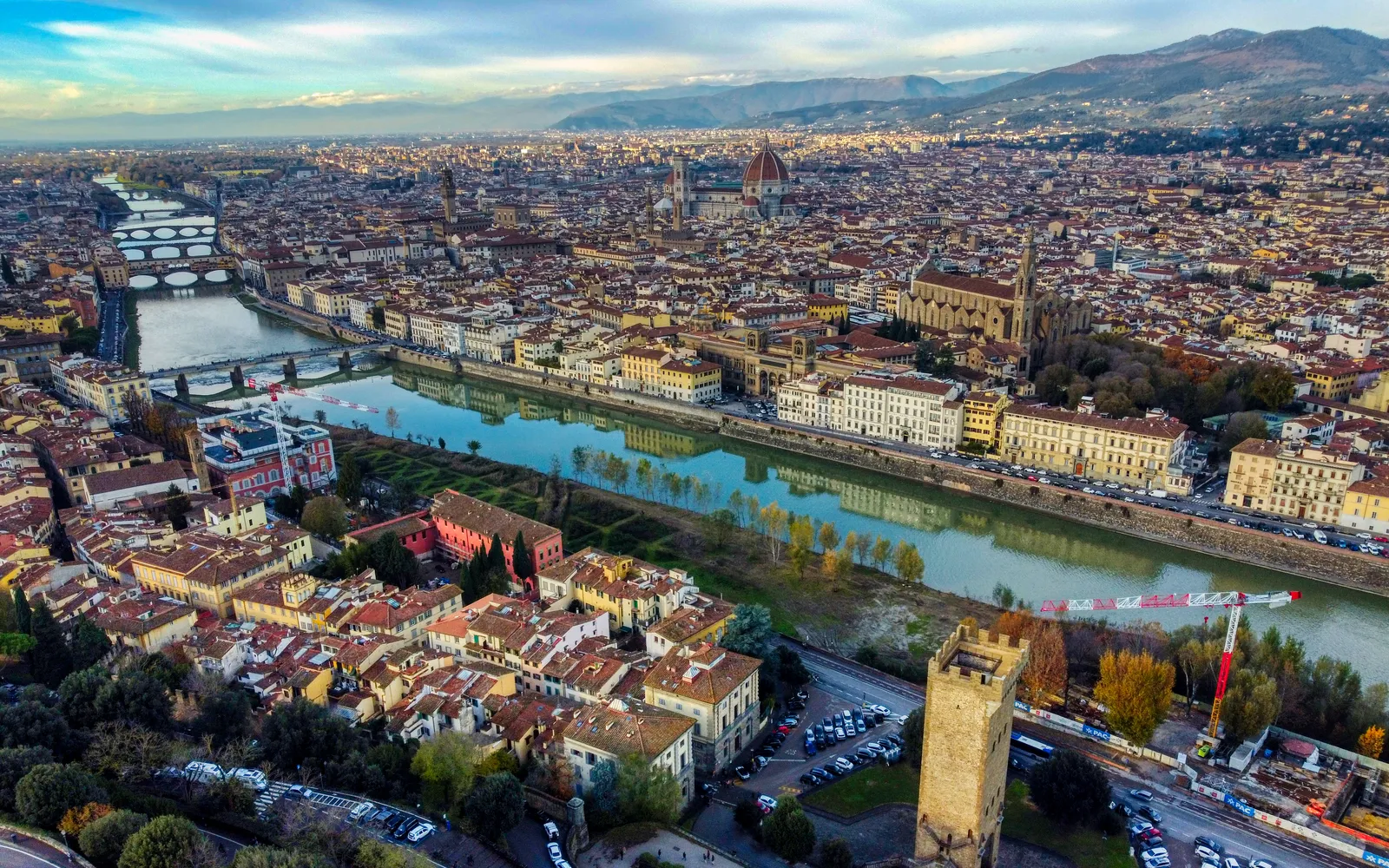
Florentine cooking is not about complexity. It runs on exceptional ingredients and recipes passed down over centuries. Bistecca alla Fiorentina is the steak that all of Italy defers to as the gold standard, and lampredotto — sold from street carts — proves that Florence's street food plays in a completely different league. Come hungry and eat the way locals do.
 #1
#1 Bistecca alla Fiorentina
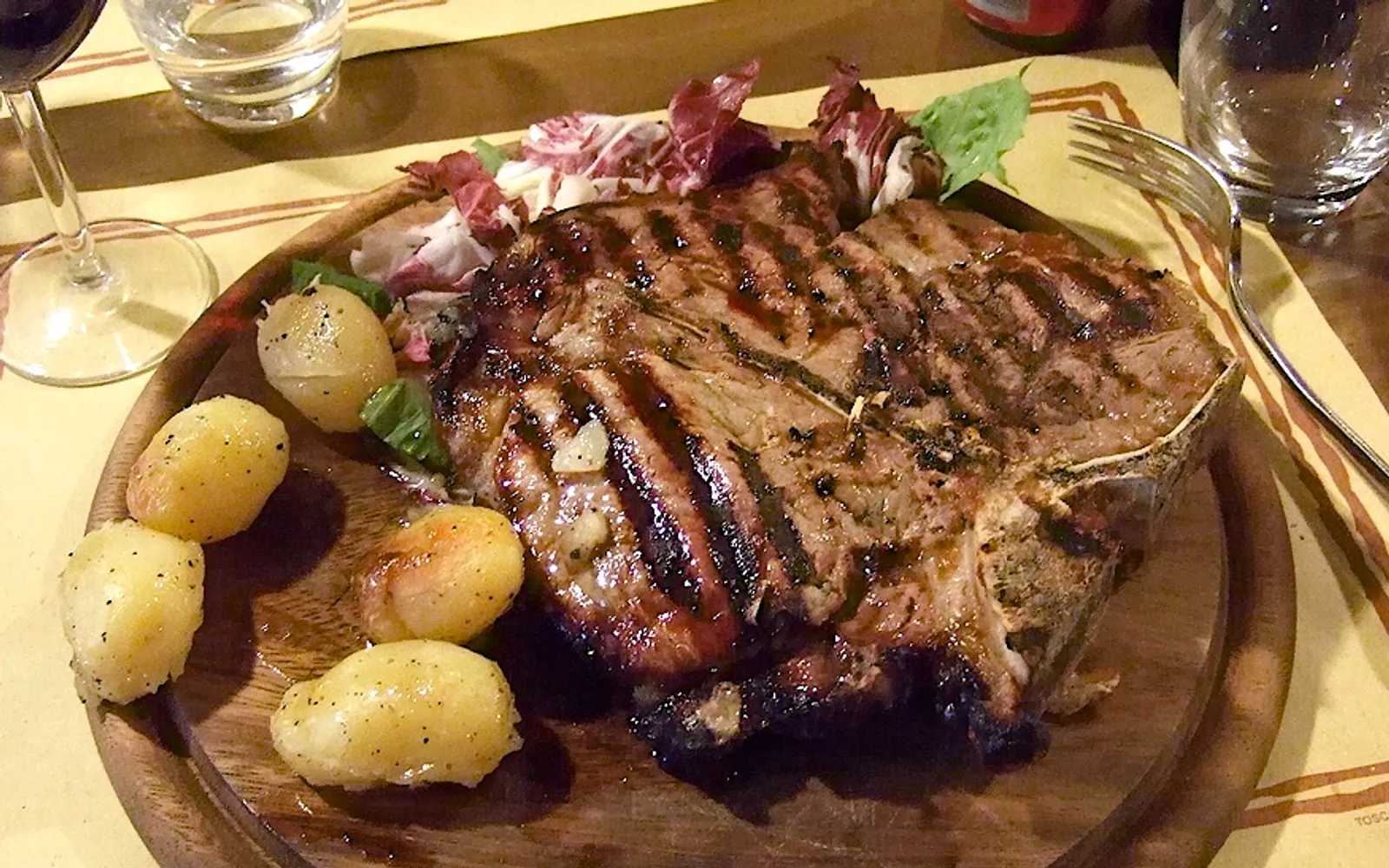
The steak that all of Italy points to as the benchmark. It is made from Chianina beef, a Tuscan breed with a distinctive flavour, cut at least 3–4 centimetres thick and weighing anywhere from 600 grams to 1.5 kilograms. It goes over charcoal for 3–5 minutes per side — medium-rare, nothing else. The seasoning is sea salt, black pepper, olive oil, and lemon. Order it well-done and the chef will refuse — that is a house rule at every serious restaurant in the city.
- Bistecca is priced by the kilogram (roughly €50–80/kg). Two people can share one — 600 grams is a comfortable portion for two.
- If the restaurant lets you choose doneness, order al sangue (rare) or rosa (medium-rare) to get the flavour right.
- Buca Mario and Trattoria Mario in the historic centre are the classics, but restaurants in Oltrarno tend to offer better value.
 #2
#2 Lampredotto
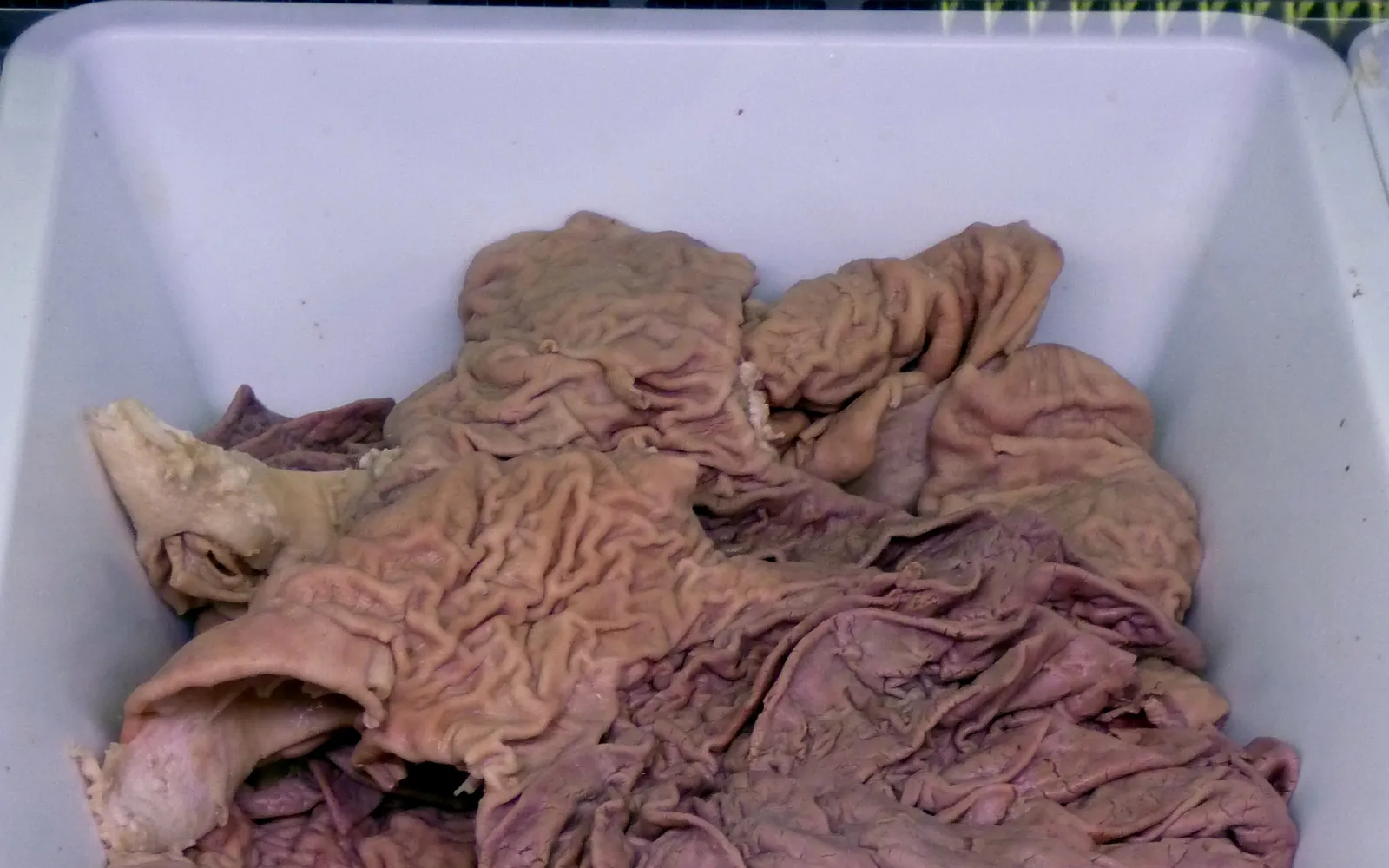
The genuine street food of Florence, eaten by locals since the Middle Ages. It is made from the abomasum (the fourth stomach of a cow), slow-braised for hours in vegetable broth, tomatoes, and herbs until tender, then thinly sliced and served in a semelle roll that is dipped in the cooking broth before assembly. It comes with salsa verde — a sharp sauce of parsley, garlic, and capers — and red chilli to taste. The flavour is rich and rounded, the smell far milder than you expect, and it is a street food you will find only in Florence.
- Order bagnato (wet) to have the roll dipped in the broth before it's handed to you — that is the traditional local order.
- The well-known stall Nerbone inside Mercato Centrale opens in the morning and closes around 2 pm. Get there before they sell out.
- A sandwich runs €3–5, making it the most satisfying and affordable lunch in Florence.
 #3
#3 Ribollita
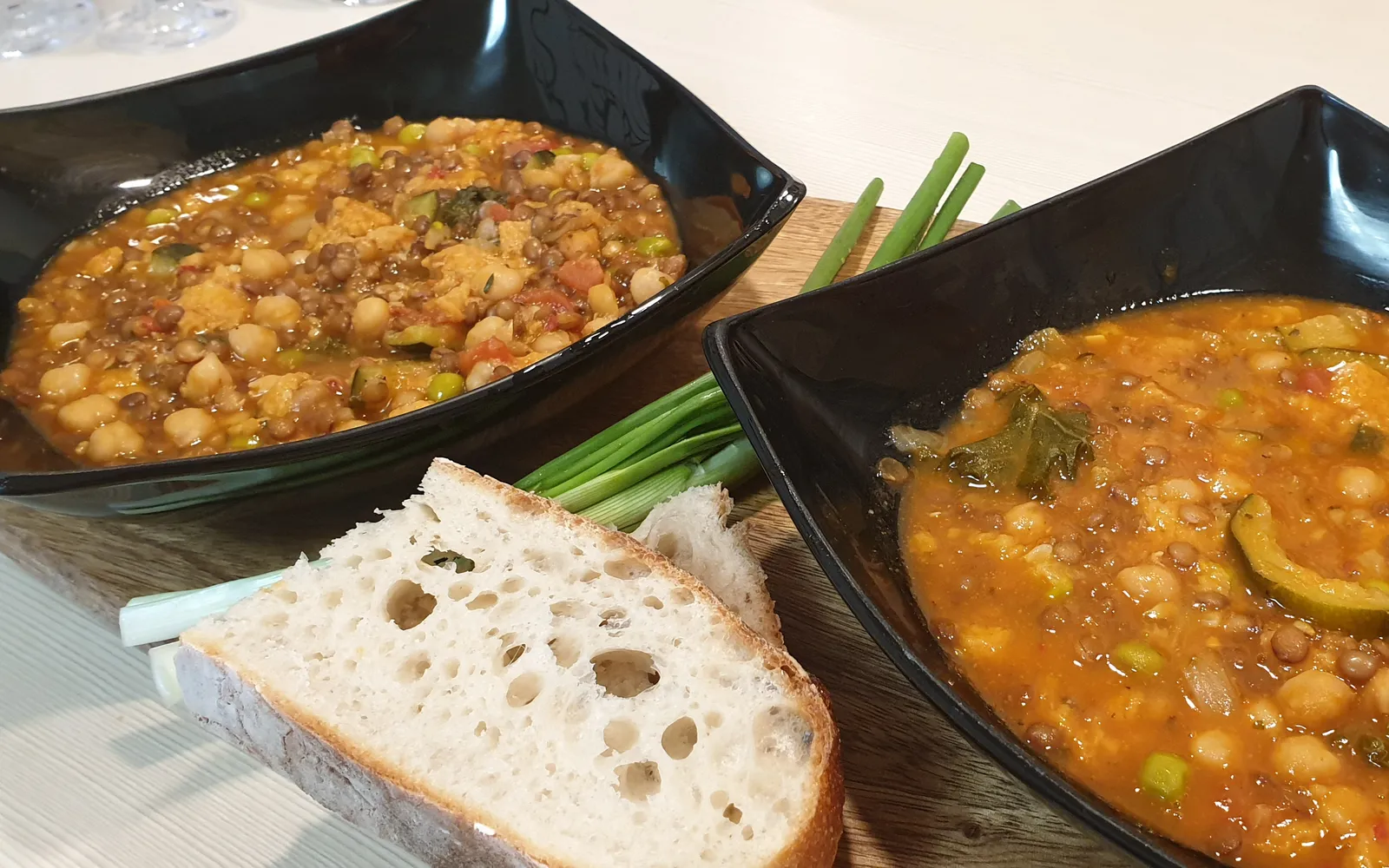
A Tuscan peasant soup that is humble in origin and punches well above its price. The name means 'reboiled' — originally it was yesterday's minestrone reheated with stale bread. Today it is made fresh with cavolo nero (Tuscan black kale), cannellini beans, onion, carrot, and salt-free Tuscan bread dissolved into the broth until it thickens to a stew-like consistency. A pour of raw olive oil goes on just before serving. The flavour deepens overnight, which is why it has always been a dish made in advance. It is a winter staple.
- Ribollita is at its best from October to March — it is a warming soup suited to cold weather, and some restaurants drop it from the menu in summer.
- Add extra Tuscan extra-virgin olive oil at the table before eating. The difference in aroma and depth is significant.
- Ask for a side of pane sciocco (unsalted Tuscan bread) to dip in. The saltiness of the soup against the neutral bread is a deliberate pairing.
 #4
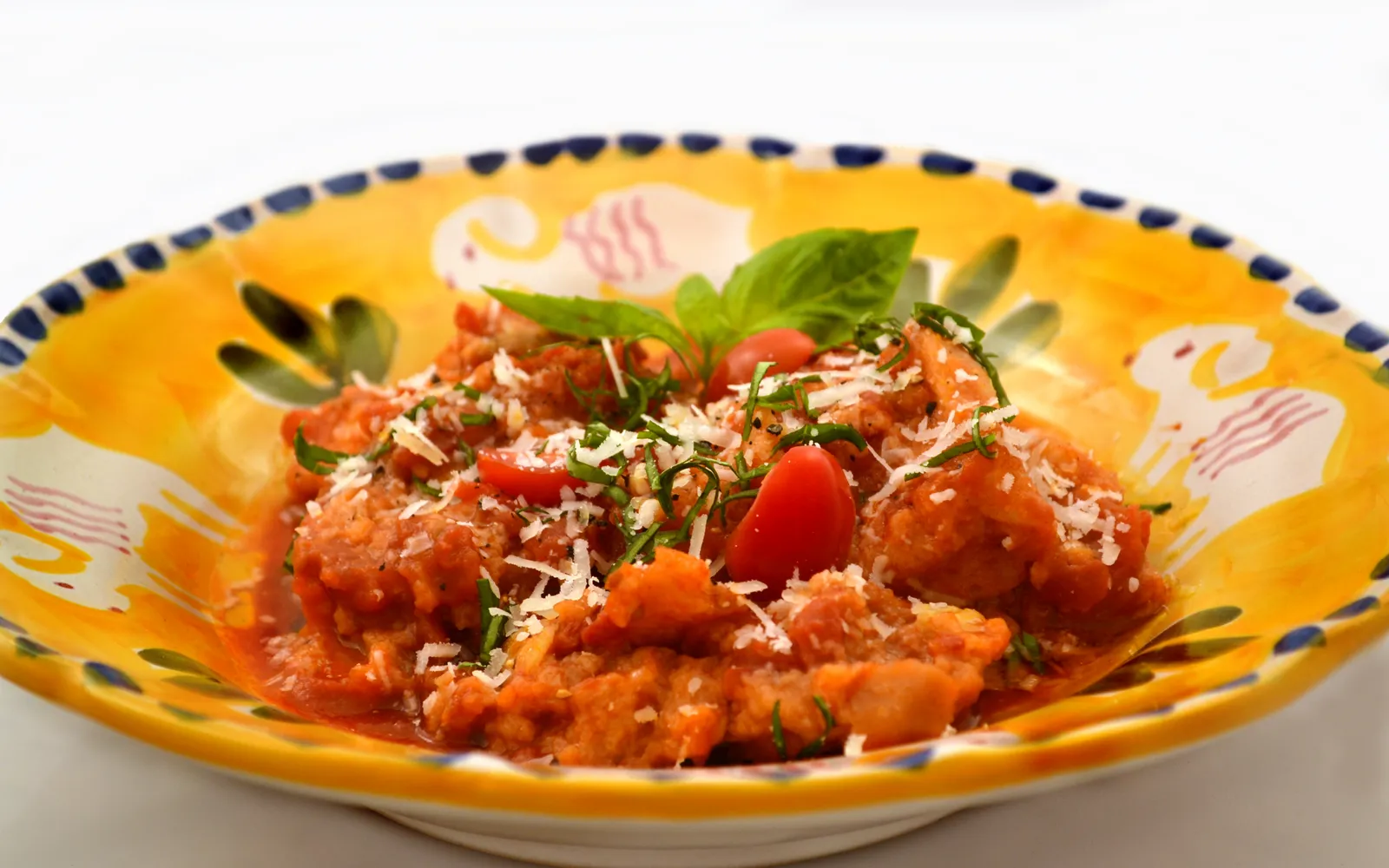
#4 Pappa al Pomodoro
A simple Tuscan home dish with a freshness that surprises. It is made from ripe fresh tomatoes cooked down with day-old Tuscan bread (at least 2–3 days stale), garlic, olive oil, and basil, then roughly mashed to a thick, porridge-like texture. The flavour is bright from the sweet tomatoes and fragrant from the olive oil and basil. It works hot or at room temperature. It began as a way for Tuscan families to use up leftover bread and became one of the region's most recognised dishes.
- The cold version (freddo), served at room temperature in summer, is as good as the hot version. Add a drizzle of fresh olive oil before eating.
- The quality of the tomatoes is everything. Good restaurants use fresh Tuscan tomatoes in summer, not tinned.
- Try it alongside a glass of Vernaccia di San Gimignano, a Tuscan white, for a natural pairing.
 #5
#5 Cantuccini with Vin Santo
The Tuscan dessert that ends a proper meal. These hard, dry biscuits are made from flour, sugar, egg, and whole unpeeled almonds, baked twice until completely dry and crunchy. The ritual is to dip one in Vin Santo — Tuscany's golden sweet wine — for a few seconds before eating. The biscuit absorbs the wine's sweetness and softens at the edges while staying crunchy at the centre. Dipping cantuccini in Vin Santo is not a trick for tourists; it is a fixed part of Tuscan food culture.
- Any serious Tuscan restaurant will serve cantuccini with Vin Santo as a standard dessert offering. Order without hesitation.
- They make excellent souvenirs — every supermarket and pastry shop sells them, and because they are very dry they travel well.
- Cantuccini from Biscottificio Antonio Mattei in Prato (30 minutes from Florence) are the most widely recognised original. They are also sold in Florence.
 #6
#6 Gelato
Florence claims to be the birthplace of modern gelato, tracing the tradition to the Medici court of the 16th century. Authentic artigianale gelato differs from factory ice cream in that it is lower in fat, gets its creaminess from egg yolk and fresh milk rather than whipped cream, and is made fresh daily from real ingredients, giving it a more concentrated flavour. Florence has a high density of quality gelaterie — but watch for shops that pile the gelato into tall, sculptural towers, which usually indicates whipped cream has been added. Real gelato is kept in closed containers or covered tubs.
- Real gelato is stored in covered tubs, not displayed in tall open-tray mountains — that is the first indicator of quality.
- Order nocciola (hazelnut), pistachio, or cioccolato fondente (dark chocolate) to test a shop's standards. These flavours cannot hide behind sugar.
- Gelateria dei Neri in Santa Croce and Gelateria Artigianale Badiani are locals' recommendations — not the shops closest to the Duomo where the crowds are.
Where to stay in Florence for this trip
A well-located hotel means less commuting and more sightseeing. Here are real, top-rated stays in Florence — compare Agoda · Booking · Trip.com in one click.
Relais Luce Florence
Affiliate links — we may earn a commission at no extra cost to you. Details
J.K. Place Firenze
Affiliate links — we may earn a commission at no extra cost to you. Details
Grand Hotel Baglioni
Affiliate links — we may earn a commission at no extra cost to you. Details
Hotel Bella Firenze
Affiliate links — we may earn a commission at no extra cost to you. Details
Tours, tickets & activities in Florence
Day tours, attraction tickets and travel essentials for Florence — book ahead on Klook with mobile e-tickets.
Affiliate links — we may earn a commission at no extra cost to you.
Before You Pack
The best food in Florence tends to be in small trattorias with no English menu where the cook is the owner. If you turn off the main square into a side street and spot a room full of Italians, that is the restaurant to walk into.