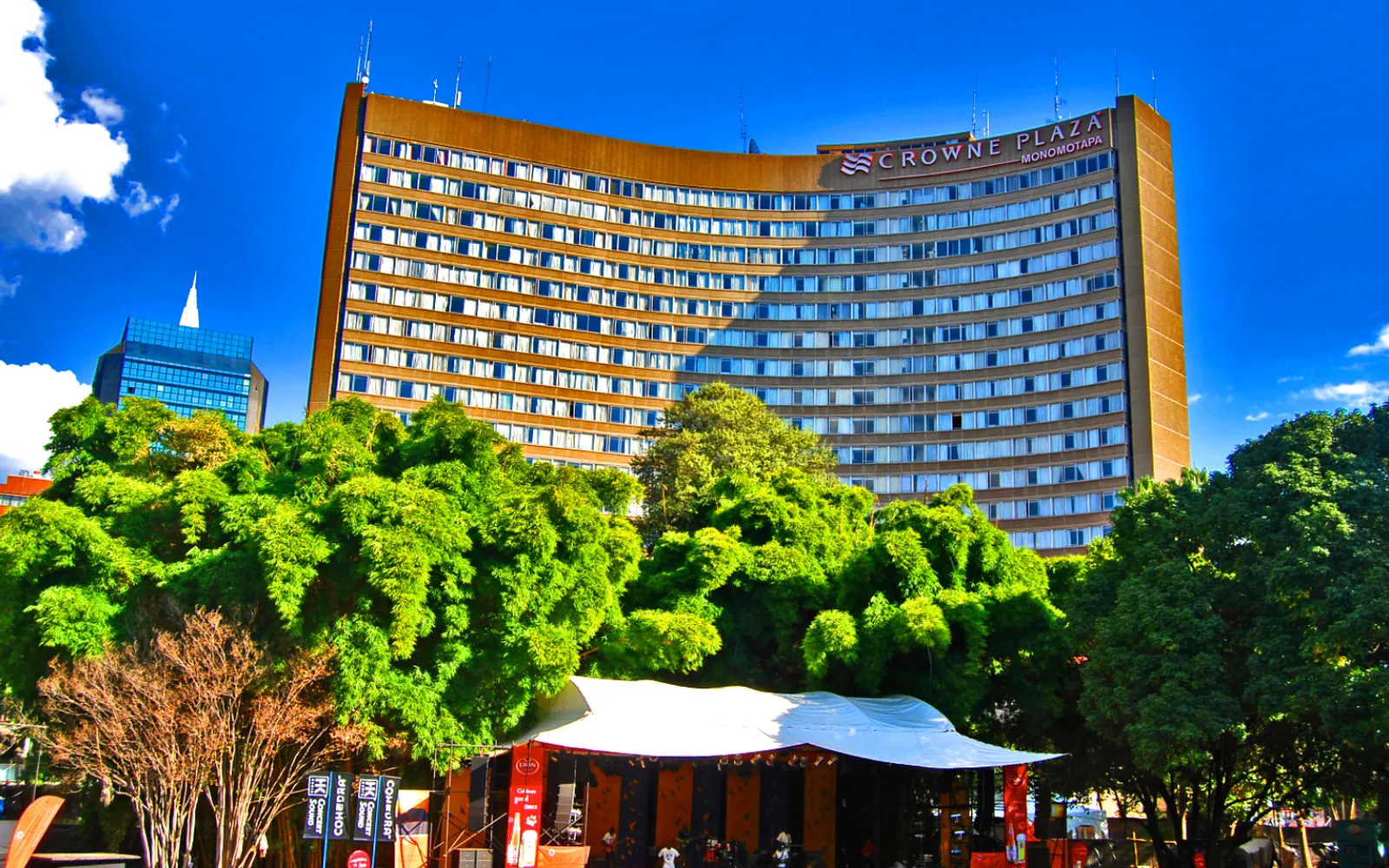
Where to stay in Harare — pick the right hotel, book in 3 clicks
Harare, Zimbabwe's capital, sits high on a plateau at 1,490 metres, which makes its climate far milder than most people expect of southern Africa. The city is a world-renowned hub for Shona stone sculpture, anchored by the National Gallery of Zimbabwe, the buzzing Mbare market, and a leafy National Botanic Gardens right in town. Jacaranda-lined avenues turn purple every October, and while many travellers treat Harare as a gateway to Victoria Falls or the safari parks, the city rewards anyone who slows down to explore its quiet, creative side.
Why stay in Harare
Capital of stone sculpture
Harare is the world's leading centre for Shona stone art. See it at the National Gallery and at Chapungu Sculpture Park, where you can watch artists carve in person.
Year-round mild weather
Perched at 1,490m, Harare has warm, sunny days and cool evenings — far more comfortable than the steamy heat people often picture.
Nature inside the city
The 68-hectare National Botanic Gardens and Mukuvisi Woodlands reserve — home to giraffe, zebra and wildebeest — are just minutes from the business district.
Easy with US dollars
USD is used everywhere in Zimbabwe. Restaurants, hotels and taxis all take it — just carry small bills for change.
Pick an area first — where to stay in Harare
Location is the single most important thing about a hotel — choose the right area first, then pick the hotel
BorrowdaleUpscale northern suburb near Sam Levy's Village, with the best dining and shopping, quiet leafy streets and a safe feel — great for couples and families.
Coming soonAvondaleGreen, tree-lined area with open-air cafes and the well-priced Avondale shopping centre; central to amenities and good value for most travellers.
Coming soonNewlandsTrendy district close to both the CBD and Borrowdale, with stylish cafes and restaurants and easy access in every direction.
Coming soonMount PleasantMixed-price suburb near the University of Zimbabwe, quiet with plenty of guesthouse options — the budget-friendly pick.
Coming soonRanked reviews — find your ideal stay in Harare
Start with where to stay (the heart of the trip), then explore food and sights
Find the right Harare hotel for you
1 ranked reviewsNo reviews match these filters — try removing one or two
Local dishes to try in Harare
- 1🍚
Sadza ne nyama
Sadza, a stiff maize porridge, is Zimbabwe's staple — rolled into balls by hand to scoop up meat stew, vegetables or sauce. Served with beef, free-range chicken or goat.
📍 National dish - 2🥬
Muriwo unedovi
Leafy greens cooked in peanut butter for a rich, creamy, nutty flavour — the side dish no Zimbabwean meal is complete without.
📍 Greens in peanut sauce - 3🐛
Madora (mopane worms)
Dried, fried mopane caterpillars — a genuine indigenous protein Zimbabweans really eat. Crunchy and savoury, a must-try for the adventurous.
📍 Local delicacy - 4🐟
Kapenta
Tiny dried kapenta fish, fried or cooked down with onion and tomato and eaten with sadza — a popular, affordable protein.
📍 Fried small fish - 5🍖
Braai
Harare's braai (barbecue) culture runs deep — charcoal-grilled beef, boerewors sausage and chicken, served with sadza and salad.
📍 Zimbabwean BBQ - 6🦵
Mazondo
Beef trotters slow-cooked until tender and sticky — a beloved local specialty at eateries around Mbare and Avondale.
📍 Slow-cooked trotters
- 1🖼️
National Gallery of Zimbabwe
The country's flagship art museum, showing Shona stone sculpture and contemporary African art with rotating exhibitions year-round. The best place to begin understanding Zimbabwean art.
📍 Shona art - 2🛒
Mbare Musika (Mbare Market)
One of the largest, most colourful markets in southern Africa, packed with crafts, produce, street food and souvenirs. Real local life — best visited with a local guide.
📍 Local market - 3🌿
National Botanic Gardens
Sixty-eight hectares of indigenous and exotic plants, including a rainforest section, aloe garden and orchid collection — a tranquil escape from the city.
📍 Nature - 4🗿
Chapungu Sculpture Park
An open-air gallery in Msasa displaying Zimbabwean stone sculpture across landscaped gardens. Watch artists at work and buy pieces directly. Founded in 1970.
📍 Open-air art - 5🦒
Mukuvisi Woodlands
A 263-hectare reserve within the city with guided walks, horse riding and game viewing — giraffe, zebra, wildebeest and impala, minutes from the CBD.
📍 Wildlife in the city - 6🪨
Epworth Balancing Rocks
Iconic naturally balanced granite formations on the eastern outskirts, once featured on Zimbabwe's banknotes — a classic photo stop.
📍 Granite wonder - 7⛰️
Domboshava
A granite dome about 30 km north of the city, with ancient San rock paintings in its cave shelters. The walk to the summit takes roughly 45 minutes with sweeping plateau views.
📍 Hike + rock art - 8🎖️
National Heroes' Acre
A striking national monument honouring Zimbabwe's liberation heroes — worthwhile for anyone interested in the country's history and politics.
📍 Monument
Things to do in Harare
Day tours, attraction tickets and travel essentials for Harare — book ahead on Klook with mobile e-tickets.
Affiliate links — we may earn a commission at no extra cost to you.
3 Harare hotels our team picked for you
Selected from real reviews — one per budget tier, each with a score and instant 3-site price comparison
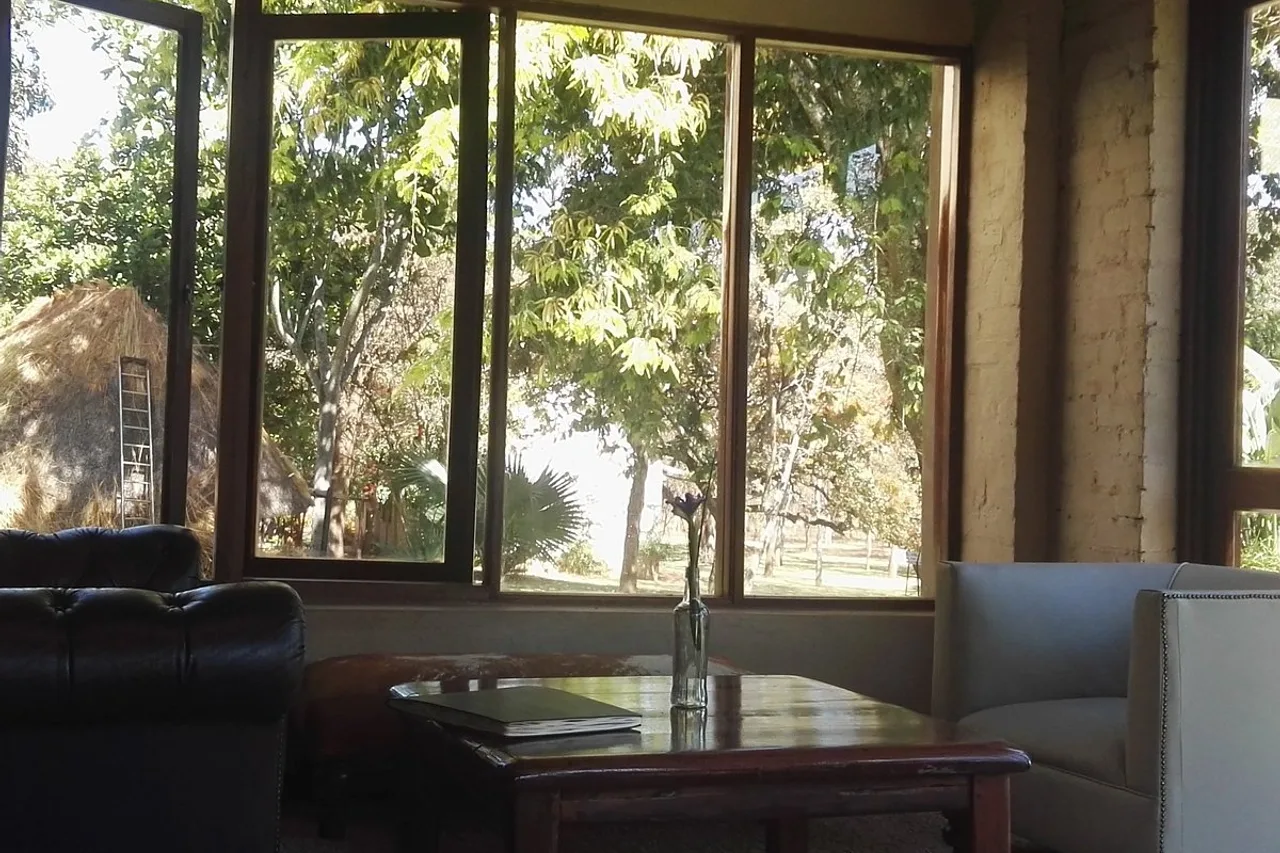 ★ 9.0Upper-mid
Wild Geese Lodge
#4 safari lodge · inside a private game reserve
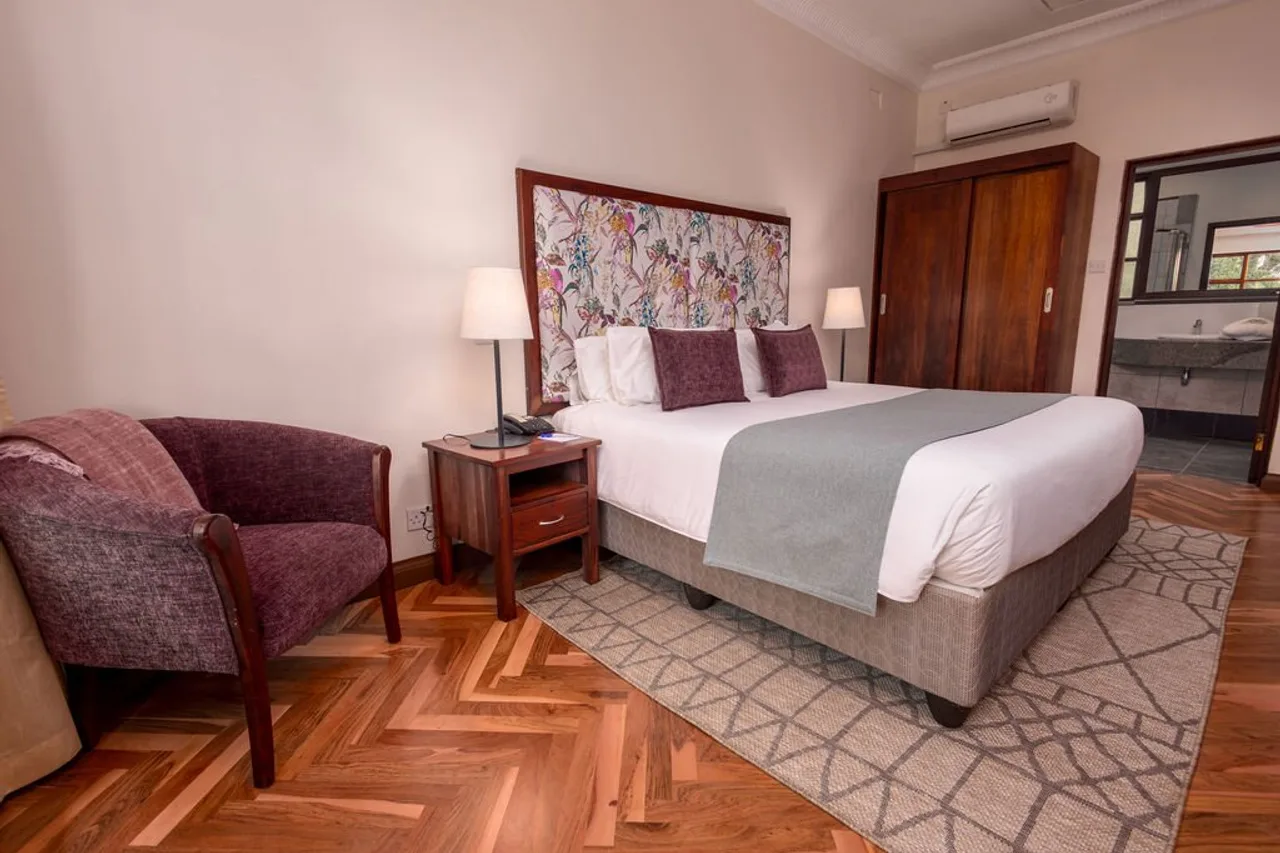 ★ 8.5Upper-mid
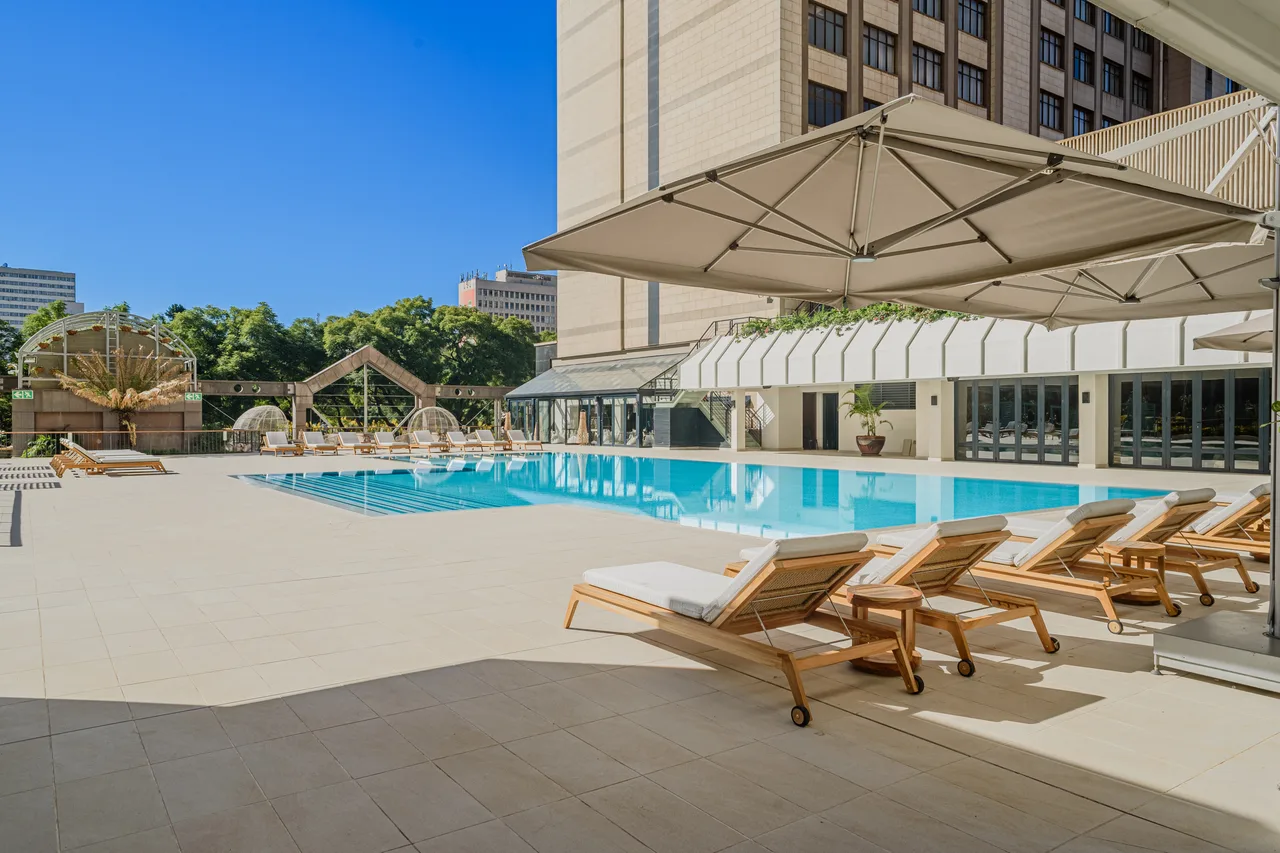 ★ 8.4Luxury
Hyatt Regency Harare The Meikles
#1 city landmark · The Meikles since 1915
โรงแรมแนะนำทั้งหมดในHarare
ครบทุกระดับงบ — คัดจากคะแนนรีวิวจริง พร้อมเทียบราคา 3 เว็บ
Rainbow Towers Hotel and Conference Centre
#2 Iconic city-centre tower
Haven't found the one? Search all 3 sites yourself
Compare real-time room availability for your Harare dates
🚆 Getting around Harare
Robert Gabriel Mugabe Airport
Harare's main international airport sits about 15 km from the centre, roughly 30 minutes away. There's no rail link, so pre-book a transfer or use a ride app.
Taxis & ride apps
Use the registered taxi desk in arrivals; the airport-to-city run is about USD 25–30, negotiated in dollars. In town, the Vaya app is a reliable way to hail rides.
Kombis (shared minibuses)
Cheap shared minibuses that locals use on every route. Carry small USD bills — conductors often can't break large notes.
Currency — USD first
Zimbabwe uses USD widely alongside the local ZiG. Always carry small US bills (1/5/10); Visa and Mastercard work only at larger establishments.
Car hire / hired driver
Main roads are decent and driving is on the left, but signage and night lighting can be poor — many visitors hire a car with a local driver for convenience and safety.
Where to go next near Harare
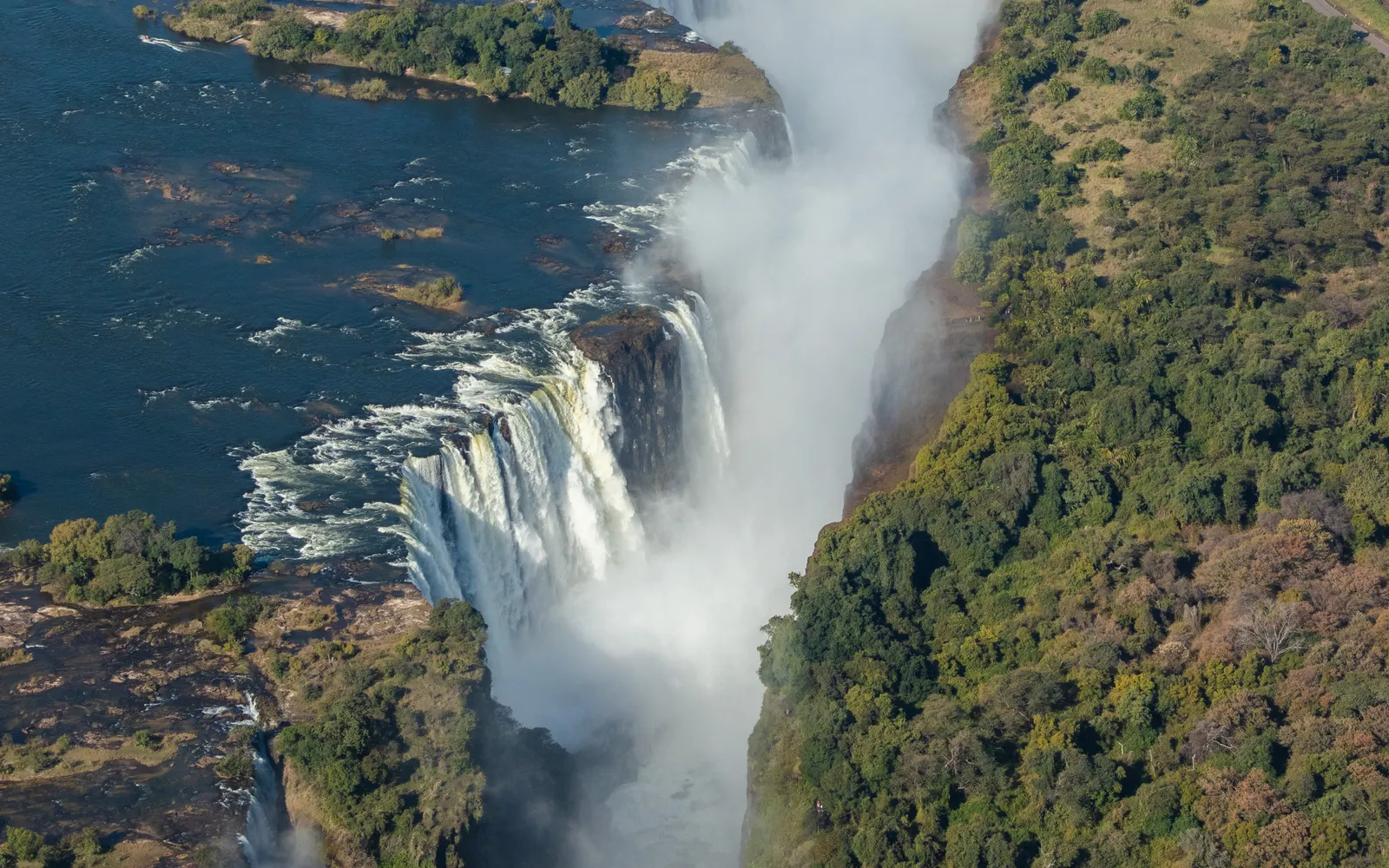 Victoria Falls
Town beside the world's largest waterfall — Zambezi cruises, rafting, bungee and border safaris.
See this city's guide →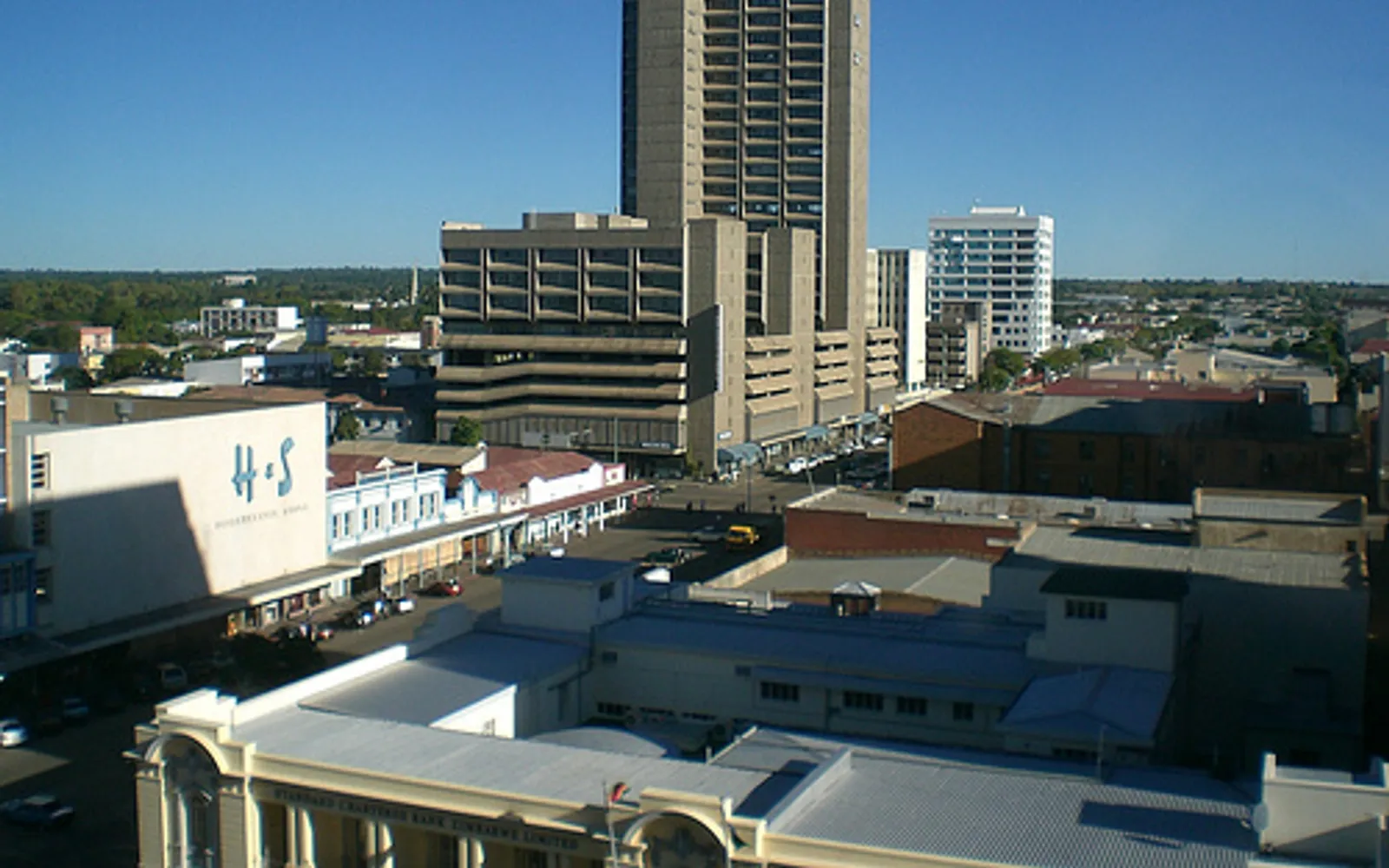 Bulawayo
Zimbabwe's City of Kings — wide boulevards, colonial architecture, a railway museum, and the gateway to UNESCO-listed Matobo National Park.
See this city's guide →Frequently asked — where to stay in Harare
When is the best time to visit Harare?+
The dry season from April to October is best, with May to August offering cool, clear, low-humidity days. October is the warmest (around 29°C) and brings the city's purple jacaranda bloom. The rainy season runs November to March.
Do I need a visa, and what currency is used?+
Many nationalities can get a visa on arrival at the airport, starting around USD 30 (bring a passport valid for at least 6 months). The US dollar is the main currency — carry small-denomination cash.
Is Harare safe for tourists?+
Main suburbs like Borrowdale, Avondale and Newlands are reasonably safe by day. Watch your valuables in crowds such as Mbare market, avoid walking alone at night, and visit busy markets with a local guide.
Ready to book your Harare stay?
Start with the 3 hotels our team picked, or search all 3 sites — always compare before booking