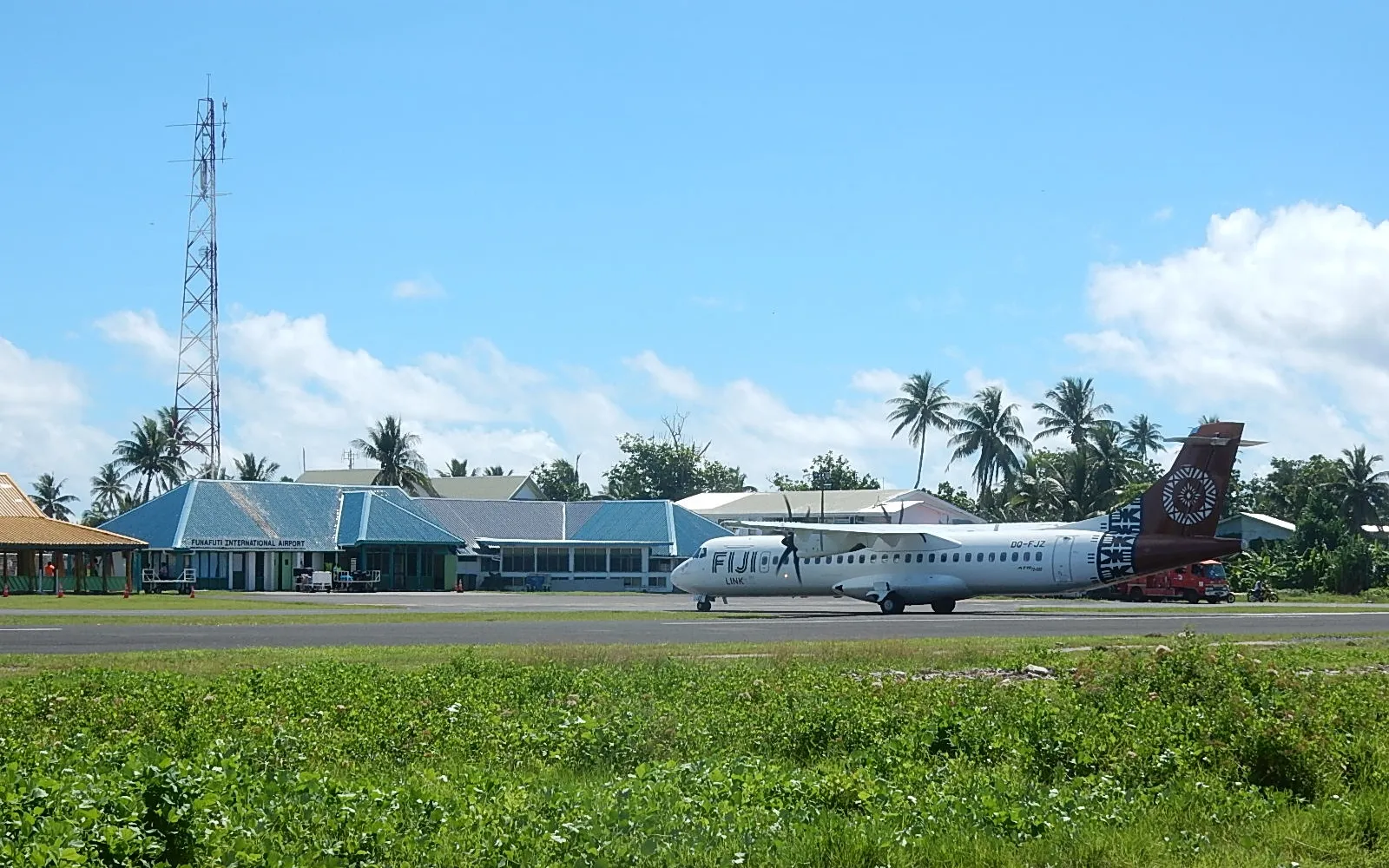
Where to stay in Funafuti — pick the right hotel, book in 3 clicks
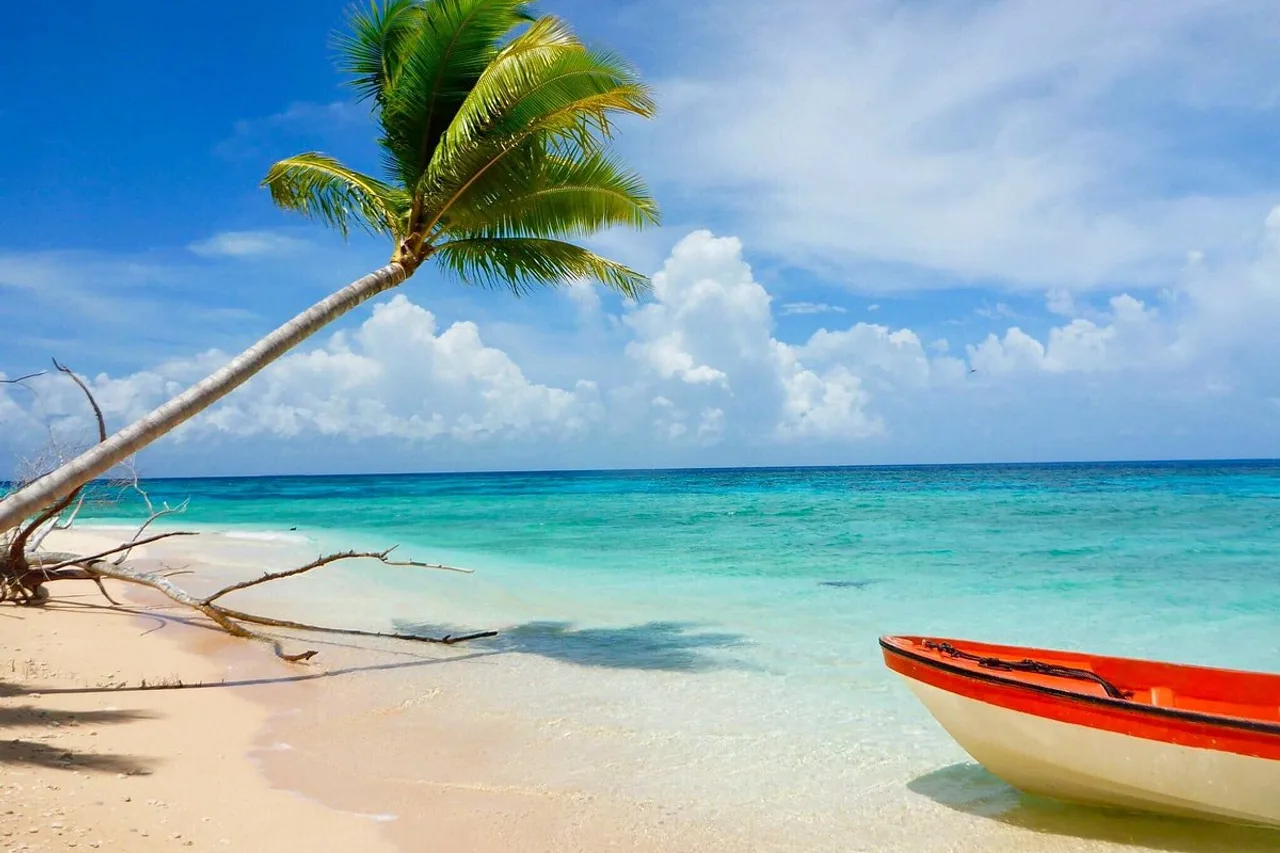
Picture a sliver of land so narrow it's barely 20 metres across in places, with a turquoise lagoon on one side and the open Pacific on the other. That's Funafuti, the capital of Tuvalu and one of the least-visited countries on Earth. There are no luxury resorts or shopping malls here — just a warm, tight-knit community, an airport runway that turns into an evening volleyball court, and a marine conservation area so clear you can spot turtles and coral from the boat. If you want the real, unhurried Pacific, Funafuti is about as authentic as it gets.
Why stay in Funafuti
The nation's largest lagoon
Te Namo lagoon stretches roughly 25 km — calm, clear water perfect for diving, swimming, and boating out to the tiny islets around the atoll.
A living marine reserve
The Funafuti Conservation Area protects reef and islets that are nesting grounds for green sea turtles and seabirds — about a 30-minute boat ride out.
A community untouched by mass tourism
With only a few hundred visitors a year, daily life here is the real thing. Locals are genuinely friendly and most speak English.
Slow Pacific living
Each evening the whole island gathers along the lagoon and on the runway to watch the sunset and play sport — an atmosphere you won't find anywhere else.
Pick an area first — where to stay in Funafuti
Location is the single most important thing about a hotel — choose the right area first, then pick the hotel
VaiakuThe town centre beside the airport and lagoon — home to Parliament, the main hotel, shops and the wharf. Everything is walkable.
Coming soonFakaifouA residential village on the northern part of Fongafale with a large church, small market, and genuine community feel.
Coming soonAlapiA quiet mid-island village near the hospital and government offices — a low-key base for simple stays.
Coming soonFunafalaA small islet at the southern end of the atoll with no electricity or cars — reachable only by boat for an off-grid escape.
Coming soonRanked reviews — find your ideal stay in Funafuti
Start with where to stay (the heart of the trip), then explore food and sights
Find the right Funafuti hotel for you
1 ranked reviews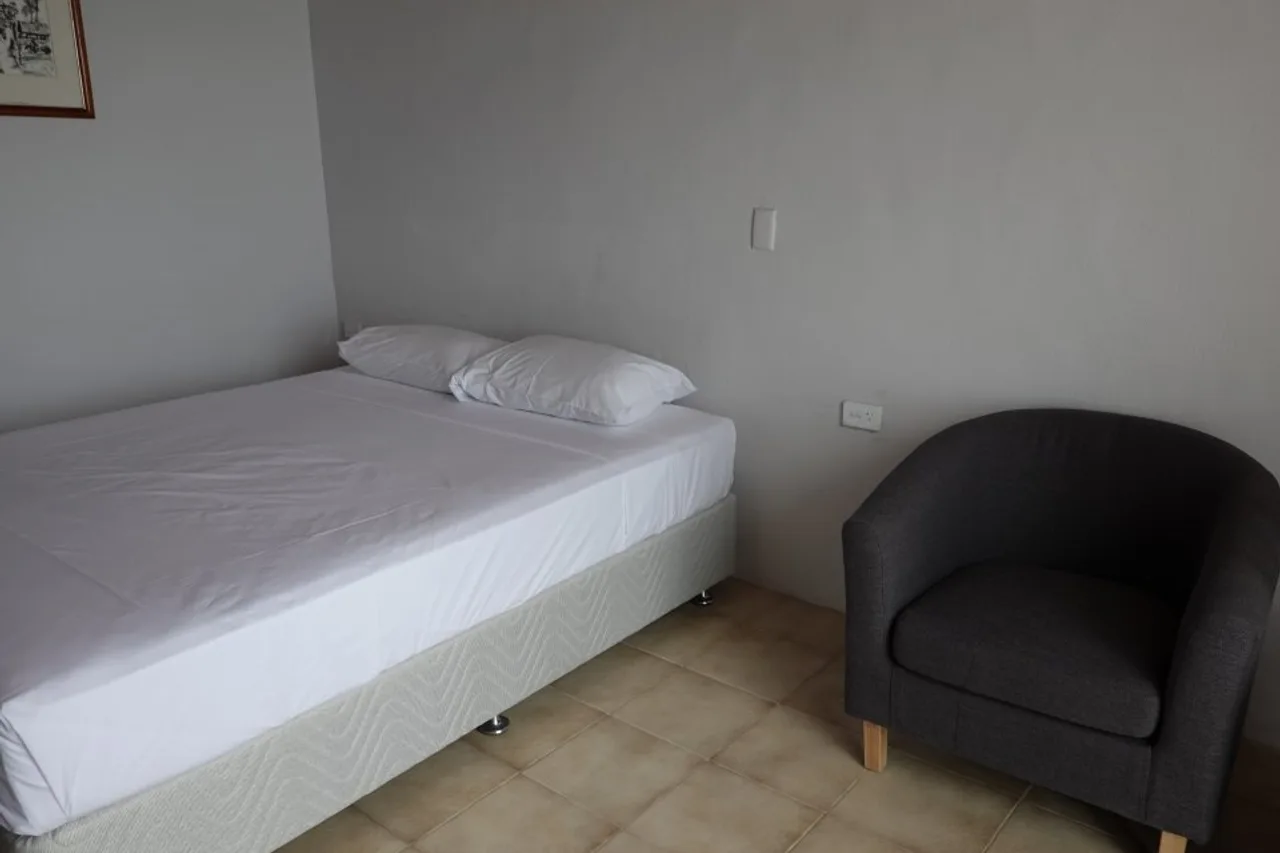
No reviews match these filters — try removing one or two
Local dishes to try in Funafuti
- 1🍠
Pulaka
Swamp taro grown in pits — the main source of carbohydrates and Tuvalu's national staple, with a dense, starchy texture.
📍 National dish - 2🥥
Fekei
Grated pulaka mixed with coconut cream and steamed in pulaka leaves — sweet, rich, and made for special occasions.
📍 Signature dish - 3🐟
Coconut Fish
Fresh tuna in a rich coconut-milk sauce, often served nearly raw. The fish here is exceptionally fresh, straight from the lagoon and ocean.
📍 Seafood - 4🌿
Palusami
Onion and coconut cream wrapped in taro or banana leaves and baked until soft — a beloved side with fish and pulaka.
📍 Side dish - 5🦀
Coconut Crab
A large land crab that feeds on coconuts, with sweet, rich meat. A prized treat served mostly at feasts.
📍 Delicacy - 6🍌
Breadfruit & Banana
Island staples boiled, grilled or fried and eaten with coconut — the everyday home cooking found across the atoll.
📍 Local staple
- 1🐠
Funafuti Conservation Area
A 33 km² protected zone of reef, lagoon and islets. A 30-minute boat ride gets you to snorkelling spots full of fish, giant clams, coral and turtles — the highlight of any Funafuti trip.
📍 Diving / nature - 2✈️
Funafuti Runway
When no planes are due, the runway becomes the island's public square — locals play volleyball and football, ride bikes, and lie back to stargaze. It's the social heart of the town.
📍 Community life - 3🏝️
Funafala Islet
A car-free, power-free islet at the south end of the lagoon, about an hour by boat. Walk among thatched huts and lush greenery — ideal for a picnic and total peace.
📍 Quiet escape - 4🪸
Tepuka & Fualopa Islets
Uninhabited motus inside the reserve, perfect for a boat picnic and crystal-clear snorkelling. Fualopa hosts a breeding colony of black noddy seabirds.
📍 Picnic / snorkel - 5🕳️
David's Drill
The site where Royal Society scientists drilled into the atoll in the late 1800s to test Darwin's theory of how coral atolls form.
📍 History - 6📮
Philatelic Bureau
Tuvalu is famous among collectors for its beautiful stamps. The bureau sells stamp sets and postcards — one of the country's most distinctive souvenirs.
📍 Souvenirs - 7🧺
Women's Handicraft Centre
A shop for local handicrafts — shell necklaces, feather jewellery, wood carvings — usually open when flights or ships arrive.
📍 Crafts - 8⛪
Church of Tuvalu
The national church, notable for its architecture. Sit in on a Sunday service for the gorgeous Tuvaluan hymn harmonies.
📍 Culture
Things to do in Funafuti
Day tours, attraction tickets and travel essentials for Funafuti — book ahead on Klook with mobile e-tickets.
Affiliate links — we may earn a commission at no extra cost to you.
3 Funafuti hotels our team picked for you
Selected from real reviews — one per budget tier, each with a score and instant 3-site price comparison
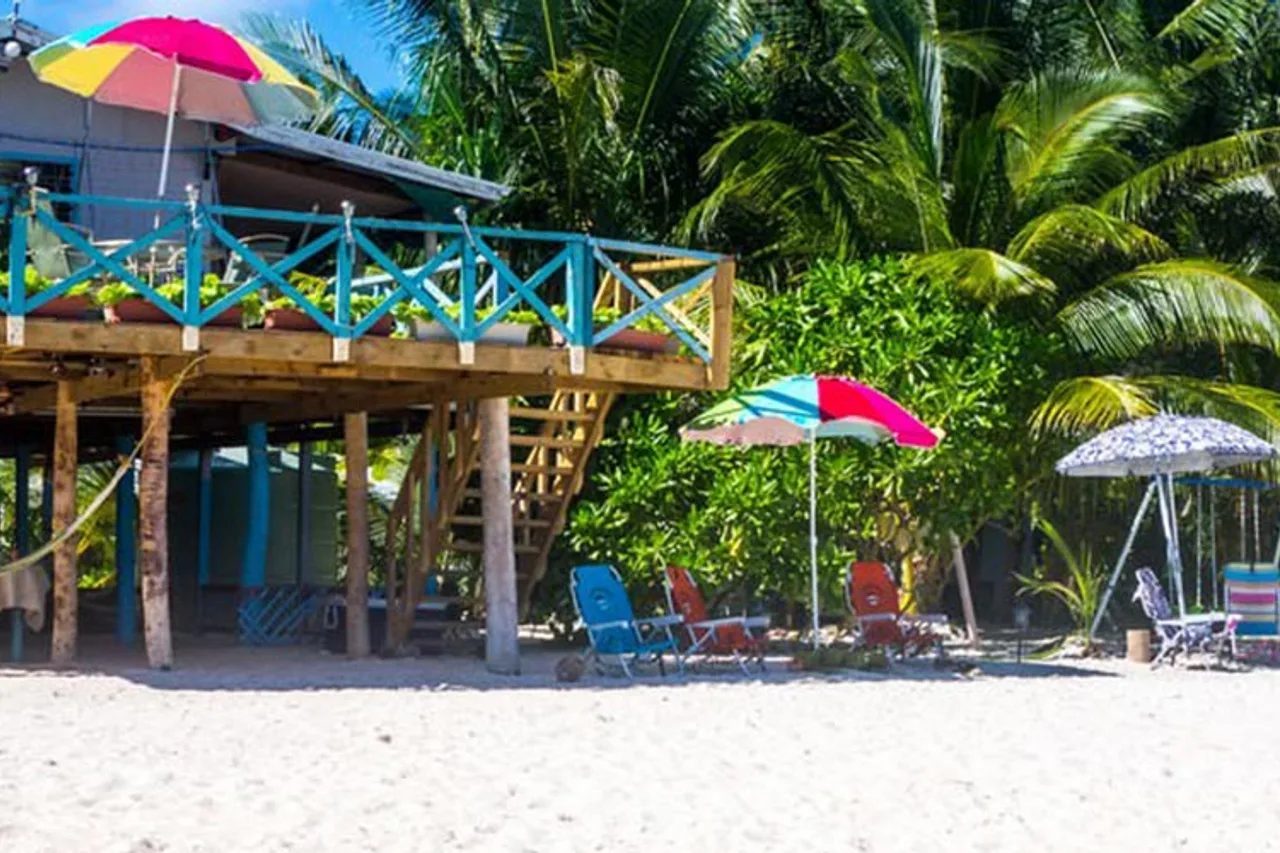 ★ 8.7Value
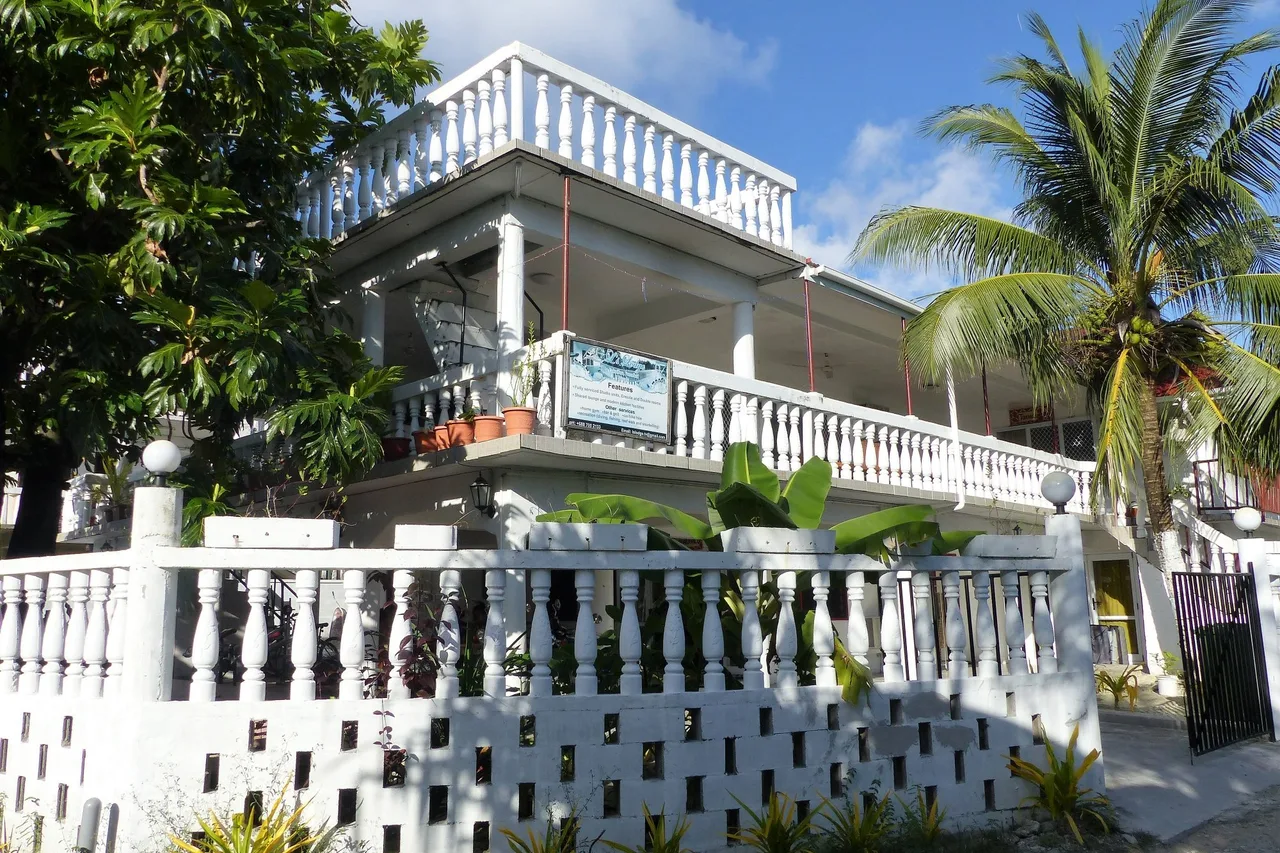 ★ 8.5Value
 ★ 8.4Value
โรงแรมแนะนำทั้งหมดในFunafuti
ครบทุกระดับงบ — คัดจากคะแนนรีวิวจริง พร้อมเทียบราคา 3 เว็บ
Afelita Bed & Breakfast
#8 Family B&B · central Vaiaku, 3-5 min walk to the runway
Haven't found the one? Search all 3 sites yourself
Compare real-time room availability for your Funafuti dates
🚆 Getting around Funafuti
Fly in via Fiji
Fiji Airways flies from Suva/Nadi to Funafuti International Airport (FUN) a few times a week — the only way into Tuvalu. Book well ahead.
Rent a scooter
The best way to get around the island, about AUD 10 per day. Only a few places rent them and they sell out fast, so ask your accommodation early.
Walk
Fongafale is long and narrow, and central Vaiaku puts the airport, hotel, shops and wharf all within an easy walk of each other.
Boat to the islets
The conservation area, Funafala and Tepuka are reachable only by boat. Book a tour through your lodge or the Kaupule (local council) — 30 minutes to an hour out.
Cash (Australian dollars)
Tuvalu uses the Australian dollar (AUD) plus its own coins. ATMs and card payments are almost nonexistent — bring enough cash for your whole stay.
Frequently asked — where to stay in Funafuti
How do I get to Funafuti?+
The only way in is by Fiji Airways from Suva or Nadi in Fiji to Funafuti International Airport (FUN). There are only a few flights a week, so plan and book far in advance.
What currency is used, and do I need cash?+
Tuvalu uses the Australian dollar (AUD), along with its own Tuvaluan coins. ATMs and card-accepting shops are almost nonexistent, so bring enough cash for your entire trip.
When is the best time to visit Funafuti?+
The drier season (roughly May–October) brings calmer seas and better conditions for diving and island-hopping. November–April is wetter and can bring high tides that flood low-lying spots.
Ready to book your Funafuti stay?
Start with the 3 hotels our team picked, or search all 3 sites — always compare before booking