Tuvalu — find the right stay, from deciding to booking
“The world's smallest atoll nation — clear lagoons, the Polynesian way of life, and the front line of the sea-level crisis”
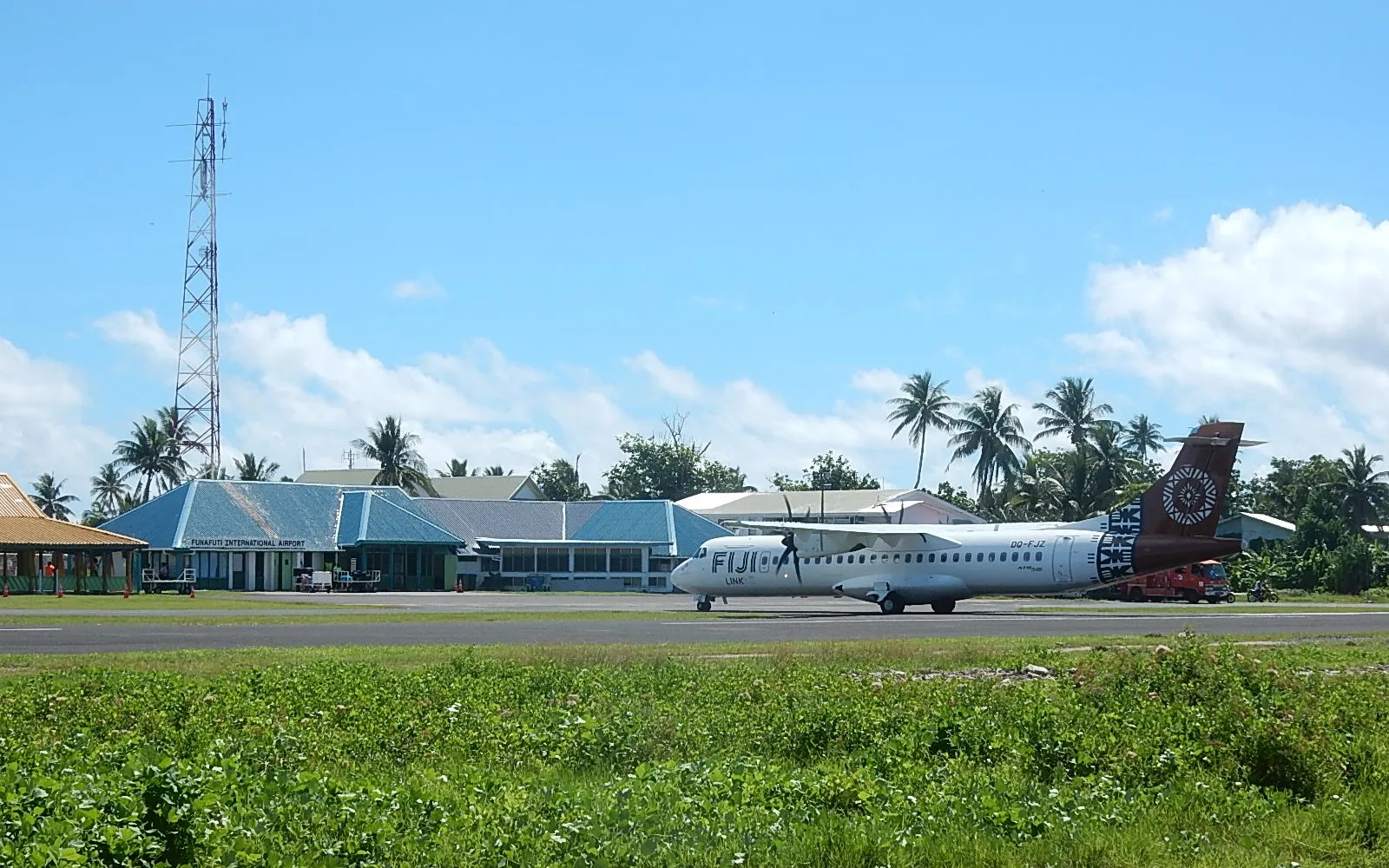
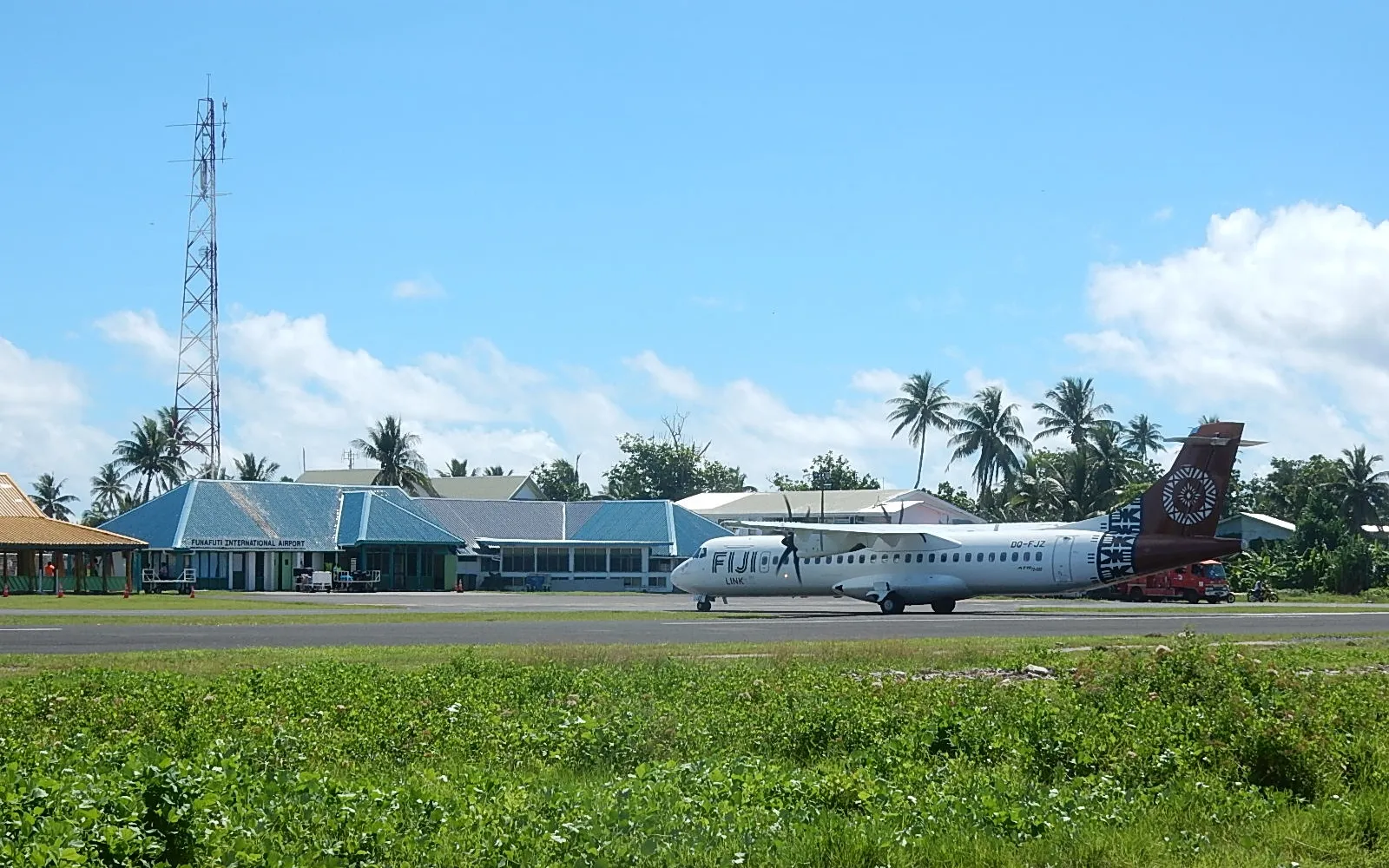
Tuvalu is one of the least populated and most remote countries in the world — nine coral atolls in the middle of the Pacific, with limited flights that must connect through Fiji. But those who make it find the Funafuti lagoon so clear you can see the seabed, healthy reefs, peaceful beaches, a still-traditional Polynesian way of life, and an airport runway that becomes a community gathering ground in the evenings. Tuvalu is also a symbol of the global climate crisis, because rising sea levels threaten this low-lying nation's land in the most direct way.
Tuvalu at a glance
Choose a city in Tuvalu
Each city has its own things-to-do and food guides plus in-depth ranked hotel reviews with real photos and price comparison — start with the city that fits your trip.
Decide — is Tuvalu right for you?
Why people love Tuvalu, how it compares to its neighbors, and which travel style suits you
Front line of the climate crisis
Tuvalu sits just a few meters above sea level — the nation facing the most direct and severe impacts of climate change in the world.
Funafuti lagoon
A marine conservation area with high visibility, healthy reefs and colorful fish for both snorkeling and diving.
Pristine atolls
Nine coral islands uncrowded by tourists, with quiet white-sand beaches that are hard to find anywhere today.
The runway is the community
Funafuti's airport runway is the town's main street and the community's evening playground — a sight unlike anywhere else in the world.
Traditional Polynesian life
The falekaupule (Polynesian community house), mat weaving, fishing and folk music are all still very much alive.
Utter peace and quiet
The fewest tourists in the world — only a few hundred visitors a year — let you experience nature with almost no crowds.
Tuvalu vs its neighbors
| Tuvalu | Kiribati | Fiji | |
|---|---|---|---|
| Daily budget (per person) | $57–115 | $50–100 | $70–145 |
| Visa (Thai passport) | Check the latest conditions | Check the latest conditions | VOA / visa-free |
| Known for | Atolls · lagoons · rare | Date Line · fishing | Resorts · adventure · culture |
| Flights | Via Fiji, very few flights | Via Fiji and Hawaii | Many direct flights |
| Tourism infrastructure | Very little | Limited | Well developed |
Figures are rough per-person, per-day estimates — your real budget depends on your travel style.
How do you travel?
Rare-nature seekers
Dive the Funafuti lagoon, see the reefs, and experience atolls barely touched by humans over 5–7 days.
See this plan → 🌏Country collectors
Tuvalu is one of the least-visited countries in the world — perfect for those who want to collect a truly different experience.
See this plan → 📷Environment & media
Document island life, the community runway and the real sea-level impacts in a nation facing the problem head-on.
See this plan →Plan — stay, eat, see
Start with where to stay (the heart of the trip), then add food and sights, and gauge your daily budget.
Find the stay you want
1 ranked reviews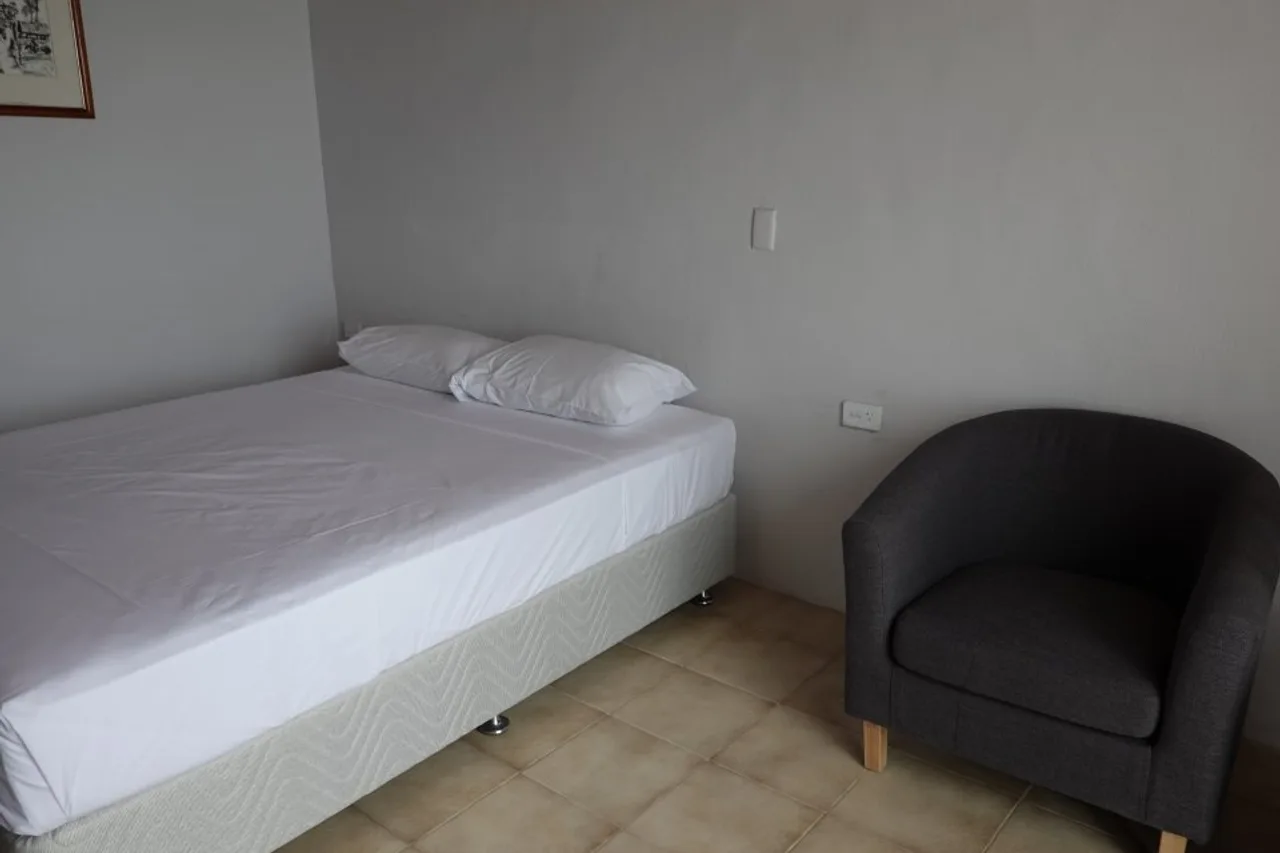
No reviews match these filters — try removing some.
- 1🐟
Ika Mata
Raw fish marinated in lime and coconut milk, Polynesian style — tender and fragrant with the fresh sea.
📍 Local dish - 2🥥
Pulaka with Fish
Pulaka (a special taro) boiled in coconut milk and served with fresh sea fish — a traditional Tuvaluan staple.
📍 Main dish - 3🦞
Lagoon Lobster
Lobster and crab from the Funafuti lagoon, fresh straight from local fishermen.
📍 Seafood - 4🍚
Rice and Coconut
Fresh coconut and young coconut water are everywhere — the best natural drink in the islands.
📍 Side - 5🐠
Grilled Tuna
Tuna from Pacific waters grilled fresh with grated coconut — simple but honest flavor.
📍 Street food - 6🌿
Coconut Drinks
Fresh coconut water, bananas and ripe papaya from the back garden — a refreshing snack in the heat.
📍 Drink
- 1🌊
Funafuti Conservation Area
A clear-water lagoon marine reserve with reefs, sea turtles and many kinds of fish — great for snorkeling and diving.
📍 Funafuti - 2✈️
Funafuti Airport Runway
The town-center runway where locals walk, run and play sports when there are no flights — a sight unlike anywhere else in the world.
📍 Funafuti - 3🏛️
Falekaupule
A traditional Polynesian community house used for village assemblies, ceremonies and cultural events.
📍 Funafuti - 4🏝️
Funafala
A small island in the lagoon reached by boat, with a pristine coral beach and utter peace and quiet.
📍 Lagoon - 5🐚
Vaitupu Island
The second-largest island, home to an old school and a still-traditional way of fishing life.
📍 Atoll - 6🌅
Nukufetau Atoll
A remote atoll with a wide turquoise lagoon — perfect for those who want true tranquility.
📍 Atoll
🚆 Getting around Tuvalu
Fly via Fiji
Fiji Airways runs a limited Suva–Funafuti route; plan well ahead — tickets are scarce and pricey.
Inter-atoll boats
The government vessel MV Nivaga links the islands, but the schedule is uncertain, so plan flexibly.
Motorbikes and bicycles
Most getting around on Funafuti is by motorbike or bicycle — the roads are narrow and the distances short.
On foot
Funafuti is narrow and short, easily covered on foot; with flights so infrequent, planning your time really matters.
Longboat lagoon trips
Hire a longboat with locals to visit the islands in the lagoon, snorkel and see the reefs.
🛂 Etiquette & culture in Tuvalu
Community (Fenua)
Tuvaluan society centers on community unity, collective decisions in the falekaupule assembly, and respect for elders.
Polynesian song and dance
Folk music on guitar and ukulele and Polynesian dance are part of everyday life and ceremonies.
Deep Christian faith
Most Tuvaluans are Christian; Sundays are very quiet — dress modestly and respect church time.
Climate awareness
People here feel the impact of rising seas in real life; talking about it is normal and very important.
Weaving and handicrafts
Tuvaluan women weave mats from pandanus leaves and make shell necklaces — souvenirs with real cultural value.
💸 Daily budget — a rough guide
Budget
🛏️ Local guesthouse $23–50
Accommodation is scarce and simple; eat local and market food. On-island costs are low, but flights are expensive.
Comfortable
🛏️ Standard hotel $57–100
Diving trips, lagoon boat hire and fresh seafood; most of your budget goes on getting there.
Premium
🛏️ The best stay on the island $115+
A private guide, a lagoon yacht tour, and exclusive community experiences.
🗓️ When to visit Tuvalu
Dry season
Mar – OctDrier weather, calm seas and clear underwater visibility — great for diving and island-hopping, the best time to go.
Early in the year
Mar – MayThe transition out of the rainy season — the weather starts improving, the sea clears, and tourists are few.
Rainy season
Nov – FebHeavy rain, possible cyclones and reduced sea visibility — best avoided.
Year-round
Every monthTuvalu can be visited year-round, but you mainly have to plan around the very limited flight schedule.
Book — hotels our team picked
If we had to pick just a few, we'd start with these three — compare prices across 3 sites.
Want to see every option in Tuvalu?
Browse all our ranked stay reviews — every budget and area, with real photos and price comparison.
View the top city guide →FAQ — visiting Tuvalu
How many days do you need in Tuvalu?+
5–7 days — Funafuti 3–4 days (lagoon, diving, the community runway) + a boat trip to the lagoon islands 1–2 days, but you must plan around the very limited flight schedule.
Do Thai passport holders need a visa?+
Check the latest visa/VOA conditions before you travel (flights are limited and go via Fiji) — policies can change, so verify with the embassy or the latest official sources.
Is it hard to get to Tuvalu?+
Very hard and expensive — you must fly via Fiji on Fiji Airways, flights are very few, plan many months ahead, and tickets are scarce. Book and confirm your flights before planning anything else.
Is Tuvalu at risk of flooding?+
Yes — Tuvalu is one of the nations most at risk of being submerged by rising seas, and the government is preparing long-term population relocation plans. Visiting carries a special historical significance.
Tips before you go to Tuvalu
- Book flights via Fiji far in advance — flights are few and fill up fast.
- Accommodation on Funafuti is limited, so always book before you leave.
- Bring medicine, dive gear and other essentials with you — shops and services are very limited.
- Respect the community's Sunday and dress modestly when visiting villages and churches.
- Exchange AUD in Fiji before continuing — Tuvalu has few money-changing services.
- The runway is clear except during flights — check the TKF schedule before walking on it.