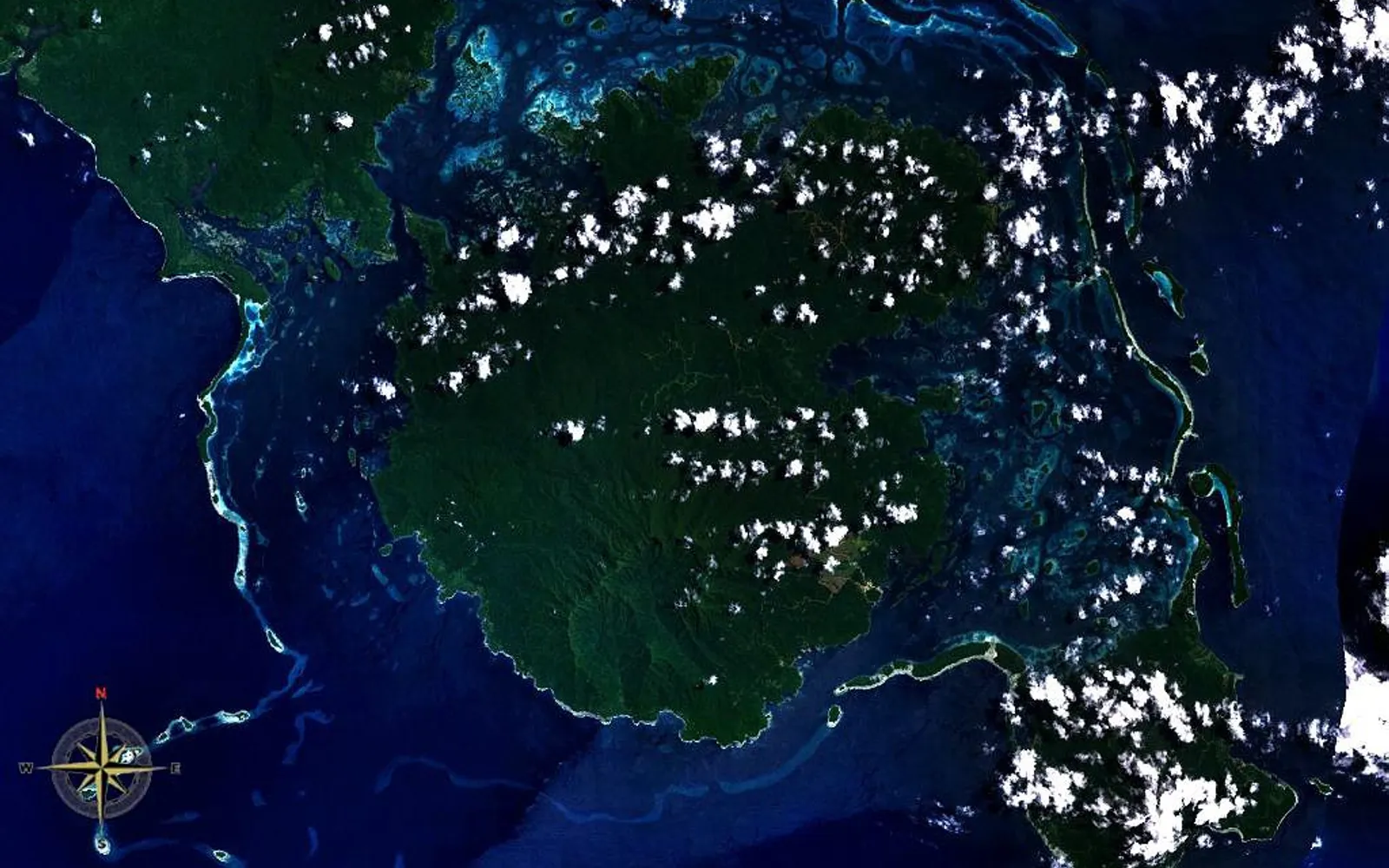
Solomon Islands — find the right stay, from deciding to booking
“The Guadalcanal memorial, wreck diving, and the pristine Marovo Lagoon”
The Solomon Islands are a Pacific land that still holds onto its purity — World War II history at Guadalcanal, diving on sunken ships and warplanes, one of the largest lagoons in the world at Marovo, and a living Melanesian culture — perfect for travelers after a genuine experience, far from the mass-tourism circuit.
Solomon Islands at a glance
Choose a city in Solomon Islands
Each city has its own things-to-do and food guides plus in-depth ranked hotel reviews with real photos and price comparison — start with the city that fits your trip.
Decide — is Solomon Islands right for you?
Why people love Solomon Islands, how it compares to its neighbors, and which travel style suits you
Diving WWII wrecks
Warships, downed planes and WWII gear lie under the reef — a paradise for divers with a taste for history.
Guadalcanal
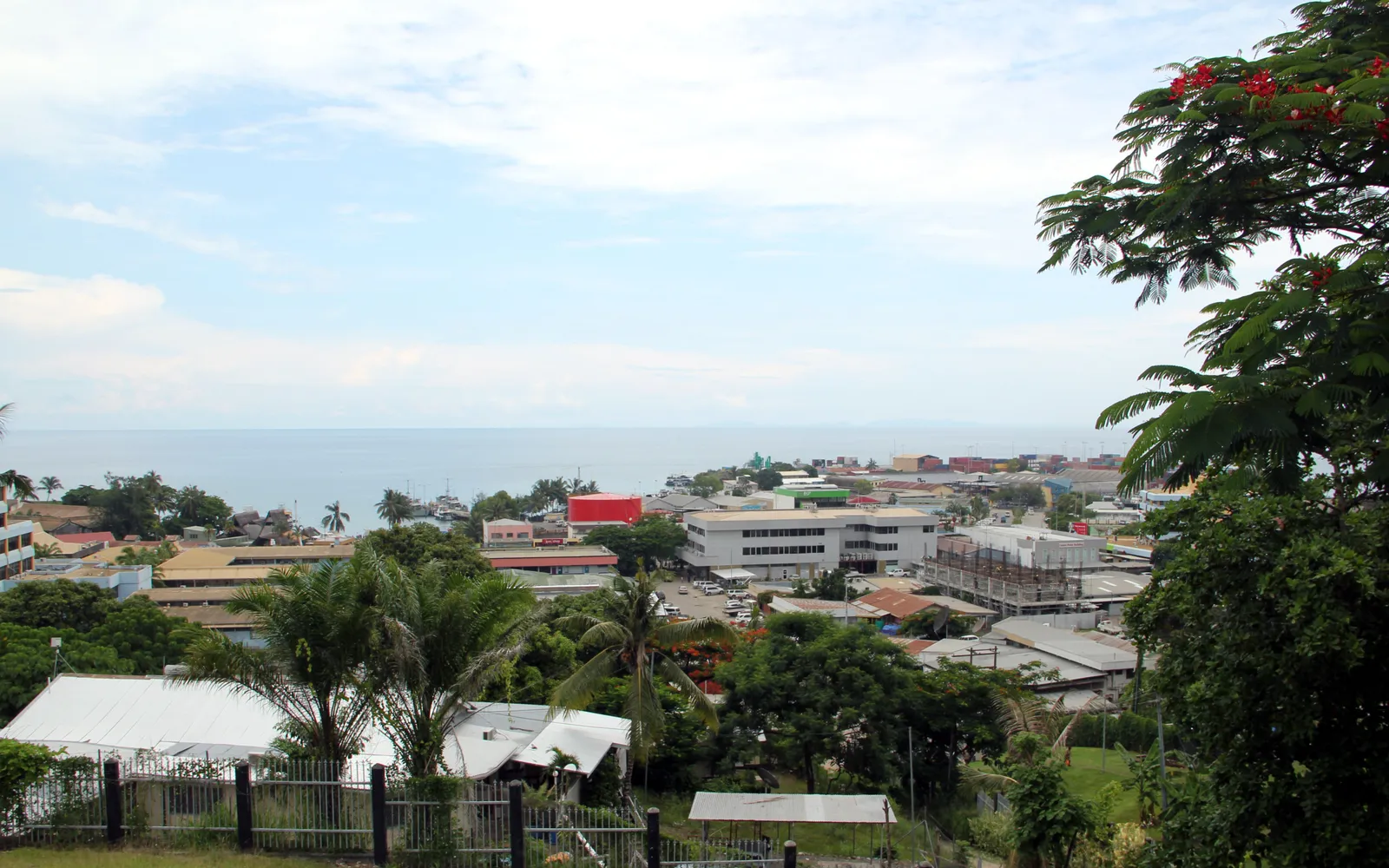
A decisive Pacific battlefield — war memorials, cemeteries and a war museum in Honiara.
Marovo Lagoon
One of the largest lagoons in the world — clear water, coral reefs, and traditional island villages.
Melanesian culture
Shell money used as traditional currency, carvings, and indigenous rituals that are still practiced.
Gizo and Munda
Dive bases in the west, an easygoing climate, and welcoming local communities.
Untouched nature
Pristine rainforest, rare birds, and beaches with almost no tourists.
Solomon Islands vs its neighbors
| Solomon Islands | Vanuatu | Papua New Guinea | |
|---|---|---|---|
| Daily budget (per person) | $70–145 | $80–155 | $70–145 |
| Visa (Thai passport) | Check latest | Check latest | Check latest |
| Known for | WWII diving · lagoons | Volcanoes · diving | Culture · diving |
| Access | Via Australia | Via Australia | Via Australia |
| Tourism infrastructure | Limited · dive-focused | More developed | Limited · adventure |
Figures are rough per-person, per-day estimates — your real budget depends on your travel style.
How do you travel?
Diving & history
Dive WWII shipwrecks and downed planes at Gizo and Munda, with healthy reefs and the Marovo Lagoon.
See this plan → 🏅History buff
Guadalcanal — war memorials, the Bloody Ridge cemetery, and the war museum in Honiara.
See this plan → 🌿Nature & culture
Island villages, shell money, rainforest and pristine beaches, for those who want a genuine experience.
See this plan →Plan — stay, eat, see
Start with where to stay (the heart of the trip), then add food and sights, and gauge your daily budget.
Find the stay you want
1 ranked reviews
No reviews match these filters — try removing some.
- 1🐟
Fresh Reef Fish
Reef fish grilled or boiled, fresh from the sea — a mainstay in coastal villages.
📍 Staple - 2🥥
Rice with Coconut
Rice cooked with coconut milk or grated coconut, a simple dish found in every household.
📍 Home cooking - 3🌿
Cassava Leaves
Cassava leaves simmered in coconut milk, an everyday dish for many island peoples.
📍 Home cooking - 4🍠
Sweet Potato and Taro
Traditional staples from before rice became common, still favored in rituals and remote communities.
📍 Root crops - 5🥜
Tropical Fruits
Mango, guava, banana, pineapple and many wild fruits, fresh all year round.
📍 Fruit - 6🍺
Solomon Blue Beer
A local beer brewed in the islands, enjoyed with seafood at the water's edge come evening.
📍 Drinks
- 1🏅
Guadalcanal American Memorial
A WWII memorial dedicated to the soldiers who died in the Battle of Guadalcanal.
📍 Honiara - 2⚓
WWII Wrecks
Warships and aircraft sunk during World War II — dive sites with a world-class reputation.
📍 Gizo–Honiara - 3🪸
Marovo Lagoon
A large, clear-water lagoon ringed by islands, with healthy coral reefs and island villages.
📍 New Georgia - 4🏛️
National Museum of Solomon Islands
Gathers Melanesian history and culture, shell money, and traditional crafts.
📍 Honiara - 5🌋
Gizo Island
A western port town and diving hub, near the Toa Maru wreck and beautiful reefs.
📍 Western Province - 6🌊
Point Cruz
The main harbor and a central beach in Honiara, a gathering place for the waterfront community.
📍 Honiara
🚆 Getting around Solomon Islands
Fly via Australia
The main route from Asia goes through Brisbane, Sydney or Port Moresby before connecting on to Honiara (HIR).
Domestic flights
Solomon Airlines links the main islands — Gizo, Munda, Guadalcanal — though schedules are limited.
Inter-island boats
Passenger boats and ferries connect the islands — slow but cheap, with frequently changing schedules.
Chartered speedboats
Hire a speedboat to explore the lagoon and nearby islands, popular for diving and village visits.
Public transport in Honiara
Minibuses and shared taxis run in Honiara — agree on the fare before boarding, as there are no meters.
🛂 Etiquette & culture in Solomon Islands
Shells as money
Shells ground into strands serve as traditional currency and as gifts at important ceremonies across many islands.
Traditional carving
Carvers work in wood and soapstone, depicting ancestors, frigate birds and traditional patterns.
Ask before photographing
Get permission before photographing villagers or rituals — it's an important courtesy in these communities.
A life tied to the sea
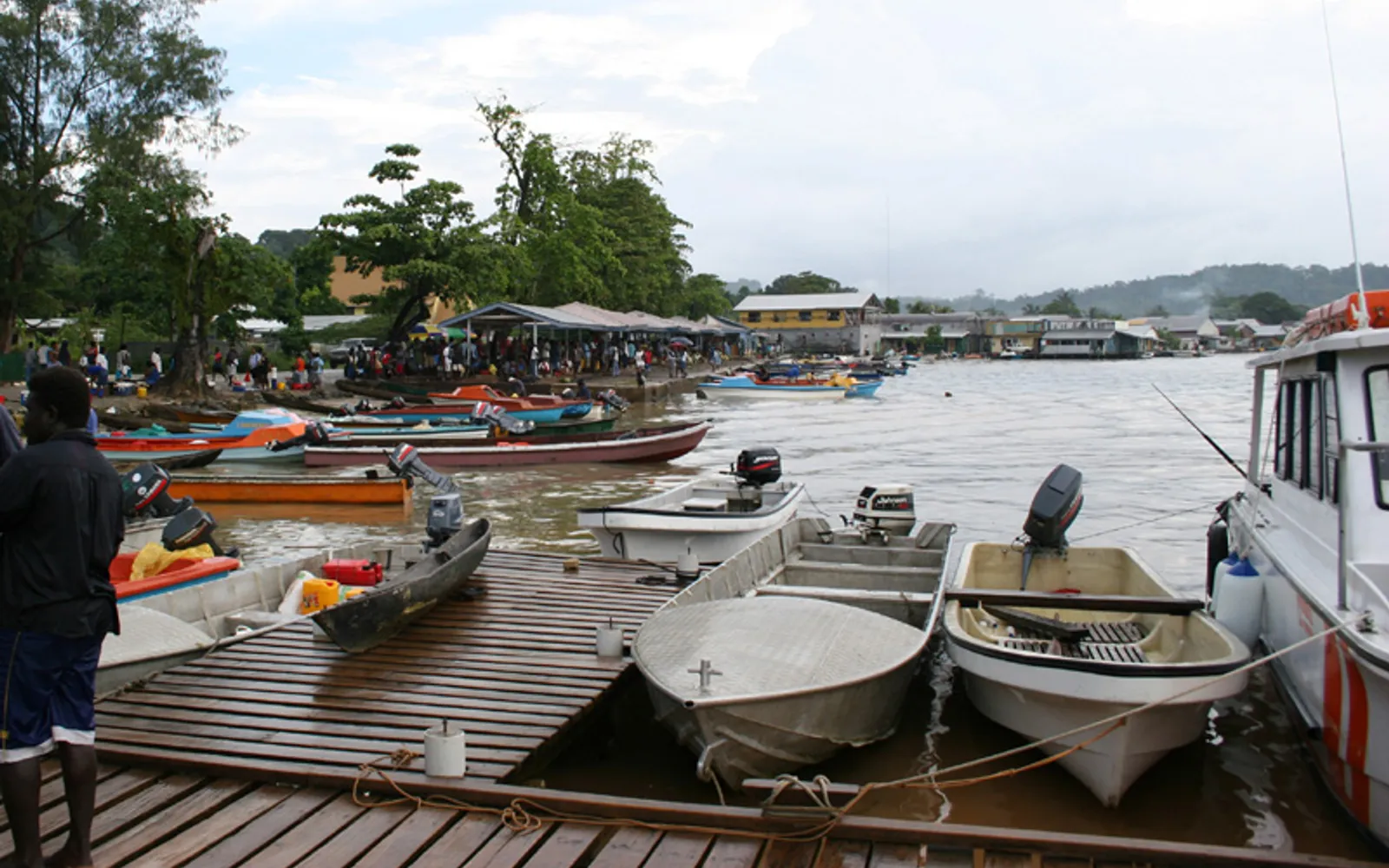
Islanders depend on the sea for food and travel alike, with small boats the main way to move between islands.
Post-conflict era
The Solomons went through past unrest; things are much calmer now, but follow the news before you travel.
💸 Daily budget — a rough guide
Budget
🛏️ Guesthouse / homestay $34–71
Eat at local markets, travel by public boat, and enjoy free snorkeling off the beaches.
Comfortable
🛏️ 3★ hotel / small resort $71–145
Half-day dive tours, a chartered boat around the lagoon, and good restaurants.
Premium
🛏️ Dive resort / lagoon lodge $170+
Full-day dive packages, a private guide, and a resort right on the lagoon.
🗓️ When to visit Solomon Islands
Dry season
Apr – OctLess rain, clear seas, the best dive visibility, and pleasant weather — the ideal time to go.
Apr–May
Apr – MayThe seasonal change — rain easing off and seas starting to clear, good for diving and the lagoon.
Monsoon season
Nov – MarHeavy rain, high humidity and the occasional storm — avoid if diving is your focus.
Jul–Aug
Jul – AugMid-dry season with the calmest seas, great for diving and village visits — busy with Australian visitors.
Book — hotels our team picked
If we had to pick just a few, we'd start with these three — compare prices across 3 sites.
Want to see every option in Solomon Islands?
Browse all our ranked stay reviews — every budget and area, with real photos and price comparison.
View the top city guide →FAQ — visiting Solomon Islands
How many days should I spend in the Solomon Islands?+
7–10 days — 2–3 days in Honiara (war memorials and markets) + 3–4 days in Gizo (wreck diving) + 2–3 days at Marovo Lagoon, for a trip focused on diving and nature.
Do Thai passport holders need a visa?+
Check the latest visa / visitor-permit rules before you travel, as policies can change — contact the embassy or check the Solomon Islands government website directly.
Where's the best WWII wreck diving?+
Gizo and Munda in the west have many sunken ships and planes — the Toa Maru near Gizo is a top spot, with the best visibility from April to October.
How do I get to the Solomons from Thailand?+
There are no direct flights — fly from Bangkok via Singapore or Australia (Brisbane/Sydney) and connect to Honiara (HIR), for a total travel time of roughly 12–20 hours.
Tips before you go to Solomon Islands
- The best diving is April to October, the dry season, with clear seas and good visibility.
- Book lodging and dive tours ahead — options are limited, especially in the west.
- Carry SBD cash for remote communities; credit cards are only taken at major hotels.
- Respect local custom — say thanks before photographing villagers and ask before entering a village.
- Pack insect repellent and malaria prophylaxis, and consult a doctor before you go.
- Check travel advisories from the foreign ministry before setting off.