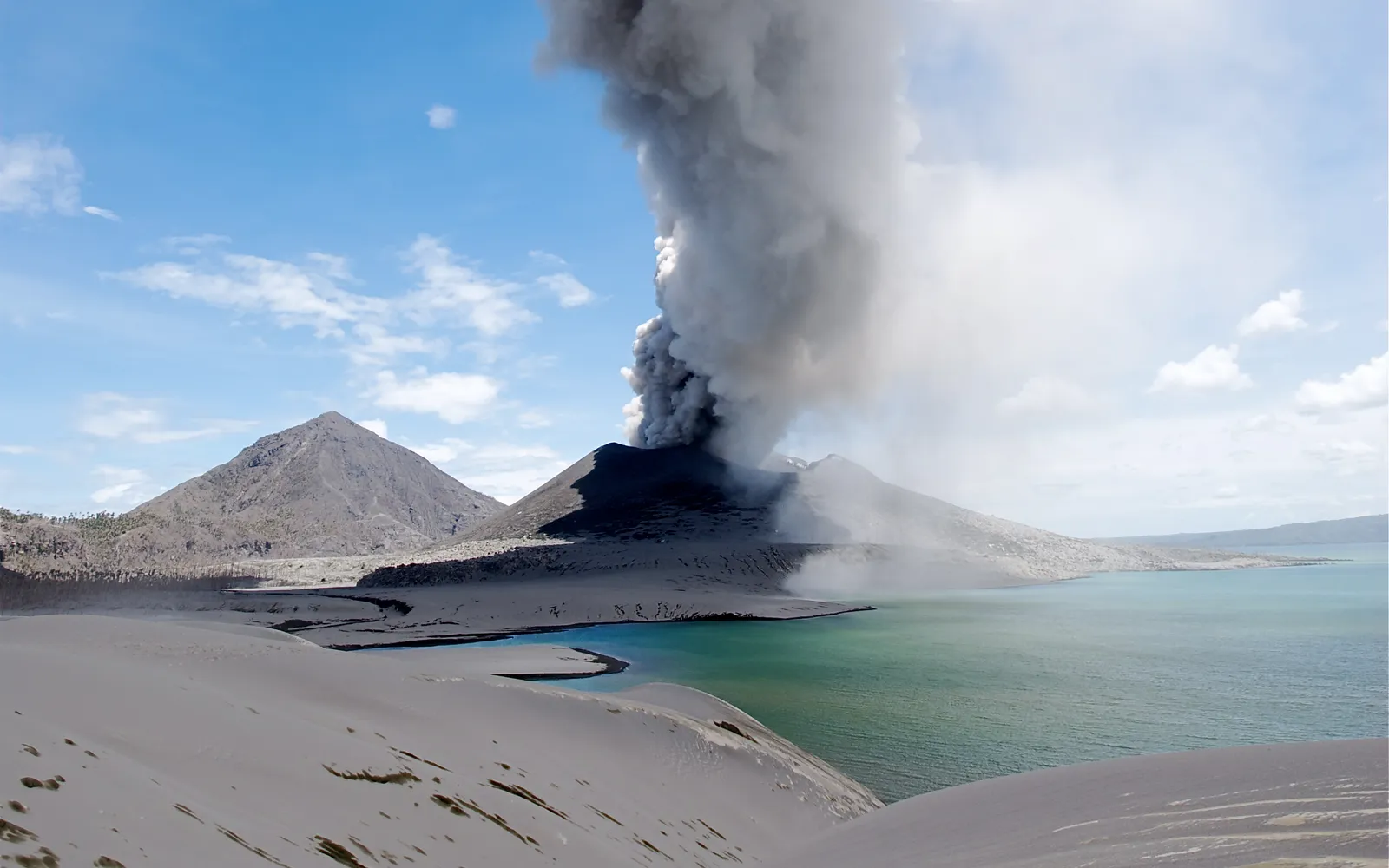
Papua New Guinea — find the right stay, from deciding to booking
“The Mount Hagen Sing-Sing, diving in Kimbe Bay, the Kokoda Track, and birds of paradise deep in the jungle”
Papua New Guinea is a land of many tribes that has kept the rawest, most authentic culture on Earth — a country with more than 800 languages in one place; the Mount Hagen Sing-Sing festival that gathers brilliantly dressed tribes from across the land; the reefs of Kimbe Bay that divers call the most beautiful in the Pacific; the Kokoda Track, a trail tracing World War II history; and dazzling birds of paradise found only here.
Papua New Guinea at a glance
Choose a city in Papua New Guinea
Each city has its own things-to-do and food guides plus in-depth ranked hotel reviews with real photos and price comparison — start with the city that fits your trip.
Decide — is Papua New Guinea right for you?
Why people love Papua New Guinea, how it compares to its neighbors, and which travel style suits you
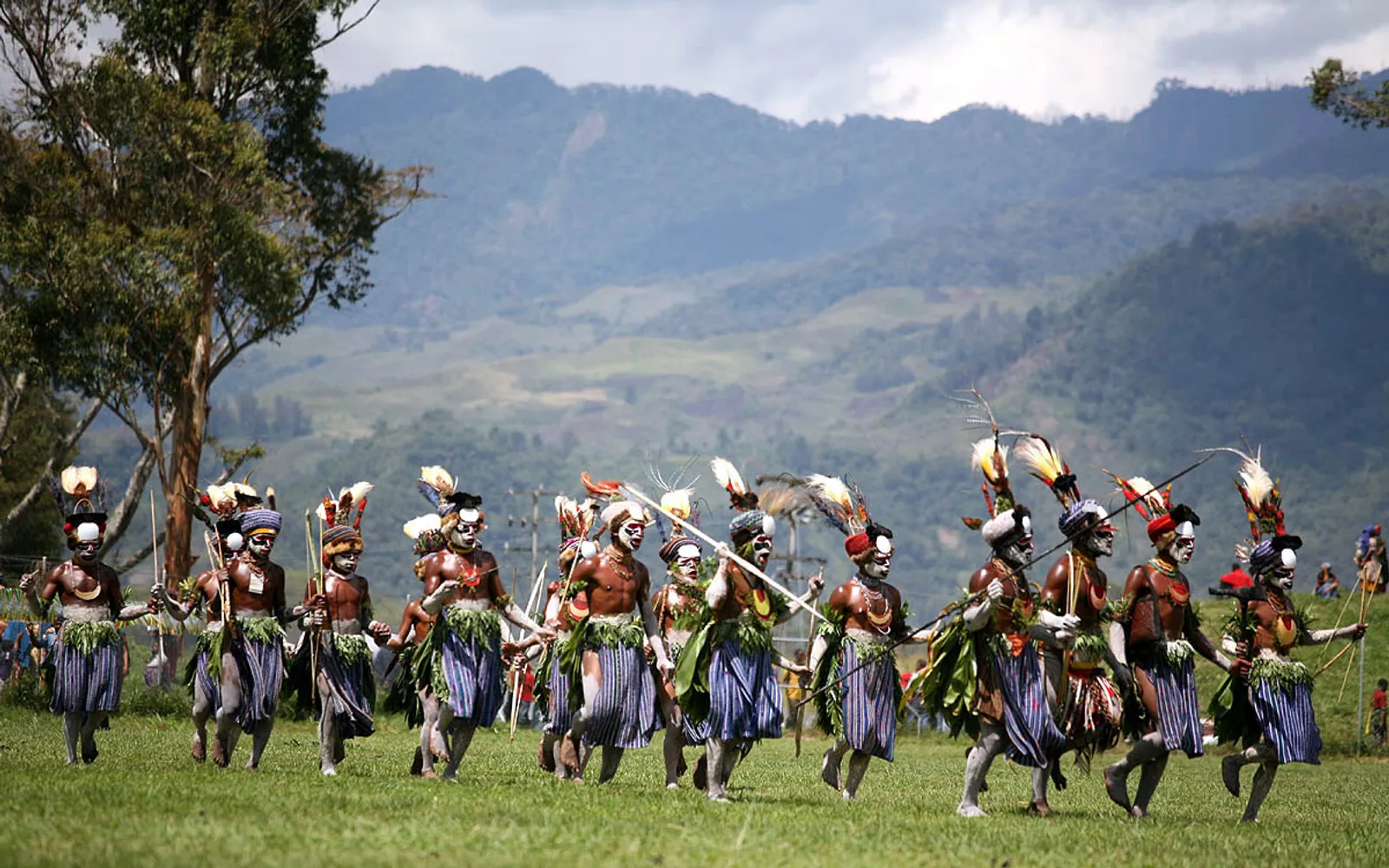
The Mount Hagen Sing-Sing
The largest gathering of tribes in the Pacific, with bird-of-paradise plumes, painted faces and spectacular tribal regalia — held every August.
Diving in Kimbe Bay
A reef with the highest biodiversity in the world — over 900 fish species, turtles and whale sharks.
The Kokoda Track
A 96 km trek through rainforest along World War II battlegrounds — a legendary challenge.
Birds of paradise
Home to more than 40 species of bird of paradise, the most beautiful birds in the world, seen in the forests and reserves.
The Sepik River and carving
Cruise the Sepik to visit tribal villages and see the wood carving and Sepik masks famous around the world.
Many tribes, 800 languages
Cultural diversity unmatched anywhere on Earth — each tribe has its own rituals, dress and traditions.
Papua New Guinea vs its neighbors
| Papua New Guinea | Fiji | Solomon Islands | |
|---|---|---|---|
| Daily budget (per person) | $70–145 | $65–130 | $55–115 |
| Visa (Thai passport) | Visa / e-visa in advance | Visa on arrival | Visa in advance |
| Known for | Tribes · diving · trekking | Luxury resorts · beaches | Diving · raw nature |
| Currency | Kina (PGK) | Fijian dollar (FJD) | Solomon dollar (SBD) |
| Getting around | Domestic flights · car | Boat · car | Boat · small plane |
Figures are rough per-person, per-day estimates — your real budget depends on your travel style.
How do you travel?
Culture and tribes
Mount Hagen during the Sing-Sing festival, the Sepik River and tribal villages — an experience like nowhere else on Earth.
See this plan → 🤿Diving and nature
Kimbe Bay, Milne Bay and the most pristine reefs in the Pacific — for serious divers.
See this plan → 🥾Trekking and history
The 96 km Kokoda Track through rainforest and old battlegrounds — for adventurers in good physical shape.
See this plan →Plan — stay, eat, see
Start with where to stay (the heart of the trip), then add food and sights, and gauge your daily budget.
Find the stay you want
1 ranked reviews
No reviews match these filters — try removing some.
- 1🍠
Mumu
A traditional dish cooked in an earth pit — pork or chicken, sweet potato and vegetables wrapped in leaves and steamed over hot stones.
📍 Traditional - 2🥥
Coconut Curry
Fish or vegetables in fresh coconut milk, popular in coastal communities — mild and eaten with cassava.
📍 Coastal - 3🍌
Roasted Banana
Many varieties of banana, roasted or boiled as a staple, found everywhere in the markets.
📍 Street food - 4🐟
Fresh Seafood
Tuna, squid and shrimp fresh from Pacific waters, grilled or cooked in coconut milk.
📍 Seafood - 5🌿
Aibika
Tender aibika leaves, boiled or stir-fried — a vegetable that accompanies the staple meals of Papua New Guineans.
📍 Local greens - 6☕
PNG Highland Coffee
High-quality coffee from the Mount Hagen highlands — bold and fruity, an important export.
📍 Drink
- 1🎭
Mount Hagen Sing-Sing Festival
The grandest gathering of tribes in the Pacific, with bird-of-paradise plumes and painted faces — held every August.
📍 Mount Hagen - 2🤿
Kimbe Bay
A reef with the highest biodiversity in the world, a bucket-list destination for divers everywhere.
📍 New Britain - 3🥾
Kokoda Track
A 96 km trek along World War II battlegrounds, through rainforest and tribal communities.
📍 Highlands - 4🦜
Birds of Paradise Reserve
Observe more than 40 species of dazzling birds of paradise in their natural habitat.
📍 Rainforest - 5🛶
Sepik River
Cruise the great river past tribal villages, with famous wood carving and Sepik masks.
📍 North coast - 6🏛️
National Museum and Art Gallery
A collection of tribal art, dress and artifacts from across the country.
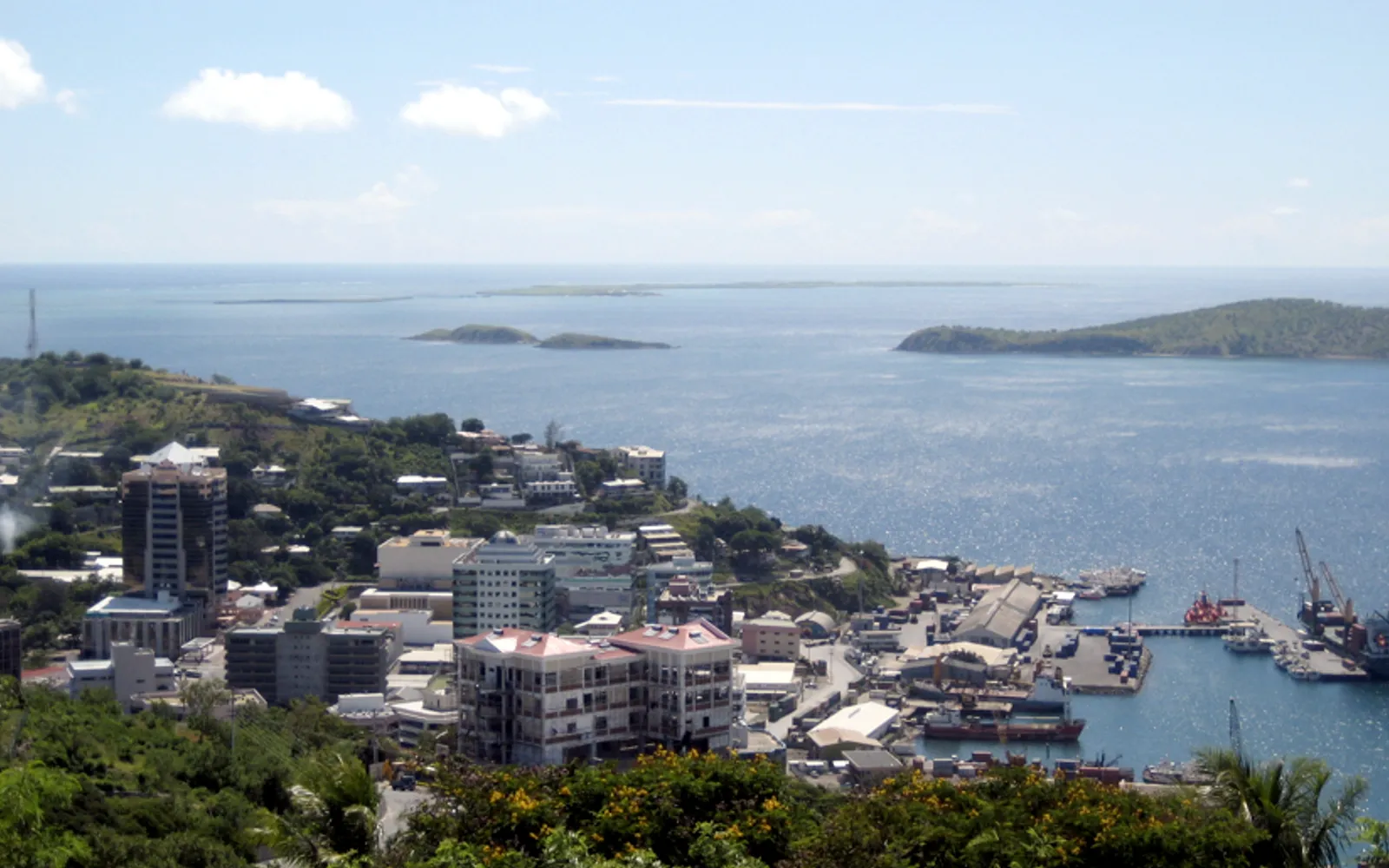
📍 Port Moresby
🚆 Getting around Papua New Guinea
Domestic flights
Planes are the main way to travel between cities; Air Niugini and PNG Air link Port Moresby, Mount Hagen and Madang.
Car and PMV
PMVs (Public Motor Vehicles) are cheap local transport, but it's safer to use a rental car with a local driver.
Coastal boats
Passenger and local boats connect the islands and coastal communities — best for those with time and experience.
Small river boats
Cruise the Sepik and other rivers in local boats, usually arranged through local tour companies.
Tours via local operators
For remote areas and treks, use a licensed tour operator; local guides help with language and safety.
🛂 Etiquette & culture in Papua New Guinea
Sing-Sing culture
Tribes gather to sing and dance in tribal dress — a way to communicate between tribes and celebrate traditions.
Honor your hosts
Ask permission before photographing people and ceremonies; a small gift is good manners when visiting a village.
Dress modestly
Dress modestly, especially in rural communities and sacred sites; avoid short or tight clothing outside resort areas.
The Wantok system
A mutual-support social network — Papua New Guineans value the group and community over the individual.
Check travel advisories
Before traveling, check advisories from your foreign ministry and use licensed local tour operators.
💸 Daily budget — a rough guide
Budget
🛏️ Guesthouse / community lodging $25–55
Focus on local food, PMVs and group tours; most of your budget will go to domestic flights.
Comfortable
🛏️ 3★ hotel / lodge $70–145
Tours through reputable local operators, a rental car with driver, and meals at your hotel.
Premium
🛏️ Dive resort / luxury lodge $170+
A Kimbe Bay dive resort, private tours, scenic helicopter flights, and a Sing-Sing festival package.
🗓️ When to visit Papua New Guinea
Sing-Sing festival
AugThe Mount Hagen Sing-Sing festival in mid-August is the highlight you shouldn't miss — book accommodation far ahead.
Dry season (south)
May – OctLess rain and cool, pleasant weather — good for trekking Kokoda and visiting Port Moresby.
Rainy season (south)
Nov – AprLots of rain but lush green forests; diving on the northern side (Kimbe Bay) is still good at times.
Best diving
Oct – MarUnderwater visibility in Kimbe Bay is at its best, with calm seas and beautiful coral — ideal for divers.
Book — hotels our team picked
Hand-picked from the highest guest-rated hotels we've reviewed in Papua New Guinea — compare prices across 3 sites.
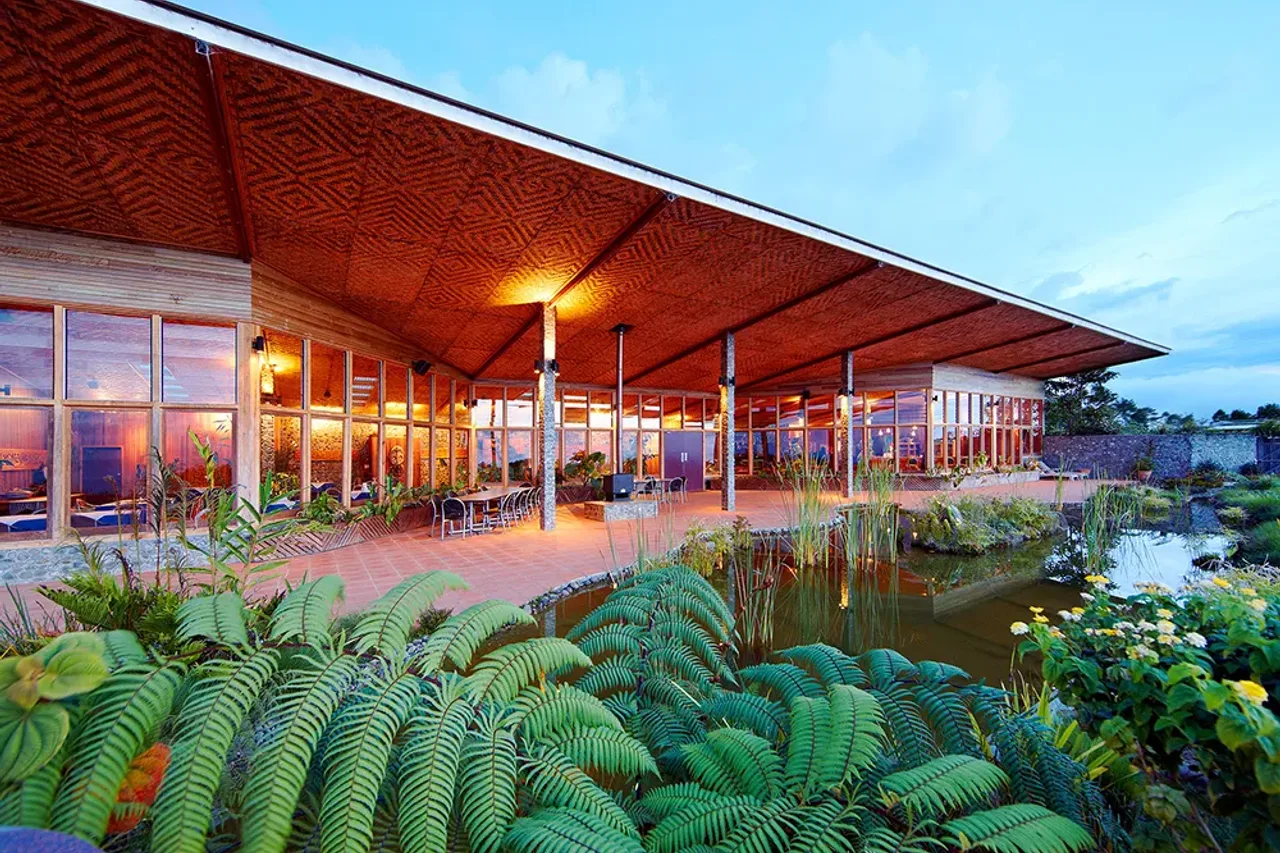 ★ 9💑 Great for your trip
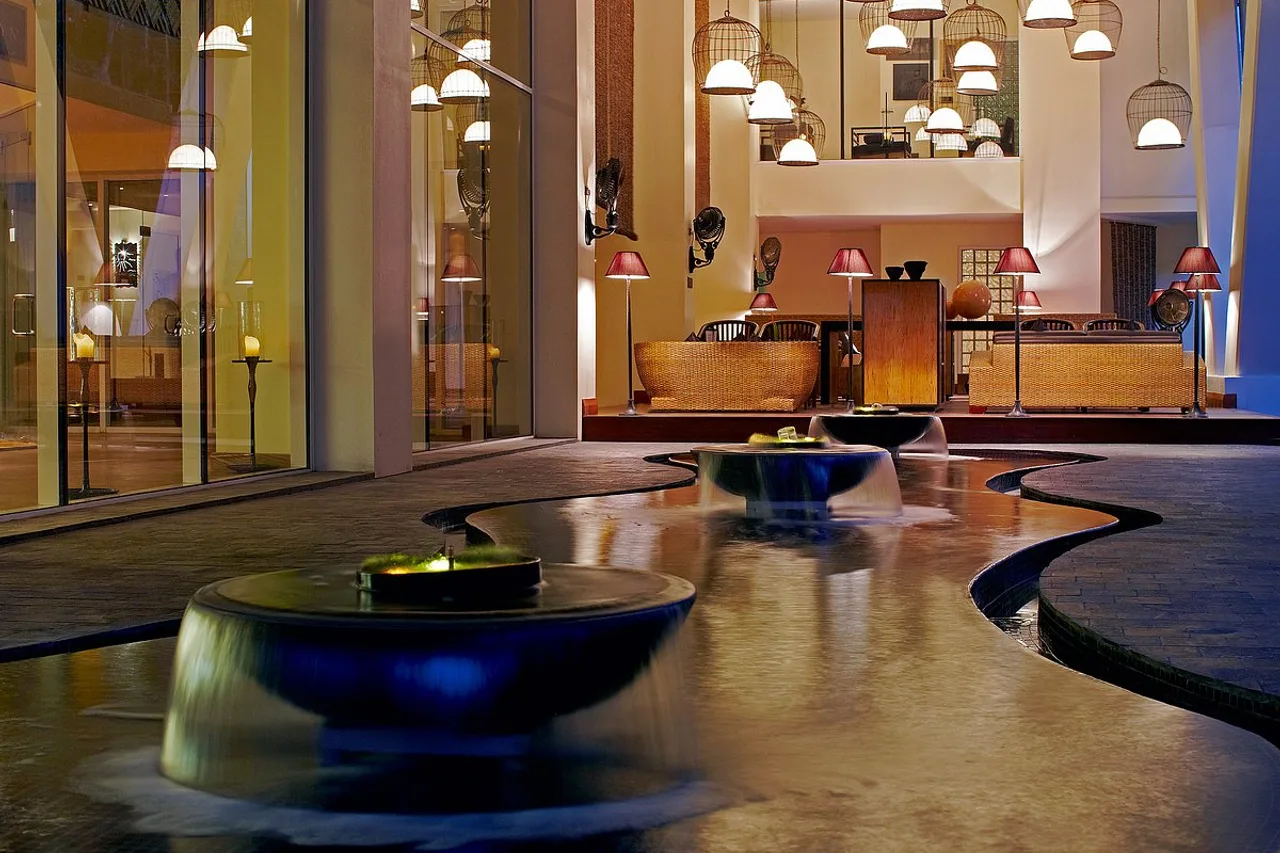 ★ 8.9💼 Great for your trip
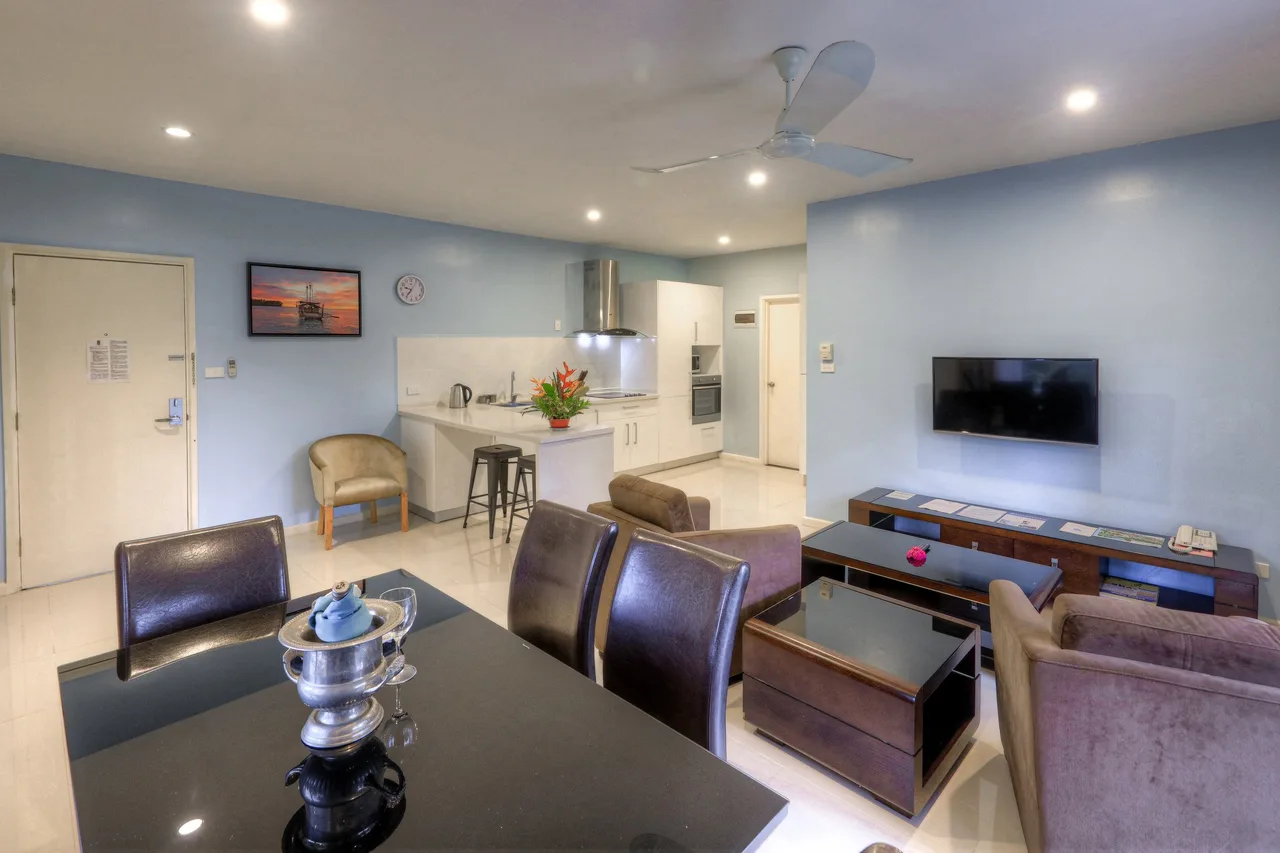 ★ 8.4💑 Great for your trip
Want to see every option in Papua New Guinea?
Browse all our ranked stay reviews — every budget and area, with real photos and price comparison.
View the top city guide →FAQ — visiting Papua New Guinea
How many days do I need in Papua New Guinea?+
7–12 days — Port Moresby for 1–2 days, Mount Hagen (or the Sing-Sing festival) for 2–3, and Kimbe Bay (diving) for 3–4; the Kokoda Track is a separate 8–10 day trip.
Is it safe for tourists?+
Some areas have crime advisories, especially in the big cities. Check the latest travel advisories from your foreign ministry, use licensed local tour operators, and avoid going out alone at night.
Do Thai passport holders need a visa?+
Apply for a visa / e-visa in advance and check the latest conditions with the PNG embassy or official website before you travel, as policy may change.
What vaccinations do I need?+
Typhoid, hepatitis A and B are recommended, plus malaria prophylaxis for forest and rural areas. Consult a doctor 4–6 weeks before you travel.
Tips before you go to Papua New Guinea
- Book tours through licensed local operators — local guides help with both language and safety.
- Always ask permission before taking photos, especially during ceremonies and in tribal communities.
- Carry enough kina in cash for remote areas with no ATMs.
- Dress modestly and respect local traditions, especially outside resort areas.
- Book domestic flights ahead and allow extra time, as flights are often delayed.
- Check travel advisories from your foreign ministry before every trip.