Mauritania — find the right stay, from deciding to booking
“The Sahara, camel caravans, ancient library towns, and the world's longest iron-ore train”
Mauritania is a land of the Sahara that still genuinely preserves the ancient ways of the Moors — the World Heritage town of Chinguetti, which holds hundreds of thousands of ancient manuscripts; Banc d'Arguin park, where millions of migratory birds find refuge; the Adrar Plateau with its oases and prehistoric rock art; and the world's longest iron-ore train, which travelers can ride atop the ore cars. All of this is an experience you simply can't get elsewhere. That said, some areas of Mauritania carry travel advisories regarding safety risks, so always check the guidance of your own government's agencies before you go.
Mauritania at a glance
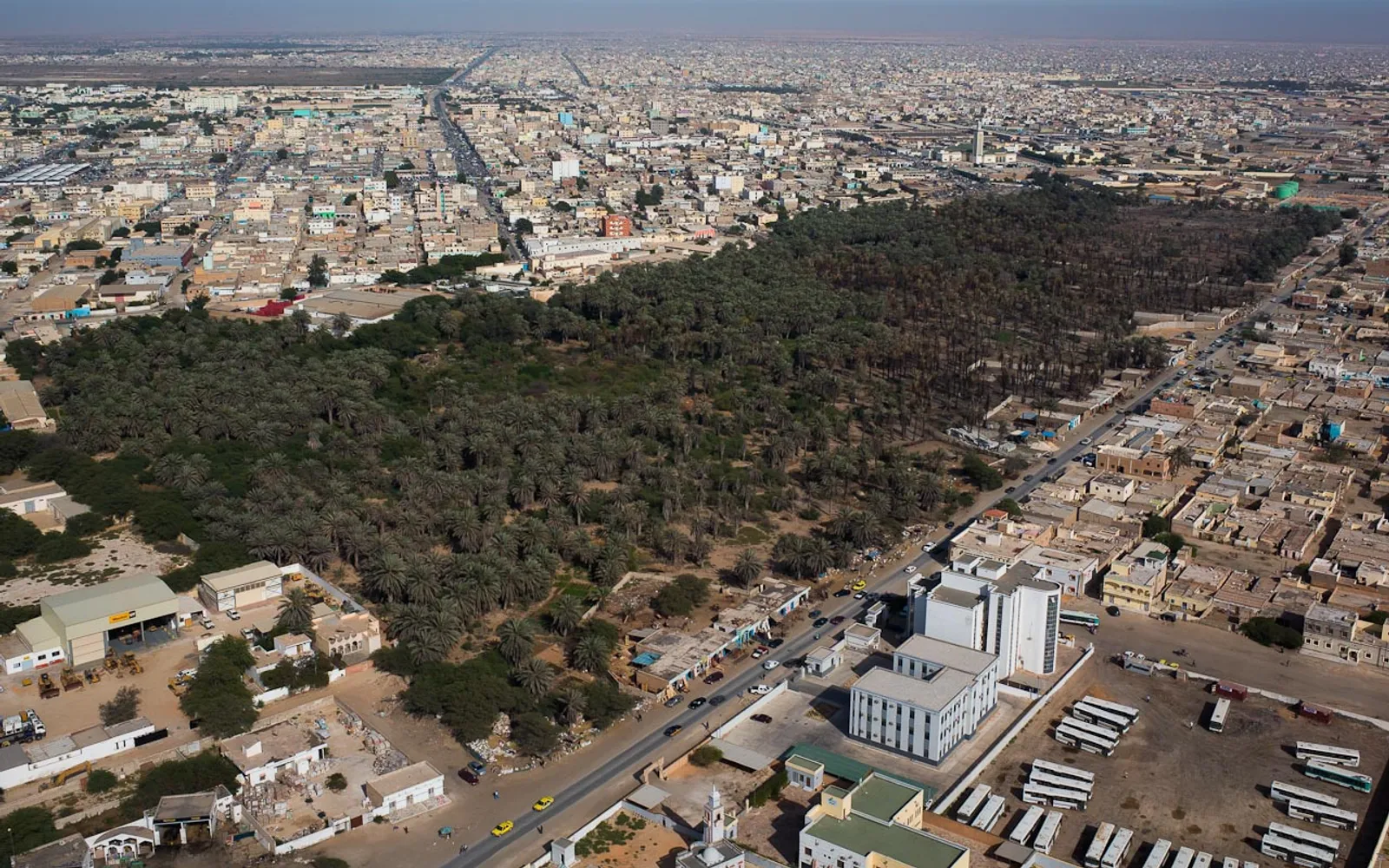
Choose a city in Mauritania
Each city has its own things-to-do and food guides plus in-depth ranked hotel reviews with real photos and price comparison — start with the city that fits your trip.
Decide — is Mauritania right for you?
Why people love Mauritania, how it compares to its neighbors, and which travel style suits you
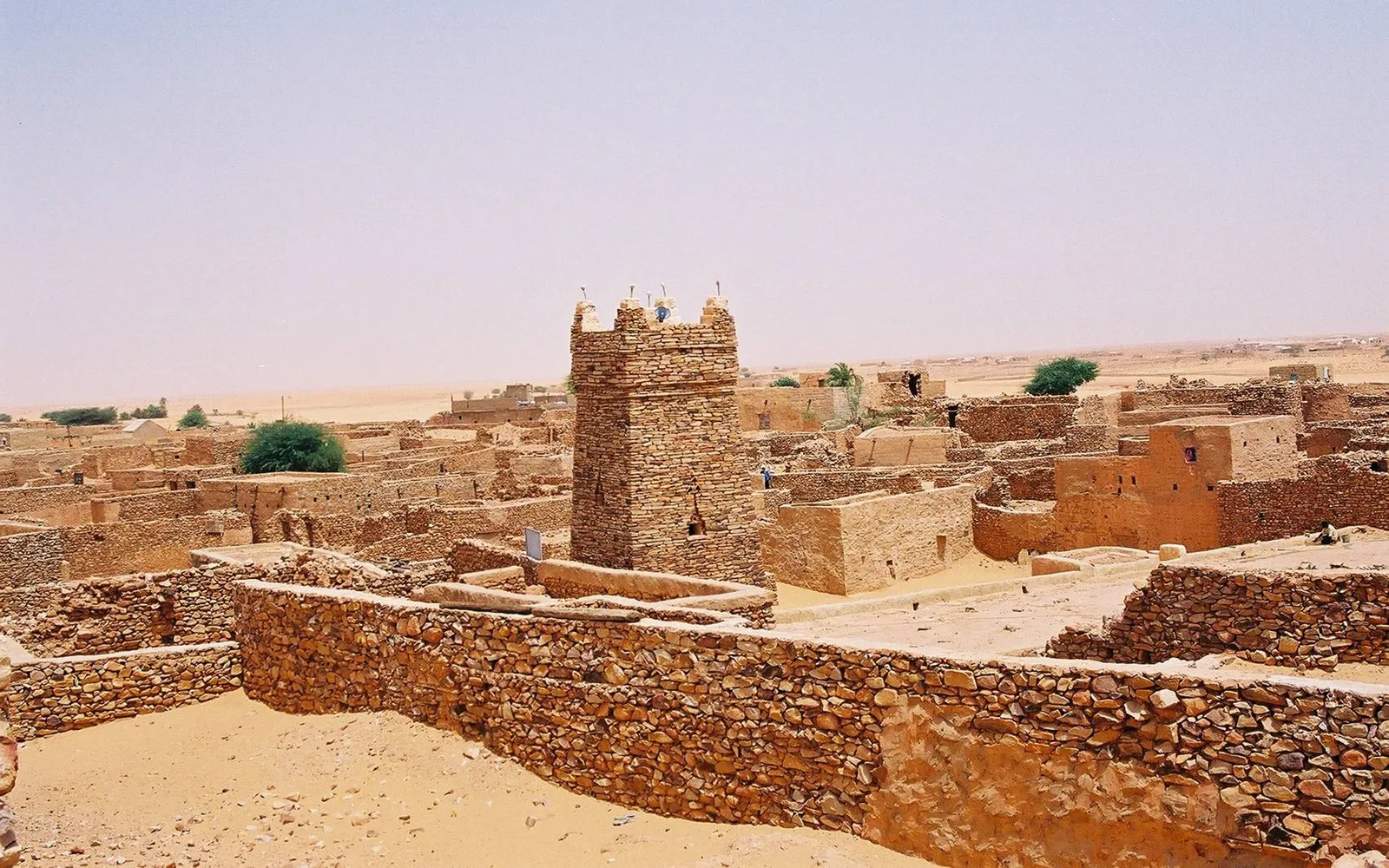
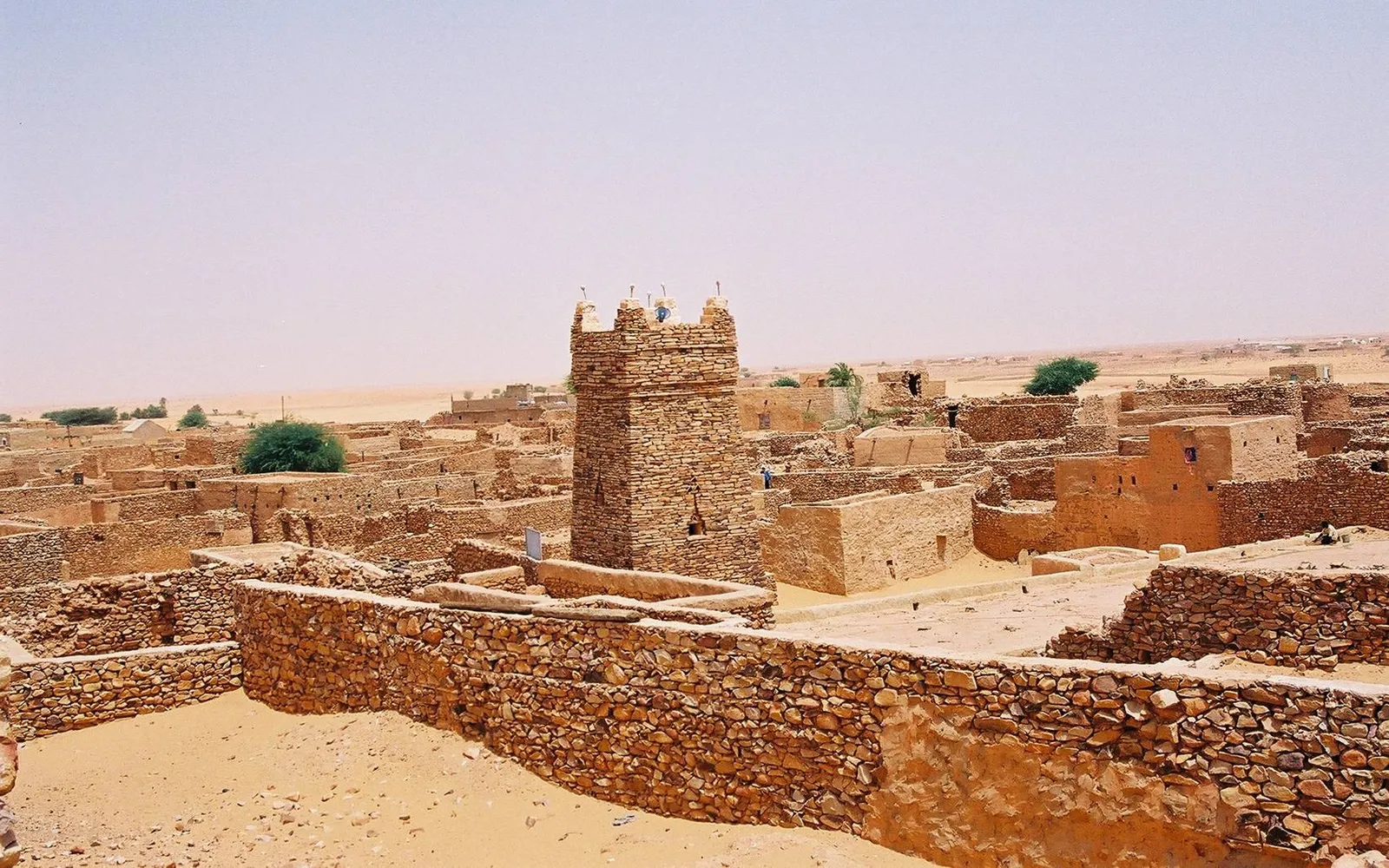
Chinguetti — the desert library town
A UNESCO World Heritage town that holds hundreds of thousands of ancient Islamic manuscripts, with centuries-old sandstone mosques.
Banc d'Arguin — a haven for migratory birds
A World Heritage national park where millions of birds migrating from Europe rest year-round, with a rare coastal ecosystem.
The world's longest iron-ore train
An iron-ore train over 3 km long runs from Zouérat to Nouakchott, and travelers can ride atop the ore cars.
Adrar Plateau
The oases of Ouadane, Tergit, and Chinguetti, with prehistoric rock art and valleys that see almost no tourists.
Sahara camel caravans
Cross the desert on camelback, spend the night in Bedouin tents, and stargaze far from city lights.
Moorish culture
The Moors, heirs to the nomadic desert tradition, are known for their tea and their warm hospitality to guests.
Mauritania vs its neighbors
| Mauritania | Morocco | Senegal | |
|---|---|---|---|
| Daily budget (per person) | $43–91 | $51–129 | $40–86 |
| Visa for Thais | Visa required / VOA | Visa required in advance | Visa required / VOA |
| Known for | Desert · World Heritage · ore train | Old towns · markets · beaches | Music · beaches · seafood |
| Tourists | Very few · adventurous | Many · infrastructure ready | Moderate · lively |
| Standout nature | Sahara · bird coast | Desert · mountains | River delta · beaches |
Figures are rough per-person, per-day estimates — your real budget depends on your travel style.
How do you travel?
Adventure and desert
Ride the ore train, cross the Sahara by camel, and camp in the desert — for travelers who want a truly different experience.
See this plan → 🕌World Heritage and history
Chinguetti, Ouadane, Tergit — ancient World Heritage caravan towns, Islamic manuscripts, and sandstone architecture.
See this plan → 🐦Birdwatching and nature
World Heritage Banc d'Arguin, with millions of migratory birds and a coastal Atlantic ecosystem rare in West Africa.
See this plan →Plan — stay, eat, see
Start with where to stay (the heart of the trip), then add food and sights, and gauge your daily budget.
Find the stay you want
1 ranked reviewsNo reviews match these filters — try removing some.
We're adding Mauritania food reviews
We're adding Mauritania sightseeing reviews
🚆 Getting around Mauritania
4WD with a guide
Travel in the desert and the Adrar requires a 4WD — best rented with a driver who knows the routes.
Iron-ore train
The train departs Zouérat once a day, covering over 700 km in 12–18 hours, with passenger cars and open ore cars.
Intercity coaches
Garage minibuses connect the main towns cheaply, but there's no fixed timetable — they leave when full.
Nouakchott Airport
NKC is the main airport, with direct flights from Paris, Casablanca, and Dakar, but no direct flights from Asia.
Camels in the desert
For desert crossings, camels are the traditional means of transport still genuinely used in the Sahara.
🛂 Etiquette & culture in Mauritania
Tea culture
Welcoming guests with three rounds of tea is a social ritual — declining isn't done, as it shows friendship.
Dress modestly
It's a Muslim country, so dress modestly with shoulders and legs covered, especially women in community areas.
Respect prayer times
Prayers happen five times a day, shops may close temporarily, and you should wait respectfully.
Moorish greetings
Greetings involve a handshake and a long exchange about each other's wellbeing — not cutting the conversation short is considered good manners.
Ask before taking photos
Photographing people, especially women, requires permission, and some places may not allow it.
💸 Daily budget — a rough guide
Budget
🛏️ Guesthouse / community lodging $17–43
Mauritania is cheap, but desert tours and 4WD rental are pricey — joining a group helps cut costs.
Comfortable
🛏️ Standard hotel / desert resort $43–100
Includes tours of Chinguetti and the Adrar, an overnight camel caravan, and entry to Banc d'Arguin park.
Premium
🛏️ Luxury desert camp $114+
Full-service desert camps with a private guide and personalized tours.
🗓️ When to visit Mauritania
Winter
Nov – FebCool, comfortable weather of 15–28°C, the easiest time to travel in the desert, with migratory birds at Banc d'Arguin at their peak — the best time.
Early spring
Mar – AprStill cool and clear before temperatures soar, ideal for exploring the Adrar and Chinguetti.
Harmattan season
Jan – MarDesert winds carry fine sand and reduce visibility on some days, but most areas are still visitable.
Rainy season (avoid)
Jul – SepThe south sees rain, temperatures are very high (45°C+ in the desert), and desert travel is hard and risky.
Book — hotels our team picked
Hand-picked from the highest guest-rated hotels we've reviewed in Mauritania — compare prices across 3 sites.
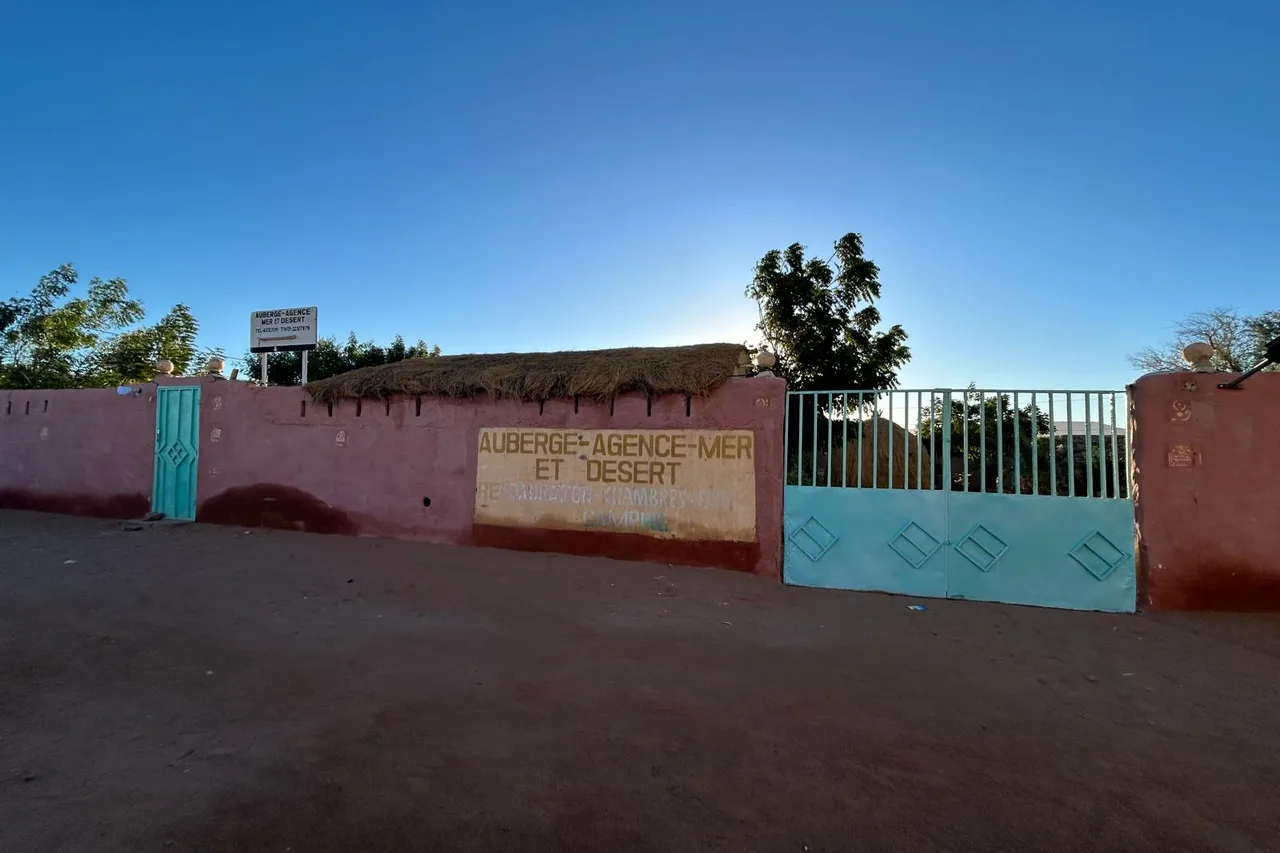 ★ 9.4🎒 Great for your trip
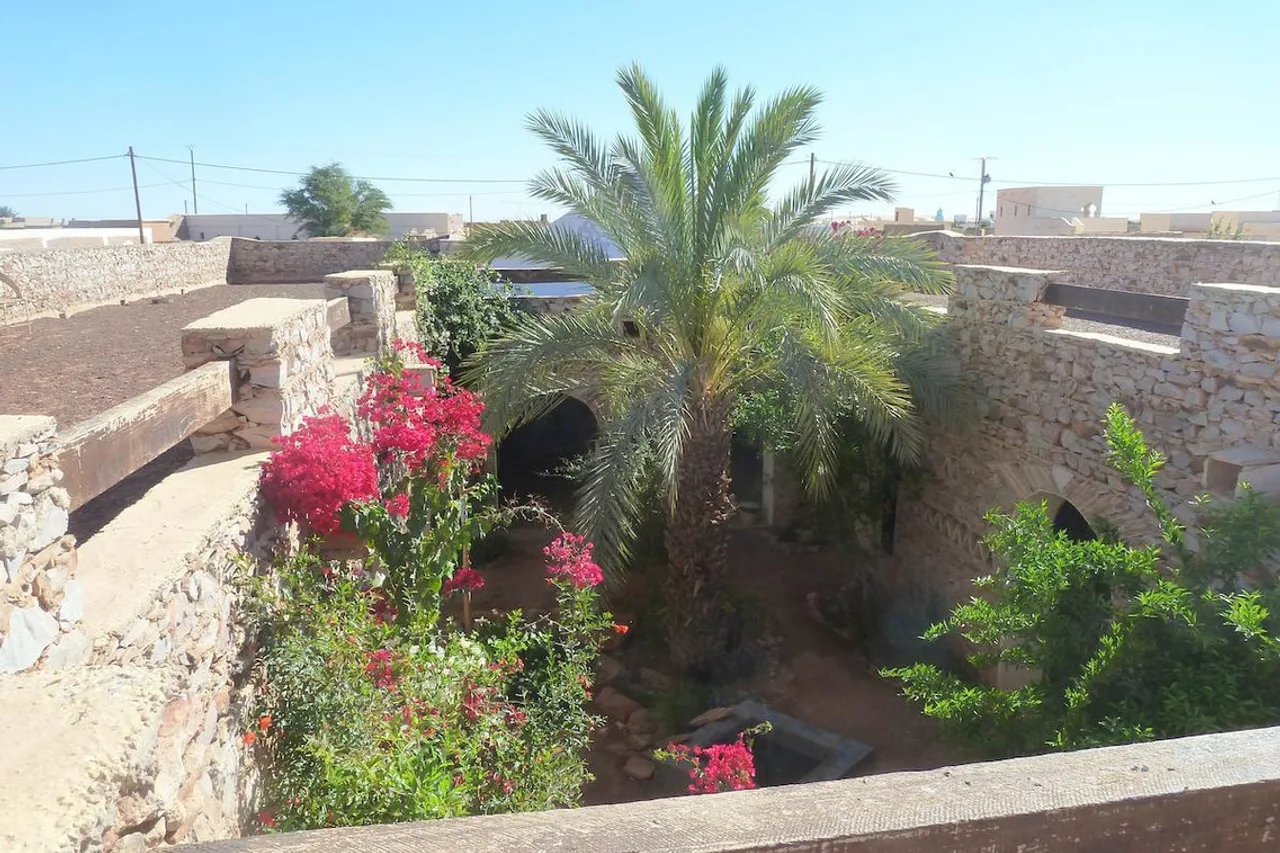 ★ 9.4🧘 Great for your trip
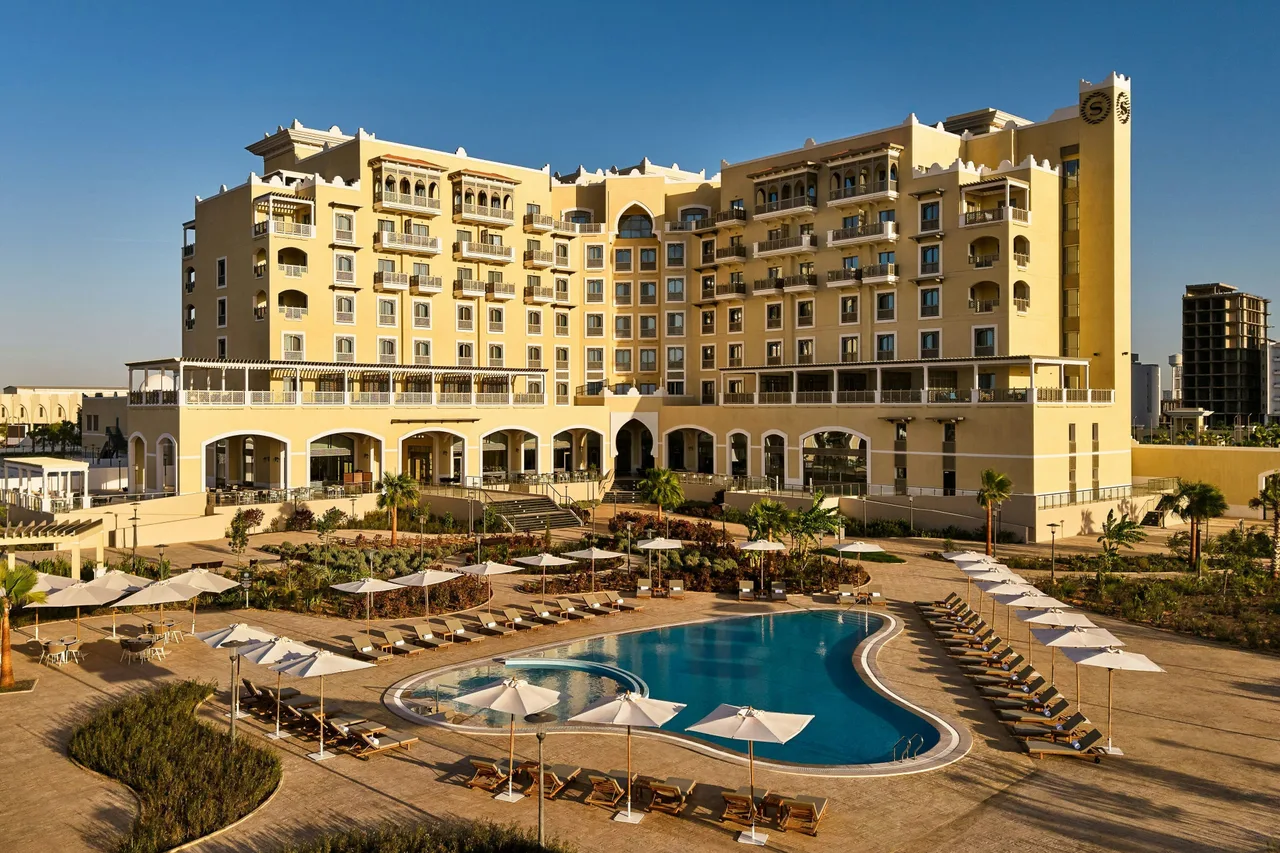 ★ 9💼 Great for your trip
Want to see every option in Mauritania?
Browse all our ranked stay reviews — every budget and area, with real photos and price comparison.
View the top city guide →FAQ — visiting Mauritania
How many days should I spend in Mauritania?+
7–10 days — 1–2 days in Nouakchott + the iron-ore train or a flight to Nouadhibou + 3–4 days in Atar, Chinguetti, and Ouadane + 1–2 days at Banc d'Arguin. The distances are long, so plan ahead carefully.
Is Mauritania safe?+
Several governments, including Thailand's, advise caution in some areas, especially the eastern and northern borders. Before traveling, check the latest travel warnings from Thailand's Department of Consular Affairs and relevant agencies.
Do Thais need a visa?+
Visa required / VOA — check the latest conditions and travel warnings. There's no Mauritanian embassy in Thailand, so you may need to apply through an embassy in another country. Verify the latest information before traveling.
Is getting around Mauritania difficult?+
It's harder than other North African countries — some roads are unpaved, a 4WD is needed in the desert, and Arabic and French are essential. A local guide helps a lot.
Tips before you go to Mauritania
- Always check travel warnings from Thailand's Department of Consular Affairs and the embassy before booking a trip.
- Rent a 4WD with a driver who knows the routes for desert tours — don't drive yourself in the Sahara.
- Carry enough MRU cash, since ATMs are scarce and card terminals are almost nonexistent outside Nouakchott.
- Iron-ore train: the passenger car has seats, while the open ore car is an adventurous experience but very dusty and cold at night — bring a blanket.
- Birdwatchers should visit Banc d'Arguin from Nov–Feb, when migratory birds from Europe peak — bring binoculars.
- Pack light, but carry enough drinking water and a full basic medical kit, as hospitals are far away in the desert.