Baalbek — heritage & travel advisory
Baalbek sits high in Lebanon's Bekaa Valley at around 1,170 metres above sea level, roughly 85 km northeast of Beirut. It is home to the largest Roman temple complex ever built — the temples of Jupiter, Bacchus and Venus, inscribed as a UNESCO World Heritage Site since 1984. In Greco-Roman times the city was called Heliopolis, the 'City of the Sun', and it became a Roman colony in 47 BC. The site's biggest mystery is the Trilithon: three colossal limestone blocks weighing about 800 tonnes each, plus the nearby 'Stone of the Pregnant Woman' at nearly 1,000 tonnes — feats of engineering that still puzzle archaeologists. For history lovers and photographers alike, Baalbek is a genuine once-in-a-lifetime stop.
🏛️ Heritage & significance
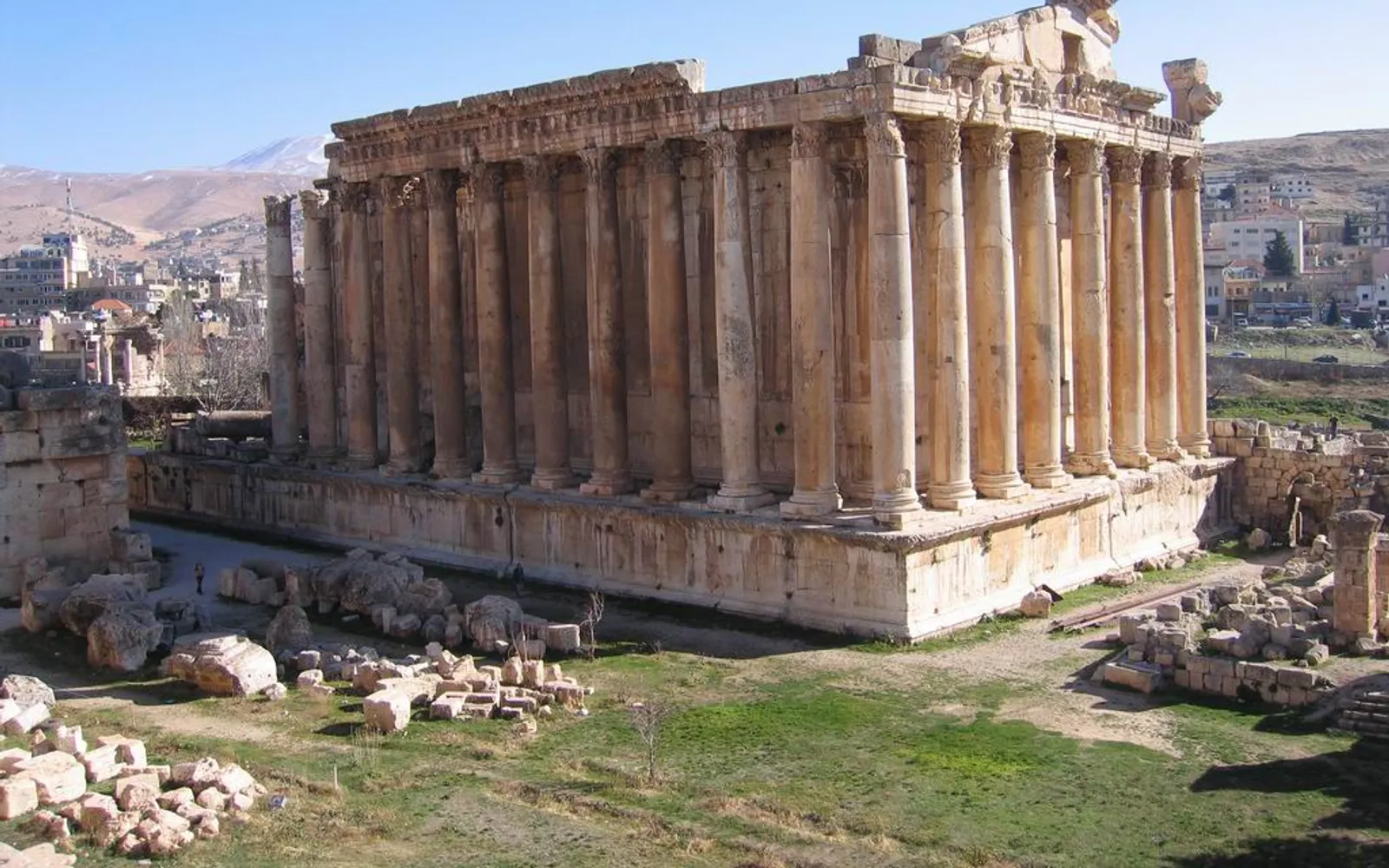
Baalbek holds one of the largest and best-preserved Roman temple complexes in the world — the temples of Jupiter, Bacchus and Venus, with towering columns over 2,000 years old, inscribed as a UNESCO World Heritage Site since 1984. In Greco-Roman times the city was known as "Heliopolis", the City of the Sun.
🛏️ Accommodation
Baalbek sits in Lebanon's eastern Bekaa Valley. Many governments currently advise against travel to Lebanon, and the Bekaa / Baalbek-Hermel area is considered especially high-risk — armed clashes and airstrikes have occurred there. Local accommodation is limited and we cannot verify its status. This page is heritage information for reference only; check your foreign ministry's latest advisory before making any plans.
Check your foreign ministry's latest travel advisory before making any plans — safety first.
Why stay in Baalbek
The largest Roman temples on earth
The Temple of Jupiter once had 54 columns standing 20 metres tall; six still rise today. The adjacent Temple of Bacchus is one of the best-preserved and most richly carved Roman temples anywhere in the world.
Megalithic mysteries
The three Trilithon blocks weigh about 800 tonnes each and run over 19 metres long, while the quarry's 'Stone of the Pregnant Woman' tips nearly 1,000 tonnes — engineering puzzles that remain unexplained.
Concerts among the ruins
The Baalbeck International Festival has run since 1956, turning the floodlit Roman temples into an open-air stage for opera and orchestras — a setting you simply cannot find anywhere else.
Gateway to the Bekaa Valley
Baalbek anchors trips into the Bekaa Valley, Lebanon's historic wine country. The Château Ksara vineyards and the UNESCO Umayyad city of Anjar are both within easy reach for a full day out.
Pick an area first — where to stay in Baalbek
Location is the single most important thing about a hotel — choose the right area first, then pick the hotel
Town Centre (by the ruins)Best base, walking distance to the temples and souk
Coming soonRas al-AinRiverside park around the ancient spring, southeast of the temples
Coming soonDurisSuburb on the Beirut road, known for popular local restaurants
Coming soonChtauraBekaa Valley junction and minivan hub, close to the wineries
Coming soonRanked reviews — find your ideal stay in Baalbek
Start with where to stay (the heart of the trip), then explore food and sights
See the heritage & travel advisory above.
Local dishes to try in Baalbek
- 1🥟
Sfiha Baalbakieh
Baalbek's original open-faced meat pastry: thin dough topped with spiced minced lamb or beef, onion and tomato, with a hint of tang. The town it is named after does it best.
📍 The city's signature dish - 2🥩
Kibbeh Nayyeh
Finely minced raw lamb blended with bulgur and spices, served with mint, onion and olive oil. Locals swear the Bekaa version tastes better thanks to valley-raised lamb.
📍 Raw minced lamb - 3🫓
Lahm Baajin
A thin baked flatbread topped with minced meat, tomato and spices — a mezze staple, brightened with a squeeze of fresh lemon.
📍 Meat flatbread - 4🥗
Lebanese Mezze
The essential spread of small plates: hummus, baba ghanoush, tabbouleh, fattoush and stuffed vine leaves, all scooped up with warm pita and shared around the table.
📍 Small sharing plates - 5🍷
Bekaa Valley Wine
The Bekaa is Lebanon's main wine region; high-altitude sun and rich soils produce bold reds. Taste them at Château Ksara or one of the neighbouring estates.
📍 Fine Lebanese wine - 6🥃
Arak
Lebanon's national spirit, strongly anise-flavoured. Add water and it turns milky white. Sip it alongside mezze and grilled meats the local way.
📍 Anise spirit
- 1🏛️
Temple of Bacchus
One of the best-preserved Roman temples on earth, with towering Corinthian columns and exquisitely carved reliefs of the wine god framing its monumental gateway. The must-have photo of any Baalbek visit.
📍 The number-one highlight - 2🏛️
Temple of Jupiter
The largest temple the Roman Empire ever built. Six of its original 54 columns still stand 20 metres tall atop the giant Trilithon foundation stones — the iconic image of Lebanon.
📍 20-metre Roman columns - 3🗿
Stone of the Pregnant Woman & quarry
A 900-metre walk from the temples leads to the ancient quarry, where the nearly 1,000-tonne 'Stone of the Pregnant Woman' and the even larger 'Stone of the South' still lie attached to the bedrock.
📍 Ancient megaliths - 4🕌
Sayyida Khawla Shrine
A Shia shrine dedicated to Sayyida Khawla, granddaughter of Imam Hussein. The interior glitters with thousands of tiny mirrors in classic Iranian style. Free to enter and just steps from the ruins.
📍 Mirrored Shia shrine - 5🕌
Great Umayyad Mosque
An early mosque within the archaeological zone, built from reused Roman granite columns and masonry — a vivid reminder of how Baalbek's many historical layers sit one atop another.
📍 Islamic-era layer - 6🏺
Museum beneath the temple
Housed in the tunnels under the Temple of Jupiter, the museum tells the story of the Roman sanctuary and its excavation, displaying artefacts uncovered across the site.
📍 Opened 1998 - 7🏛️
Anjar
An 8th-century Islamic city and UNESCO World Heritage Site with a neat grid of streets, markets and a great mosque. Usually combined with Baalbek and Ksara on a single day trip.
📍 Umayyad UNESCO city - 8🍷
Château Ksara
Founded in 1857, Lebanon's oldest winery near Chtaura. Tour the Roman-era underground tunnels used to age the wine, then taste the Bekaa Valley's well-regarded reds.
📍 Lebanon's oldest winery
Things to do in Baalbek
Day tours, attraction tickets and travel essentials for Baalbek — book ahead on Klook with mobile e-tickets.
Affiliate links — we may earn a commission at no extra cost to you.
🚆 Getting around Baalbek
Beirut Airport (BEY)
Rafic Hariri International Airport in Beirut is Lebanon's main gateway. From there it is about 85 km northeast to Baalbek, a 2-3 hour drive depending on Beirut traffic.
Minivans from Cola Station
The cheapest option: take a minivan from Beirut's Cola junction to Chtaura, then change to a second van into Baalbek. The total fare is just a few dollars, with departures roughly hourly.
Private car or taxi
The easiest way for a day trip. Hire a taxi or book a tour combining Baalbek, Anjar and Château Ksara from Beirut; fares are negotiable and best arranged in advance.
Carry US dollar cash
Lebanon runs on cash. Bring enough crisp USD notes (50s and 100s); cards and ATMs are unreliable. Exchange at a licensed money changer (sarraf) for the best rate.
Pay entry in pounds
Buy your ruins ticket in Lebanese pounds (LBP) at the official rate, which works out far cheaper than paying in dollars, so keep some LBP on hand.
Where to go next near Baalbek
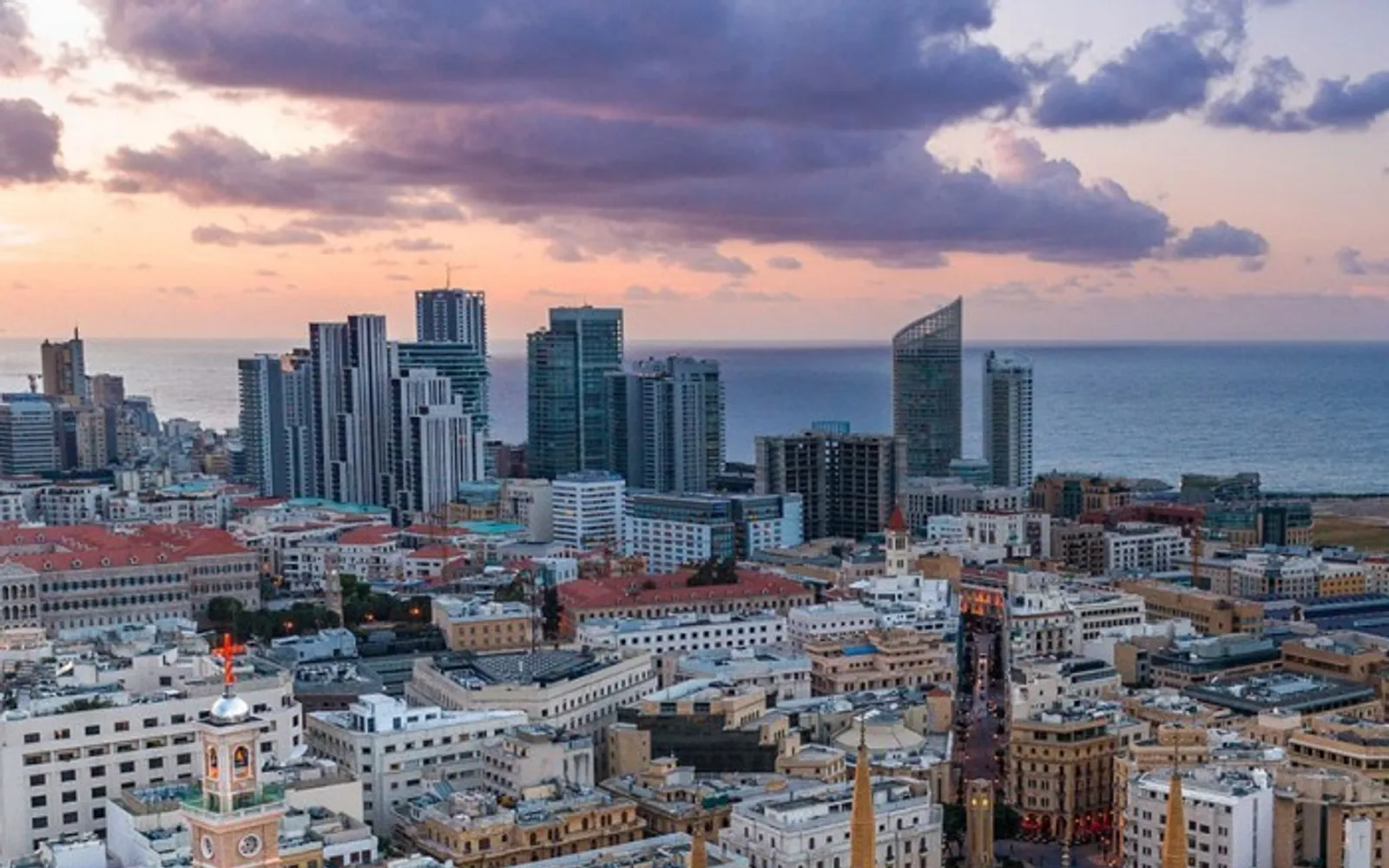 Beirut
A Mediterranean capital — the seafront Corniche, the cafe-lined streets of Gemmayzeh, region-leading Lebanese food, and a nightlife that still roars.
See this city's guide →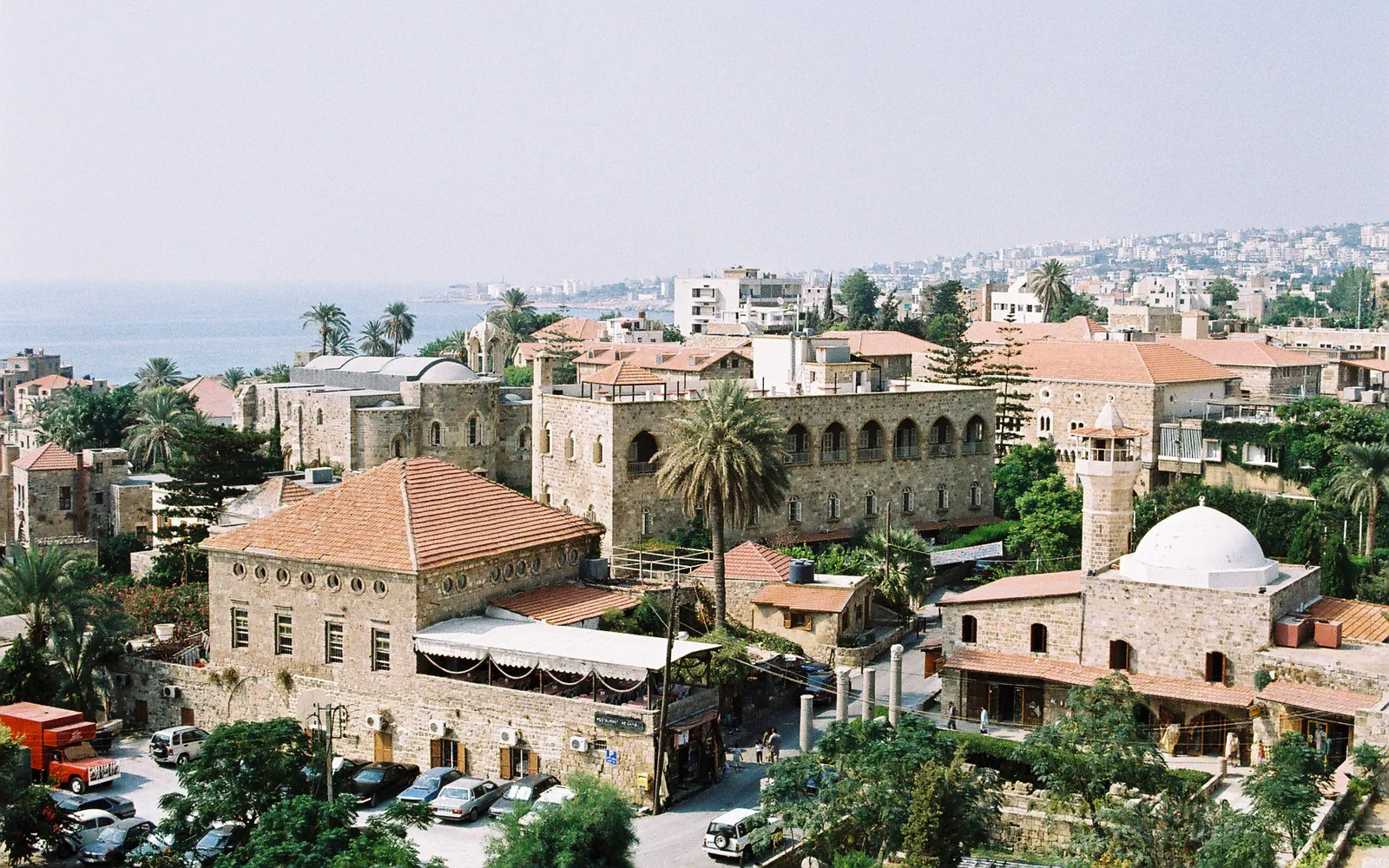 Byblos
The world's oldest port, with a Crusader castle, Phoenician temples, an old souk, and a Mediterranean beach
See this city's guide →Frequently asked — where to stay in Baalbek
Is Baalbek safe, and how should I visit?+
Conditions in the Bekaa Valley can change, so always check your government's latest travel advisory and current local news before going. Many travellers opt for an organised day trip from Beirut for convenience and peace of mind.
How long do I need at Baalbek?+
The ruins themselves take about 2-3 hours to explore. Add the megalith quarry, the Sayyida Khawla Shrine, and stops at Anjar and Château Ksara, and you'll want a full day — start early for the best experience.
When is the best time to visit Baalbek?+
Spring (April-June) and autumn (September-October) bring pleasant, mild weather. To catch a concert among the temples, time your trip with the Baalbeck International Festival in summer.