Lebanon — find the right stay, from deciding to booking
“Byblos, the world's oldest port, the World Heritage temples of Baalbek, the Jeita Grotto, and world-class Mediterranean food”
Lebanon is a land of civilizations going back thousands of years on the Mediterranean coast — Byblos, the oldest continuously inhabited port in the world, the grand Roman temples of Baalbek, the underground wonder of the Jeita Grotto, the legendary cedar trees, and Beirut, a capital that has rebuilt itself through its food culture and a regional nightlife scene. Before you travel, always check the latest situation and advisories from your foreign ministry.
Lebanon at a glance
Choose a city in Lebanon
Each city has its own things-to-do and food guides plus in-depth ranked hotel reviews with real photos and price comparison — start with the city that fits your trip.
Decide — is Lebanon right for you?
Why people love Lebanon, how it compares to its neighbors, and which travel style suits you
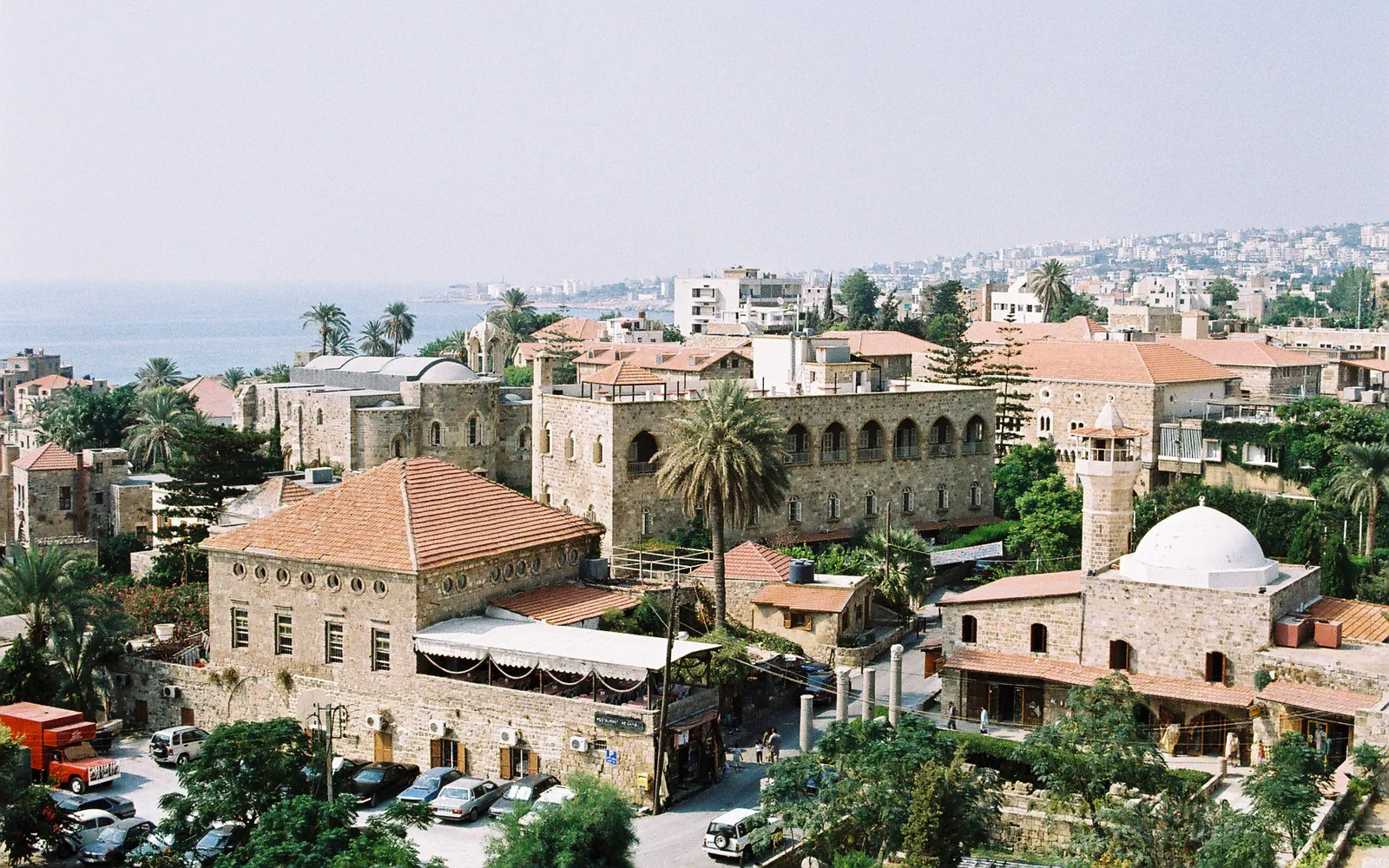
Byblos, the ancient port
The oldest port in the world, with a Crusader castle, an old souk, and a pretty sandstone beach.
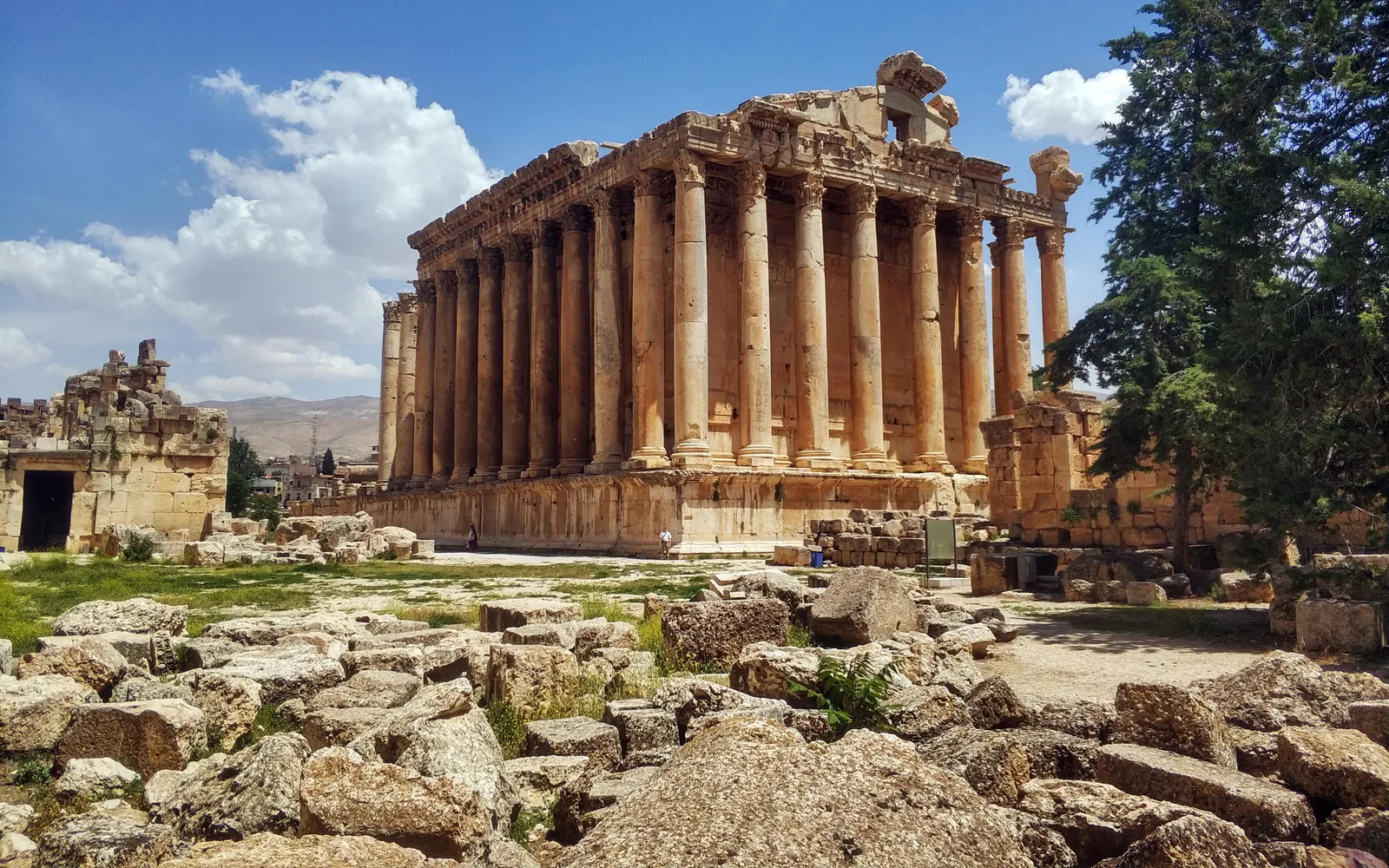
The temples of Baalbek
The grandest Roman temple complex in the world, a UNESCO World Heritage Site — breathtaking at sunset.
Jeita Grotto
A spectacular underground cave of stalactites and stalagmites, one of Lebanon's natural wonders.
The cedar forest
The legendary Cedars of Lebanon at Bsharri — the national symbol and a World Heritage Site.
Lebanese food
Mezze, hummus, tabbouleh and kebabs — a food culture celebrated around the world.
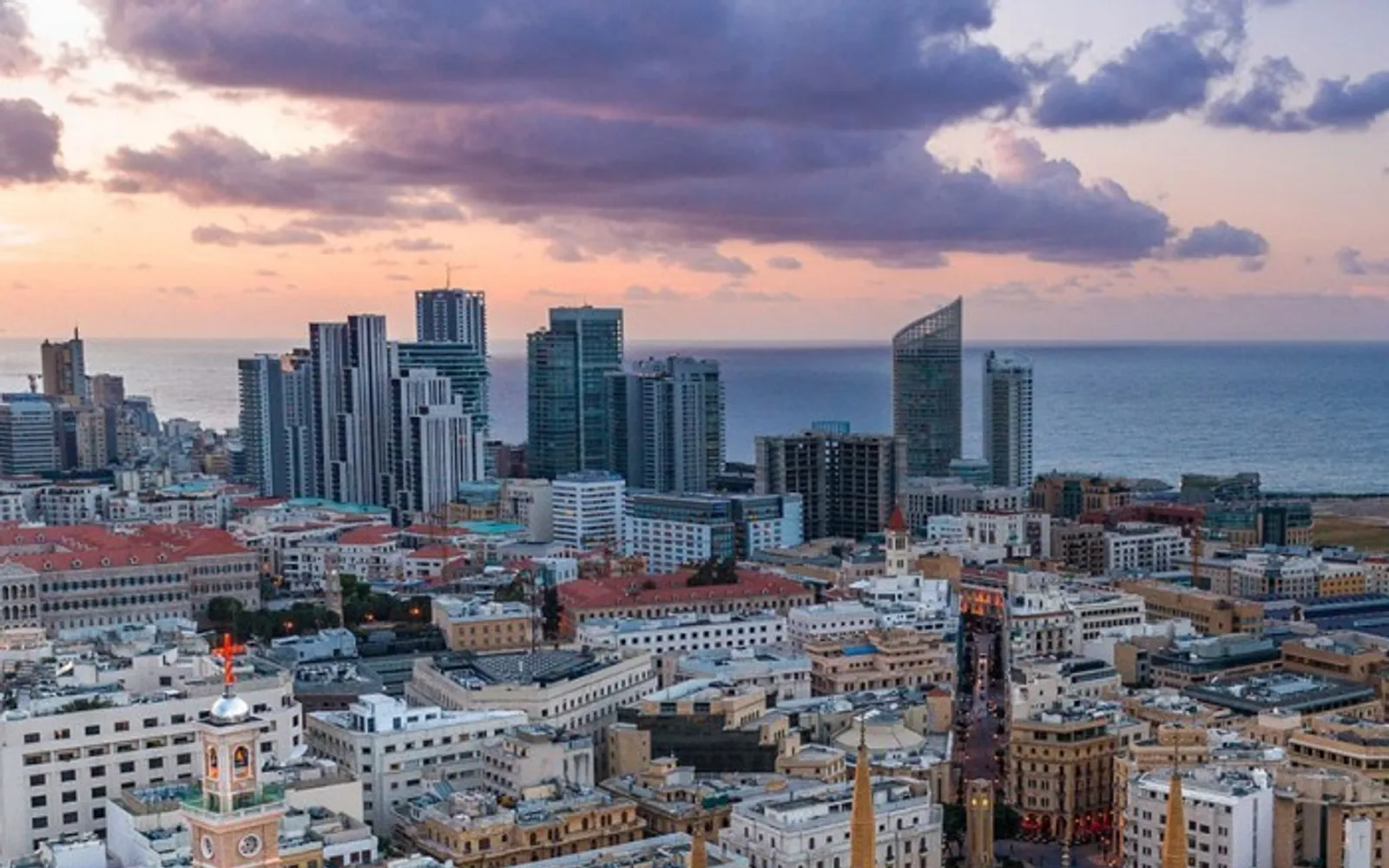
The Beirut Corniche
A breezy seaside promenade with snow-capped mountains as a backdrop, plus lively food and nightlife districts.
Lebanon vs its neighbors
| Lebanon | Jordan | Cyprus | |
|---|---|---|---|
| Daily budget (per person) | $57–115 | $70–130 | $85–155 |
| Visa (Thai passport) | Check latest with the embassy | On arrival | Schengen |
| Known for | Civilization · food · temples | Petra · Wadi Rum · the Dead Sea | Beaches · castles · wine |
| Currency | LBP + USD | Dinar (JOD) | Euro (EUR) |
| Best season | Apr–Jun / Sep–Nov | Mar–May / Sep–Nov | Apr–Oct |
Figures are rough per-person, per-day estimates — your real budget depends on your travel style.
How do you travel?
History & civilization
Byblos–Baalbek–Beirut, tracing Phoenician, Roman and Ottoman civilization over 3–4 days.
See this plan → 🍽️Food & culture lover
Beirut mezze, the old souk, and the cafes and nightlife of Gemmayzeh — for those who love to eat well.
See this plan → 🌲Nature & mountains
The Jeita Grotto, the Bsharri cedar forest, and the Qadisha Valley — great for nature lovers and hikers.
See this plan →Plan — stay, eat, see
Start with where to stay (the heart of the trip), then add food and sights, and gauge your daily budget.
Find the stay you want
1 ranked reviews
No reviews match these filters — try removing some.
- 1🫙
Meze
A spread of small dishes — hummus, baba ghanoush, tabbouleh, falafel — shared around the table.
📍 Spread - 2🌿
Tabbouleh
A fresh parsley salad with bulgur, tomato, lemon and olive oil — bright and refreshing.
📍 Salad - 3🧆
Falafel
Fried chickpea balls served in pita bread with vegetables and tahini sauce.
📍 Street food - 4🥩
Kafta
Herb-seasoned minced meat grilled over charcoal, served with bread and fresh vegetables, fragrant with spices.
📍 Grilled meat - 5🧈
Hummus
Chickpeas blended with tahini, olive oil and lemon, eaten with warm bread.
📍 Staple - 6🍯
Baklava
Thin crisp pastry layered with nuts and honey — a famous dessert in sweet shops all over Beirut.
📍 Dessert
- 1⚓
Byblos
The oldest port in the world, with a Crusader castle, Phoenician temples, and an old seaside souk.
📍 Ancient port city - 2🏛️
Baalbek
The grandest Roman temple complex in the world — the temples of Jupiter and Bacchus, a UNESCO World Heritage Site.
📍 World Heritage - 3🕳️
Jeita Grotto
A two-level cave of stalactites and stalagmites over 9 km long — a boat ride through the lower cavern is breathtaking.
📍 Nature - 4🌲
Cedars of God
Cedars of Lebanon thousands of years old, a UNESCO World Heritage Site and the national symbol.
📍 World Heritage - 5🕌
Gemmayzeh
Beirut's cafe, bar and gallery district, with old Ottoman-French buildings and a relaxed vibe.
📍 Beirut - 6🌊
Beirut Corniche
A promenade along the Mediterranean with views of Mount Lebanon — the locals' favorite evening meeting spot.
📍 Beirut
🚆 Getting around Lebanon
Shared taxi (Service)
Cheap shared taxis that run set routes — you'll need to know your destination in Arabic.
Budget buses
Cheap public buses between cities; they leave often but don't run to a fixed timetable.
Car rental
The easiest way to see Baalbek, Byblos and the Jeita Grotto in a single day; traffic in the city is heavy.
Beirut airport
Rafic Hariri International Airport (BEY) is the gateway to Lebanon — check flights and airlines before you travel.
Walking the cities
The old quarters of Beirut and Byblos are easy to explore on foot; some pavements are uneven, so wear comfortable shoes.
🛂 Etiquette & culture in Lebanon
Warm hospitality
Lebanese people are known for their welcome — being invited for a coffee or a meal is completely normal.
USD widely used
US dollars circulate alongside the Lebanese pound; many shops and hotels take USD, but check the exchange rate every time.
Dress for the place
Dress modestly in religious areas and at historic sites; Beirut is a far more open city than other areas.
A multi-faith society
Lebanon is a society of many religions — respect sacred sites and local customs.
Arabic coffee culture
Cardamom-spiced Arabic coffee and mint tea are the welcome drinks; decline politely, or drink in moderation.
💸 Daily budget — a rough guide
Budget
🛏️ Hostel / guesthouse $29–57
Eat local food, use cheap buses and Service taxis, and visit sites that are free or have low entry fees.
Comfortable
🛏️ 3–4★ hotel $70–130
Good restaurants, a half-day car rental for Baalbek and the Jeita Grotto, and Beirut cafes.
Premium
🛏️ Luxury hotel $145+
Upscale boutique hotels, fine dining, and private tours.
🗓️ When to visit Lebanon
Spring
Apr – JunPleasantly warm, flowers in bloom, with snow still on the mountains behind — the best time to tour the whole country.
Early autumn
Sep – NovCool and comfortable again, with fewer tourists than summer — great for Baalbek and Byblos.
Summer
Jul – AugHot and humid, with busy beaches and Beirut nightlife at its peak, but high temperatures.
Winter
Dec – FebSnow-covered mountains with skiing at Faraya-Mzaar; the coast stays cool and pleasant.
Book — hotels our team picked
If we had to pick just a few, we'd start with these three — compare prices across 3 sites.
Want to see every option in Lebanon?
Browse all our ranked stay reviews — every budget and area, with real photos and price comparison.
View the top city guide →FAQ — visiting Lebanon
How many days do you need in Lebanon?+
Four to five days — two in Beirut (the Corniche, Gemmayzeh, the National Museum) plus a day for Byblos and the Jeita Grotto, a day for Baalbek, and another for the cedar forest if you have time.
Is it safe in Lebanon?+
Before traveling, follow travel warnings and announcements from your foreign ministry, and check the latest situation from official sources in both your own country and your destination. Some routes and areas may have restrictions, so buy comprehensive travel insurance.
Do Thai citizens need a visa?+
Check the latest visa conditions with the embassy before you travel, as policy can change with the situation.
What currency is used in Lebanon?+
US dollars (USD) circulate alongside the Lebanese pound (LBP), and most hotels and shops accept USD. Always check the current exchange rate first, as it can fluctuate.
Tips before you go to Lebanon
- Always check travel advisories from your foreign ministry and the latest situation before you travel.
- Carry USD — most shops and hotels accept it; check the LBP exchange rate before you pay.
- Buy comprehensive travel insurance that covers emergencies and cancellations.
- Book a Baalbek tour in advance; it's about 85 km from Beirut and suits a car rental or a day tour.
- The Jeita Grotto closes during certain periods — check opening times before you go.
- Lebanese food is made for sharing mezze-style — order several small plates rather than one big dish for yourself.