Where to stay in Srimangal — pick the right hotel, book in 3 clicks
Picture waking up to tea gardens rolling to the horizon, mist drifting over the bushes, gibbons calling from a tropical rainforest nearby, and a glass of seven-layer tea with seven distinct colours that refuse to mix. This is Srimangal (Sreemangal), the tea capital of Bangladesh and one of South Asia's most underrated escapes. Tucked into Moulvibazar district in the Sylhet division, this small town is ringed by emerald tea estates, the Lawachara rainforest with its rare Hoolock gibbons (Bangladesh's only ape), lotus-covered lakes, and Khasia and Manipuri tribal villages. This guide is built entirely on verified, real-world detail — where to stay, what to see, what to eat, and how to get there — so you can plan a trip without guesswork.
Why stay in Srimangal
Endless tea gardens
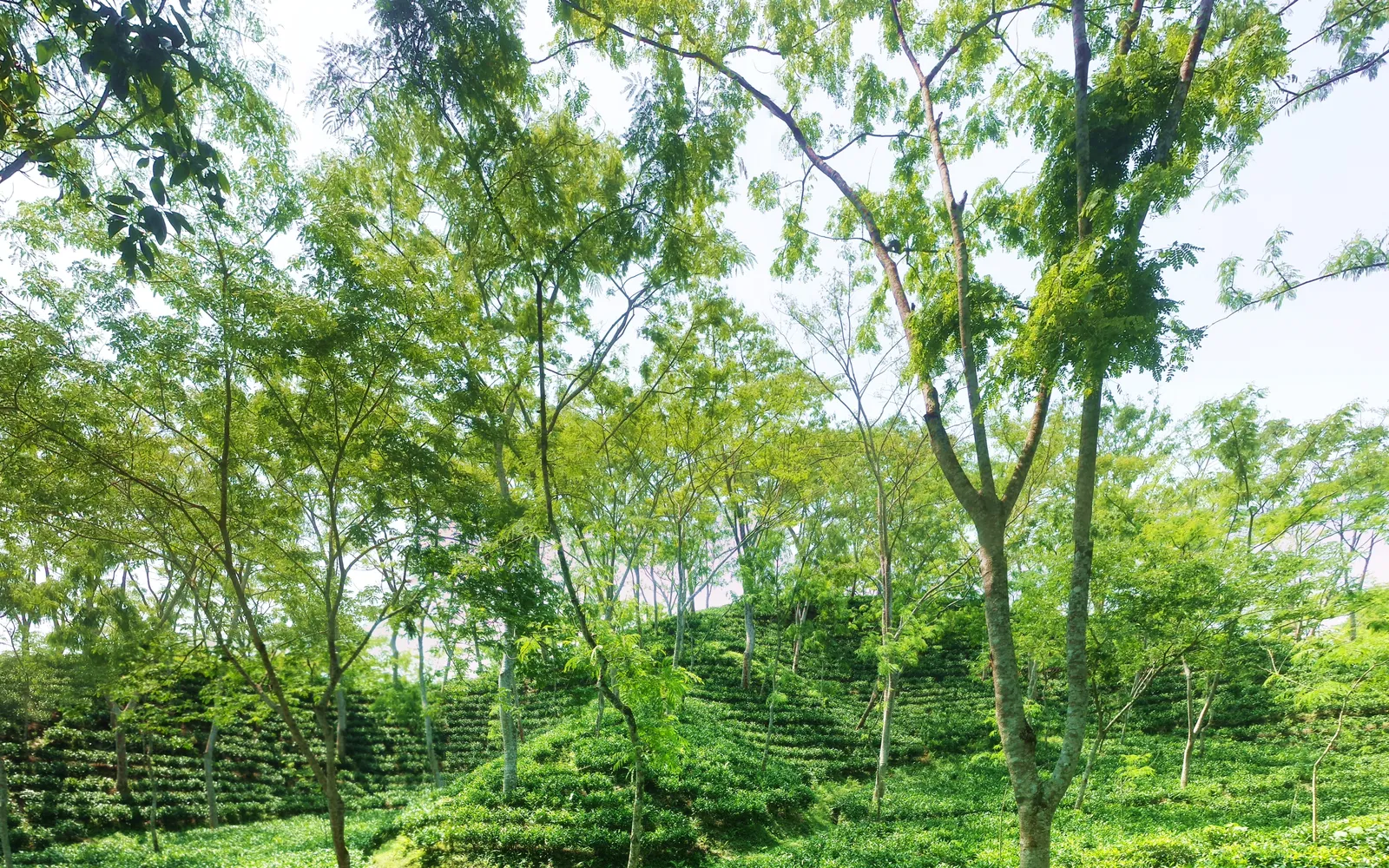
Srimangal is the heart of Bangladesh's tea industry, with emerald estates carpeting the hills in every direction. Walk the rows, cycle between bushes, or shoot golden-hour photos while morning mist still hangs over the leaves.
Rainforest and rare wildlife
Lawachara National Park is a tropical rainforest home to the Hoolock gibbon — the only ape in Bangladesh — plus hornbills, flying squirrels, and ancient trees. Hike the trails and listen for gibbon calls at dawn.
The famous seven-layer tea
Seven coloured teas stacked in one glass without mixing, invented by Romesh Ram Gour at the Nilkantha Tea Cabin back in 2002. It has since become a national icon — you have to try a glass.
Quiet, slow nature
Lotus-strewn Madhabpur Lake, the Baikka Beel bird sanctuary, and the hidden Ham Ham Waterfall deep in the forest make this a perfect escape for travellers who want to swap city noise for birdsong.
Pick an area first — where to stay in Srimangal
Location is the single most important thing about a hotel — choose the right area first, then pick the hotel
Srimangal Town CentreNear the railway station, market, the Nilkantha seven-layer tea cabin and local eateries. Easy to get around and the best place for budget guesthouses.
Coming soonRadhanagar / Tea-garden beltWhere the upscale resorts sit among the tea estates, including the 5-star Grand Sultan Tea Resort & Golf — the only one of its kind in the Sylhet region. Scenic and quiet.
Coming soonNear Lawachara ForestIdeal if you want early-morning forest walks and gibbon spotting. Eco-resorts and nature-style stays are scattered along the park approach roads.
Coming soonRanked reviews — find your ideal stay in Srimangal
Start with where to stay (the heart of the trip), then explore food and sights
We're rolling out Srimangal stay reviews — meanwhile search Srimangal hotels across all 3 sites now
Local dishes to try in Srimangal
- 1🥩
Beef Shatkora
The signature dish of the Sylhet region: beef slow-cooked with aromatic spices and shatkora, a fragrant local citrus that's bitter and slightly sweet. The result is a complex, deeply spiced curry you won't find elsewhere.
📍 Sylheti / spiced - 2🐐
Satkora Mutton
The mutton version of the shatkora curry and a standout at Kutum Bari restaurant in Srimangal town. Bold, citrus-lifted and richly spiced — best with a plate of hot rice.
📍 Local favourite / recommended - 3🐟
Shutki (Fermented Dried Fish)
A pungent, much-loved Sylheti staple. Often served as shutki bhorta (mashed dried fish with chilli) or stir-fried with shatkora — intense, fiery and an essential taste for adventurous eaters.
📍 Pungent / authentic - 4🍖
Beef Kala Bhuna
Beef slow-cooked with spices until it turns deep, almost black, with a rich and rounded flavour. A beloved meat dish across Bangladesh and easy to find at restaurants in Srimangal.
📍 Slow-cooked / rich - 5🍛
Akhni / Sylheti Biryani
Rice cooked with meat and spices in the Sylheti style — similar to biryani but with its own local character. Fragrant and filling, it's a reliable main at local eateries in town.
📍 Spiced rice - 6🍍
Srimangal Pineapple & Lemon
Moulvibazar district is known for its pineapples, lemons and betel leaf. Look for juicy roadside pineapple and fresh lemon drinks near the gardens — the perfect refresher after a day in the tea fields.
📍 Local fruit / fresh
- 1🌿
Lawachara National Park
A tropical rainforest of roughly 1,250 hectares and home to the Hoolock gibbon, the only ape in Bangladesh, alongside hornbills, flying squirrels and ancient hardwoods. Hike the trails with a local guide and you may hear gibbons calling at dawn.
📍 Rainforest / wildlife - 2🍵
Tea Gardens
Lush green estates blanket the hills around town. Watch leaves being plucked and processed, cycle the garden lanes, or photograph the bushes at dawn while mist lingers — the signature view of Srimangal.
📍 Tea estates / photography - 3🥤
Nilkantha Tea Cabin (Seven-Layer Tea)
The original home of seven-layer tea, created by Romesh Ram Gour in 2002. Each layer holds a different colour and flavour without mixing in a single glass, priced around 70–100 BDT. There are now several branches around town.
📍 Tea / icon - 4🪷
Madhabpur Lake
A serene lake set among tea gardens and low hills, with clear water, floating lotus flowers and mirror-like sky reflections. In winter it draws migratory birds, making sunrise here especially worth the early start.
📍 Lake / nature - 5🦆
Baikka Beel Wetland Sanctuary
A large wetland about 18 km from town and a paradise for birdwatchers, especially in winter when thousands of migratory birds — including rare and endangered species — settle in.
📍 Birdwatching / wetland - 6💦
Ham Ham Waterfall
A waterfall hidden deep inside the Rajkandi Reserve Forest, reached only after a solid trek. It rewards adventurous travellers with a forest cascade far from any crowds.
📍 Waterfall / trek - 7🔬
Bangladesh Tea Research Institute (BTRI)
About 3.2 km from town, established back in 1957, BTRI is the country's centre for tea research and experimental cultivars. Surrounded by trial gardens, it's a scenic spot to learn how Bangladeshi tea is grown.
📍 Tea / learning - 8🏘️
Khasia & Manipuri Villages
Khasia villages (punji) and Manipuri villages (para) are scattered through the tea estates. The Khasia are a matriarchal community who grow betel leaf (paan) as a cash crop — a fascinating glimpse of local life and crafts.
📍 Culture / community
Things to do in Srimangal
Day tours, attraction tickets and travel essentials for Srimangal — book ahead on Klook with mobile e-tickets.
Affiliate links — we may earn a commission at no extra cost to you.
3 Srimangal hotels our team picked for you
Selected from real reviews — one per budget tier, each with a score and instant 3-site price comparison
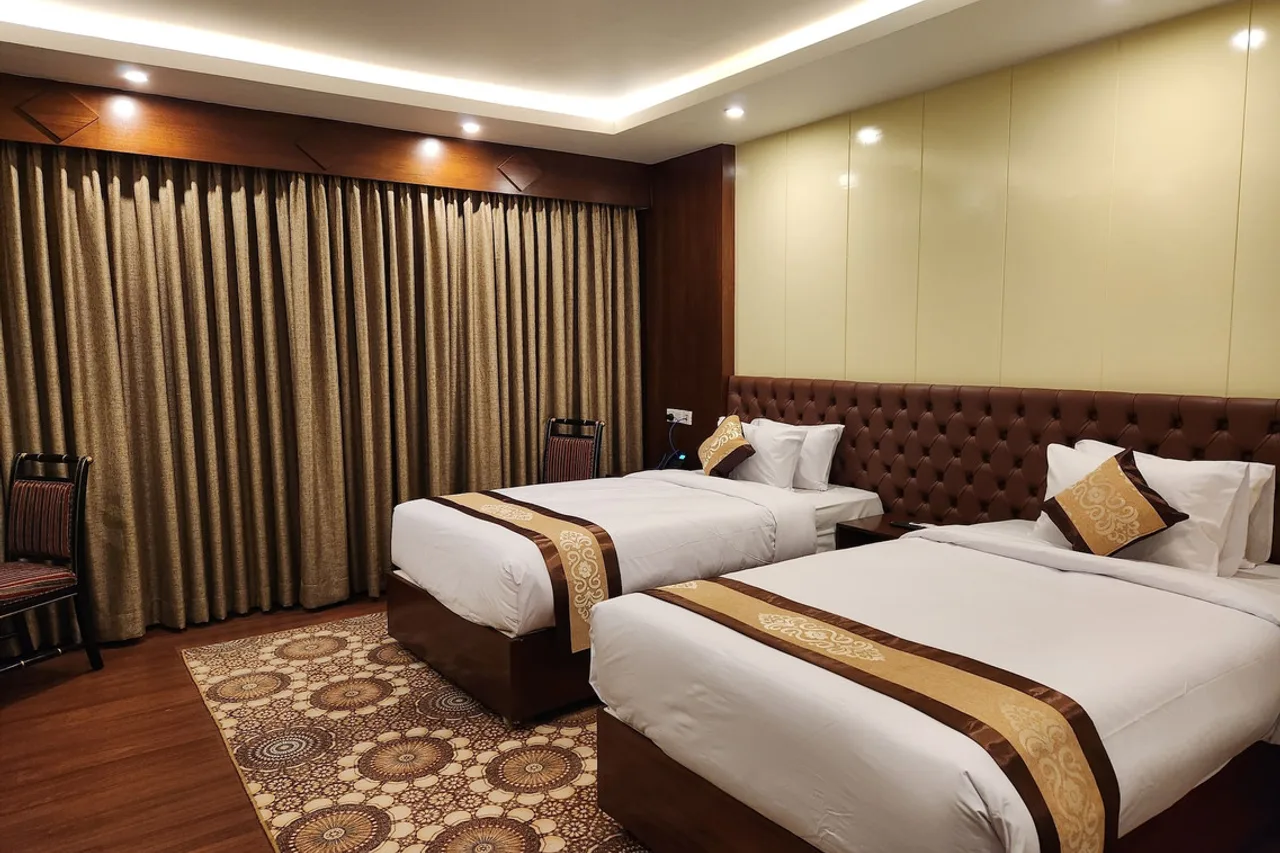 ★ 8.9Value
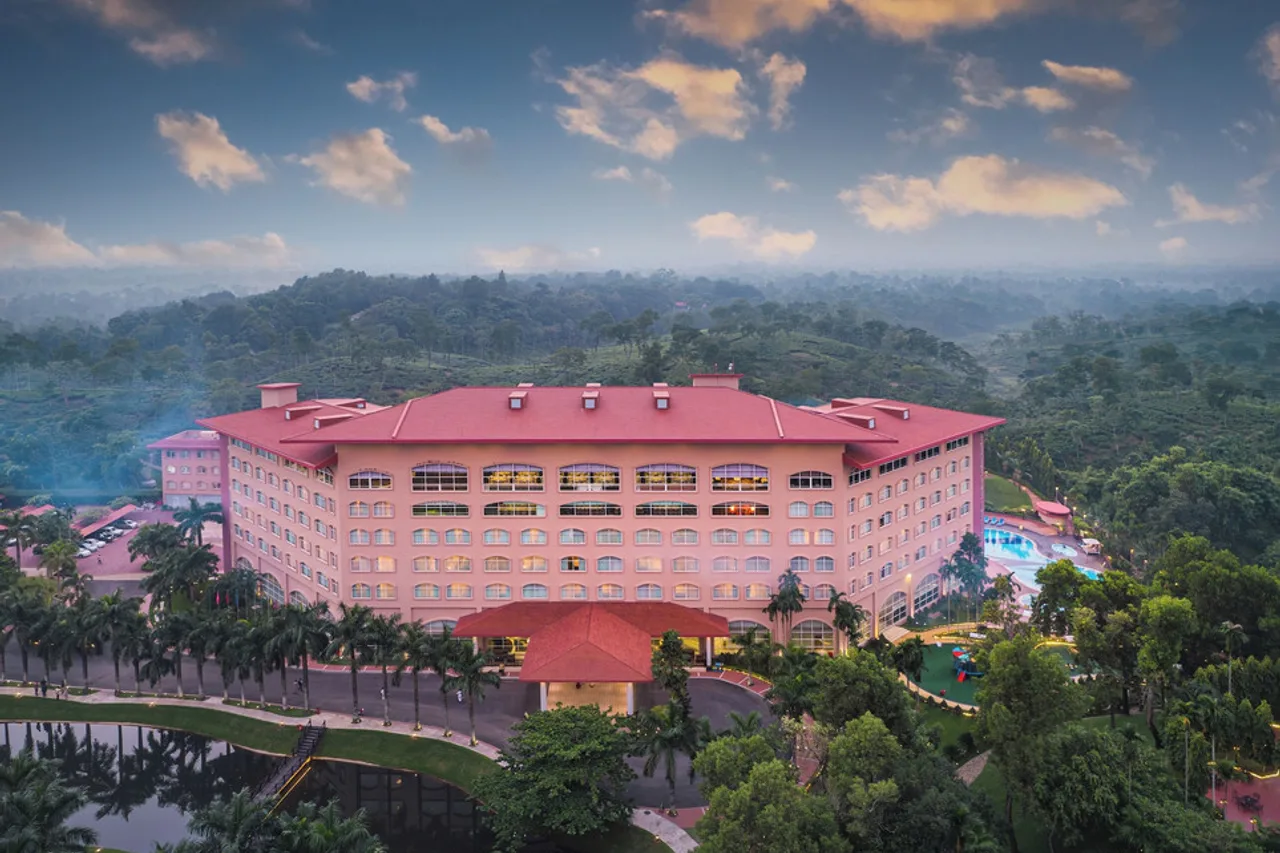 ★ 8.3Luxury
Grand Sultan Tea Resort & Golf
Only 5-star resort in the region
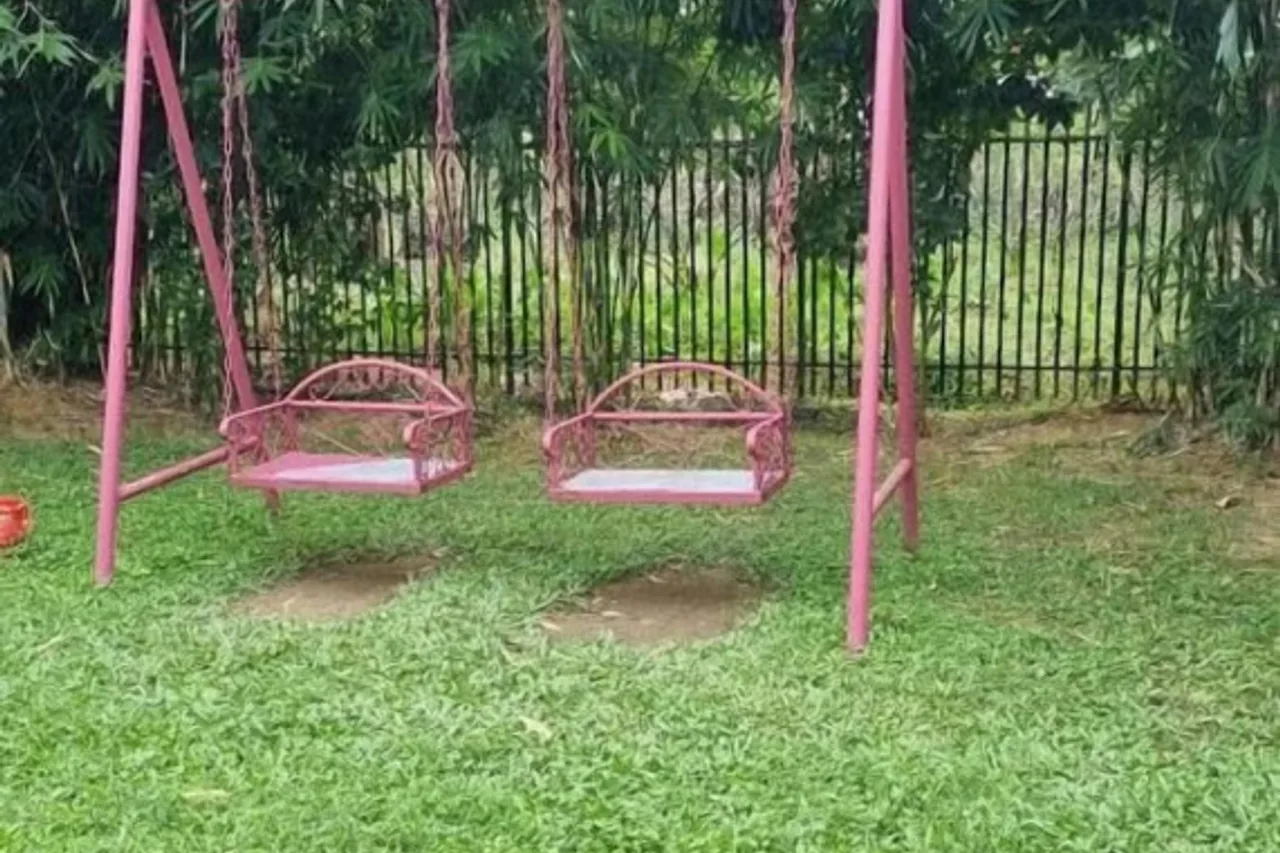 ★ 8.2Value
โรงแรมแนะนำทั้งหมดในSrimangal
ครบทุกระดับงบ — คัดจากคะแนนรีวิวจริง พร้อมเทียบราคา 3 เว็บ
Haven't found the one? Search all 3 sites yourself
Compare real-time room availability for your Srimangal dates
🚆 Getting around Srimangal
Train from Dhaka (easiest)
Take a train from Dhaka's Kamalapur station to Srimangal (about 185 km, roughly 4 hours or more). Several services run daily, including the Parabat, Jayantika, Kalni and Upaban Express. The scenery is lovely — book tickets ahead.
Bus from Dhaka
Frequent buses run from Dhaka to Srimangal in both standard and AC classes. You can book online through apps like Shohoz — a cheaper alternative to a sleeper-class train.
Nearest airport
Osmani International Airport (ZYL) in Sylhet is about 75 km from Srimangal, around a 2-hour drive. Domestic flights connect from Dhaka, handy if you want to save time.
Getting around by CNG
Locally you'll use CNG auto-rickshaws (run on compressed natural gas) and hired cars for day trips to the tea gardens and forest. Agree the fare before you board, as most have no meter.
Cash is king (Taka)
The currency is the Bangladeshi taka (৳). In a small town like Srimangal, cash rules — withdraw or exchange in Dhaka or Sylhet beforehand, as tea cabins and local restaurants usually take cash only.
Where to go next near Srimangal
 Dhaka
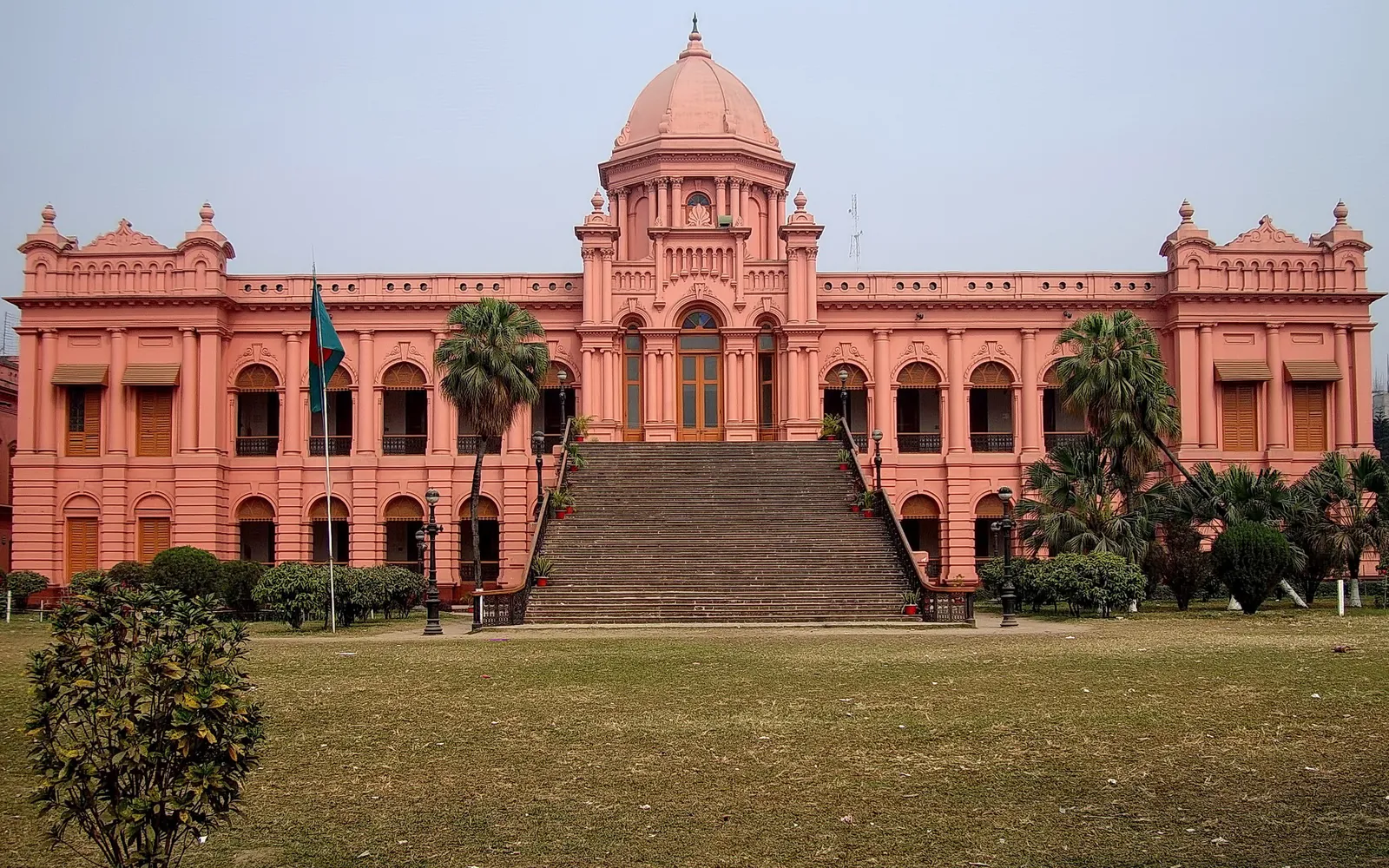
DhakaA practical guide to where to stay, what to see, and what to eat in Dhaka — Bangladesh's riverside capital of pink palaces, Mughal forts, old mosques, and South Asia's most electric bazaars.
See this city's guide → Cox
CoxThe world's longest natural sea beach — sunsets, swimming, and fresh seafood by the shore
See this city's guide →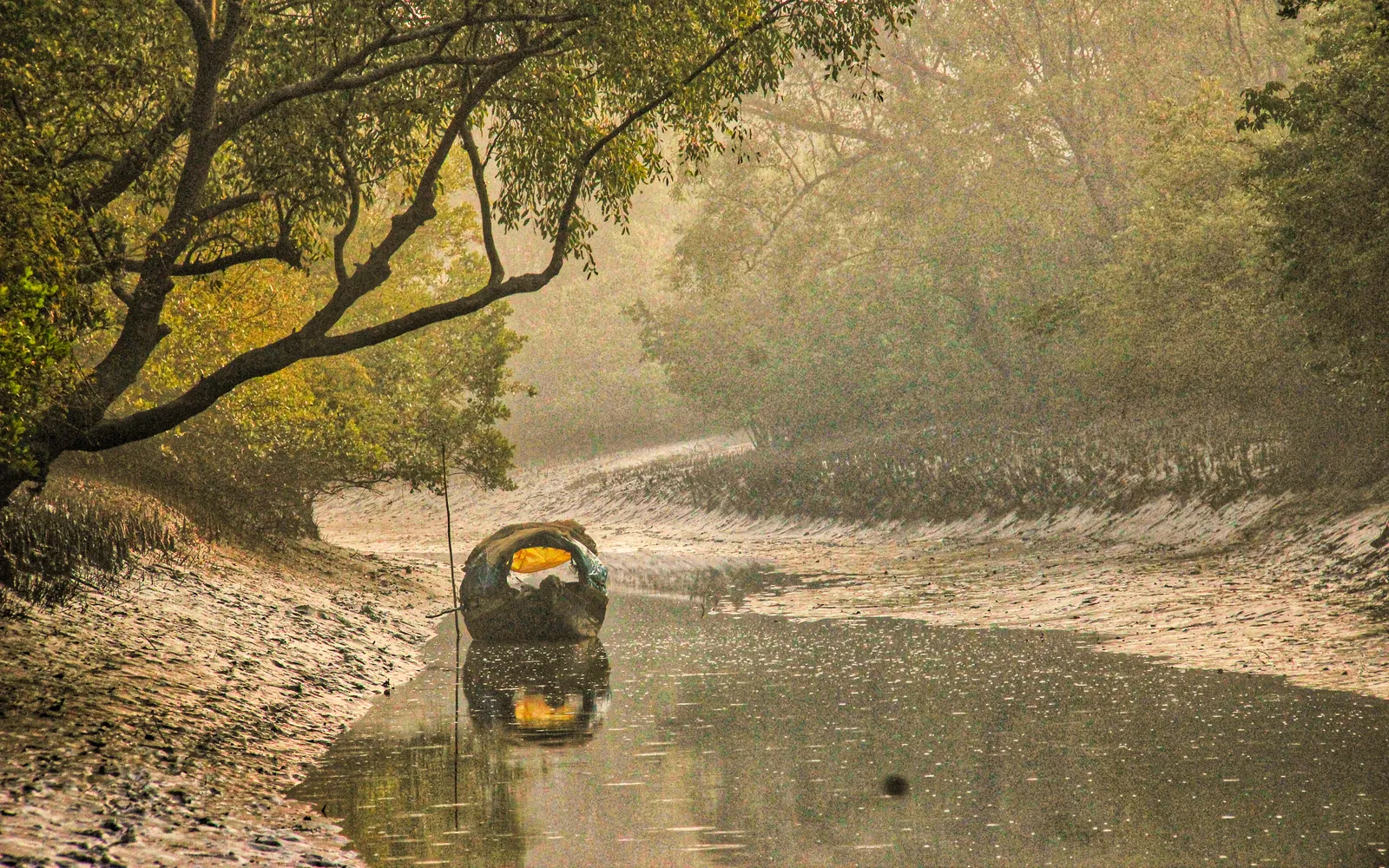 Sundarbans
A straight-talking guide to the Sundarbans, Bangladesh — the world's largest mangrove forest and a UNESCO World Heritage Site. Cruise for Royal Bengal tigers, birds and crocodiles, plus how to pick a boat, top sights, Khulna food, and getting there from Dhaka.
See this city's guide →Frequently asked — where to stay in Srimangal
When is the best time to visit Srimangal?+
Winter, from November to February, is ideal: mild weather, the tea gardens at their greenest, plenty of migratory birds, and the best odds of spotting wildlife in Lawachara. Avoid the monsoon (June–September) when forest trails get slippery and rain is frequent.
Where can I try seven-layer tea and how much is it?+
The original spot is the Nilkantha Tea Cabin in Srimangal (now with several branches, including one near the Lawachara park entrance). A glass costs around 70–100 BDT, with each layer holding a distinct colour and flavour in a single glass.
How many nights should I spend in Srimangal?+
Two to three nights is the sweet spot. Spend day one on the tea gardens and seven-layer tea, day two hiking Lawachara for gibbons at dawn then visiting Madhabpur Lake or Baikka Beel, and add a day for the Ham Ham Waterfall trek if you have time.
Ready to book your Srimangal stay?
Start with the 3 hotels our team picked, or search all 3 sites — always compare before booking