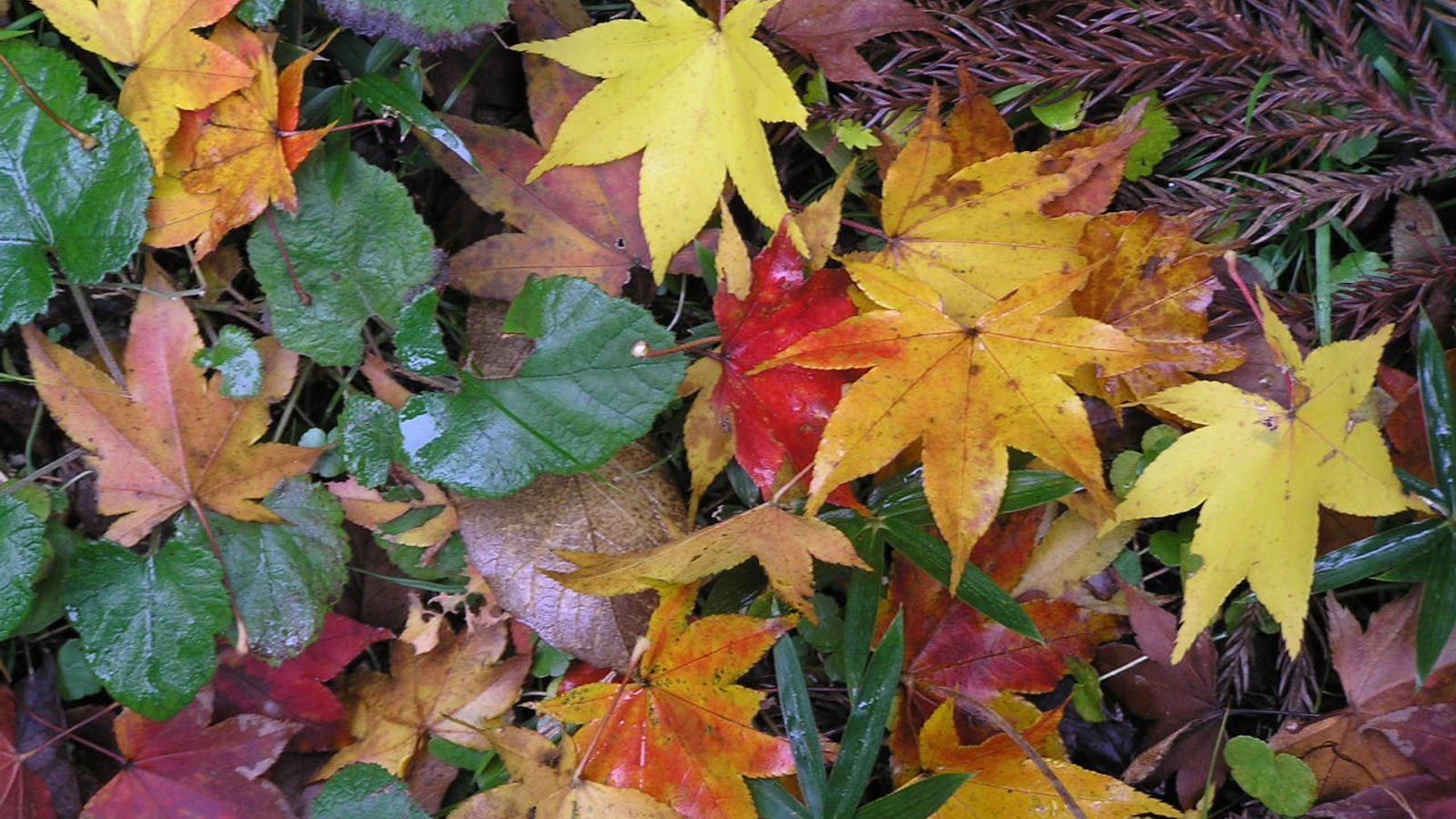
Autumn foliage in Japan — known as Koyo 紅葉 — is one of the most breathtaking experiences on earth. But timing is everything: arrive a week too early and the leaves are still green; a week too late and they've already fallen. Here's the full 2018 peak calendar by region, plus the festivals you won't want to miss.
Every year, travellers make the pilgrimage to Japan for autumn leaves — and every year, some come home disappointed because the photos online looked stunning but the trees were still green when they arrived. That gap comes down to one thing: peak Koyo timing varies enormously by region, stretching all the way from September through December.
Below is the 2018 autumn foliage forecast — compiled from Japan Meteorological Corporation and Japan Guide data — with the standout spots and festivals for each window.
September – Early October: Hokkaido
Daisetsuzan National Park is where autumn arrives first in Japan. Around 15–25 September 2018, the slopes of Asahidake and Kurodake transform into a carpet of red and gold — before anywhere else in the country has even begun to turn.
Sounkyo Gorge, also in Hokkaido, follows shortly after in early October. A cable car whisks you above the canopy for sweeping aerial views of the colour-drenched valley — genuinely one of the most dramatic Koyo viewpoints in the country.
Mid–Late October: Tohoku & Central Japan
Oirase Gorge (Aomori) is widely considered the most beautiful autumn gorge in Japan. Peak colour falls around 20–30 October 2018 — a 14 km riverside trail winds past waterfalls including Choshi Otaki and Kumoi Falls, all framed by blazing maple and beech trees.
Lake Towada, just upstream from Oirase, pairs the same fiery palette with a mirror-calm blue lake — the classic shot everyone wants on their camera roll.
Nikko (Tochigi) peaks late October to early November at Lake Chuzenji, Kegon Falls, and Senjogahara Marsh — one of the clearest places in Japan to watch all four seasons announce themselves with drama.
"Nikko turns into a sea of red, orange, and yellow in early November — take the Akechidaira Ropeway and you'll see Lake Chuzenji surrounded by colour in every direction. It's an image you won't forget." — real traveller review
November: Kanto + Mt. Fuji Area
The most popular window for international visitors — Tokyo, Hakone, and Mt. Fuji all come alive this month.
Kawaguchiko (Mt. Fuji) peaks around 5–20 November 2018. The Momiji Tunnel along Lake Kawaguchi — crimson maples arching overhead with the snow-capped cone of Fuji in the background — is one of the most iconic autumn photographs in all of Japan.
Hakone follows in late November. The Hakone Tozan railway line passes through tunnels of colour on its way up the mountain, and viewpoints at Owakudani and Lake Ashi, plus the open-air sculpture park, reward visitors at every stop.
Tokyo — Rikugien Garden, Koishikawa Korakuen, Mt. Takao, Showa Kinen Park, and the Meiji Jingu Gaien Ginkgo Avenue (golden ginkgo lining a grand boulevard — an absolute classic) all peak late November to early December.
Late November – Early December: Kyoto
Kyoto is the undisputed capital of Koyo — and in 2018 peak colour fell around 20 November – 5 December.
The must-visit spots:
- Eikando Zenrinji — Kyoto's most celebrated autumn temple, with a nightly light-up that's worth staying out late for
- Tofukuji — the Tsuten-kyo Bridge looks out over a valley floor carpeted in red maple
- Arashiyama — Togetsukyo Bridge, the Bamboo Grove, and Tenryuji Garden in their autumn best
- Kiyomizudera — the famous wooden stage temple, perched on the hillside with autumn colour tumbling into the valley below
- Kinkakuji — the Golden Pavilion glowing against a backdrop of crimson and amber leaves
A word of warning: Kyoto at peak Koyo is extremely crowded. Hotels sell out months in advance and rates climb 2–3× above normal — book at least 3–4 months ahead or you'll be commuting from Osaka.
December: Kyushu
Japan's southernmost main island, Kyushu, reaches peak colour early to mid-December 2018 — giving you a final, unhurried opportunity to catch Koyo after the rest of the country has moved on.
Mount Aso (Kumamoto), Kirishima (Kagoshima), and Yufuin (Oita) pair hot-spring onsen with autumn foliage — a combination you simply won't find anywhere else, and well worth planning a few extra days around.
Korankei (Aichi), near Nagoya, wraps up its season around the same time — a gorge lined with 4,000 maple trees peaking in late November, with the Korankei Momiji Matsuri (early to late November) bringing nightly illuminations to the valley.
Planning Tips for Your 2018 Koyo Trip
- Track the forecast weekly at japan-guide.com or tenki.jp — both update their colour-front maps every week as conditions evolve.
- Book accommodation 3–4 months out — Kyoto and Kawaguchiko at peak are brutally competitive; don't wait.
- Buy a JR Pass if you're covering multiple regions — a 7-day pass (~¥29,000) pays for itself quickly on Shinkansen routes.
- Build in a ±5–7 day buffer around your target dates — temperature swings can push the peak earlier or later than forecast.
- Arrive early — at Kyoto's top temples and Kawaguchiko, after 10 am the crowds become genuinely difficult to navigate.
- Layer up — Hokkaido in September/October can drop to 5–10°C, Kyoto and Tokyo in November sit around 8–15°C, and Kyushu in December ranges 5–12°C.