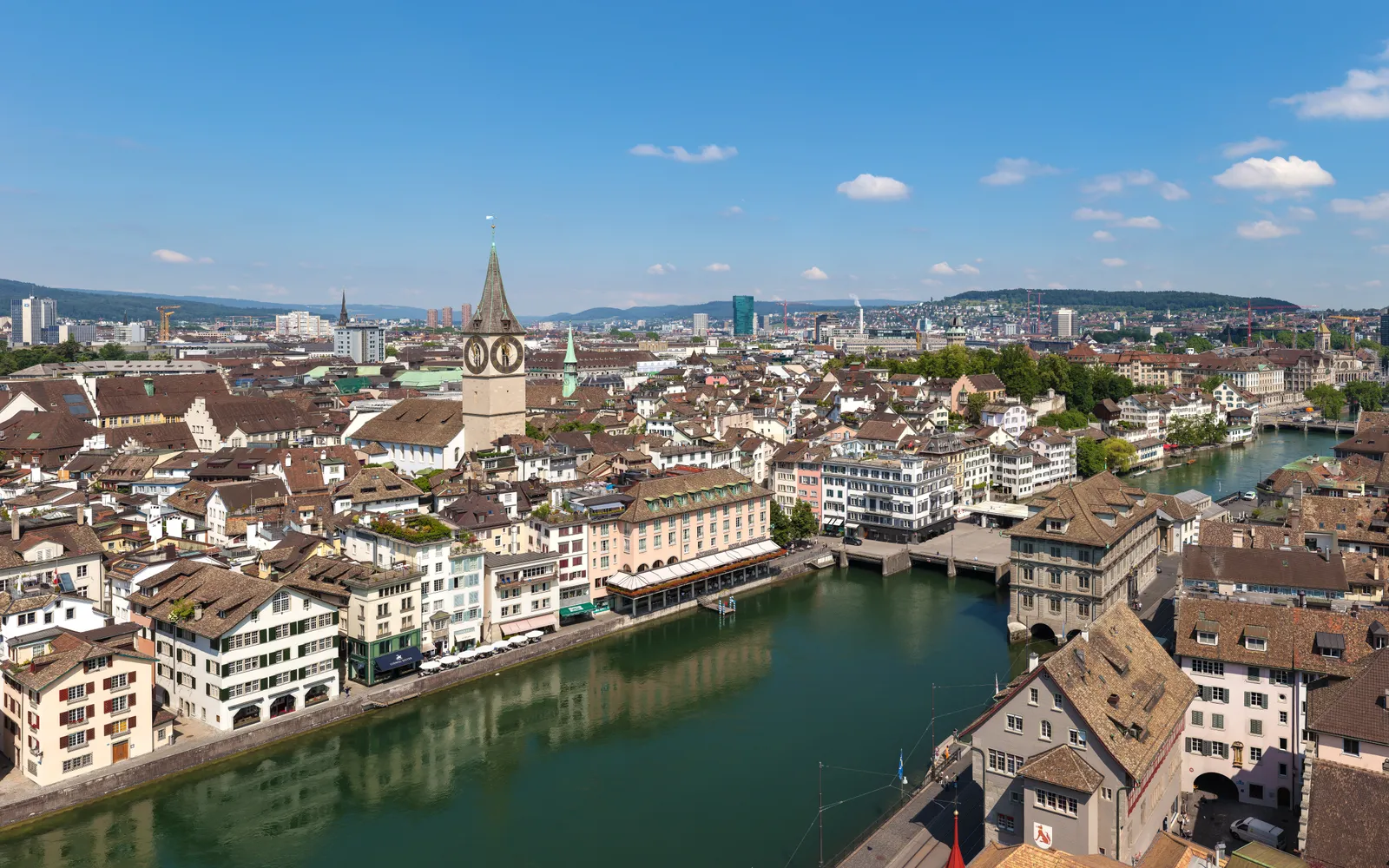
Swiss food — and Zurich's in particular — rarely gets the same attention as Italian or French, but sit down to a proper meal here and you'll understand immediately why the Swiss are so proud of their kitchen. Zürcher Geschnetzeltes is the dish you must order: thin strips of veal in a white-wine cream sauce with mushrooms, served alongside crispy Rösti potato cake. It sounds simple, and it is — but it's the kind of thing you think about for the rest of the trip. Come prepared: restaurant prices here run 2–3 times what you'd pay elsewhere in Europe, and the quality runs just as high.
 #1
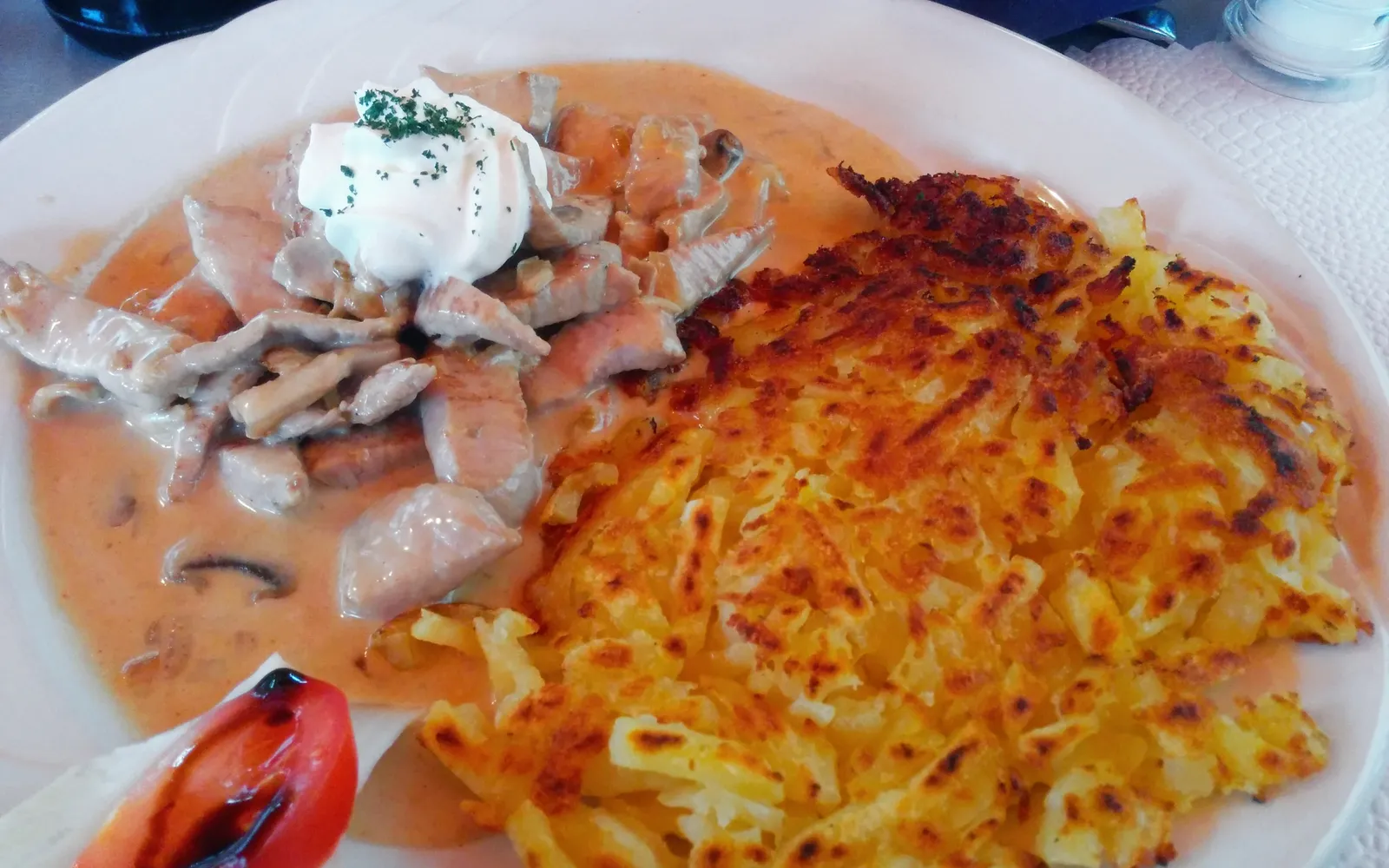
#1 Zürcher Geschnetzeltes
Zurich's signature dish — one that exists nowhere else in quite the same form. Veal (<em>Kalbfleisch</em>) is sliced into thin strips and sautéed in butter with onions, mushrooms, and veal kidney, then finished with a white-wine and lemon cream sauce. It comes with either Rösti or <em>Spätzli</em> (Swiss egg noodles). The dish appears in a Zurich cookbook as far back as 1947, though its origins are likely older. The combination of rich butter-cream sauce and tender veal is what keeps diners coming back.
- Good restaurants use genuine veal, not pork or chicken substitutes. Ask the staff before ordering if you're unsure — the price should be 35–45 CHF.
- Zeughauskeller near Paradeplatz is a historic restaurant inside a former armory, seating 200 people. Quality is consistent; reservations are recommended.
- Ask for extra sauce (Extrasosse) to pour over the Rösti — it takes the dish up another level.
 #2
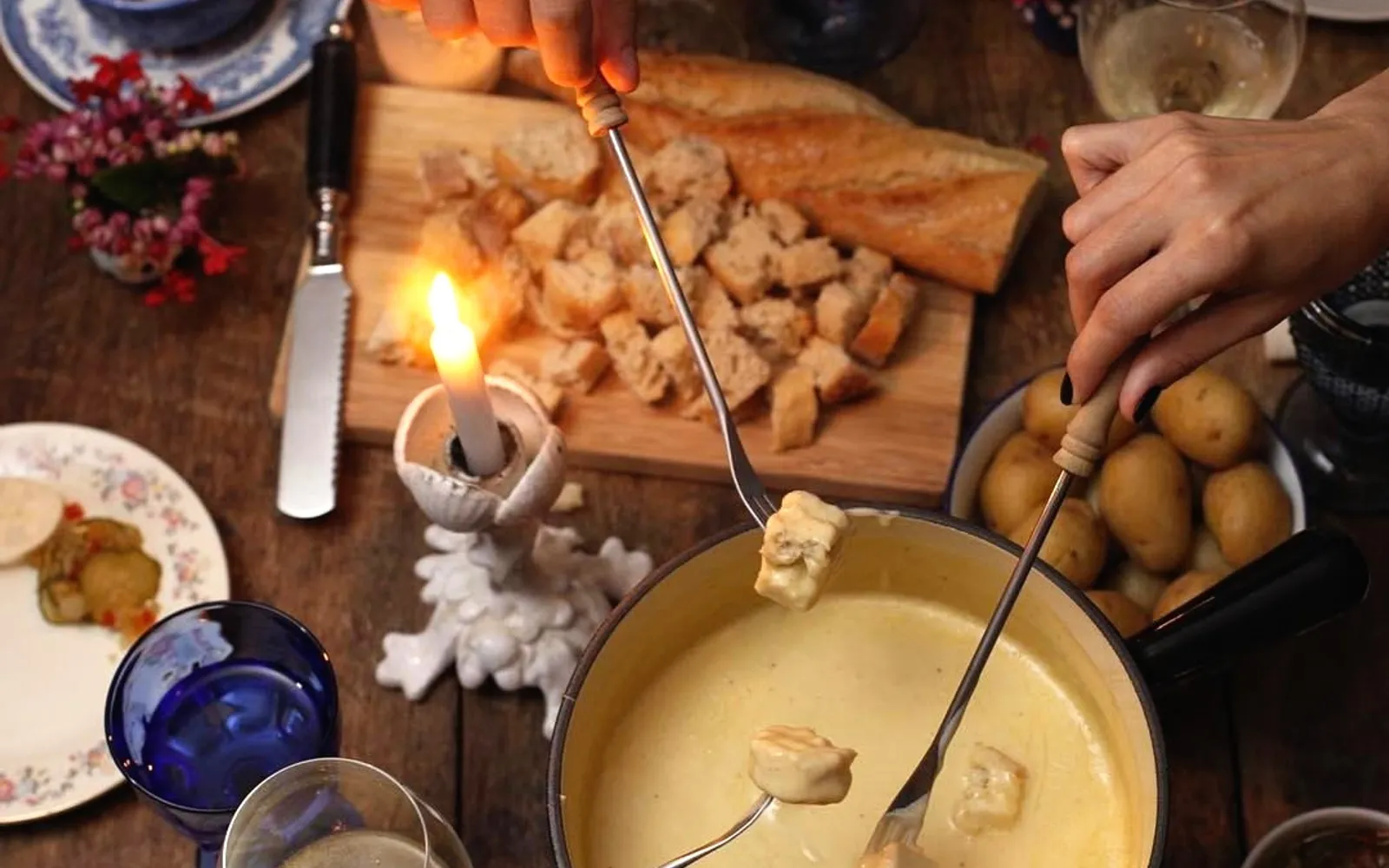
#2 Cheese Fondue
Switzerland's most iconic dish is as much a social ritual as it is a meal. Gruyère and Emmental melt together with white wine and a hint of garlic in a clay pot, and you dip torn pieces of toasted bread in with long forks and stir. The authentic Swiss version is more pungent and intensely cheesy than the export versions you may have tried elsewhere. According to Swiss tradition, if you drop your bread into the pot, you owe everyone at the table a drink.
- Drink hot tea or white wine alongside fondue — cold water is said to solidify the cheese in your stomach. Swiss people genuinely believe this.
- Fondue is a winter dish (October–April). Many restaurants don't serve it in summer — check the menu before you go.
- The best part is <em>la religieuse</em> — the crispy cheese crust that forms on the bottom of the pot. Scrape it out and eat it last.
 #3
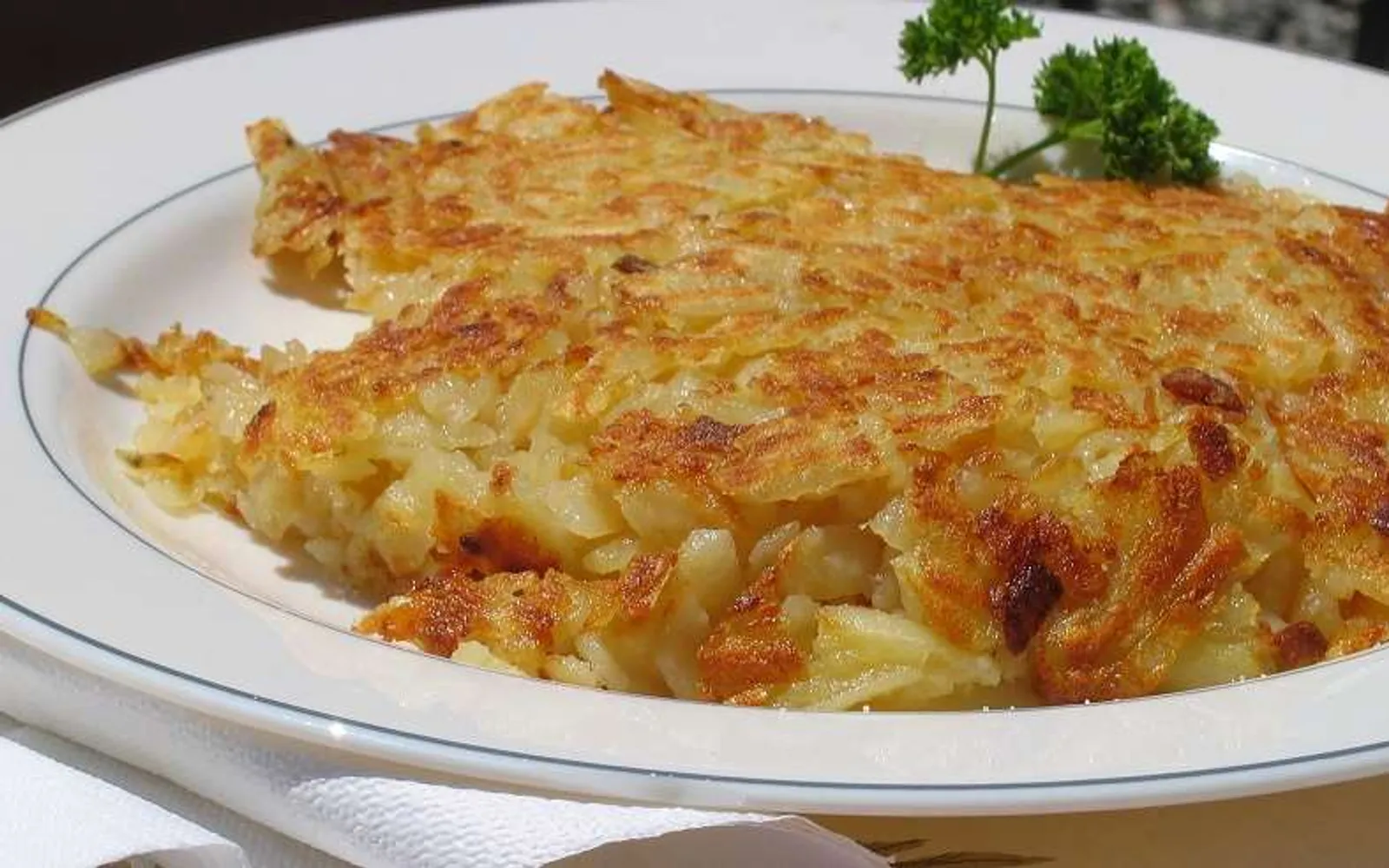
#3 Rösti
Switzerland's great potato dish looks simple but is harder to get right than it appears. Yesterday's par-boiled potatoes are grated and pressed into a thick round cake, then fried in butter until the outside is golden and crisp and the inside stays soft. Originally a farmhouse breakfast from the canton of Bern, Rösti is now the standard side for virtually every Swiss main — including, always, Zürcher Geschnetzeltes. The taste varies noticeably from restaurant to restaurant, depending on the potato variety and the quantity of butter.
- Good Rösti is made from potatoes boiled the day before — not fresh — which gives a firmer, crispier texture. Ask the restaurant which method they use.
- Ordered as a breakfast with a fried egg, bacon, and melted cheese, it's extremely popular in Zurich. Expect to pay 15–22 CHF per plate.
- Every Swiss canton has its own take: Zurich's version typically includes onion and bacon; Bern's is plainer with no additions.
 #4
#4 Raclette
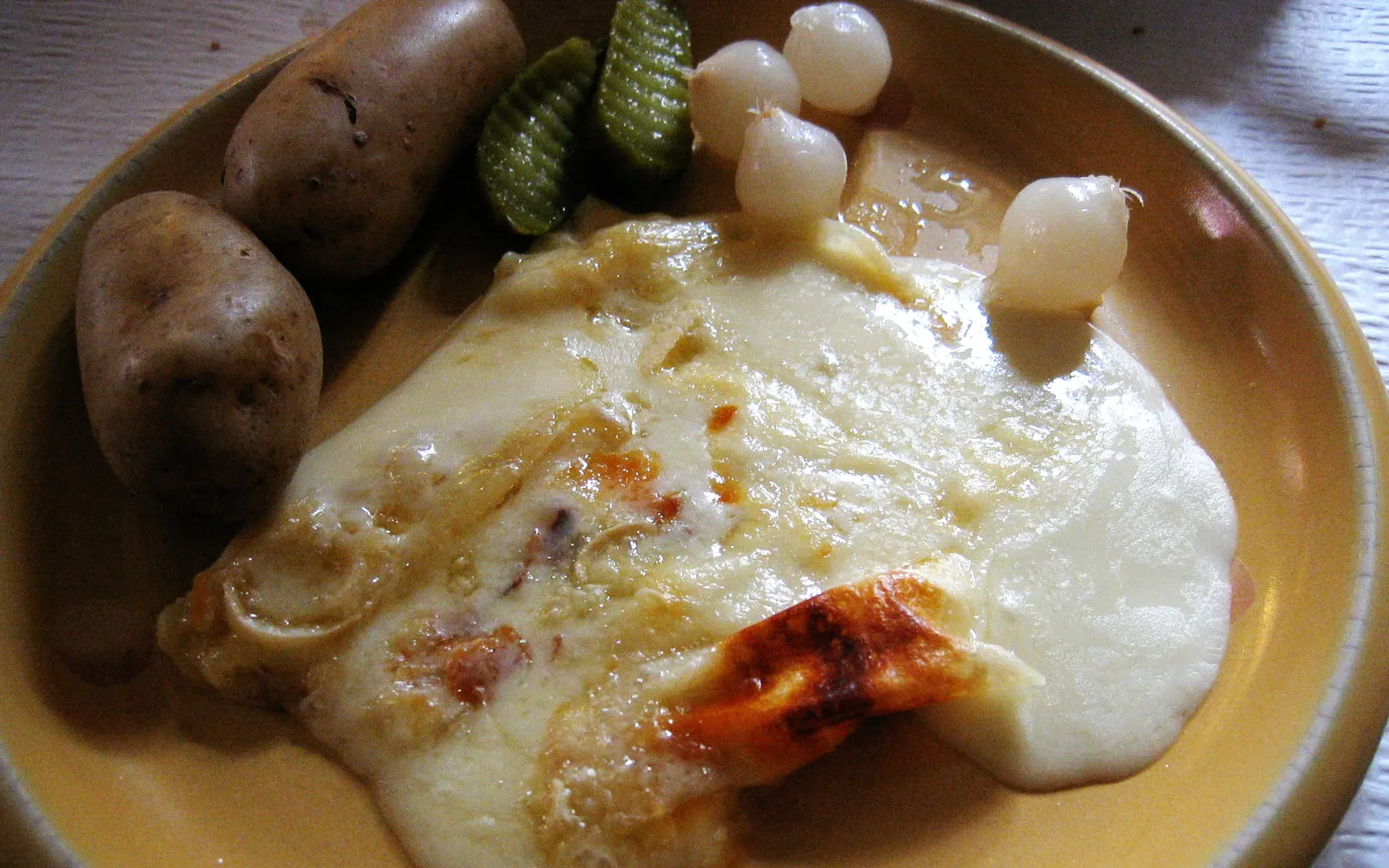
Another Swiss winter classic that warms you from the inside out. A large Raclette wheel is held face-to-flame until the surface melts, then scraped directly onto boiled jacket potatoes, served with tiny pickled onions (<em>Cornichons</em>) and pickled vegetables on the side. The name comes from the French <em>racler</em>, meaning to scrape. Shepherds in the Swiss mountains are said to have cooked this way centuries ago; today it's a dish everyone in Switzerland loves.
- The Christmas markets (Weihnachtsmarkt) at Zurich Hauptbahnhof and Bellevue have Raclette street-food stalls at reasonable prices — around 8–12 CHF per plate, significantly less than a sit-down restaurant.
- Melted Raclette has a strong smell that some people love immediately and others need to warm up to. White bread alongside helps moderate the intensity.
- In restaurants, a tabletop Raclette grill is often shared between 2–3 people so you can melt your own. Expect to pay 35–50 CHF per person.
 #5
#5 Luxemburgerli
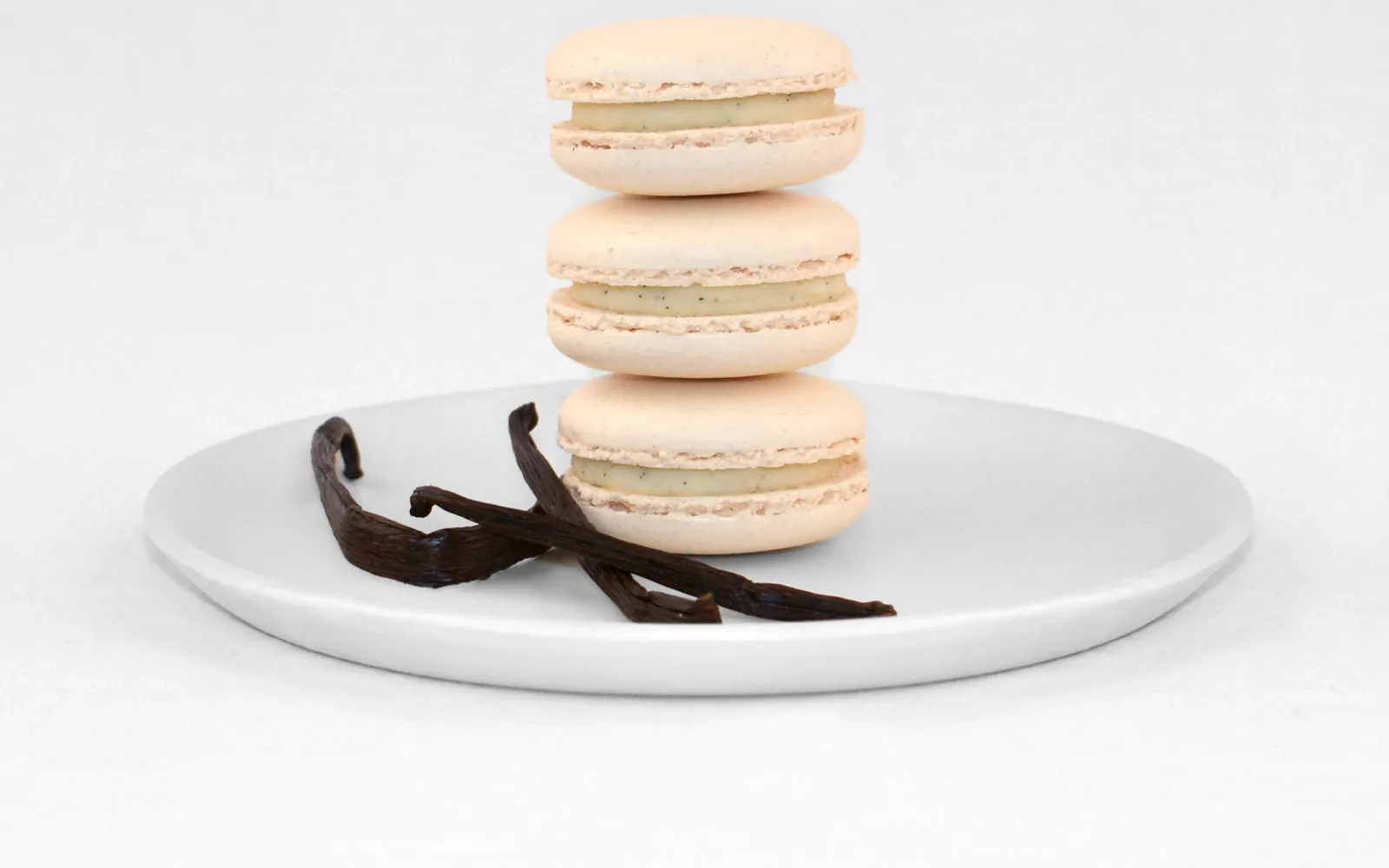
The original Swiss macaroon — and a different thing from the French Macaron. Smaller, lighter, and with a thinner shell, Luxemburgerli were first created at Confiserie Sprüngli in 1957 by Richard Sprüngli, who brought the technique back from Luxembourg. Dozens of seasonal flavors rotate through the year: vanilla, chocolate, matcha, passion fruit, and limited holiday editions. The shelf life is just 2–3 days refrigerated, which means the only way to eat them at their best is right here in Zurich.
- A box of 12 Luxemburgerli runs 18–22 CHF — the best souvenir from Zurich. Eat within 3 days and keep refrigerated. Not ideal for long-haul flights.
- The Paradeplatz branch has a café upstairs where you can sit with coffee. Classic Zurich atmosphere.
- Confiserie Sprüngli is not the same company as Lindt & Sprüngli chocolate, despite sharing part of the name. The two businesses split in 1892.
 #6
#6 Swiss Chocolate
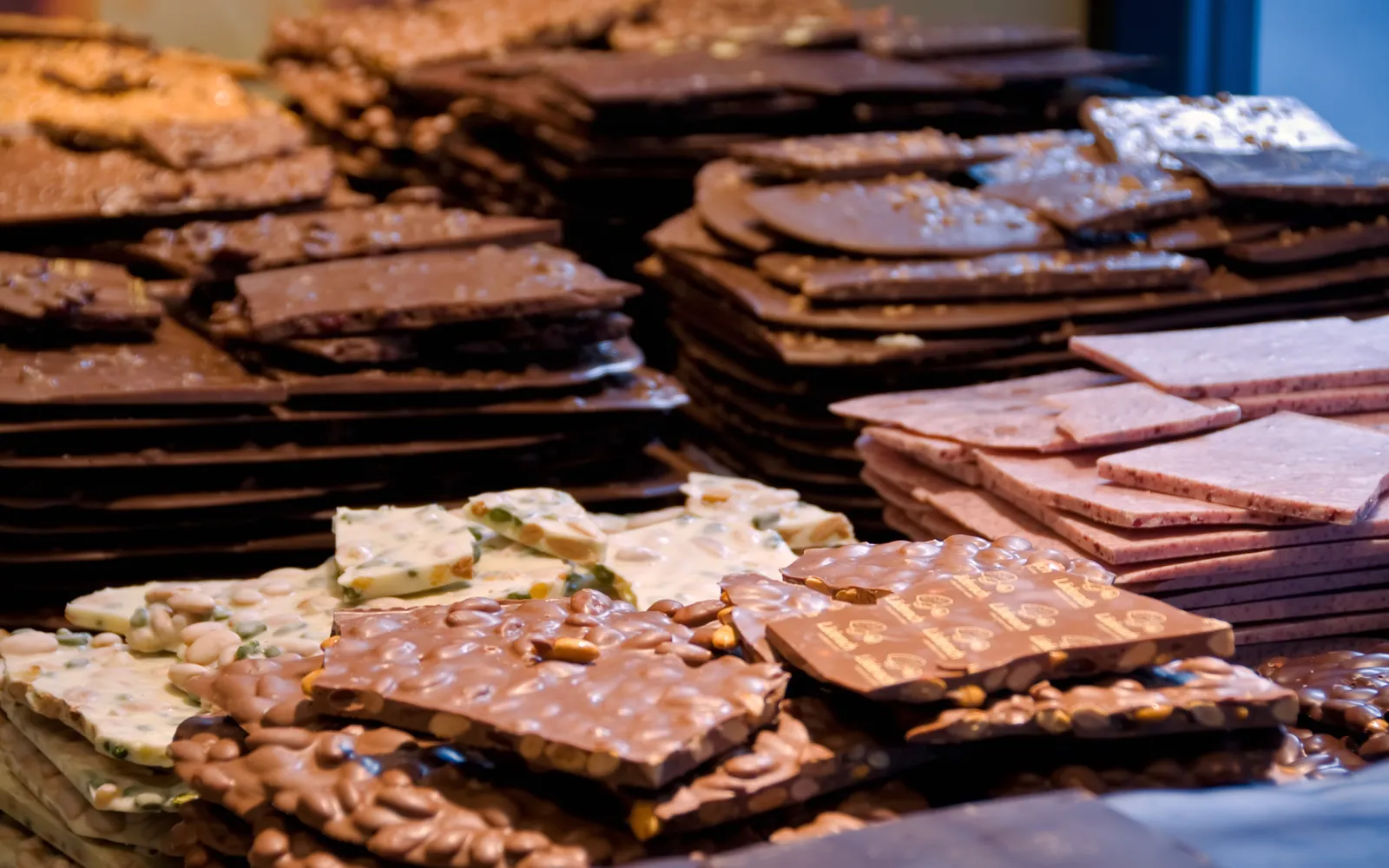
Swiss chocolate has held a reputation as the world's finest for nearly 200 years. Zurich is the birthplace of several famous chocolate companies — Lindt (founded 1845 in Zurich), Toblerone, and Camille Bloch among them. The combination of fresh Alpine milk and carefully selected cacao gives Swiss chocolate a profile distinct from anything produced elsewhere. Zurich also has dozens of high-craft bean-to-bar <em>chocolatiers</em>, including Läderach and Teuscher, as well as the Sprüngli house.
- Läderach on Bahnhofstrasse sells Freshchocolat made daily — 10–20 CHF per 100 grams. Far better than pre-packaged boxes.
- Lindt Home of Chocolate in Kilchberg (20 minutes outside central Zurich) has a full chocolate history museum and a chocolate waterfall. Admission is 15 CHF and includes generous tasting samples.
- Swiss milk chocolate (Vollmilch) is noticeably softer and creamier than dark chocolate — a good starting point if you're not used to the bitter end of the spectrum.
Where to stay in Zurich for this trip
A well-located hotel means less commuting and more sightseeing. Here are real, top-rated stays in Zurich — compare Agoda · Booking · Trip.com in one click.
Baur au Lac
Affiliate links — we may earn a commission at no extra cost to you. Details
The Dolder Grand
Affiliate links — we may earn a commission at no extra cost to you. Details
Widder Hotel
Affiliate links — we may earn a commission at no extra cost to you. Details
Park Hyatt Zurich
Affiliate links — we may earn a commission at no extra cost to you. Details
Tours, tickets & activities in Zurich
Day tours, attraction tickets and travel essentials for Zurich — book ahead on Klook with mobile e-tickets.
Affiliate links — we may earn a commission at no extra cost to you.
Before You Pack
Dining in Zurich is genuinely the most expensive in Europe — a casual lunch runs 25–40 CHF per person, a dinner at a good restaurant 60–100 CHF and up. That said, the Tuesday and Friday morning market at Bürkliplatz offers reasonably priced food and produce, and the Coop and Migros supermarket chains carry quality Swiss goods at far friendlier prices than any restaurant.