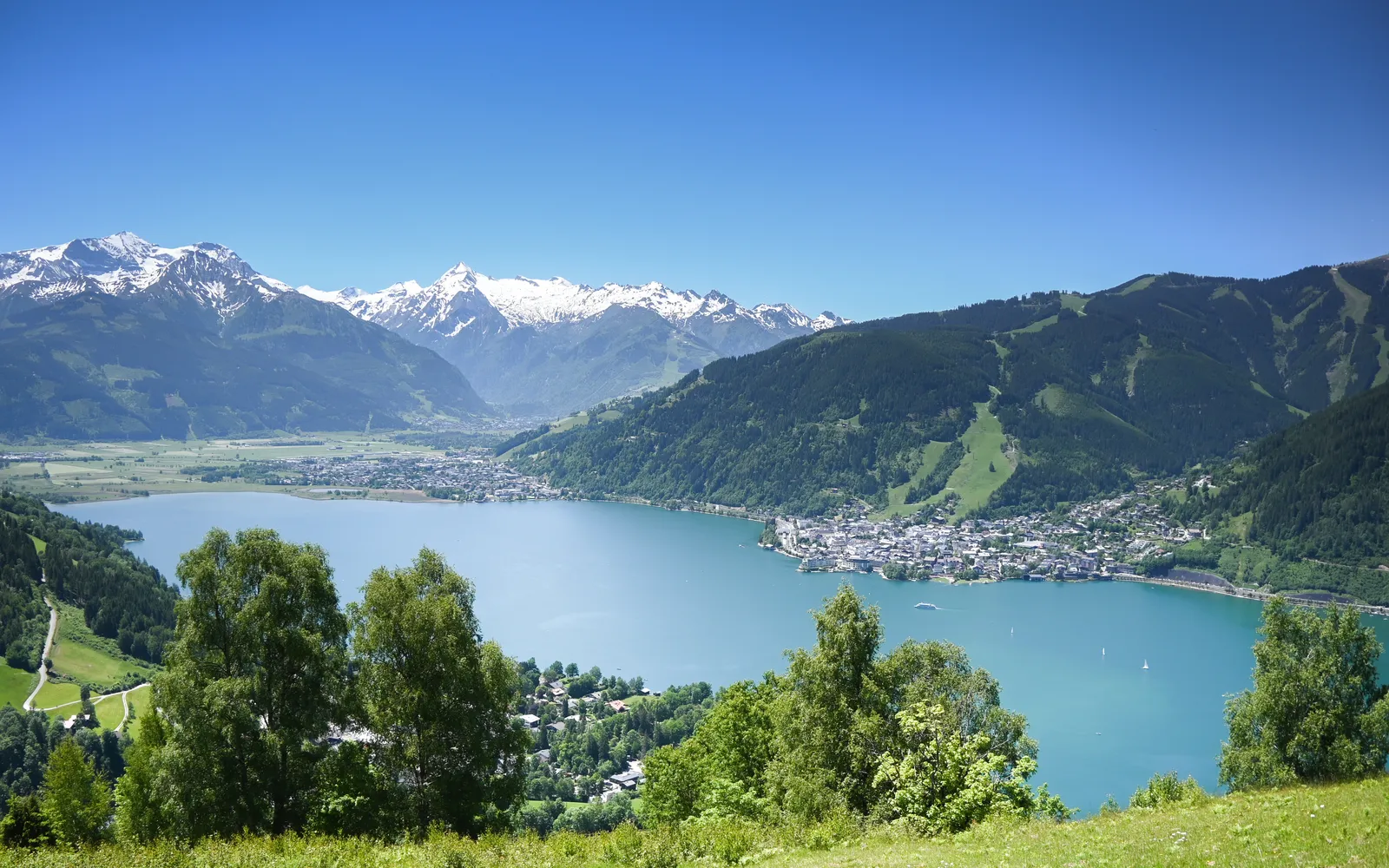
Austrian food in the Salzburg and Pinzgau region runs deeper than the schnitzel and strudel you see in photos. Kasnocken — alpine cheese noodles eaten warm after a day on the slopes — might be the most comforting thing you'll ever eat. The cooking here leans on local ingredients: cheese from the mountains, pork and beef from nearby farms, and alpine herbs you won't find anywhere else.
 #1
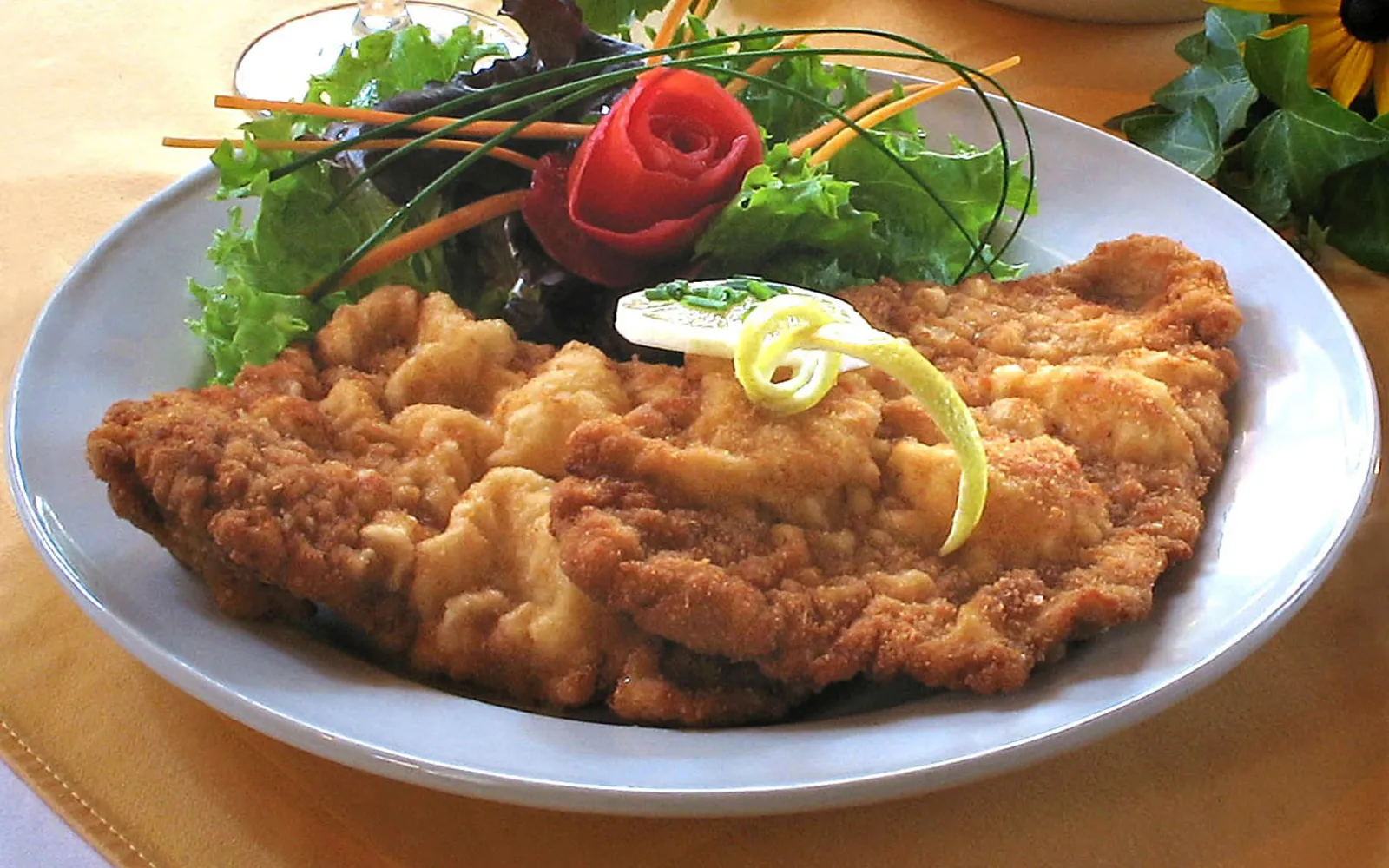
#1 Wiener Schnitzel
The most famous Austrian dish in the world, and unavoidable in Zell am See. Tender veal or pork is pounded paper-thin, coated in breadcrumbs and fried in just enough oil to turn it crisp and golden. By the rules, a true Wiener Schnitzel must use veal — the pork version is called Schnitzel Wiener Art. Good places make it bigger than the plate, served with fresh lemon and a tart-sweet cranberry sauce (Preiselbeeren) that cuts the richness beautifully.
- Order Schnitzel mit Kartoffelsalat (with potato salad) — the traditional combo locals favour over french fries.
- A good schnitzel in Zell am See runs 18-28 euros; much under 15 euros and the meat may be low quality.
- Squeeze the lemon over the schnitzel right before eating — leave it too long and the coating soaks it up and loses its crunch.
 #2
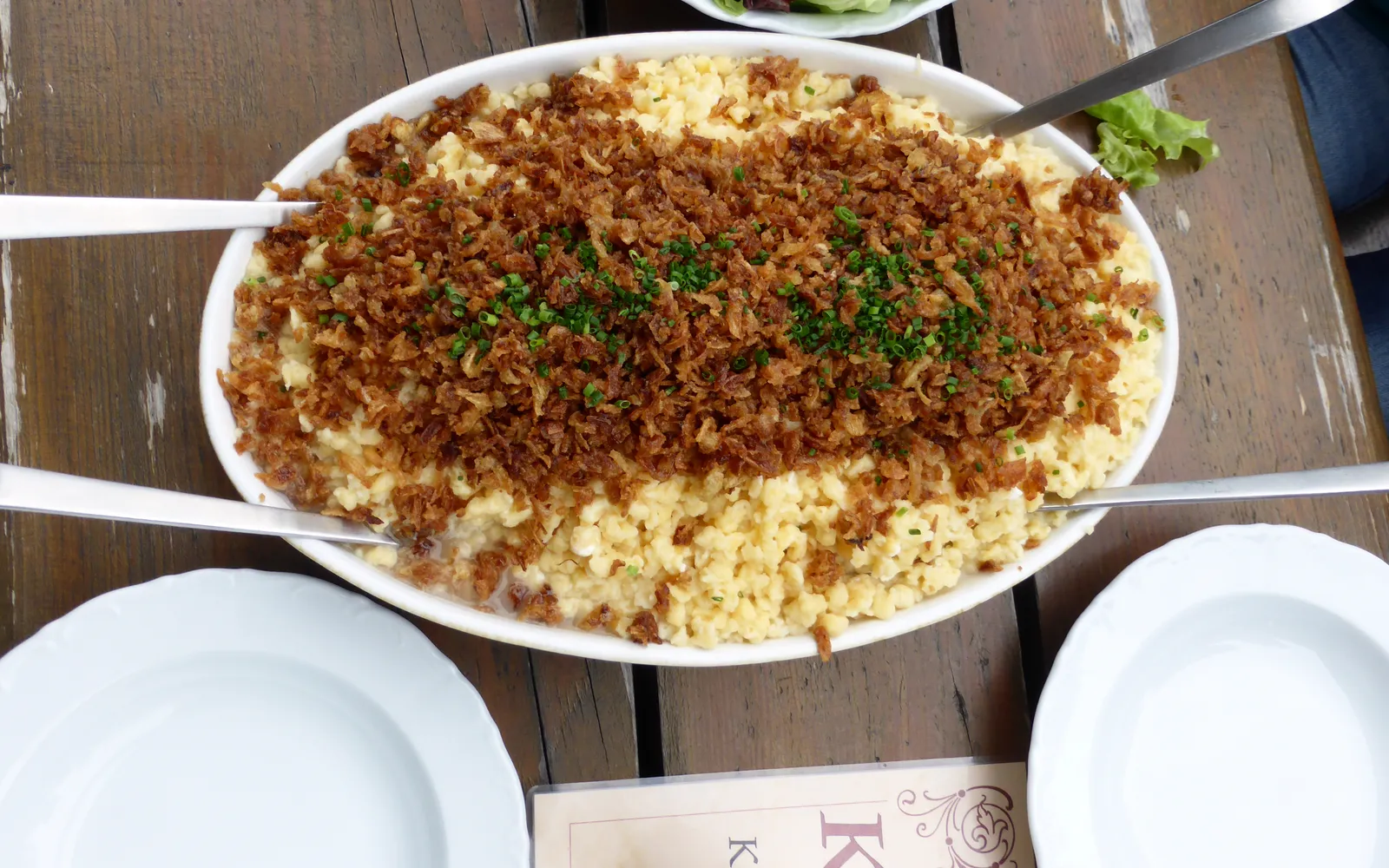
#2 Kasnocken
The signature dish of the Pinzgau region, and rarely found elsewhere. Spätzle (Austrian alpine dough noodles) are tossed with Pinzgauer Käse, a cheese made from local mountain cows, drizzled with browned butter and topped with crispy fried onions. It's served piping hot in a cast-iron pan — rich, fragrant with cheese, and packed with the kind of energy you want after a hard day on the slopes. Some places add smoked bacon or alpine wild mushrooms on top.
- Ask for Kasnocken mit Speck (with smoked bacon) — 2-3 euros more, but it takes the flavour up a level.
- Eat it the moment it arrives; the cheese firms up fast as it cools and the flavour changes.
- This dish is heavy — one plate split between two is about right if you're also ordering a steak or another main.
 #3
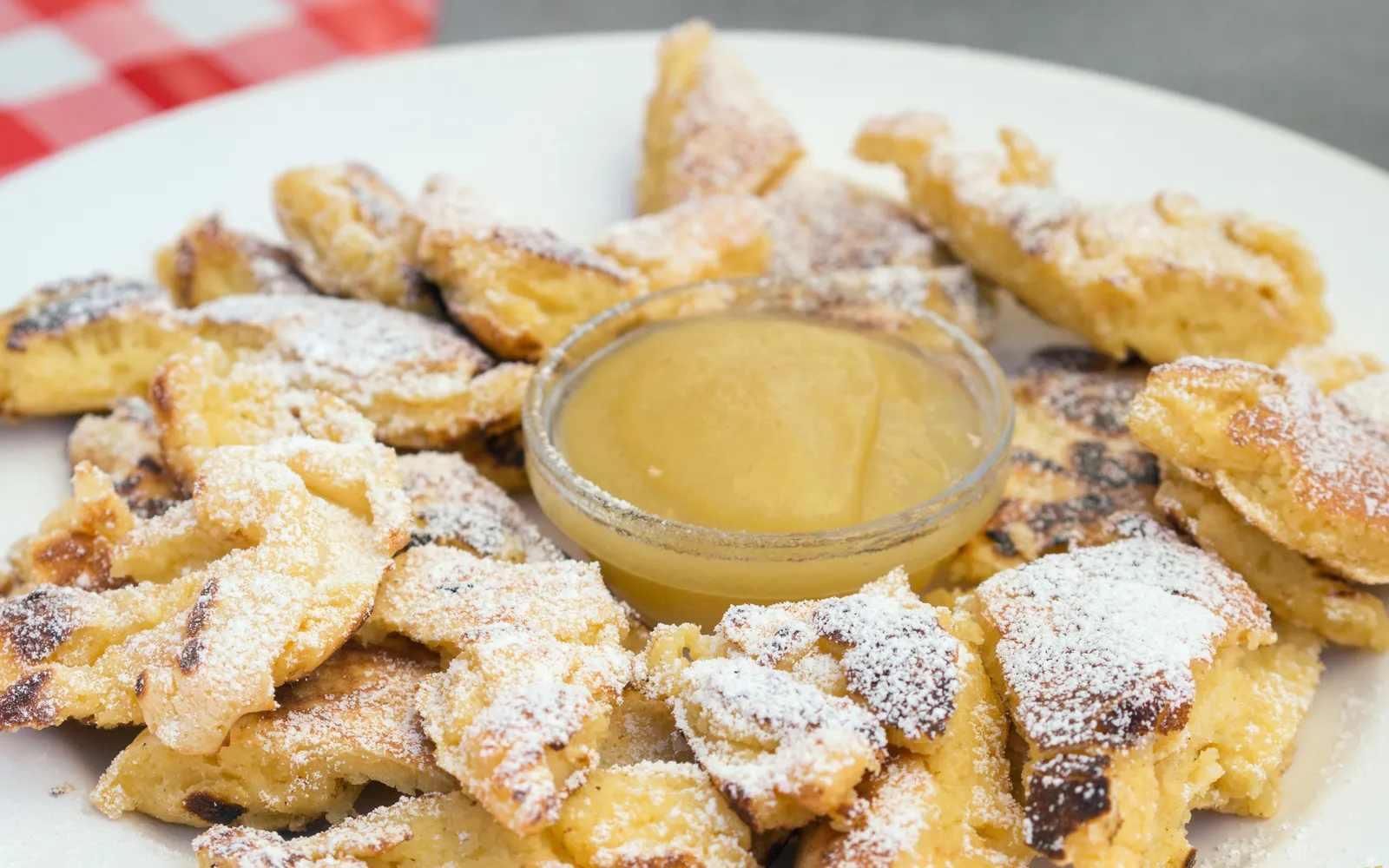
#3 Kaiserschmarrn
An Austrian dessert that Emperor Franz Joseph I loved, now a national icon. A light, fluffy pancake made from whipped egg whites, tossed with sugar and raisins, is fried in butter until golden on both sides, then torn into small, uneven pieces, dusted with powdered sugar and served hot with Zwetschkenröster (stewed plum jam) — sweet with a touch of tart. Austrians eat it both as a dessert after a meal and as a midday lunch.
- Order it as a main course, not just dessert — Austrians do this all the time.
- The huts atop Schmittenhöhe make excellent Kaiserschmarrn; eating it with the Alps in view is a quiet kind of happiness.
- If you don't like raisins, ask for it ohne Rosinen (without raisins) — any place will do it.
 #4
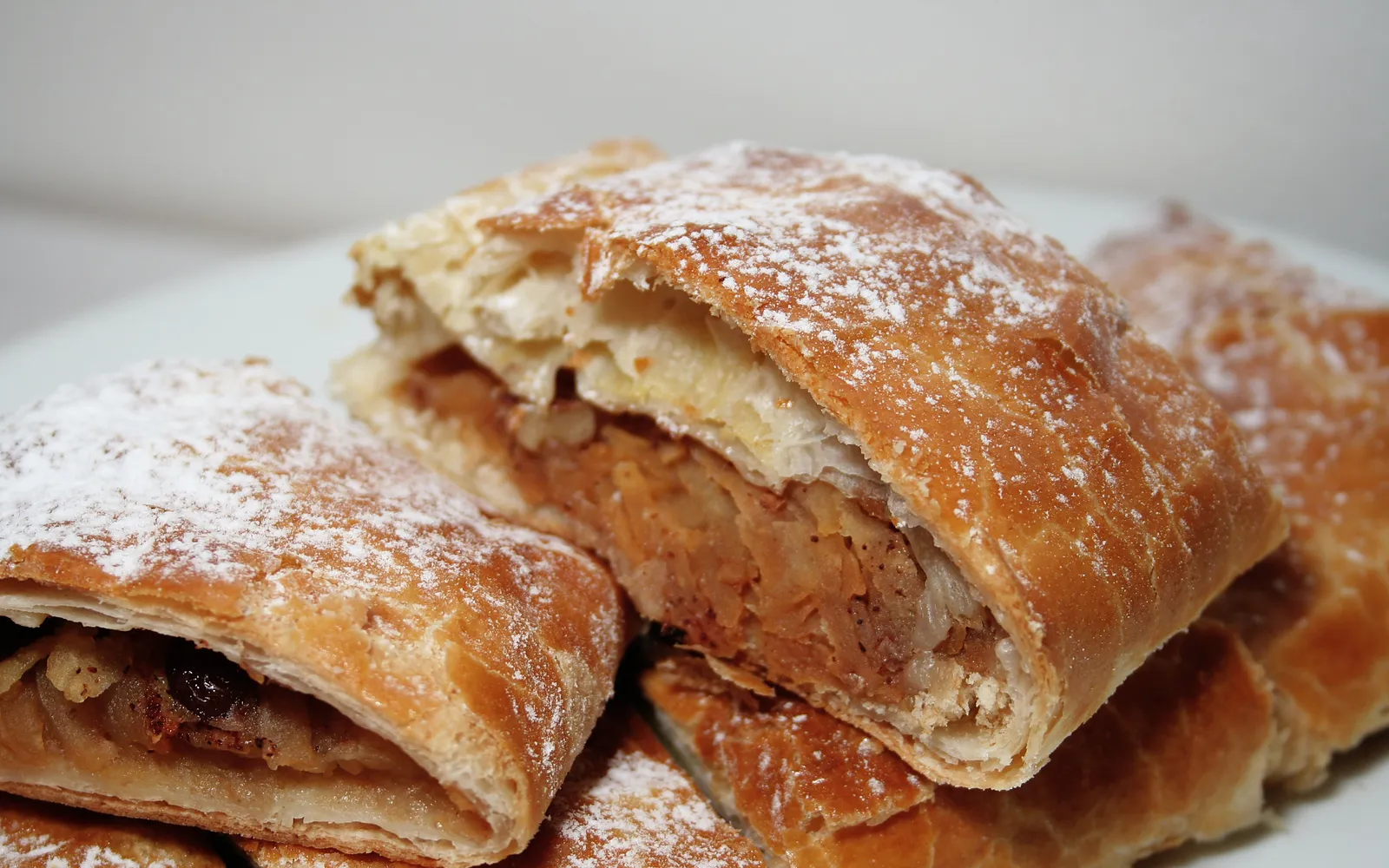
#4 Apfelstrudel
A globally famous Austrian pastry, found everywhere in Zell am See. A large sheet of dough is stretched until almost translucent, then rolled around thinly sliced apple, cinnamon, raisins and breadcrumbs, and baked until golden. The crust is thin and lightly crisp, the apple filling soft and fragrant with spice, served hot with whipped cream or vanilla ice cream. Good places make the pastry themselves (hausgemacht), which is a world apart from the ready-made kind.
- Look for the sign hausgemacht (homemade) or selbst gemacht to get strudel made fresh, not frozen and reheated.
- Order it with a Melange (the Austrian-style latte) — a perfect pairing and the heart of real Austrian coffee culture.
- Afternoons from 3 to 5 p.m. are the Austrian Jausenstunde, the snack break, when cafés are at their busiest.
 #5
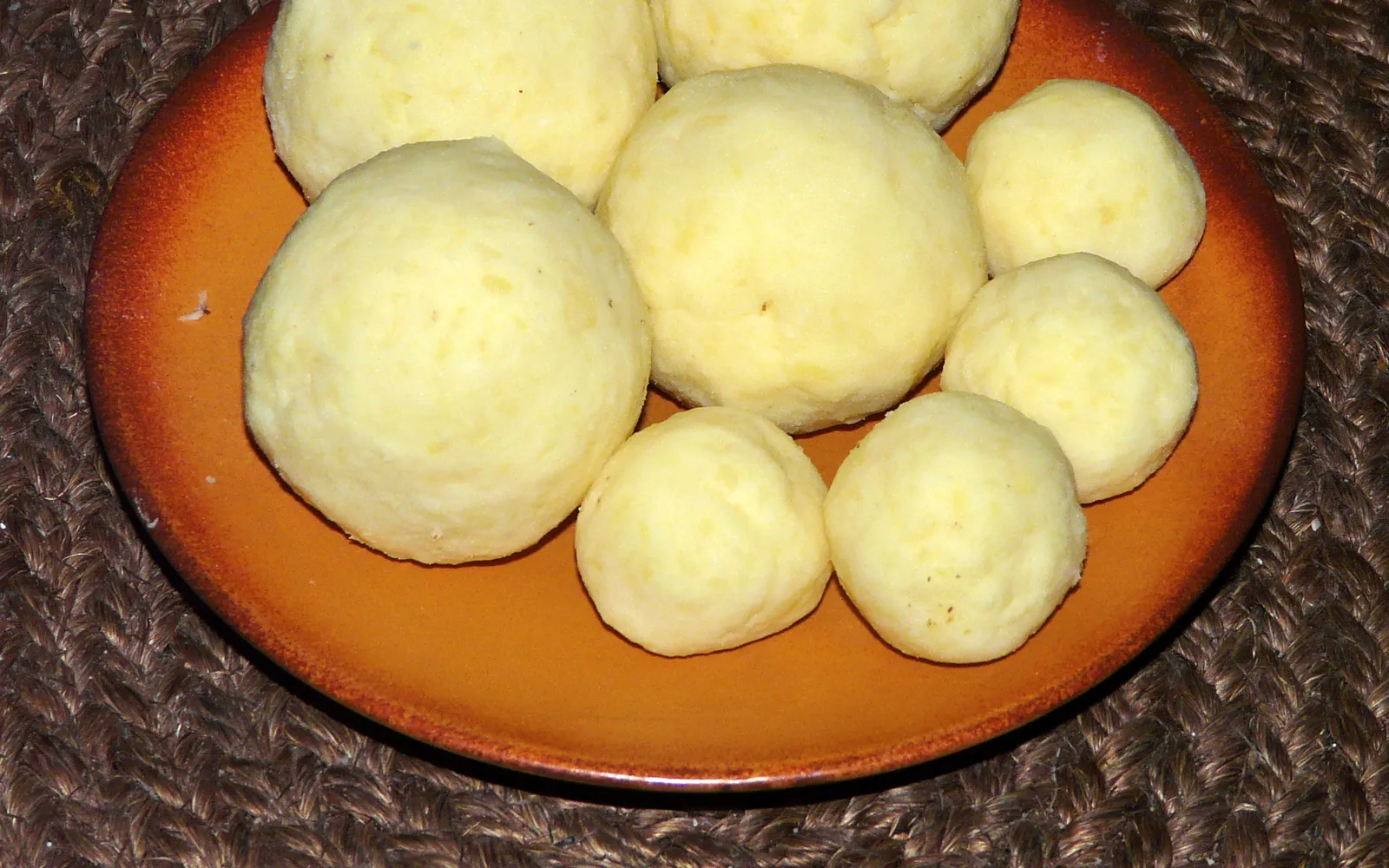
#5 Knödel
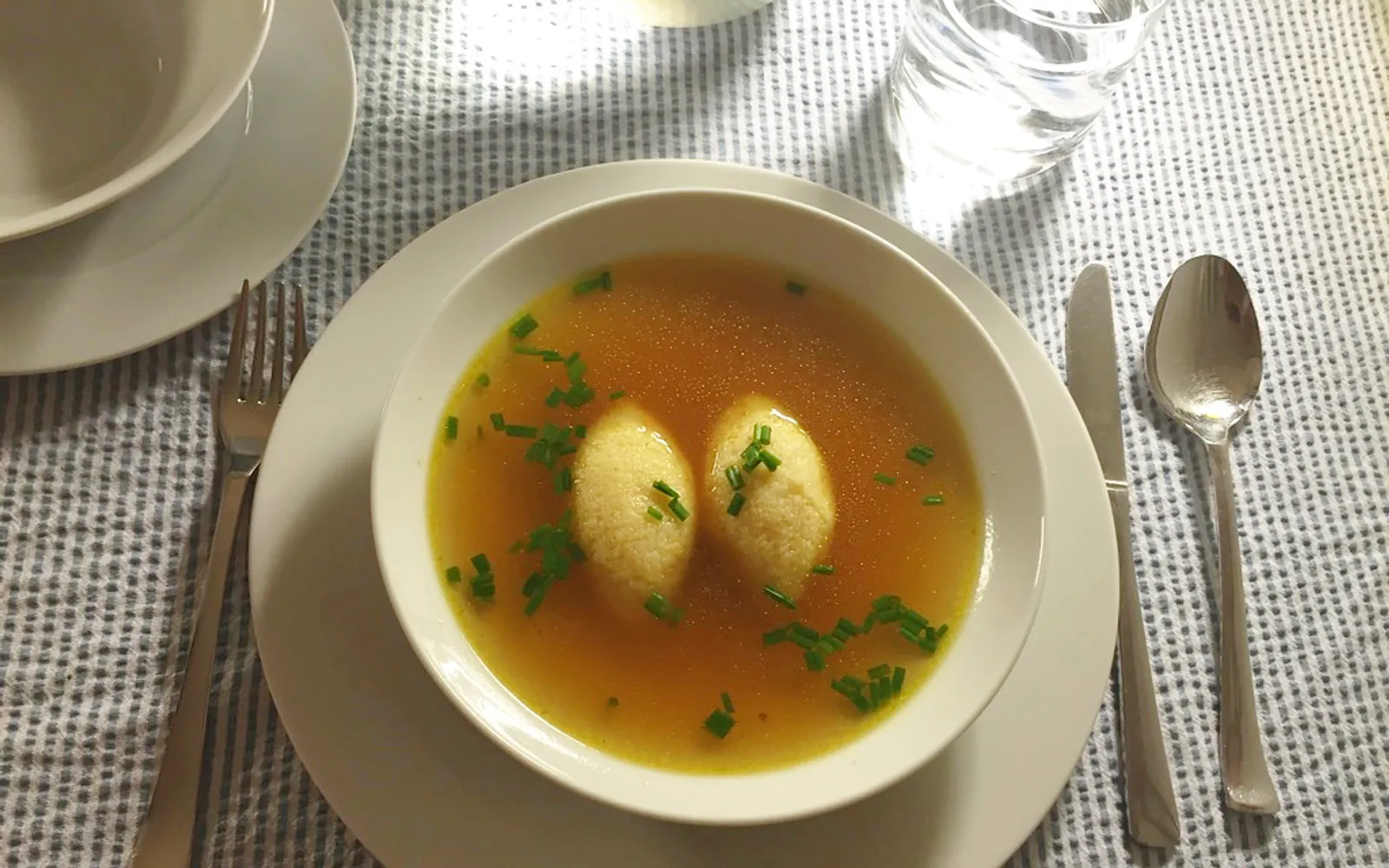
Austrian dumplings have been part of mountain meals here for hundreds of years, and they come in many forms. Semmelknödel (bread dumplings) are usually served in clear beef broth; Leberknödel (with liver) carry a deep, distinctive flavour; and Spinatknödel (with spinach) are the option for those who don't eat meat. Knödel work both as a starter in soup and as a side to beef stew or venison stew (Hirschgulasch), a winter dish very popular in the Salzburg region.
- Try the Leberknödelsuppe (liver-dumpling soup) before your main for a taste of real Austria — it sounds odd but it's delicious.
- Knödel with Sauerkraut (pickled cabbage) is the classic side for stews and meat dishes in winter.
- Many mountain huts make Knödel with venison or wild boar, the truly local versions that are harder to find in town.
 #6
#6 Pinzgauer Cheese Board
Cheese from Pinzgau cows that graze on alpine pastures in summer is one of the region's standout food traditions. Pinzgau cheese tastes different from any other because the cows eat the grasses and wild flowers that grow above 1,500 metres. It's served in thick slices on a wooden board with dark bread (Roggenbrot), fresh butter, wild jam and local pickles — an afternoon snack or light meal that captures the flavour of the Austrian mountains better than almost anything.
- The Thursday-morning farmers' market brings growers from the surrounding villages selling fresh cheese, butter and homemade yoghurt — great value.
- Almkäse (cheese made from the milk of cows up on the alm) is deeper and more fragrant than ordinary Pinzgauer; look for it at specialist cheese shops or the farmers' market.
- Pair it with an Austrian Grüner Veltliner white wine or the local Pinzgauer Bier for the full experience.
Where to stay in Zell am See for this trip
A well-located hotel means less commuting and more sightseeing. Here are real, top-rated stays in Zell am See — compare Agoda · Booking · Trip.com in one click.
Hotel Berner Zell am See
Affiliate links — we may earn a commission at no extra cost to you. Details
Superior Hotel Tirolerhof - Zell am See
Affiliate links — we may earn a commission at no extra cost to you. Details
Grand Hotel Zell am See
Affiliate links — we may earn a commission at no extra cost to you. Details
Sportresort Alpenblick
Affiliate links — we may earn a commission at no extra cost to you. Details
Tours, tickets & activities in Zell am See
Day tours, attraction tickets and travel essentials for Zell am See — book ahead on Klook with mobile e-tickets.
Affiliate links — we may earn a commission at no extra cost to you.
Before You Pack
The best restaurants in Zell am See are often the mid-mountain huts or the old places that barely advertise. If you spot a sign reading Heuriger or Gasthaus, that's your cue that real local food is waiting for you.