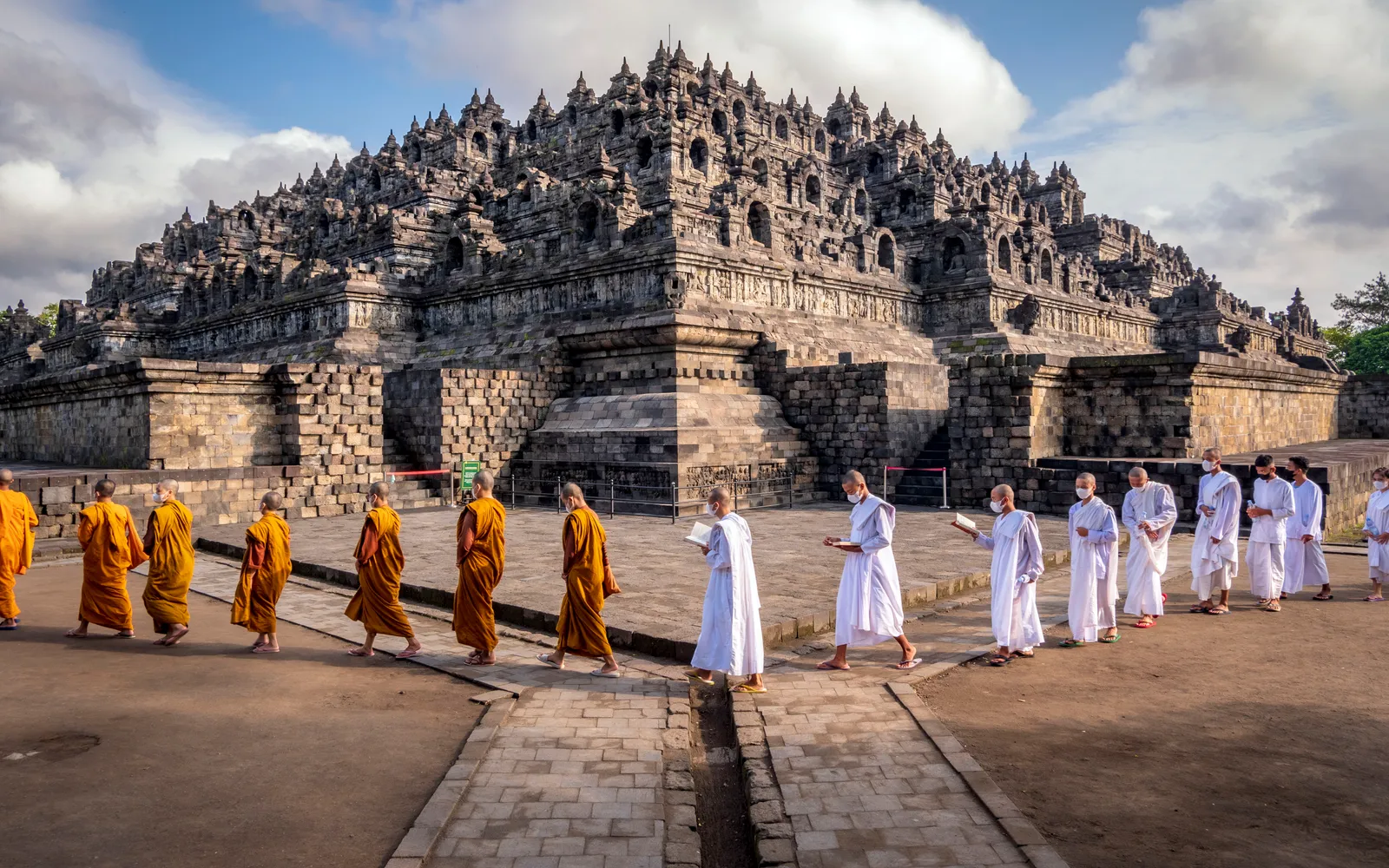
Yogyakarta — or Jogja, as locals call it — is the cultural heart of Java, a city where the line between ancient civilisation and modern life stays sharp. Borobudur and Prambanan stand as proof of the Javanese kingdoms' former scale, while a network of caves, beaches, and an active volcano surrounds the city with genuine adventure. Whether you come for history, art, or nature, Jogja doesn't disappoint.
 #1
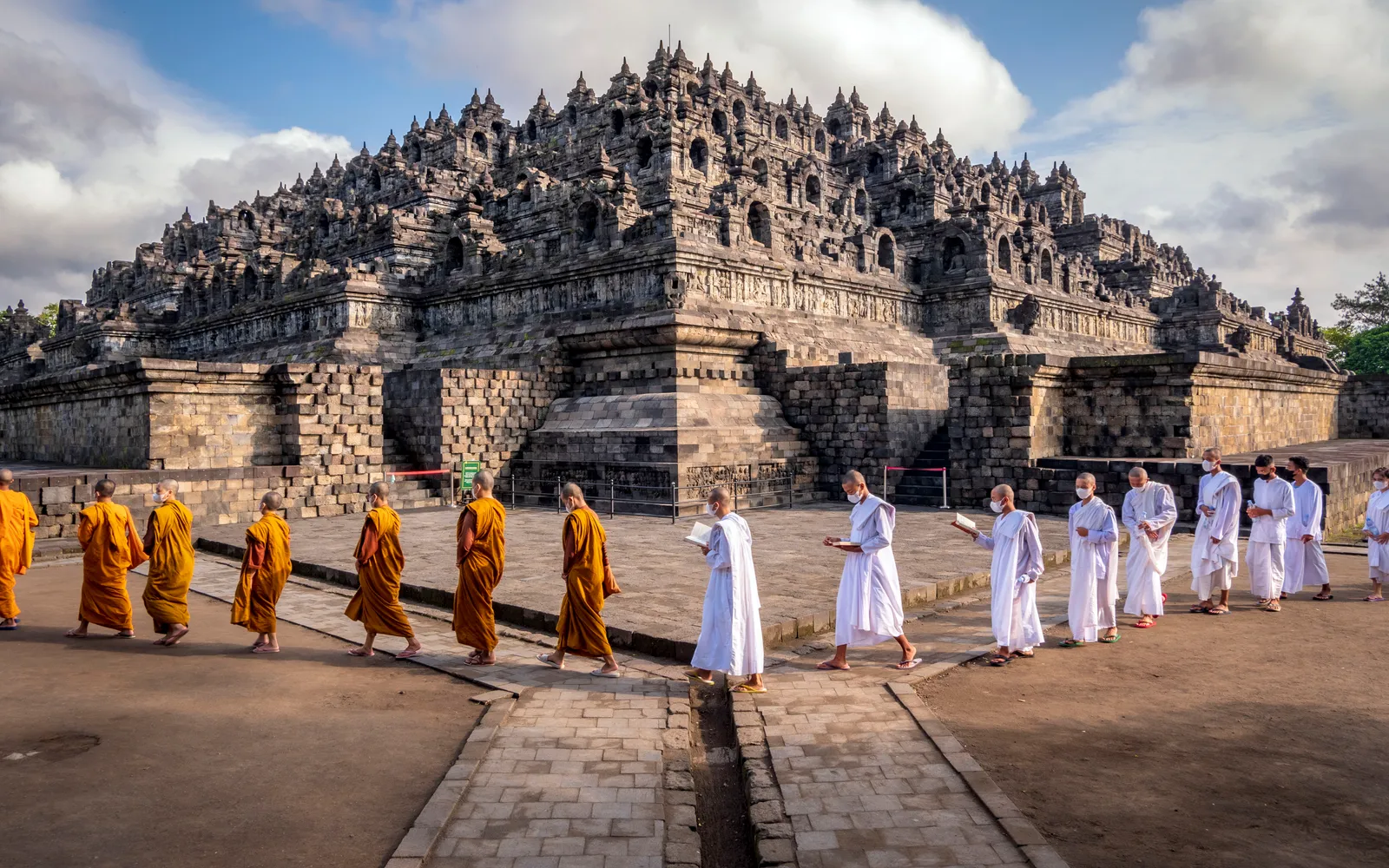
#1 Borobudur
The largest Buddhist temple in the world, built around the 9th century by the Sailendra dynasty. The structure rises across 6 square terraces and 3 circular platforms, decorated with <strong>2,672 relief panels</strong> and originally holding <strong>504 Buddha statues</strong>. It earned UNESCO World Heritage status in <strong>1991</strong> and holds a Guinness record as the world's largest Buddhist temple.
- Go at sunrise (05:30) for the best light and thinner crowds.
- Buy tickets online in advance — IDR 455,000 (around USD 28) — to skip the queue.
- Dress modestly and wear the provided sarong wrap before entering the temple.
 #2
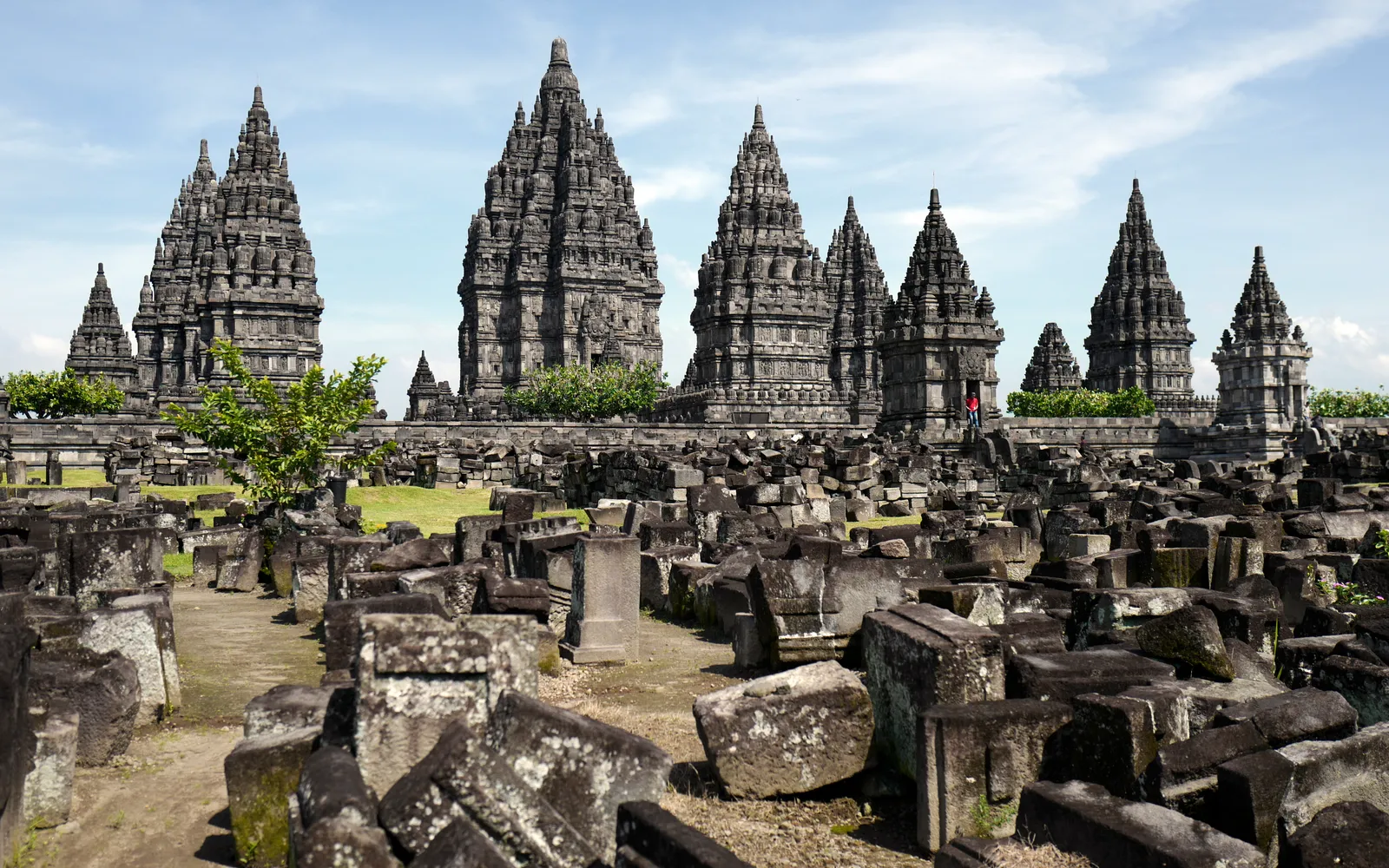
#2 Prambanan
The largest Hindu temple complex in Southeast Asia, built in the <strong>9th century</strong> and dedicated to the Trimurti. The compound originally held more than <strong>240 temples</strong> and, like Borobudur, carries UNESCO World Heritage status. Every evening an open-air Ramayana ballet plays out with the Prambanan towers as the backdrop.
- Catch the evening Ramayana performance (Thursday–Saturday) — it's genuinely memorable.
- Buy a combo ticket with Borobudur for IDR 750,000 — better value than buying separately.
- Wear comfortable shoes; the compound involves a fair amount of walking between shrines.
 #3
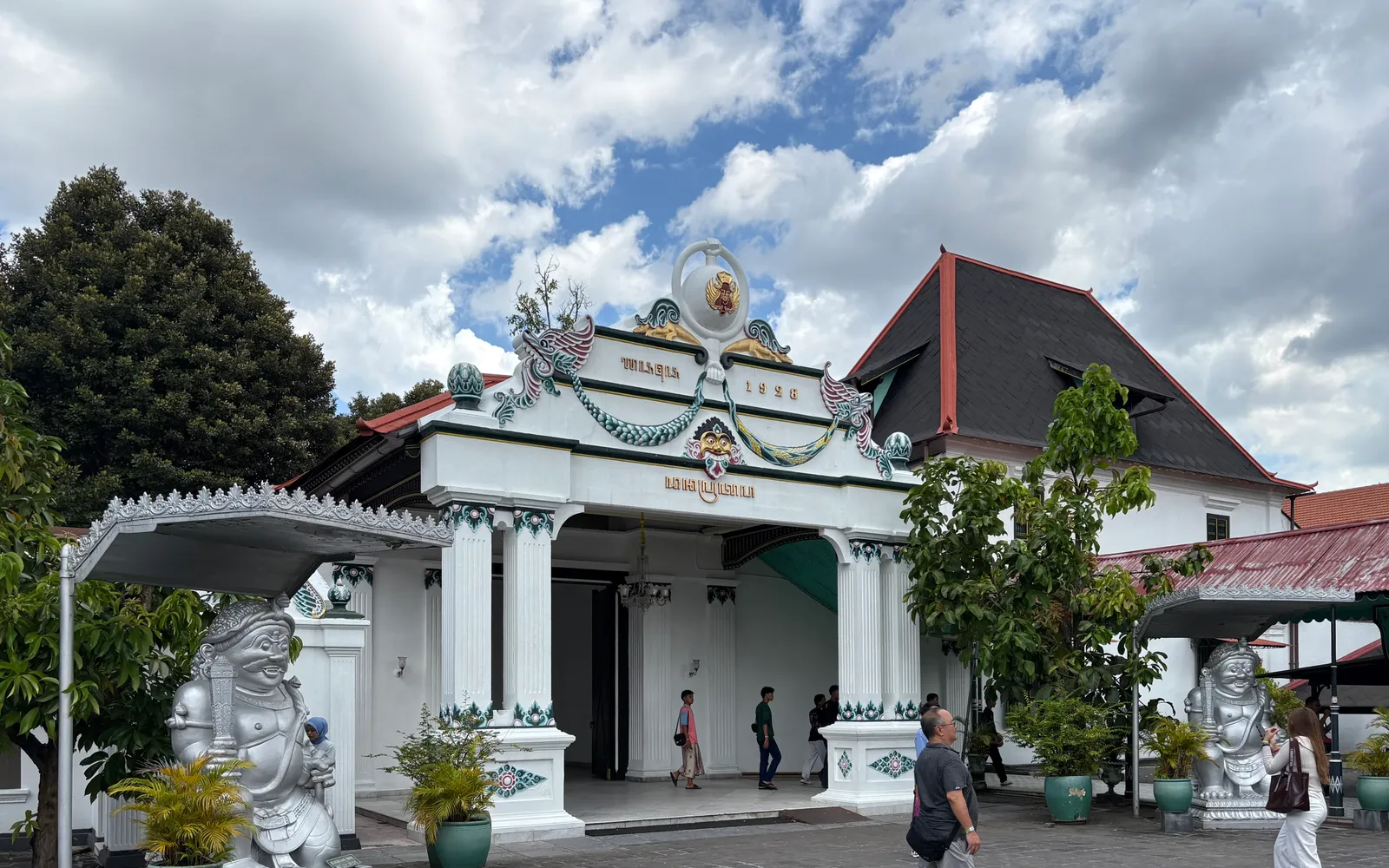
#3 Kraton Sultan Palace
The seat of the Ngayogyakarta Hadiningrat Sultanate, founded by Sultan Hamengkubuwono I in <strong>1755</strong> and covering more than <strong>14,000 square metres</strong>. The reigning sultan still lives here and serves simultaneously as governor of the province. Parts of the palace are open to the public, with galleries of Javanese art and regular traditional music performances.
- Attend the gamelan music and Javanese dance performances held every Tuesday, Wednesday, and Thursday.
- Dress modestly — no shorts or bare shoulders in the sacred areas.
- Hire a guide to get the full historical context; the space is easy to underread without one.
 #4
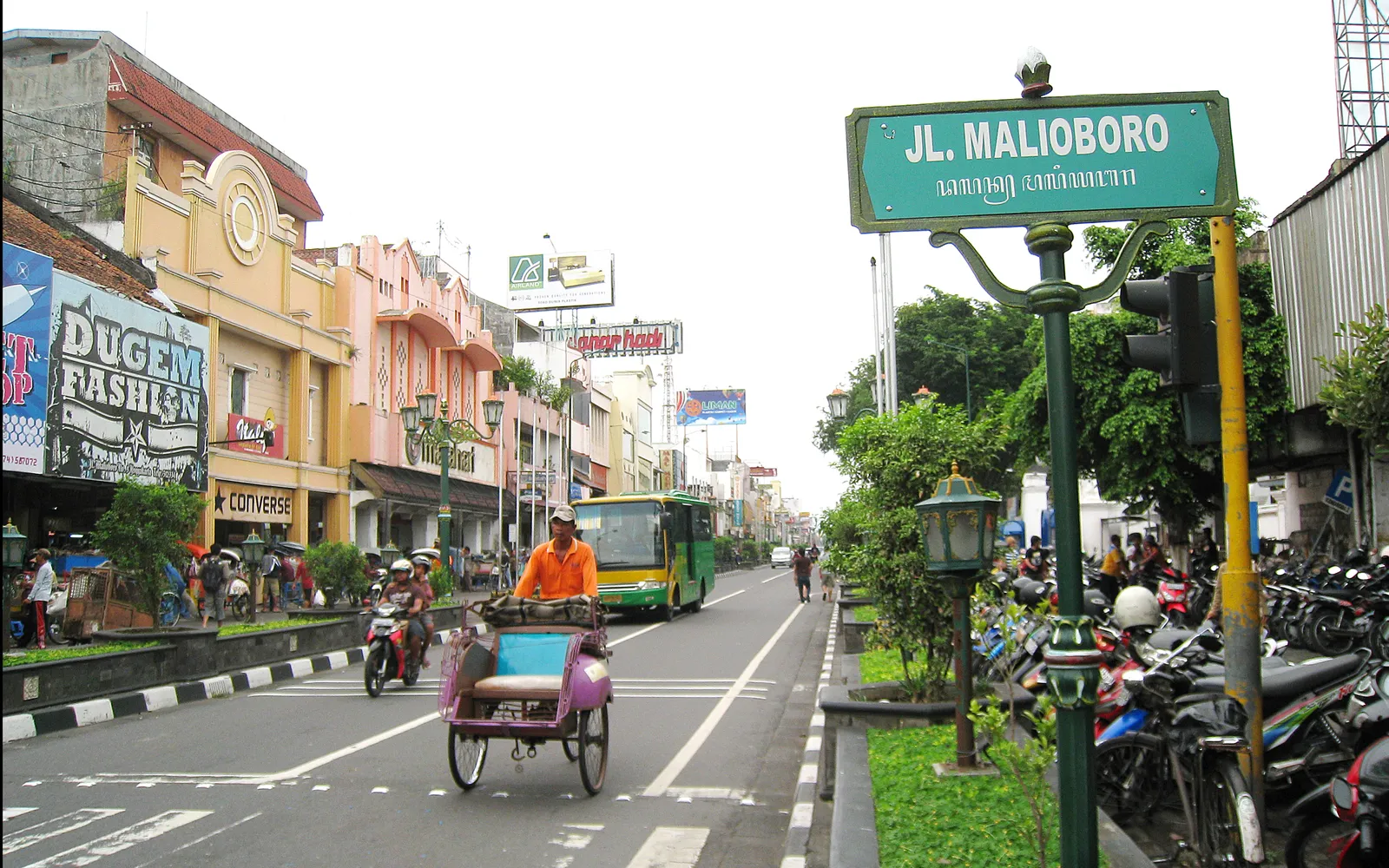
#4 Malioboro Street
Jogja's main cultural artery, running from the Tugu Monument down to Kraton Palace. The street opens to pedestrians at night and fills with stalls selling batik cloth, silverwork, handicrafts, and street food. Every budget and pace works here.
- Bargain freely at street stalls and market stands — opening prices are typically inflated.
- For quality batik, shop inside established stores like Hamzah Batik or Mirota Batik.
- Come after dark to catch the night market atmosphere and try nasi goreng and Javanese sweets from the roadside stalls.
 #5
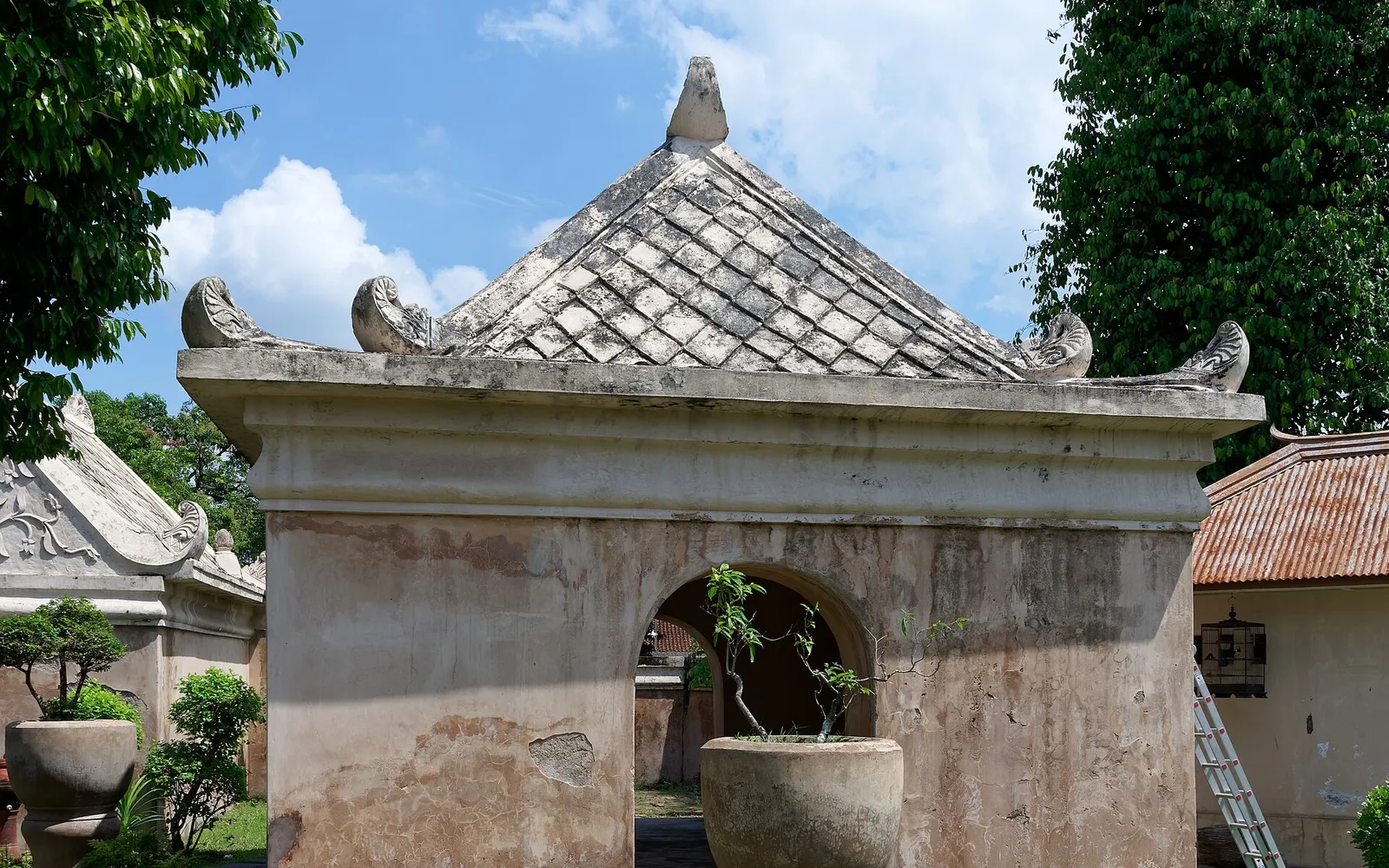
#5 Taman Sari Water Castle
A royal pleasure garden built in <strong>1758</strong> by Sultan Hamengkubuwono I, once used as a private retreat and bathing complex for the sultan and his consorts. The still-beautiful ruins include bathing pools, water channels, an underground mosque, and a water tower — a distinctive blend of Javanese, Baroque, and Portuguese architectural styles.
- Explore the labyrinthine alleyways around the complex, full of wall art and community batik shops.
- The underground Sumur Gumuling mosque requires passing through a cave and climbing stairs — dress modestly and watch your step.
- Cover knees and shoulders out of respect for the site.
 #6
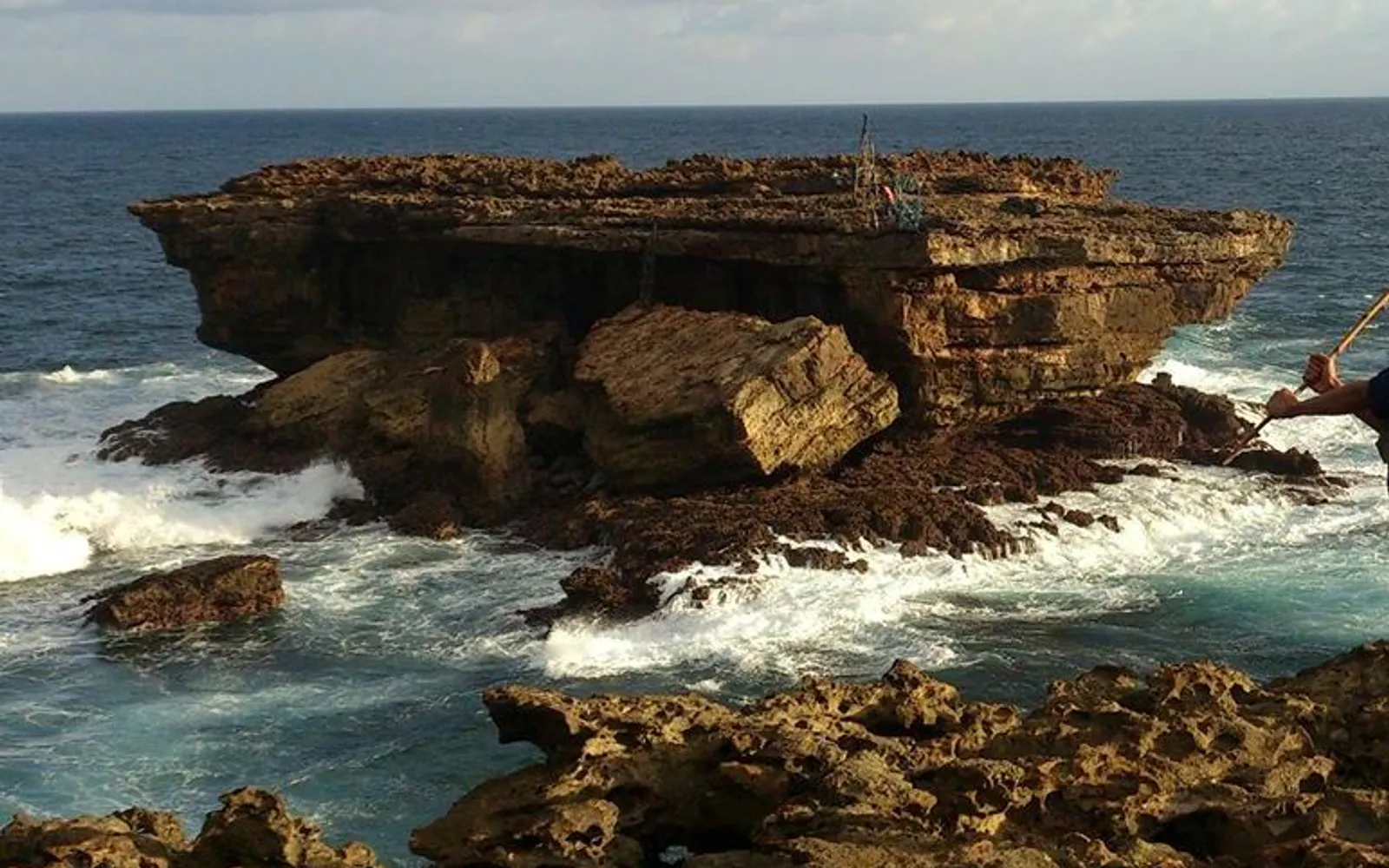
#6 Timang Beach
An adventure-oriented beach tucked in the Gunungkidul district, famous for the traditional gondola that local fishermen use to cross to an offshore rock to catch spiny lobster. Visitors can ride this gondola for a genuinely thrilling experience above the crashing waves. The clifftop scenery is also excellent for photography.
- The traditional gondola (IDR 100,000–150,000) is the thrill version — if heights bother you, take the electric gondola instead.
- Some stretches of road are rough; rent a motorbike or 4WD vehicle.
- Bring food and water — shops on site are limited.
 #7
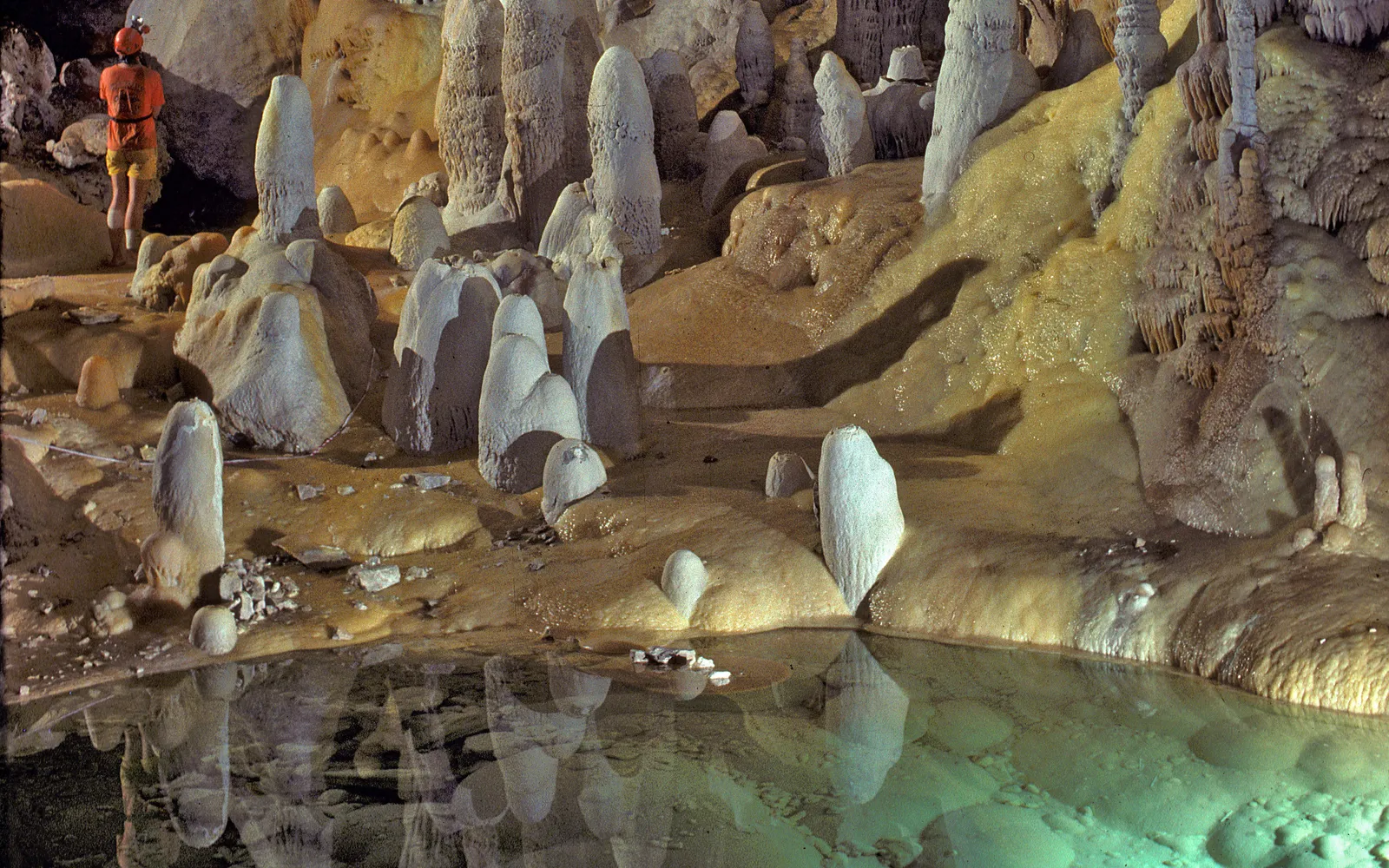
#7 Jomblang Cave
An ancient sinkhole cave famous for its <strong>'heavenly light'</strong> — a natural shaft of sunlight that falls through the opening above and hits the cave floor between roughly <strong>10:00 and 13:00</strong>. The visit involves rappelling more than <strong>60 metres</strong> down into the cave, then walking through fossil forest and ancient vegetation to reach the main chamber where the light appears.
- Entry is capped at 150 visitors per day — always book ahead through the official website or a tour agent.
- Wear clothes you don't mind getting dirty and flat non-slip shoes.
- The light shaft appears most clearly between 10:00 and 12:00 in the dry season; it may be less distinct during the wet months.
 #8
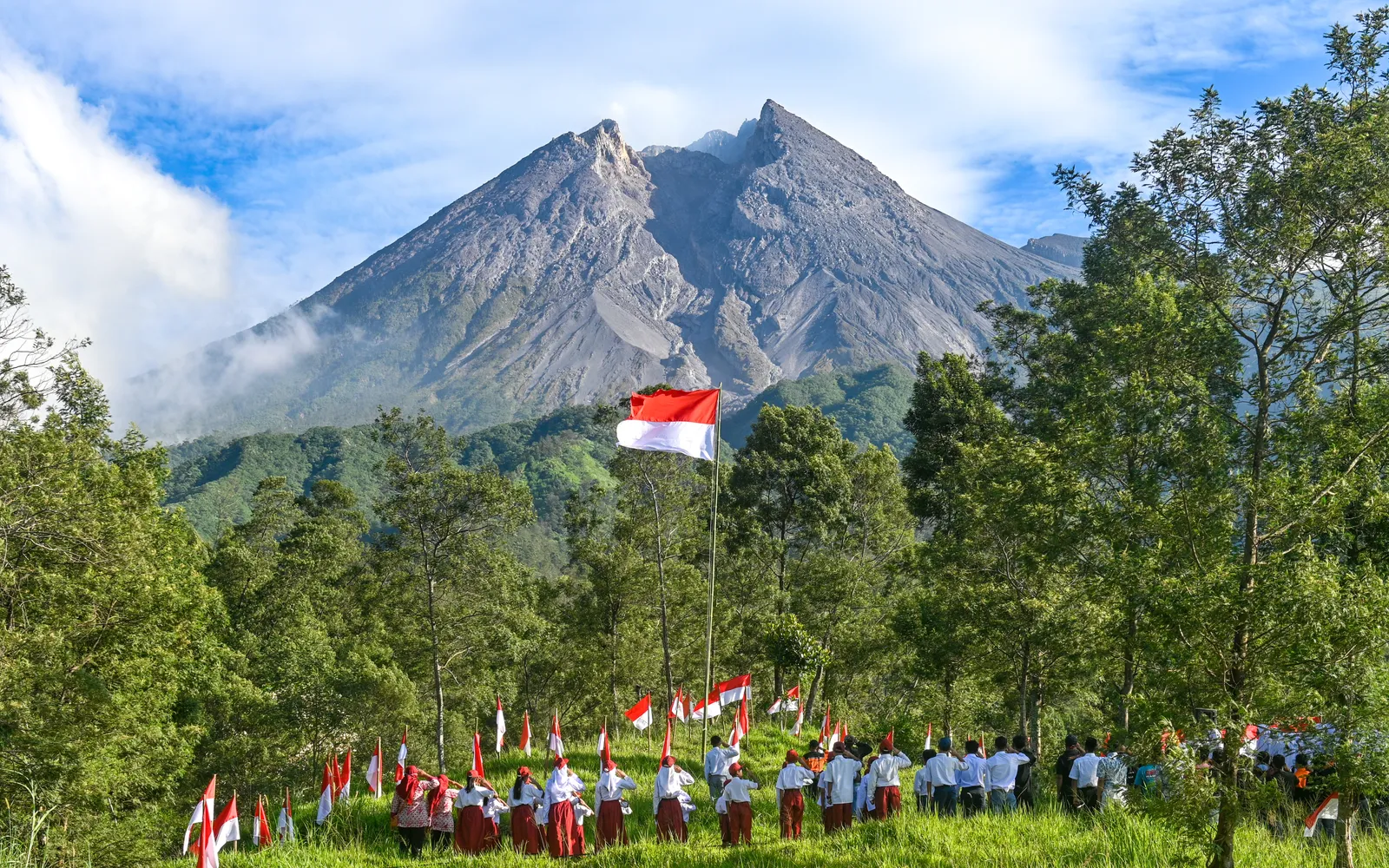
#8 Mount Merapi
One of the most active volcanoes in the world. Its last major eruption in <strong>2010</strong> destroyed several villages. Visitors can tour the Merapi Museum, explore villages buried under lava on a <strong>4WD jeep tour</strong>, or hike to the summit at dawn for sunrise and a sea of clouds.
- Lava Tour jeeps depart at 04:00–05:00 to catch sunrise on the mountain.
- Always check current volcanic activity levels at bpptkg.esdm.go.id before you go.
- Do not approach the crater — follow your guide's instructions and all official advisories.
Where to stay in Yogyakarta for this trip
A well-located hotel means less commuting and more sightseeing. Here are real, top-rated stays in Yogyakarta — compare Agoda · Booking · Trip.com in one click.
Amanjiwo
Affiliate links — we may earn a commission at no extra cost to you. Details
Grand Hotel De Djokja (อดีตชื่อ Grand Inna Malioboro)
Affiliate links — we may earn a commission at no extra cost to you. Details
Hotel Tentrem Yogyakarta
Affiliate links — we may earn a commission at no extra cost to you. Details
Royal Ambarrukmo Yogyakarta
Affiliate links — we may earn a commission at no extra cost to you. Details
Tours, tickets & activities in Yogyakarta
Day tours, attraction tickets and travel essentials for Yogyakarta — book ahead on Klook with mobile e-tickets.
Affiliate links — we may earn a commission at no extra cost to you.
Before You Pack
Yogyakarta rewards longer stays — the more time you spend, the more layers you find. Plan for 4–5 days to take in the ancient temples, natural landscapes, and living Javanese culture without rushing.