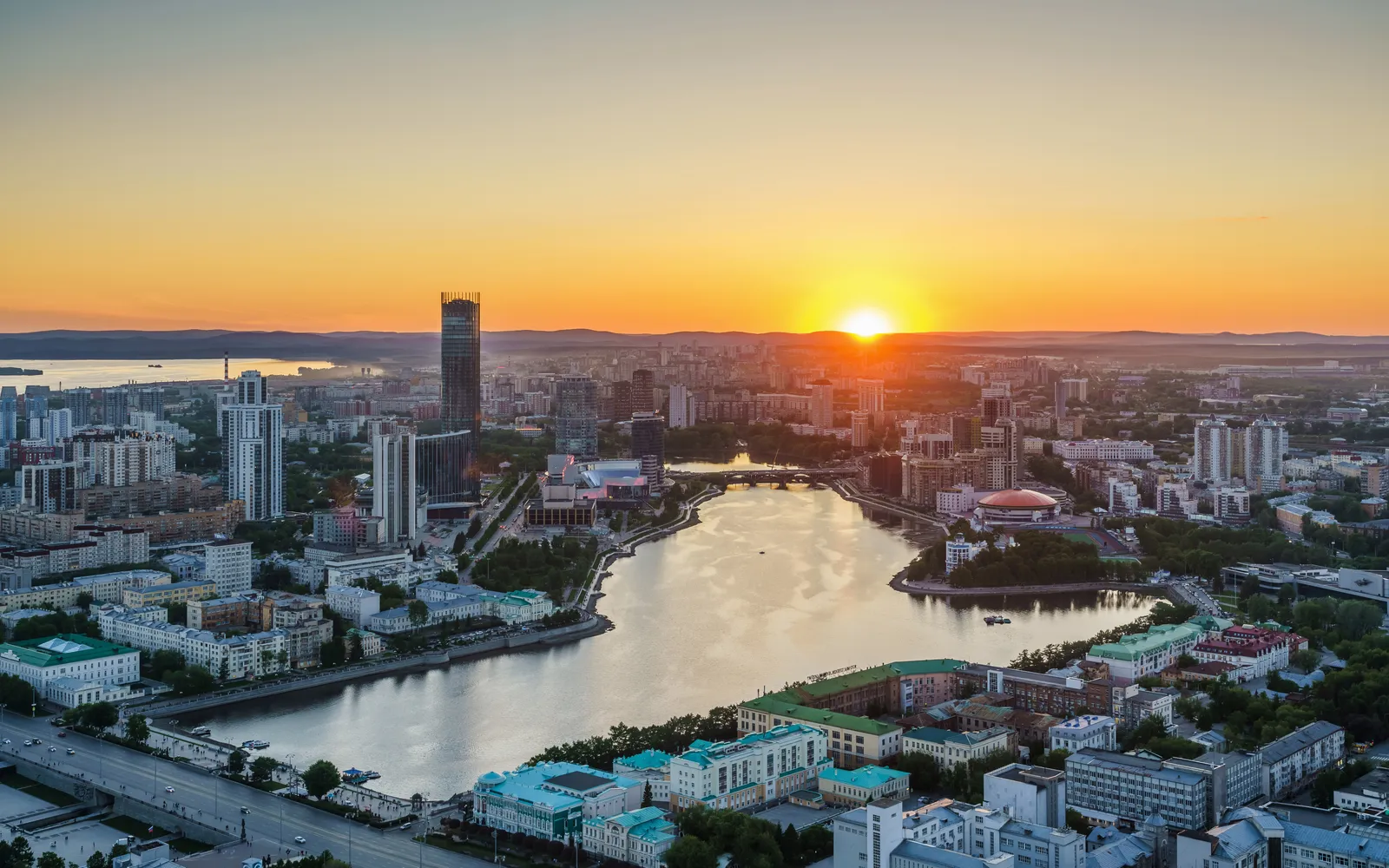
Yekaterinburg is not the industrial city most travelers imagine. It is a place that carries some of the heaviest history in all of Russia — from the 1918 execution of Tsar Nicholas II and the Romanov dynasty to its role as the physical crossing point between two continents. The city has striking churches, a Renaissance-style palace, and Ural Mountain scenery that makes it clear why Russia's scale is genuinely hard to picture from a map.
 #1
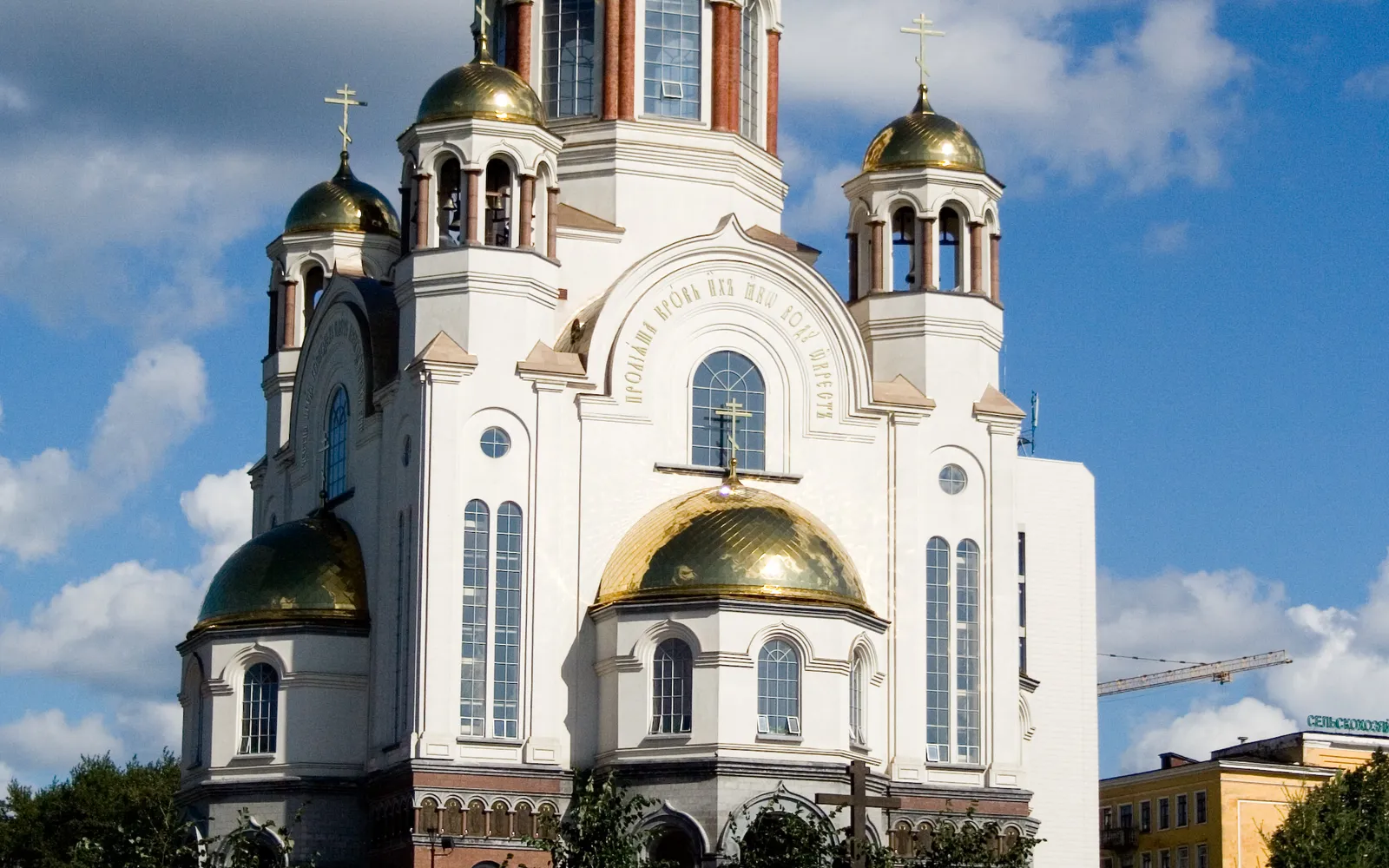
#1 Church on the Blood
A large Orthodox church built on the exact site where Tsar Nicholas II and the Romanov family were shot by Bolshevik forces in 1918. The design features luminous blue onion domes trimmed with gold. The basement holds a reconstruction of the cellar room where the executions took place, alongside a detailed exhibition on the Romanov dynasty. The site has become one of the most significant symbols of reconciliation in modern Russia.
- Entry is free, but dress modestly — women must cover their heads and no shorts are permitted.
- The basement exhibition on Romanov history is genuinely affecting; set aside at least 1 hour.
- Every year on 17 July — the anniversary of the executions — a major religious ceremony takes place that travelers are welcome to observe.
 #2
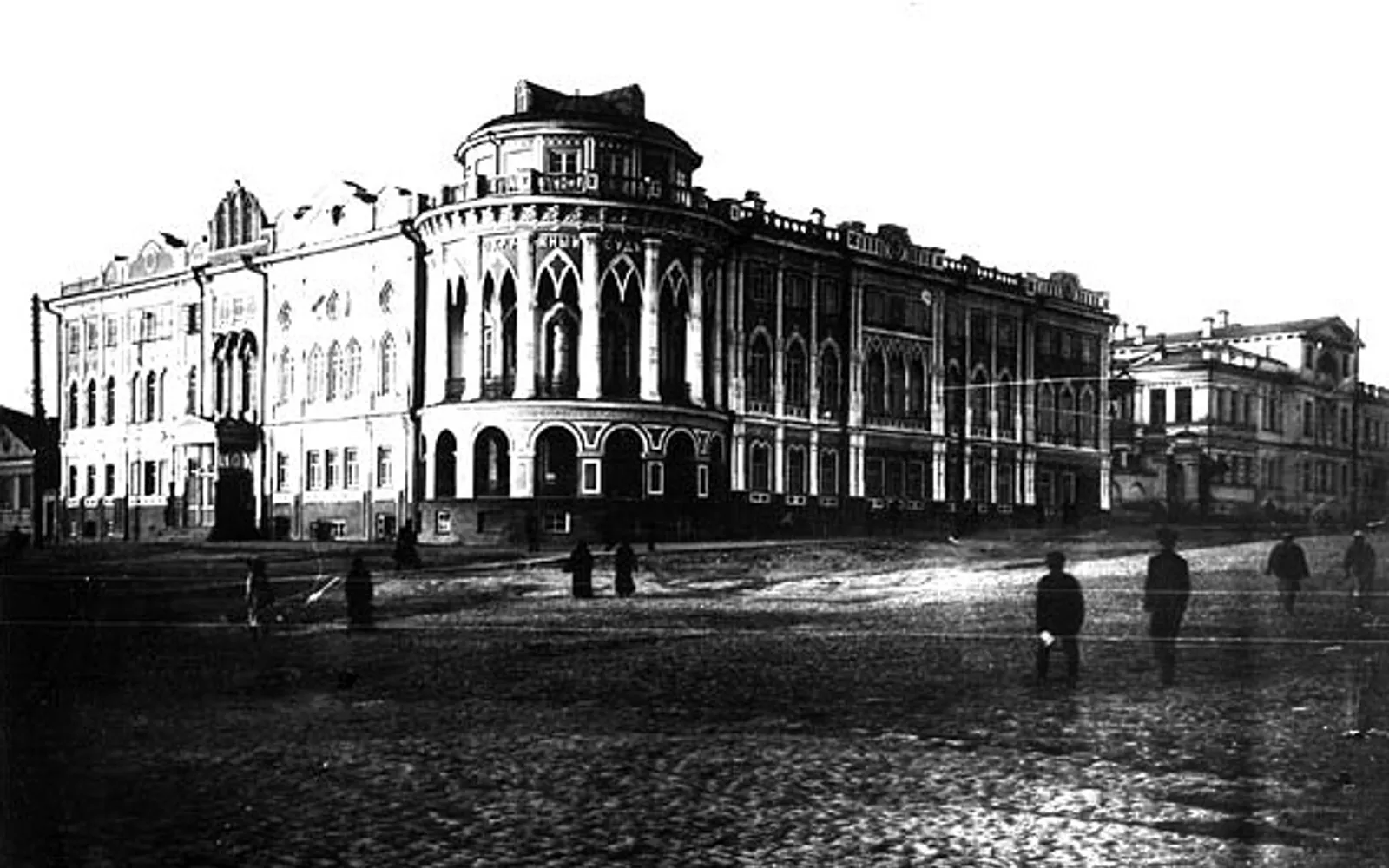
#2 Sevastyanov House
The most visually striking building in Yekaterinburg, built in the mid-19th century in a Renaissance-Neo-Gothic style, with intricate white and pale-green stucco work, a slender spire, and small decorative domes running the length of the facade. The city pond alongside it mirrors the building in the water in a way that looks almost fictional. The building now serves as a government facility and is closed to the public inside, but the exterior is the best backdrop for photography in the city.
- The best camera angle is from the opposite bank of the city pond — in winter, ice and snow add an extra layer of atmosphere.
- After dark, floodlights illuminate the facade and give it strong definition; it makes a good stop after dinner.
- The city pond embankment has benches and a small park — worth a rest before or after your visit.
 #3
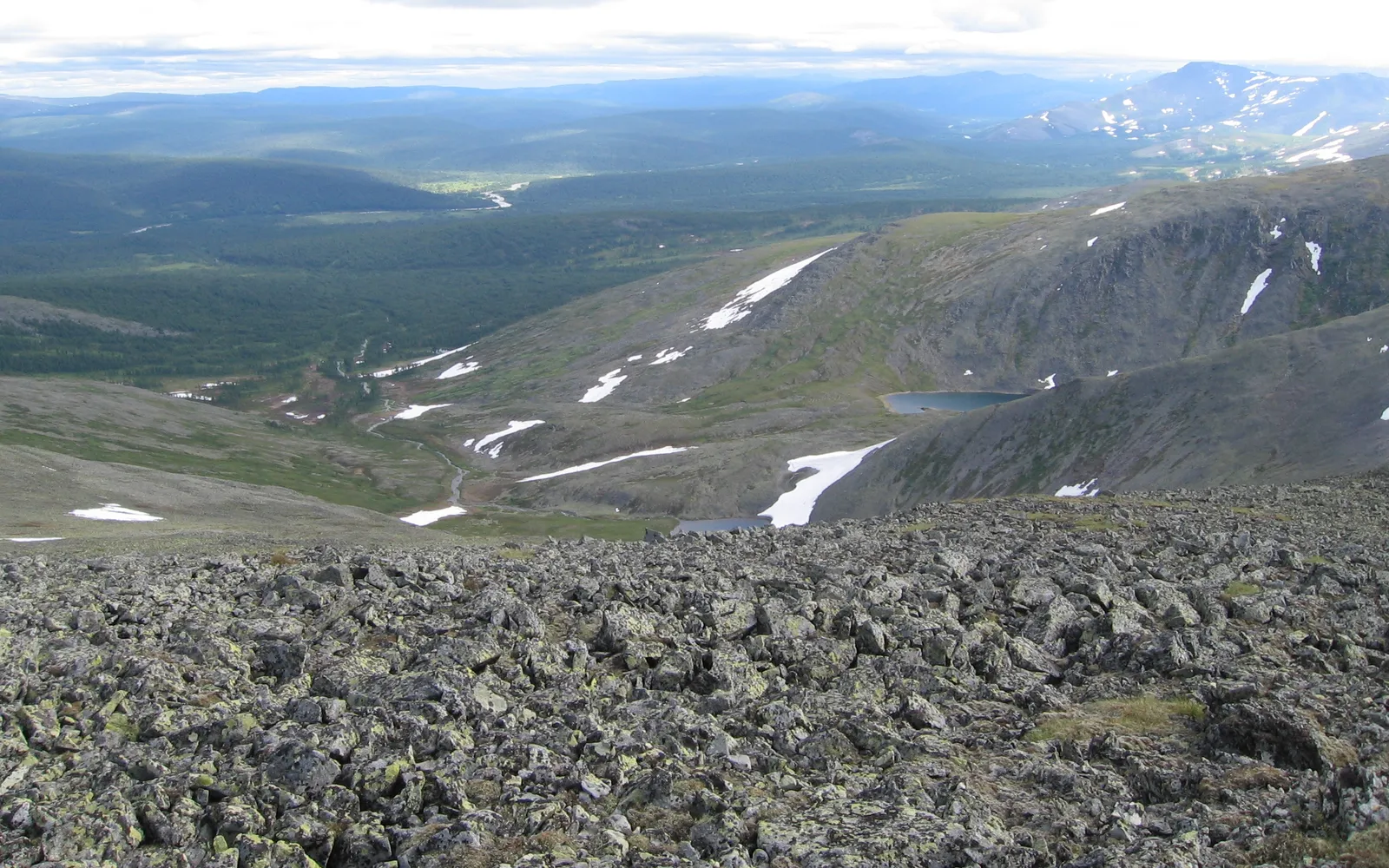
#3 Europe-Asia Border Obelisk
The spot where you can stand with one foot in Europe and one foot in Asia simultaneously. A tall obelisk marks the Ural ridge that geographers designate as the continental boundary. The surrounding landscape is pine forest. The precise geological line has been debated among scholars, but the experience of crossing between two continents still lands as something genuinely memorable.
- There are several obelisks in the area; the most photographed is the one directly along Highway P242.
- Group tours from Yekaterinburg run at 800–1,500 rubles per person, including transport and an English-speaking guide.
- In winter the pine forest fills with snow, making the setting considerably more striking than in summer.
 #4
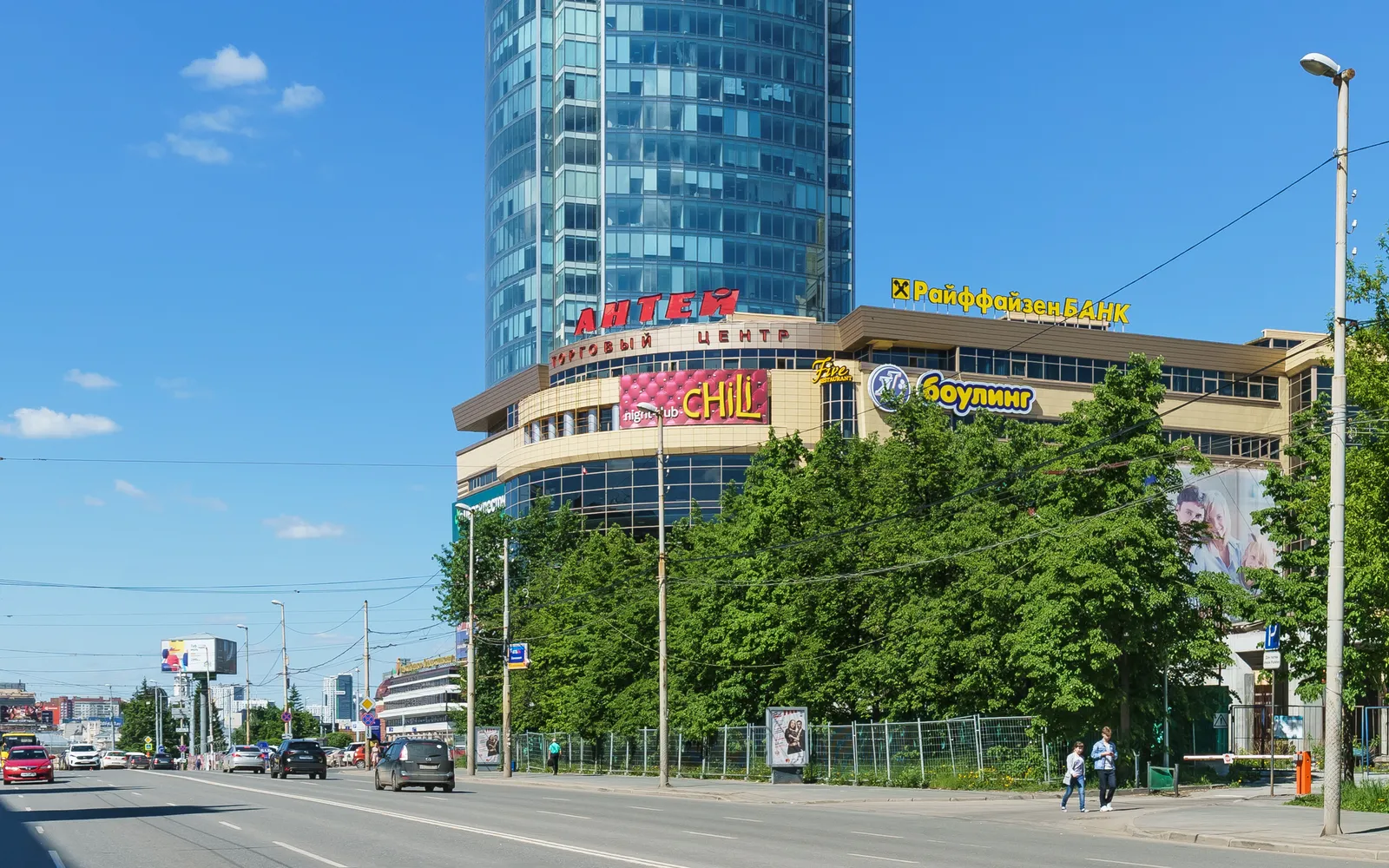
#4 Vysotsky Skyscraper
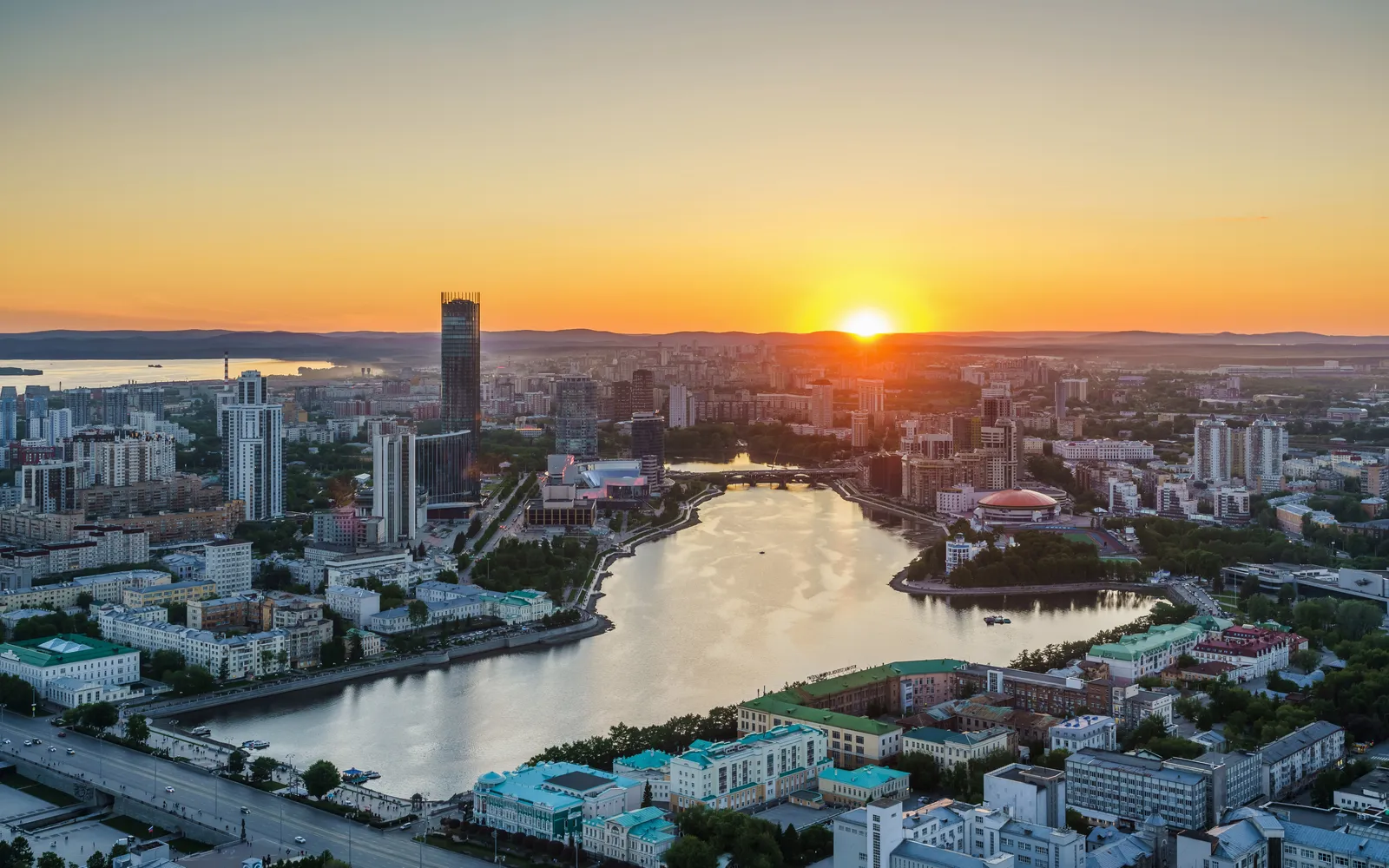
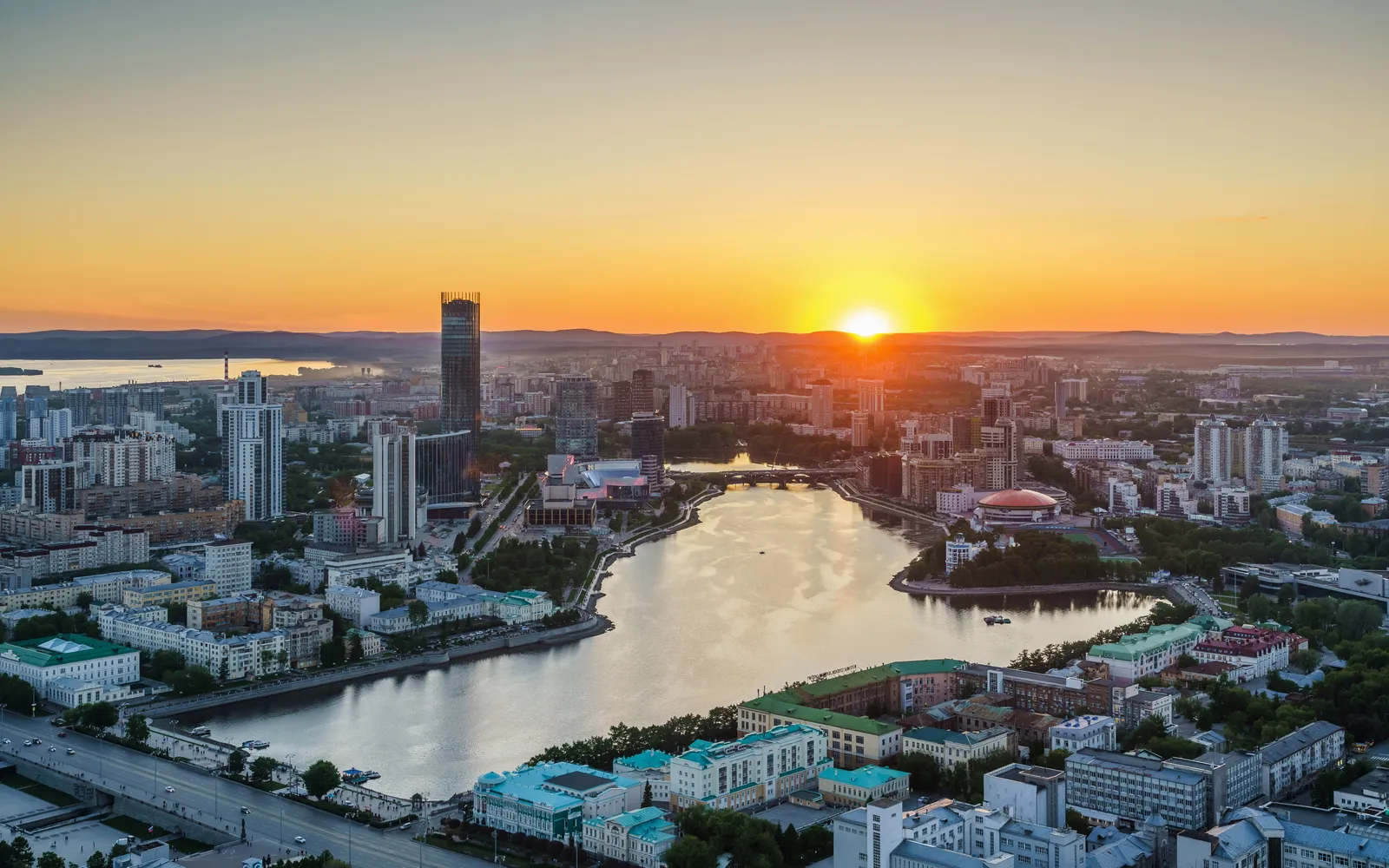
The tallest building in Yekaterinburg and one of the tallest in Russia outside Moscow. The Sky Vysotsky observation deck occupies floors 52–54, with a full 360-degree view of the city — the modern high-rise skyline set against church domes and, on clear days, the outline of the Ural Mountains. The building is named after the Russian poet and musician Vladimir Vysotsky; a memorial museum dedicated to him occupies the lower floors.
- Entry to Sky Vysotsky costs approximately 300–500 rubles; open daily 10 am–11 pm.
- Sunset timing (6–8 pm in summer, 3–5 pm in winter) gives you an orange sky and city lights coming on at the same time.
- There is a small cafe on the observation level — reasonable for an hour of sitting with a coffee and the view.
 #5
#5 Yekaterinburg History Museum
The city's main museum traces Yekaterinburg from its founding by Peter the Great in 1723 through the Ural industrial era, the Soviet period, and modern Russia. The standout collections are Ural minerals and gemstones — some pieces are globally rare — and personal effects and documents from the Romanov dynasty. If you want context for the other historical sites in the city, this is the logical first stop.
- Most labels are in Russian only. Hiring an English-speaking guide or downloading an audio tour app in advance will make a significant difference.
- The Ural geology and gemstone section is worth the visit on its own for anyone interested in earth sciences.
- The museum is closed on Mondays — check the schedule before you go.
 #6
#6 Gagarin Park and Iset River Embankment
The Iset River walkway is the green corridor that residents use from early morning to late evening — a counterpoint to the industrial image many travelers bring to the city. In summer there are rowing boats for hire and open-air cafes on the bank; in winter the frozen river becomes a natural skating rink. A good choice for a day when you want a break from museums and churches, or for a morning run the way locals actually do it.
- Bicycle rental along the path runs approximately 150–300 rubles per hour — faster and more enjoyable than walking the full length.
- From October to March, wear shoes with grip; the path can become an ice sheet.
- Riverside cafes and restaurants open in summer — the outdoor atmosphere is particularly pleasant from June through August.
Where to stay in Yekaterinburg for this trip
A well-located hotel means less commuting and more sightseeing. Here are real, top-rated stays in Yekaterinburg — compare Agoda · Booking · Trip.com in one click.
Renomme Hotel by Original Hotels
Affiliate links — we may earn a commission at no extra cost to you. Details
Tenet Hotel
Affiliate links — we may earn a commission at no extra cost to you. Details
Green Park Hotel
Affiliate links — we may earn a commission at no extra cost to you. Details
Novotel Yekaterinburg Centre
Affiliate links — we may earn a commission at no extra cost to you. Details
Tours, tickets & activities in Yekaterinburg
Day tours, attraction tickets and travel essentials for Yekaterinburg — book ahead on Klook with mobile e-tickets.
Affiliate links — we may earn a commission at no extra cost to you.
Before You Pack
Yekaterinburg is worth visiting in any season. In winter (December–February), snow makes the churches and historic buildings look their most photogenic. In summer (June–August), mild temperatures make the riverside walks pleasant for hours. Plan at least 2–3 days to cover both the historical depth and the natural side of the city.