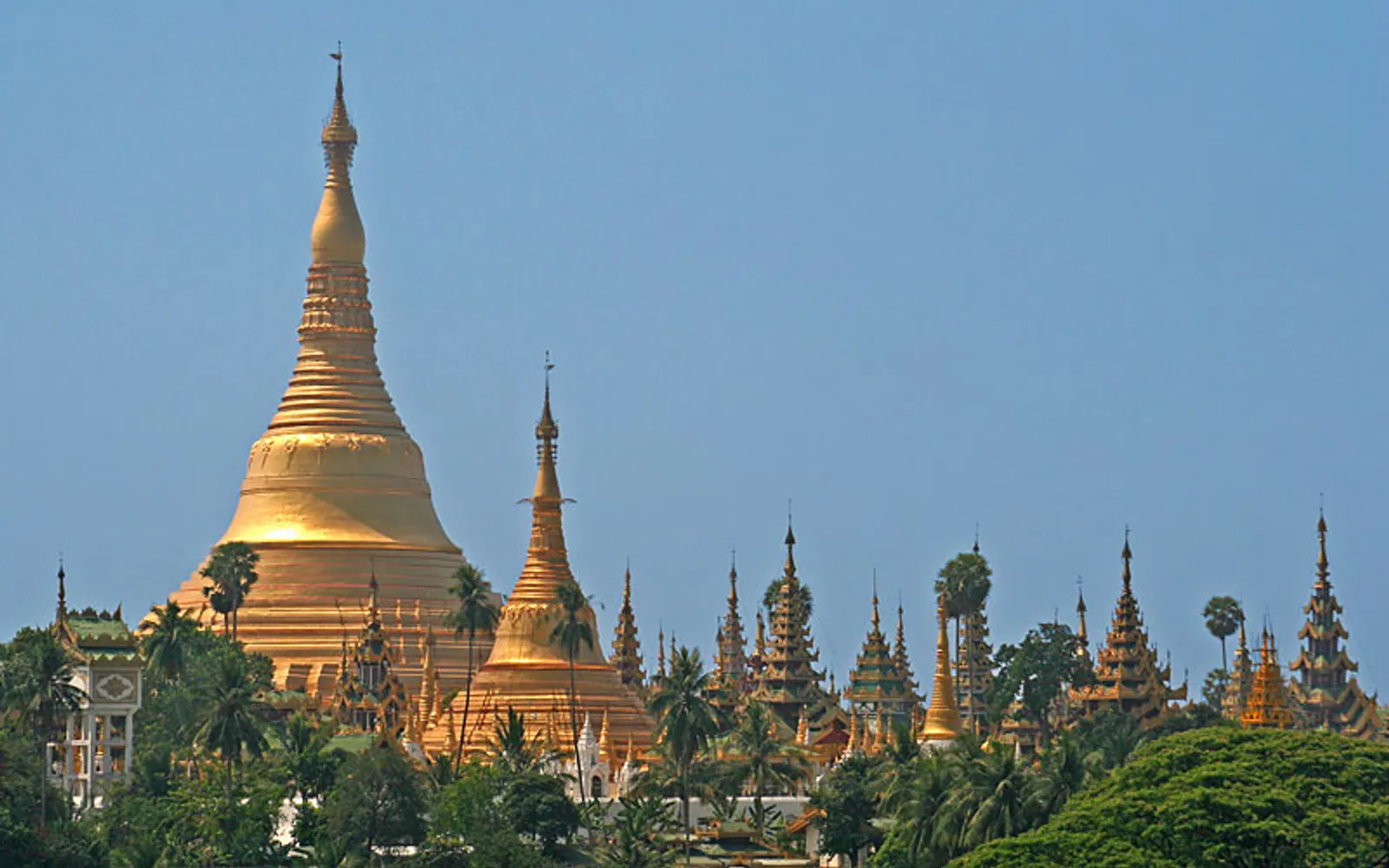
Burmese food in Yangon consistently surprises travelers who expected less. Mohinga — a fish and rice-noodle soup — is the national breakfast dish that holds up every single day, and fermented tea leaf salad sounds odd until you try it and realize it is one of the more addictive things you will eat on the trip. The flavor profile blends Indian, Chinese, and Rakhine influences into a combination you will not encounter anywhere else on earth.
 #1
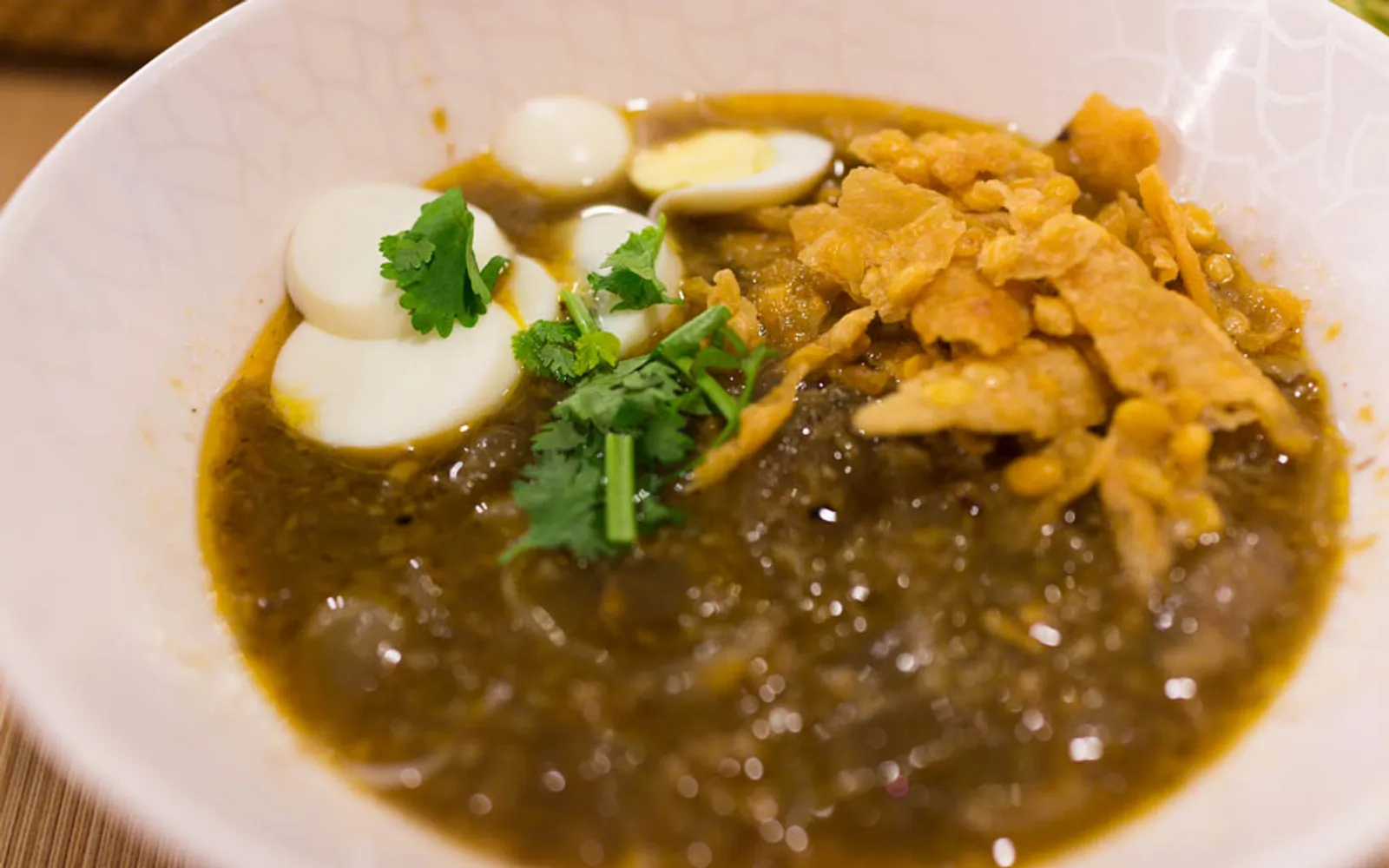
#1 Mohinga
The national dish of Myanmar — every Burmese person grows up with this flavor. The broth is slow-cooked from freshwater fish, lemongrass, turmeric, garlic, and onion until thick and fragrant, then ladled over soft rice noodles. Toppings include crispy fried split peas, pickled banana blossom, boiled egg, and crunchy pork cracklings. The result is warm, turmeric-forward, and gently sour from lime. Most travelers enjoy it from the very first spoonful. Price is extremely low — roughly 500 to 1,000 kyat a bowl.
- Go between 6 and 10 a.m. — that is when locals eat it and the broth is freshest. Many stalls sell out before noon.
- Ask for extra pe gyaw (fried split peas) as a topping — they add crunch and a nutty richness to the soup.
- Well-regarded stalls near Sule Pagoda and Bogyoke Market open at dawn and tend to be consistently good.
 #2
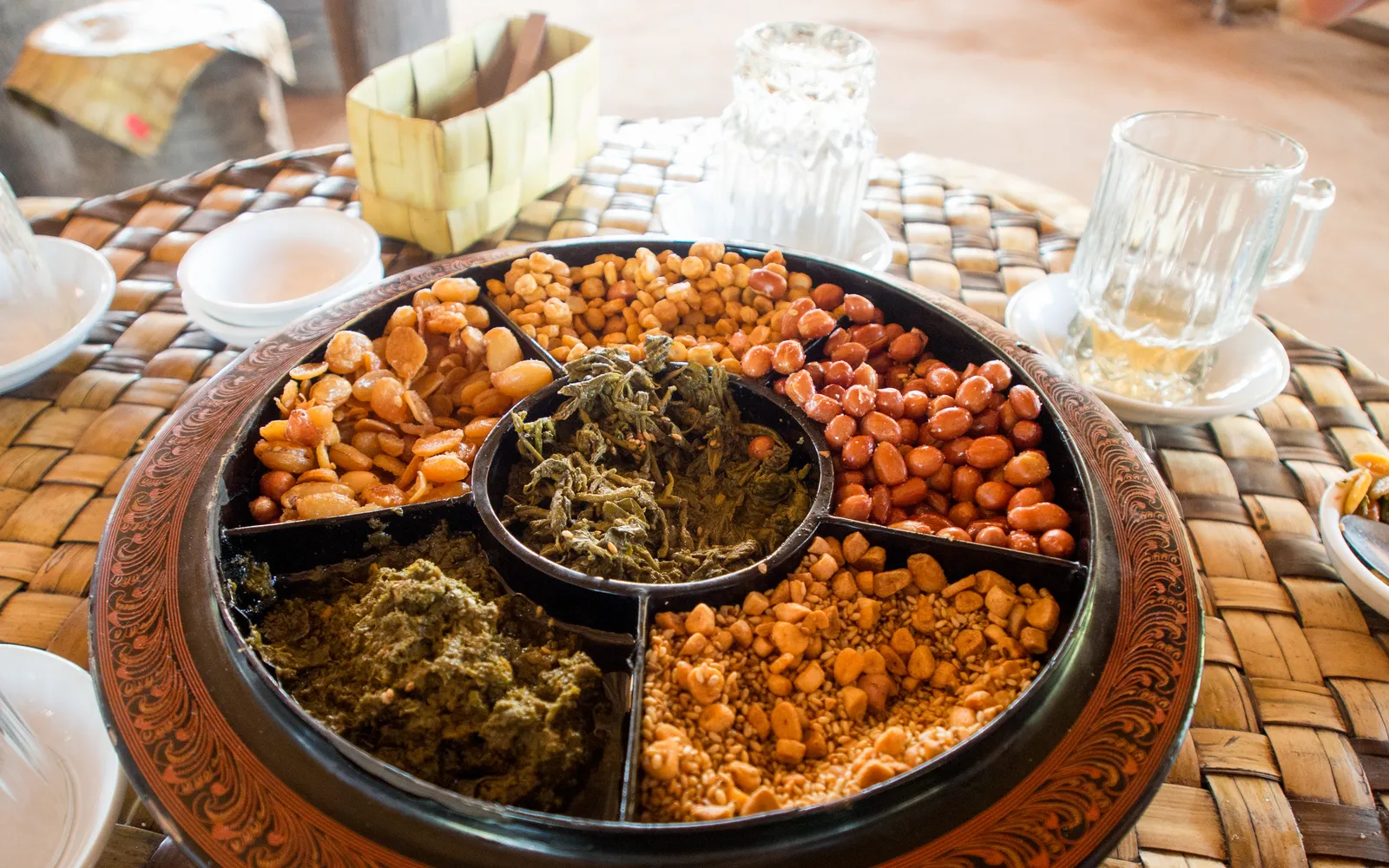
#2 Tea Leaf Salad
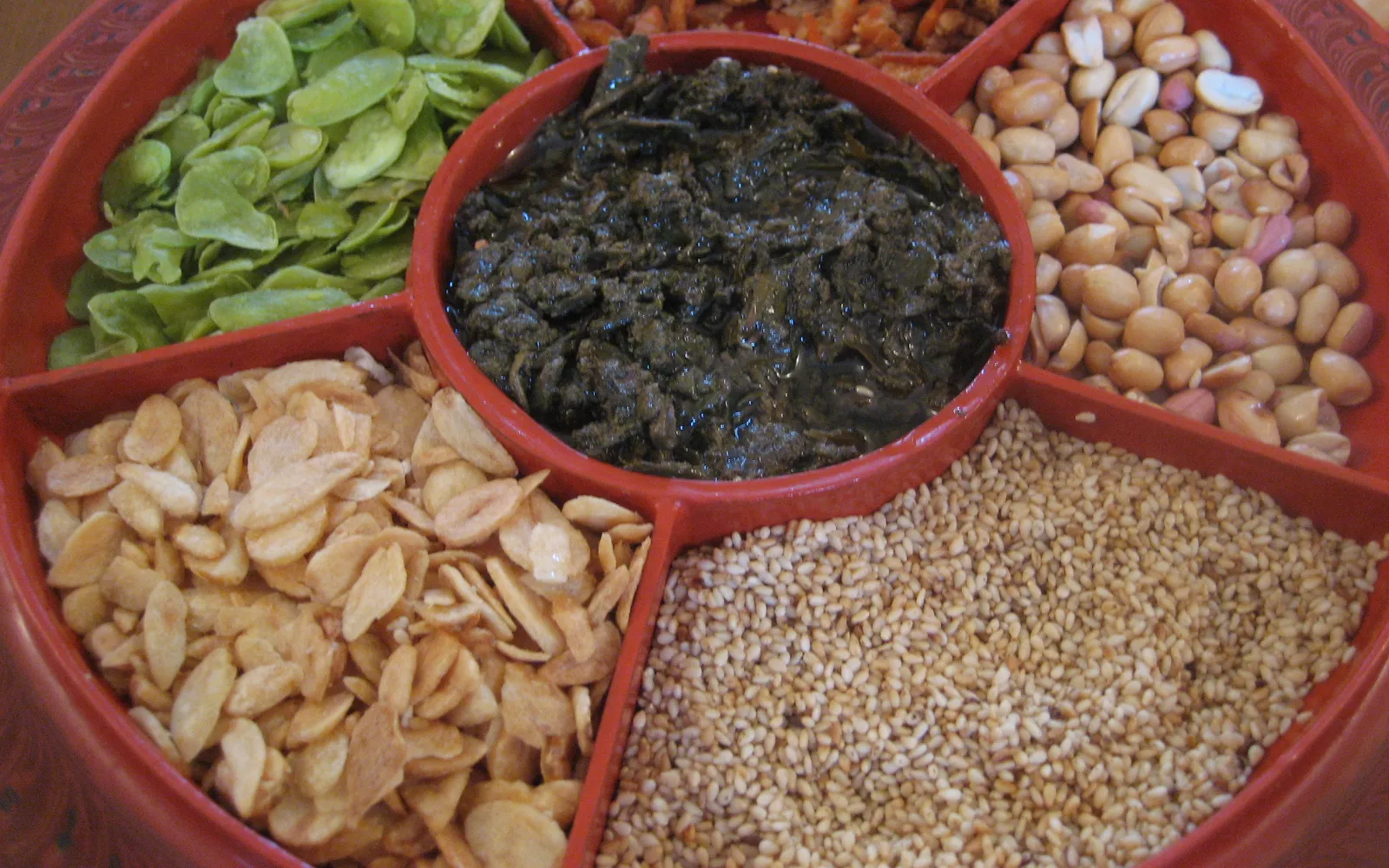
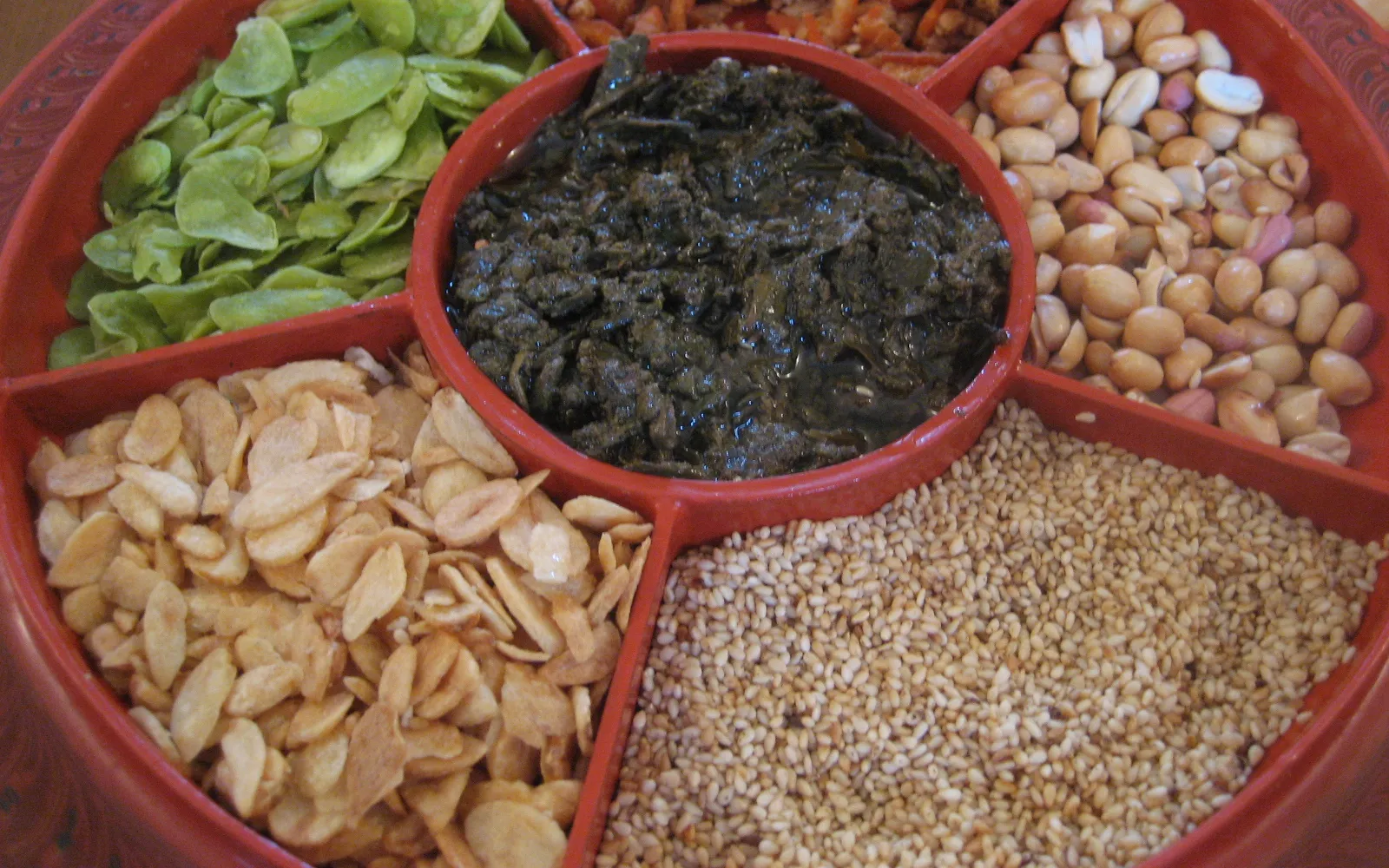
The most distinctive salad in Myanmar and one that exists nowhere else in the world. Young tea leaves are fermented in sesame oil and garlic, then tossed with shredded cabbage, fresh tomato, fried garlic, a mix of beans, white sesame, and lime juice. The flavor is gently bitter from the tea, sour, salty, and crunchy — with far more layers than the description suggests. Many visitors say this is the single most memorable dish they ate in Myanmar.
- If you are not keen on bitter flavors, ask for 'less tea leaf' and more tomato and lime to balance it out.
- A good Burmese restaurant will serve this as a starter or side — it is excellent alongside plain steamed rice.
- Traditional lahpet thoke is more bitter and intense than tourist-adapted versions. Local neighborhood restaurants tend to be truer to the original.
 #3
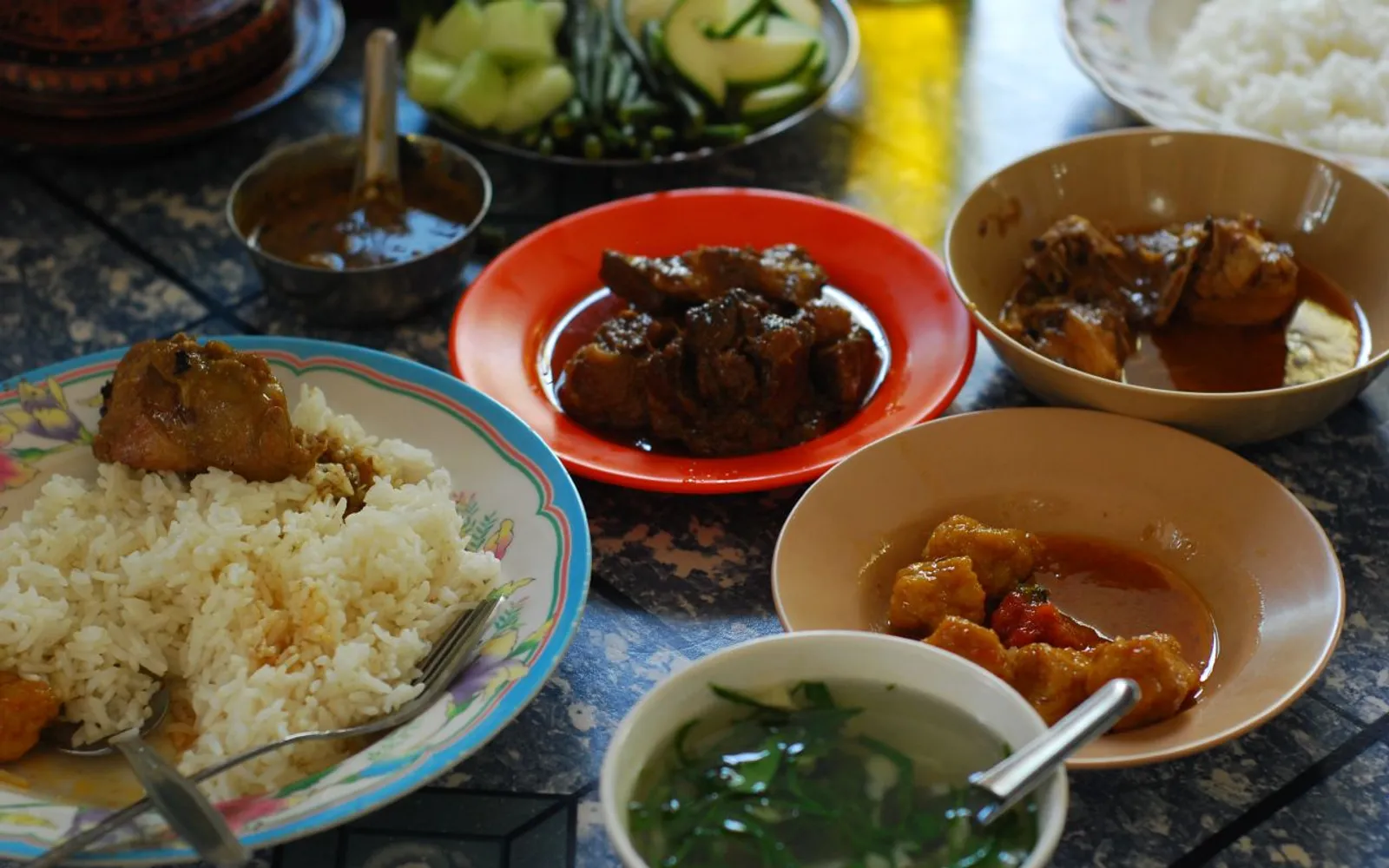
#3 Burmese Curry
Burmese curry is a completely different animal from Thai or Indian curry. It uses more oil, and that signature oil layer floating on top is not a flaw — it is how the dish is meant to look. The flavor is gentler and carries no real heat; the emphasis is on the deep fragrance of turmeric, ginger, onion, and garlic that have been cooked low and slow. It is served with steamed rice, a clear broth soup, pickled vegetables, and several condiments on the side — a full Burmese meal in one sitting.
- The oil floating on a Burmese curry is a sign of correct preparation, not uncleanliness. Skim it off if you prefer.
- Ask to see the clay pots before you order — a good shop typically has 5 to 10 curries to choose from, including chicken, fish, prawn, beef, and pork.
- Drink the clear broth soup that comes alongside to cleanse your palate and keep the meal going.
 #4
#4 Shan Noodles
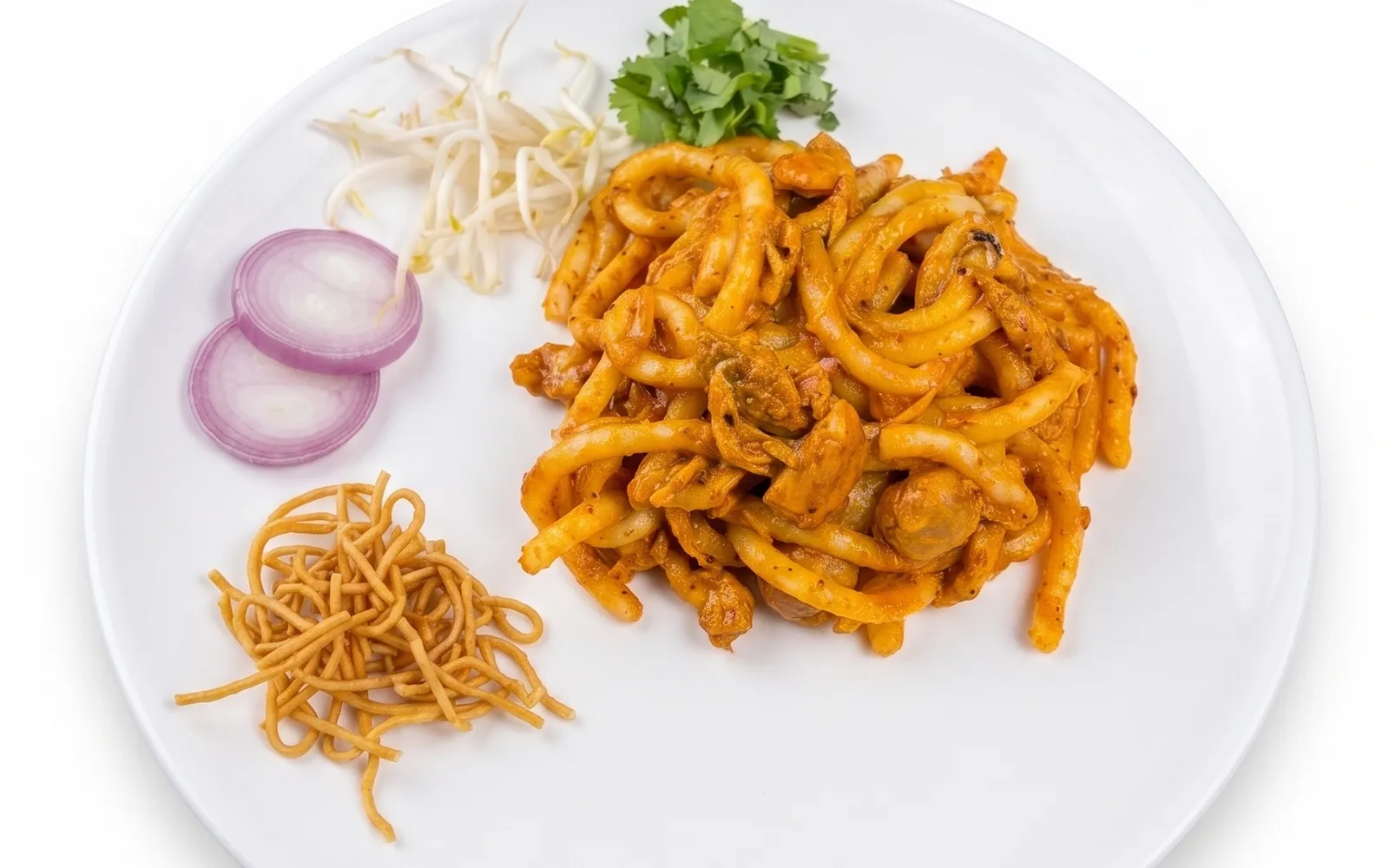
A widely loved noodle dish from Shan State in eastern Myanmar that has spread across the whole country. Medium-round rice noodles are served either dry with a tomato-and-sesame sauce, or in a clean, clear chicken broth. Toppings include minced chicken or pork, crispy fried garlic, sesame, and fresh vegetables. The flavor is lighter and cleaner than mohinga — a good choice for anyone wanting something gentle on the stomach. Popular for both breakfast and lunch.
- Order dry (kway) or soup — dry is more intense, soup is lighter and cleaner.
- A bowl runs about 1,000 to 2,000 kyat — ideal as a light breakfast before a day of sightseeing.
- Genuine Shan noodles are made from rice flour and carry a natural yellow color, unlike noodles dyed with food coloring.
 #5
#5 Yangon Night Street Food
19th Street in Yangon's Chinatown is the city's liveliest evening street food hub. Charcoal-grill stalls line both sides of the road, offering skewers of beef, pork, chicken, seafood, tofu, and vegetables — point at what you want, sit down, and eat alongside a cold Myanmar beer or fresh sugarcane juice. The atmosphere is loud, smoky, and energetic in a way no restaurant can replicate. This is Yangon at its most straightforward.
- 19th Street is busiest between 6 and 10 p.m. A taxi from anywhere in the city center gets you there easily.
- Point directly at the skewers you want from the grill in front of the stall. Each skewer runs 200 to 500 kyat — no need to negotiate.
- Stick to sealed bottled water or Myanmar beer — avoid ice to be safe.
 #6
#6 Burmese Sweets and Coconut Noodles
Ohn no khao swe is rice noodles in a gently sweet, golden coconut curry broth with Indian Muslim influences. The flavor is mild, rounded, and carries no heat — a solid entry point for travelers who want to try Burmese food without committing to stronger flavors. Mont laphet ya, the traditional Burmese sweet, is made from rice flour and coconut palm sugar, steamed in banana leaf, with a soft sweetness and a faint smoky note. Both are sold cheaply at morning markets — around 100 to 300 kyat a piece — and are a favorite afternoon snack for Yangon locals.
- Ohn no khao swe is easy to find at any standard Burmese restaurant. Ask for extra boiled egg and crispy onions.
- Burmese sweets at morning markets are typically better than those in restaurants because they are made fresh each morning.
- If you want to try several sweets at once, the Dagon daytime market has a wide variety available every day.
Where to stay in Yangon for this trip
A well-located hotel means less commuting and more sightseeing. Here are real, top-rated stays in Yangon — compare Agoda · Booking · Trip.com in one click.
Downtown @ Mandalay
Affiliate links — we may earn a commission at no extra cost to you. Details
Ngapali Bay Villas & Spa
Affiliate links — we may earn a commission at no extra cost to you. Details
Yoma Cherry Lodge
Affiliate links — we may earn a commission at no extra cost to you. Details
Belmond Governor's Residence
Affiliate links — we may earn a commission at no extra cost to you. Details
Tours, tickets & activities in Yangon
Day tours, attraction tickets and travel essentials for Yangon — book ahead on Klook with mobile e-tickets.
Affiliate links — we may earn a commission at no extra cost to you.
Before You Pack
The best food in Yangon tends to be in the smallest places — roadside stalls and morning markets that open before dawn. If you see a stack of mohinga bowls in front of a shop with steam rising off the pot, that is your sign. Try before you judge, because Burmese food almost always wins over anyone who approaches it with an open mind.