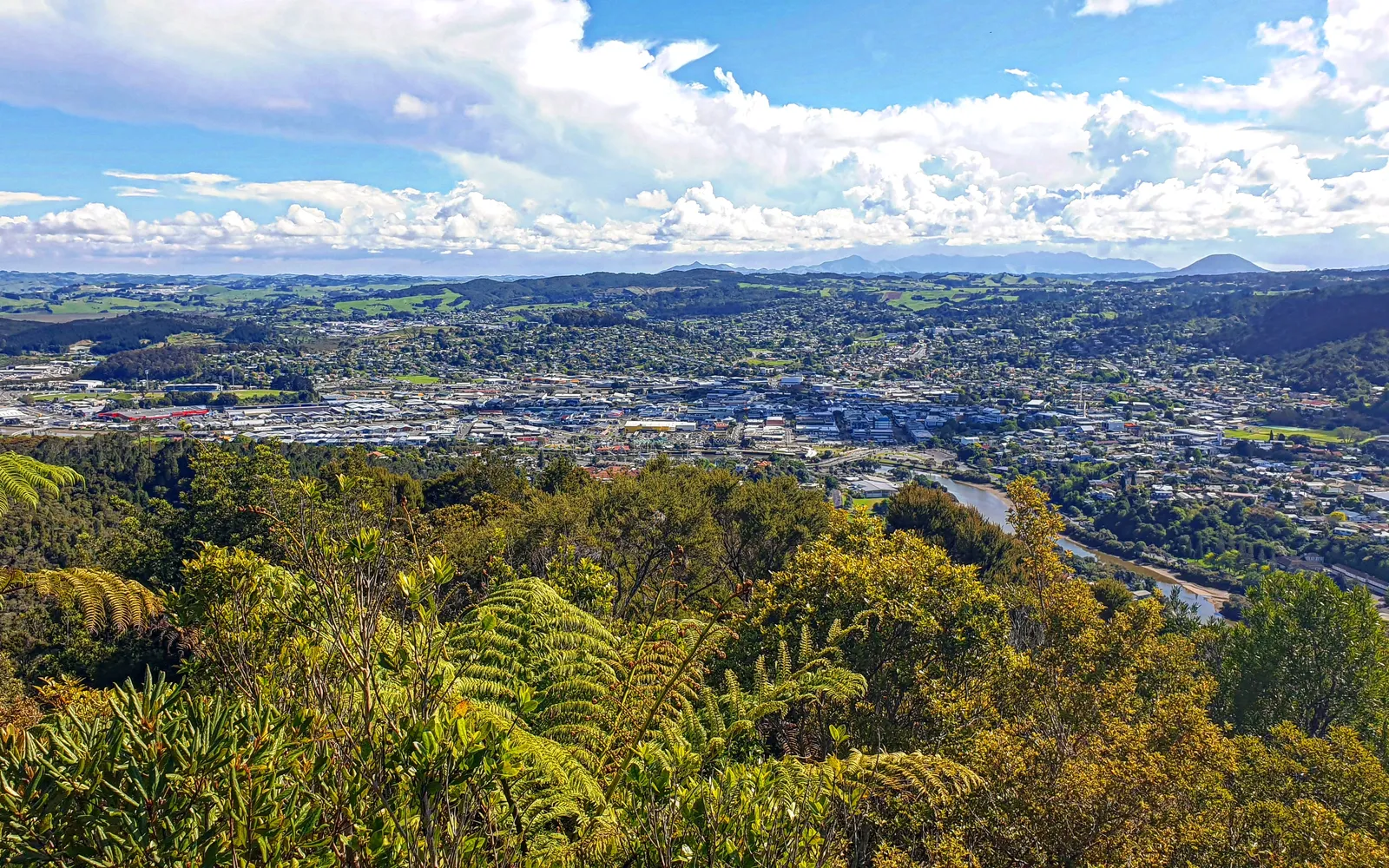
Most people drive straight through Whangarei on their way to the Bay of Islands — and that's a mistake. Stop for two or three days and you'll find the city has far more going on than it looks. Whangarei Falls drops 26 metres off a basalt ledge right inside the city limits, a 10-minute walk from the CBD. Abbey Caves hides a ceiling of glowworms waiting to be explored, and Poor Knights Islands is ranked by divers among the best dive sites in the Pacific. There's also Town Basin, a converted marina lined with restaurants, galleries and a clock museum holding more than 1,400 timepieces.
 #1
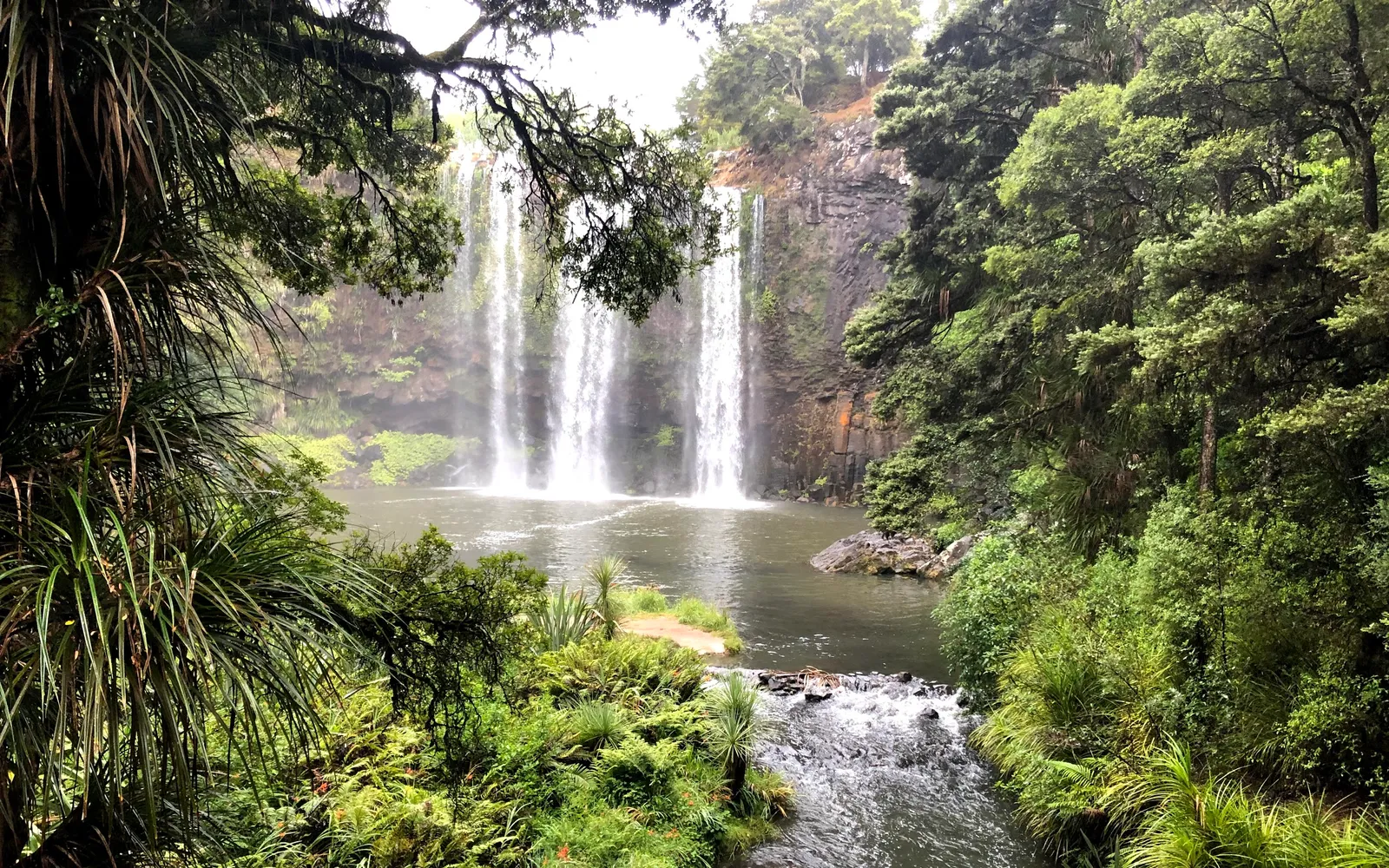
#1 Whangarei Falls
The most impressive waterfall in Northland and one of the most accessible in New Zealand. Water drops 26 metres from a basalt rim into a swirling blue pool ringed by pūriri, ferns and native bush that stays green year-round. A 30-minute loop track through the Otuihau-Whangarei Falls Scenic Reserve gives you views from both the top and the base. The current is too strong to swim in, but the setting is quiet and photographs beautifully.
- The loop trail is about 1.5 km and takes 30-40 minutes — ordinary trainers are fine
- Arrive before 9 am to avoid tour groups and catch the softer morning light for photos
- Free parking on Boundary Road; the trail to the falls starts right from the car park
 #2
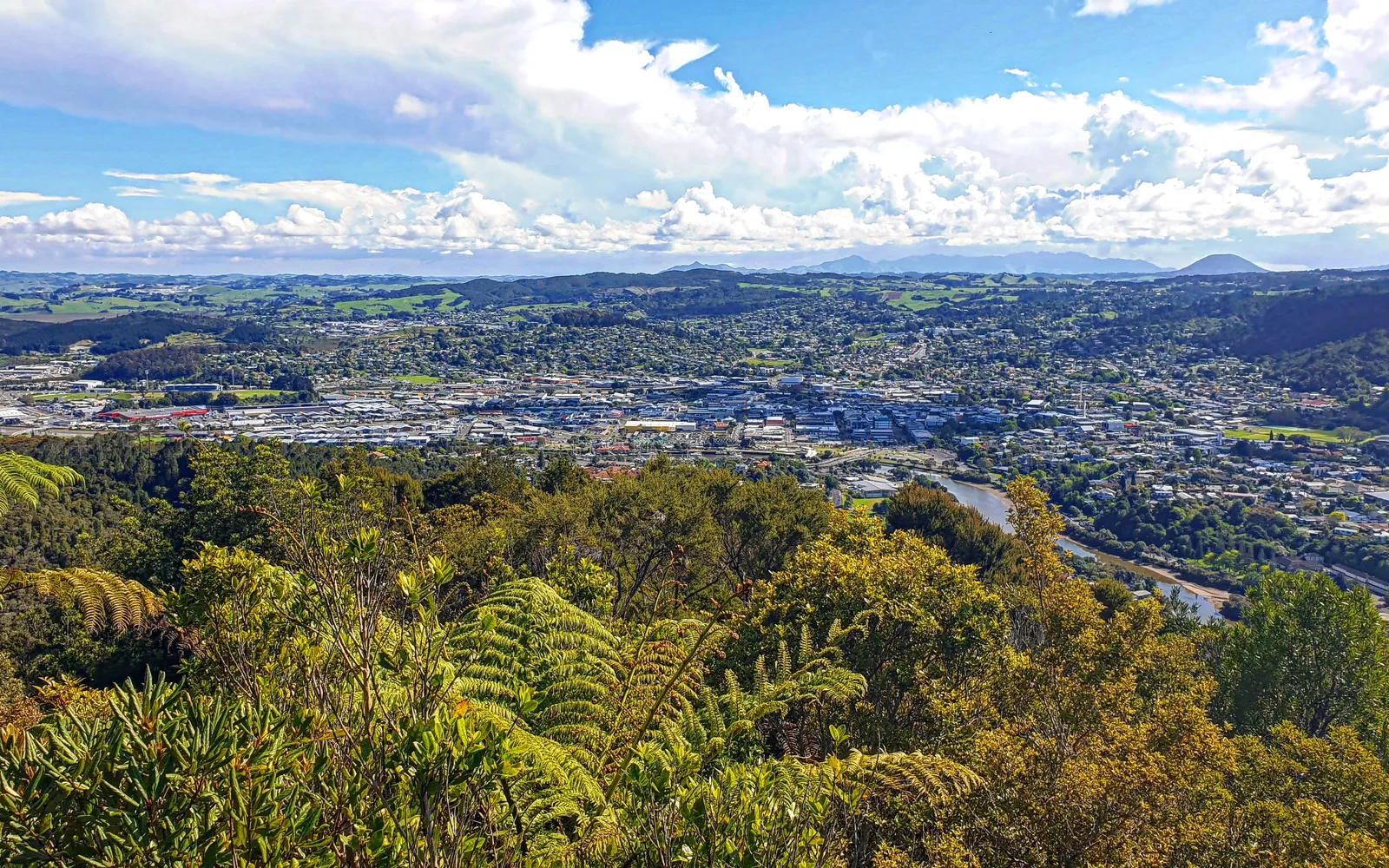
#2 Town Basin Marina
The social hub of Whangarei's waterfront — a former working marina turned into a strip of restaurants, cafés, art galleries and gift shops. Claphams National Clock Museum, which holds over 1,400 clocks, and the Whangarei Art Museum are both here. On a clear evening the yachts cast long reflections on the Hātea River and the whole precinct feels genuinely relaxed. It's a 15-minute walk from the CBD.
- Claphams Clock Museum opens daily; entry is NZD 10 and the collection is the most unusual in New Zealand
- Restaurants on the water fill up between 5-7 pm — book ahead in summer
- The Hātea Loop walkway (7.5 km) starts at Town Basin and circles the river back to the same point — a lovely way to spend a morning
 #3
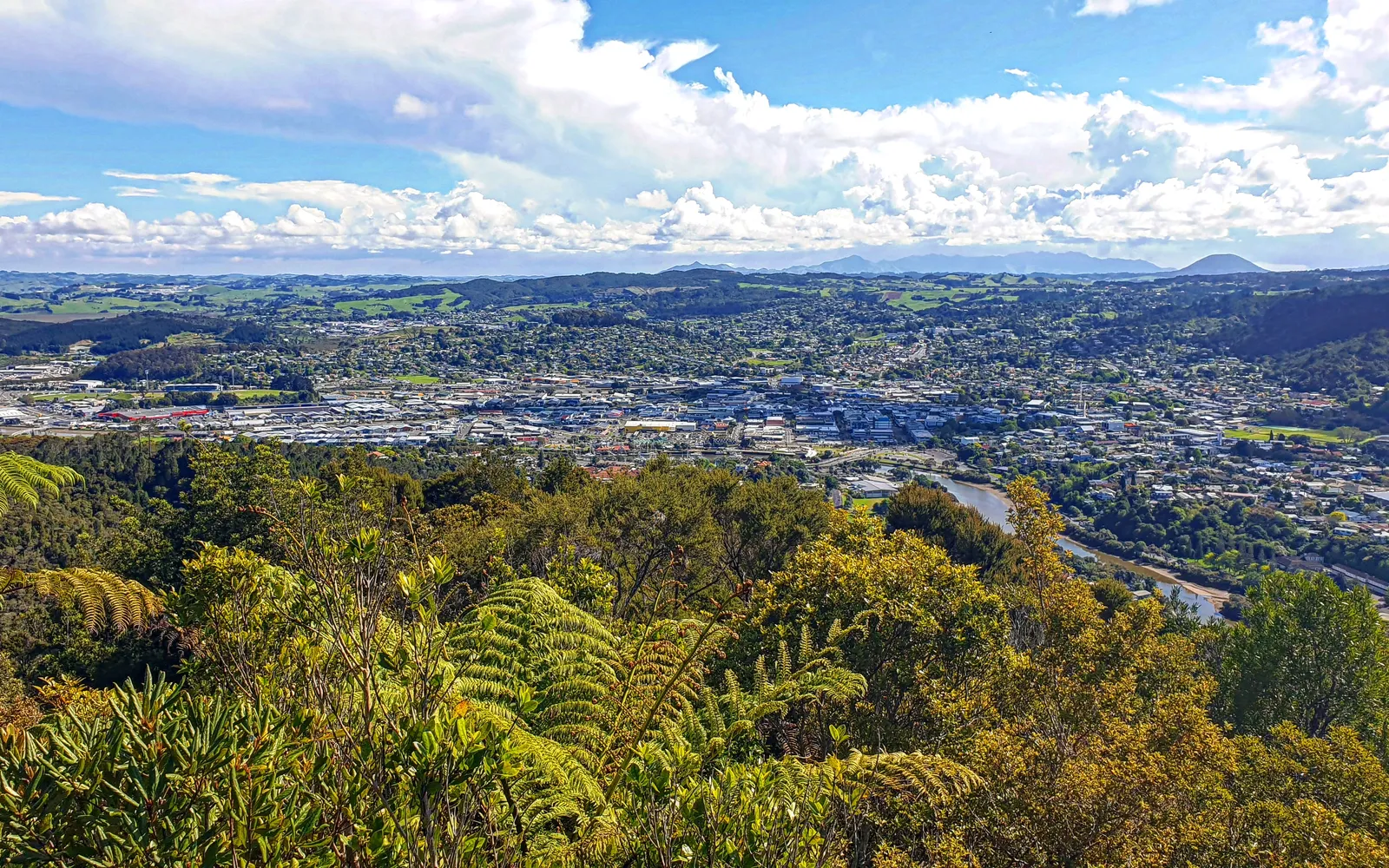
#3 Abbey Caves
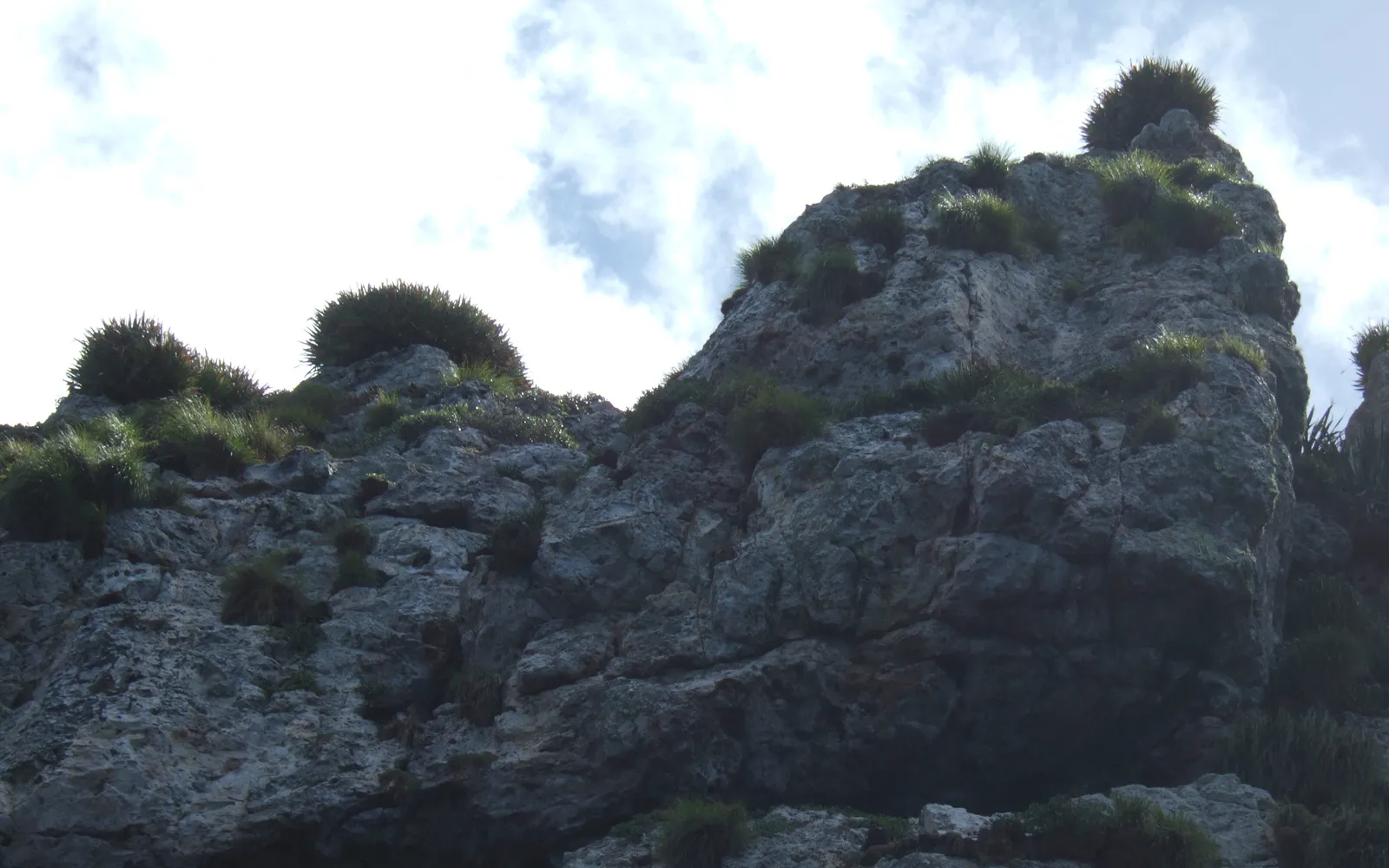
A three-chamber limestone cave system that is free to enter year-round, with no compulsory guide — which is genuinely rare in New Zealand. Inside you'll find stalactites, stalagmites, an underground stream and, most notably, glowworms (Arachnocampa luminosa) spread across the cave ceiling like a sky full of stars. The cave is cool, damp and involves wading through shallow water in places, but that raw, un-railed adventure feel is exactly the point.
- A strong torch per person and water-resistant footwear are essential — there is wading inside the cave
- Arrive after 2 pm: the deeper darkness later in the day makes the glowworms far easier to see
- Don't go alone — come with at least 2-3 people and let someone know your plans
 #4
#4 Poor Knights Islands Marine Reserve
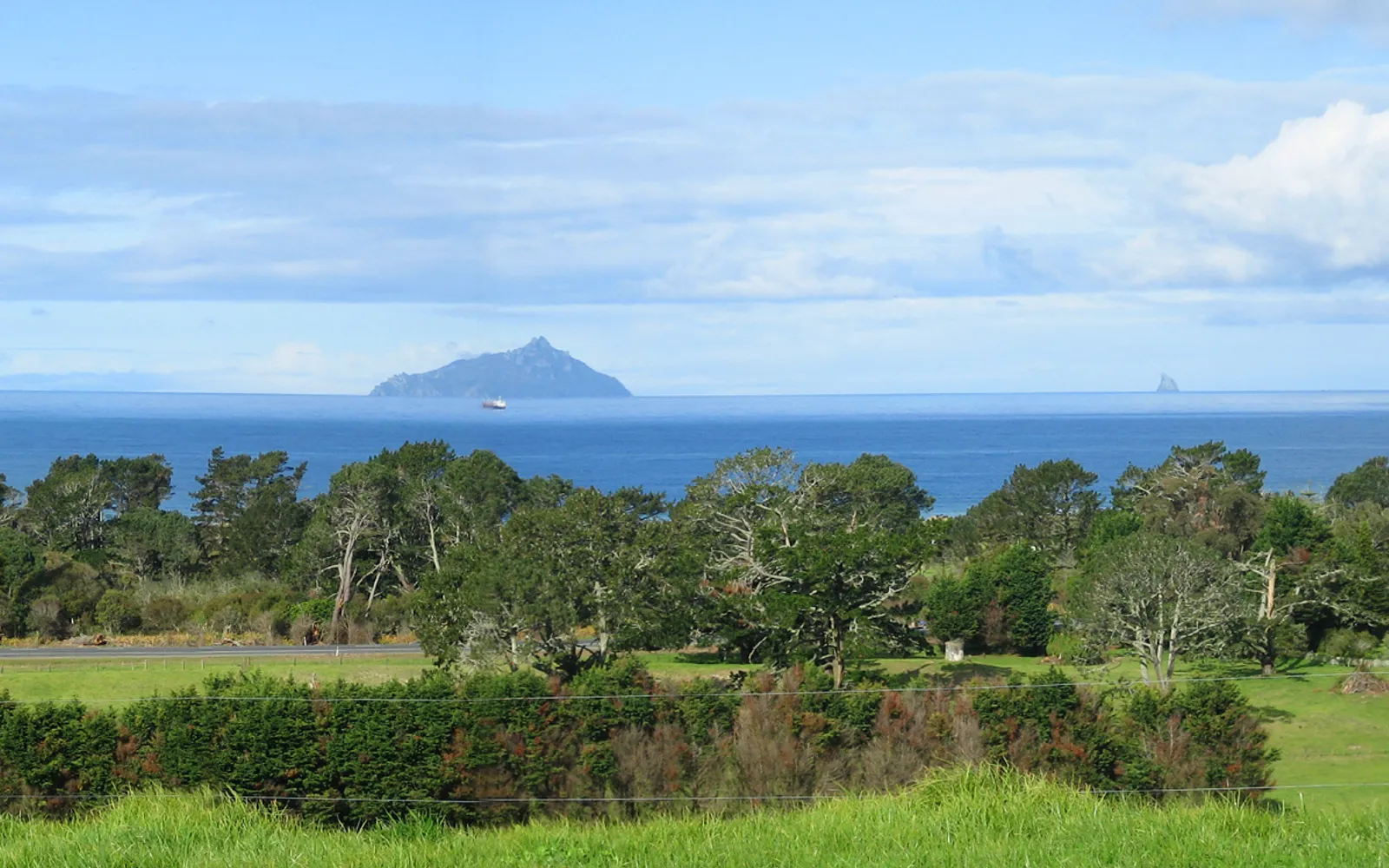
A marine reserve that Jacques Cousteau once ranked among the 10 best dive sites in the world. The East Auckland Current carries warm water here, bringing tropical fish species found nowhere else in New Zealand. Highlights include swimming through enormous underwater caves lit by blue light, spotting eagle rays, and in summer, large schools of kingfish hunting in the shallows. Dive boats depart from Tutukaka Harbour — 45 minutes each way.
- Book ahead through Dive! Tutukaka or Tutukaka Dive Centre — spots fill fast from December to March
- A full-day SCUBA trip runs around NZD 220-280 including gear; snorkelling day trips are NZD 120-150
- Boats leave Tutukaka Marina early — plan to stay in Whangarei the night before so you're not rushing at dawn
 #5
#5 Mount Manaia
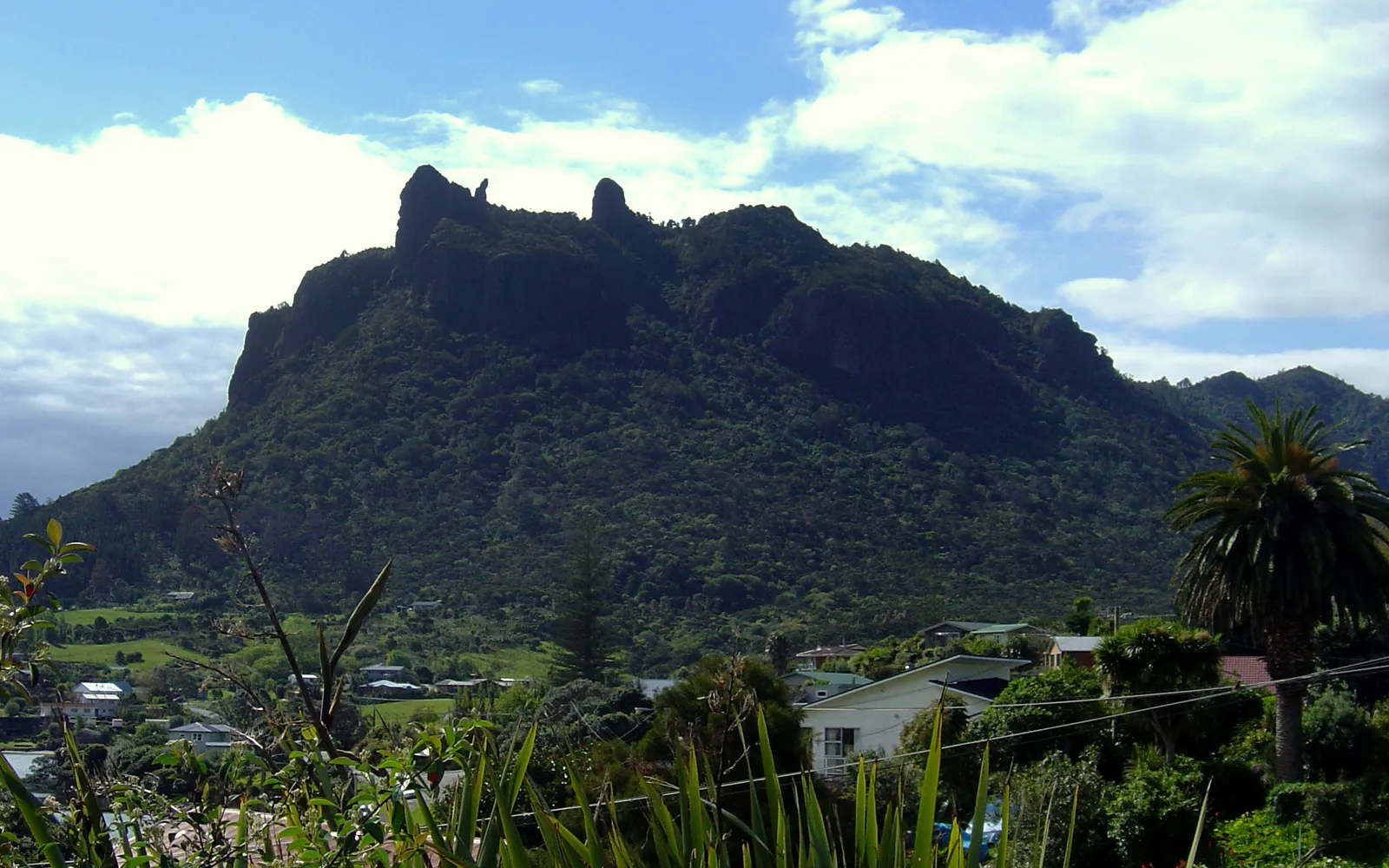
A sacred Māori peak that delivers the best 360-degree view in Northland. The track is 1.5 km one-way (3 km return) through steep native bush, with 987 wooden steps on the final push to the 340-metre summit. At the top, distinctive boulder formations the Māori call Manaia frame a panorama that takes in the white arc of Bream Bay, Marsden Point and Whangarei Harbour all at once.
- The upper section is steep — wear hiking boots with good grip; not recommended for children under 8
- Allow 2-3 hours up and back and carry enough water, as there is none on the trail
- Trail signs mark every junction, but the AllTrails map is genuinely useful on foggy days
 #6
#6 Langs Beach
A white-sand beach that locals say is the best in Northland, and one that international visitors have been slow to discover. Langs Beach sits within the wider Bream Bay, which stretches more than 10 km of clean, calm water — perfect for swimming in summer. Between September and January there's a real chance of seeing orca pass through the bay. Basic holiday rentals and a campsite are on hand, but there are almost no shops or restaurants, so plan accordingly.
- No food or drink vendors on the beach — stock up in Whangarei before you leave
- September-November is orca and Hector's dolphin season; you can sometimes spot them from the shore
- Waipu Cove (5 km away) has cafés and the Waipu Gorge waterfall, where you can swim
Where to stay in Whangarei for this trip
A well-located hotel means less commuting and more sightseeing. Here are real, top-rated stays in Whangarei — compare Agoda · Booking · Trip.com in one click.
Quality Hotel Oceans Tutukaka
Affiliate links — we may earn a commission at no extra cost to you. Details
Distinction Whangarei Hotel
Affiliate links — we may earn a commission at no extra cost to you. Details
Greenhouse Hostel Whangarei
Affiliate links — we may earn a commission at no extra cost to you. Details
Cheviot Park Motor Lodge
Affiliate links — we may earn a commission at no extra cost to you. Details
Tours, tickets & activities in Whangarei
Day tours, attraction tickets and travel essentials for Whangarei — book ahead on Klook with mobile e-tickets.
Affiliate links — we may earn a commission at no extra cost to you.
Before You Pack
Whangarei is worth a stop any time of year, but November-April gives you the warmest weather for diving and hiking. Build in at least 2-3 days to cover the falls, caves and a full-day Poor Knights trip — the last one requires an early start and a full day on the water.