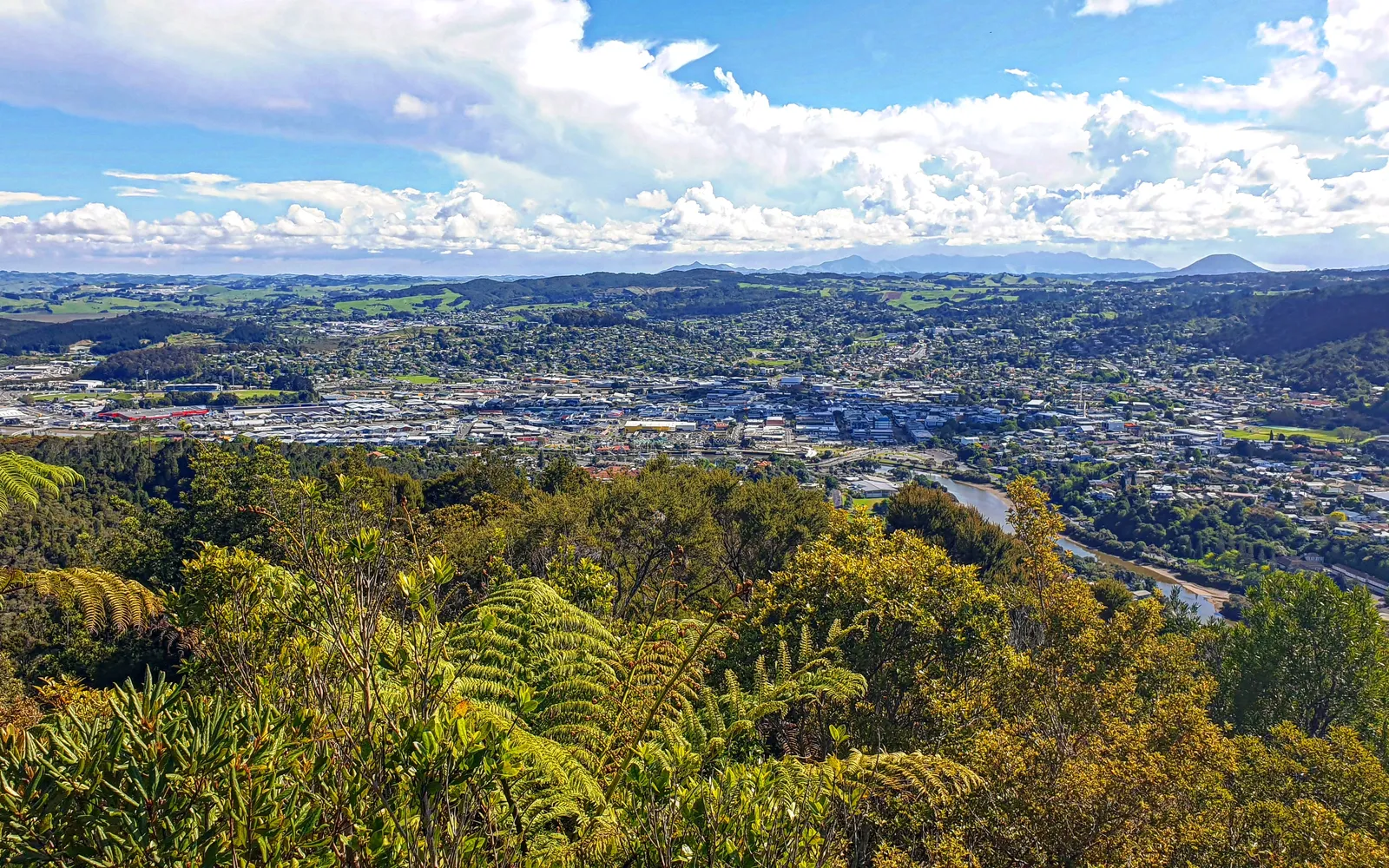
Whangarei sits in Northland, a region flanked by sea on two sides — which means seafood here is fresher and more affordable than in most New Zealand cities. Pāua abalone and green-lipped mussels are the two things you have to try. Restaurants along Town Basin serve fish caught daily from Bream Bay, and if you want a taste of Māori culture, hāngī — food slow-cooked using geothermal heat — still appears at community events around the area.
 #1
#1 Green-Lipped Mussels
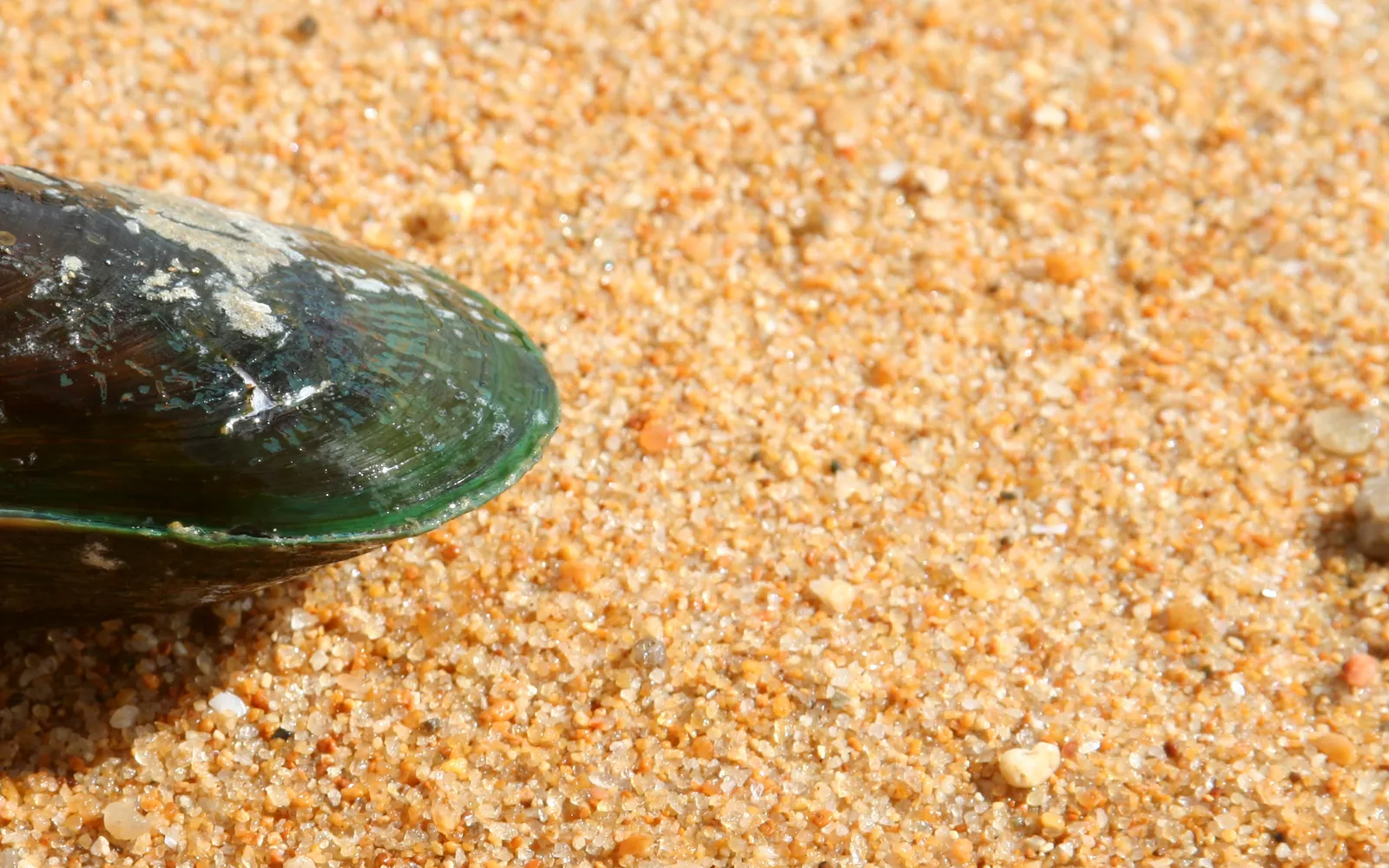
New Zealand's native mussel species — Perna canaliculus — is exported to more than 60 countries under the name green-lipped mussel. They run nearly twice the size of European mussels, with firm orange flesh that tastes mildly sweet and briny. The three most common preparations are steamed with garlic butter, grilled half-shell with cheese, or served raw on ice. The country's largest mussel farms are in the South Island, but Northland's local markets carry them fresh at very good prices.
- Buy fresh at the Onerahi Farmers Market on Saturday mornings — prices run about half what supermarkets charge
- Deep orange flesh means female; white flesh means male — both taste good, though females tend to be slightly sweeter
- Discard any mussel whose shell hasn't opened after 5 minutes of steaming — a safety rule, not a preference
 #2
#2 New Zealand Fish and Chips
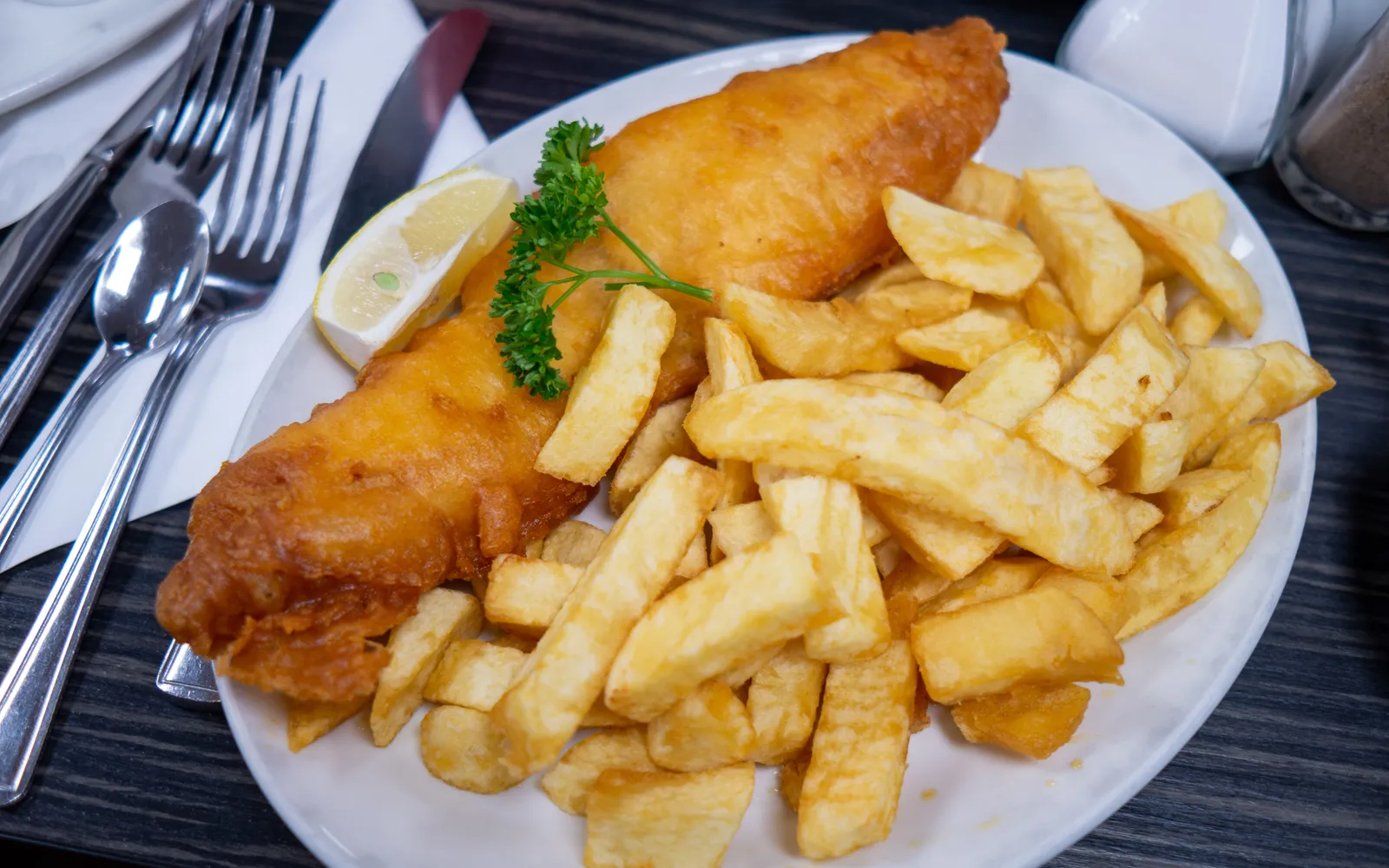
New Zealand's unofficial national dish, eaten by most locals at least once a week. The Kiwi version uses fresh snapper or tarakihi from the ocean, battered in beer batter or a thin crispy coat and fried in hot oil, served with thick-cut fries and tartare sauce. It differs from the British style in that the fish comes from warmer, shallower water — the flesh is softer and naturally sweeter. Prices are low and takeaway shops are everywhere; Whangarei has several well-regarded spots near the waterfront.
- Order snapper when it's available — slightly more expensive than gurnard or hoki, but the flesh is sweeter and thicker
- A good fish-and-chips shop posts its daily catch on a board; skip any place that doesn't have this information
- Eat by the water or at a park — locals open the paper wrap and eat it hot, right there
 #3
#3 Pāua Abalone
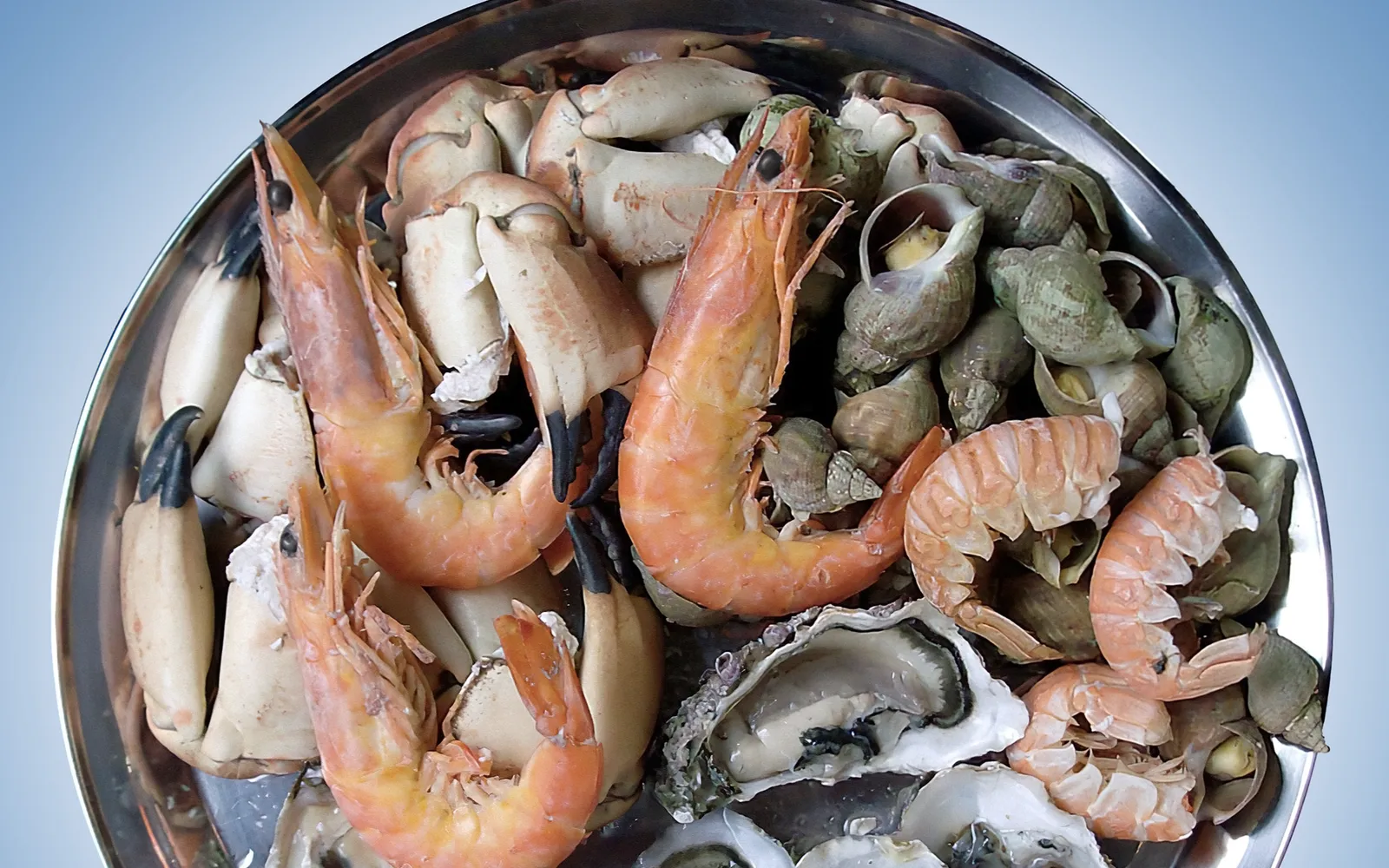
Pāua is an abalone species found only in New Zealand's cold coastal waters. The inside of the shell shimmers with green and blue iridescence — so striking that it's used in Māori jewellery and art. The dark, firm flesh has an intense oceanic flavour. Common preparations include grilling with garlic butter, mincing into fritters, or slicing thin for sashimi. Wild harvesting is tightly controlled: the legal limit is 10 pāua per person per day, and live export is banned — which is why restaurants source from farms.
- Expect to pay NZD 25–40 per dish; the price reflects the strict quota system, not restaurant mark-up
- Pāua shell souvenirs are sold at reasonable prices in Town Basin gift shops
- On a tighter budget, pāua fritters — small pieces in batter — cost less and still deliver the flavour
 #4
#4 Pavlova
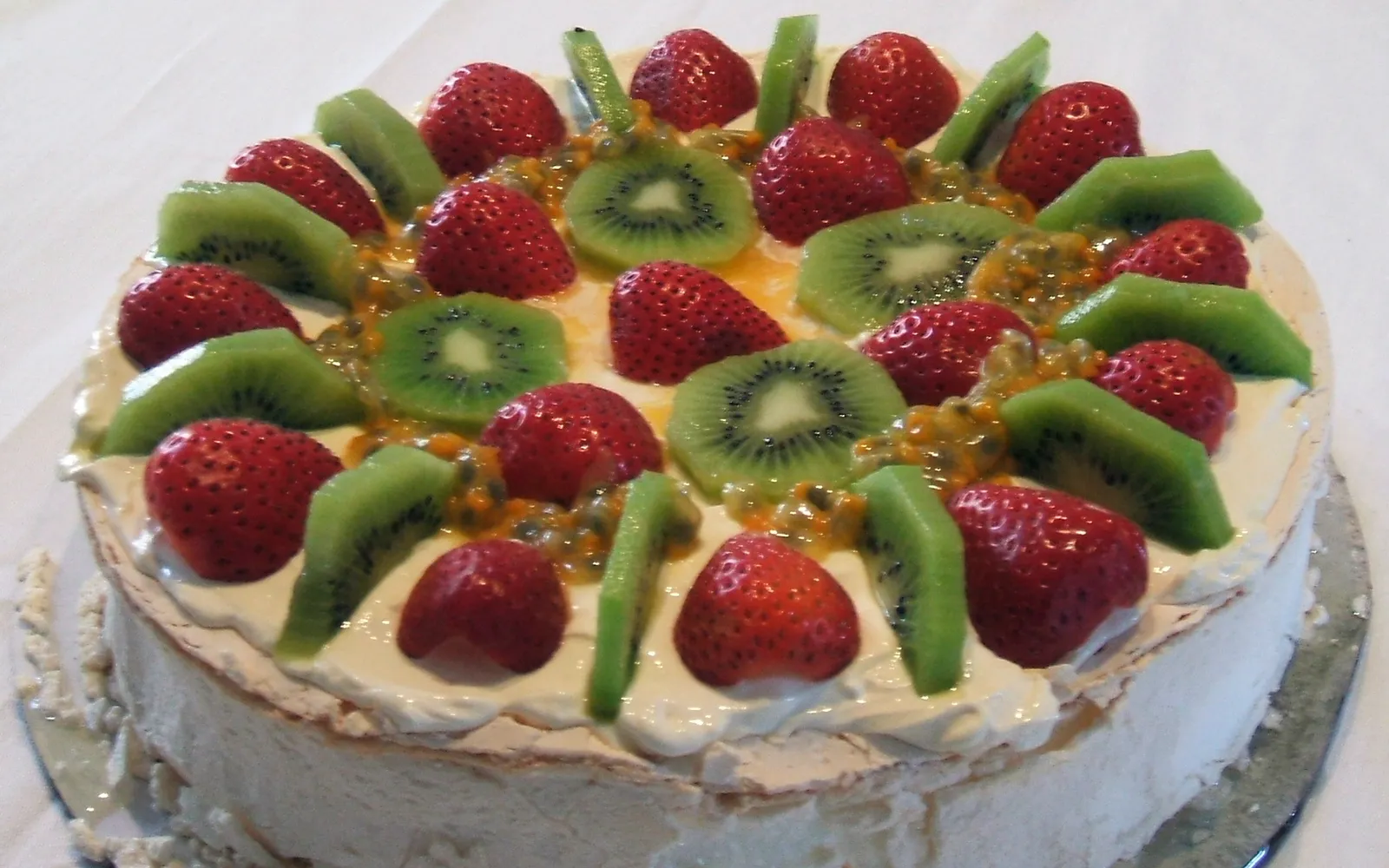
New Zealand's national dessert — though Australians still dispute who invented it first. The Kiwi version is a meringue baked deliberately crisp outside and marshmallow-soft inside, piled with heavy whipped cream and fresh seasonal fruit. Kiwifruit is the signature topping. A large pavlova is the centrepiece dessert at Christmas and Easter gatherings across the country. Several Whangarei cafés bake fresh ones every day.
- Order from a café in Town Basin that makes it fresh daily; the pre-packaged supermarket versions taste noticeably different
- Passionfruit topping is the local favourite — the tart-sweet pulp cuts through the cream perfectly
- Pavlova softens quickly in humidity; eat it immediately after ordering
 #5
#5 New Zealand Lamb
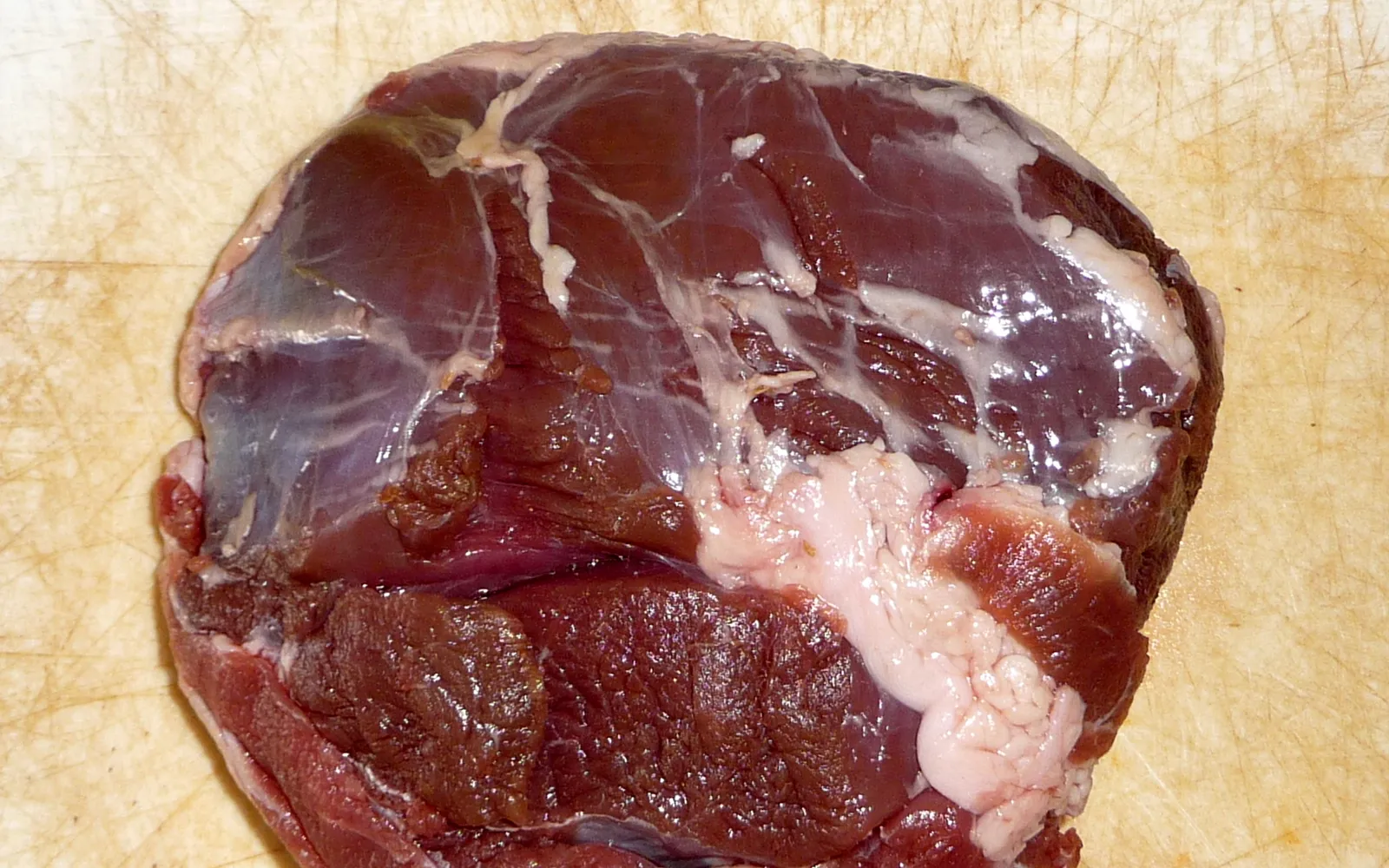
New Zealand is the world's largest exporter of lamb, and animals grazed on natural pasture year-round produce meat that is noticeably more tender and flavourful than lamb from most other countries — milder than European lamb with no gaminess. The most popular preparations are fresh-grilled rack of lamb and slow-braised lamb shoulder cooked for 8 hours, both served with classic mint sauce. Several Whangarei restaurants source their lamb directly from local Northland farms.
- Order medium-rare to get the best flavour — well-done toughens the meat and dulls the taste
- Mint jelly or mint sauce is the classic condiment; don't skip it even if it looks sweet — it works
- Raw lamb from New World or Countdown is very affordable compared to most countries; worth buying to take with you if you're continuing your travels
 #6
#6 New Zealand Rock Lobster (Crayfish)
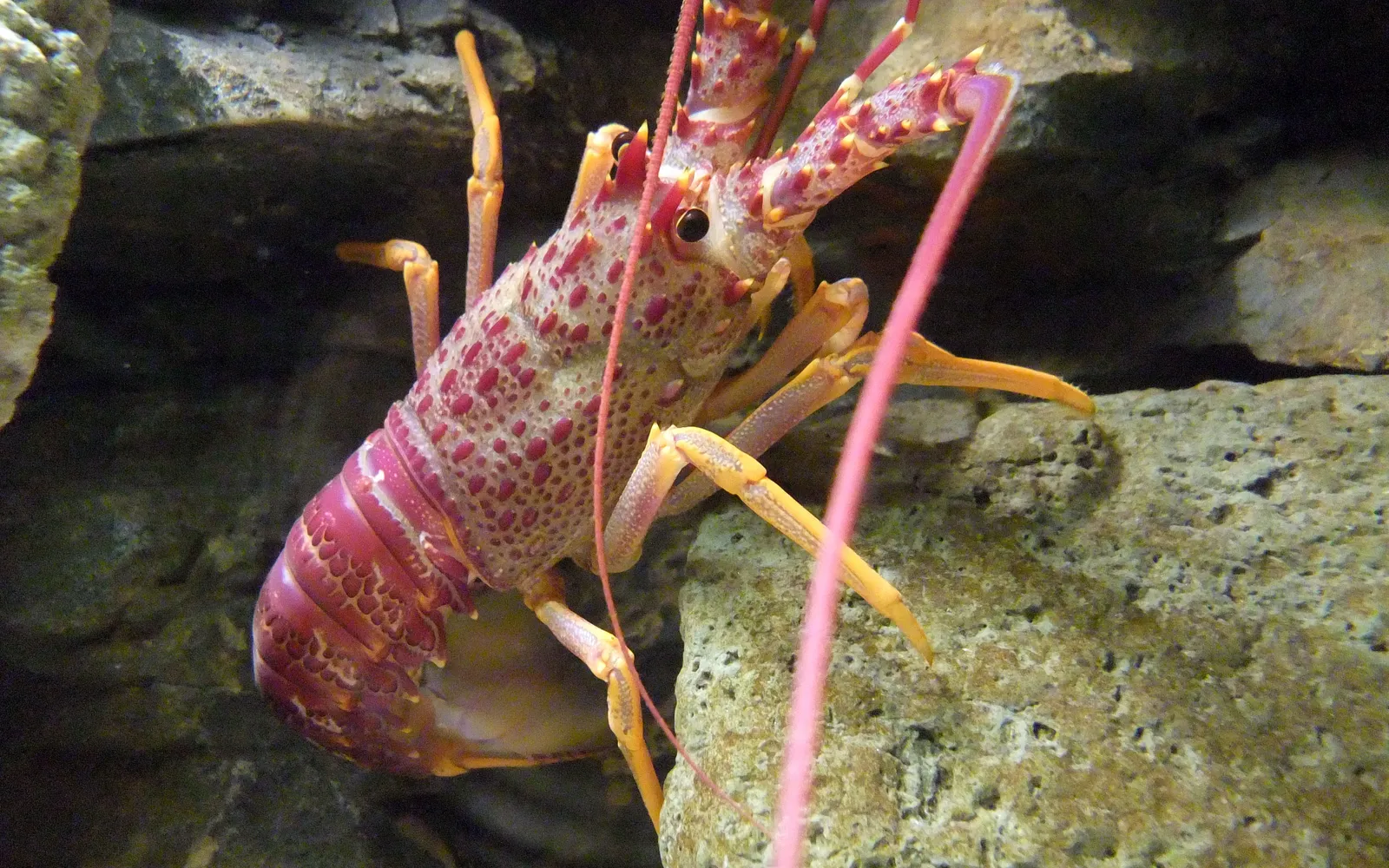
New Zealand's cold-water rock lobster — Jasus edwardsii, known locally as crayfish — has sweeter, more intense flesh than American lobster. It has no large claws; the tail and legs carry dense, firm meat. Fishers around Poor Knights and Bream Bay catch them in season. Standard serving is chilled and halved with mayonnaise, or grilled half-shell with garlic butter. It's the most expensive item on any seafood menu here, but serious eaters consider it worth every dollar.
- Prices fluctuate with season — April to June is typically cheapest, after the summer tourist rush ends
- Ask the restaurant whether the crayfish is from Northland or imported; local specimens are fresher and better
- Buy live from fishers at Tutukaka Wharf — significantly cheaper than restaurant prices if you're staying somewhere with a kitchen
Where to stay in Whangarei for this trip
A well-located hotel means less commuting and more sightseeing. Here are real, top-rated stays in Whangarei — compare Agoda · Booking · Trip.com in one click.
Quality Hotel Oceans Tutukaka
Affiliate links — we may earn a commission at no extra cost to you. Details
Distinction Whangarei Hotel
Affiliate links — we may earn a commission at no extra cost to you. Details
Greenhouse Hostel Whangarei
Affiliate links — we may earn a commission at no extra cost to you. Details
Cheviot Park Motor Lodge
Affiliate links — we may earn a commission at no extra cost to you. Details
Tours, tickets & activities in Whangarei
Day tours, attraction tickets and travel essentials for Whangarei — book ahead on Klook with mobile e-tickets.
Affiliate links — we may earn a commission at no extra cost to you.
Before You Pack
The best food in Whangarei tends to be found at Town Basin and the Saturday morning local market. Buy fresh mussels at the market and steam them yourself at your campsite, or sit at a waterfront restaurant on the Hātea River and order whatever fish is on the board that day — that experience stays with you longer than any expensive restaurant meal.