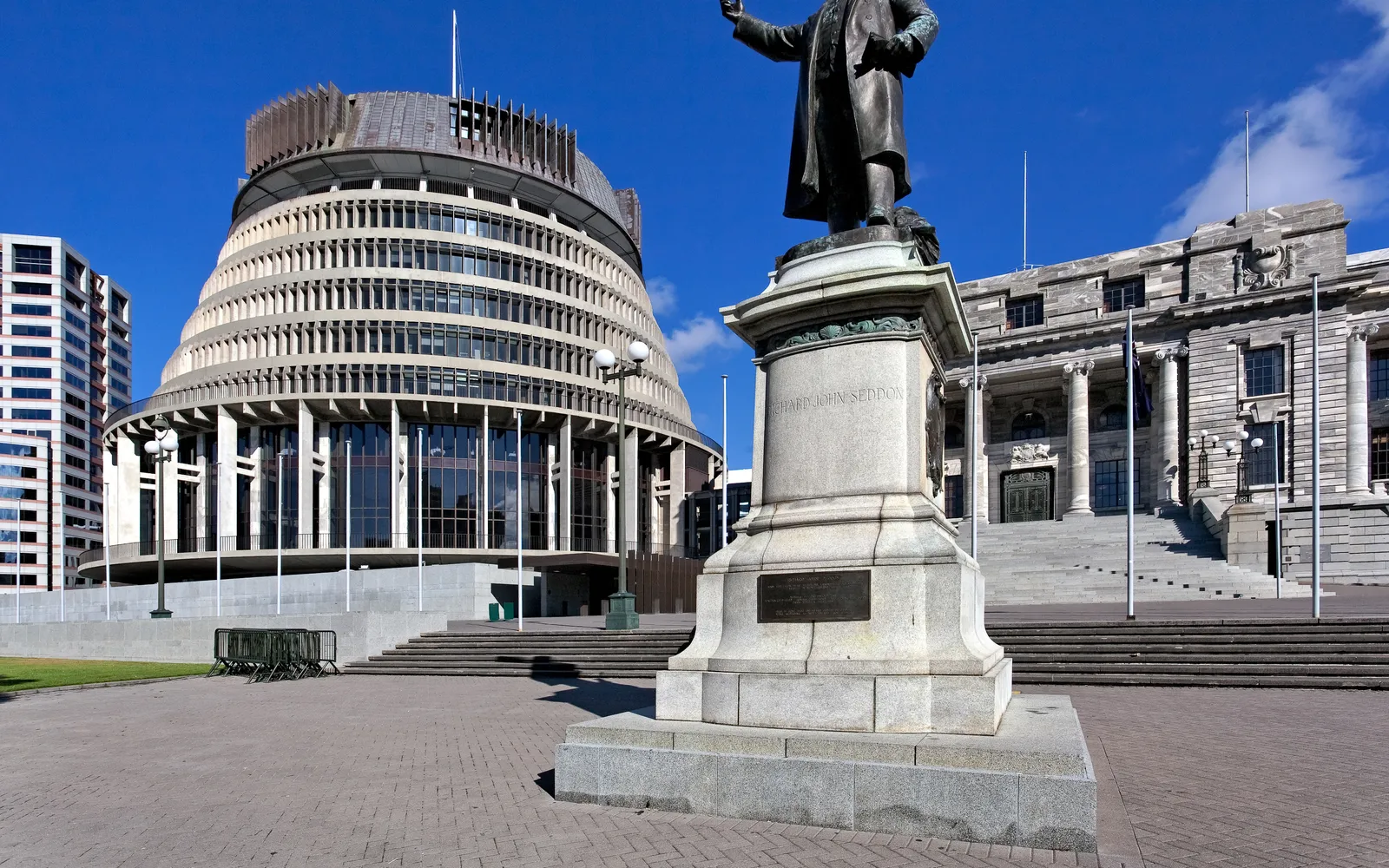
Wellington may not be a large capital city, but New Zealanders themselves will tell you there's nowhere in the country with more life and more worth exploring. Te Papa museum — free forever — a 120-year-old Cable Car, and Zealandia's sanctuary for rare native birds all sit within a city you can walk end to end in half a day. Just bring a windbreaker.
 #1
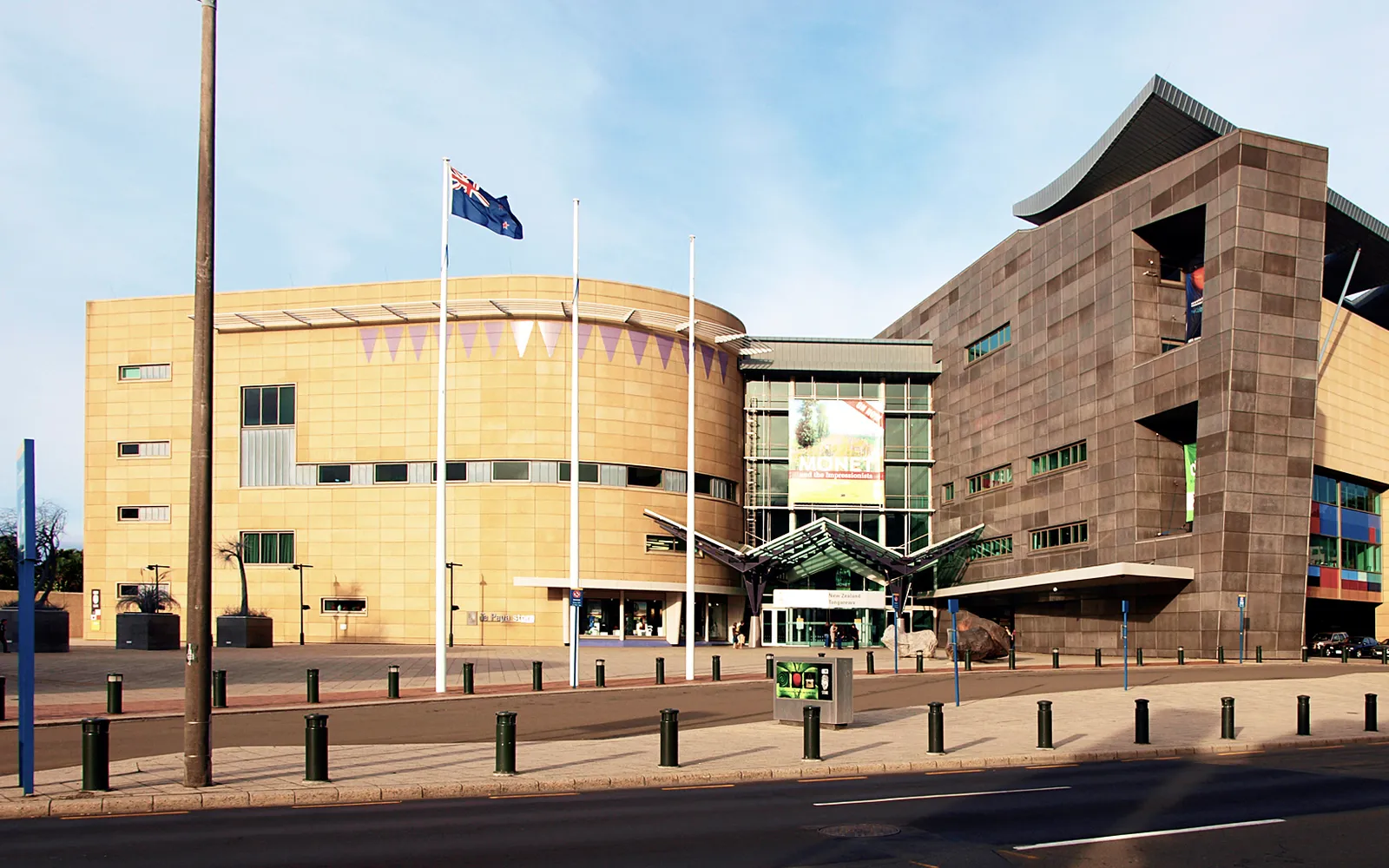
#1 Museum of New Zealand Te Papa Tongarewa
New Zealand's largest national museum, permanently free to enter, opened in 1998 on the Wellington Waterfront. Its 6 floors bring together Maori history, natural history, and New Zealand culture in one place. Highlights include an original <em>marae</em> (traditional Maori meeting house), giant prehistoric animals, and the world's largest colossal squid on display — preserved whole. A full day here passes easily without any sense of wasted time.
- Entry is free year-round; only select special exhibitions charge admission. Book special-exhibition tickets online in advance.
- Level 4 — the Te Ao Hou area covering Maori culture — is the most impressive floor. Don't skip it.
- The in-museum restaurant has great harbour views but prices to match. Eat at Cuba Street first and come back in the afternoon.
 #2
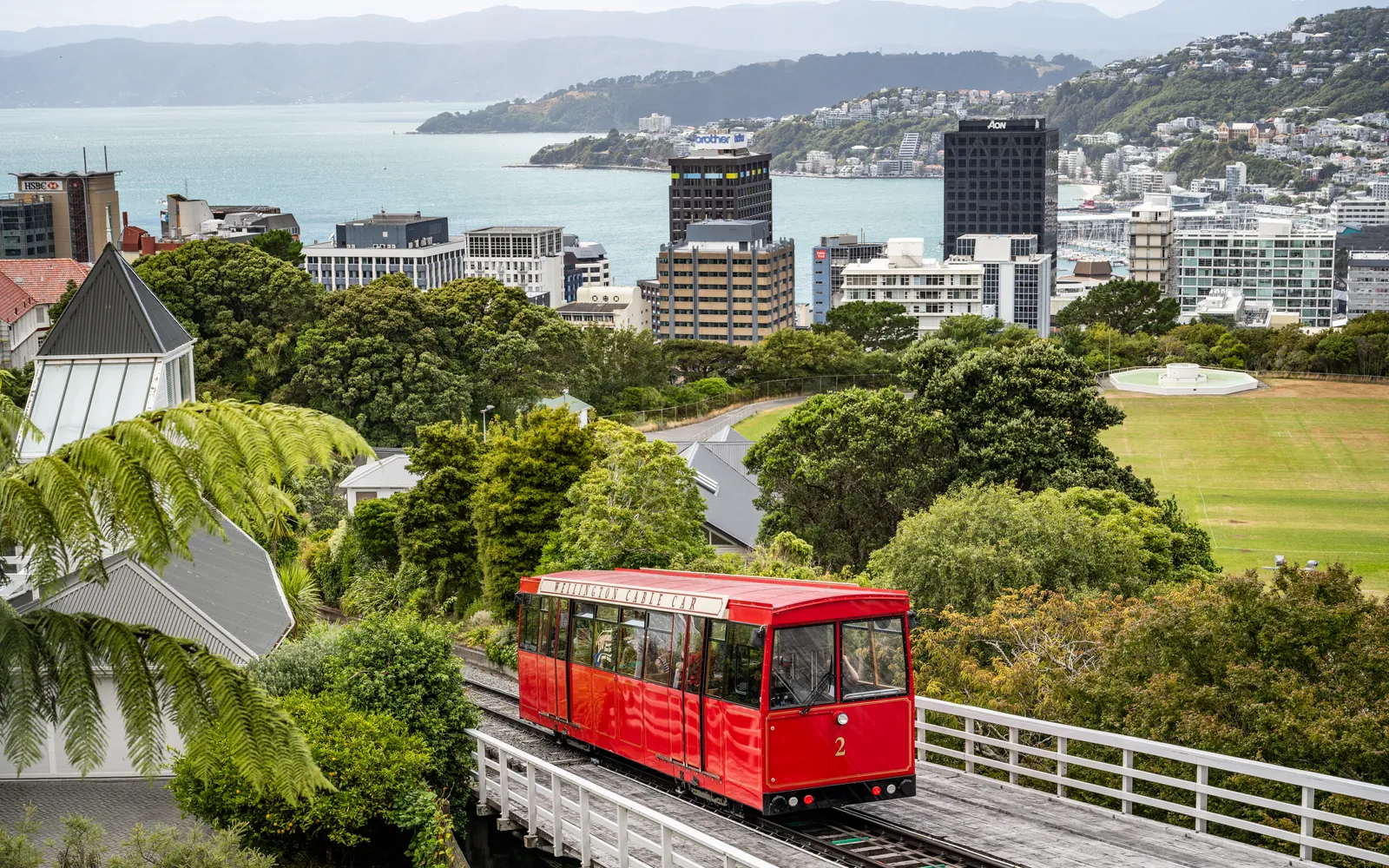
#2 Wellington Cable Car
Wellington's iconic cable car has been running since 1902, climbing a steep 120 metres from the CBD up to the Kelburn neighbourhood in just 5 minutes. The views from the top are worth every second of the ride. At the Kelburn terminal you'll find the Wellington Botanic Garden and a free 180-degree city lookout. The cars themselves were updated in 1979 but retain the classic style of the original.
- A return adult fare is around NZD 6–8. Buy tickets at the Lambton Quay lower station or online.
- Ride up and walk back down through the Botanic Garden — about 1.5 hours total, with a gentle downhill gradient.
- The small Cable Car Museum at the Kelburn terminal is free and covers 120 years of history.
 #3
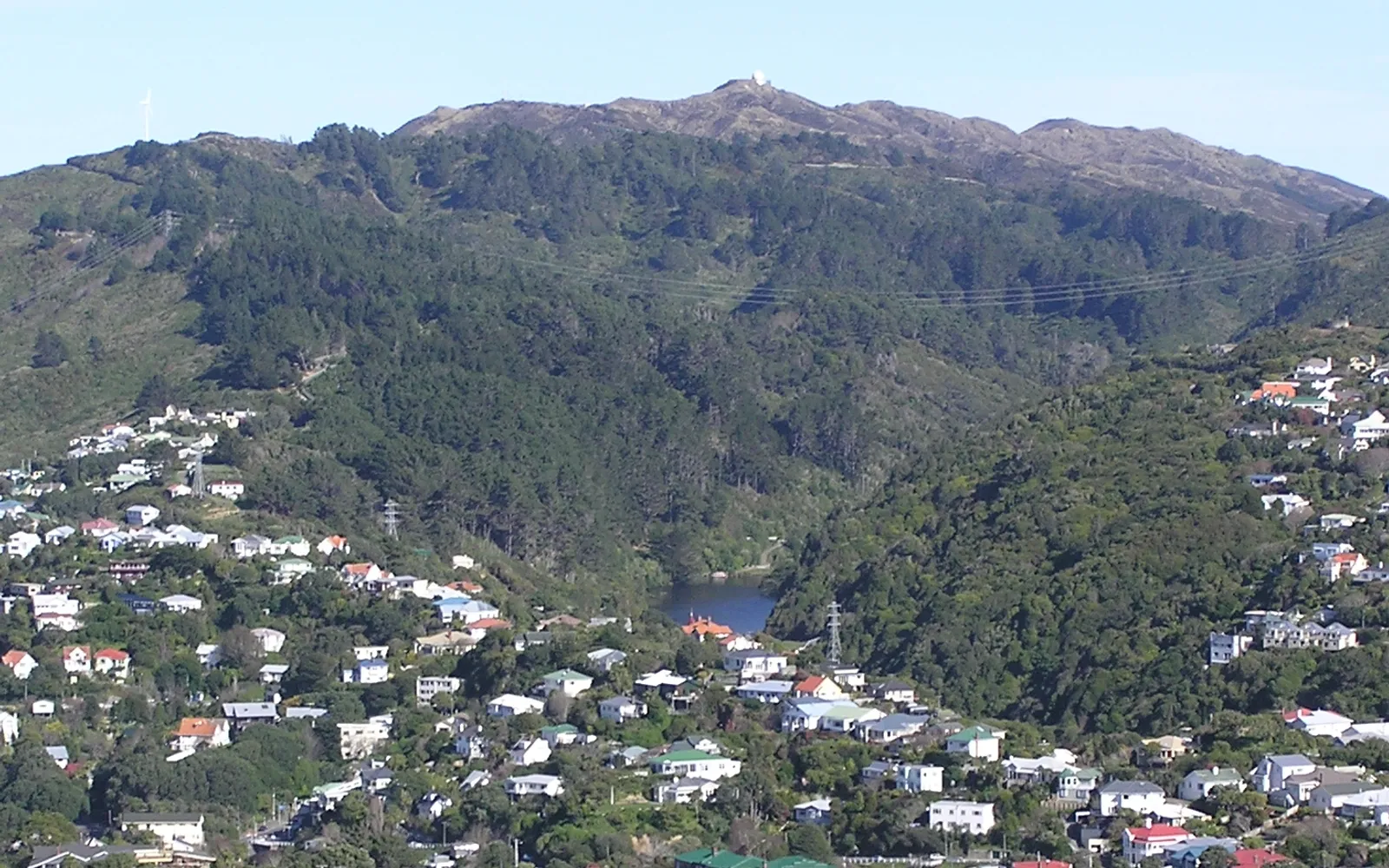
#3 Zealandia Wildlife Sanctuary
An urban eco-sanctuary unlike anything else on earth. An 8.6 km predator-free fence rings a 225-hectare valley to protect New Zealand's near-extinct native birds from rats, cats and stoats. This is one of the only places you'll see a <em>tuatara</em> (an ancient reptile lineage dating back 240 million years), <em>kaka</em>, <em>tui</em>, and kiwi in genuine forest — not a cage. The night tour gives a real chance of spotting a live kiwi.
- Adult entry is around NZD 21–25. Night tours must be booked in advance and cost more, but they're worth it.
- Birds are most active between 08:00–10:00. Wellington's forest sounds at that hour are remarkable.
- Grippy shoes are essential — some paths are steep and can be slippery after rain.
 #4
#4 Mount Victoria Lookout
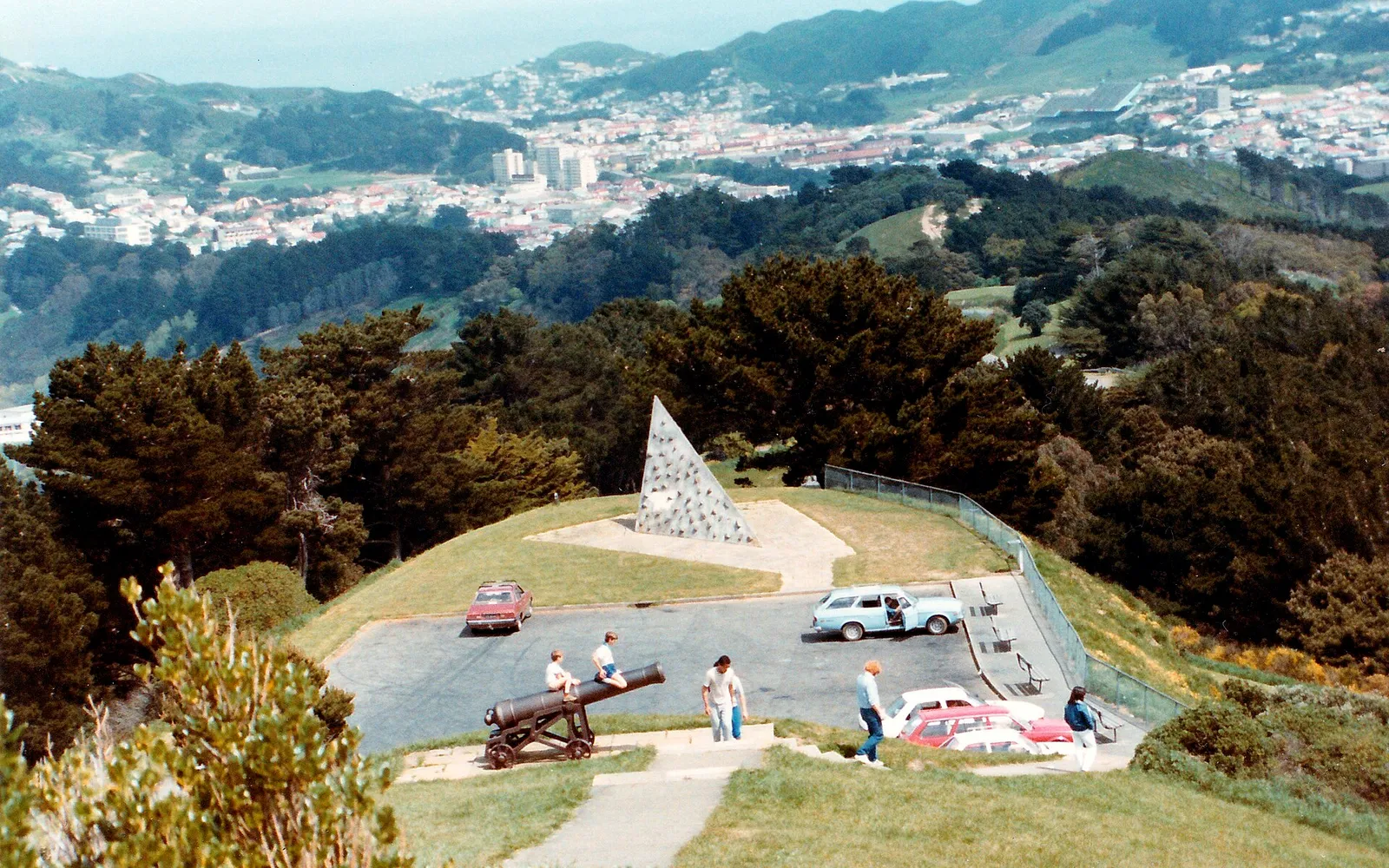
Wellington's best viewpoint — free, and walkable from the city centre. At 196 metres, the summit delivers a 360-degree panorama of Wellington Harbour, Hutt Valley, and the Remutaka Range. Walking tracks at multiple difficulty levels lead up, from easy family-friendly paths to steeper routes. The area also served as an early filming location for Peter Jackson's <em>Lord of the Rings</em>, used as Hobbiton in the initial shoot.
- You can drive and park at the summit car park if you'd rather skip the walk. On foot from Oriental Parade takes 30–40 minutes.
- The wind is strong at the top even in summer. Carry a light windbreaker every time.
- Sunset from Mount Victoria is the finest in Wellington. Arrive before 17:30 in summer.
 #5
#5 Cuba Street
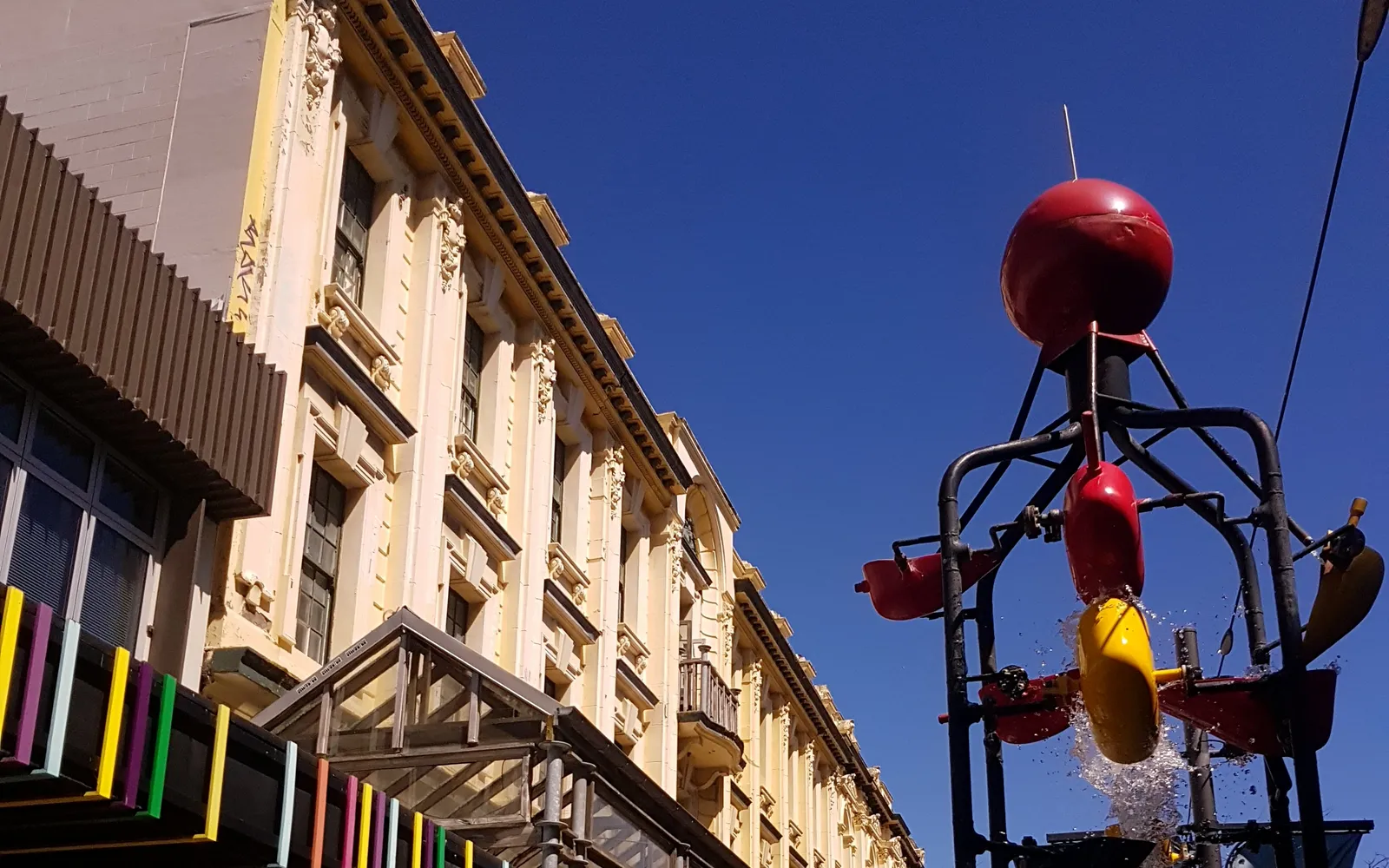
Wellington's most vibrant pedestrian street, lined with artisan coffee shops, international restaurants, vintage clothing stores, art galleries, and bars that open their doors from midday. Cuba Street is the heart of Wellington's distinct culture — something that sets the capital apart from every other New Zealand city. It's often called the 'hipster strip', but in reality it's where all kinds of people converge. The <strong>Bucket Fountain</strong> is the street's quirky landmark at its centre.
- The neighbourhood has dozens of excellent coffee shops. Espresso Workshop and Havana Coffee Works are both award-winners.
- The Cuba Street Farmers Market runs Saturday–Sunday from 08:30 with fresh local produce and food stalls.
- For vintage shopping, try Hunters and Collectors or Trade Aid for fair-trade goods from around the world.
 #6
#6 Wellington Waterfront
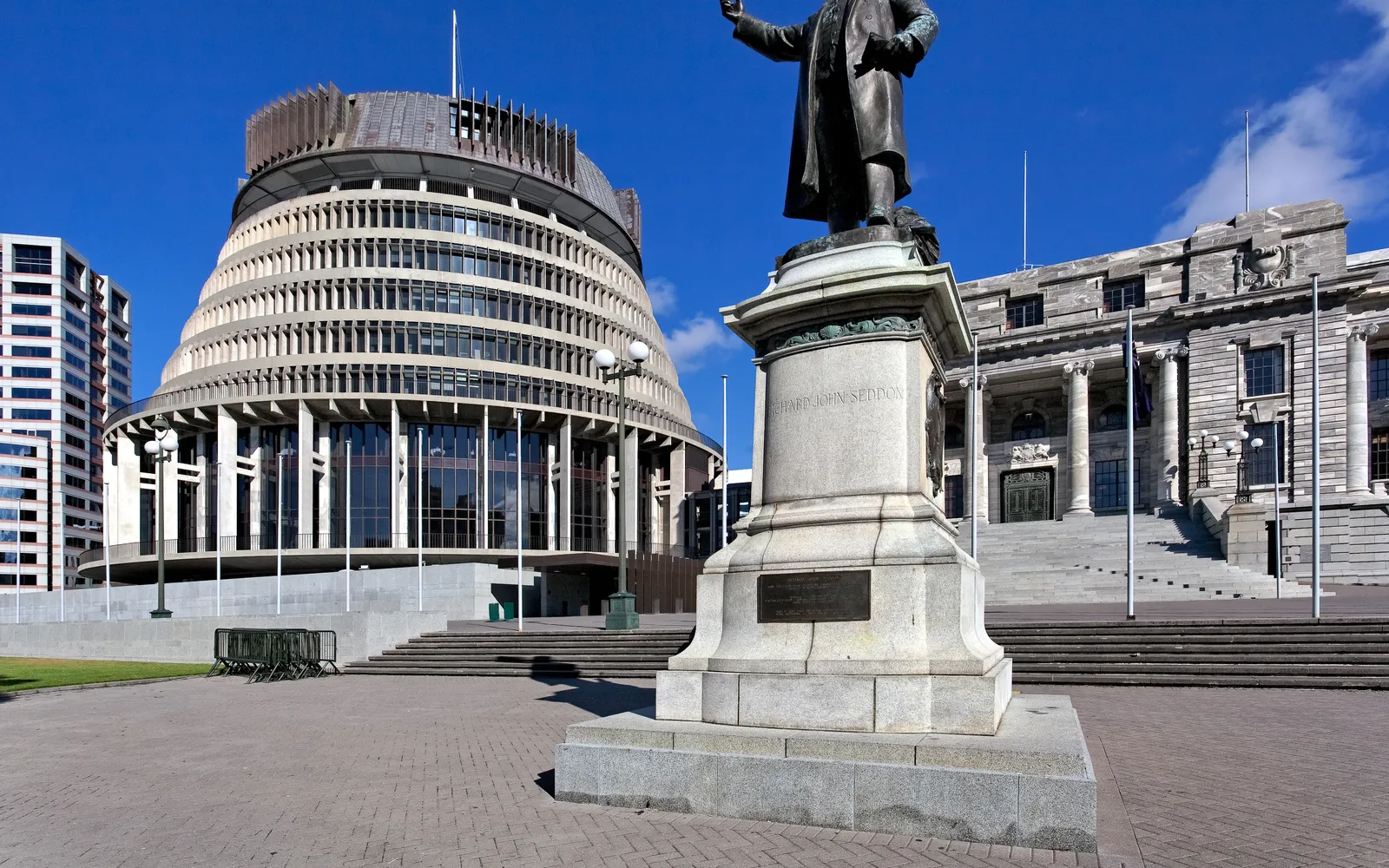
Wellington's redeveloped harbour promenade, built up since 2000, stretches over 3 km — linking Te Papa to Jacks Point and Oriental Parade. Along the way: coffee shops, seafood restaurants, public galleries, and the preserved buildings of the historic working port. On evenings, Wellingtonians come out to run, cycle, and watch the sunset along the full length of the waterfront. It's genuinely community-oriented, not just a tourist corridor.
- The Harbourside Market runs Saturday–Sunday 07:30–14:00 from October to April, with excellent local produce.
- Rent a bike from a Nextbike green station around the city — NZD 3.50 per 30 minutes covers the full Waterfront route comfortably.
- The sea wind is strong here, especially July–August. Pack a proper windproof jacket.
Where to stay in Wellington for this trip
A well-located hotel means less commuting and more sightseeing. Here are real, top-rated stays in Wellington — compare Agoda · Booking · Trip.com in one click.
The Dwellington
Affiliate links — we may earn a commission at no extra cost to you. Details
Sofitel Wellington
Affiliate links — we may earn a commission at no extra cost to you. Details
QT Museum Wellington
Affiliate links — we may earn a commission at no extra cost to you. Details
InterContinental Wellington
Affiliate links — we may earn a commission at no extra cost to you. Details
Tours, tickets & activities in Wellington
Day tours, attraction tickets and travel essentials for Wellington — book ahead on Klook with mobile e-tickets.
Affiliate links — we may earn a commission at no extra cost to you.
Before You Pack
Wellington is best visited December–March (New Zealand summer) — warm days, long daylight, and festivals in full swing. Even in the winter months of July–August, the indoor coffee shops and Te Papa alone make the trip worthwhile for travelers who prefer their cities quiet. Two to three days covers all the highlights comfortably.