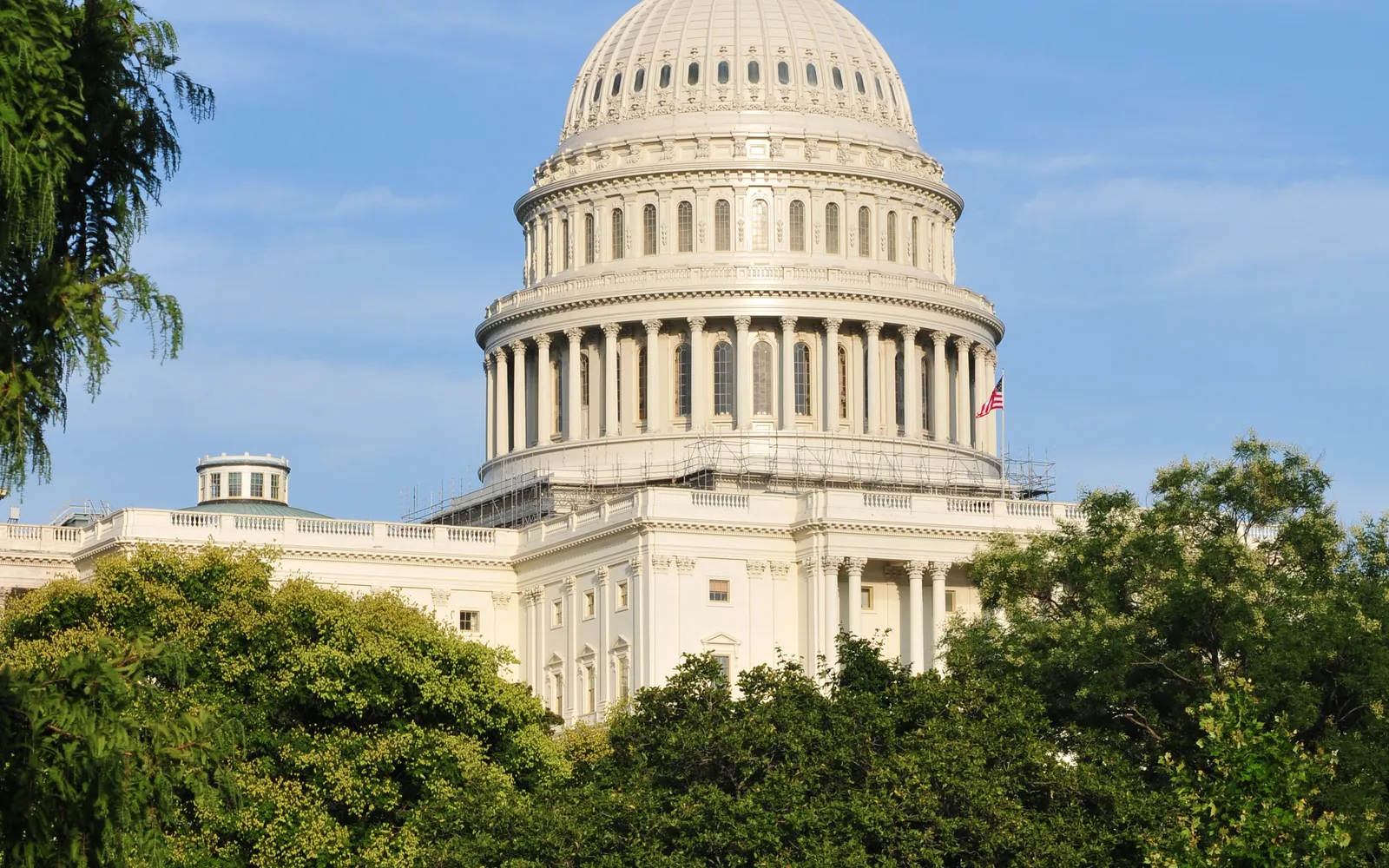
Washington D.C. is far more than a capital city — it is a city-sized history museum that is almost entirely free to enter. From the Lincoln Memorial standing guard at the end of the Reflecting Pool to the 19 Smithsonian museums lined up along the National Mall, every corner of this city tells a story that shaped the modern world. Bring comfortable shoes and plan for at least 3 to 4 days to do it justice.
 #1
#1 Lincoln Memorial
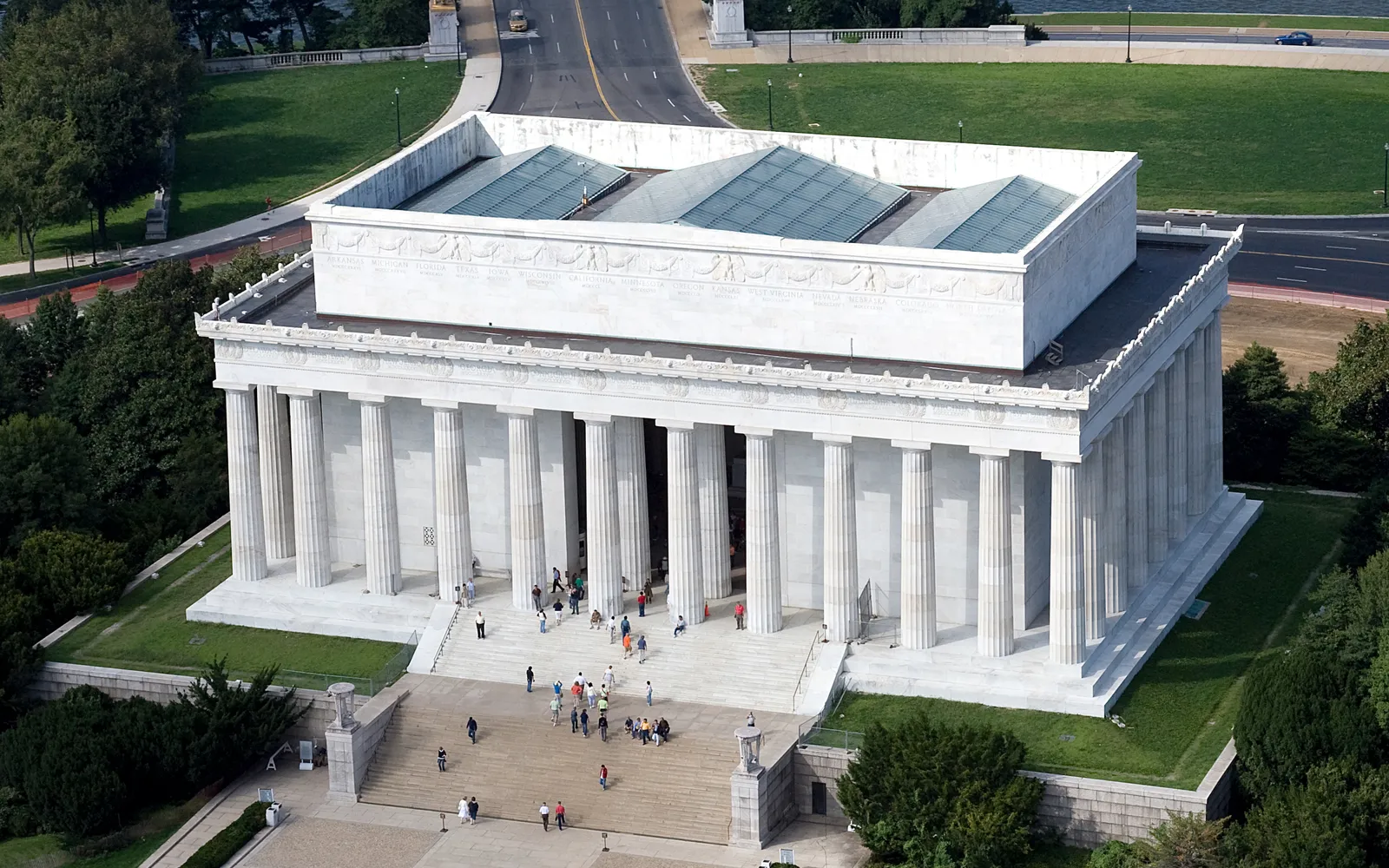
One of the most powerful symbols in America, built to honor President Abraham Lincoln. The <strong>5.8-metre marble statue</strong> sits with quiet authority, while the interior walls carry the full text of the Gettysburg Address and the Second Inaugural Address. These very steps are where <strong>Martin Luther King Jr.</strong> delivered the <em>I Have a Dream</em> speech in <strong>1963</strong>. At night the atmosphere is serene — far fewer crowds than midday, and the lit columns reflecting off the pool are genuinely worth staying up for.
- Open 24 hours, no admission charge. Come after 8 p.m. for the quietest and most atmospheric experience.
- Stand on the 18th step from the top — the spot where King spoke. A small inscribed marker shows the exact position.
- The memorial is fully open-air; afternoon sun in summer is punishing. Early morning or evening visits are far more comfortable.
 #2
#2 Washington Monument
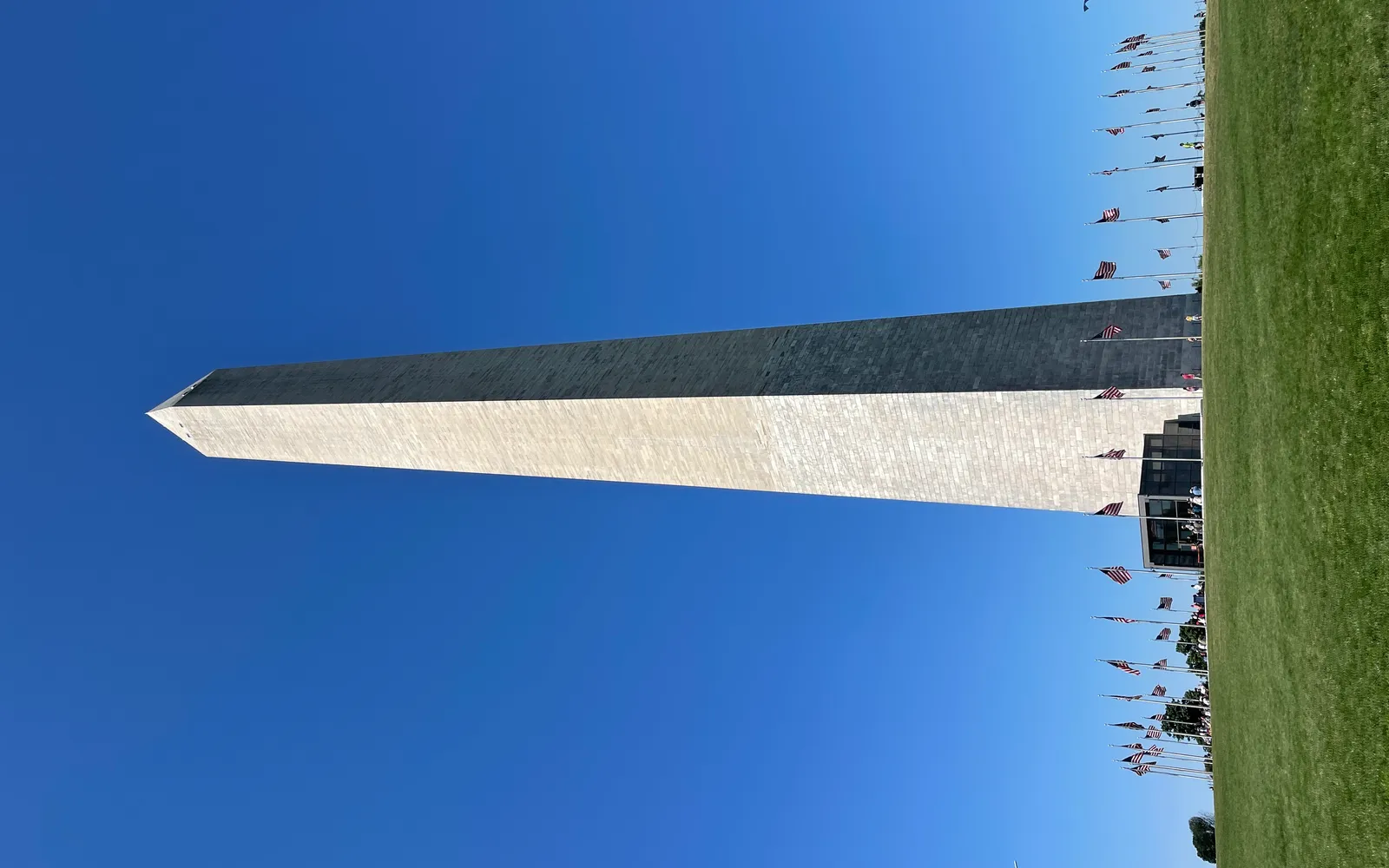
When it was completed in <strong>1884</strong>, this granite obelisk was the tallest structure on Earth. It was designed in the Egyptian obelisk style to honor George Washington, the first president. An elevator carries you to <strong>152 metres</strong> for a full 360-degree view of the National Mall — memorials, the Capitol, and the White House all visible at once. Construction stretched over <strong>40 years</strong>, interrupted by the Civil War and funding gaps, which is why you can still see a distinct color change in the stone roughly halfway up — the lower section came from a different quarry.
- Elevator tickets are free but must be reserved in advance at recreation.gov. They sell out fast, especially in peak season.
- Even without an elevator ticket, the small ground-level pavilion has a free exhibition on the monument's construction history.
- Look for the color seam near the middle — the lower stone is noticeably darker because quarrying restarted at a different site after a 23-year pause.
 #3
#3 United States Capitol
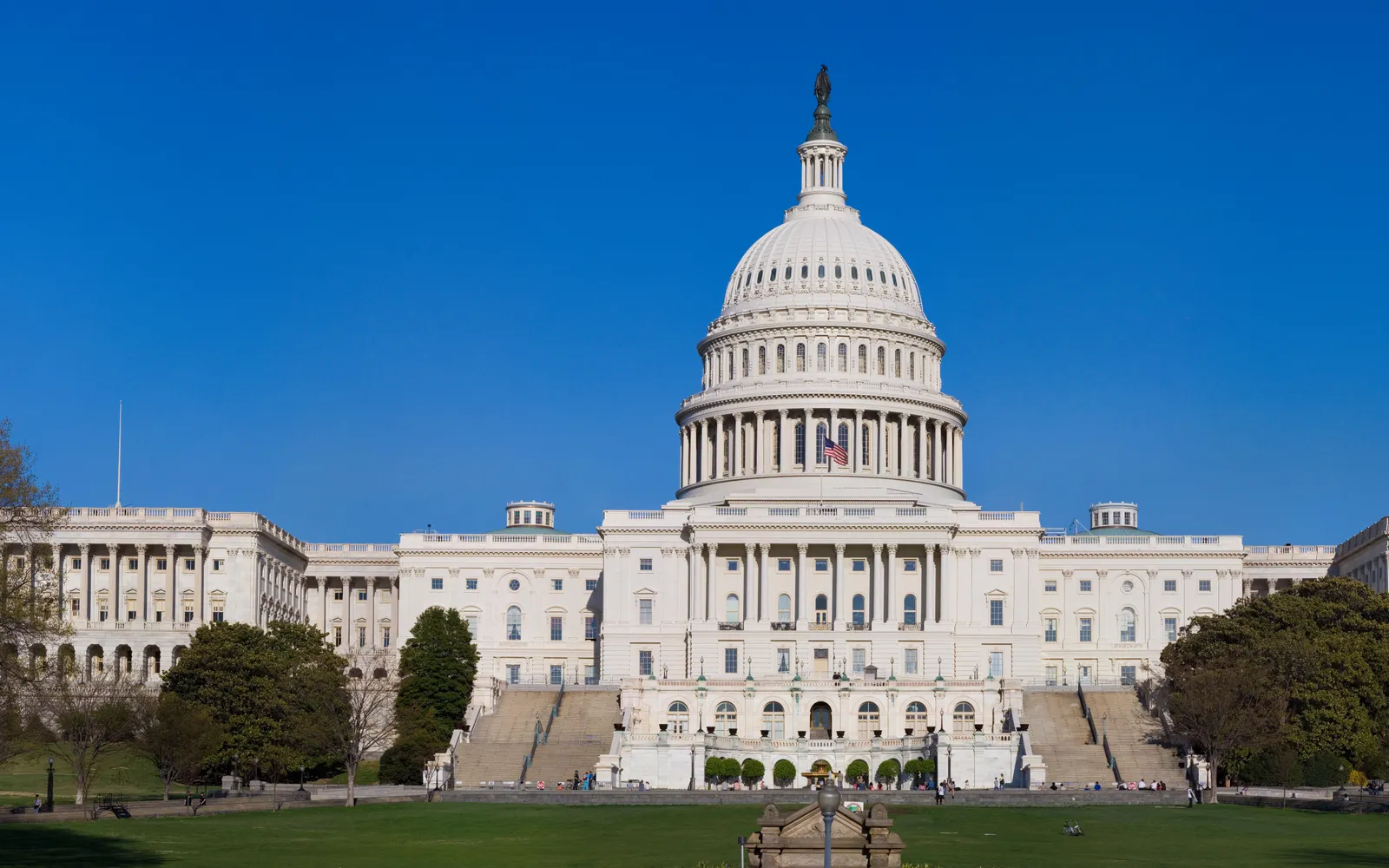
The seat of American democracy, completed in <strong>1800</strong>. The <strong>88-metre dome</strong> is one of the most recognizable silhouettes on earth. Inside, the Capitol Rotunda is decorated with wall murals and statues of former presidents. Entry is free through the underground Capitol Visitor Center, though security screening is airport-level thorough. The surrounding grounds include landscaped gardens and strong panoramic angles back toward the National Mall.
- Book a free guided tour at least 2 to 3 weeks ahead at visitthecapitol.gov — summer slots disappear within days.
- Bring photo ID and expect a full security check similar to an airport. Some items cannot be brought inside.
- For the best photograph of the building, step back onto the eastern side of the National Mall rather than standing right at the base.
 #4
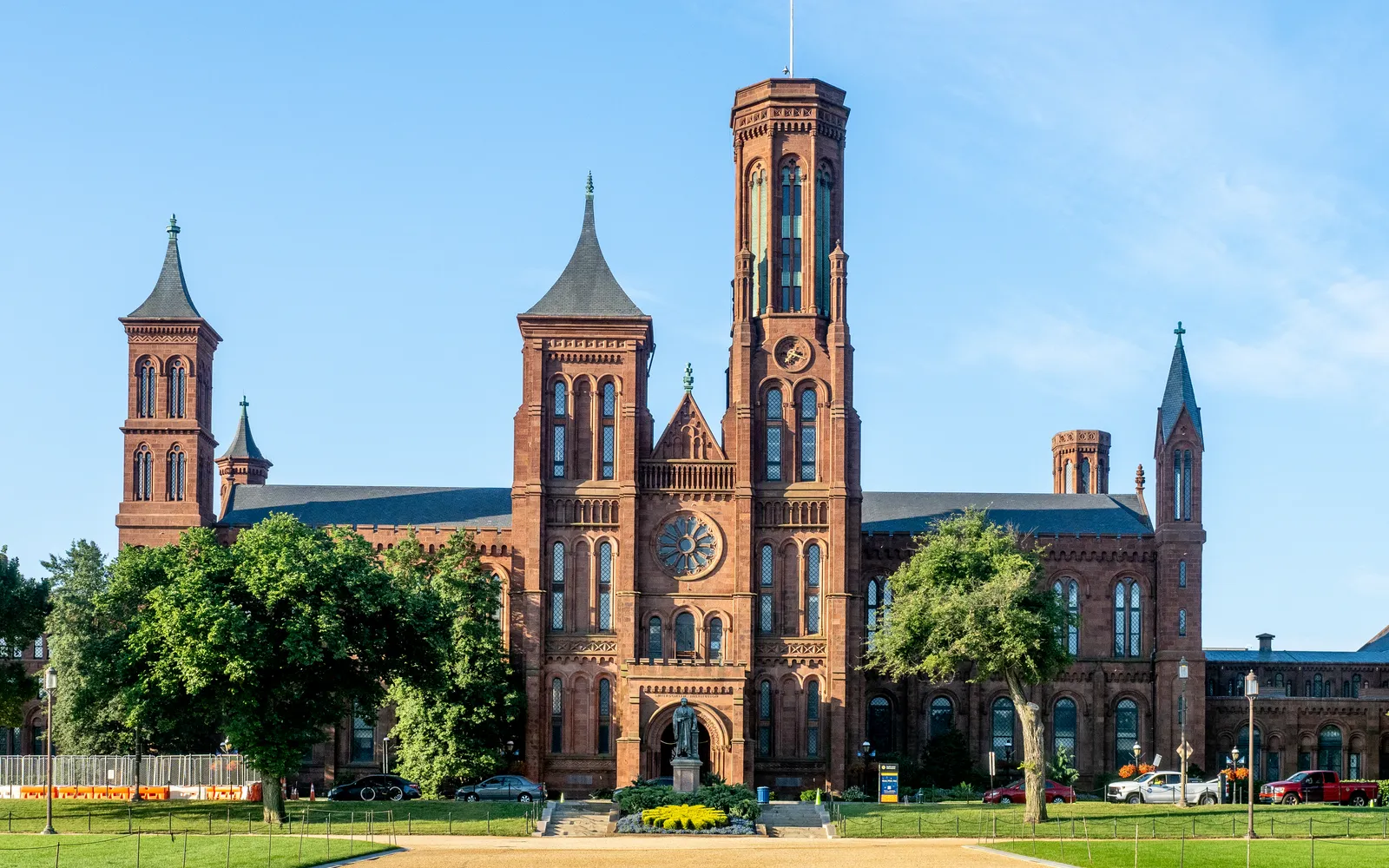
#4 Smithsonian Institution Building
The hub of a network of <strong>19 Smithsonian museums</strong>, every single one free to enter. The <strong>170-year-old</strong> red castle is the best starting point for planning your visit. Within walking distance from here: the National Museum of Natural History (dinosaurs, the Hope Diamond), the National Museum of American History, and the National Air and Space Museum (the Apollo 11 spacecraft). No other city on earth has concentrated this density of free, top-tier museums in one walkable strip.
- Pick 1 or 2 museums per day — don't try to cover them all at once. The Air and Space Museum and Natural History alone each take at least 3 hours.
- The National Museum of African American History has limited daily tickets; reserve online several weeks in advance.
- The cafeterias in the Natural History and Air and Space buildings are large and reasonably priced for a museum of this caliber.
 #5
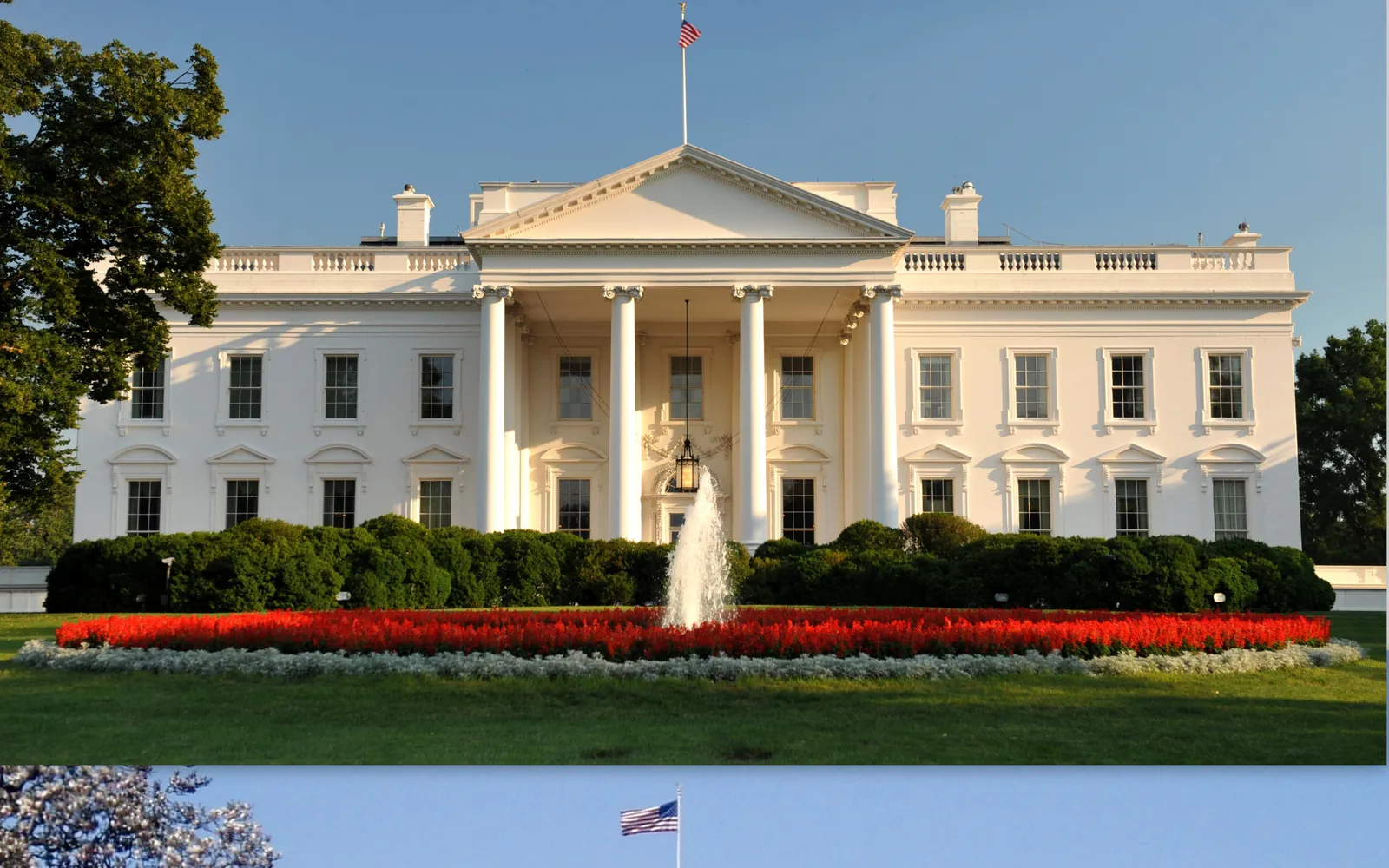
#5 White House
Home and office of every U.S. president since <strong>John Adams in 1800</strong>. The exterior view from Lafayette Square is free and always accessible. Interior visits require coordination through a member of Congress and must be arranged <strong>at least a year</strong> in advance. Both the Ellipse (south grounds) and President's Park are public walking areas that offer excellent angles of the building. During the December holiday season, the giant Christmas tree on the North Lawn is an impressive sight.
- General tourists cannot enter the building directly, but the White House Visitor Center on 15th Street is free and has exhibitions on the history of each room.
- The best photograph of the south facade comes from the Ellipse in the morning when the light falls squarely on the building.
- Security around the perimeter is tight. Do not approach the fence or make gestures that could draw attention from the agents on duty.
 #6
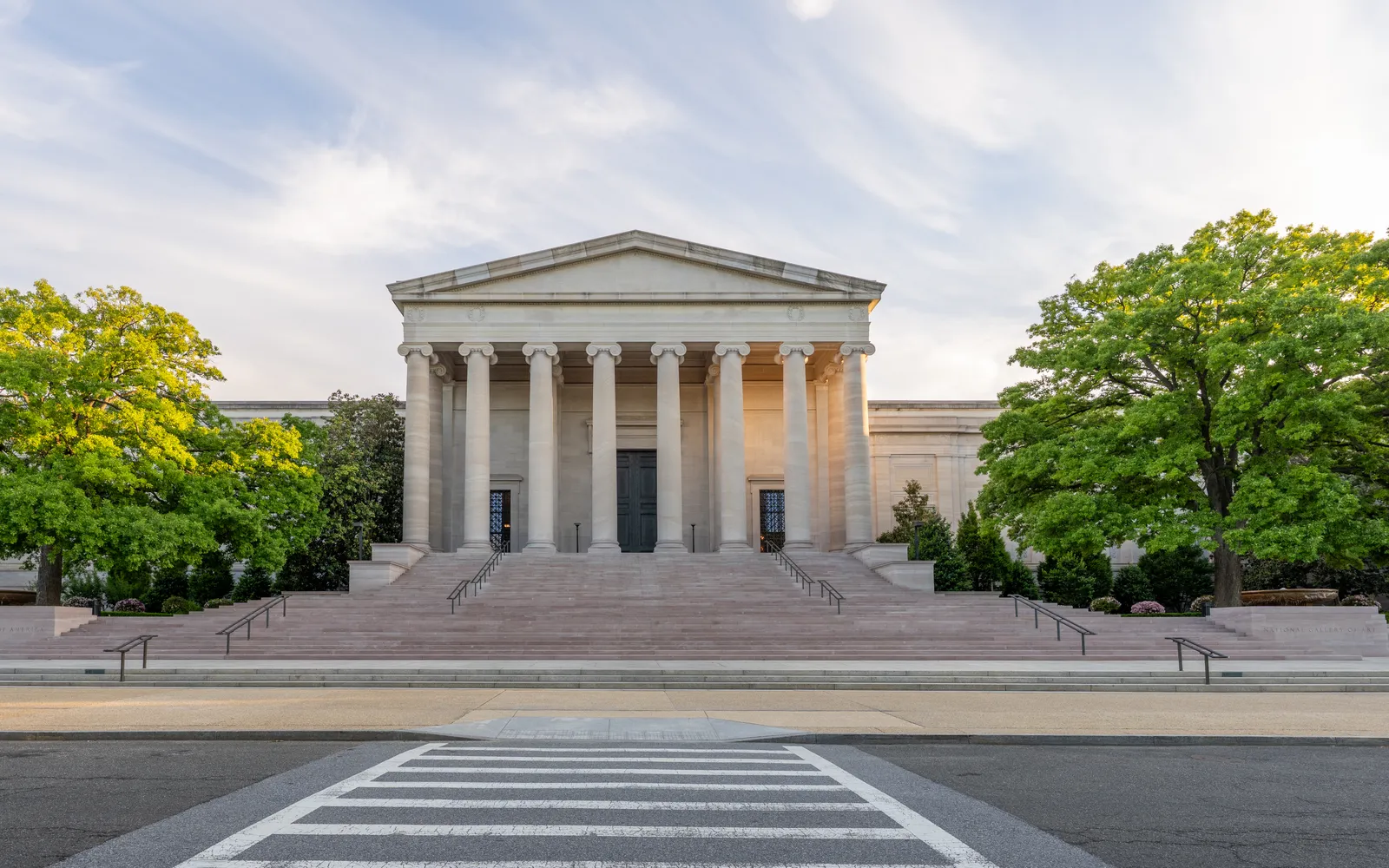
#6 National Gallery of Art
One of the great art museums in the world, and completely free to enter. It divides into two buildings: the classical <strong>West Building</strong>, which holds European art from the medieval period through Impressionism — including the <strong>only Leonardo da Vinci painting in the Americas</strong> — and the <strong>East Building</strong>, designed by <strong>I.M. Pei</strong>, dedicated to modern and contemporary work. An underground passage connecting the two features a glass waterfall — a good reason to slow down and escape the summer heat.
- The underground corridor between East and West Buildings has a striking glass waterfall cascade — worth pausing at for photographs.
- West Building hours: 10 a.m. to 5 p.m. East Building: 10 a.m. to 7 p.m. (Thursdays until 9 p.m.). Confirm before you go.
- The Cascade Cafe in the underground passage offers a wide menu at prices that are reasonable for a museum of this standing.
Where to stay in Washington D.C. for this trip
A well-located hotel means less commuting and more sightseeing. Here are real, top-rated stays in Washington D.C. — compare Agoda · Booking · Trip.com in one click.
The Hay-Adams
Affiliate links — we may earn a commission at no extra cost to you. Details
The Jefferson, Washington, DC
Affiliate links — we may earn a commission at no extra cost to you. Details
Four Seasons Hotel Washington, DC
Affiliate links — we may earn a commission at no extra cost to you. Details
InterContinental The Willard Washington D.C. by IHG
Affiliate links — we may earn a commission at no extra cost to you. Details
Tours, tickets & activities in Washington D.C.
Day tours, attraction tickets and travel essentials for Washington, D.C. — book ahead on Klook with mobile e-tickets.
Affiliate links — we may earn a commission at no extra cost to you.
Before You Pack
Washington D.C. is worth visiting year-round, but the best window is March through May, when cherry blossoms ring the Tidal Basin and temperatures are mild. Avoid peak summer — July and August are hot and humid. Budget at least 3 days to cover the main memorials and museums without rushing.