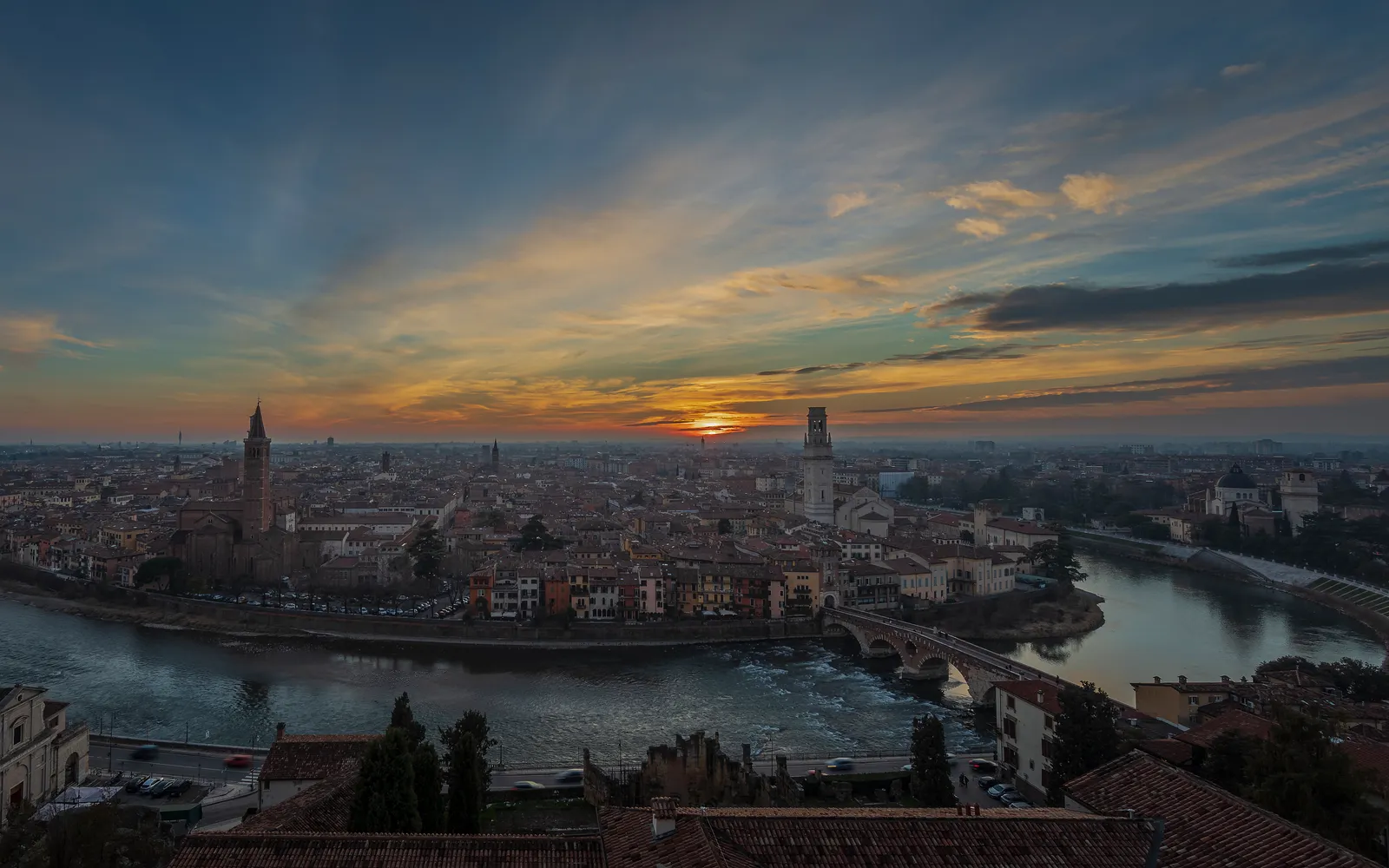
Verona is the city many travelers dismiss as a day trip — then walk away wishing they'd stayed longer. The Arena di Verona, one of the best-preserved Roman amphitheaters in the world, has hosted open-air opera every summer since 1913. The central squares rank among the most beautiful in northern Italy, and Ponte Pietra has been crossing the Adige River since Roman times. Plan for 2 full days so you're not rushing.
 #1
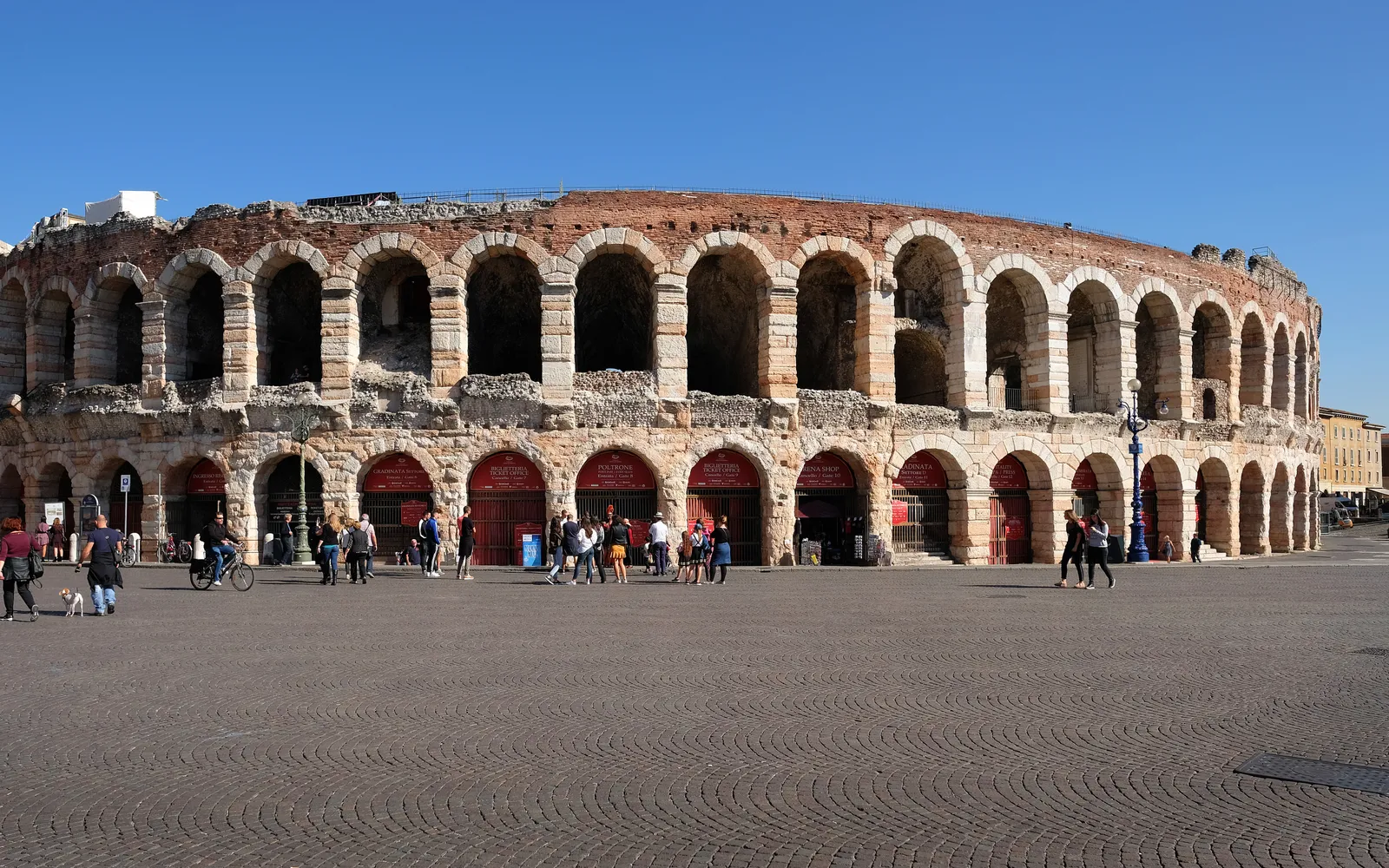
#1 Arena di Verona
One of the most complete Roman amphitheaters in the world, built in the 1st century AD and able to hold more than 30,000 spectators. It still hosts a world-class opera festival every summer, running uninterrupted since 1913. You can walk the interior any day it's open and climb to the upper tiers for a sweeping view of Verona. If your visit falls during opera season, get a ticket — hearing music inside this ancient stone bowl is something else entirely.
- Admission €10, open 9:00–19:00 (closed Mondays); hours are shorter on opera-season mornings
- Open-air opera tickets run €30–200 — book months ahead at arena.it, especially for July and August
- Gradinata seats (stone benches, no cushion) are the cheapest option; bring your own cushion or rent one at the gate
 #2
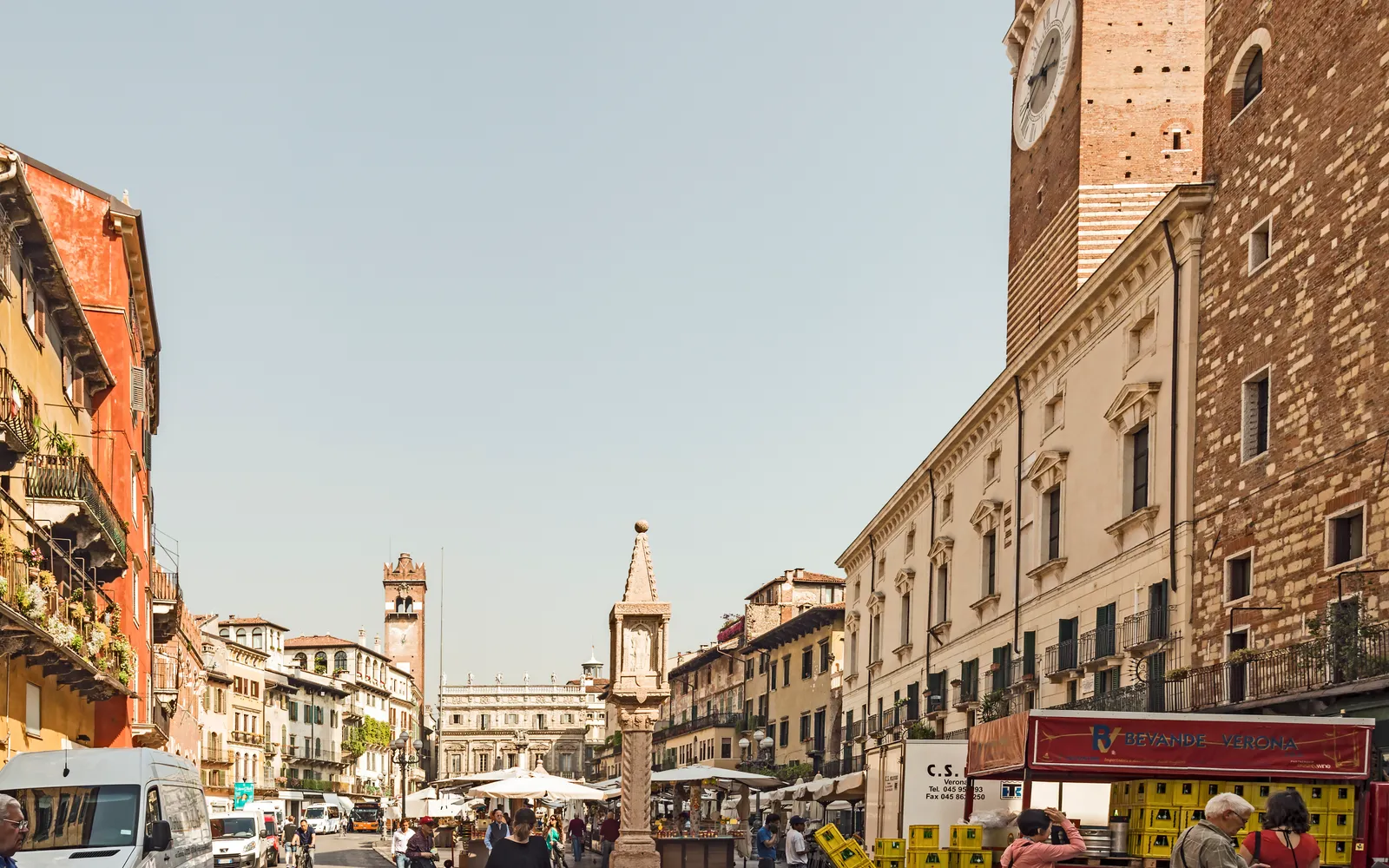
#2 Piazza delle Erbe
Verona's oldest square, originally the Roman forum, later a herb and produce market that still operates today. Pastel-painted buildings several centuries old ring the perimeter; at the center stands the Madonna Verona fountain and the city's ancient flagpole. The square stays busy all day and is the go-to meeting point for locals.
- The market runs Monday to Saturday, roughly 8:00–19:00 — good prices on fresh local produce
- Climb the 84-metre Torre dei Lamberti (€8) for a bird's-eye view over the square and city
- Cafés directly on the square charge a premium; duck into a side alley if you want to sit and drink without the tourist mark-up
 #3
#3 Juliet's House
This house is claimed to be the home of the Cappello family, Shakespeare's inspiration for the Capulets. The small stone balcony on the second floor is the shot every visitor comes for. The walls around the entrance are thick with paper notes left by couples from around the world. A bronze statue of Juliet stands in the courtyard — local lore says touching her right breast brings luck in love.
- The courtyard is free to enter; the interior museum costs €6, open 8:30–19:30 (Sunday afternoons only)
- The courtyard is small — at peak hours it gets genuinely packed and difficult to photograph. Arrive before 9:00 AM for the best chance at a clear shot
- The love-note wall gets cleared every 1–2 months, but fills back up within days
 #4
#4 Castelvecchio
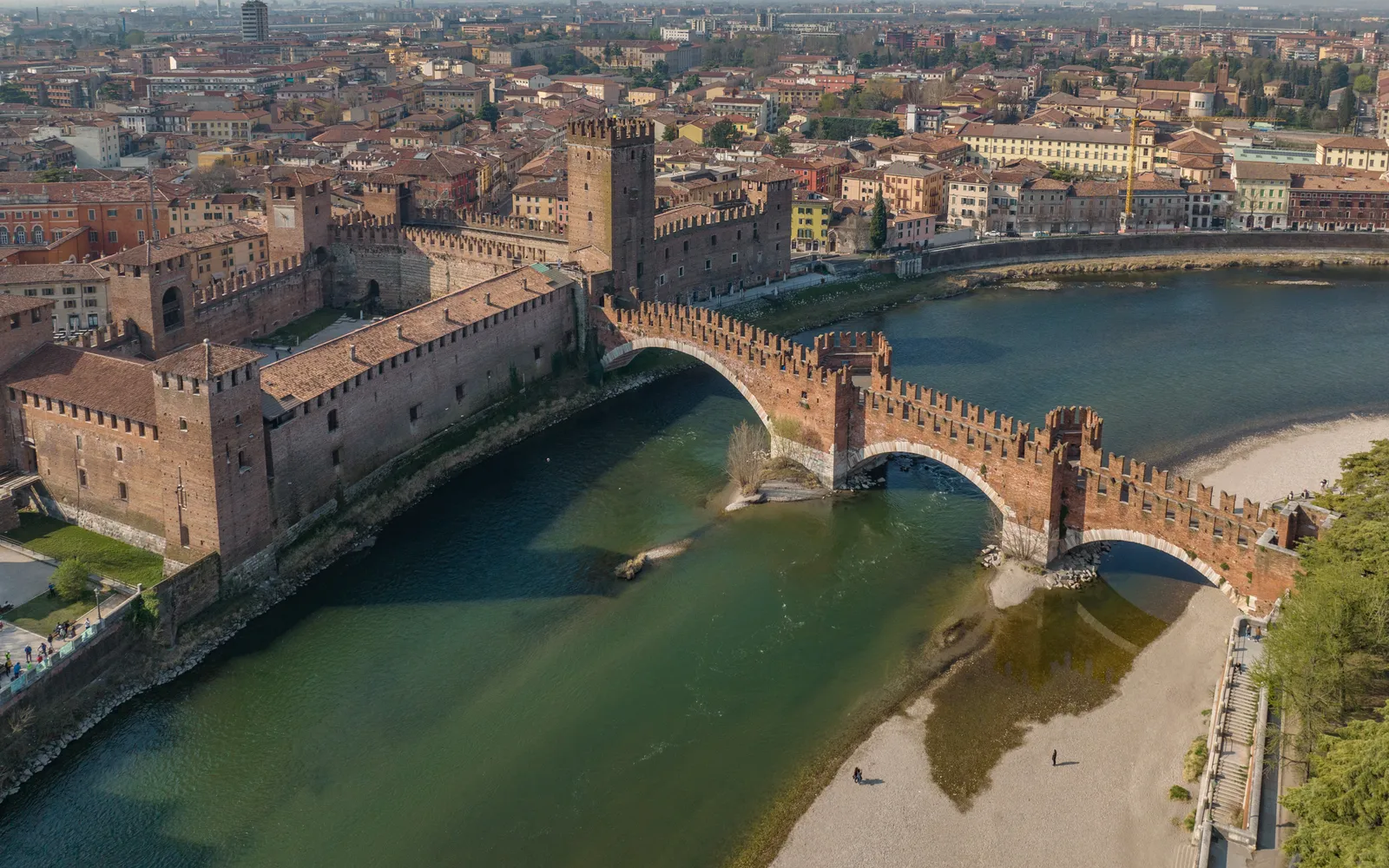
Built in the 14th century by the Scaligeri family who ruled Verona, the castle is now an art museum holding a collection of medieval and Renaissance paintings and sculpture. The Scaligero Bridge connecting the castle across the Adige looks especially good in the late afternoon. The building was renovated by architect Carlo Scarpa in the 1960s — a restoration now recognized in its own right as a significant work of 20th-century architecture.
- Museum admission €6, open 13:30–19:30 on Mondays, 8:30–19:30 all other days
- The Scaligero Bridge is free to cross at any hour — the view of the Adige from the bridge is best in the golden hour
- The upper level of the castle has a viewing terrace over Verona, included in the museum ticket
 #5
#5 Ponte Pietra
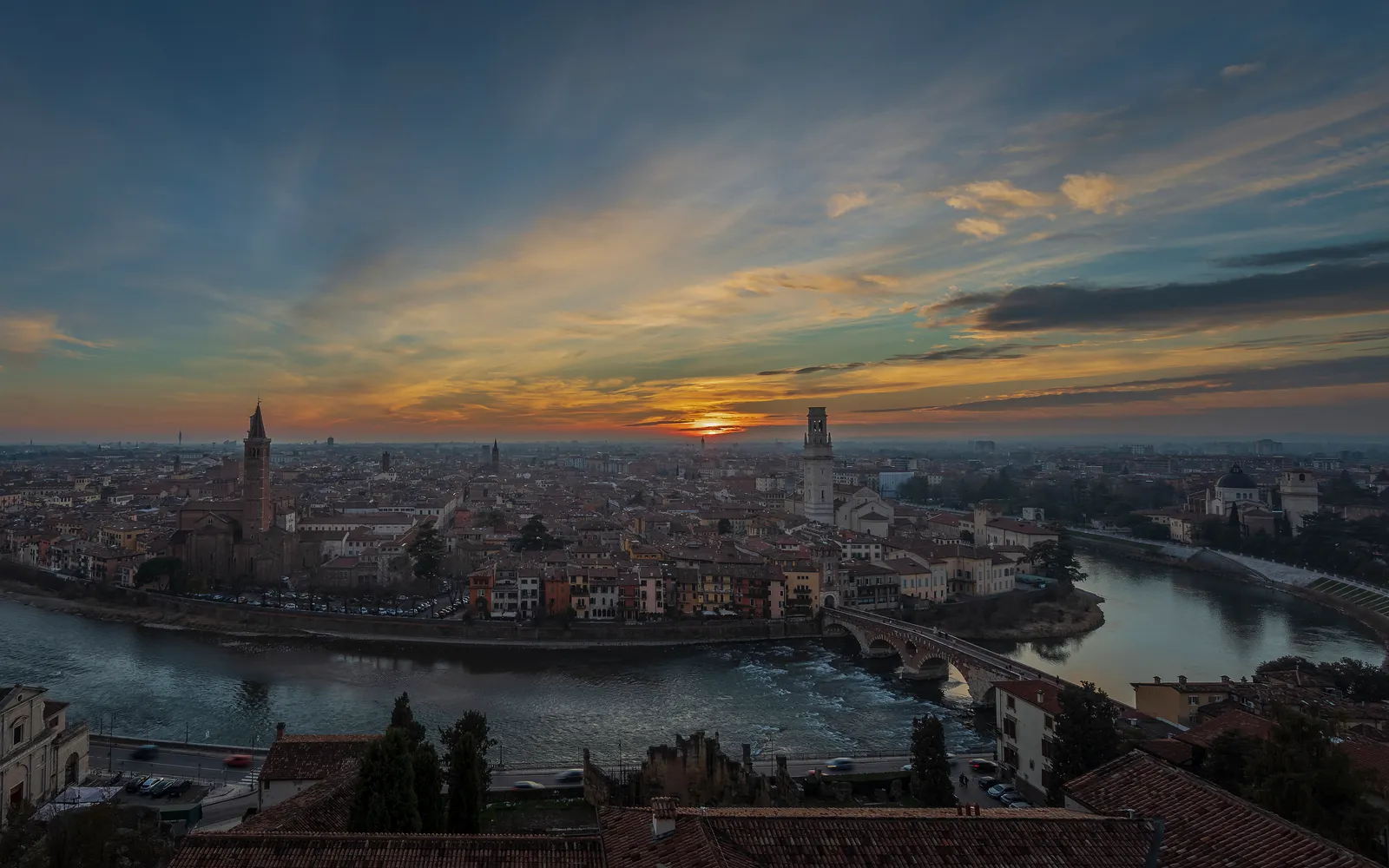
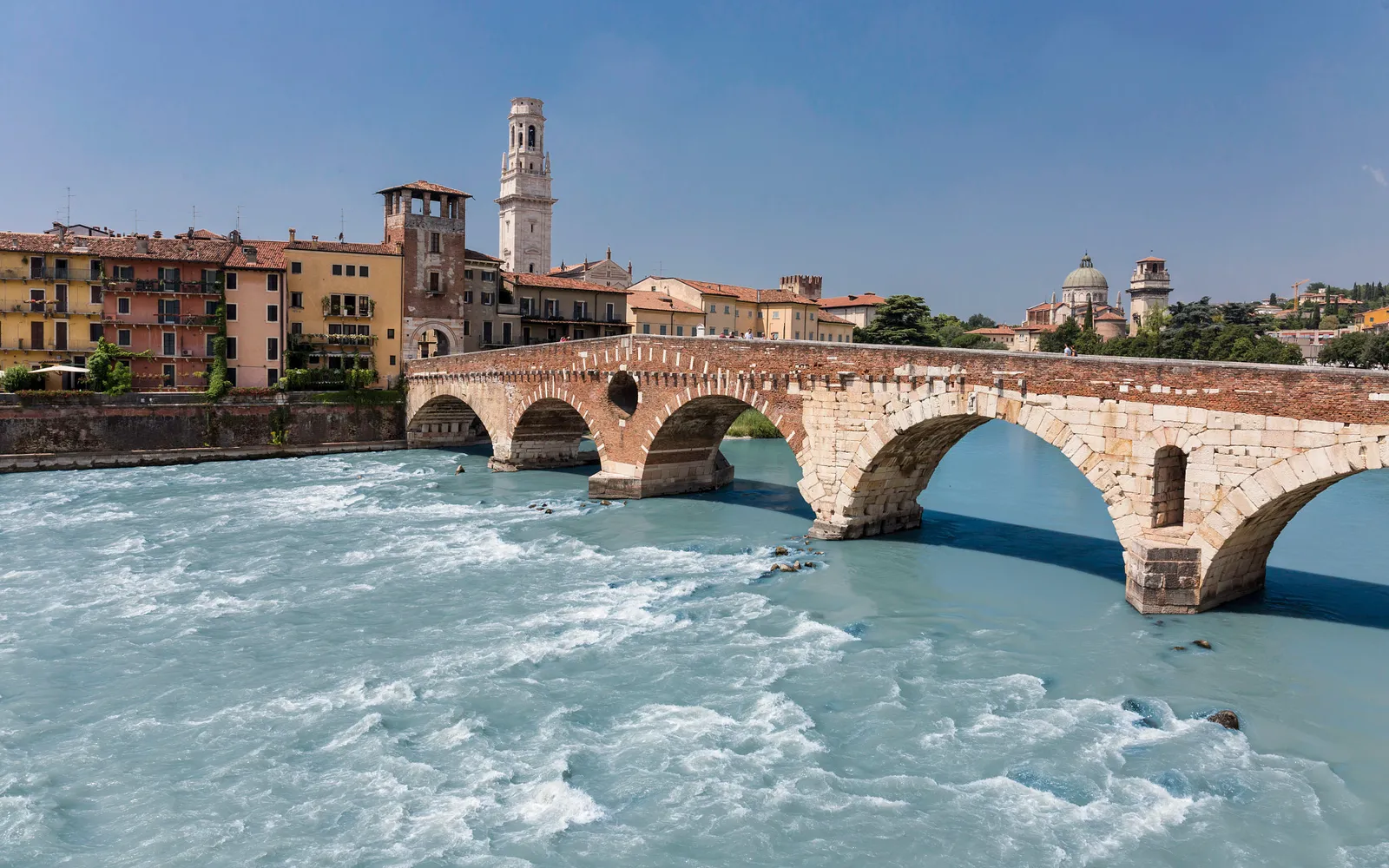
Verona's oldest bridge, built in the 1st century BC. It was destroyed in World War II and rebuilt using the original stones pulled up from the riverbed. The mix of white stone and red brick gives it a distinctive look. It's one of the best viewpoints in the city, especially when seen from the far bank with the old town behind it.
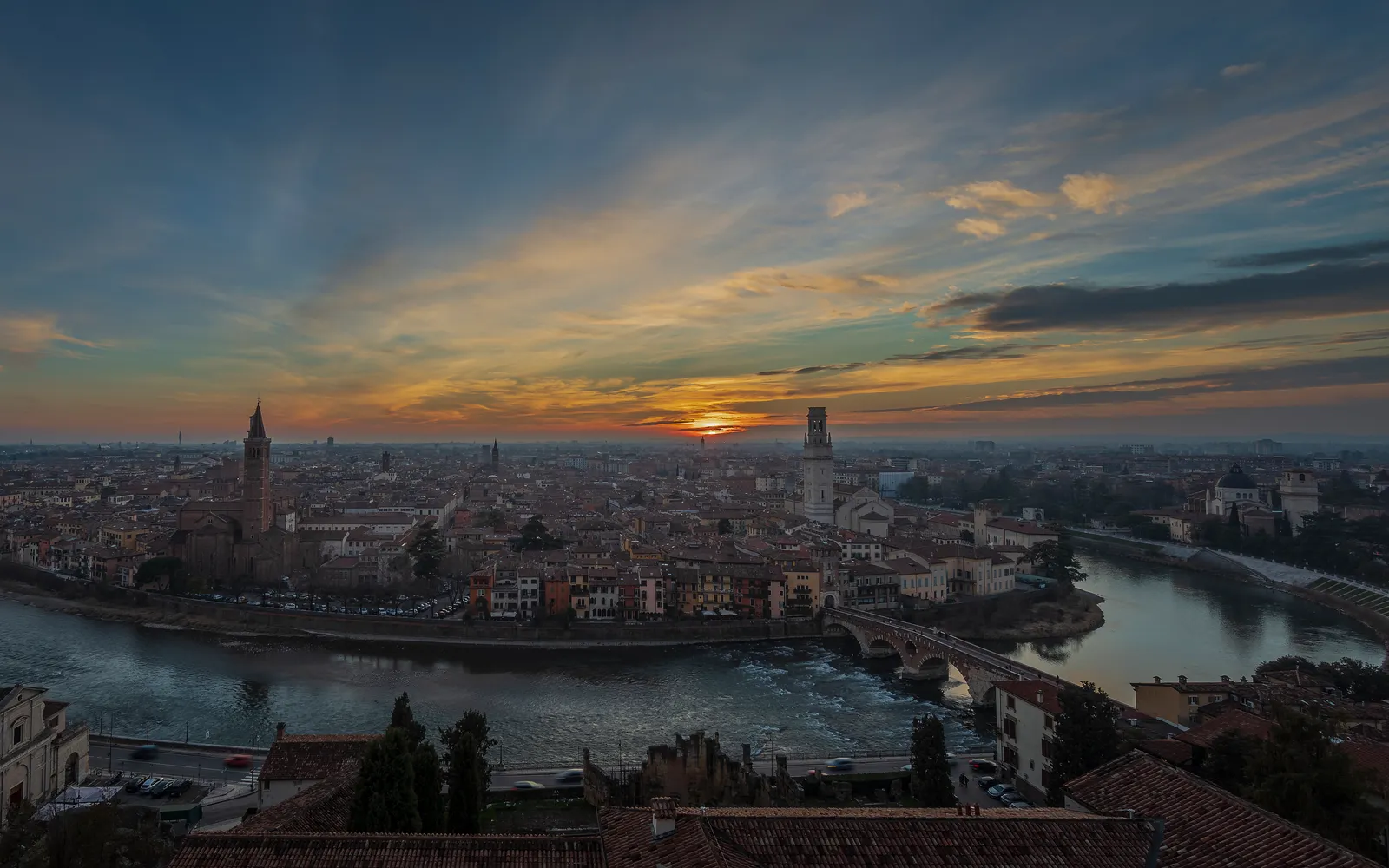
- Free to cross at any time; continue uphill for another 15 minutes to Castel San Pietro for the best panoramic view of Verona
- At sunrise, the light reflects gold off the water — photographers know this spot well
- Cross to the far bank then turn right along the river: the angle back toward the bridge is better than any shot taken on the bridge itself
 #6
#6 Piazza dei Signori
A handsome square that gets overlooked because it sits right next to the more famous Piazza delle Erbe — but it's the quieter of the two. The surrounding buildings are medieval and Renaissance civic architecture, including the elegant Loggia del Consiglio. At the center stands a statue of Dante Alighieri, author of the Divine Comedy, who spent time in Verona during his exile. A good place to sit and take in the architecture without the market-day bustle.
- The square connects to Piazza delle Erbe through a narrow arch — easy to walk past if you're not watching for the sign
- The Torre dei Lamberti links both squares and can be entered from either side
- Coffee and wine at the cafés here tend to be slightly cheaper than in Piazza delle Erbe, since foot traffic is lower
Where to stay in Verona for this trip
A well-located hotel means less commuting and more sightseeing. Here are real, top-rated stays in Verona — compare Agoda · Booking · Trip.com in one click.
Relais Empire
Affiliate links — we may earn a commission at no extra cost to you. Details
Hotel Accademia
Affiliate links — we may earn a commission at no extra cost to you. Details
Due Torri Hotel
Affiliate links — we may earn a commission at no extra cost to you. Details
Hotel Milano & SPA
Affiliate links — we may earn a commission at no extra cost to you. Details
Tours, tickets & activities in Verona
Day tours, attraction tickets and travel essentials for Verona — book ahead on Klook with mobile e-tickets.
Affiliate links — we may earn a commission at no extra cost to you.
Before You Pack
Verona works year-round, but summer (June–August) is opera season at the Arena di Verona — the liveliest time to visit. Spring and autumn bring better weather and thinner crowds, with restaurants that are easier to get into. Avoid Italian public holidays if you can, when hotel prices spike.