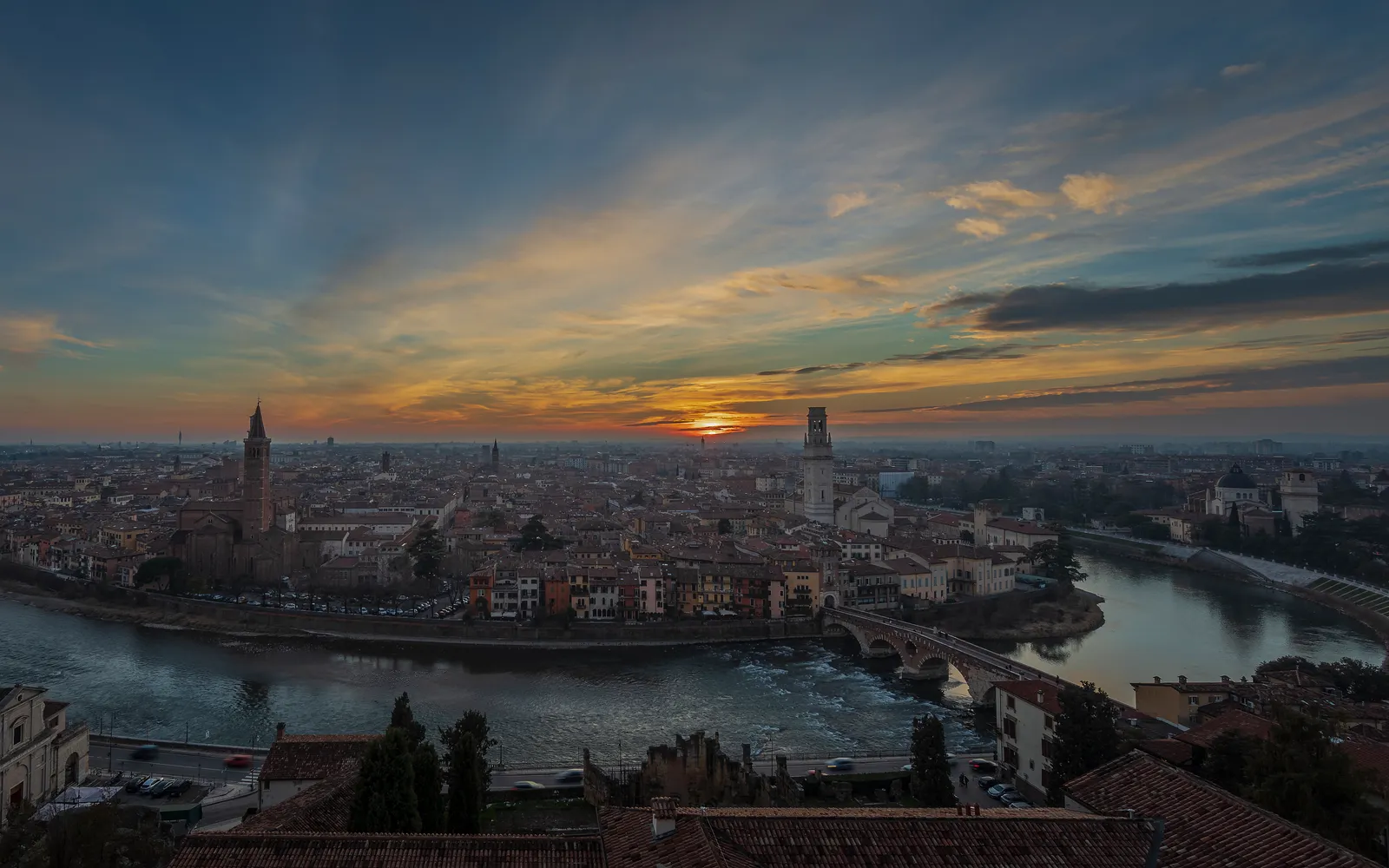
Verona's food belongs firmly to northern Italy and has its own distinct identity — nothing like Roman cooking or the food of the south. Amarone della Valpolicella, produced in the hills just outside Verona, ranks among Italy's finest red wines and turns up in nearly every signature dish in the city. Come here for more than pizza — the local cooking is far more interesting than that.
 #1
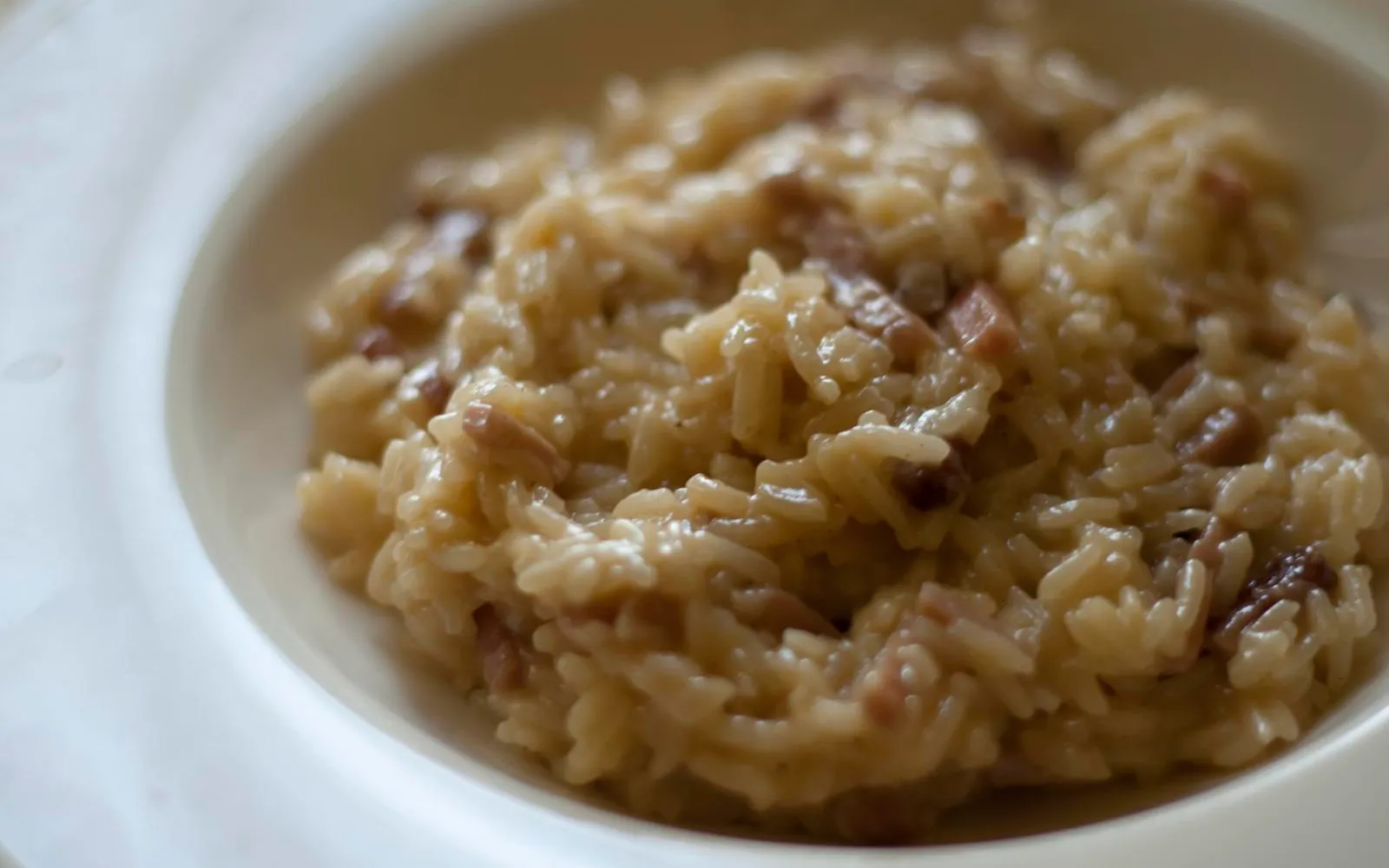
#1 Risotto all'Amarone
Verona's signature risotto is cooked with Amarone della Valpolicella until the rice turns a deep purple — rich, wine-forward, with a gentle sweetness that comes from the dried-grape process behind Amarone. The final mantecatura (beating in cold butter and Parmigiano) gives it that signature creamy texture. Good restaurants use real Amarone, which is not cheap, so expect to pay €18–25 for the dish — worth trying at least once.
- Ask the restaurant whether they use DOCG Amarone or a substitute. Kitchens that use the real thing are usually proud enough to name the winery.
- Eat it the moment it arrives. Risotto keeps absorbing liquid and firms up fast.
- Pair it with a glass of Amarone or Valpolicella from the same list for the full Veronese experience.
 #2
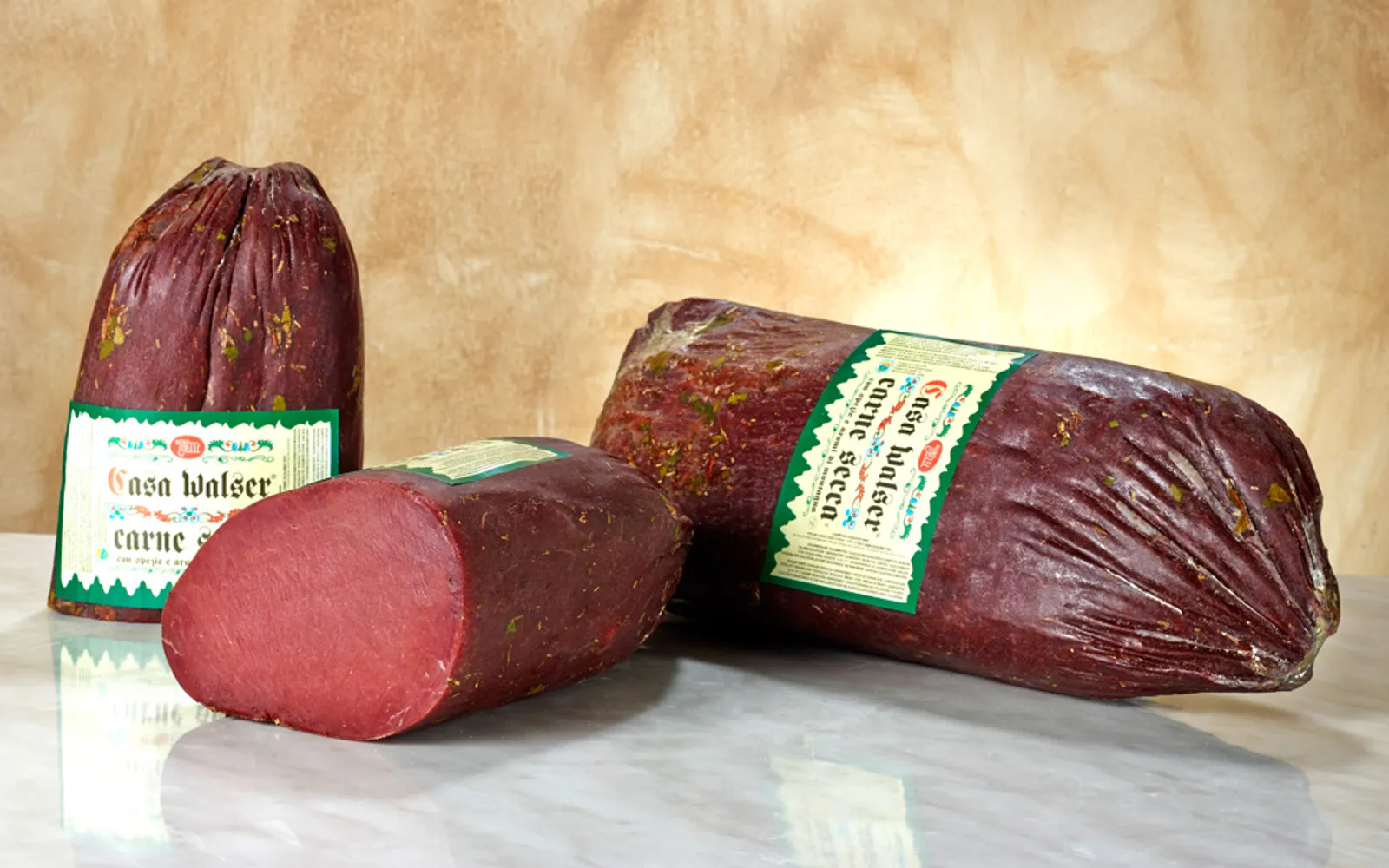
#2 Bresaola della Valtellina
Bresaola is beef cured in salt and spices then air-dried in the cold Alpine air of Lombardy and the surrounding mountain valleys. It arrives cold, sliced paper-thin, dressed with olive oil, lemon juice, black pepper, and a handful of rocket. The flavour is savory and gently herbal, the texture tender. It's one of the most popular antipasti in Veronese restaurants and across the Veneto — locals often eat it with a piece of focaccia.
- Order it as an antipasto before the main course. Portions are well-sized and typically cost €10–14.
- Good bresaola should be thin enough to be almost translucent, vivid red with no off smell. Dark edges or a very deep colour mean it's past its best.
- Pair it with a light white Soave — also produced in the Verona area — rather than a red. The match is cleaner.
 #3
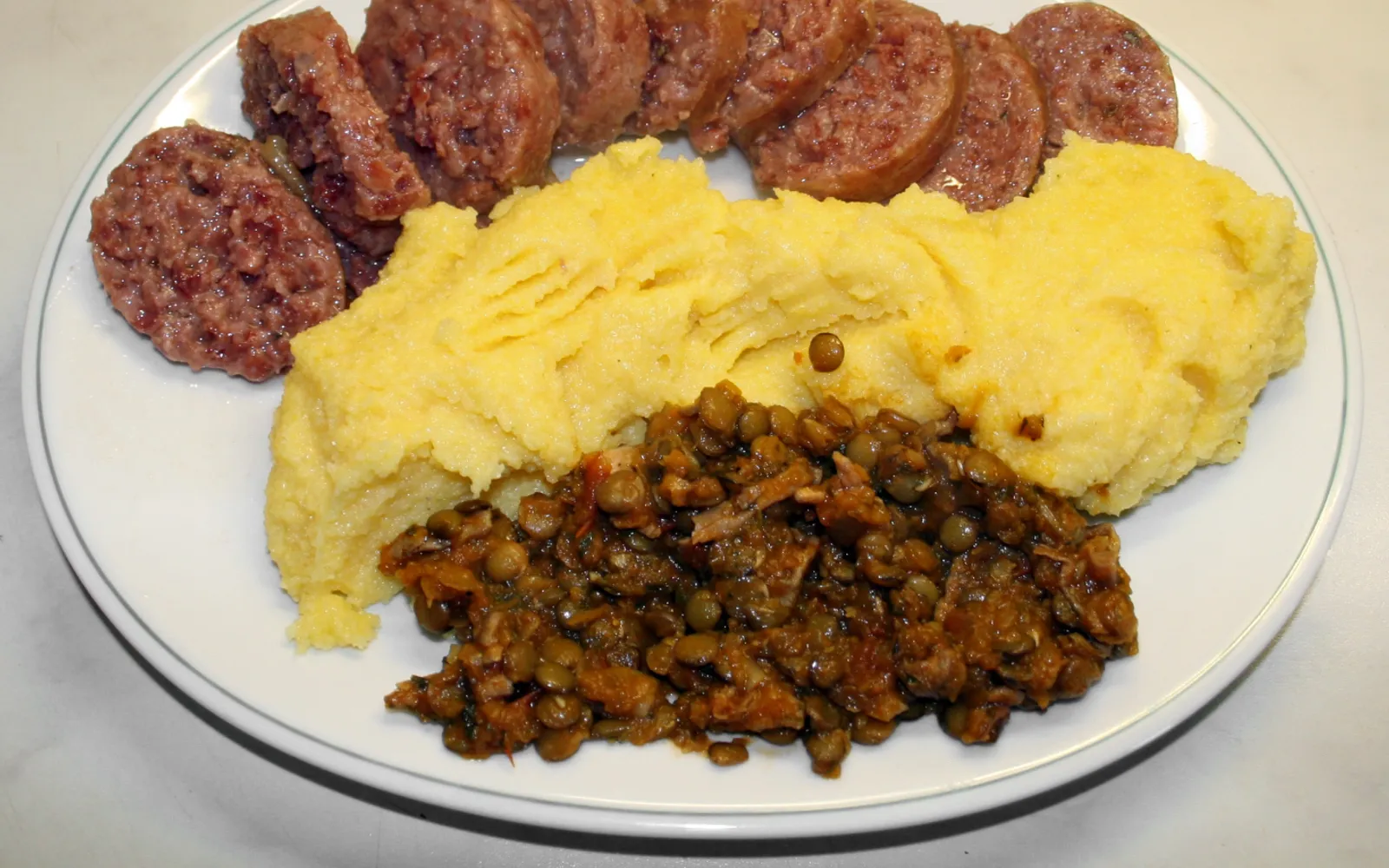
#3 Polenta e Sopressa
Polenta — ground maize cooked to a thick, creamy porridge or set and sliced — has been a staple of the Veneto and northern Italy for centuries. In Verona it usually arrives with Sopressa Vicentina, a large pork sausage seasoned with spices and wine, or alongside a slow beef or venison stew. It's warming, filling, and built for cold weather. It also costs noticeably less than risotto.
- Order it morbida (soft and creamy, better for sauce) or grigliata (grilled and sliced) depending on your preference.
- Traditional Veronese kitchens use coarsely ground maize and cook it for over 45 minutes — the result is miles away from instant polenta.
- In winter, look for Pastissada de caval on the specials board — horse meat braised in wine, one of Verona's oldest dishes, classically served over polenta.
 #4
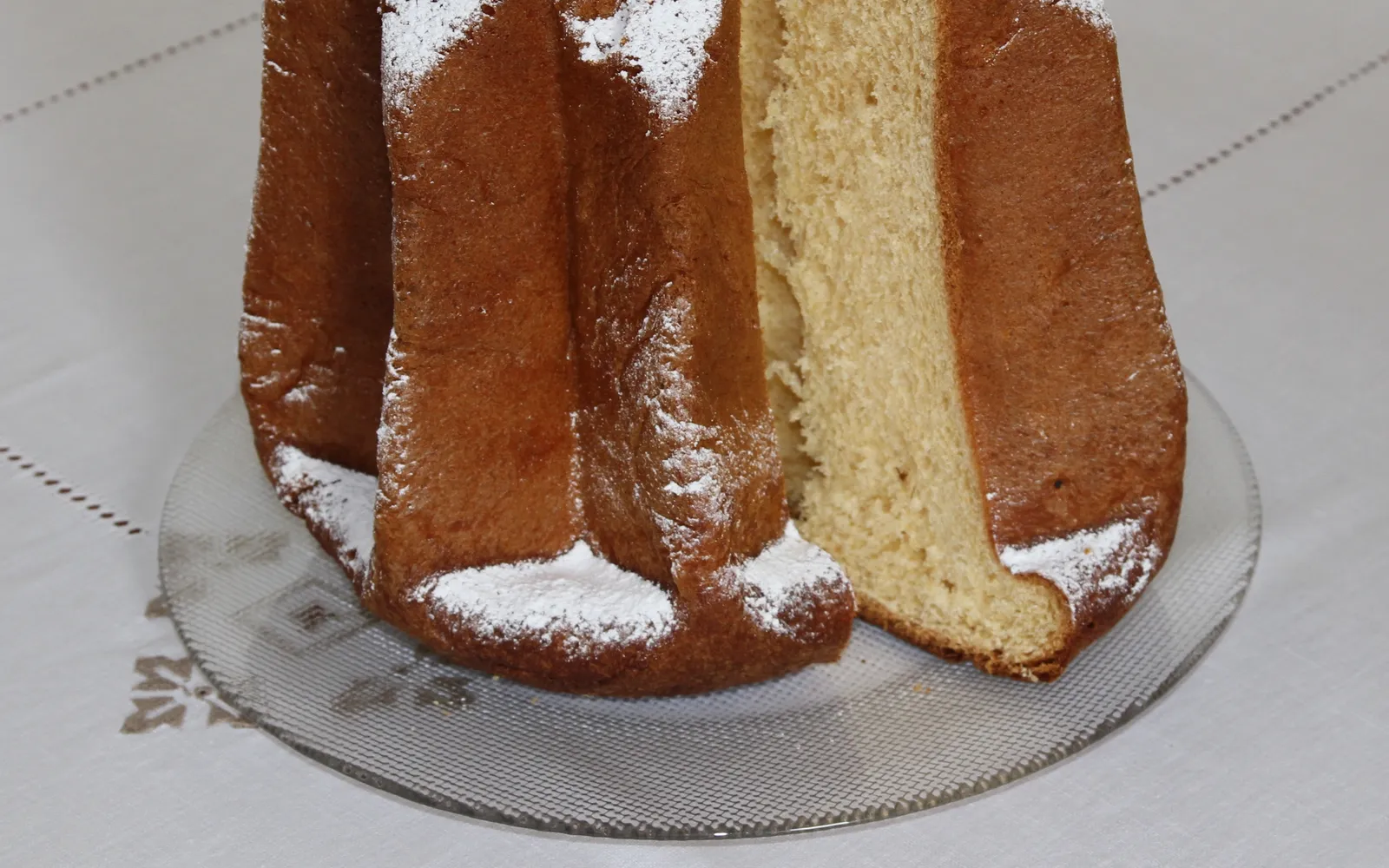
#4 Pandoro
Pandoro is Verona's most iconic sweet. The original recipe was patented by Domenico Melegatti's bakery in <strong>1894</strong>. The tall eight-pointed star shape is made from wheat flour worked with eggs, butter, and sugar, then slow-leavened with yeast for hours until the crumb is as light as foam. A heavy dusting of white icing sugar before serving makes it look like an Alpine summit under snow. Eat it as a morning snack with espresso or as a dessert over Christmas.
- The authentic Veronese pandoro comes from Pasticceria Melegatti or Pan d'Or, both of which maintain the original recipe.
- It travels well — vacuum-packed versions keep for several months and make an excellent souvenir from Verona.
- Outside December, some shops sell smaller pandoro year-round for visitors.
 #5
#5 Amarone della Valpolicella
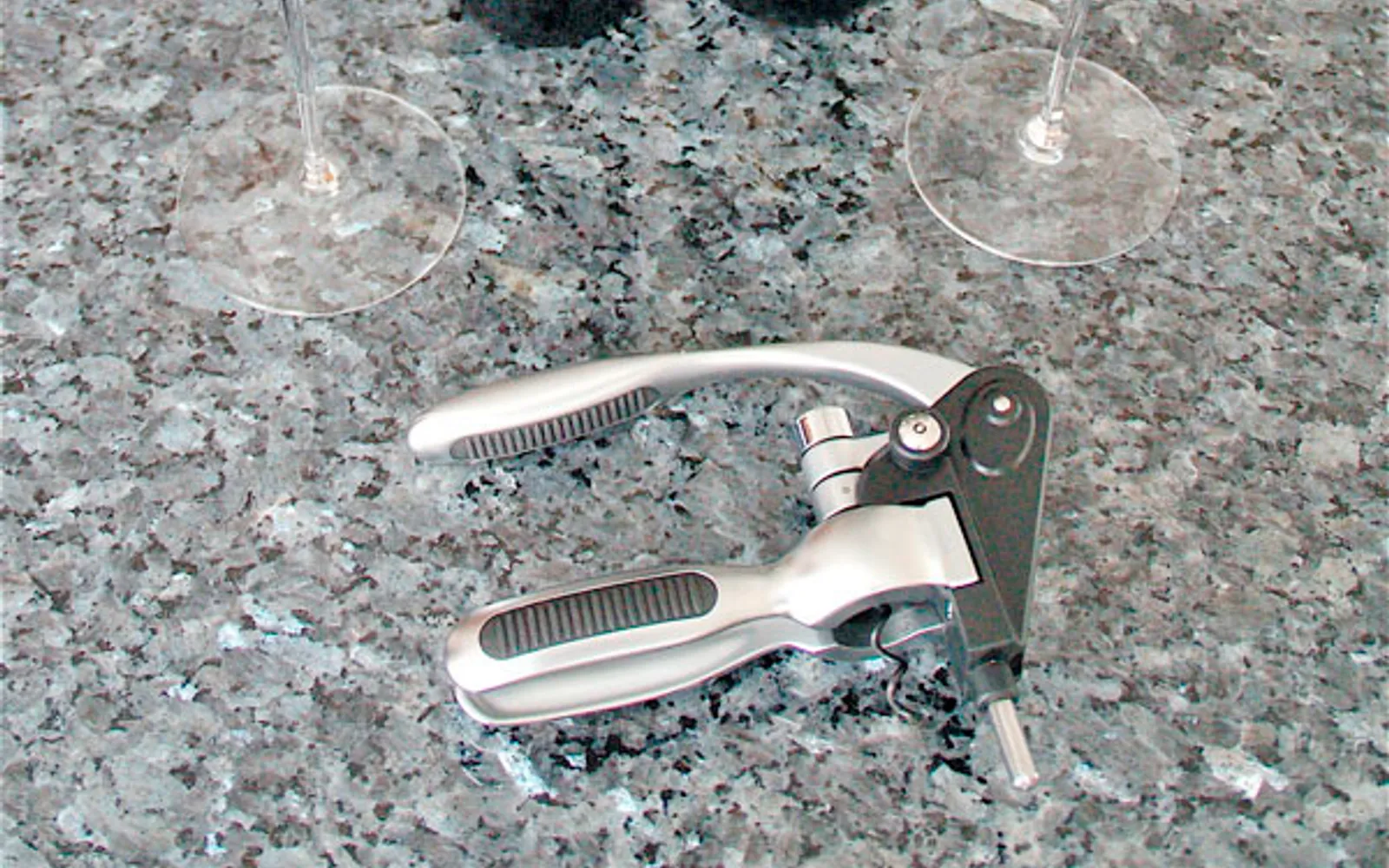
Amarone is produced in the Valpolicella valley <strong>15–20 km west of Verona</strong>, made from Corvina grapes dried on wooden racks for <strong>90–120 days</strong> before fermentation. That drying concentrates the fruit into flavours of dark chocolate, dried cherry, and raisin, with a bitter edge at the finish and alcohol that typically runs <strong>14–17%</strong>. It needs years in oak before release. A glass in a restaurant costs €8–15; a decent bottle runs €30–80.
- Buy bottles at an Enoteca in the old town — better selection and lower prices than the airport.
- On a tighter budget, try Valpolicella Ripasso — the next wine down in the family, at €12–20 a bottle, with a flavour profile that's surprisingly close.
- Winery tours in the Valpolicella valley, just 15–20 km from Verona, are easy to arrange; some include tastings of 3–5 wines for €25–40.
 #6
#6 Montasio Cheese
Montasio is a PDO hard cheese from Friuli and the Veneto, made from cow's milk and aged anywhere from <strong>60 days</strong> to over a year. The longer it ages, the harder and more intense it becomes. Fresh Montasio (<em>Fresco</em>) is milky and sweet — good with honey. Aged Montasio (<em>Stagionato</em>) is firm, crumbly, and sharply savory — ideal grated over food. In Verona's restaurants it typically appears as an antipasto with mustard honey, fig jam, and toasted walnuts.
- Ask to taste before buying at a market stall. The age range is wide, and what you prefer depends entirely on whether you want mild or sharp.
- It ships well vacuum-packed and lasts a long time — market prices are far lower than tourist-shop prices for the same product.
- Look for Frico on the menu — thin Montasio crisps fried until crunchy, one of the Veneto's most popular aperitivo snacks.
Where to stay in Verona for this trip
A well-located hotel means less commuting and more sightseeing. Here are real, top-rated stays in Verona — compare Agoda · Booking · Trip.com in one click.
Relais Empire
Affiliate links — we may earn a commission at no extra cost to you. Details
Hotel Accademia
Affiliate links — we may earn a commission at no extra cost to you. Details
Due Torri Hotel
Affiliate links — we may earn a commission at no extra cost to you. Details
Hotel Milano & SPA
Affiliate links — we may earn a commission at no extra cost to you. Details
Tours, tickets & activities in Verona
Day tours, attraction tickets and travel essentials for Verona — book ahead on Klook with mobile e-tickets.
Affiliate links — we may earn a commission at no extra cost to you.
Before You Pack
The best restaurants in Verona tend to sit just off the main tourist corridors around the Arena and Piazza delle Erbe, where prices are higher and quality uneven. Walk a street or two into the side alleys, or head to the Veronetta district on the river's far bank where residents actually eat — you'll find noticeably better food at prices that make more sense.