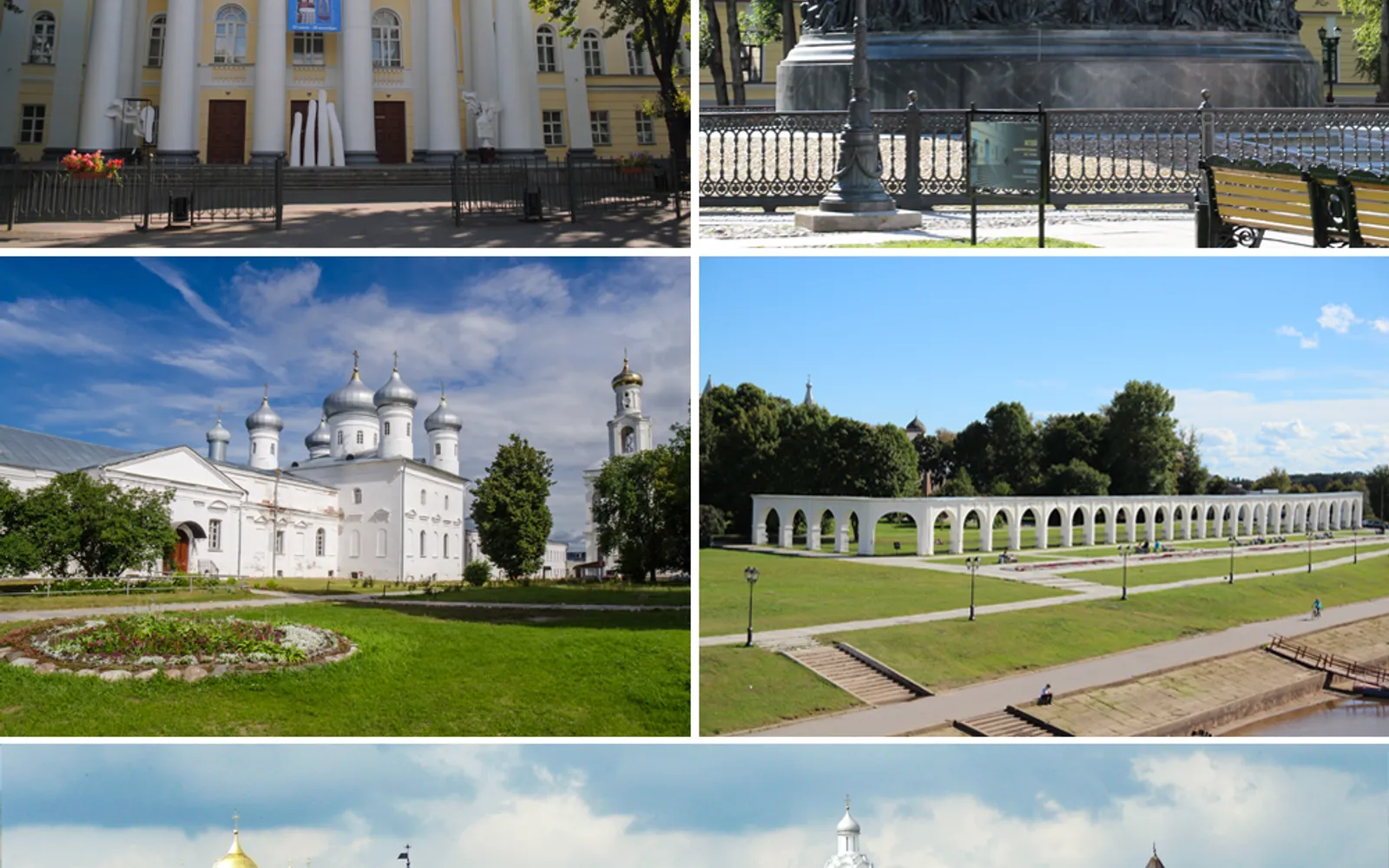
Veliky Novgorod is far more than an old city — it is where Russia itself began. The Kremlin here predates Moscow's Kremlin by several centuries, and St. Sophia Cathedral, now over 970 years old, still stands at the city's heart exactly as it did a millennium ago. If you want to understand how Russia came to exist, this is where that story starts.
 #1
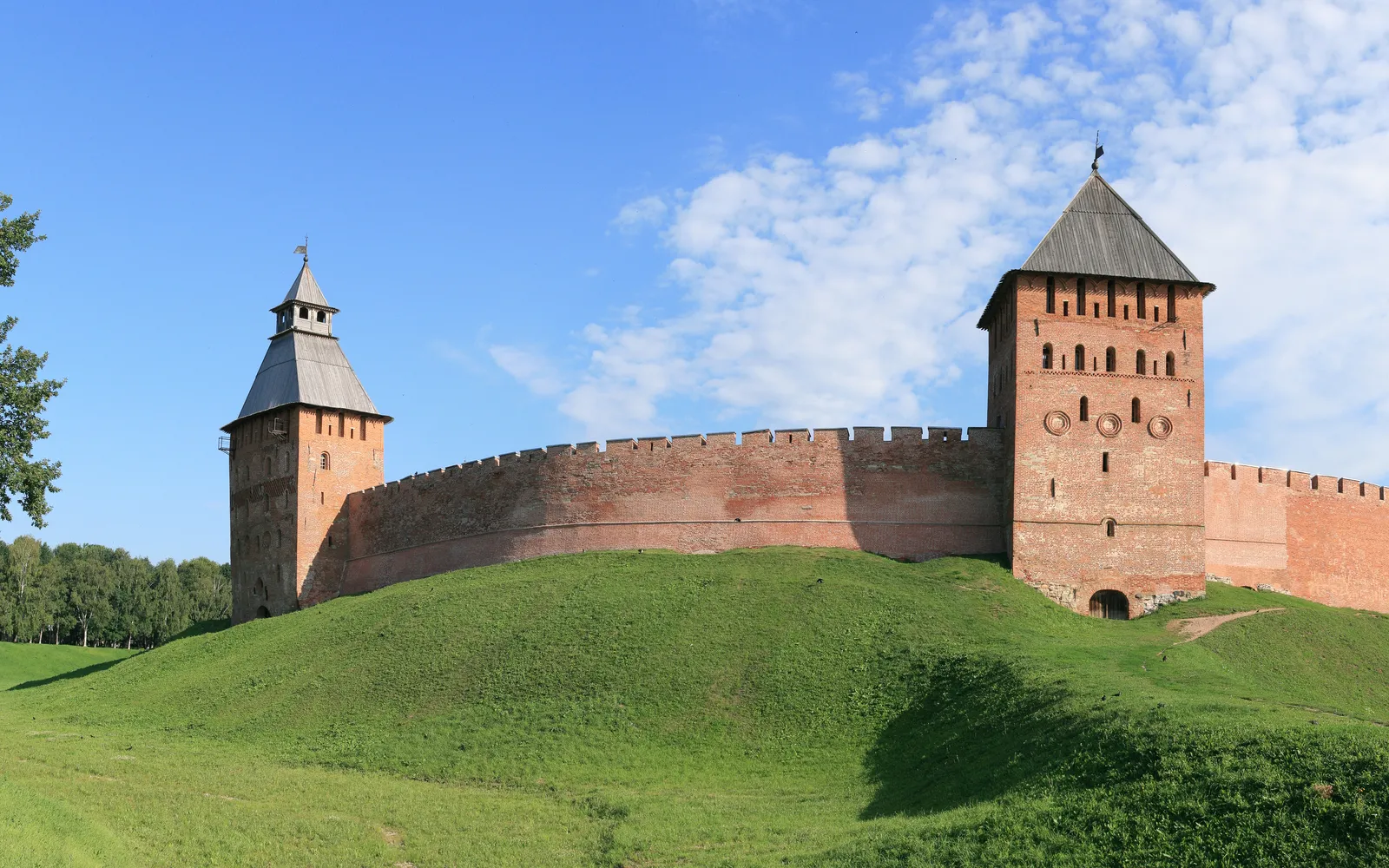
#1 Novgorod Kremlin
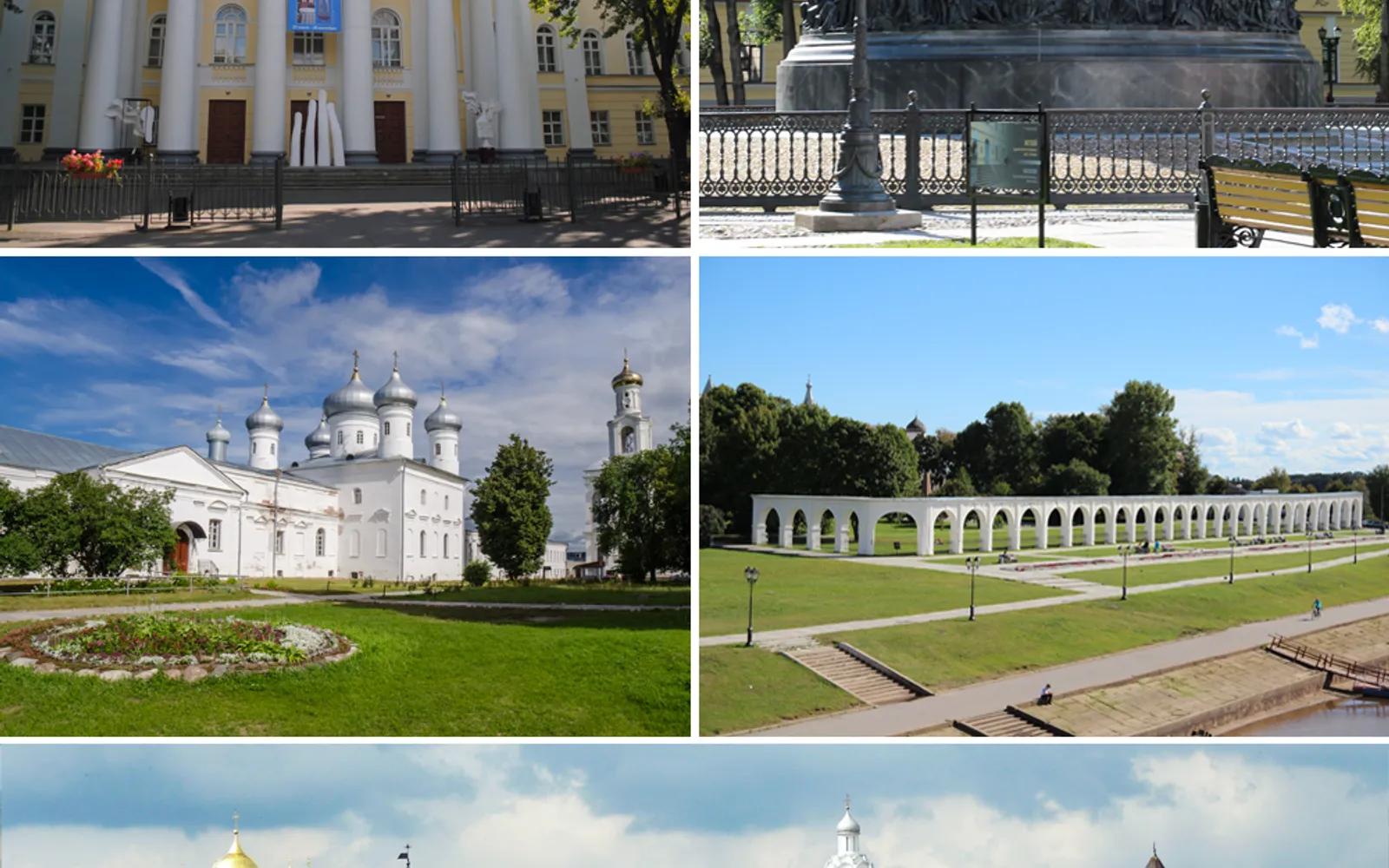
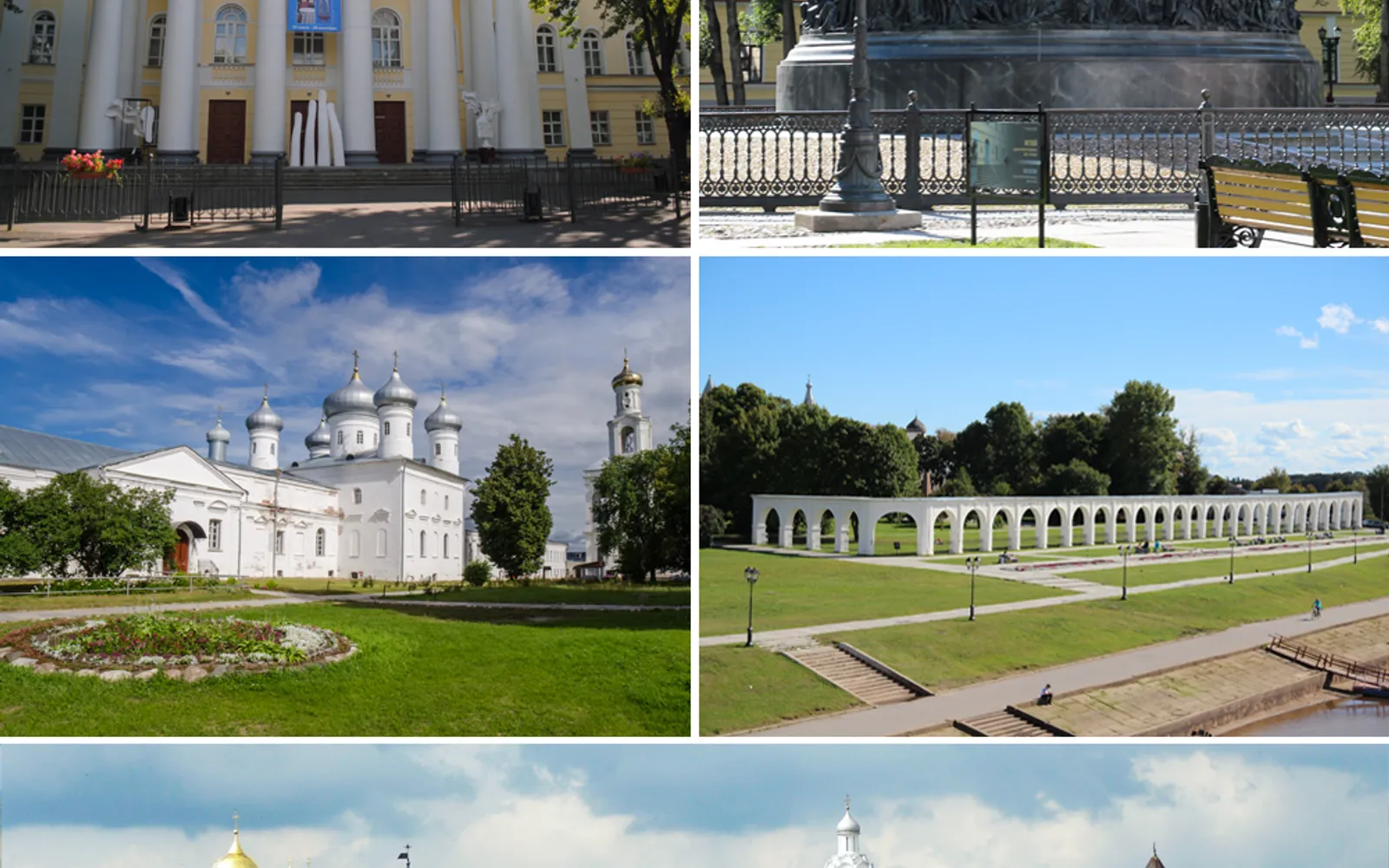
The oldest kremlin in Russia still in complete condition, built in the 9th century. Red-brick walls standing 10–15 metres high and 9 towers enclose more than 12 hectares of grounds. For centuries this was the seat of power in the great Novgorod Republic. Today it is a UNESCO World Heritage Site and contains a history museum, a theatre, and public gardens — easy to spend a full day exploring.
- The wall walk (perimeter path along the top of the walls) costs around 200–300 roubles and is seasonal — check before you go.
- Before 9 a.m. the grounds are nearly empty, making for some of the cleanest shots of the walls and the Volkhov River.
- Souvenir stalls inside sell carved woodwork and local crafts; most open 10 a.m.–6 p.m.
 #2
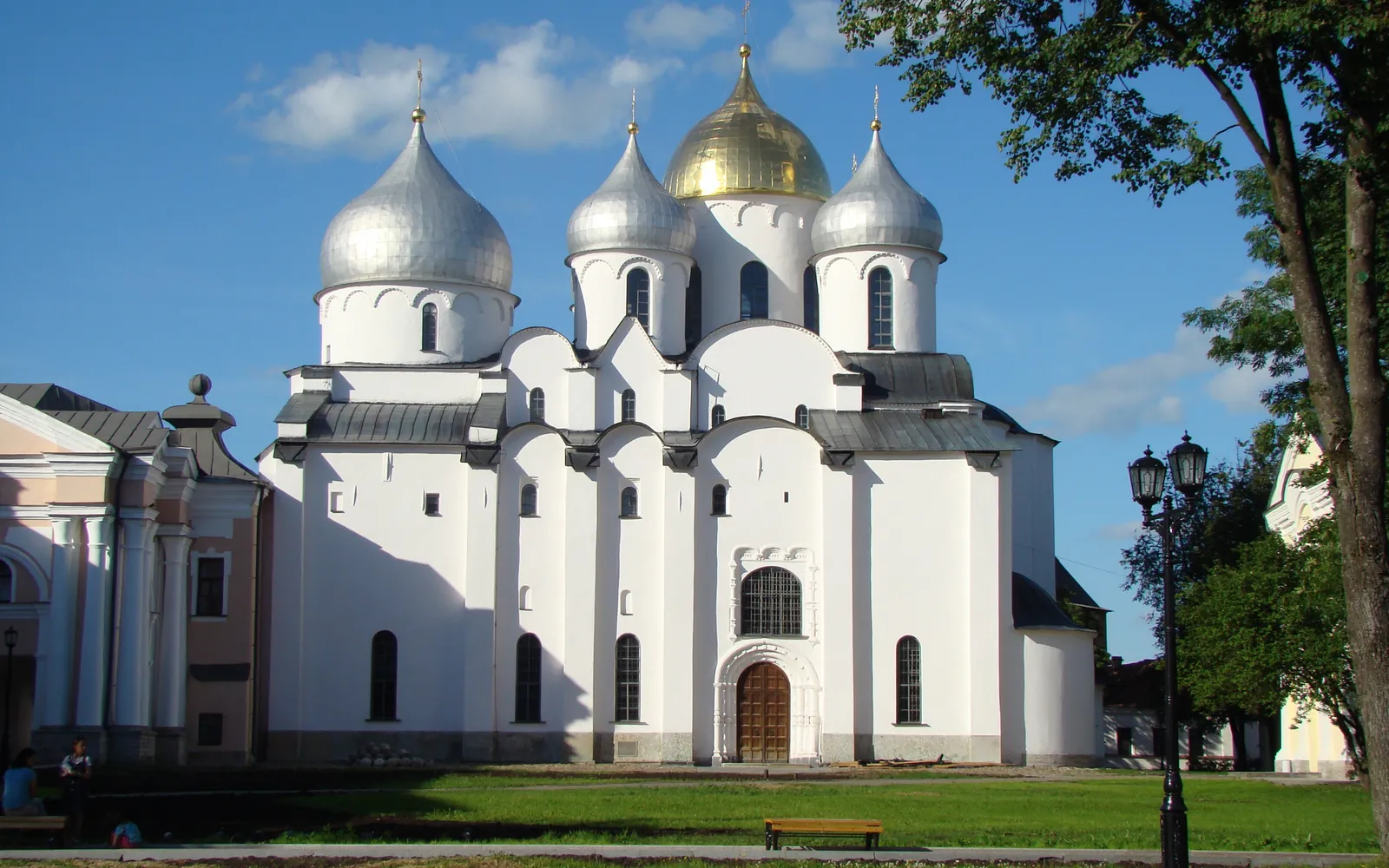
#2 Saint Sophia Cathedral, Novgorod
The oldest Christian church in Russia, completed in 1052 — over 970 years old. It was modelled on the Hagia Sophia in Istanbul. Five silver and gold domes are the city's defining silhouette. Inside: mosaics and frescoes centuries old, and the Magdeburg Gates, intricately engraved bronze doors that rank among the treasures of medieval Europe. The cathedral remains an active place of worship to this day.
- Women should bring a headscarf; men must remove their hats at the entrance — standard etiquette in Russian Orthodox churches.
- Admission is around 150–200 roubles. Sunday morning services are free to attend but silence is expected.
- The Magdeburg Gates are on the western facade — the engraved detail is extraordinary and easy to overlook if you rush past.
 #3
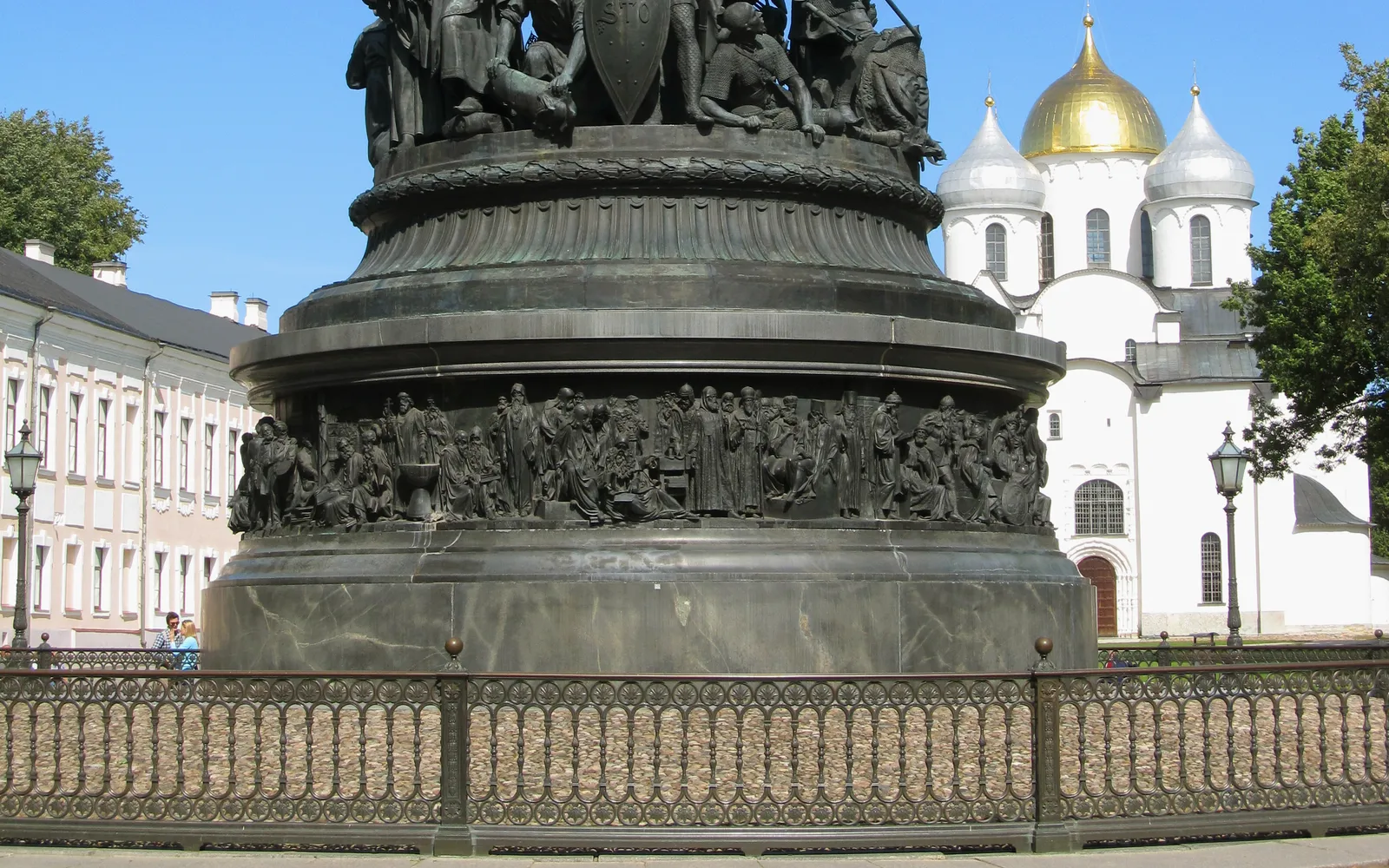
#3 Millennium of Russia
A monumental bronze sculpture erected in 1862 to mark 1,000 years since the founding of the Russian state. Bell-shaped and over 15 metres tall, the base carries 129 figures of the most significant people in Russian history — emperors, saints, warriors, lawmakers, and artists. Designed in meticulous detail by Mikhail Mikeshin, it stands as one of the greatest sculptural works of Imperial Russia.
- Buy the illustrated guidebook at the entrance (available in English) — without it, the 129 figures are hard to place in their historical context.
- Walk the full 360 degrees around the base; each side has a different theme and takes about 20–30 minutes total.
- Best light for photography is mid-afternoon, or at dusk when the Kremlin lamps begin to glow.
 #4
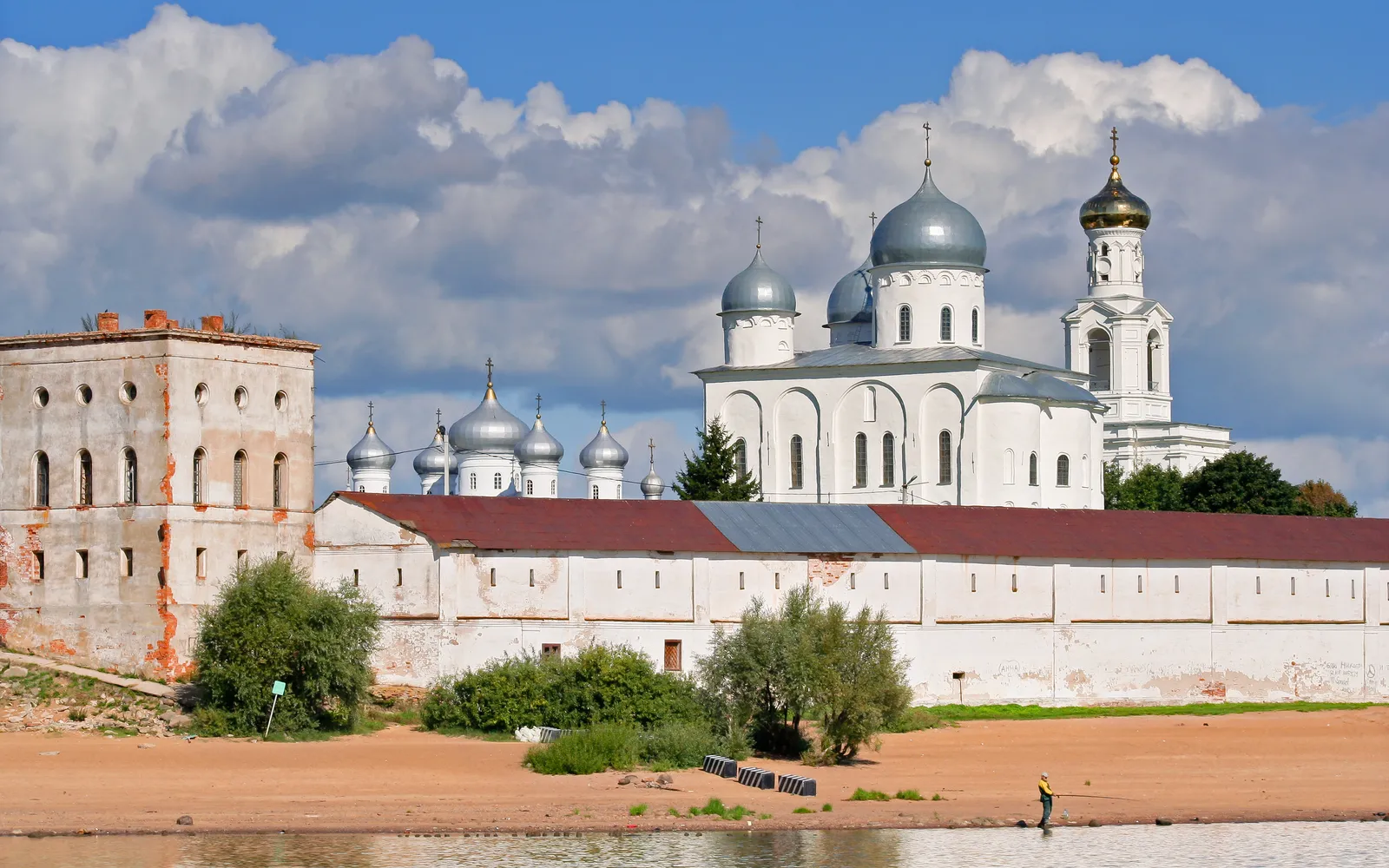
#4 Yuriev Monastery
The oldest and most visually striking Russian Orthodox monastery in Veliky Novgorod, founded in 1030 by Prince Yaroslav the Wise. The main church dates to the 12th century. White walls and gold domes stand out beautifully against the river. The atmosphere is calm and deeply reverent all day — monks still live here and conduct religious services regularly. It is about as close as you can get to medieval Russia without a time machine.
- Dress modestly — this is a working monastery, not a museum.
- Early morning between 7–9 a.m. you may hear monks chanting through the windows; it is a genuinely moving experience.
- Walk the riverside path in front of the monastery — the views across the Volkhov and the summer meadows are excellent.
 #5
#5 Vitoslavlitsy Museum of Wooden Architecture
An open-air museum bringing together more than 100 historic wooden structures: churches, farmhouses, barns, watermills, and traditional dwellings from the Novgorod region, spanning the 16th to 19th centuries. Every building was relocated from villages across the region and carefully re-assembled on site. Walking through feels like stepping into rural Russia of another era. Some buildings host live craft demonstrations.
- Admission is 250–350 roubles. The museum is open year-round, but some buildings close in winter — confirm before you visit.
- Pick up a site map at the entrance gate; the grounds are large and it is genuinely easy to get turned around without one.
- Several folk festivals are held here in summer, particularly in July, with craft demonstrations and traditional music.
 #6
#6 Yaroslav's Court
A riverside square on the east bank that was once the largest trading market in ancient Russia — the heart of the Novgorod Republic's commerce with medieval Europe. The grounds hold several white-stone churches from the 12th–14th centuries, all UNESCO-listed, along with the remnants of towers and fortifications from the old market. The mood here is quieter than the Kremlin and draws fewer visitors, making for a more relaxed afternoon.
- Some churches charge 100–150 roubles entry; others are free — check at each door as you go.
- Cross from the Kremlin side via the Pedestrian Bridge; the walk takes about 10 minutes.
- At dusk, 7–9 p.m., the view back across the river to the illuminated Kremlin is the best in the city — especially in summer when the sky stays light late.
Where to stay in Veliky Novgorod for this trip
A well-located hotel means less commuting and more sightseeing. Here are real, top-rated stays in Veliky Novgorod — compare Agoda · Booking · Trip.com in one click.
Park Inn by Radisson Veliky Novgorod
Affiliate links — we may earn a commission at no extra cost to you. Details
Volkhov Hotel
Affiliate links — we may earn a commission at no extra cost to you. Details
Hotel Yurievskoe Podvorye
Affiliate links — we may earn a commission at no extra cost to you. Details
Hotel Beresta
Affiliate links — we may earn a commission at no extra cost to you. Details
Tours, tickets & activities in Veliky Novgorod
Day tours, attraction tickets and travel essentials for Veliky Novgorod — book ahead on Klook with mobile e-tickets.
Affiliate links — we may earn a commission at no extra cost to you.
Before You Pack
Veliky Novgorod is at its finest in summer (June–August), when warm weather and a clear Volkhov River make the city a pleasure to walk. Winter (December–February) has its own appeal — snow settling on the golden domes of ancient churches is a striking sight. Budget at least 2 days to cover all the highlights without rushing.