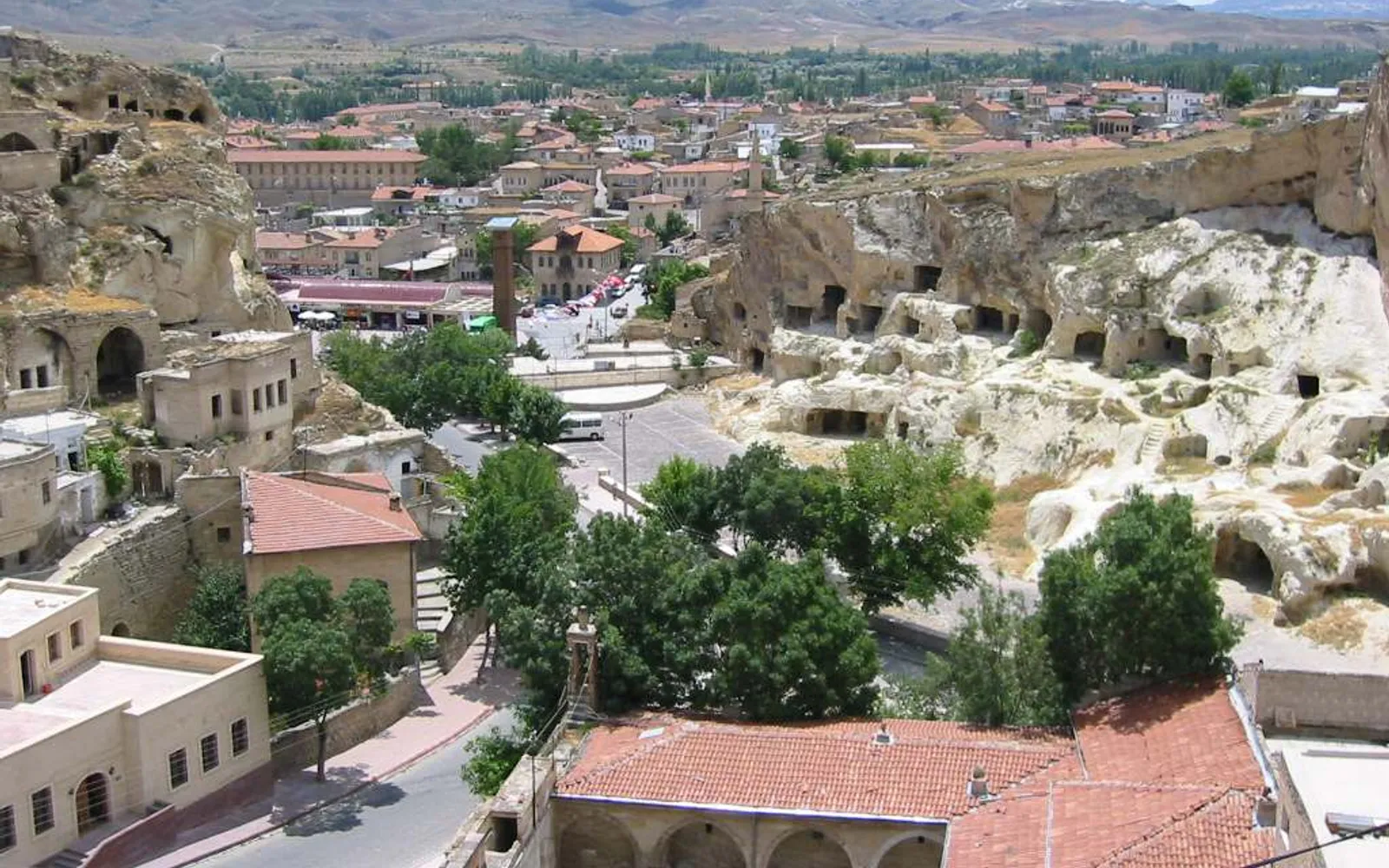
Cappadocian food stands apart because it inherits cooking methods from ancient Anatolia. Tandır — lamb slow-roasted in a sealed underground pit — and clay-pot stew are two techniques you will not find replicated anywhere else on earth. The region's volcanic soil gives local vegetables and fruit an unusual sweetness, and vineyards that have been cultivated for thousands of years produce wines with a character entirely their own. Come to Ürgüp, and don't settle for just a kebab.
 #1
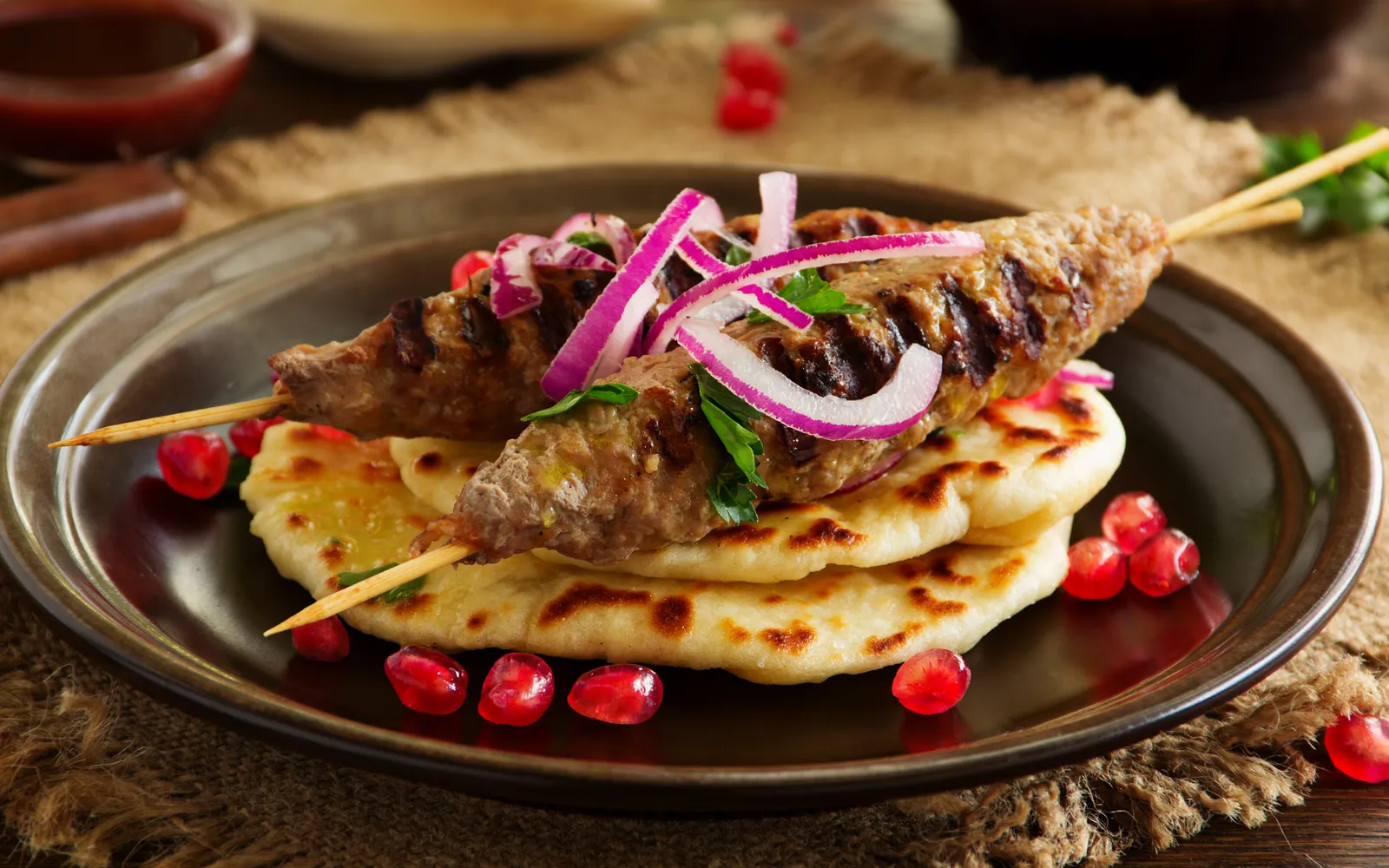
#1 Testi Kebab / Tandır Kebab
The dish Cappadocia is proudest of. Lamb or veal is marinated in spices, packed into a clay pot sealed with dough, then slow-cooked in a charcoal oven or underground pit for several hours until the meat nearly dissolves. The chef cracks the pot open at your table — the rush of steam and the smell that follows make it a moment every traveler should experience at least once. The meat, having cooked in its own sealed moisture the entire time, is intensely flavored and incomparably juicy compared to anything grilled.
- Book at least 1-2 hours ahead — the long cooking time means good restaurants ask you to reserve when you make your dinner reservation.
- Most places serve it with pilaf rice, roasted vegetables, and flatbread. One order is generous for two people; ordering solo often means leaving a lot behind.
- If a restaurant cracks the pot tableside without prompting, that's a sign they do it every service — not just as a show for tourists.
 #2
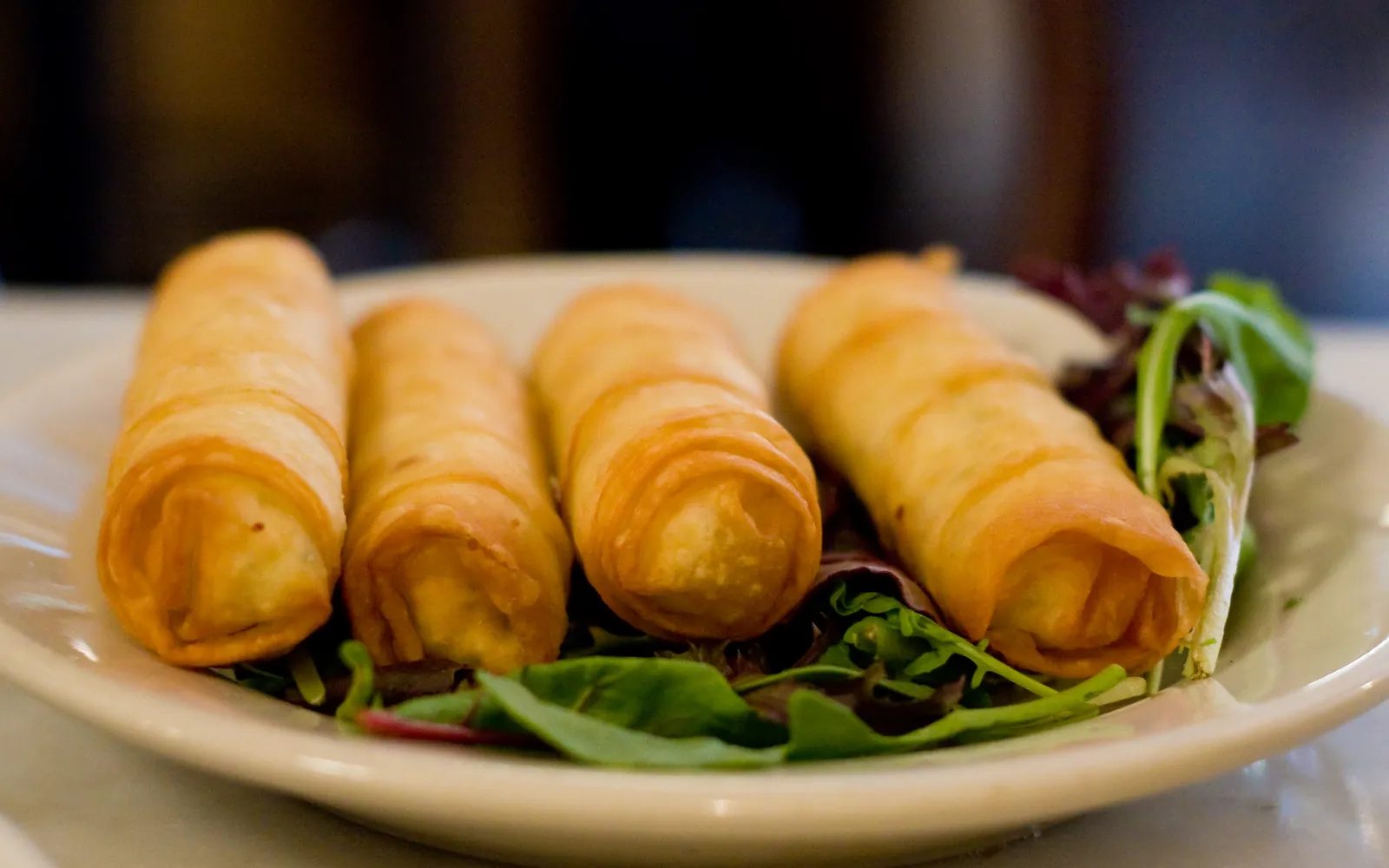
#2 Güveç
The clay-pot stew that has been a cornerstone of Cappadocian cooking for centuries. Lamb or chicken, fresh tomatoes, sweet peppers, onion, and seasonal vegetables go into the pot with basil and oregano, then the whole thing bakes until the sauce thickens and the vegetables are just soft. A layer of melted cheese goes on top. The clay retains heat and deepens flavor in a way stainless steel simply cannot replicate. It arrives at the table straight from the oven, served with fresh bread for scooping.
- The pot will be very hot when it arrives — do not touch the sides directly. Give it 2-3 minutes before you start eating.
- A vegetable-only güveç is easy to request; most restaurants are happy to accommodate.
- Quality rises and falls with the local tomatoes. Summer (June through October) is when they are at their sweetest and the dish is at its best.
 #3
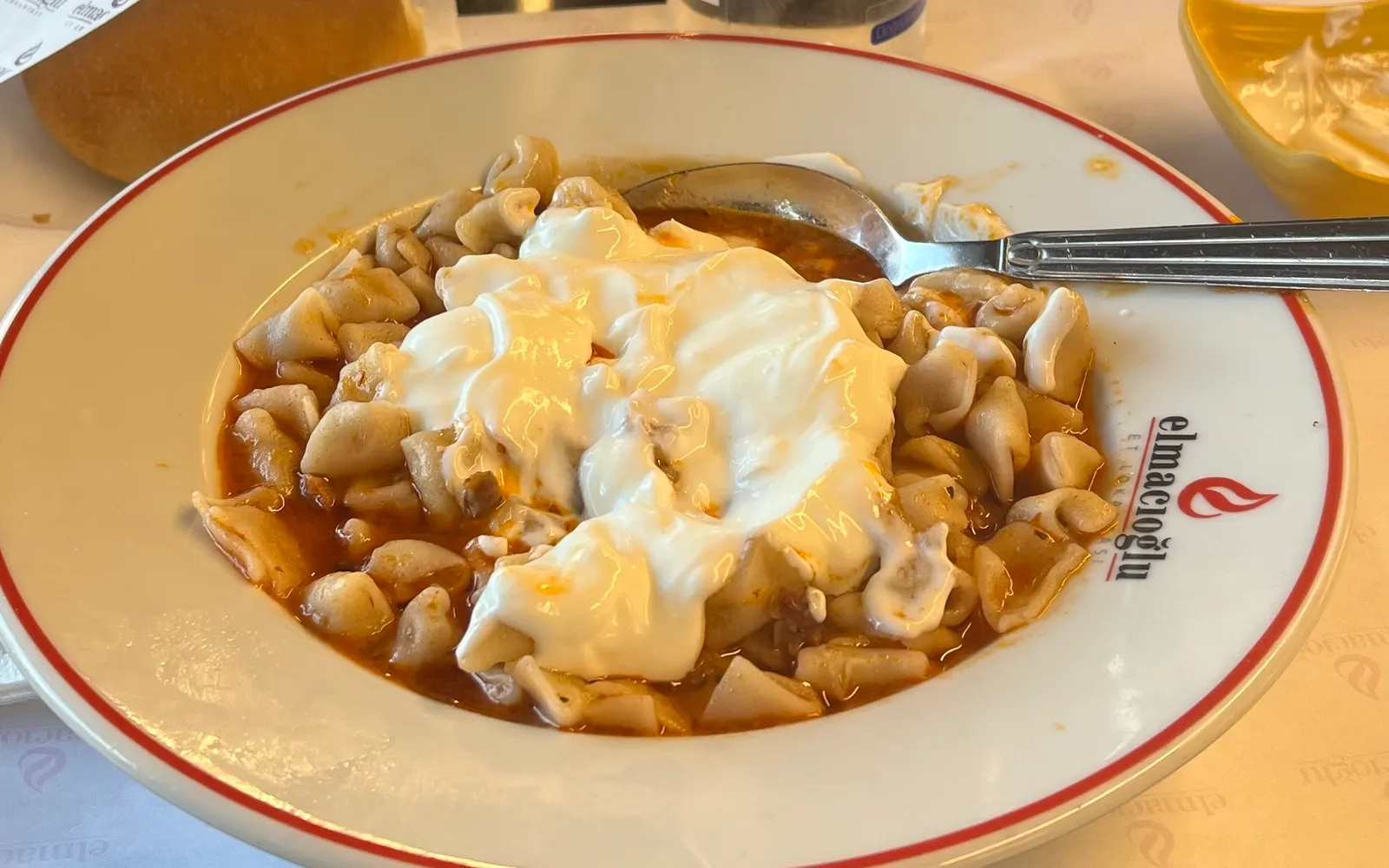
#3 Mantı
Turkish dumplings unlike anything else in the dumpling world. Thin dough wraps spiced ground lamb, the parcels are boiled, then the dish is finished with cold thick yoghurt, melted butter with dried chilli flakes, and a scattering of sumac and dried mint. The contrast — hot dumplings against cold yoghurt, savory against the tart brightness of sumac — is what makes mantı genuinely unlike anything else. In Cappadocia, some makers fold the parcels so small that locals hold informal competitions to see how many fit on a single teaspoon. It is a cooking craft in its own right.
- Hand-folded mantı, made fresh from early morning, have noticeably thinner skins and better texture than the semi-prepared version. It takes time, so good shops run out.
- Some restaurants dress the yoghurt on before serving. If you have the option, ask for yoghurt on the side so you can control the ratio yourself.
- Mantı is the best lunch in Ürgüp. Local families eat it as a weekend ritual, which tells you something about how seriously they take it.
 #4
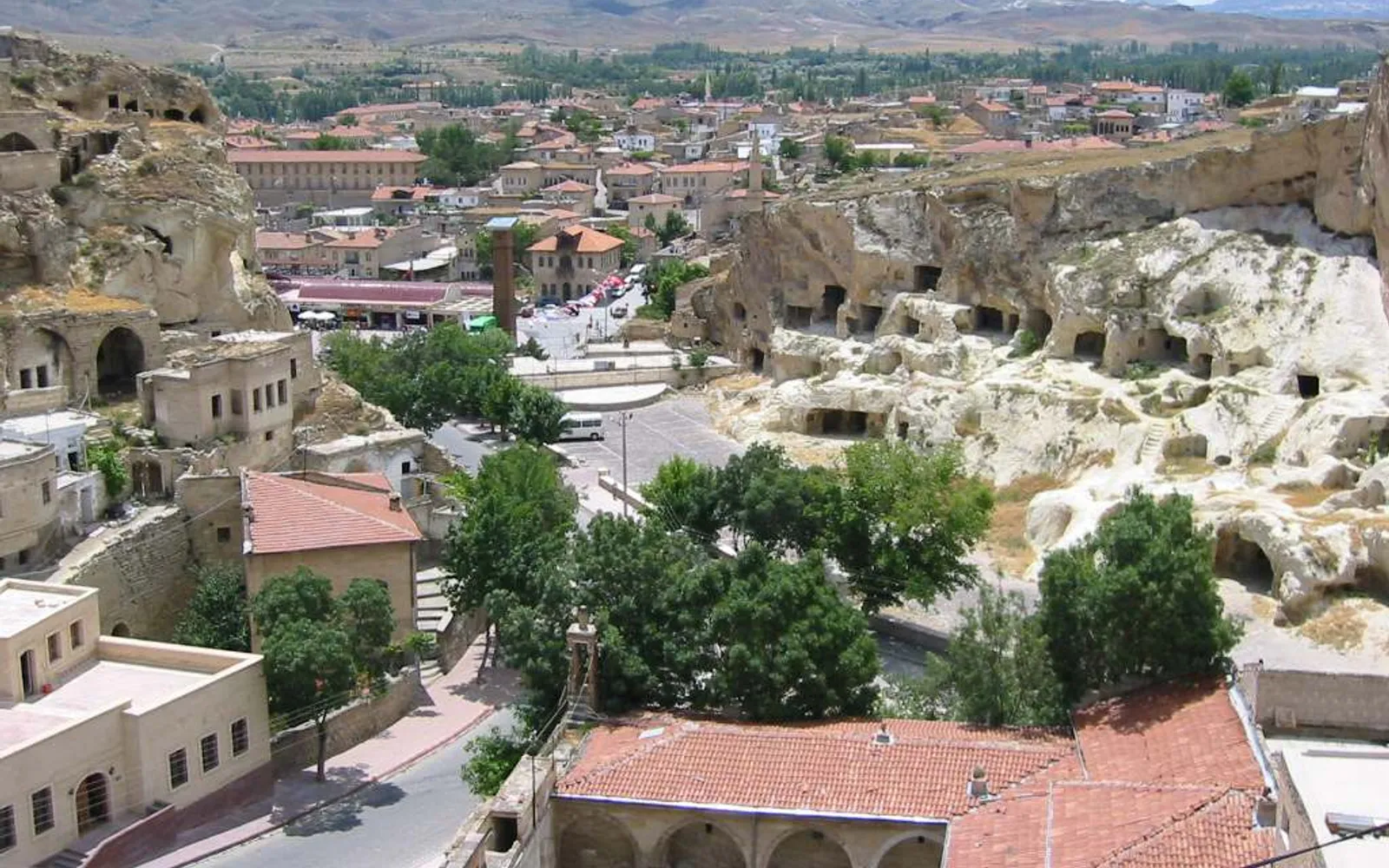
#4 Cappadocia Local Wine
Cappadocia is one of the oldest wine-growing regions on earth — evidence of viticulture here dates back to the Hittites more than 4,000 years ago. Volcanic soil delivers a distinct mineral profile, and the dry continental climate produces indigenous grape varieties found nowhere else. White Emir has a clean, bright acidity with floral notes; red Öküzgözü is deep and fruit-forward. Several wineries open their ancient cave cellars for tastings — naturally temperature-stable year-round, no air conditioning required.
- Emir white is served well-chilled and pairs naturally with local goat cheese and olives — the way residents have been drinking it all along.
- Bottles at the winery run 30–50% cheaper than at hotel restaurants. A bottle or two makes a genuinely meaningful souvenir.
- If you do not drink alcohol, most wineries also press fresh grape juice from the same indigenous varieties — worth trying on its own terms.
 #5
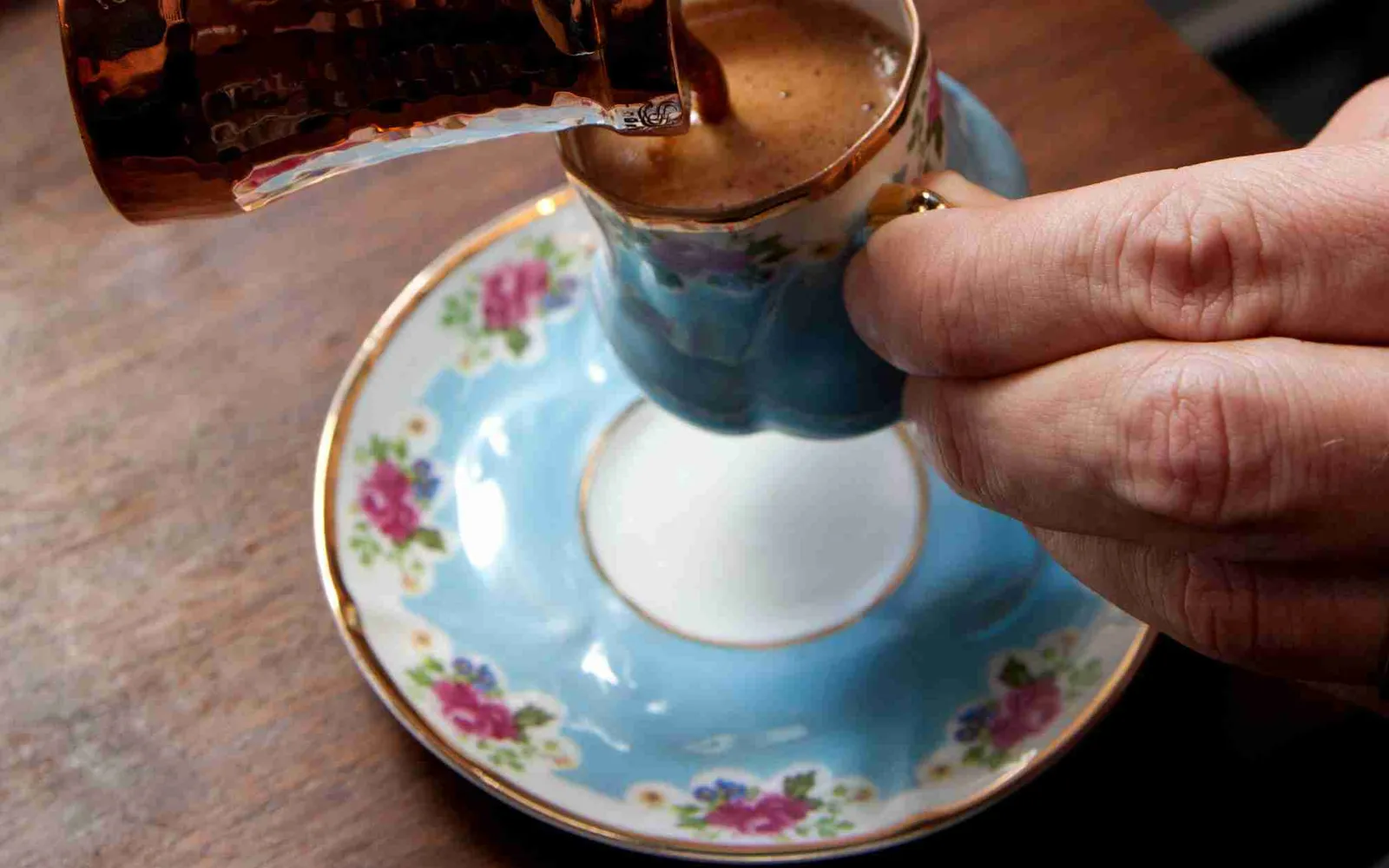
#5 Turkish Coffee and Baklava
Turkish coffee in Ürgüp is not just a drink — it is a social ritual. Brewed in a long-handled copper cezve over charcoal or hot sand, the grounds settle naturally, and the result is served in a small cup with cold water and a local sweet. Cappadocian baklava differs from the Istanbul version: it uses local walnuts and pistachios, is less sweet, and has a more pronounced nut flavor. Cave cafés, with their naturally cool and quiet interiors, give you the ideal setting to sit with a cup after a morning of walking.
- Specify your sweetness level when ordering — orta (medium sweet) or sade (unsweetened) — because the sugar goes in during brewing, not after. You cannot adjust it once it is made.
- Drink slowly and let the grounds settle to the bottom. Do not drain the cup completely — the sediment at the very bottom is bitter and gritty.
- Many good coffee shops in Ürgüp offer to read your fortune from the cup grounds after you finish. It is an old tradition and, regardless of your feelings about fortune-telling, genuinely fun.
 #6
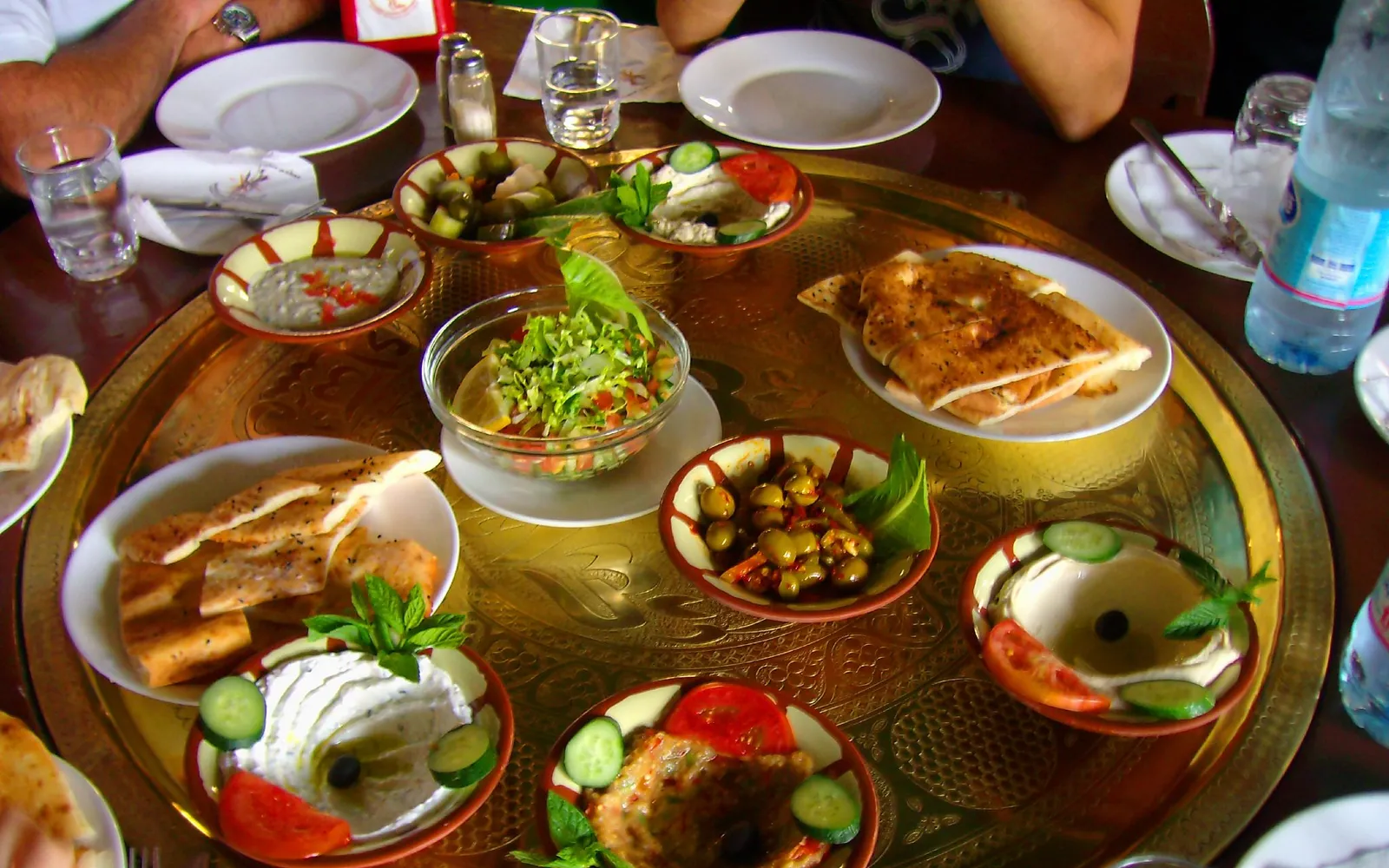
#6 Turkish Meze
The highest expression of Turkish communal eating. Meze is a procession of small shared plates that arrives before the main — in Cappadocia that means tangy goat-cheese yoghurt, smoky roasted eggplant baba ganoush, freshly blended hummus, local black olives, sharp pickled vegetables, and seasonal dishes that change week by week. Eat it with fresh flatbread, hot from the oven, and a glass of local wine. As an opening to a long dinner, it is hard to improve on.
- Order meze before the main course — you will fill up faster than you expect, especially once the warm flatbread with olive oil arrives.
- Ask the server which meze were made today. The freshly prepared items often never make it onto the printed menu but are invariably the best thing on the table.
- Prices start around 50–100 Turkish lira per plate. Add wine and several rounds and the bill climbs — but the experience is worth it.
Where to stay in Ürgüp for this trip
A well-located hotel means less commuting and more sightseeing. Here are real, top-rated stays in Ürgüp — compare Agoda · Booking · Trip.com in one click.
Yunak Evleri Cappadocia
Affiliate links — we may earn a commission at no extra cost to you. Details
Dere Suites Cappadocia
Affiliate links — we may earn a commission at no extra cost to you. Details
Urgup Evi Cave Hotel
Affiliate links — we may earn a commission at no extra cost to you. Details
Cappadocia Palace Hotel
Affiliate links — we may earn a commission at no extra cost to you. Details
Tours, tickets & activities in Ürgüp
Day tours, attraction tickets and travel essentials for Ürgüp — book ahead on Klook with mobile e-tickets.
Affiliate links — we may earn a commission at no extra cost to you.
Before You Pack
The best food in Ürgüp is usually hiding in a small restaurant down a cobblestone lane, well away from the big hotels. Ask your cave-hotel host where they eat. That answer will lead you to the best meal of the trip, reliably.