Ubud is Bali as people imagine it — a small inland town that packs extraordinary cultural depth into every corner. From the Tegallalang Rice Terraces and Tirta Empul Temple, both central to Balinese spiritual life, to the Sacred Monkey Forest and the ridgeline trail at Campuhan, this is the destination that explains why Bali calls itself the Island of the Gods. Every walk in Ubud turns up something worth stopping for.
 #1
#1 Tegallalang Rice Terraces
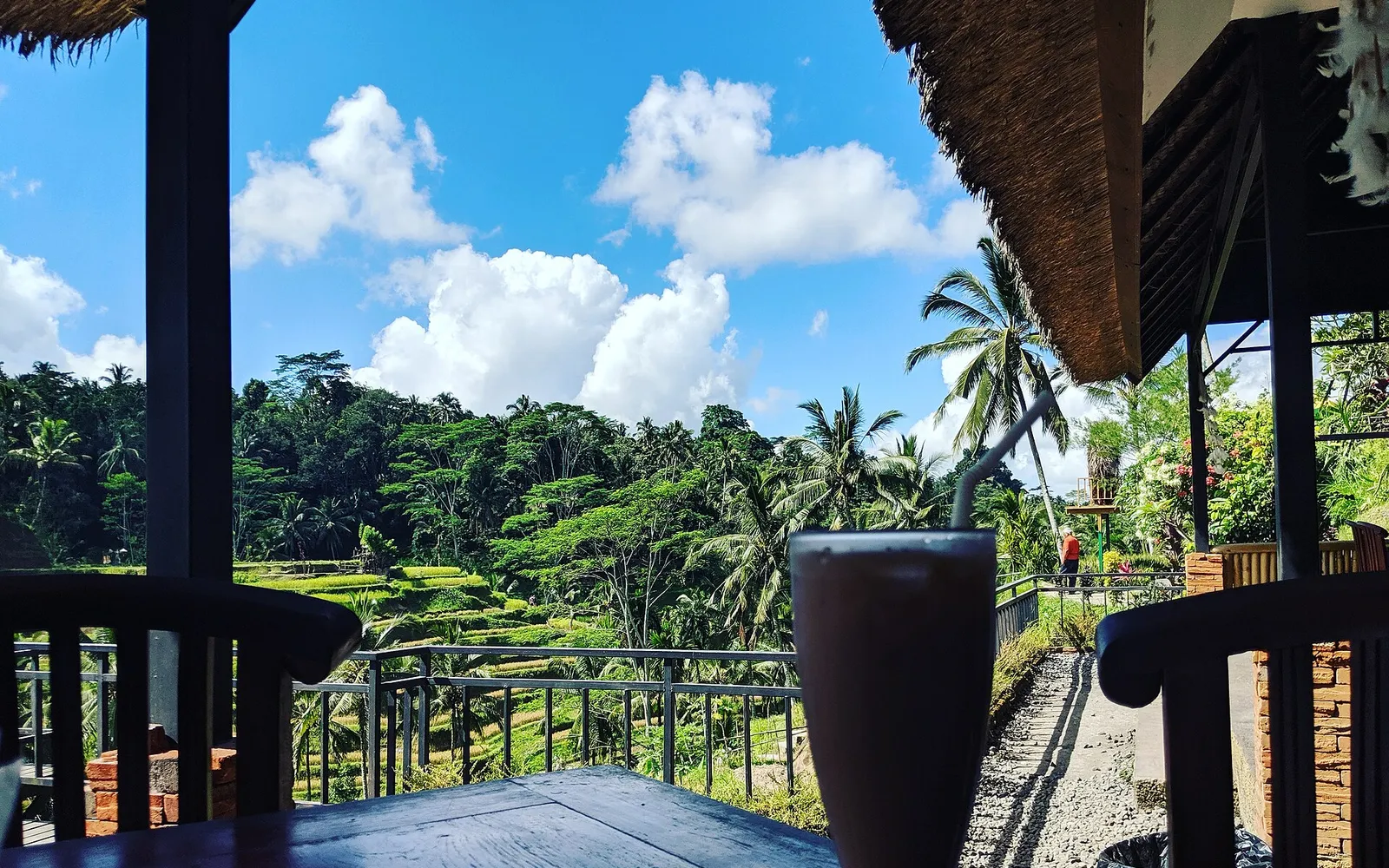
The most photographed rice terraces in Bali and one of the island's defining images. The <em>subak</em> irrigation system used here since the 9th century is a UNESCO World Heritage listing. A walking path descends into the paddies and feels like stepping into a painting. There are also open-air swings over the valley, coffee shops with views, and cliffside restaurants backed by the kind of scenery that stops conversation.
- Arrive before 8 am for soft light and far fewer people — the heat hasn't built yet either.
- There's no single entrance fee, but expect to be asked for donations of 15,000–20,000 IDR at various points along the route. Bring cash.
- Swings and activities cost 100,000–250,000 IDR — negotiate before you agree to anything.
 #2
#2 Sacred Monkey Forest Sanctuary
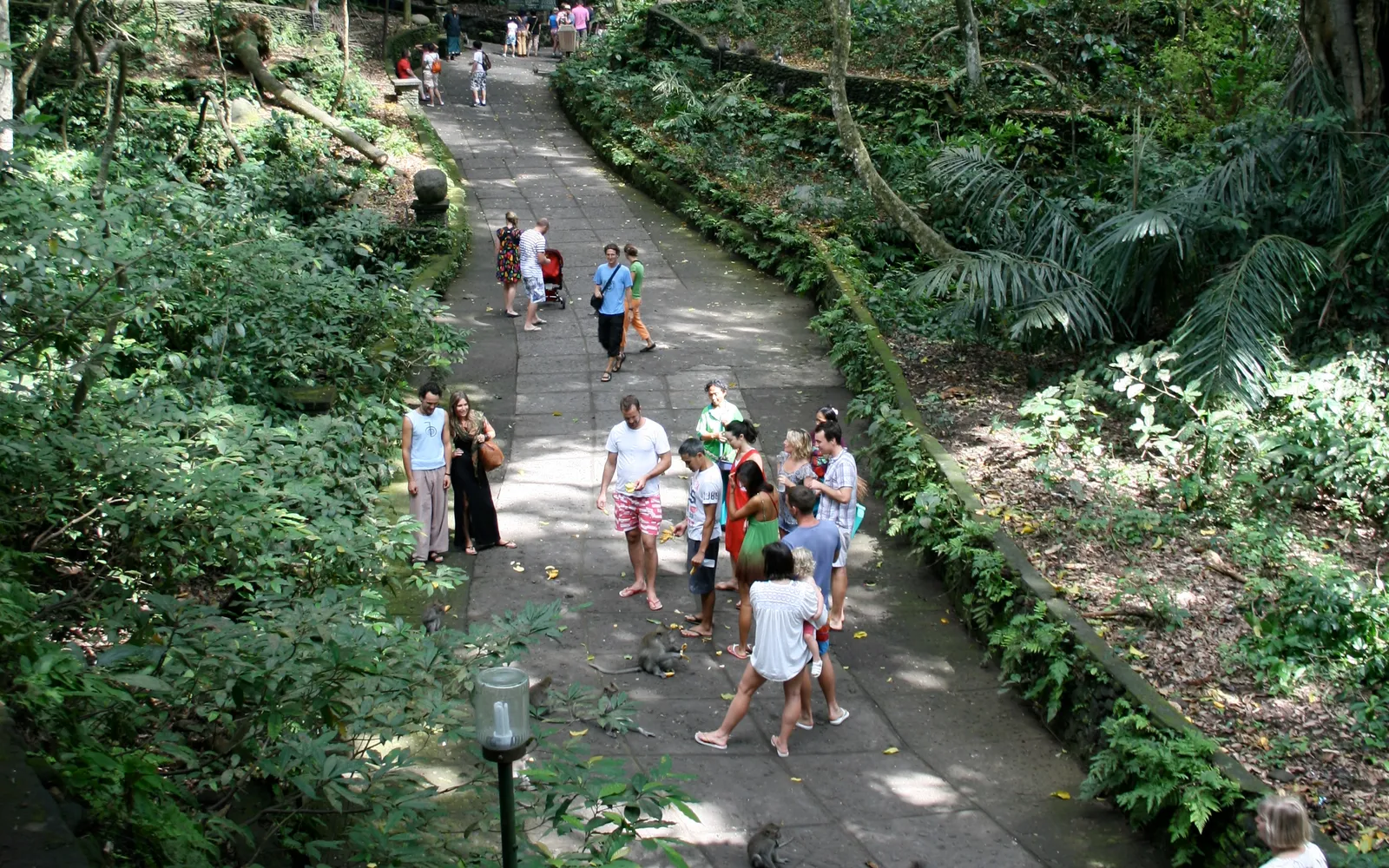
A 12.5-hectare nature reserve and Hindu temple complex sitting in the middle of Ubud town. Home to more than 1,200 long-tailed Balinese macaques that roam freely among moss-draped stone sculptures and trees hundreds of years old. Inside are 3 Hindu temples built around 1350 that remain active places of worship. The atmosphere is genuinely otherworldly.
- Do not bring food in — the monkeys will take it, and they scratch. Stow sunglasses and hats inside a bag.
- Entry is 80,000 IDR. Open daily 9 am–6 pm. Dress modestly or pick up a sarong at the entrance.
- Monkeys are most active in the morning, which also makes for better wildlife photography.
 #3
#3 Ubud Palace
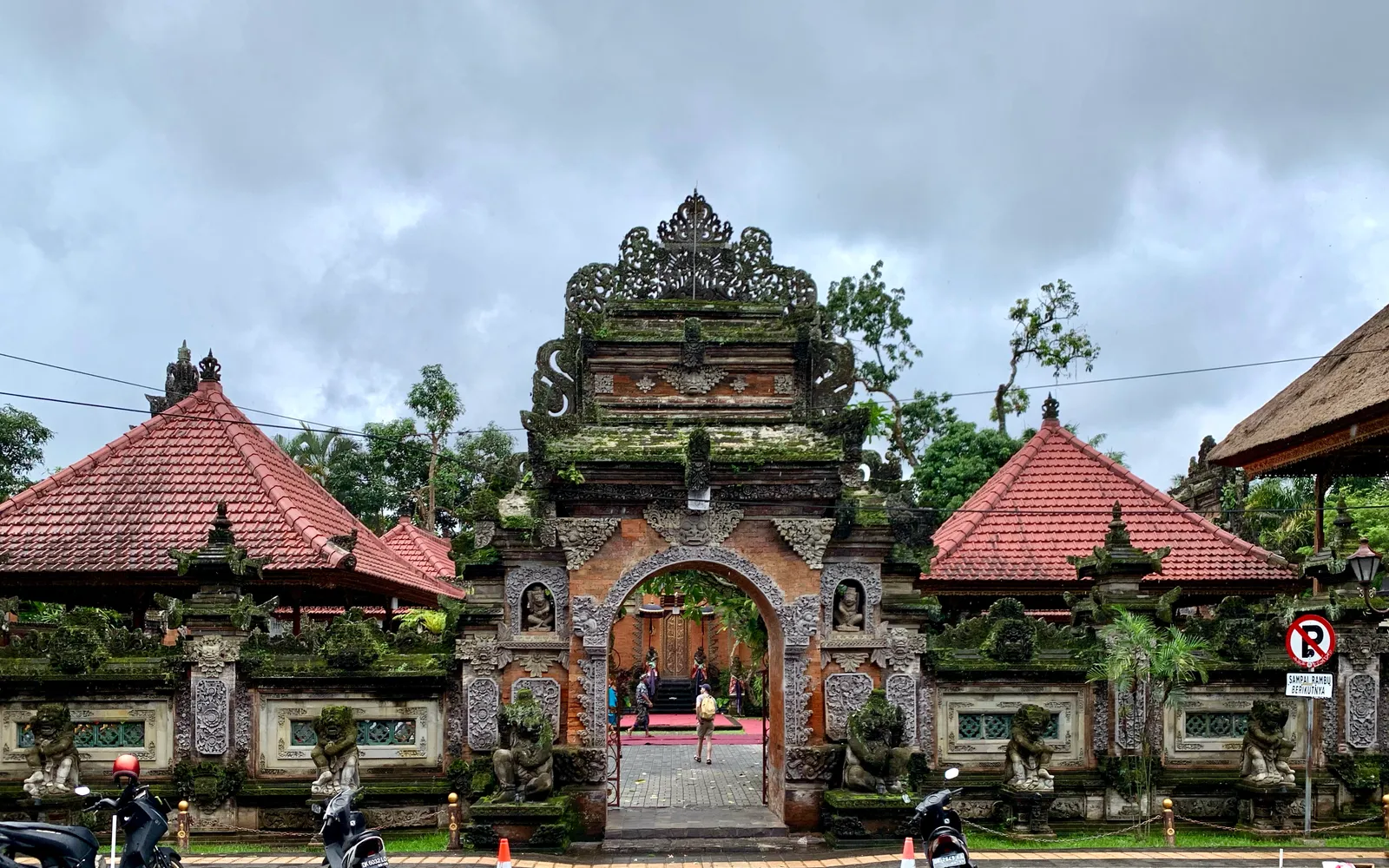
The residence of Ubud's royal family, first built in 1640 and restored during the reign of Tjokorda Putu Kandel in the early 19th century. Much of the detailed stonework is attributed to I Gusti Nyoman Lempad, one of Bali's most celebrated artists. The royal family still lives here, yet the compound opens to visitors — and every evening the main courtyard becomes a stage for Balinese dance performances of real quality.
- Kecak, Barong, and Legong dances are performed nightly from around 7:30–9 pm. Tickets run 100,000–150,000 IDR.
- The palace itself is free to enter throughout the day. Dress modestly and leave food and drinks outside.
- The Art Market sits directly across the road — convenient for shopping before or after the evening show.
 #4
#4 Tirta Empul Temple
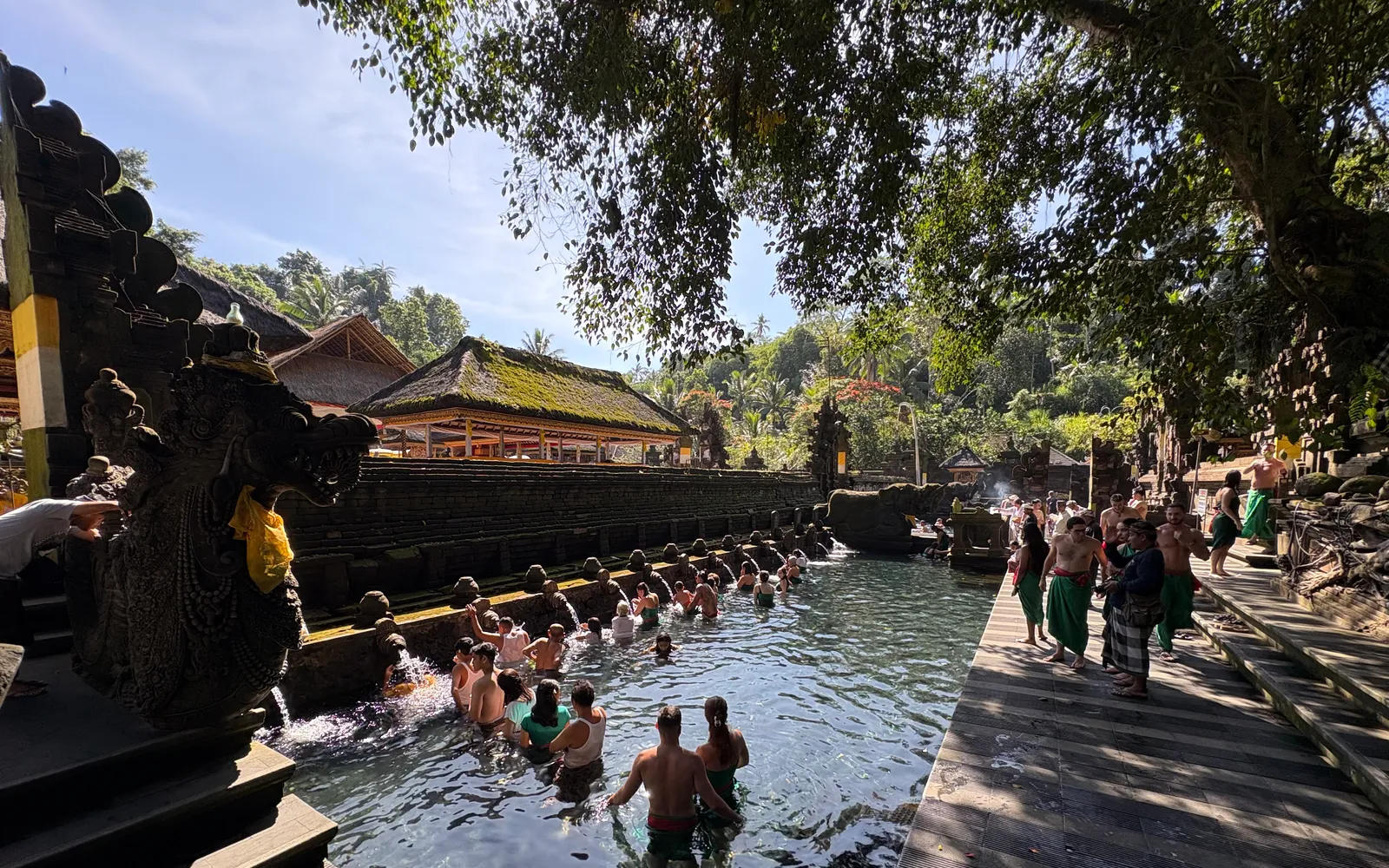
One of Bali's most sacred Hindu water temples, founded in 962 CE during the Warmadewa dynasty. Legend holds that the god Indra created this spring to revive soldiers poisoned by an evil king. Water flows continuously through 30 spouts into the ritual bathing pools where Balinese Hindus perform <em>melukat</em> — a purification ceremony — every day. Visitors are welcome to take part.
- Wear a white sarong before entering the pools — available to rent at the entrance for around 20,000 IDR.
- Entry is 75,000 IDR. Open daily 7 am–6 pm.
- Respect the Balinese worshippers who are here to pray — avoid photographing people at close range during the ceremony.
 #5
#5 Goa Gajah
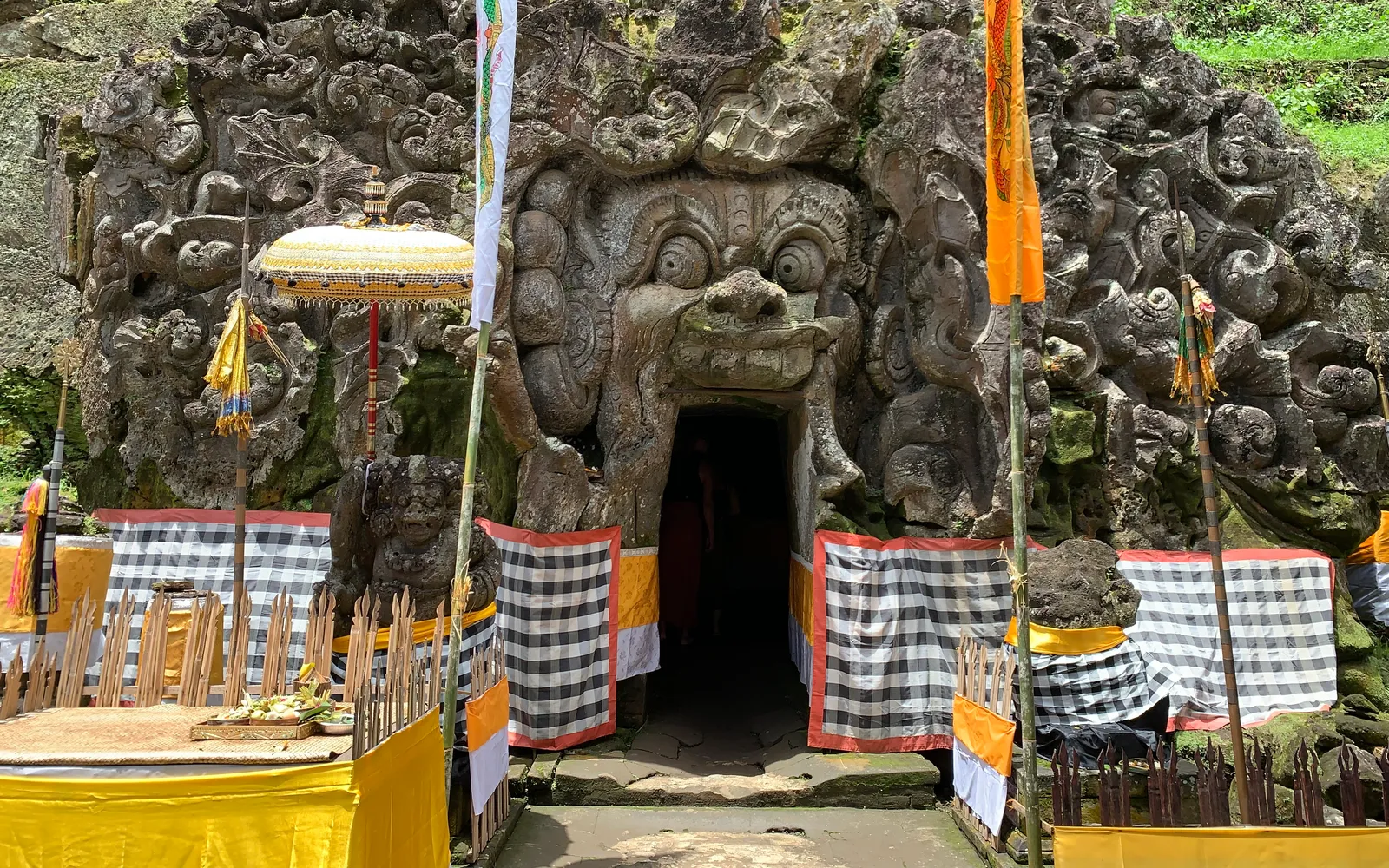
An archaeological site over 1,000 years old that blends Hindu and Buddhist influence in a way that's rare anywhere in the world. Built between the 9th and 11th centuries, the name translates as Elephant Cave. The entrance is carved into the rock face in the shape of a demon's mouth — dramatic and deeply worked. Inside is a Ganesha shrine on an altar. Outside the cave are ritual bathing pools discovered in 1954, with 7 goddess figures pouring water from vessels.
- Entry is 50,000 IDR. Open daily 8 am–5 pm. Sarongs are provided at the entrance.
- Wear shoes you can manage on wet stone steps — the path inside the cave gets slippery.
- The cave itself is compact, but the ritual pools outside and the surrounding shade trees reward a slow, quiet visit.
 #6
#6 Campuhan Ridge Walk
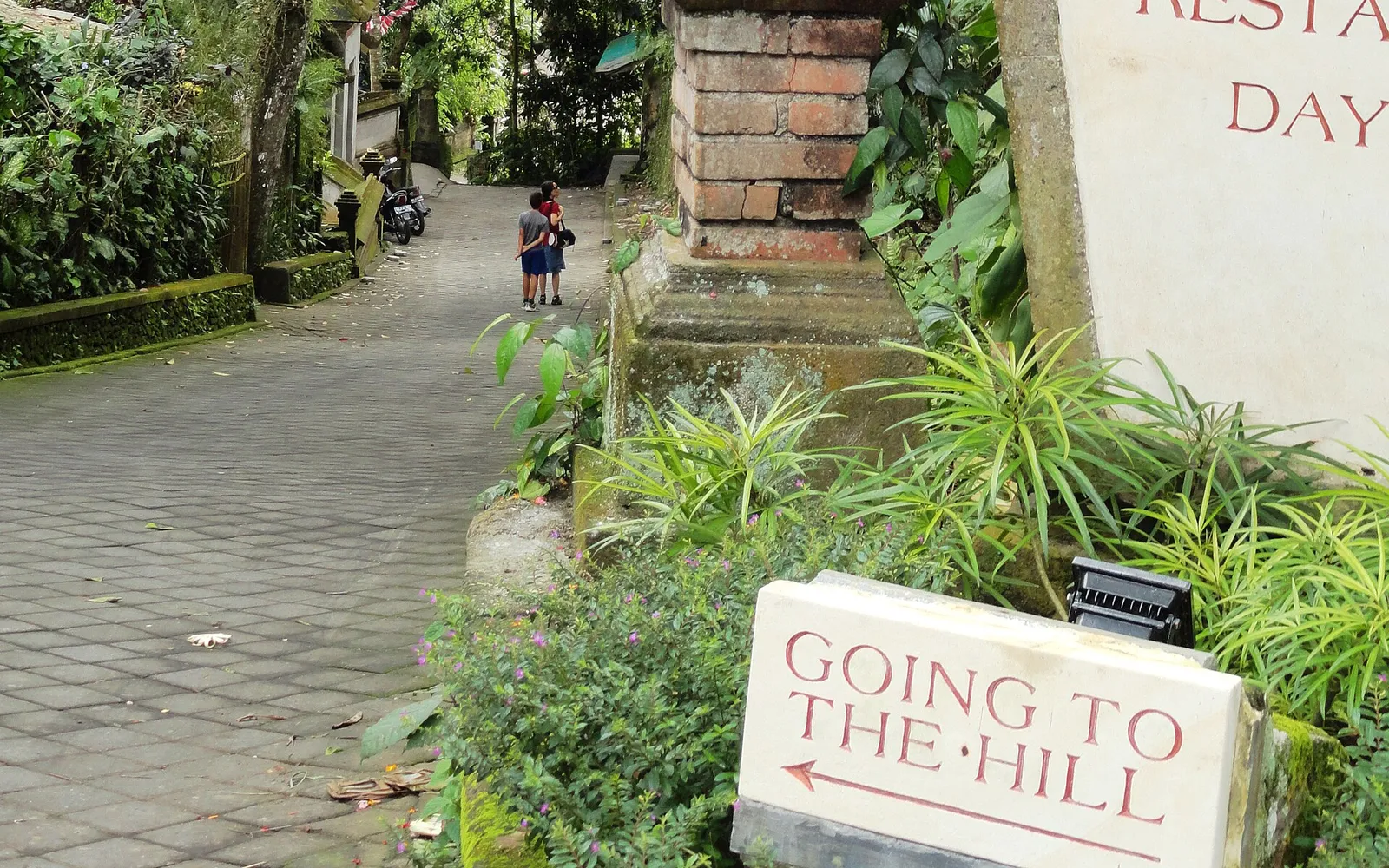
The most scenic nature walk in Ubud, and it costs nothing. <em>Campuhan</em> means the confluence of two rivers. The 2-kilometre path passes through grassland, palm gardens, and rice terraces along a ridge with deep valley views on both sides. The difficulty is low — suitable for all ages. The trail begins at Pura Gunung Lebah temple, a short walk from the town centre.
- Start before 7 am for morning mist and golden light — the atmosphere at that hour is genuinely striking.
- The path is paved throughout, but some sections become slippery in rain. Wear shoes with decent grip.
- There are excellent cafes at the far end of the trail — Karsa Kafe on the ridge is a good stop after the walk.
 #7
#7 Tegenungan Waterfall
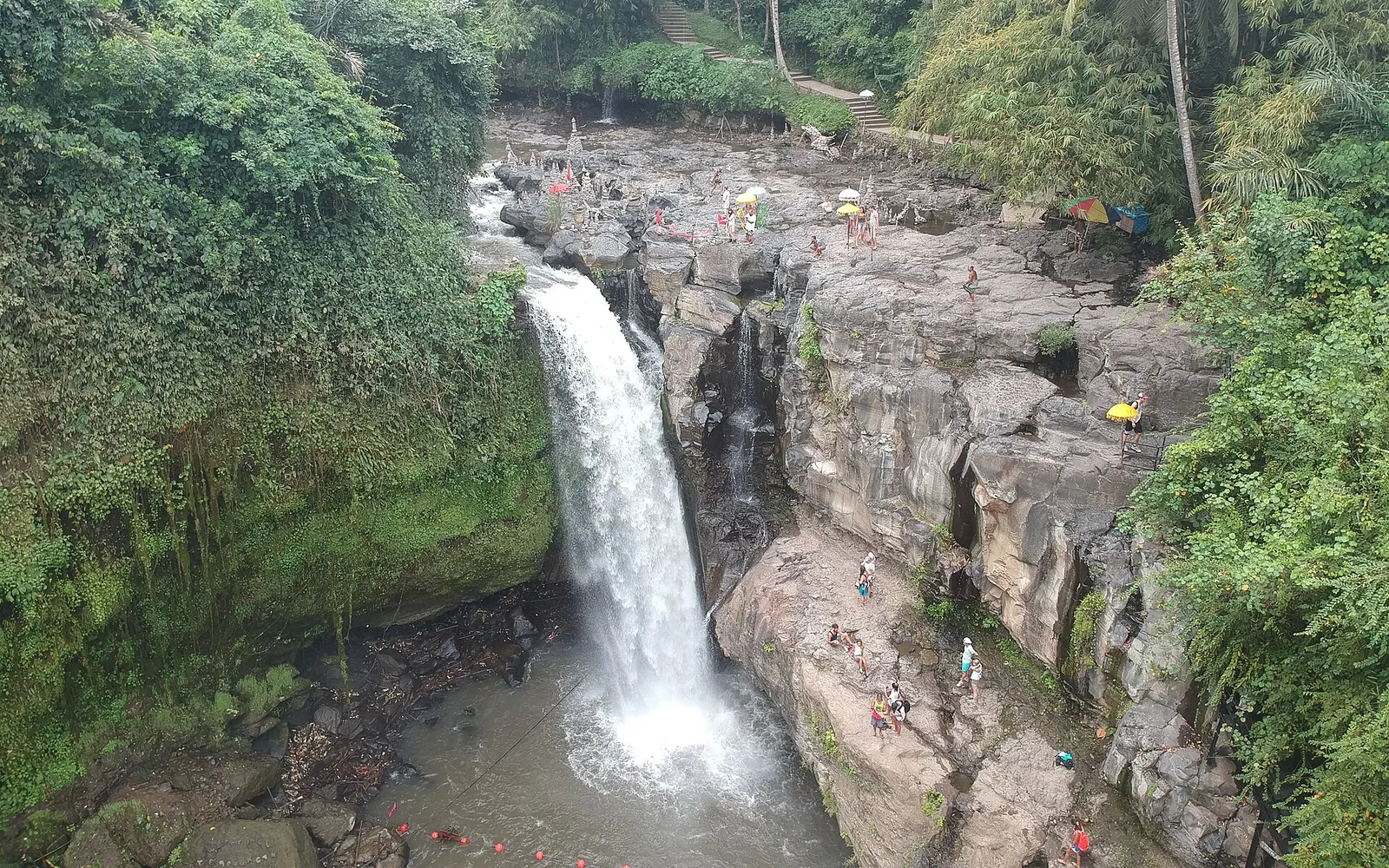
The most accessible waterfall in the Ubud area, dropping 15 metres from a cliff into the Petanu River. In the wet season the flow is powerful; in the dry season the water runs clear and you can see the rocks below. Around 200 concrete steps lead down to the base. There's a safe swimming area, and for those who want a bigger thrill, a 188-metre glass bridge spans the valley.
- Entry is 20,000 IDR. Open daily 7 am–6 pm. There's no lift — you'll climb 200 steps back up.
- Swimming is allowed but stay within the designated area; currents near the base of the falls can be strong at certain times.
- Several restaurants with waterfall views sit at the top — sitting over coffee looking down at the falls is genuinely memorable.
 #8
#8 Ubud Art Market
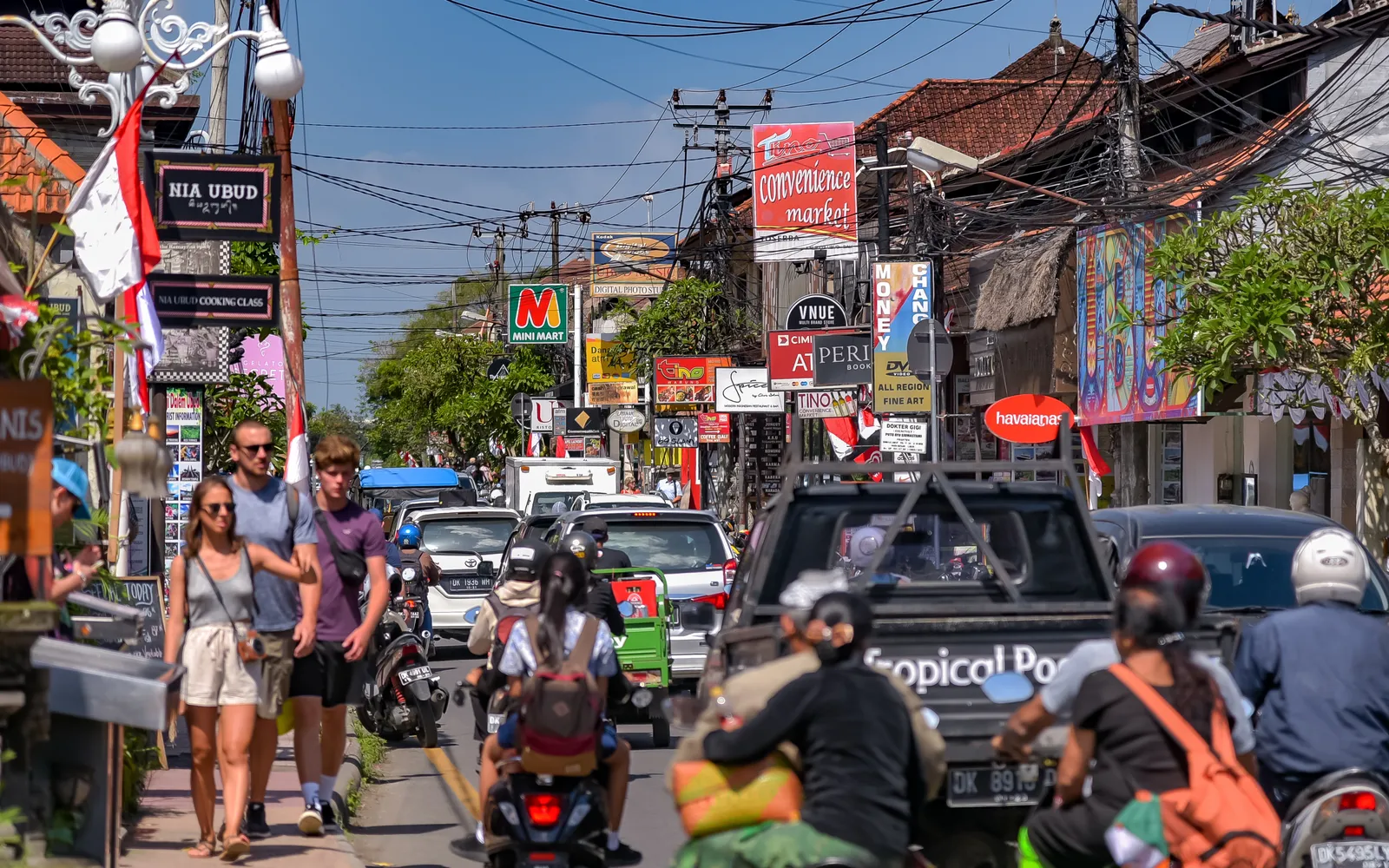
The most famous arts and crafts market in Bali, sitting directly across from Ubud Palace. More than 200 stalls sell batik cloth, <em>ikat</em> textiles, carved woodwork, silverware, rattan bags, sarongs, and Balinese clothing. The market had a scene in the film <em>Eat Pray Love</em>. Early in the morning it functions as a fresh produce market selling vegetables and fruit before shifting into the arts market later in the day.
- Bargaining is standard — open at 30–40% of the asking price. It's the normal way trade works here.
- Stalls toward the back of the market tend to be cheaper and more interesting than those at the front entrance.
- Balinese carved woodwork is one of the better souvenirs to take home — look for stalls where carving happens on-site for higher quality.
Where to stay in Ubud for this trip
A well-located hotel means less commuting and more sightseeing. Here are real, top-rated stays in Ubud — compare Agoda · Booking · Trip.com in one click.
Mandapa, a Ritz-Carlton Reserve
Affiliate links — we may earn a commission at no extra cost to you. Details
Purana Suite Ubud
Affiliate links — we may earn a commission at no extra cost to you. Details
Capella Ubud, Bali
Affiliate links — we may earn a commission at no extra cost to you. Details
The Kayon Jungle Resort
Affiliate links — we may earn a commission at no extra cost to you. Details
Tours, tickets & activities in Ubud
Day tours, attraction tickets and travel essentials for Ubud, Bali — book ahead on Klook with mobile e-tickets.
Affiliate links — we may earn a commission at no extra cost to you.
Before You Pack
Two days in Ubud is not enough. Plan for at least 3 nights to cover the temples, rice terraces, art market, and walking trails at a pace that doesn't feel rushed. Renting a motorbike or hiring a local driver opens up sites beyond the main tourist circuit — and the cost difference compared to organised tours is significant.