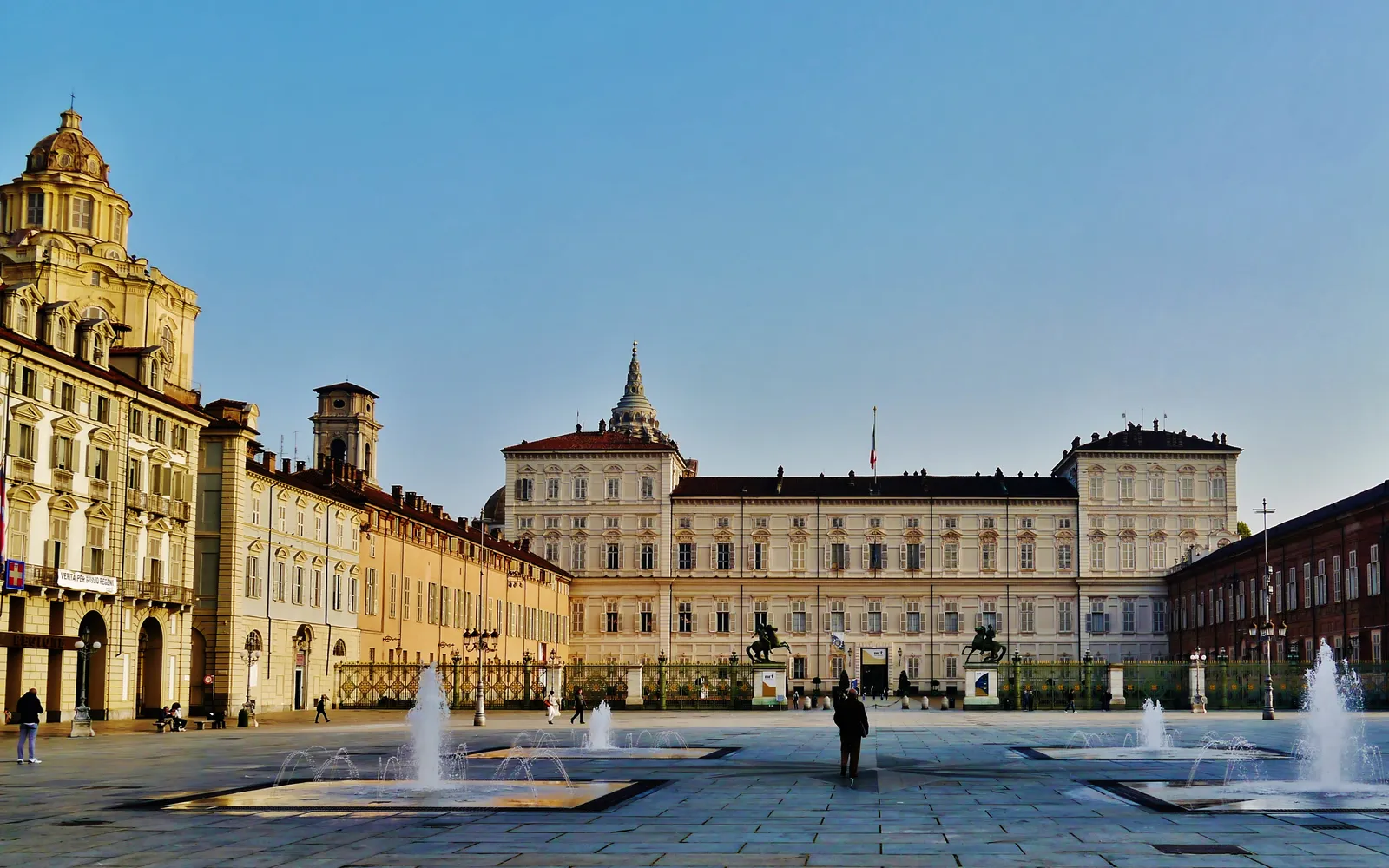
Turin is one of Italy's best cities for food — and most travelers have no idea. The chocolate culture here runs deeper and more refined than anywhere else in Europe, built on over 400 years of the House of Savoy's passion for chocolate and their political ties to Spain. Piedmont also produces truffles, hazelnuts, Barolo, Barbaresco, and the kind of raw ingredients that chefs worldwide spend fortunes chasing. Come to Turin and eat your way through all of it.
 #1
#1 Bicerin
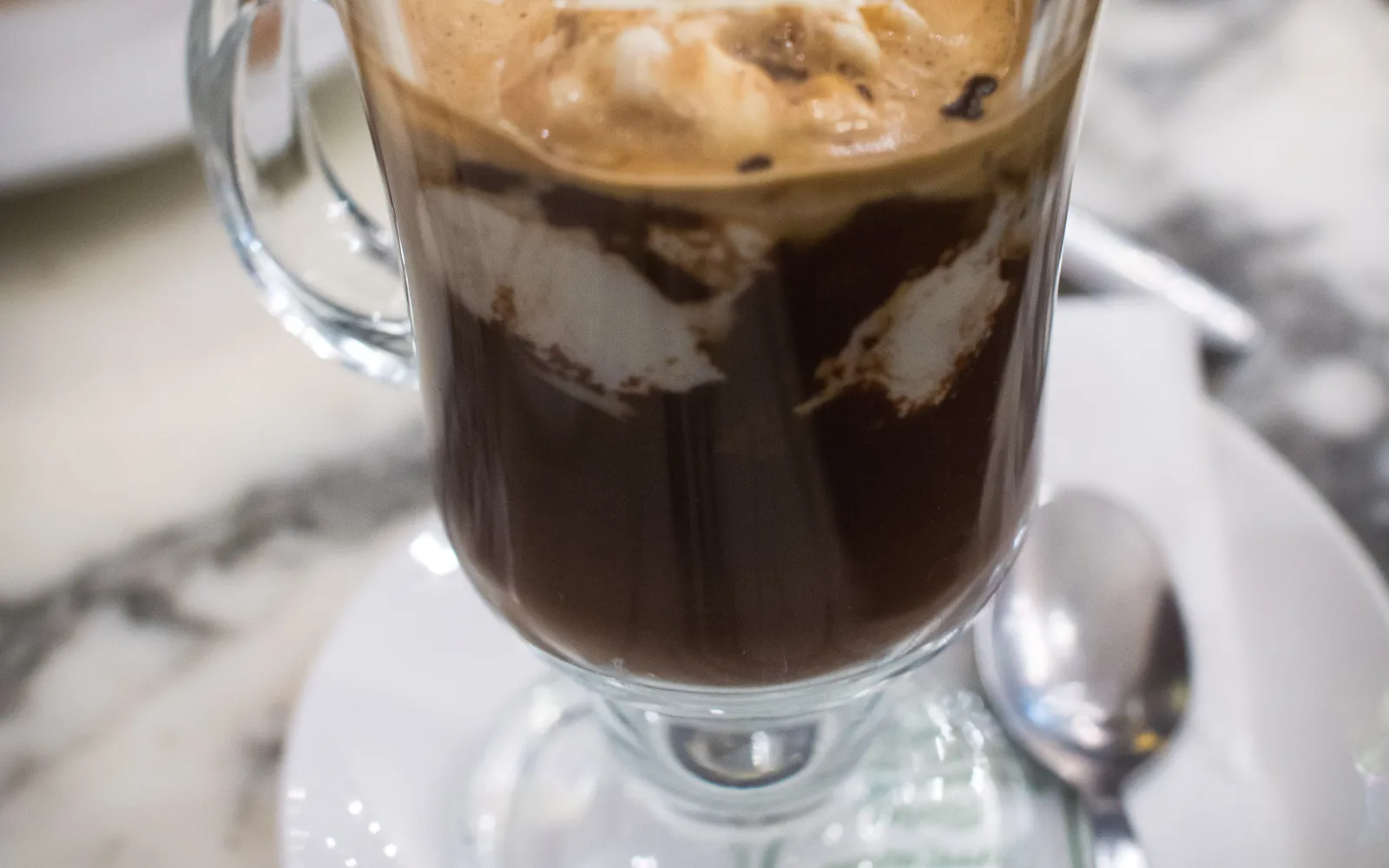
Turin's signature drink, with a history stretching back to 1763. The name bicerin means small glass in Piedmontese dialect. It's made from three unmixed layers: dense hot chocolate at the bottom, strong espresso in the middle, and sweet cream on top. You drink it without stirring, tasting all three layers in one sip. Alexandre Dumas and Friedrich Nietzsche were devoted fans. Caffè Al Bicerin is the original café and still open today.
- Caffè Al Bicerin — the original — is open daily 8:30–19:30; expect to pay €5–7. Don't skip photos of the interior, which has kept its historic atmosphere intact.
- Drink it without stirring. Sip slowly to experience the flavour shifting from cream down through chocolate — that's the whole point.
- Other historic cafés in Turin such as Caffè Torino or Caffè San Carlo also serve excellent Bicerin, often in more ornate rooms.
 #2
#2 Gianduiotto
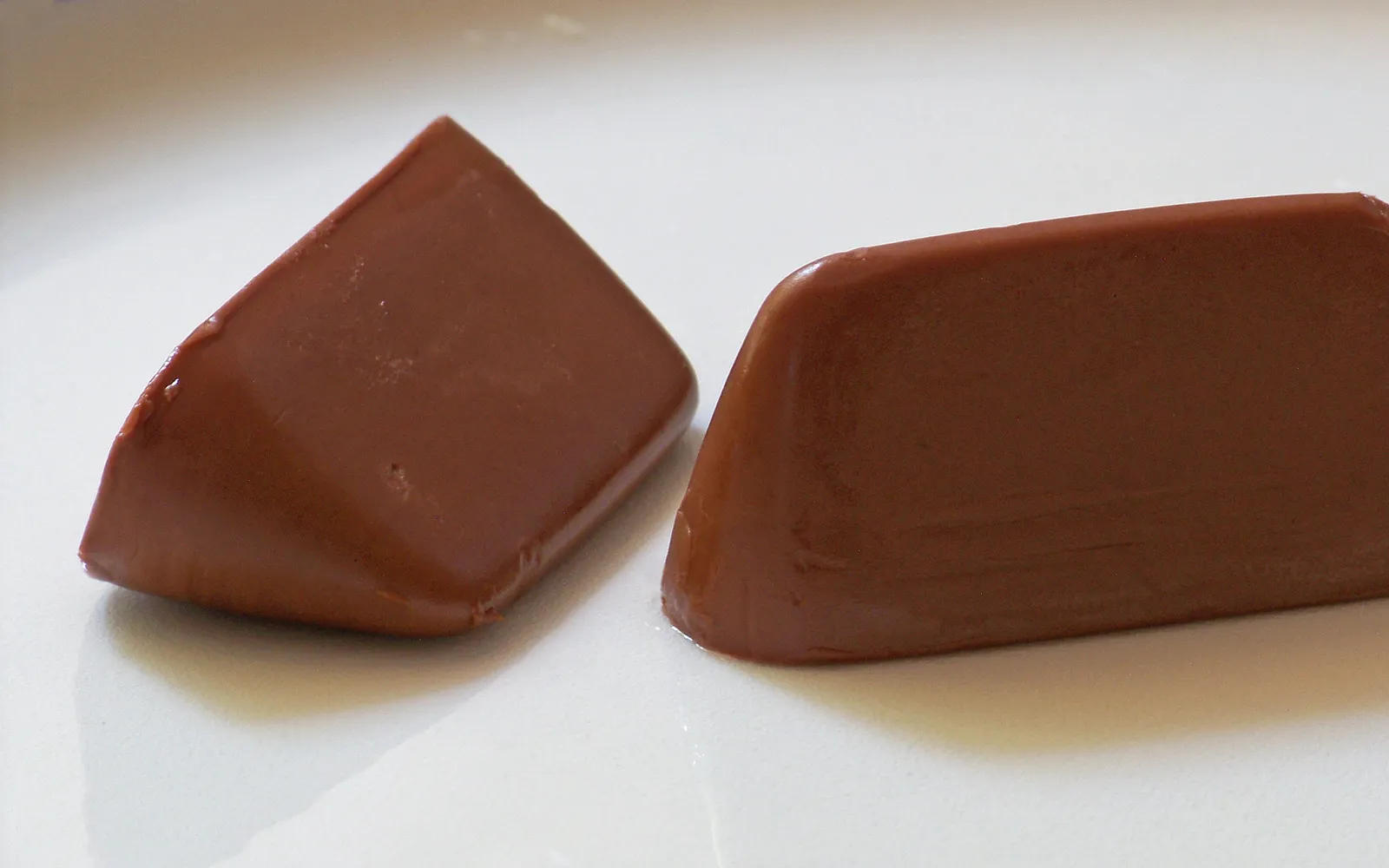
A chocolate invented in Turin in 1865 and considered the world's first individually foil-wrapped chocolate. It's made from cocoa blended with finely ground roasted Piedmontese hazelnuts in a precise ratio that produces a remarkably smooth result. The name comes from Gianduja, a folk comedy character who is Turin's mascot. The taste is gently sweet and mellow — the hazelnuts give it a distinctive fragrance no ordinary chocolate can match. Every chocolate shop in Turin has its own recipe.
- Buy from local chocolate makers like Guido Gobino or Peyrano rather than airport souvenir shops. The quality difference is significant.
- A good Gianduiotto melts slowly on the tongue — it should never feel hard or brittle. If it's crunchy or bitter, the quality is below standard.
- A popular gift: gift boxes run €10–25 and keep for several weeks at room temperature as long as it's not too warm.
 #3
#3 Bagna càuda
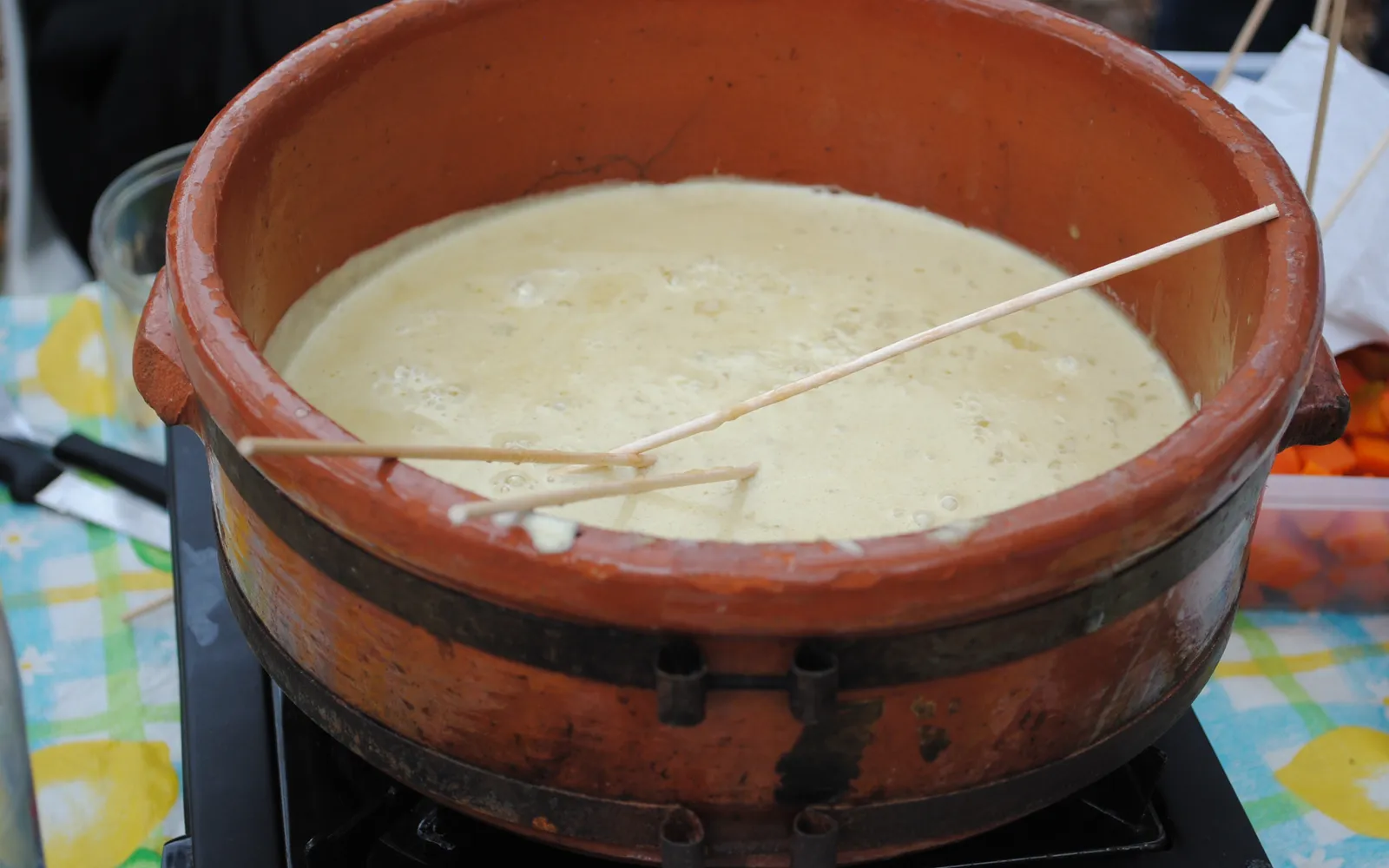
A traditional Piedmontese hot dipping sauce — bagna càuda means hot sauce in the local dialect. It's made from garlic slow-cooked in olive oil, then dissolved anchovies stirred in until the whole thing becomes a thick, fragrant sauce. Served in a clay pot kept warm at the table, with an array of fresh and pickled vegetables for dipping: sweet peppers, cabbage, turnip, celery. It's Piedmont's answer to fondue — a communal dish. The garlic is intense, but the flavour is rich and deeply satisfying. It must be eaten hot.
- Fair warning: Bagna Càuda is very heavy on garlic. The smell stays with you for hours — plan it as an evening meal if you don't have meetings the next morning.
- Eat it with baguette or polenta to soak up what's left in the pot. This sauce is made for bread.
- Winter (November–February) is the true season for Bagna Càuda. The best restaurants only serve it in the cold months.
 #4
#4 Agnolotti del Plin
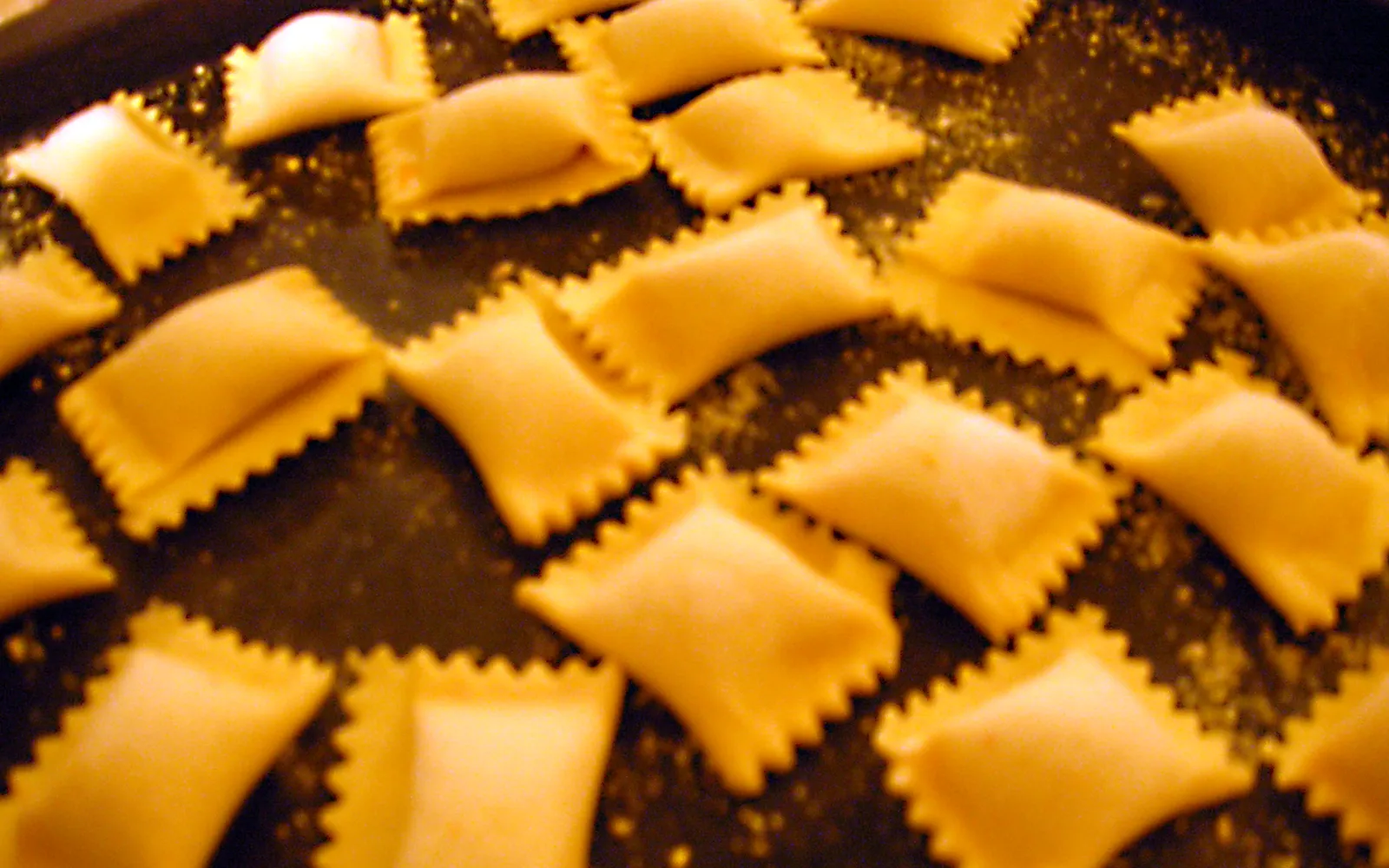
Piedmont's traditional stuffed pasta, and nothing like standard ravioli. The filling combines beef, pork, and seasoned spinach, wrapped in thin fresh egg-pasta dough and pinched shut by hand — plin means pinch in Piedmontese. They're served with butter sauce and seasonal accompaniments: white truffle shavings in autumn, or a deep meat jus. The result is more delicate and balanced than most stuffed pastas you'll eat elsewhere.
- Agnolotti del Plin are much smaller than ravioli. If a single portion has eighty pieces or more, you're getting the real thing.
- White truffle season (October–November) takes these to another level with freshly shaved truffle on top — though the price rises sharply.
- Good restaurants in Turin make their pasta fresh every day. Ask fatto in casa (made in-house) before you order.
 #5
#5 Grissini
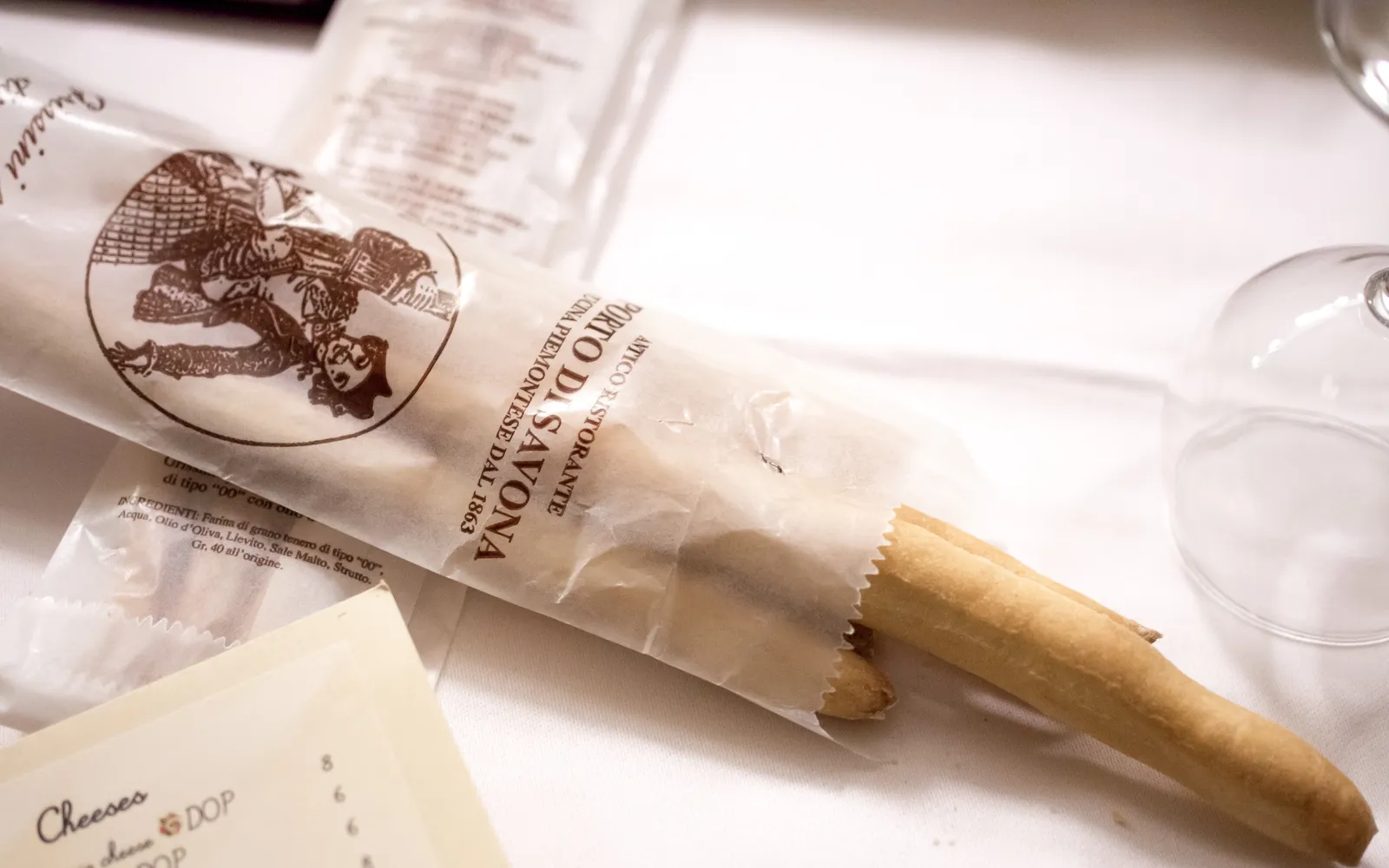
The thin, crunchy breadstick invented in Turin in the 17th century. According to tradition, they were created for Prince Victor Amadeus II, who had digestive problems. Made from wheat dough stretched or cut into long rods and baked or fried with olive oil, rosemary, or sesame seeds, they're served free as a pre-meal snack in virtually every Turin restaurant. Napoleon Bonaparte was a devoted fan and brought the recipe back to France. Lighter and more satisfying than you'd expect.
- Stirato (hand-stretched) Grissini are thinner and crispier than robata (cut) ones. Irregular shapes are a sign of handmade work.
- Buy a long box to take home from a local bakery — the quality is far better than packaged airport versions.
- Pair with prosciutto di Parma or Grana Padano cheese as a Piedmontese pre-lunch snack.
 #6
#6 Vermouth di Torino
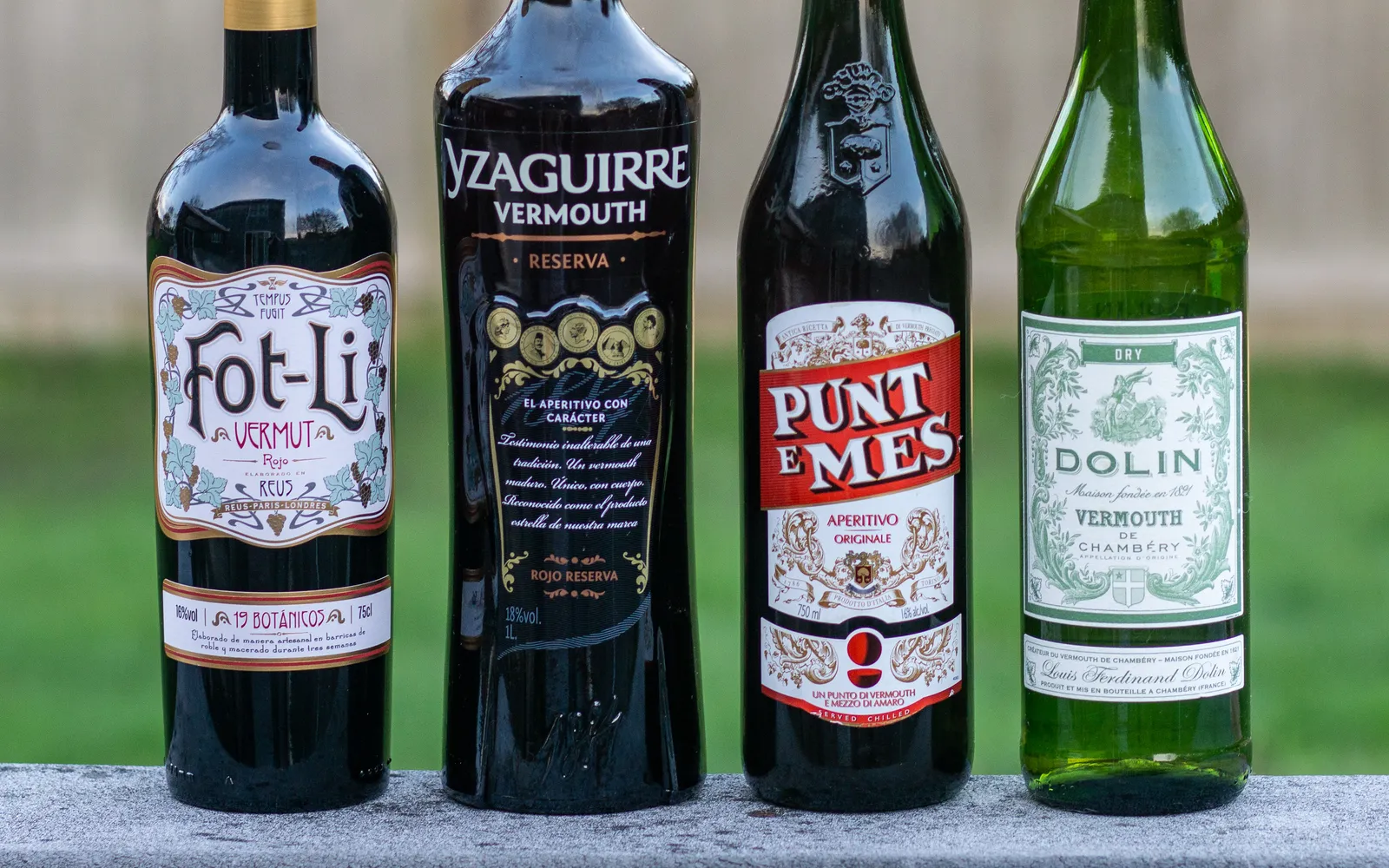
Vermouth was invented in Turin in 1786 by Antonio Benedetto Carpano, and the region still produces the leading brands today — Martini, Cinzano, and Carpano Antica Formula. It's made from Piedmontese white wine blended with sugar, spices, herbs, and artemisia, producing a bittersweet, layered flavour. Drink it on its own over ice with an orange slice, or as a cocktail base. Turin's aperitivo tradition runs from 18:00 to 20:00, when vermouth is typically served alongside generous free antipasto spreads.
- A good aperitivo in Turin means vermouth plus a free antipasto buffet for €8–12 a glass — you get a full spread of snacks for the price of a drink.
- Ask for Carpano Antica Formula — the oldest surviving recipe — if you want the most complex, intense expression of Turin vermouth.
- Vermouth makes an excellent thing to bring home: supermarket prices are far lower than at the airport. Look for smaller local brands.
Where to stay in Turin for this trip
A well-located hotel means less commuting and more sightseeing. Here are real, top-rated stays in Turin — compare Agoda · Booking · Trip.com in one click.
Turin Palace Hotel
Affiliate links — we may earn a commission at no extra cost to you. Details
Torino 1854 Affittacamere
Affiliate links — we may earn a commission at no extra cost to you. Details
Principi di Piemonte | UNA Esperienze
Affiliate links — we may earn a commission at no extra cost to you. Details
Grand Hotel Sitea
Affiliate links — we may earn a commission at no extra cost to you. Details
Tours, tickets & activities in Turin
Day tours, attraction tickets and travel essentials for Turin — book ahead on Klook with mobile e-tickets.
Affiliate links — we may earn a commission at no extra cost to you.
Before You Pack
The best restaurants and cafés in Turin tend to tuck themselves away in the old streets of Quadrilatero Romano and San Salvario. If you walk past a place where locals are standing at the bar drinking coffee with quiet ceremony, that's the one to walk into. Piedmontese food is one of the most ingredient-honest kitchens in the world.