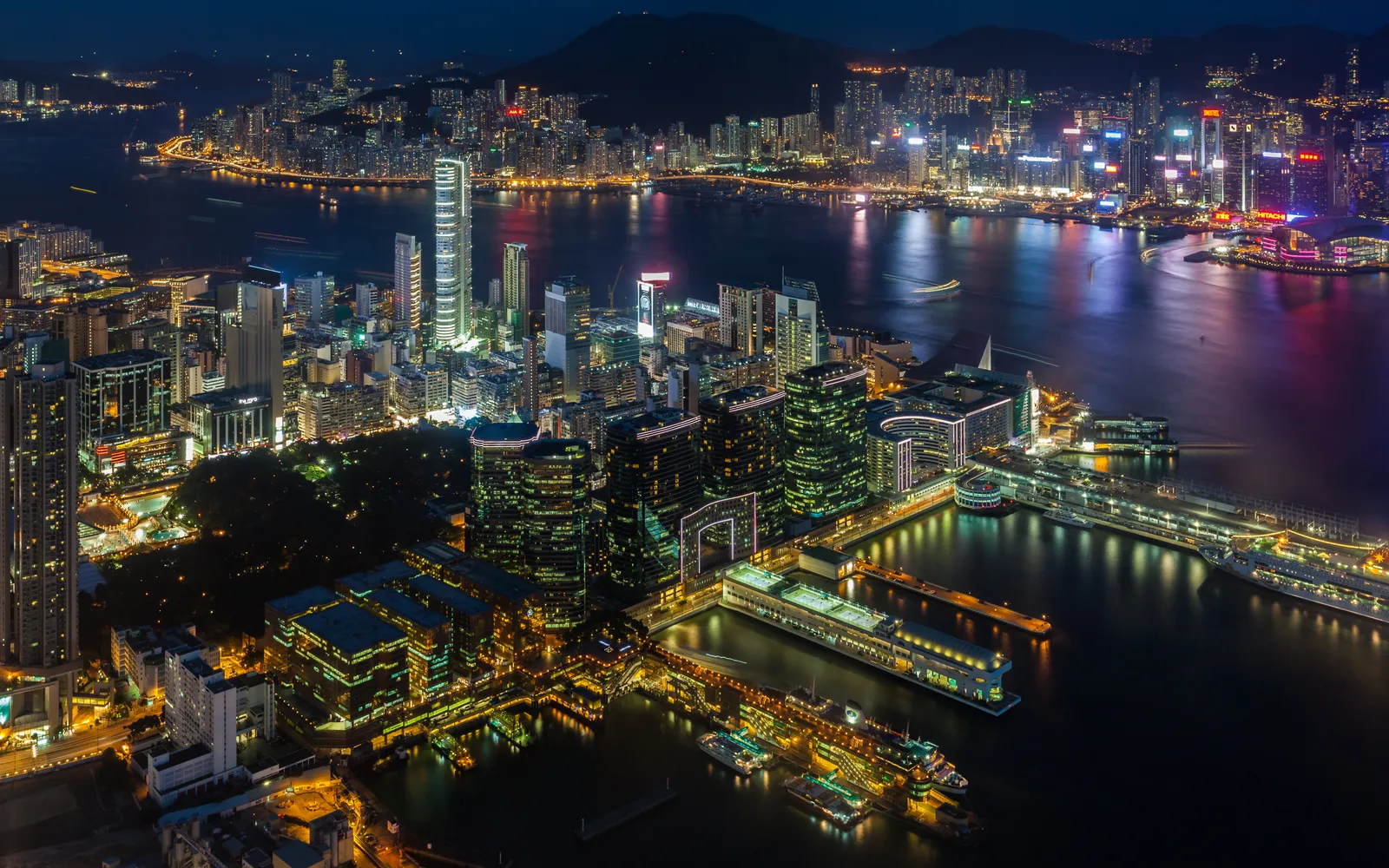
Tsim Sha Tsui is famous for its skyline views, but the neighborhood is equally dense with genuine Hong Kong food — from Michelin-starred dim sum houses to egg waffle carts on the pavement. Hong Kong-style milk tea with condensed milk paired with a warm pineapple bun is the breakfast combination locals have been devoted to for generations. The food here does not have to be expensive; many of the best spots tucked into the side streets are cheaper than you would expect.
 #1
#1 Dim Sum
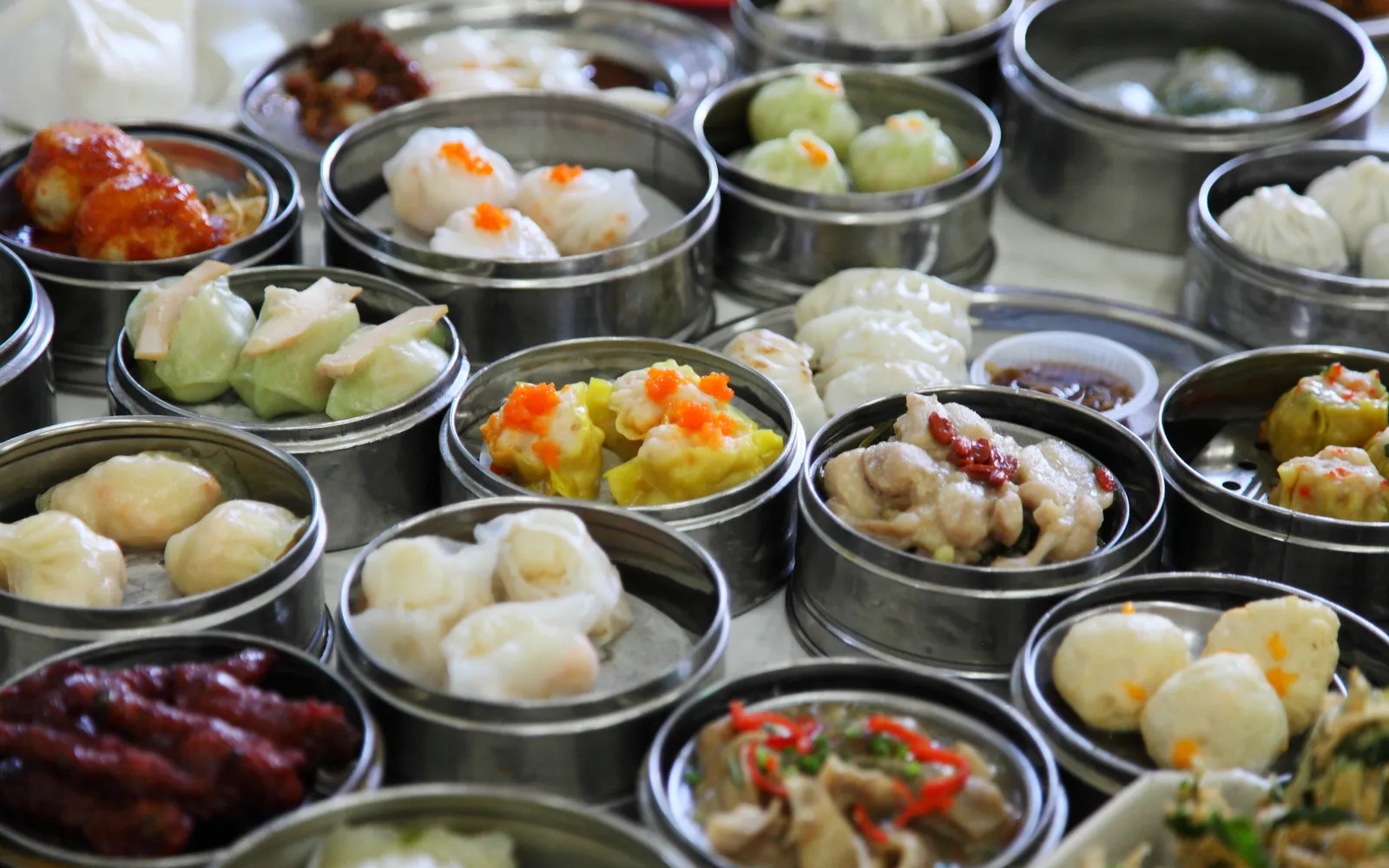
Dim sum (sometimes written yum cha when referring to the full tea-and-bites ritual) sits at the cultural core of Hong Kong eating. Small bites arrive in stacked bamboo baskets: har gow (shrimp parcels in translucent wrapping), siu mai (open-topped pork dumplings), and char siu bao (fluffy buns stuffed with barbecue pork). The practice of gathering for dim sum with tea in the morning is something Hong Kong families have done every week for generations.
- Top dim sum spots in Tsim Sha Tsui: T'ang Court (3 Michelin stars) and Yum Cha in Mira Place (cartoon-themed dim sum, mid-range pricing).
- Order a side of chicken rice or sticky rice in lotus leaf to round out the meal.
- The earlier you arrive, the fresher the baskets and the shorter the queue — aim for the 07:00 opening.
 #2
#2 Wonton Noodles
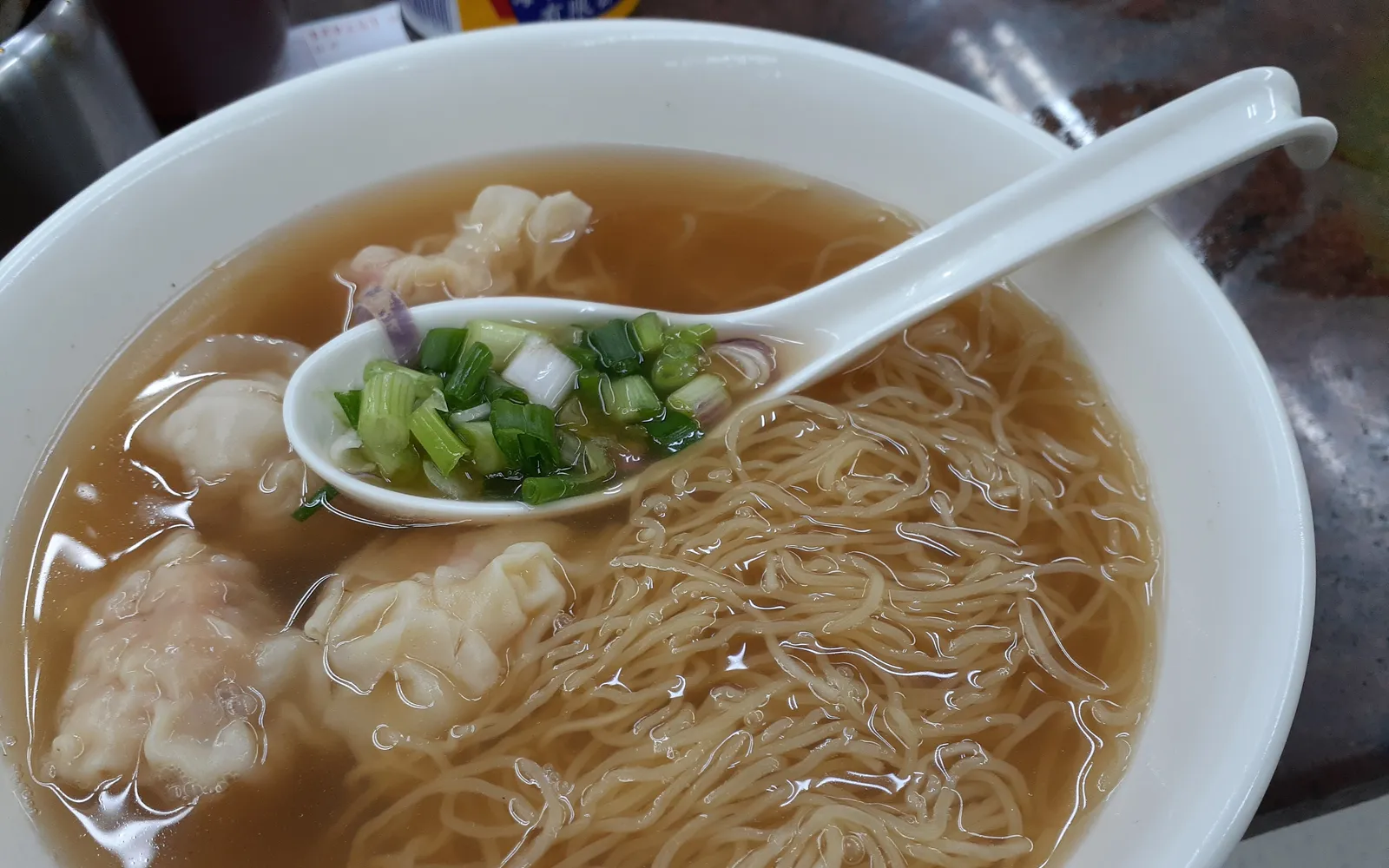
Authentic Hong Kong wonton noodles use thin, springy egg noodles cooked in a clear broth made from dried fish and dried shrimp. The wontons themselves are 70% shrimp, 30% pork, wrapped in a paper-thin skin — the shrimp inside should be firm, never mushy. It reads as a simple dish, but every step hides a level of care that most places get wrong. The standout shops in Tsim Sha Tsui include Mak's Noodle on Lock Road and Chi Kee Wonton Noodle.
- Mak's Noodle has been operating since the 1920s; the Tsim Sha Tsui branch is on Lock Road.
- Try the dry noodle version (noodles tossed in sauce rather than served in broth) — it holds up just as well.
- Average price: HK$40–60 per bowl at the lane shops.
 #3
#3 Hong Kong-style Milk Tea
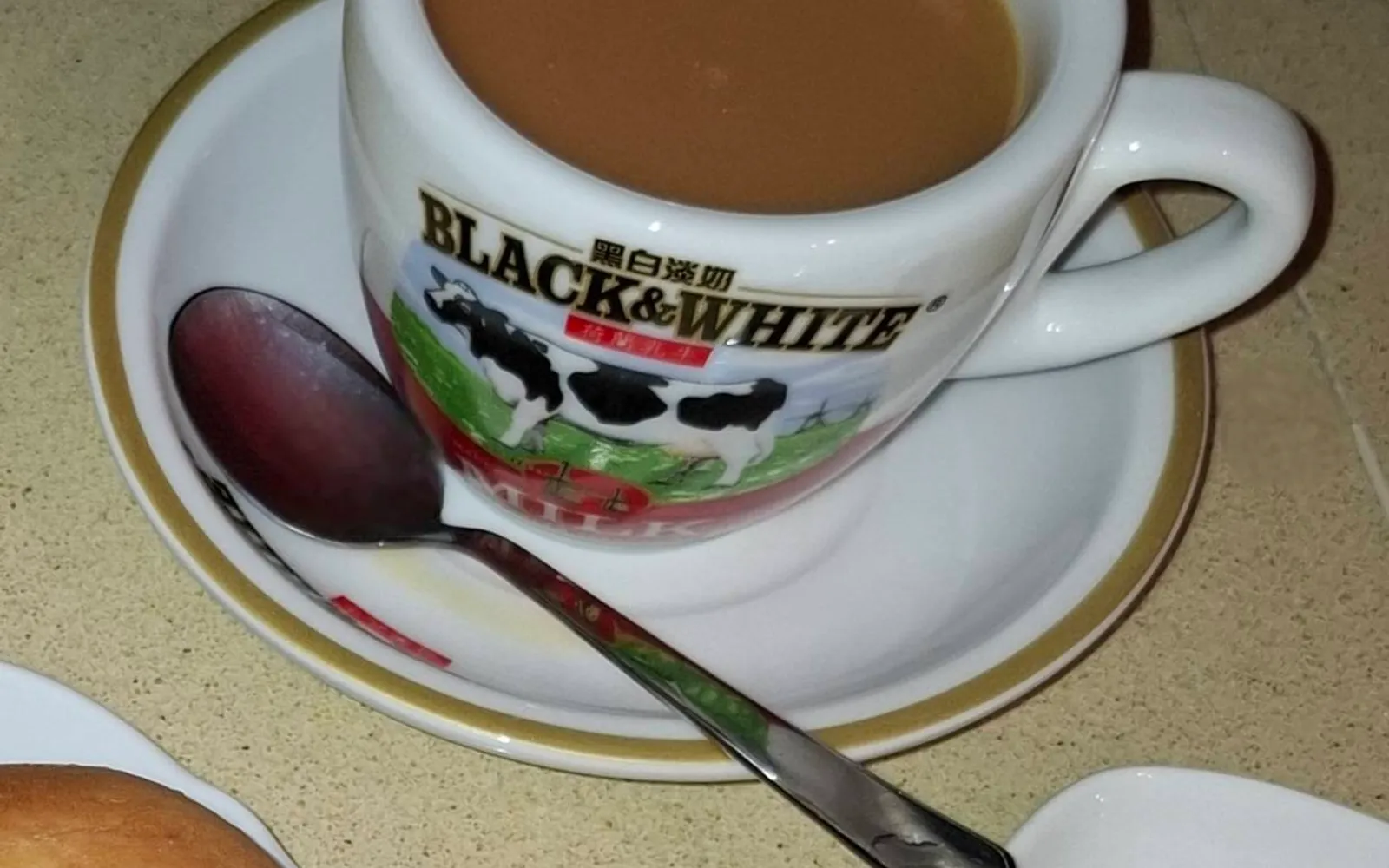
Hong Kong milk tea is made by blending several black tea varieties (mostly Ceylon), straining the mixture through a cloth sock to remove bitterness, then rounding it out with evaporated or condensed milk. The result is strong, fragrant, and smooth — more balanced than any single-origin tea. It comes hot or iced, and paired with a warm pineapple bun it makes the most complete breakfast in the city.
- Ask for yuenyeung — that is milk tea blended with Hong Kong-style coffee, a combination that sounds odd and tastes excellent.
- Cha Chaan Teng cafes off Granville Road are cheap and atmospheric.
- If ordering iced, ask for a little extra tea since the ice dilutes it quickly.
 #4
#4 Egg Waffle
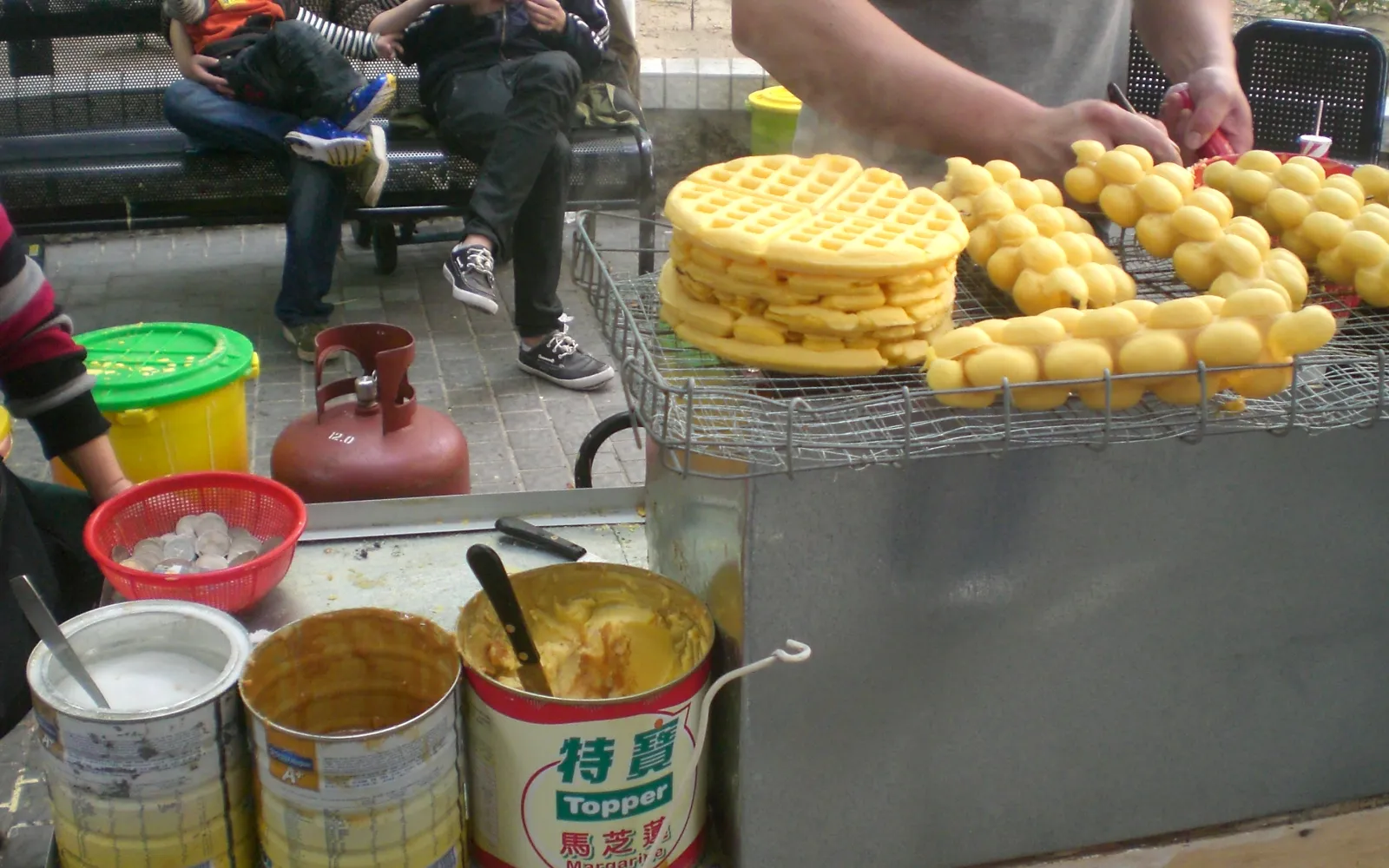
Gai Daan Jai (雞蛋仔) is a Hong Kong street snack made by pouring egg batter into a mould of small spherical pockets, producing a sheet that is crisp on the outside and pillowy inside. Each bubble is one warm mouthful with a gentle sweetness. Mammy Pancake, a Michelin Bib Gourmand-recommended shop in Tsim Sha Tsui, uses the traditional cast-iron method that gives the texture a quality most newer operators cannot match.
- Eat it straight from the mould while it is still hot — once it cools the texture goes flat.
- Flavour variations include chocolate, taro, and plain milk — the classic plain version is still the best.
- Price: around HK$20–35 per portion.
 #5
#5 Hong Kong Egg Tart
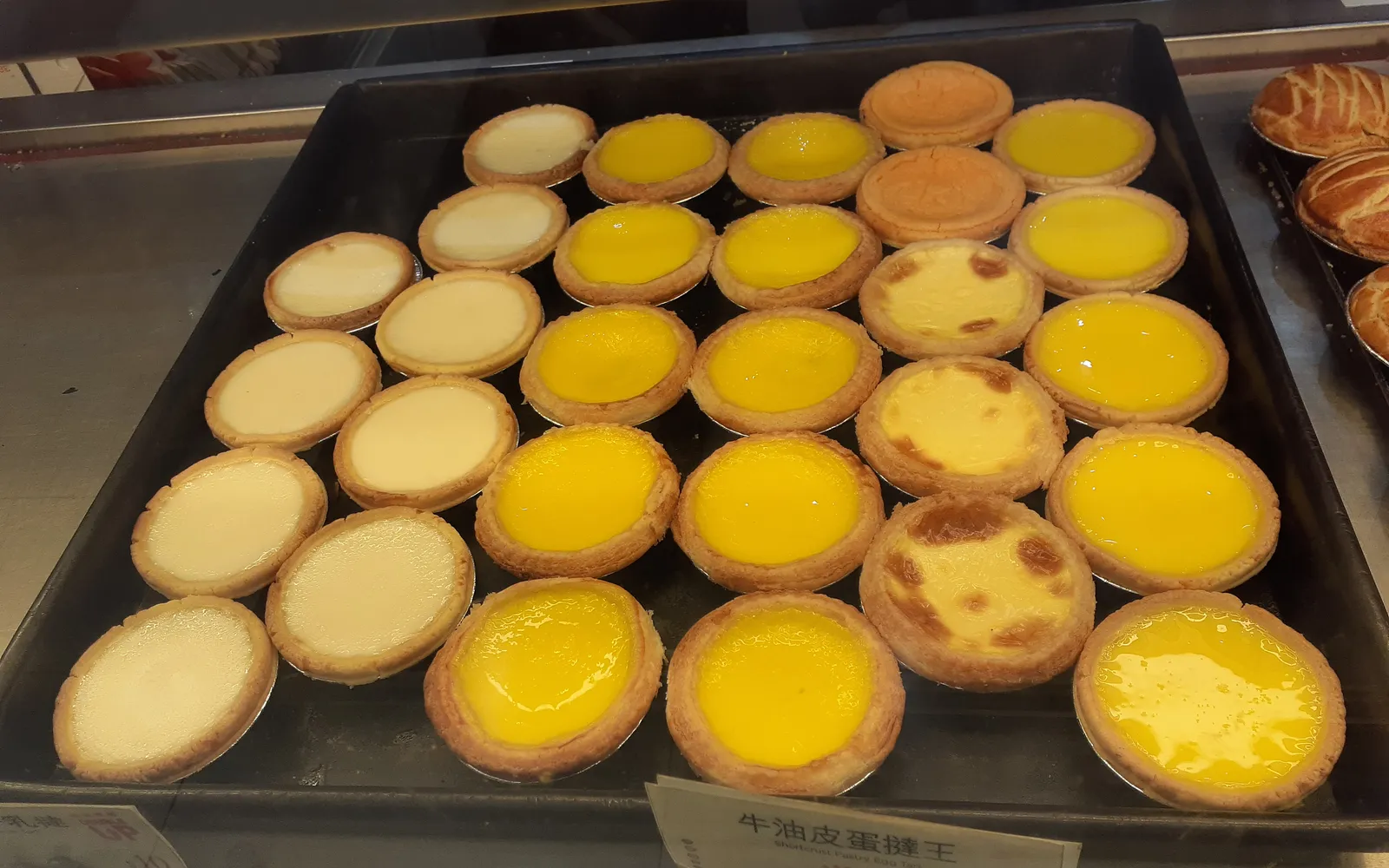
Hong Kong egg tarts (蛋撻 Daan Tat) come in two shells: the British-influenced shortcrust pastry and the Portuguese-influenced flaky puff pastry. Inside both is a smooth golden egg custard. Hong Kong bakeries have been making egg tarts fresh every morning since the 1940s. Catching one still warm from the oven is the experience worth timing your morning walk around.
- Buy right after a fresh batch comes out of the oven — typically around 09:00–10:00 and again at 15:00–16:00.
- The classic flavour beats any novelty version at a shop that has been doing this for years.
- Price: HK$7–15 per tart; street-level bakeries are reliably cheaper than mall counters.
 #6
#6 Pineapple Bun (Bolo Bao)
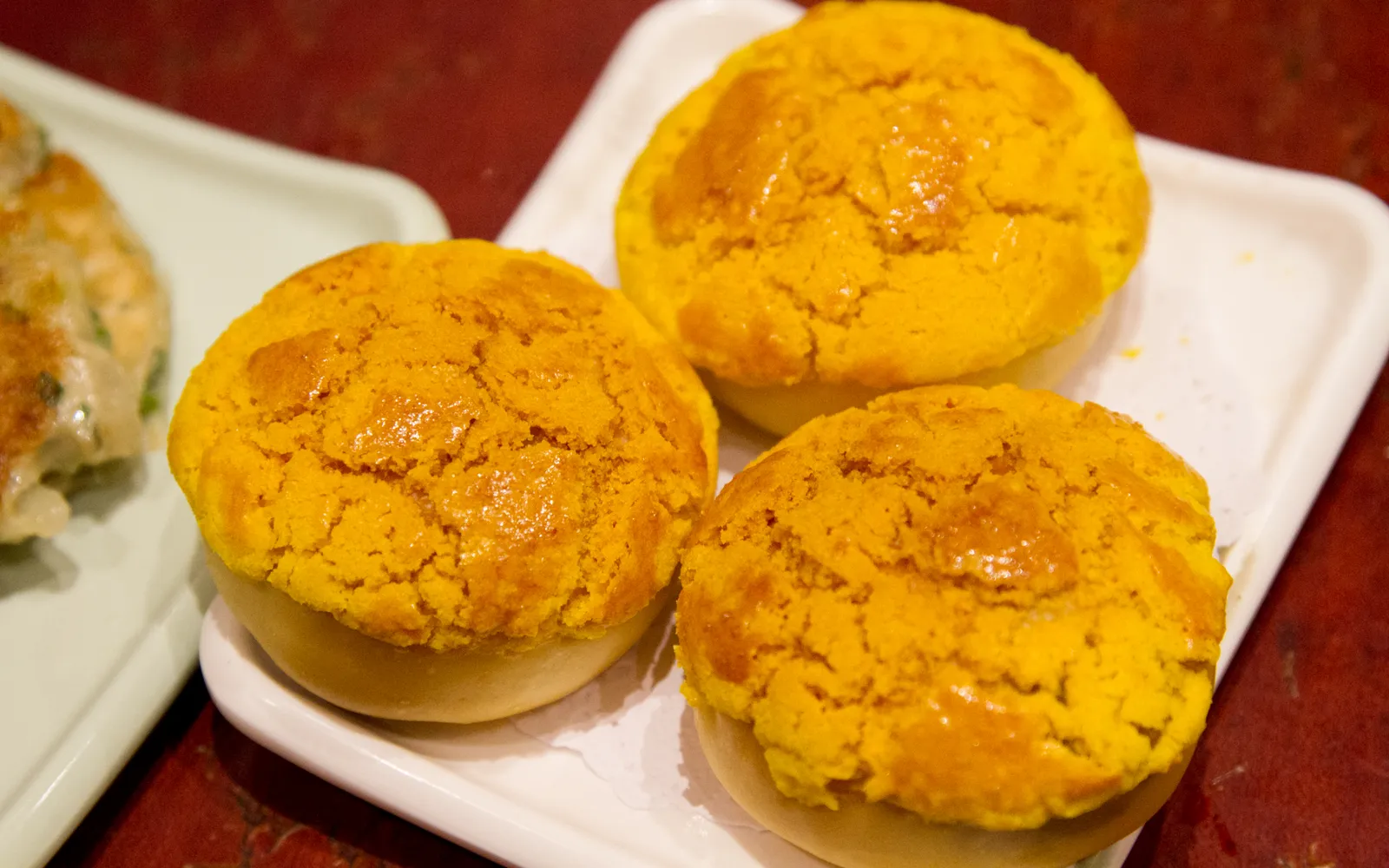
Bolo Bao (菠蘿包) is a soft, lightly sweet bread roll with a crinkled, crunchy top that resembles pineapple skin — though there is no pineapple in the recipe. The most popular version is Po Lo Yau: a cold thick slice of butter pressed between the warm halves of a freshly baked bun, melting as you eat it. The pineapple bun was inscribed on Hong Kong's Intangible Cultural Heritage list in 2014.
- Order it "with butter" (有牛油) — the cold butter melting inside the warm bun is the whole point.
- Pair it with hot Hong Kong milk tea for a textbook authentic Hong Kong breakfast.
- Good bakeries in Tsim Sha Tsui: try along Granville Road or Kimberley Road.
Where to stay in Tsim Sha Tsui for this trip
A well-located hotel means less commuting and more sightseeing. Here are real, top-rated stays in Tsim Sha Tsui — compare Agoda · Booking · Trip.com in one click.
Hotel ICON
Affiliate links — we may earn a commission at no extra cost to you. Details
Kowloon Shangri-La, Hong Kong
Affiliate links — we may earn a commission at no extra cost to you. Details
InterContinental Grand Stanford Hong Kong
Affiliate links — we may earn a commission at no extra cost to you. Details
The Mira Hong Kong
Affiliate links — we may earn a commission at no extra cost to you. Details
Tours, tickets & activities in Tsim Sha Tsui
Day tours, attraction tickets and travel essentials for Tsim Sha Tsui — book ahead on Klook with mobile e-tickets.
Affiliate links — we may earn a commission at no extra cost to you.
Before You Pack
The food in Tsim Sha Tsui works at every budget. The lane shops along Nathan Road and Granville Road are consistently better value than anything in a mall. Walk the side streets without a plan, and you will find the flavors that actually define Hong Kong.