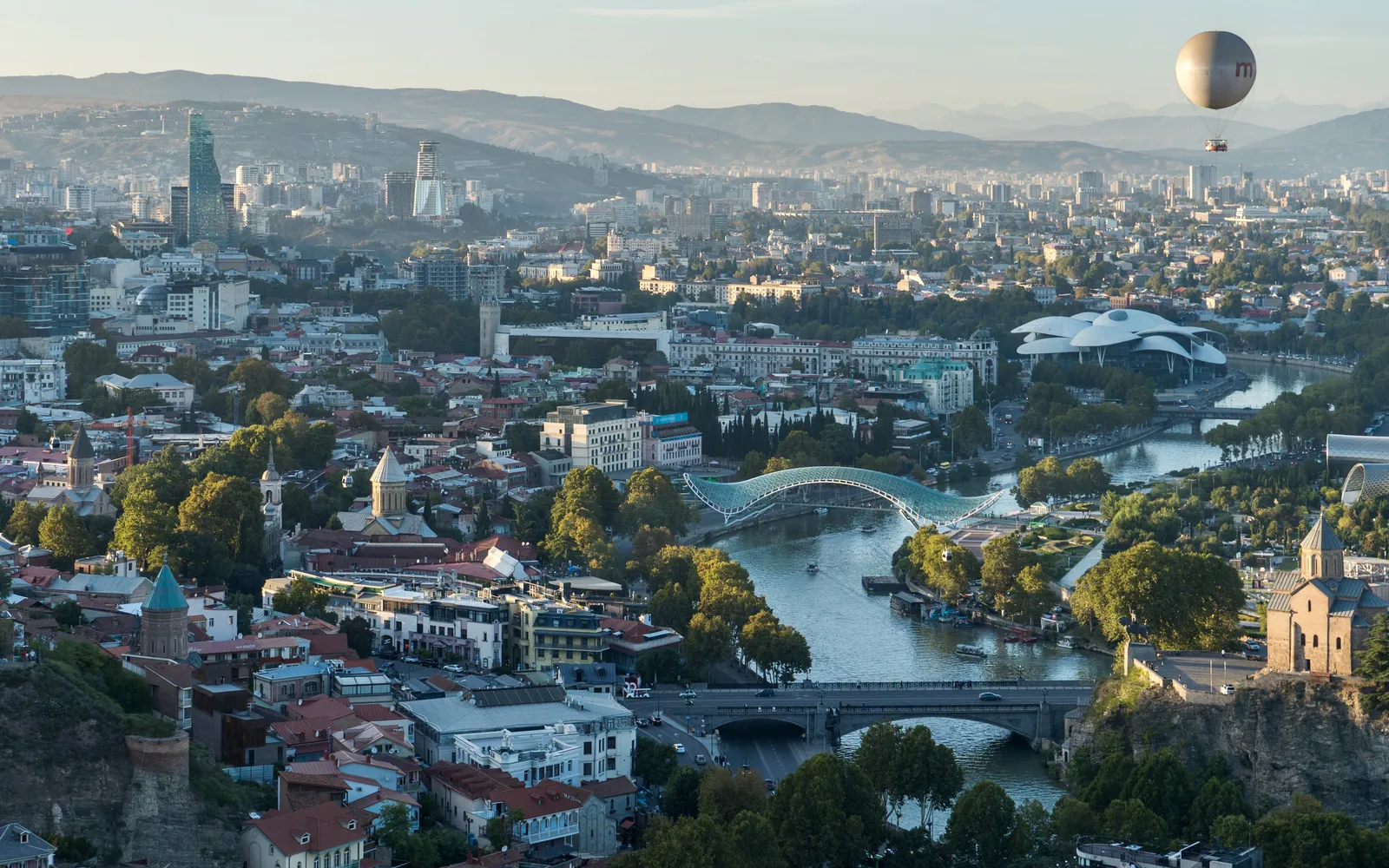
Tbilisi is the kind of city that makes travelers say the same thing — they came for a few days and wanted to stay longer. The Old Town layers Persian, Caucasian, and Russian architecture into something unlike anywhere else, underground sulphur springs gave the city its name, and the nightlife punches well above its price point. Tbilisi is not a perfect city — and that's exactly the point.
 #1
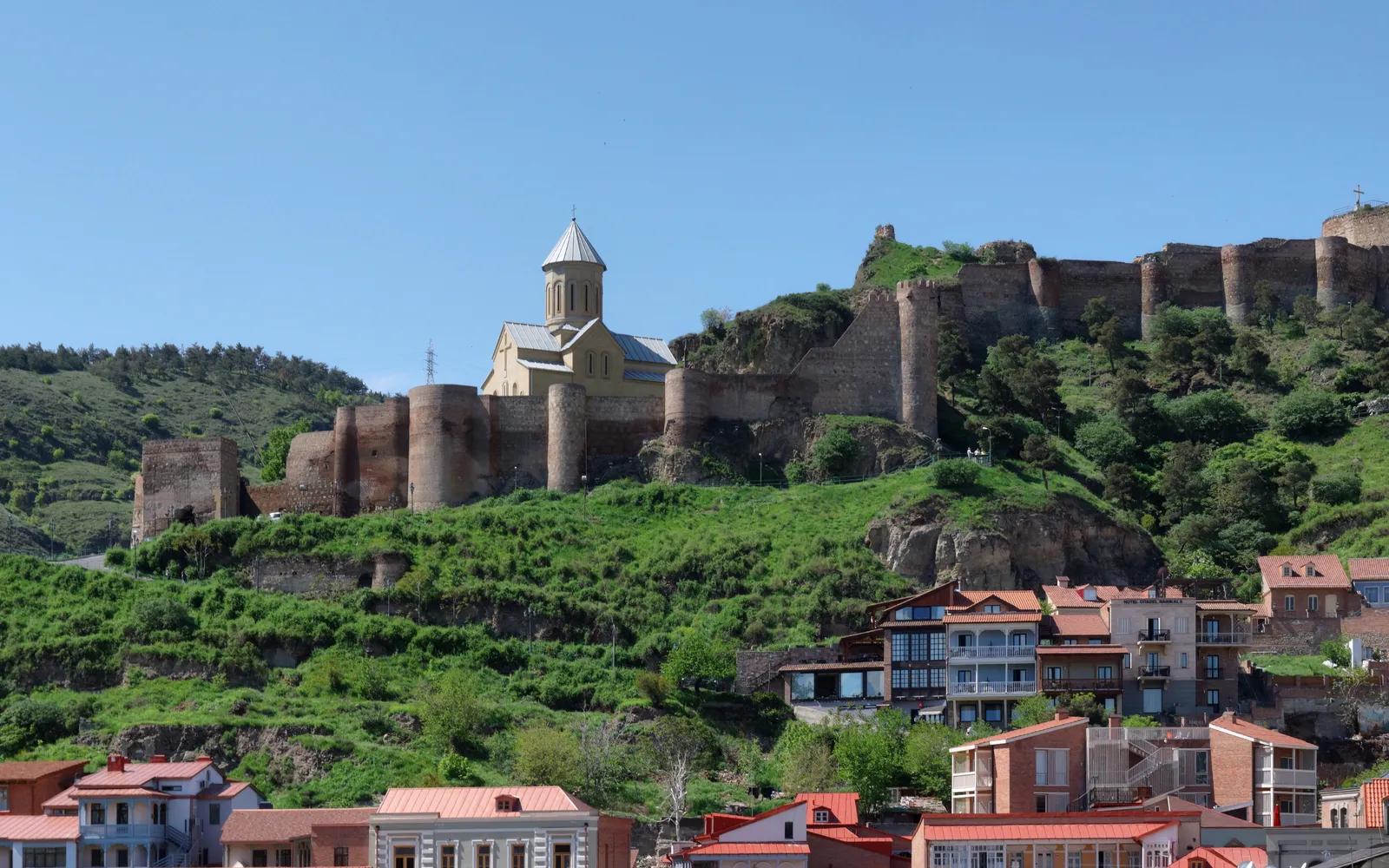
#1 Narikala Fortress
Tbilisi's defining landmark, a fortress that has stood on this cliff since the 4th century. It gives you a 360-degree panorama of the city and the Mtkvari River below. Inside the walls, the rebuilt St. Nicholas Church is worth a look even if parts of the ramparts have crumbled away. The atmosphere — centuries of kingdoms stacked on top of each other — hits harder than any museum. You can reach it by cable car or on foot through the Old Town.
- Take the cable car up from Rike Park — 2.5 lari (around US$0.90) — then walk back down through the Old Town via Abanotubani.
- The 6:30–7:30 pm window is the best light: golden hour hits the stone walls while the city lights below start to come on.
- Entry to the fortress is free at all times — one of the best viewpoints in the Caucasus at no cost.
 #2
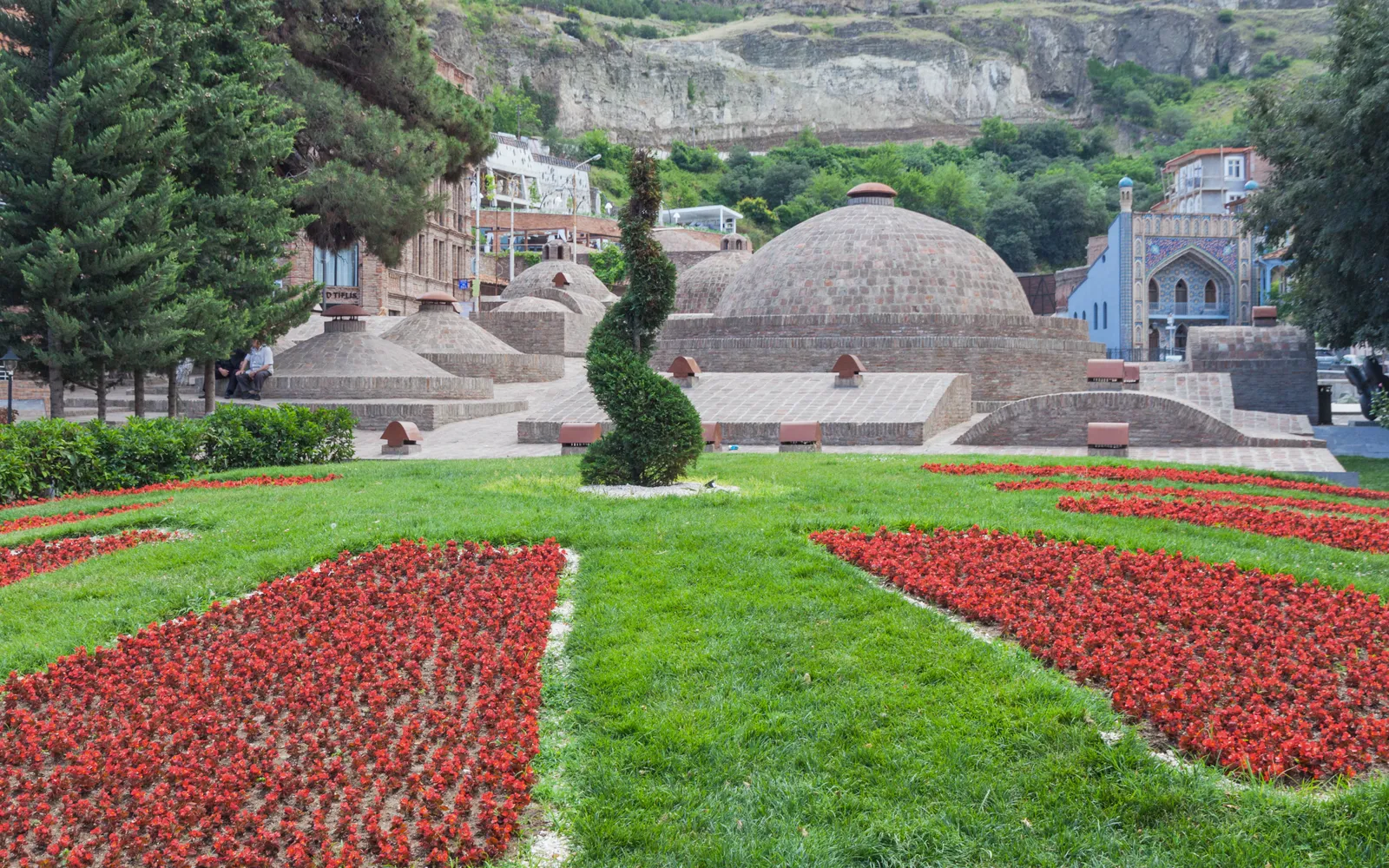
#2 Abanotubani Sulphur Baths
The original sulphur bath district that gave Tbilisi its name — Tbilisi means "warm waters" in Georgian — and has drawn bathers since the 5th century. The onion-shaped brick domes are the city's most recognizable skyline detail. The natural sulphur water flows at 37–43°C and is said to ease joint pain and benefit the skin. Private rooms rent for 15–60 lari per hour; public baths run just 1–2 lari. The Russian poet Pushkin bathed here and wrote that it was the finest bath of his life.
- Book ahead for a private room, especially on weekends — the price gap between public (1–2 lari) and private (15–60 lari) is wide, so decide before you arrive.
- The sulphur smell is strong on first entry. Give yourself 5–10 minutes in the water before judging it.
- Chreli Abano and Gulo Bath are the tourist favorites, but the lower-profile baths nearby tend to be cheaper and quieter.
 #3
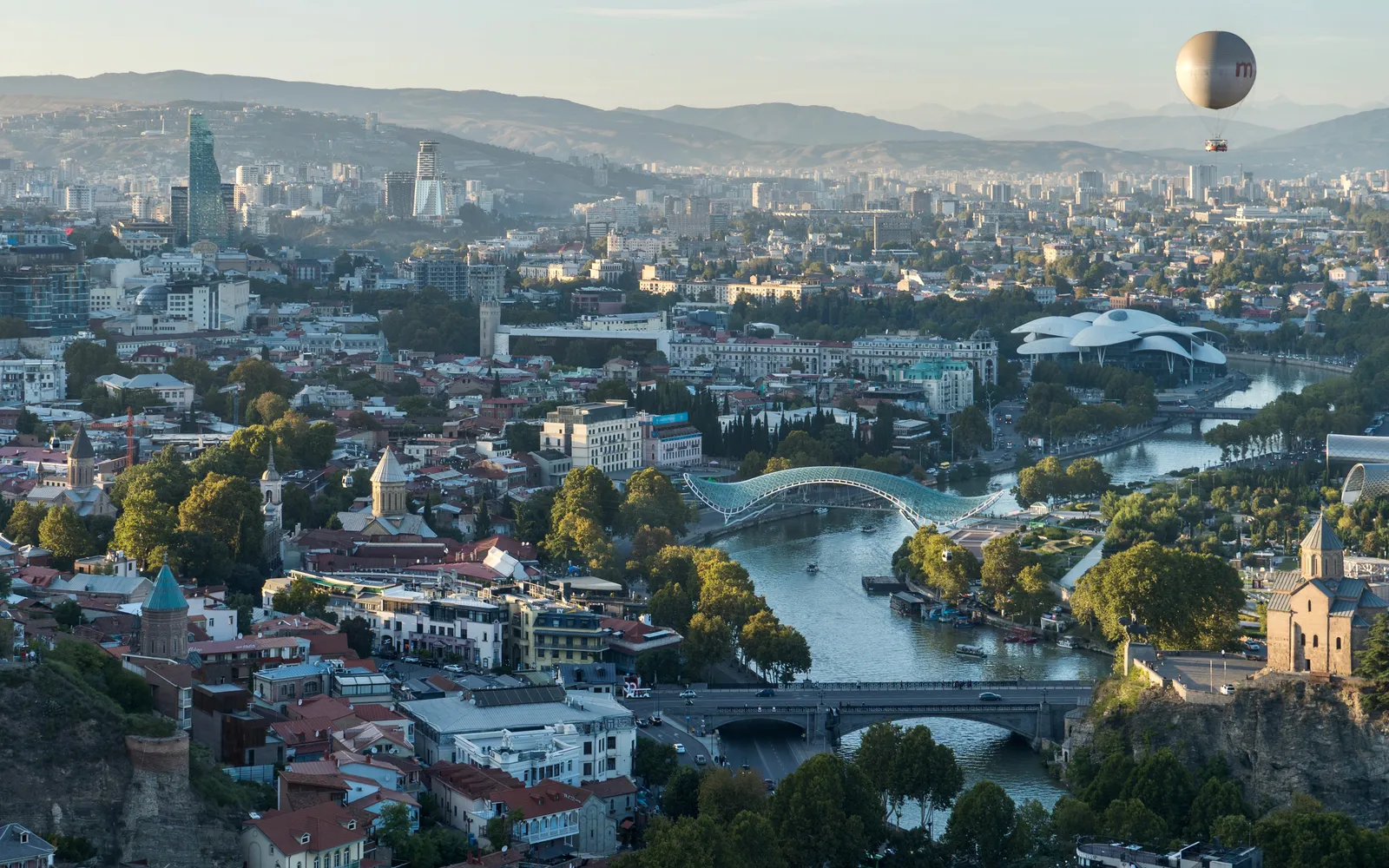
#3 Bridge of Peace
A pedestrian bridge that has become the symbol of modern Tbilisi. Designed by Italian architect Michele De Lucchi and opened in 2010, its wave-shaped steel-and-glass structure connects the Old Town to Rike Park on the opposite bank. After dark, over 30,000 LED lights make it hard to look away. It has its supporters and its critics — some argue the design clashes with the ancient architecture around it — which is itself part of Tbilisi's character: the old and the new always in the same frame.
- Cross it once by day for the Old Town views, and again after dark for the LED display — genuinely two different experiences.
- The Rike Park side has a pleasant riverside park with free seating, cafés, and activity spaces.
- From the bridge, you can walk straight to the Narikala cable car without changing transport.
 #4
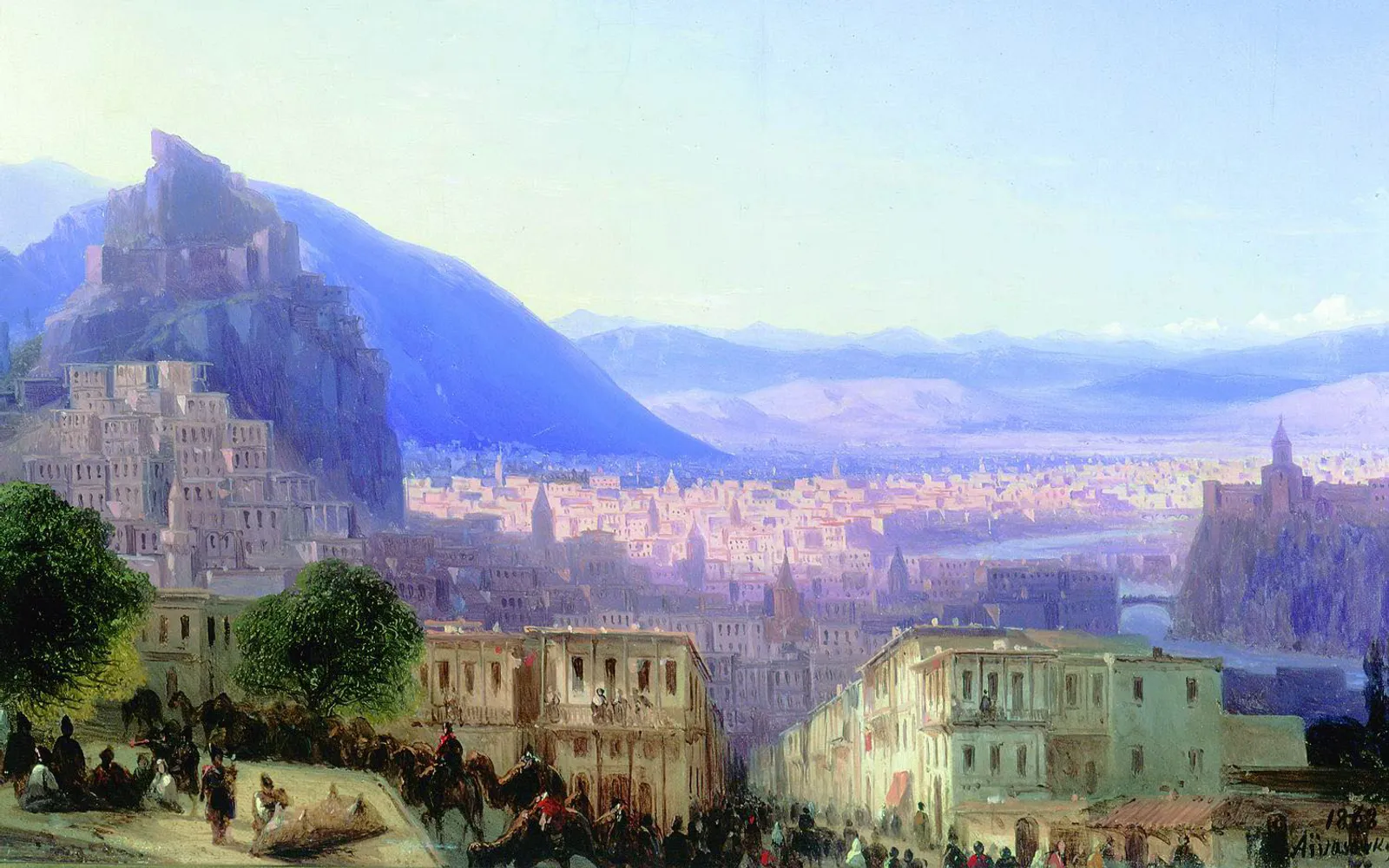
#4 Old Town Tbilisi
The heart of Tbilisi, and the part that stays with you. Georgian-Persian carved wooden balconies hang over winding lanes where a mosque, a Christian church, and a synagogue stand within a few minutes' walk of each other. Natural wine shops, cafés, artists' studios, and old boutique hotels spread through the streets. The half-restored, still-crumbling architecture is not an oversight — it is what keeps Tbilisi feeling real rather than staged.
- Wander without a plan on a morning walk. The lanes between Shardeni Street and Leselidze Street tend to hide good spots and art that don't appear on any map.
- Watch your footing on the uneven paving, especially after rain — heeled shoes are a bad idea.
- The Dry Bridge market near the Old Town opens Saturday and Sunday mornings with antiques, souvenirs, and art at negotiable prices.
 #5
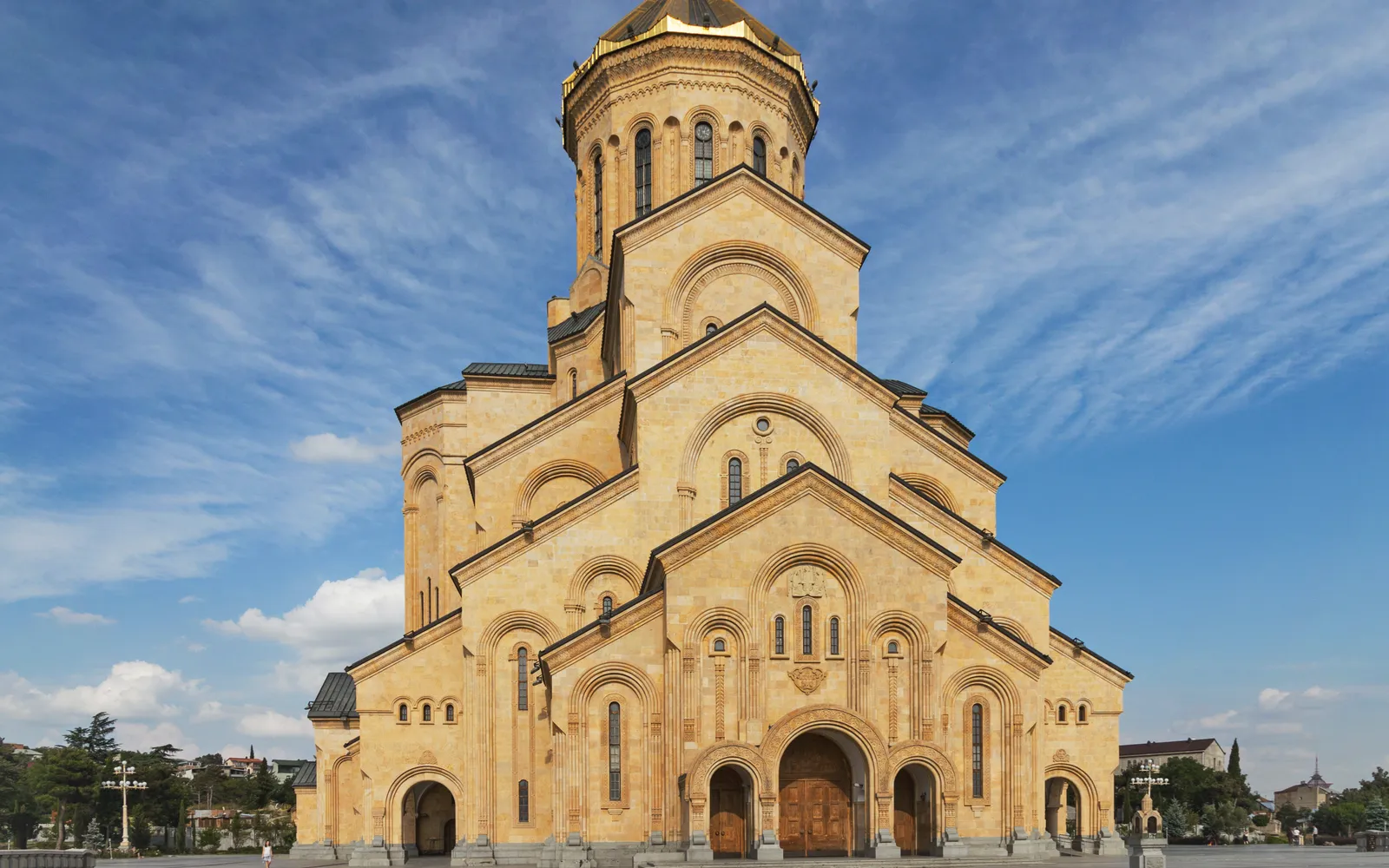
#5 Holy Trinity Cathedral of Tbilisi
The largest Georgian Orthodox cathedral in the Caucasus, completed in 2004 at a height of 84 metres. It is now one of the most visible landmarks in Tbilisi, visible from across the city. Inside, the Georgian artists' frescoes, gold leaf, and mosaic work are genuinely impressive. The atmosphere is calm and sacred. Entry is free, but dress code is enforced — women must cover their heads and wear a skirt. The gardens around the cathedral are worth a walk in their own right.
- Dress modestly. Women must cover their heads and wear a skirt; scarves and wraps are available to borrow at the entrance.
- You can walk up from the Avlabari district or take a taxi directly — about 5–7 lari from the Old Town.
- Early morning 8–9 am often has a liturgical service. The Georgian polyphonic choral singing is worth hearing even if you're not religious.
 #6
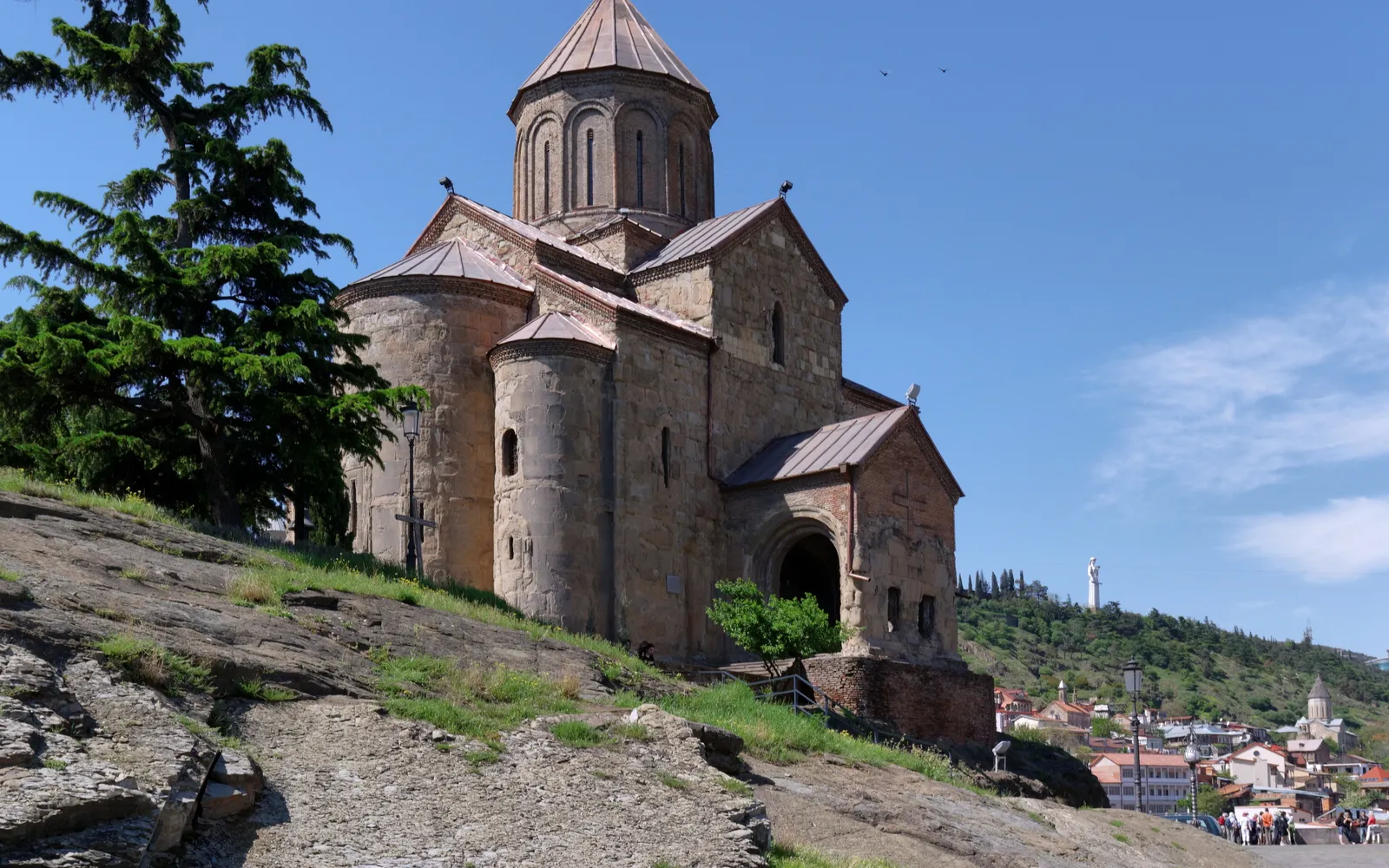
#6 Metekhi Church
A 13th-century Orthodox church on a sheer cliff above the Mtkvari River — one of the defining Tbilisi views when seen from Metechi Bridge. The church's brick-red walls against the grey cliff face, with the equestrian statue of King Vakhtang Gorgasali (the founder of Tbilisi) standing out front, is the shot that ends up on every postcard. The interior has restored frescoes, and the place is noticeably less crowded than most other sites in the city — useful if you want some quiet.
- The best angle for photos is from Metechi Bridge or from the opposite bank in the Old Town, not from inside the church itself.
- From Metekhi Church, you can walk directly down to Abanotubani in about 10–15 minutes.
- Same dress code as Sameba Cathedral — women must cover their heads.
Where to stay in Tbilisi for this trip
A well-located hotel means less commuting and more sightseeing. Here are real, top-rated stays in Tbilisi — compare Agoda · Booking · Trip.com in one click.
Stamba Hotel
Affiliate links — we may earn a commission at no extra cost to you. Details
Rooms Hotel Tbilisi
Affiliate links — we may earn a commission at no extra cost to you. Details
Communal Hotel Sololaki
Affiliate links — we may earn a commission at no extra cost to you. Details
Sheraton Grand Tbilisi Metechi Palace
Affiliate links — we may earn a commission at no extra cost to you. Details
Tours, tickets & activities in Tbilisi
Day tours, attraction tickets and travel essentials for Tbilisi — book ahead on Klook with mobile e-tickets.
Affiliate links — we may earn a commission at no extra cost to you.
Before You Pack
Tbilisi works well year-round, but April–June and September–October give you the best weather. Budget at least 3–4 days to cover the Old Town properly and leave room for a day trip to Mtskheta or Kazbegi, neither of which is far.