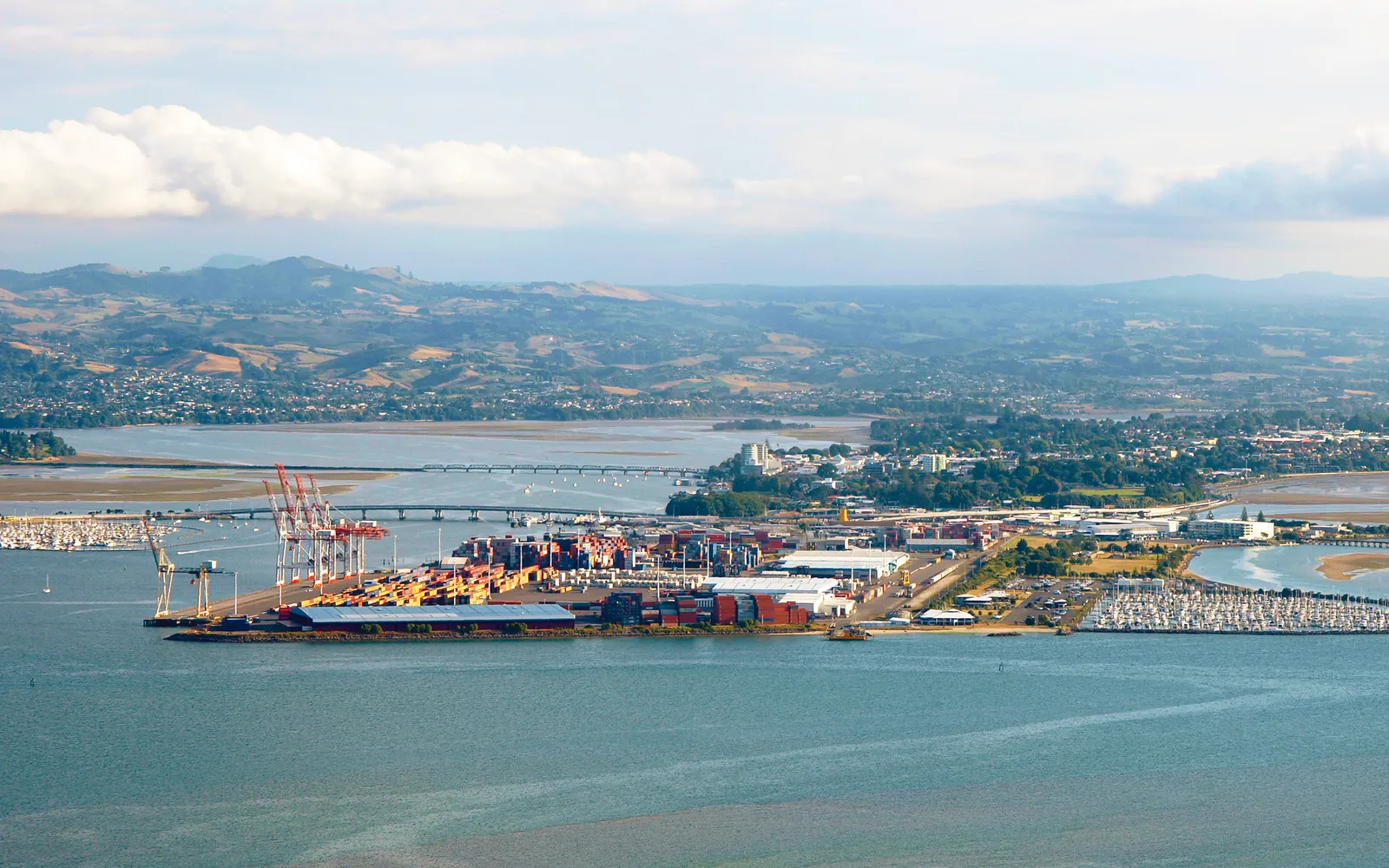
Tauranga doesn't appear on most travelers' radar, but it hides some genuinely impressive things. Mount Maunganui — an ancient volcano that rises straight from the sand — is the city's defining landmark, while the Bay of Plenty gets more sunshine hours than anywhere else in New Zealand and sits at the centre of the country's kiwifruit industry. If you want to see New Zealand without the crowds, relaxed and genuinely beautiful, Tauranga is the answer.
 #1
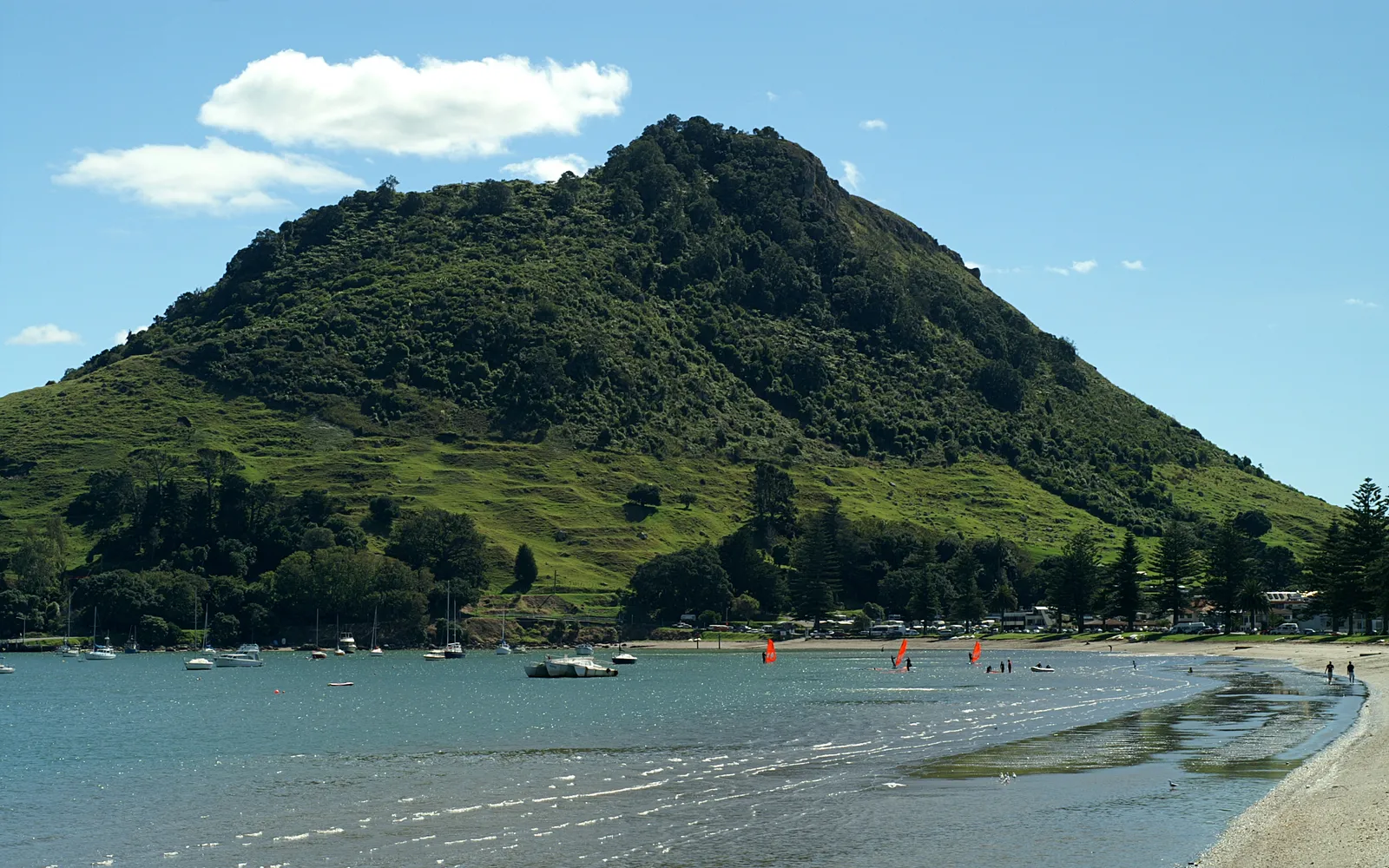
#1 Mount Maunganui
Tauranga's most iconic landmark — an ancient volcanic cone standing 232 metres tall, sitting in striking isolation right on the coast. The Maori name is <em>Mauao</em>, meaning 'caught by the dawn light'. The flat 3.4-km base track circles the mountain and is accessible at any fitness level; the summit track is steep but takes only 45 minutes. From the top, you get a 360-degree view across the Bay of Plenty — and on a clear day you can see <strong>Whakaari / White Island</strong>, the active volcano still venting offshore.
- Head up before 8 am to avoid harsh sun and get the clearest views
- Wear proper grip shoes — some sections are rocky and slippery, especially after rain
- The Base Track around the mountain is scenic and easy — a good option if you'd rather skip the summit climb
 #2
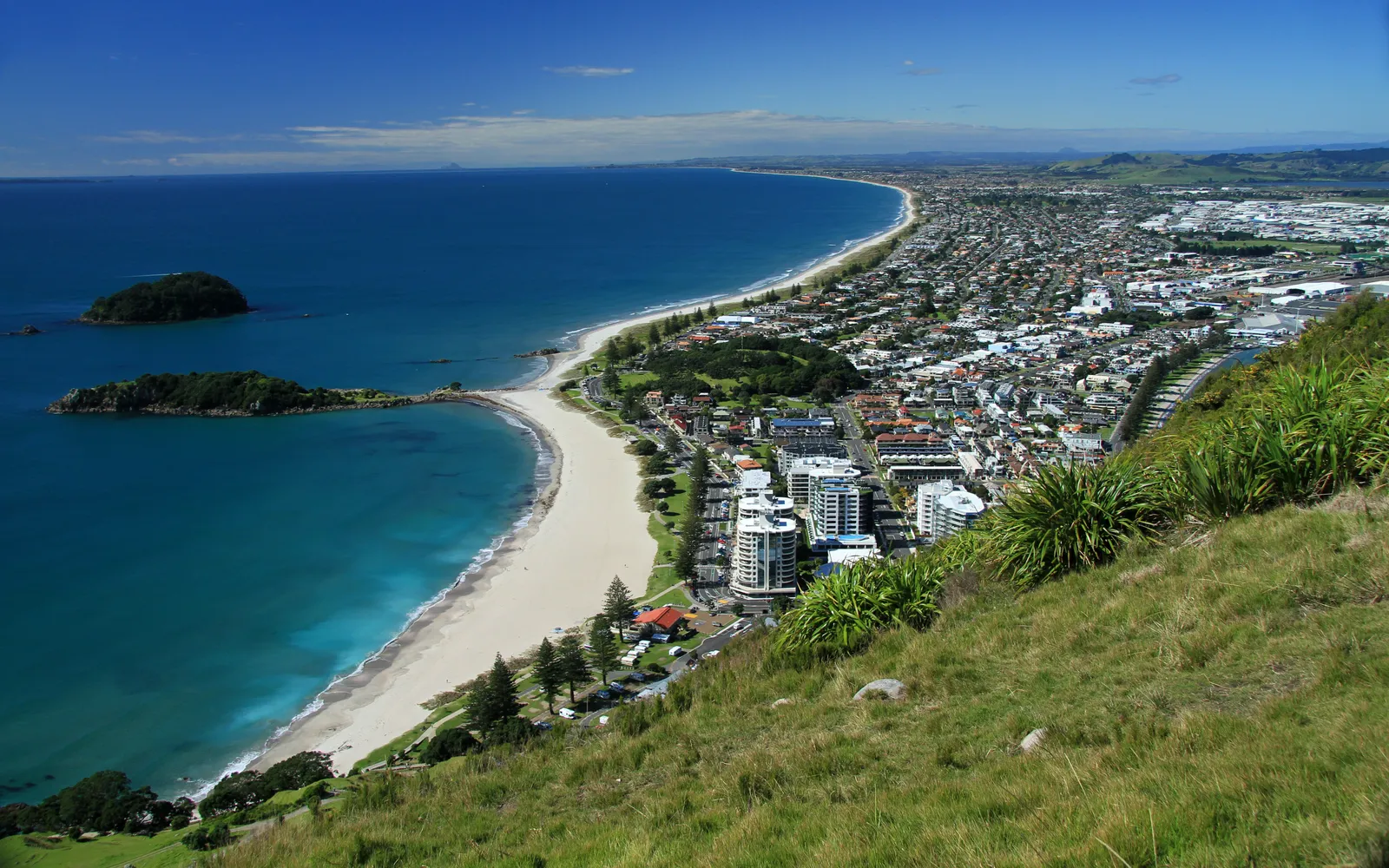
#2 Mount Maunganui Beach
Widely regarded as the most beautiful beach in the North Island — fine white sand, waves sized just right for swimming and beginner surfing. The beach runs more than 2 kilometres and is patrolled throughout summer. The water is warmer than Auckland and Wellington beaches thanks to the Bay of Plenty's warm current. The atmosphere is easy and unrushed, with cafes and restaurants walkable from both ends.
- Always swim between the flags; lifeguards in orange and yellow are on duty during summer
- Saturday and Sunday mornings bring a small market along Marine Parade selling fresh produce and local crafts
- The <strong>Hot Saltwater Pools</strong> are less than 5 minutes' walk away — a perfect warm soak after a swim
 #3
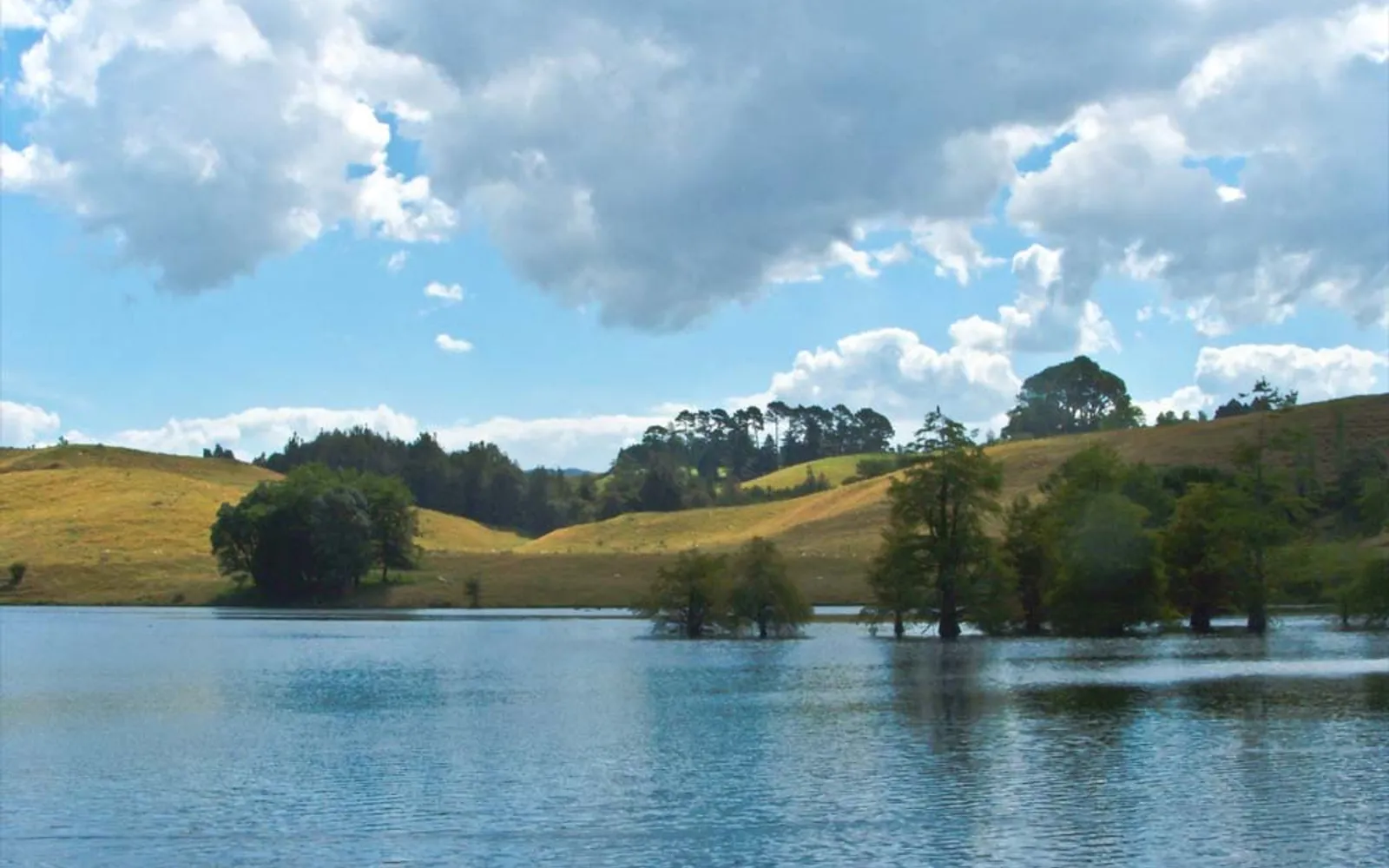
#3 McLaren Falls Park
A nature park that sits close to the city but feels deep in the bush. A mid-sized waterfall drops into a beautiful lake, surrounded by native New Zealand trees hundreds of years old and large ferns. Several walking tracks range from 30 minutes to 3 hours. In winter, herons and other waterfowl gather on the lake in notable numbers. Entry is free, and it stays quiet even on public holidays.
- The <strong>Lake Loop</strong> is the shortest trail at 1.5 km — it passes both the waterfall and the lake and suits all fitness levels
- Picnic tables and lawn areas are scattered through the park; bring food from town as there are no shops inside
- Light rain actually makes the falls more dramatic, but the track gets slippery — wear grip shoes
 #4
#4 Tauranga City Waterfront
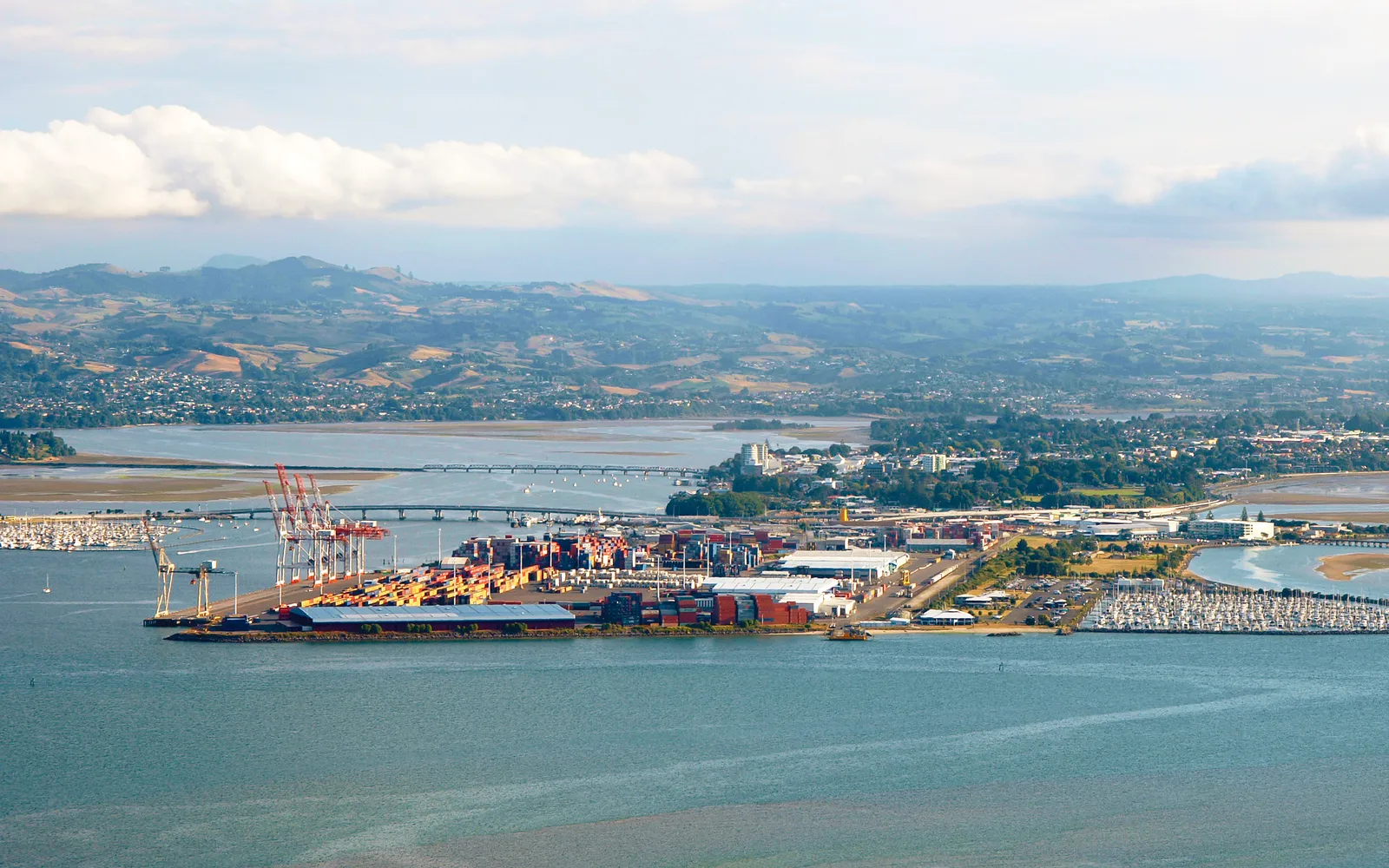
New Zealand's largest export port and the city's public face — an area that has been transformed over the past decade. The waterfront has the <strong>Tauranga Art Gallery</strong> (free entry), Wellington-style coffee shops, and restaurants serving seafood that came off the boat the same morning. <strong>The Strand</strong> nearby is lined with boutique shops and street art worth photographing. The whole area has a relaxed, walkable energy entirely unlike a big tourist city.
- Tauranga Art Gallery is open daily 10:00–16:30, free entry — Maori art exhibitions are a regular highlight
- The Strand on Saturday mornings hosts the <strong>Tauranga Farmers Market</strong>: fresh produce, local food, and just-picked kiwifruit
- You can walk or cycle across <strong>Tauranga Harbour Bridge</strong> to Mount Maunganui on a shared path
 #5
#5 Whakaari / White Island
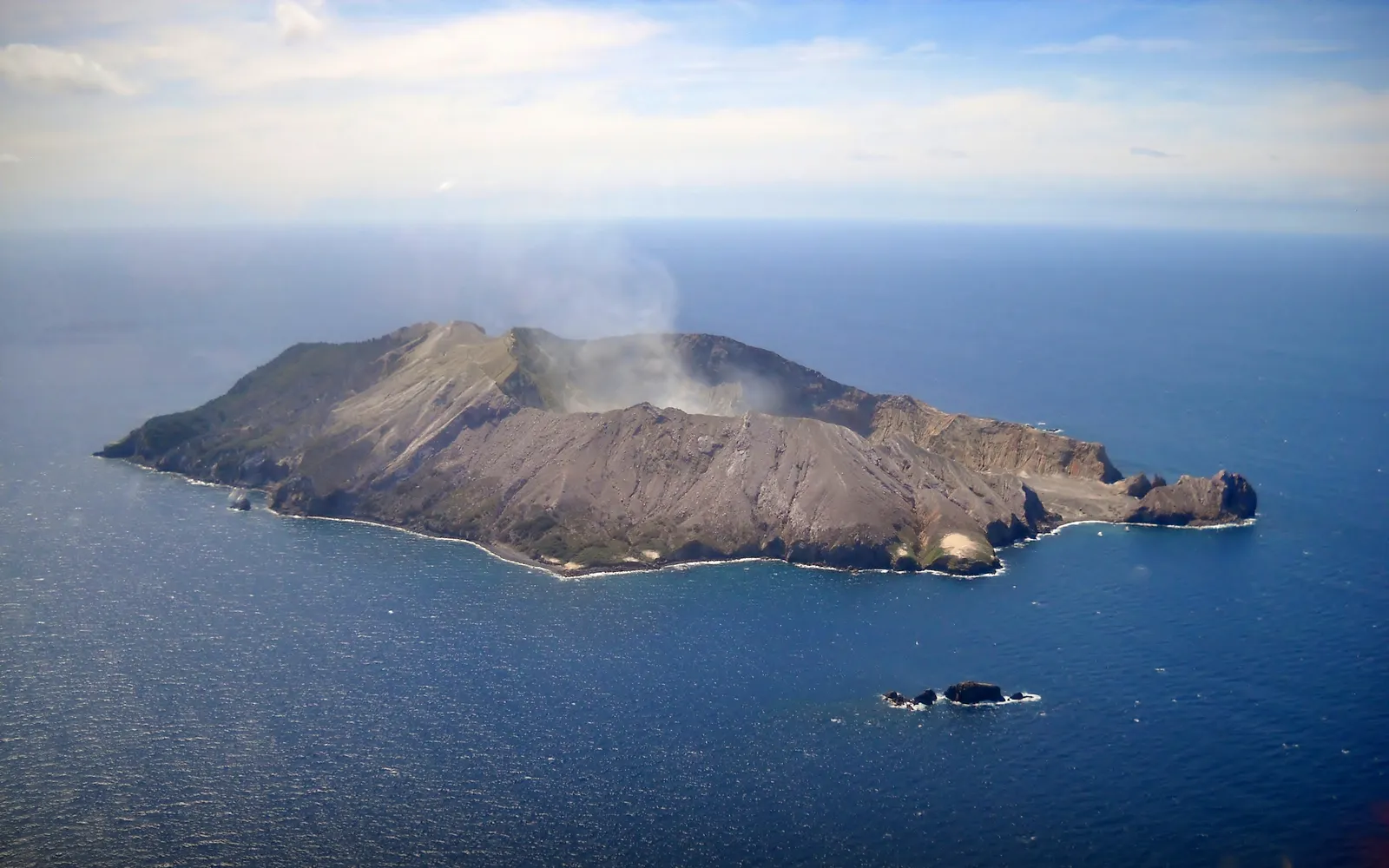
New Zealand's most active volcano and one of the most accessible in the world. The boat trip from Whakatane Wharf takes about 75 minutes, and tours walk you down into the crater where sulphur gas still vents from yellow-orange rock formations surrounding an acid-green lake. <strong>Important note:</strong> the island was closed to visitors following a fatal eruption in December 2019 and remains under active safety review. Always confirm current access status with tour operators before booking.
- Check the current open/closed status with tour operators before you travel — the island is under strict safety regulations
- Whakaari Adventures and Volcanic Air both depart from Whakatane, about 1 hour's drive from Tauranga
- If the island is closed, a Bay of Plenty cruise that passes by the island is a worthwhile alternative
 #6
#6 Bay of Plenty Kiwifruit Orchards
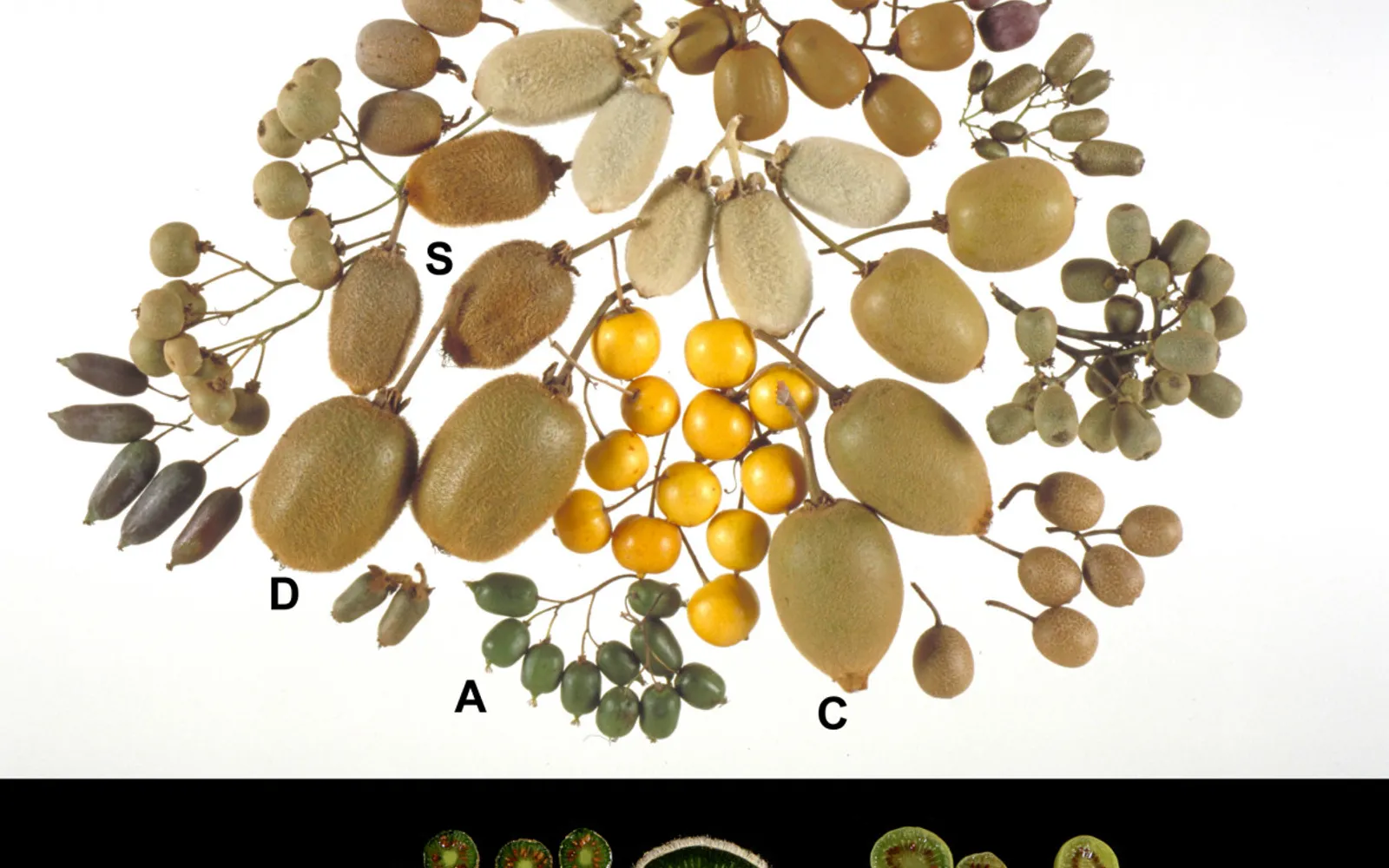
Bay of Plenty is the kiwifruit capital of the world — it produces 80% of all Zespri kiwifruit exported globally. The town of <strong>Te Puke</strong>, 25 km out, has the <strong>Kiwi360</strong> visitor centre, which runs orchard tours by Kiwikart with tastings straight from the vine. During harvest (May–August) you'll see workers picking at full pace; outside harvest the orchard still opens for visits and sells produce and souvenirs.
- Kiwi360 in Te Puke is open daily; Kiwikart tours cost NZD 25–30 per person — book online in advance
- Gold kiwifruit harvest peaks in May–June — the fruit is at its ripest and sweetest then
- Roadside stalls sell fresh kiwifruit cheaper than supermarkets and picked the same day — look for them along State Highway 2 heading out of town
Where to stay in Tauranga for this trip
A well-located hotel means less commuting and more sightseeing. Here are real, top-rated stays in Tauranga — compare Agoda · Booking · Trip.com in one click.
Trinity Wharf Tauranga
Affiliate links — we may earn a commission at no extra cost to you. Details
Sebel Trinity Wharf Tauranga
Affiliate links — we may earn a commission at no extra cost to you. Details
Hotel Armitage Tauranga
Affiliate links — we may earn a commission at no extra cost to you. Details
Quest Tauranga Apartment
Affiliate links — we may earn a commission at no extra cost to you. Details
Tours, tickets & activities in Tauranga
Day tours, attraction tickets and travel essentials for Tauranga — book ahead on Klook with mobile e-tickets.
Affiliate links — we may earn a commission at no extra cost to you.
Before You Pack
Tauranga is at its best between November and March — New Zealand's summer — when the weather is warm, the sea is swimable, and the days stretch out to 9 or 10 pm. Allow at least 3–4 days to cover both the beach and mountain at Mount Maunganui, a waterfall walk at McLaren Falls, and enough time to soak up the relaxed waterfront atmosphere.