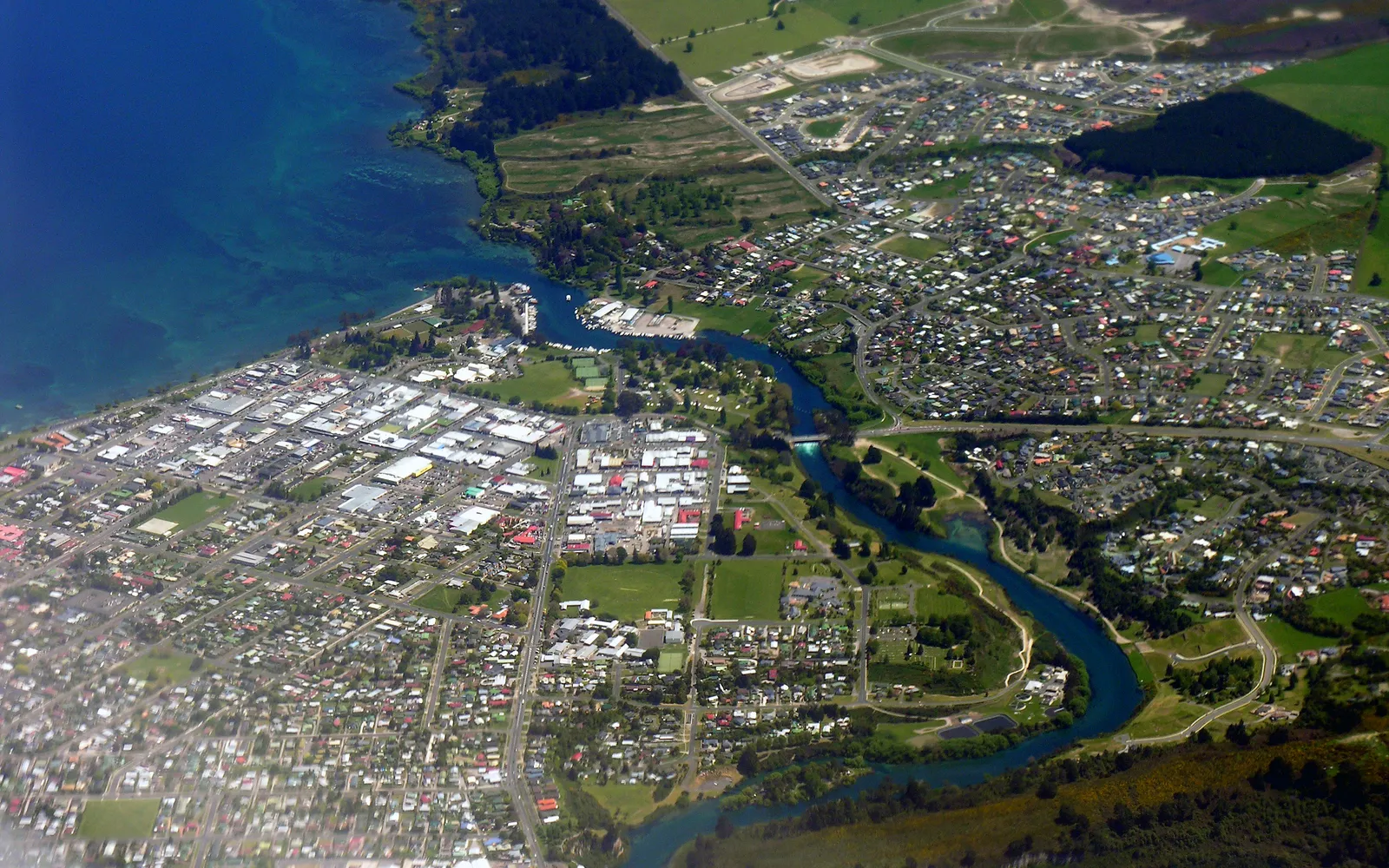
Taupō sits on the caldera of the largest supervolcanic eruption in the modern world — and the lake that fills it, over 616 square kilometres, is the scar left behind from that blast more than 1,800 years ago. From the bluest waterfall in New Zealand to the finest day-hike in Oceania, this small town punches far above its weight as an outdoor destination.
 #1
#1 Lake Taupō
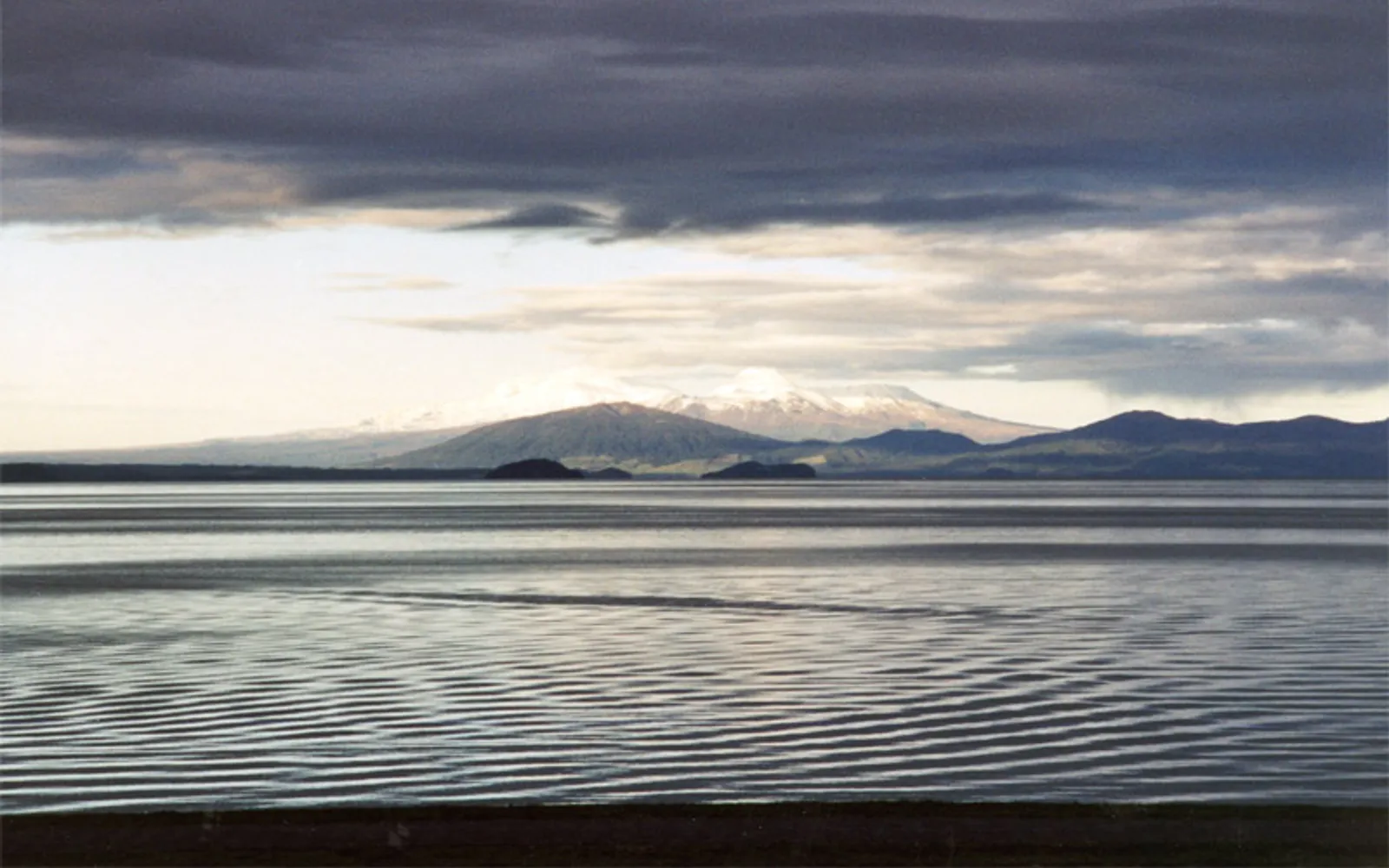
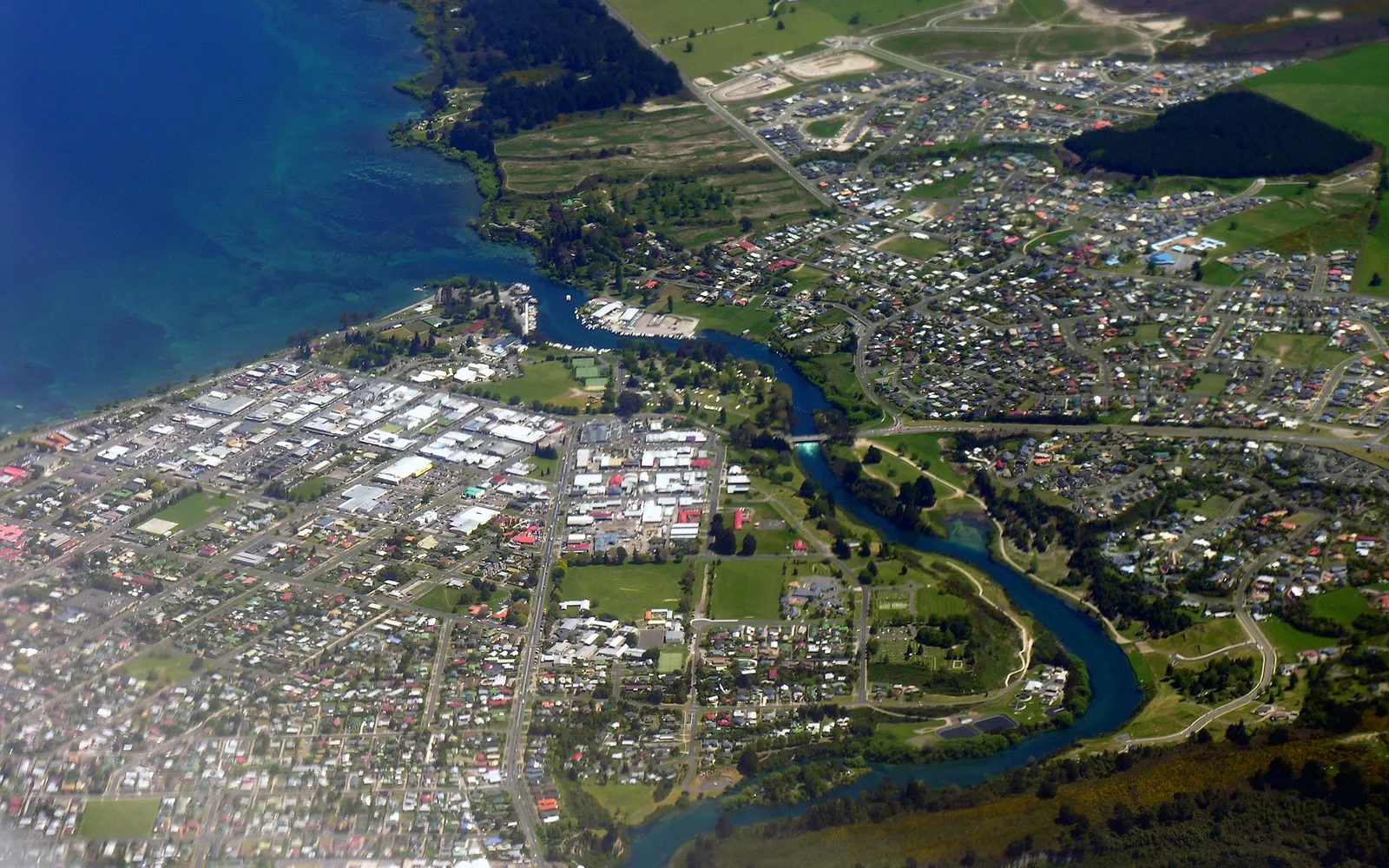
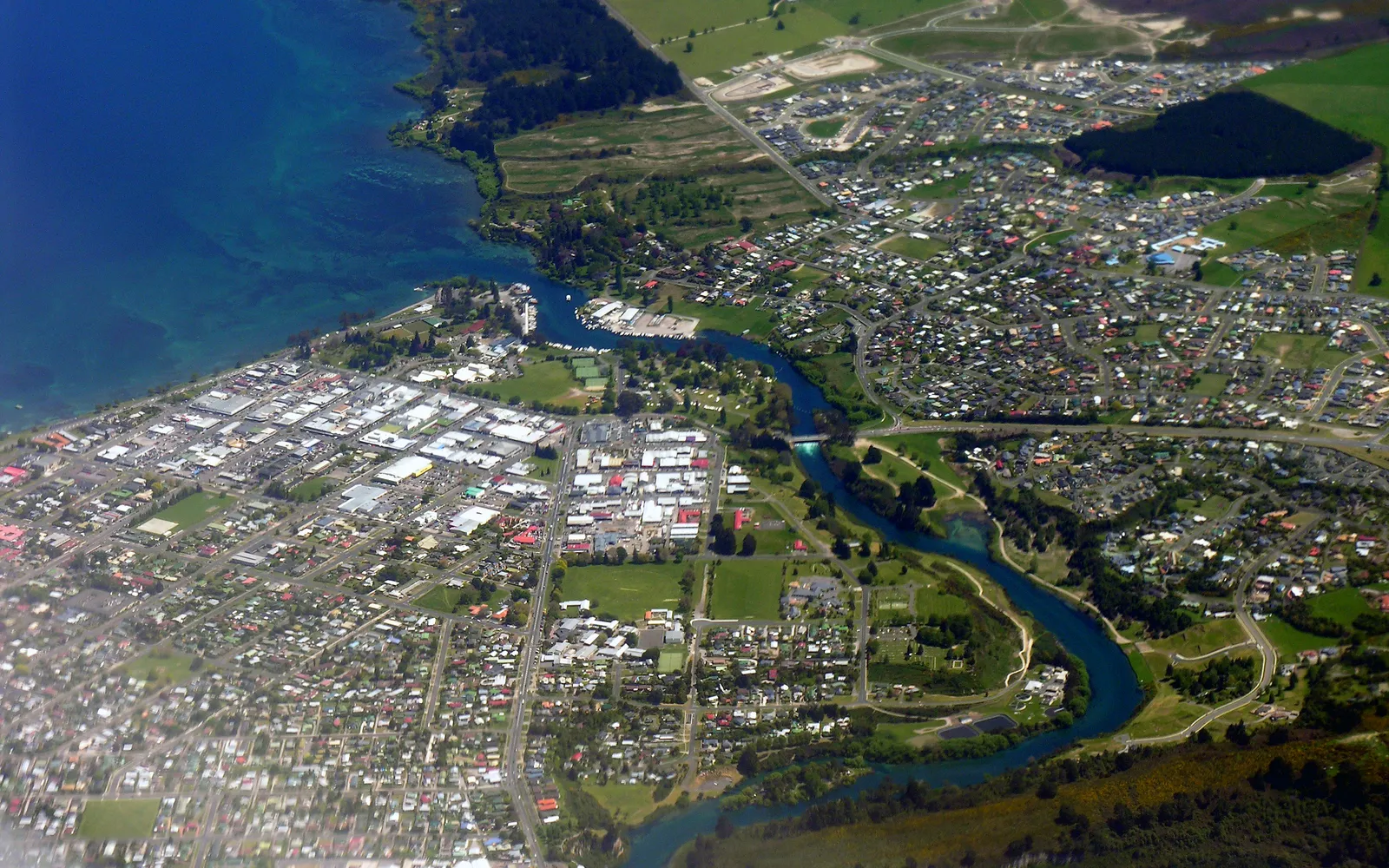
The largest freshwater lake in Oceania at over 616 square kilometres, Lake Taupō formed from the eruption of the Hatepe volcano 1,800 years ago — one of the most violent volcanic events in recorded human history. Today the water is clear, cold, and clean, ideal for trout fishing, kayaking, yacht sailing, and swimming in summer. Cycling and walking tracks ring much of the shoreline.
- Hire a bike and ride the lakeside track in the morning before the afternoon wind picks up.
- Trout fishing requires a licence — buy one from the i-SITE visitor centre or online for NZD 20 per day.
- A lake cruise to the Mine Bay Māori Rock Carvings takes around 2 hours and is one of the area's quietest highlights.
 #2
#2 Huka Falls
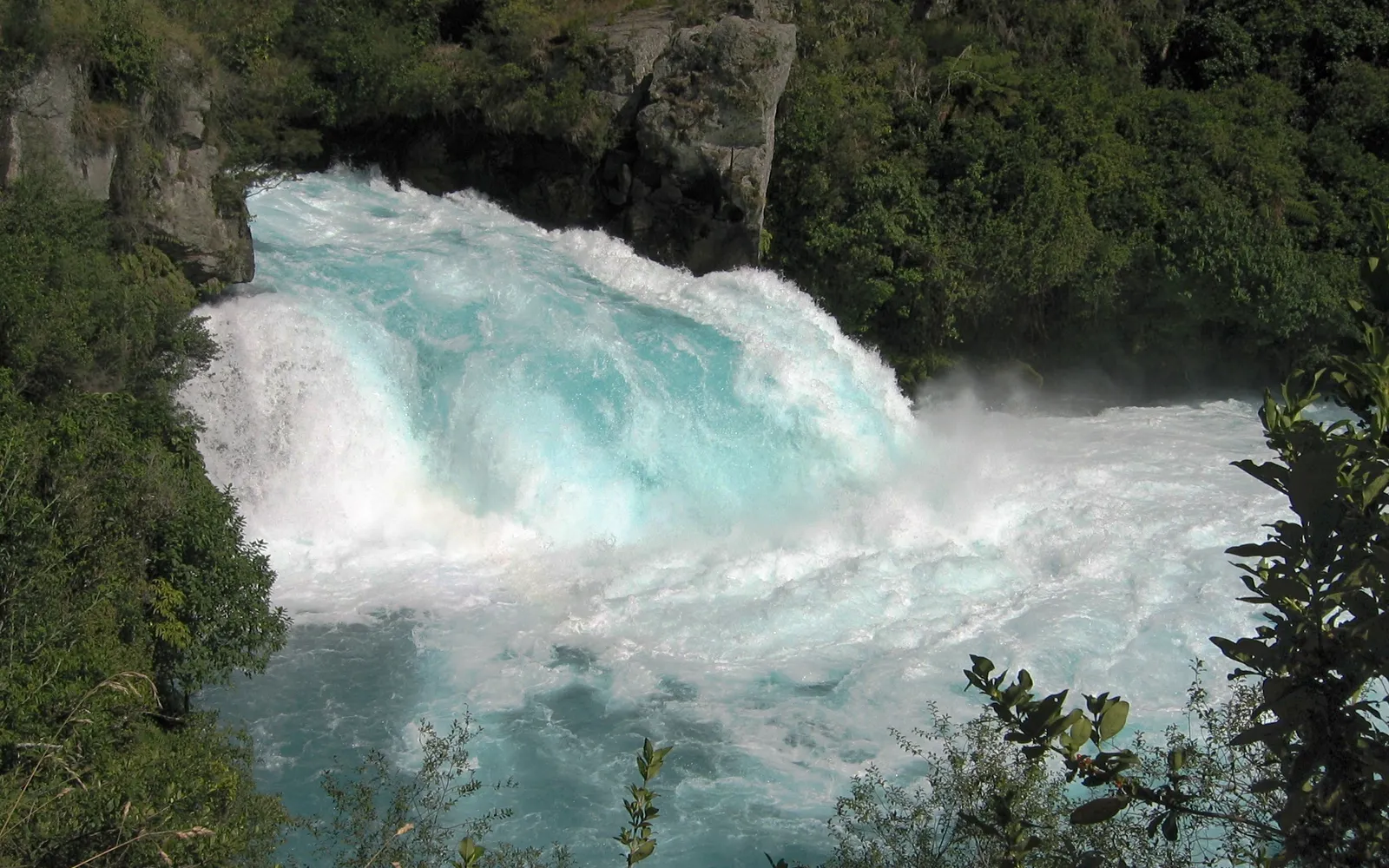
New Zealand's most visited natural attraction. The Waikato River — which drains directly out of Lake Taupō — is squeezed through a rock channel just 15 metres wide before dropping into a deep plunge pool at 220,000 litres per second. The colour is an unusually deep turquoise, driven by minerals from the volcanic lake upstream. Both banks have free walking tracks.
- Park on the north bank and cross the footbridge to the south for the best viewing angle.
- Huka Jet boats charge NZD 49 per person and get within 10 metres of the falls — genuinely thrilling.
- From the falls, the Huka Falls Walkway continues 3.5 km upstream to Aratiatia Dam — easily combined into one walk.
 #3
#3 Tongariro National Park
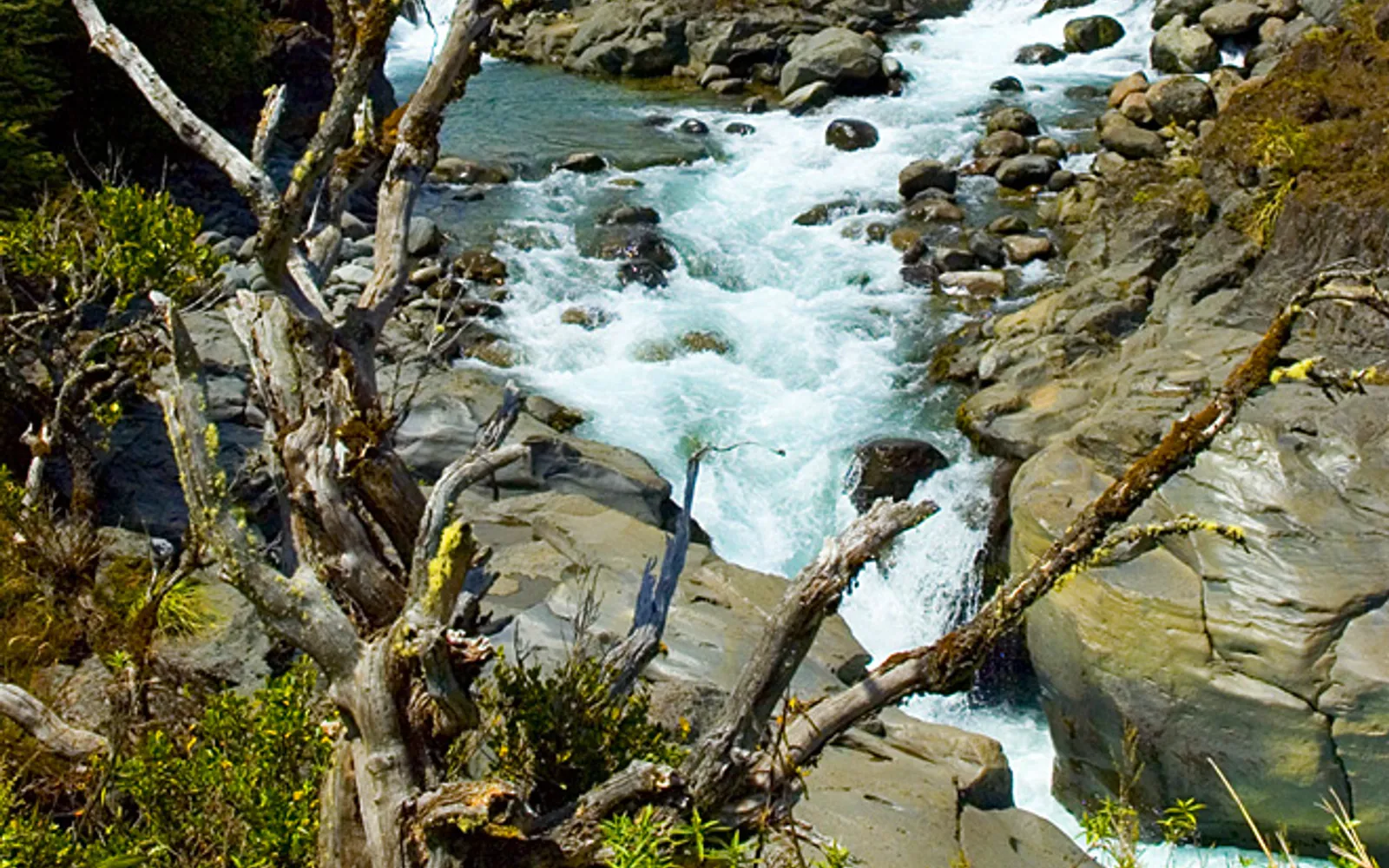
New Zealand's first national park and a UNESCO World Heritage Site, built around a still-active volcanic plateau with three major peaks: Tongariro, Ruapehu, and Ngauruhoe — the last of which served as the model for Mount Doom in the Lord of the Rings films. The Tongariro Alpine Crossing, a 19.4 km day-hike over lava fields, boiling craters, and emerald lakes, consistently ranks among the top 10 day-walks in the world.
- The Tongariro Alpine Crossing takes 6–8 hours. Arrange a shuttle drop and pickup at opposite ends well in advance — you cannot complete it as an out-and-back.
- Check conditions on metservice.com before you set off. The track closes without warning in storms or during volcanic activity.
- Layer up: summit temperatures drop below 10°C even in summer, and wind is strong at elevation.
 #4
#4 Craters of the Moon
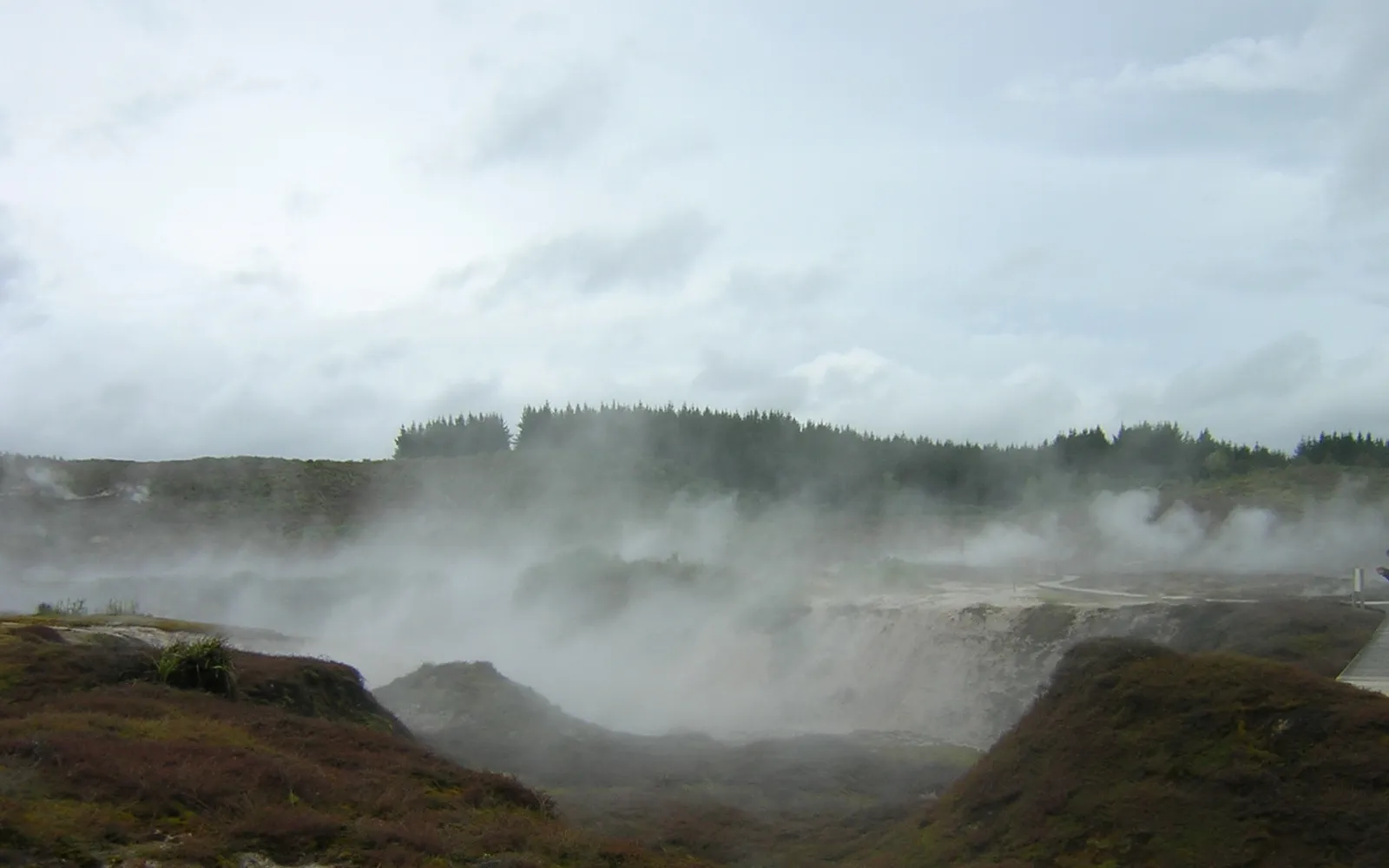
The most accessible geothermal field near Taupō, and genuinely odd-looking. The craters formed when a nearby geothermal power station drew hot water from below, shifting underground pressure and pushing steam and boiling water to the surface here instead. A 45-minute loop walk threads past boiling mud pools, steaming craters, and gas vents. It feels like another planet and is easier to navigate safely than Wairakei Terraces.
- Entry costs NZD 8 for adults. Open daily 8:30 am–5:30 pm.
- Stay strictly on the marked boardwalk — the ground crust in places is thin, with temperatures below reaching 100°C.
- Pairs well with Huka Falls in a single morning: both are north of town and less than 10 minutes apart by car.
 #5
#5 Mine Bay Māori Rock Carvings
A series of large-scale carvings cut into the lakeside cliffs in the 1970s by Māori artist Matahi Whakataka-Brightwell. The main figure stands over 10 metres tall and depicts Ngatoroirangi, the navigator credited with leading the Māori people to settle this region. The site is only reachable by water, which keeps it quiet and adds to the atmosphere. Most visitors first hear about it after arriving in Taupō.
- Hire a kayak from town for NZD 25–40 per hour — the paddle out takes around 45 minutes each way.
- Sailboat and cruise tours that combine the carvings with trout fishing run NZD 45–80 per person.
- Treat this as a sacred site: do not touch the carvings, and keep noise low in front of them.
 #6
#6 Aratiatia Rapids
One of the more unusual free spectacles in New Zealand. Most of the time the Waikato riverbed below the dam is nearly dry. Four times a day, the dam gates open and water fills the gorge from empty to bank-full in just a few minutes. You watch from safe viewpoints on both sides. It costs nothing, takes 20 minutes, and tends to get combined with Huka Falls and Craters of the Moon on the same day out.
- Gates open at 10:00, 12:00, 14:00, and 16:00 daily (winter times may vary — check with Contact Energy before you go).
- Arrive 10–15 minutes before the scheduled opening: the water moves fast and the first 5 minutes are the most dramatic.
- The left bank viewpoint gives a wider angle; walk down to the rocks at water level during the 30 minutes after the release.
Where to stay in Taupō for this trip
A well-located hotel means less commuting and more sightseeing. Here are real, top-rated stays in Taupō — compare Agoda · Booking · Trip.com in one click.
Hilton Lake Taupo
Affiliate links — we may earn a commission at no extra cost to you. Details
Acacia Lake View Motel Taupo
Affiliate links — we may earn a commission at no extra cost to you. Details
Suncourt Hotel Taupo
Affiliate links — we may earn a commission at no extra cost to you. Details
Wairakei Resort Taupo
Affiliate links — we may earn a commission at no extra cost to you. Details
Tours, tickets & activities in Taupō
Day tours, attraction tickets and travel essentials for Taupo — book ahead on Klook with mobile e-tickets.
Affiliate links — we may earn a commission at no extra cost to you.
Before You Pack
Taupō is at its best from November to March — southern-hemisphere summer — when the weather is warm and the Tongariro Alpine Crossing is reliably open. The winter months of June through August bring snow to the Tongariro peaks for dramatic scenery, though the Crossing may be closed. Plan at least 3–4 days to cover all six highlights without rushing.