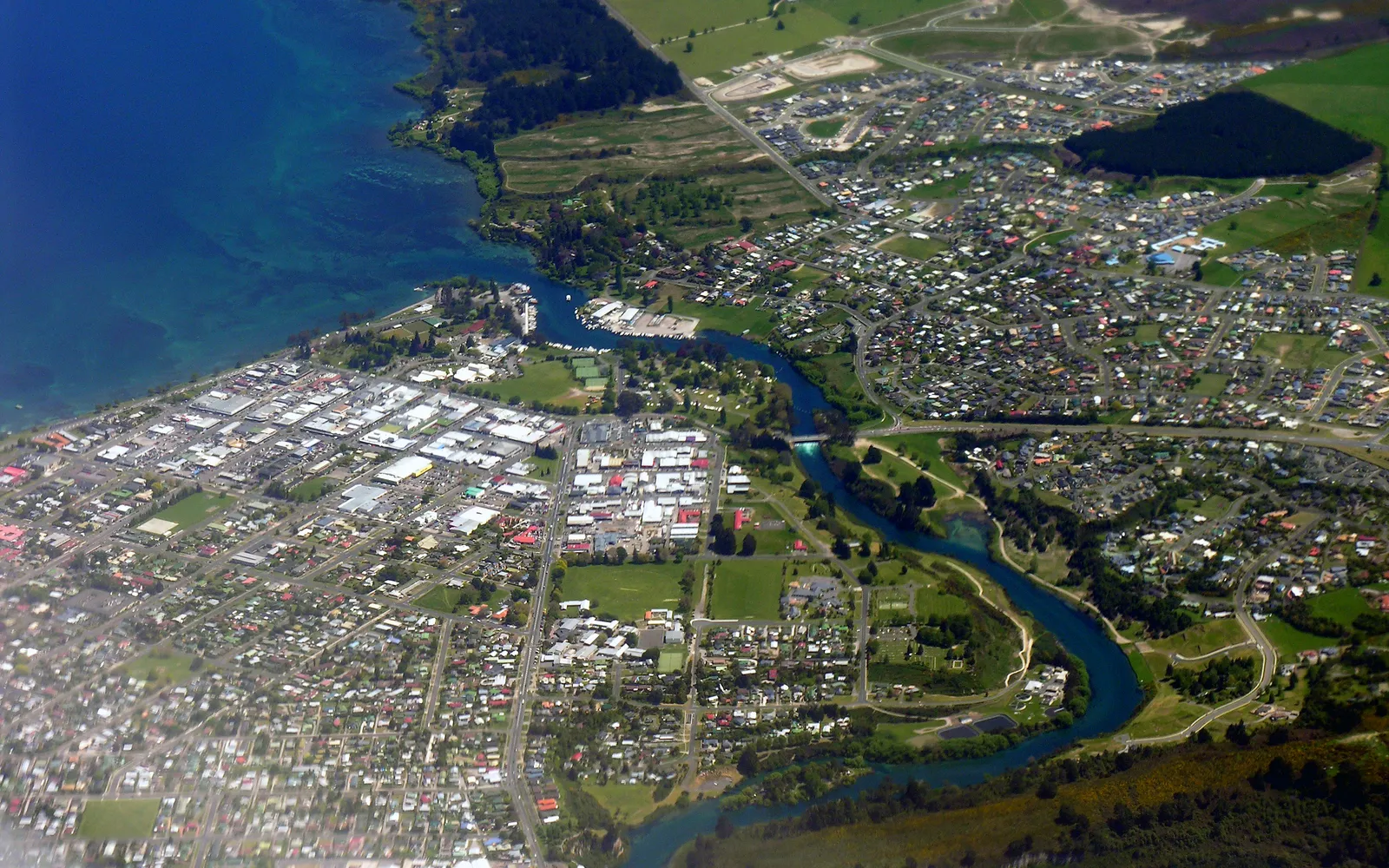
New Zealand food doesn't get the global recognition its landscapes do, but Taupo has something no other town can match: rainbow trout you can pull straight from the lake at the edge of town, and authentic Māori cooking that's genuinely hard to find in most tourist spots. Come here and eat the local food before you leave.
 #1
#1 Taupō Rainbow Trout
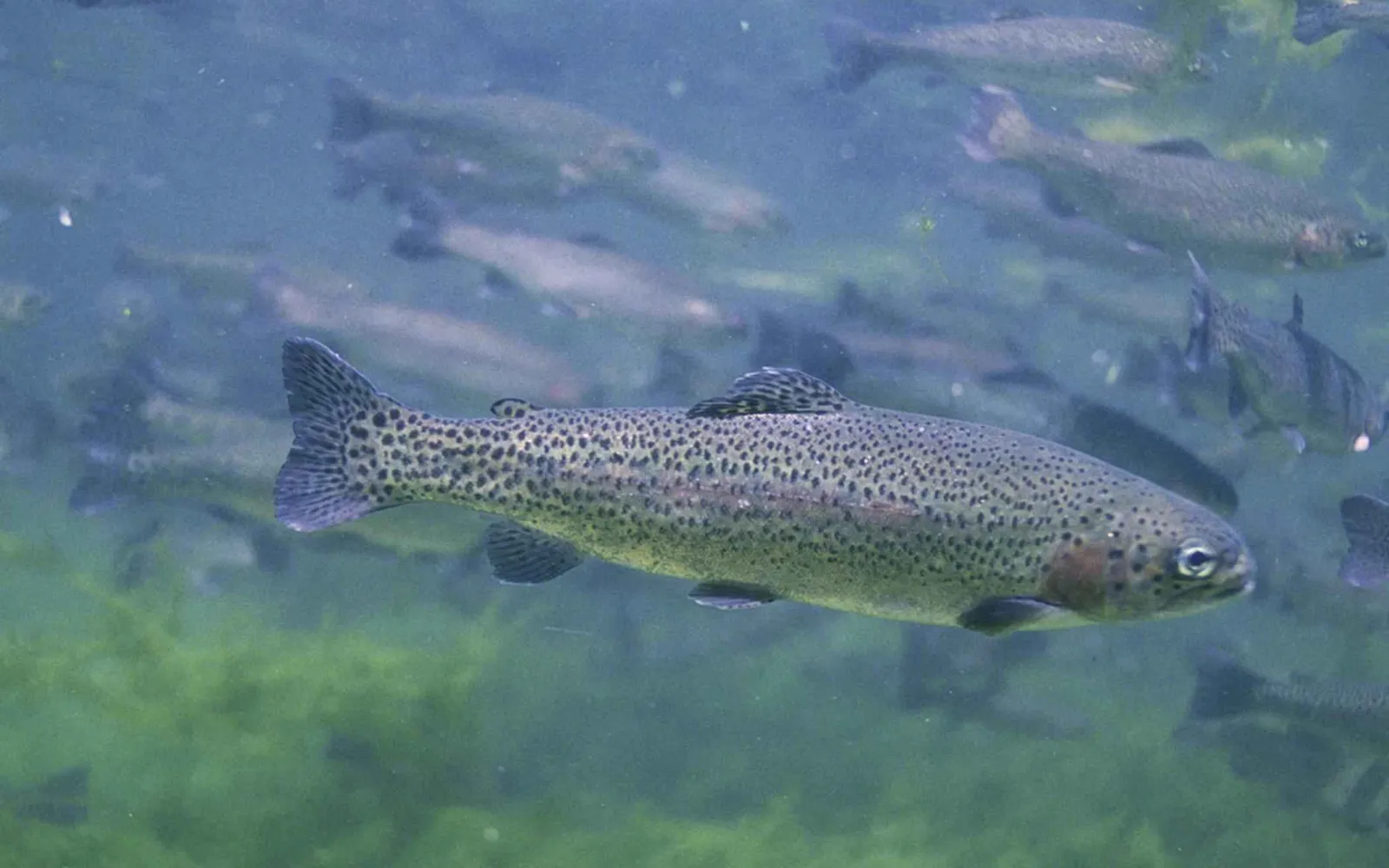
Lake Taupo is one of the world's best rainbow trout fisheries. The fish grow in cold, clear water fed by volcanic springs — the flesh is a pale, delicate pink, sweeter and more refined than ocean fish. Most kitchens serve it grilled with fresh herbs, smoked, or as sashimi in New Zealand-Japanese restaurants. A good restaurant takes delivery from local anglers every morning. The taste difference between this and European farmed trout is stark.
- Ask for it grilled with lemon and capers — nothing fancy — so you can taste the fish itself without interference
- If you catch your own, several restaurants in town will cook your fish for a service fee, which works out cheaper than ordering off the menu
- Avoid any place that claims to serve trout but won't say where it comes from — fish from Lake Taupo is far fresher and better than anything frozen
 #2
#2 Hāngī
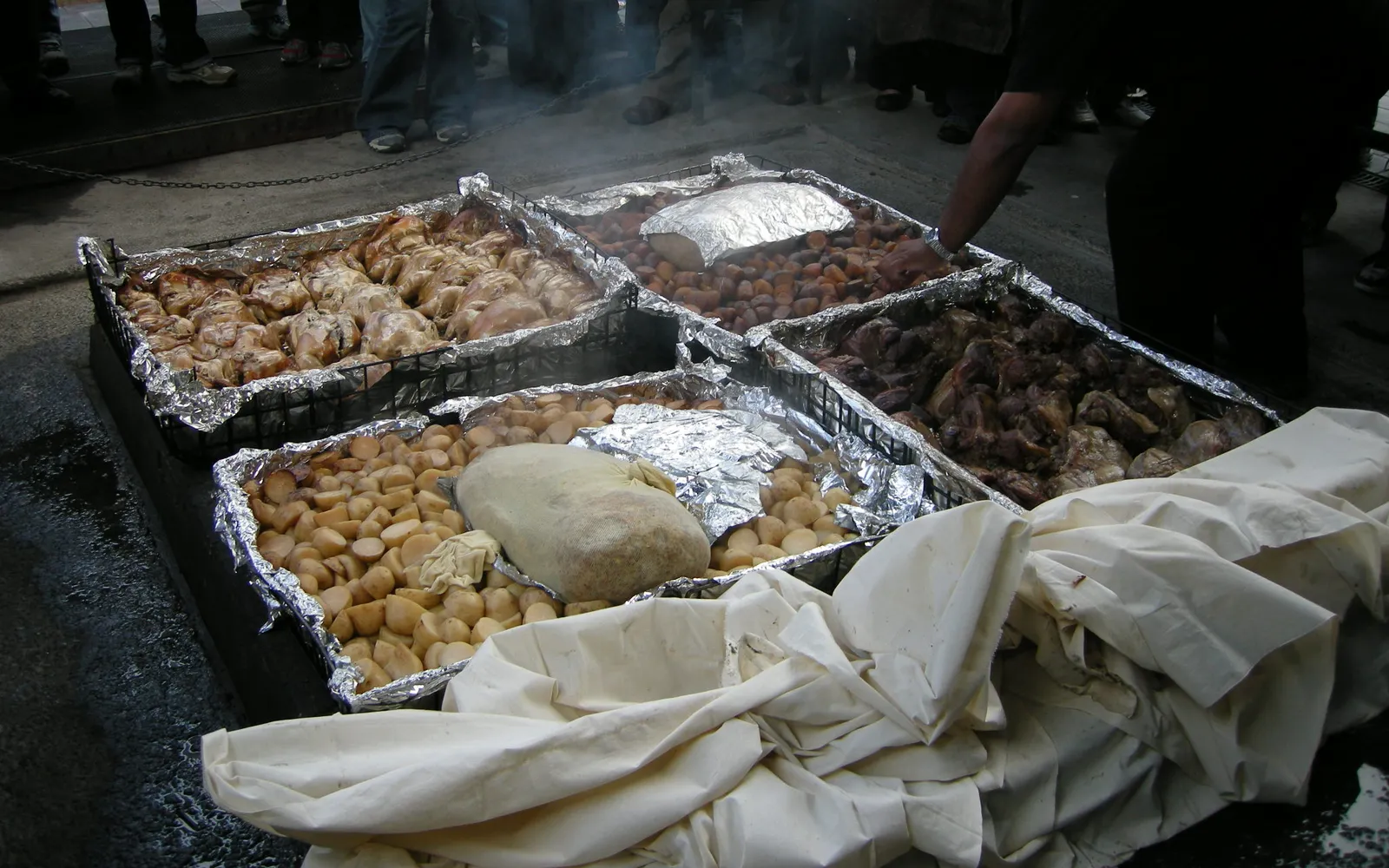
A cooking method the Māori have used for over a thousand years. Food goes into baskets, which are lowered into a pit lined with stones heated in fire, then covered with soil and cloth and left to steam for hours. What comes out is tender, smoky, and rich with earth fragrance. The main components are typically lamb, pork, chicken, and native vegetables including <em>kūmara</em> (sweet potato). The flavour is simple but deep — and genuine hāngī is genuinely difficult to find outside Māori communities.
- Book 2–3 days ahead with a Māori cultural group in Taupo; some include <em>waiata</em> (Māori song) performances as part of the evening
- A full cultural hāngī experience runs around NZD 60–90 per person — it's worth every dollar
- No time to book? Some Taupo restaurants serve a hāngī-style roast that comes close, even if it's not the traditional method
 #3
#3 Pavlova
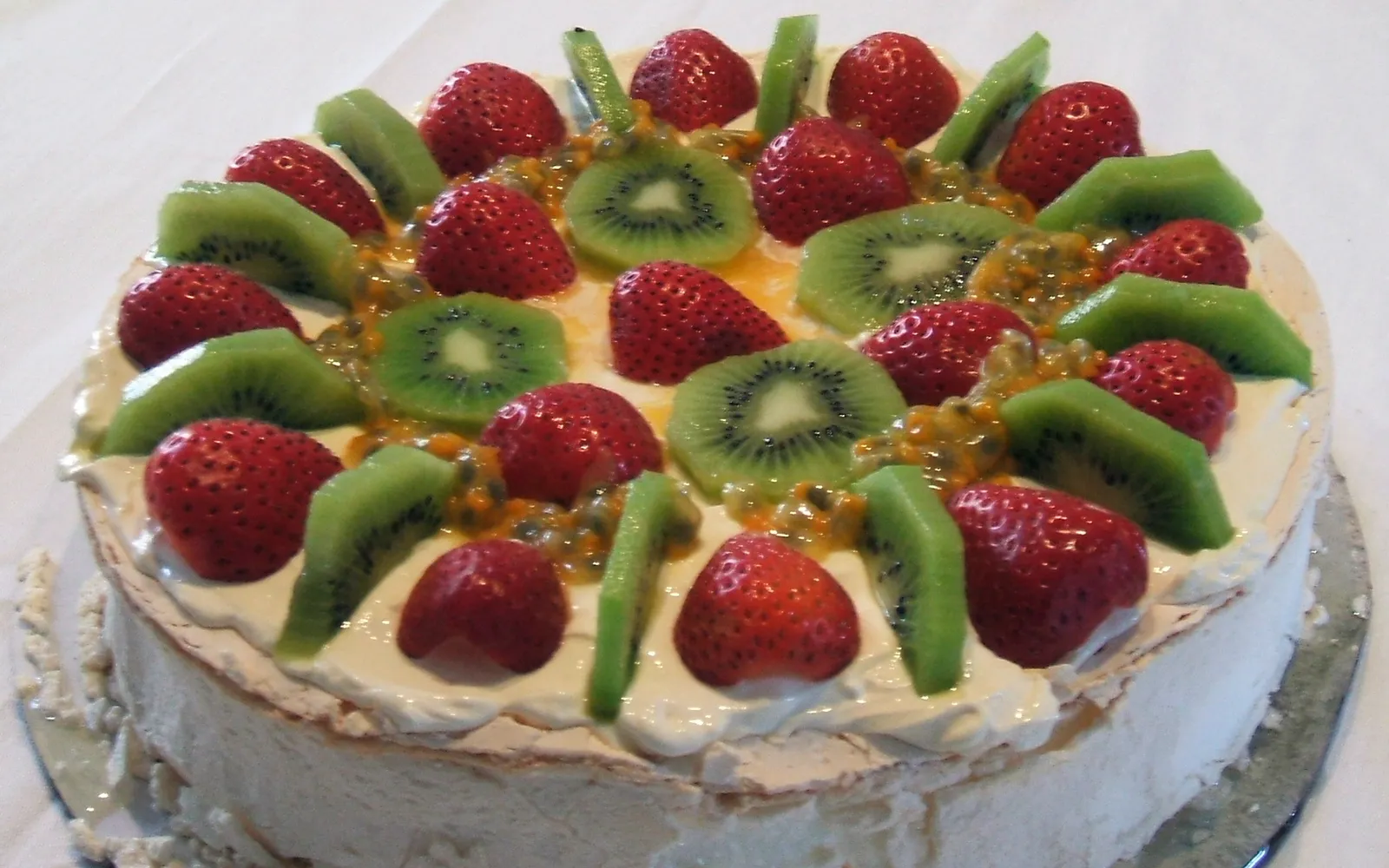
The national dessert — still contested between New Zealand and Australia as to who invented it. The base is egg whites beaten with sugar into a meringue that's crisp on the outside and marshmallow-soft inside, topped with fresh whipped cream and seasonal fruit: kiwifruit, strawberries, and passionfruit. Most Taupo bakeries make it fresh daily. It's lighter and less cloying than most cakes, which makes it a good call after a heavy main.
- Order a single-serve portion — a good bakery makes it fresh every day and there's no soggy or sunken base
- Summer (December–March) is peak season for New Zealand fresh fruit, so pavlova with fruit toppings is at its best then
- Some bakeries serve a whole pavlova for groups of 4–6; you can take one back to the hotel to celebrate
 #4
#4 New Zealand Lamb
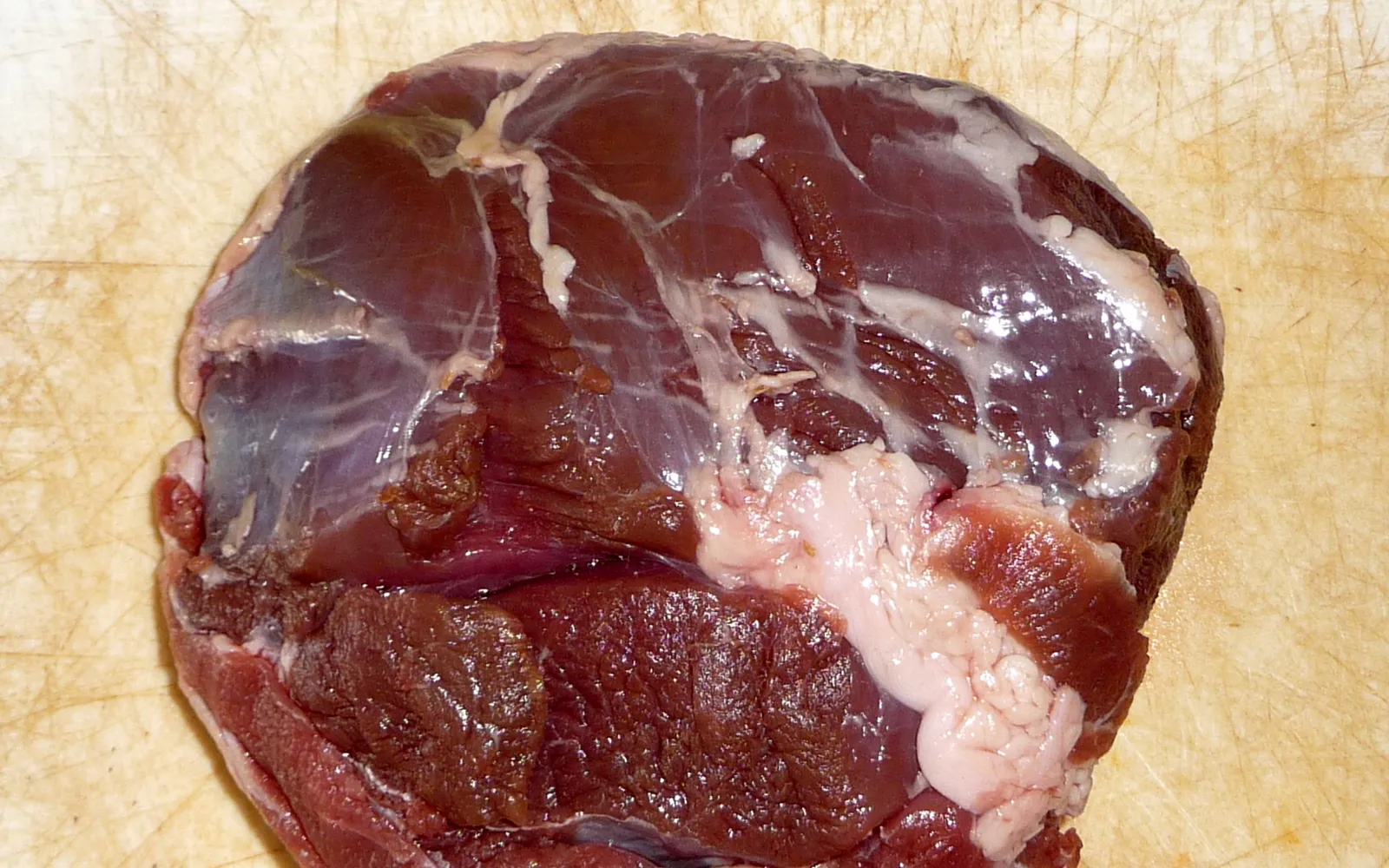
New Zealand has 5 times more sheep than people, and its lamb has a global reputation for quality because the animals graze on fresh pasture year-round — no grain feeding. The result is leaner meat, a gentler flavour than European lamb, and very little of that gamey smell. In Taupo, order it as rack of lamb with herbs or as slow-roasted shoulder — the kind where the meat falls off the bone on its own. It's a different experience from any lamb you've had elsewhere.
- Order medium or medium-rare; overcooked lamb dries out and loses what makes it special
- Mint jelly is the traditional New Zealand condiment for lamb — try it with and without to compare
- A rack of lamb at a good restaurant runs NZD 35–55 per serving, which is fair value for this quality
 #5
#5 Fish and Chips
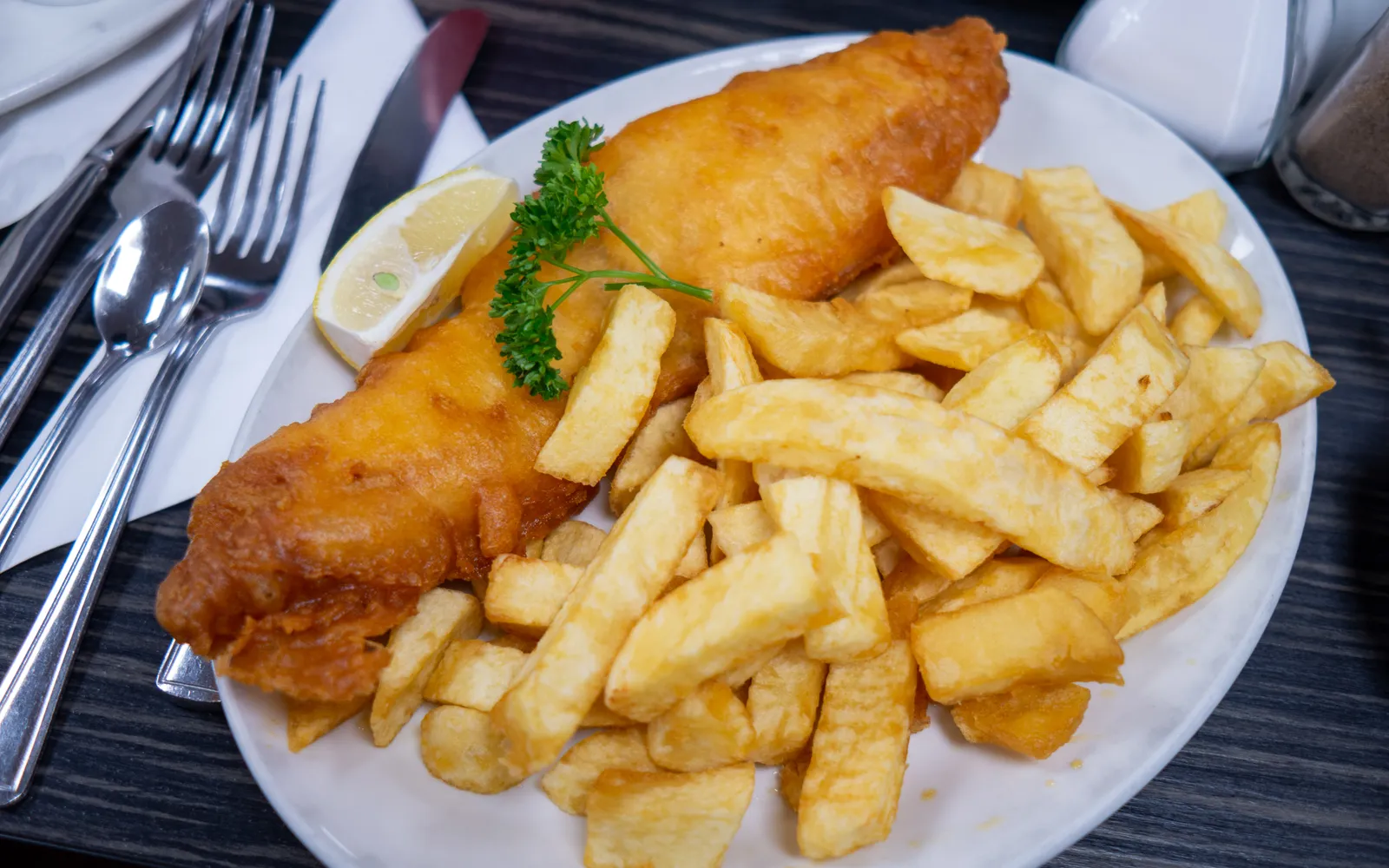
New Zealand's most popular fast food for decades. The fish here is <em>tarakihi</em> or snapper, caught fresh from the Pacific — battered in a thin, crisp coating and fried in hot oil, served with thick chunky chips and aioli or tartare sauce. It's better than the British original because the fish is fresher. Inexpensive and fast — a solid choice before a hike.
- Ask for battered fish if you want a thinner, crispier coating; crumbed if you prefer a thicker, softer crust
- Eat it immediately — fish and chips go soft fast and taste best in the first 5 minutes
- Expect to pay NZD 12–18 for one serving of fish and chips — probably the best-value meal in New Zealand
 #6
#6 Whitebait Fritters
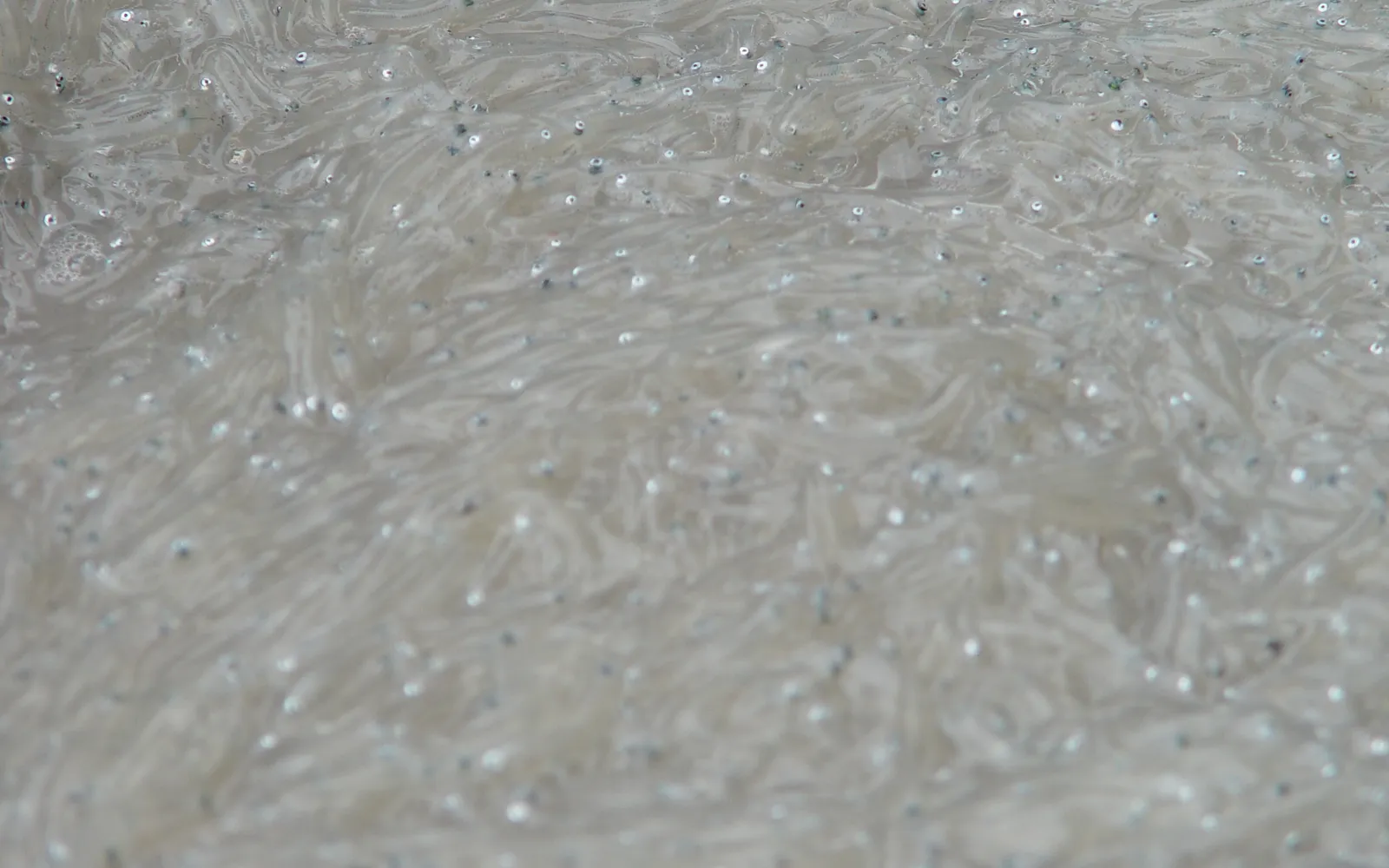
A seasonal dish that New Zealand food lovers wait for every year. Whitebait are tiny juvenile freshwater fish caught for only a short window in New Zealand rivers — mixed into eggs and pan-fried as thin patties, served hot immediately. The flavour is delicate, with a faint sea note and a firm texture, nothing fishy about it. Many international visitors don't know what it is until they try it, then can't stop. Because it's rare, the price reflects that.
- Whitebait season runs August–November. Outside that window it's hard to find and significantly more expensive — ask the restaurant before you go
- Eat with a squeeze of lemon and a light aioli. Skip strong sauces — they kill the delicate flavour of the fish
- Most servings run NZD 20–35 — high because of scarcity, but it's an eating experience you won't find anywhere else
Where to stay in Taupo for this trip
A well-located hotel means less commuting and more sightseeing. Here are real, top-rated stays in Taupo — compare Agoda · Booking · Trip.com in one click.
Hilton Lake Taupo
Affiliate links — we may earn a commission at no extra cost to you. Details
Acacia Lake View Motel Taupo
Affiliate links — we may earn a commission at no extra cost to you. Details
Suncourt Hotel Taupo
Affiliate links — we may earn a commission at no extra cost to you. Details
Wairakei Resort Taupo
Affiliate links — we may earn a commission at no extra cost to you. Details
Tours, tickets & activities in Taupo
Day tours, attraction tickets and travel essentials for Taupo — book ahead on Klook with mobile e-tickets.
Affiliate links — we may earn a commission at no extra cost to you.
Before You Pack
Most of the good restaurants in Taupo sit along the lakefront on Roberts Street and Tongariro Street, open from morning to evening. During peak season (December–February) book ahead — the best places fill up fast. For a genuine hāngī, contact a Māori community 2–3 days in advance so they have time to prepare.