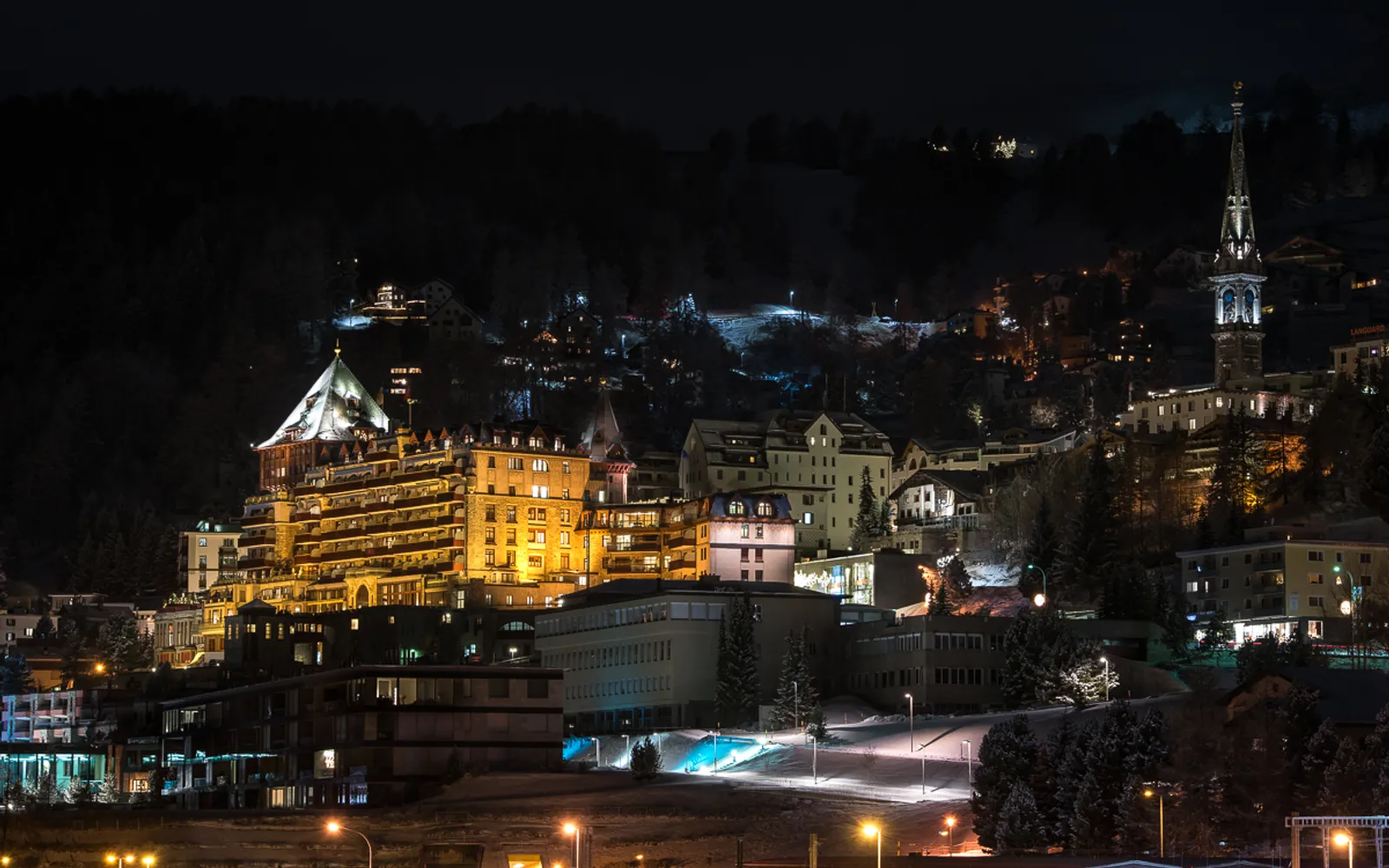
St. Moritz is more than a billionaires' ski resort — it is one of the most naturally complete destinations in the Alps. A turquoise lake, peaks pushing close to 3,000 metres, and a UNESCO World Heritage train route are all within a few kilometres of each other. To be honest: this place is expensive. But the experiences you get here are worth every franc.
 #1
#1 Lake St. Moritz
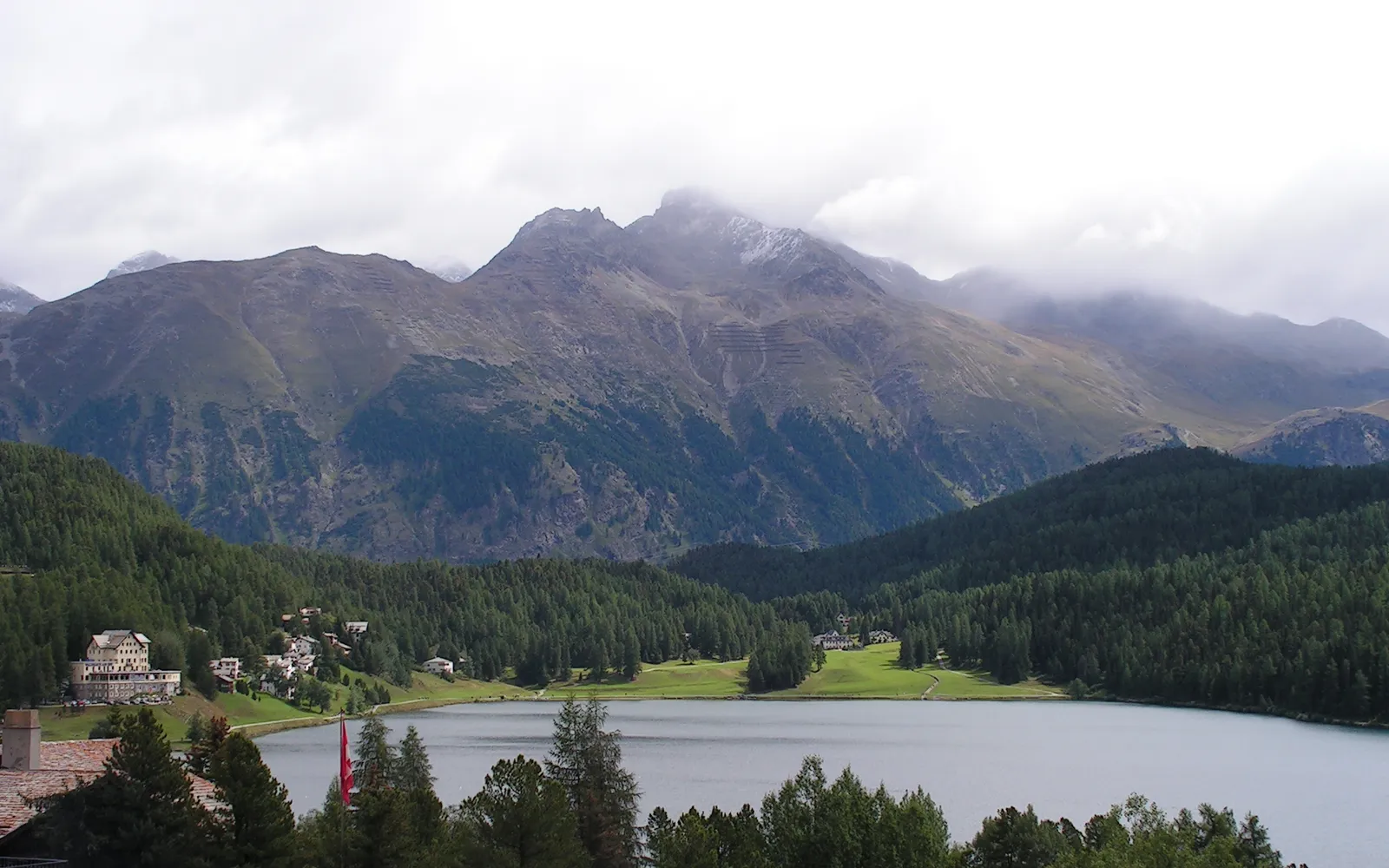
The centerpiece of St. Moritz and one of the most beautiful lakes in the Alps. Sitting at 1,768 metres above sea level, the turquoise water mirrors Piz Nair and Corvatsch like polished glass. In winter the lake freezes hard enough to host real polo matches and horse races on the ice. In summer it becomes a world-class venue for windsurfing and kiteboarding. A walk around the full perimeter takes about 90 minutes, and every angle delivers.
- Before 8 a.m., golden light catches the peaks in what the Swiss call Alpenglow — the lake is at its most still and most beautiful at that hour.
- In winter: check the official ice-thickness boards posted daily before stepping onto the frozen surface.
- The lakeside path is open year-round and free to walk. The best views are from the southern shore near Silvaplana.
 #2
#2 Piz Nair
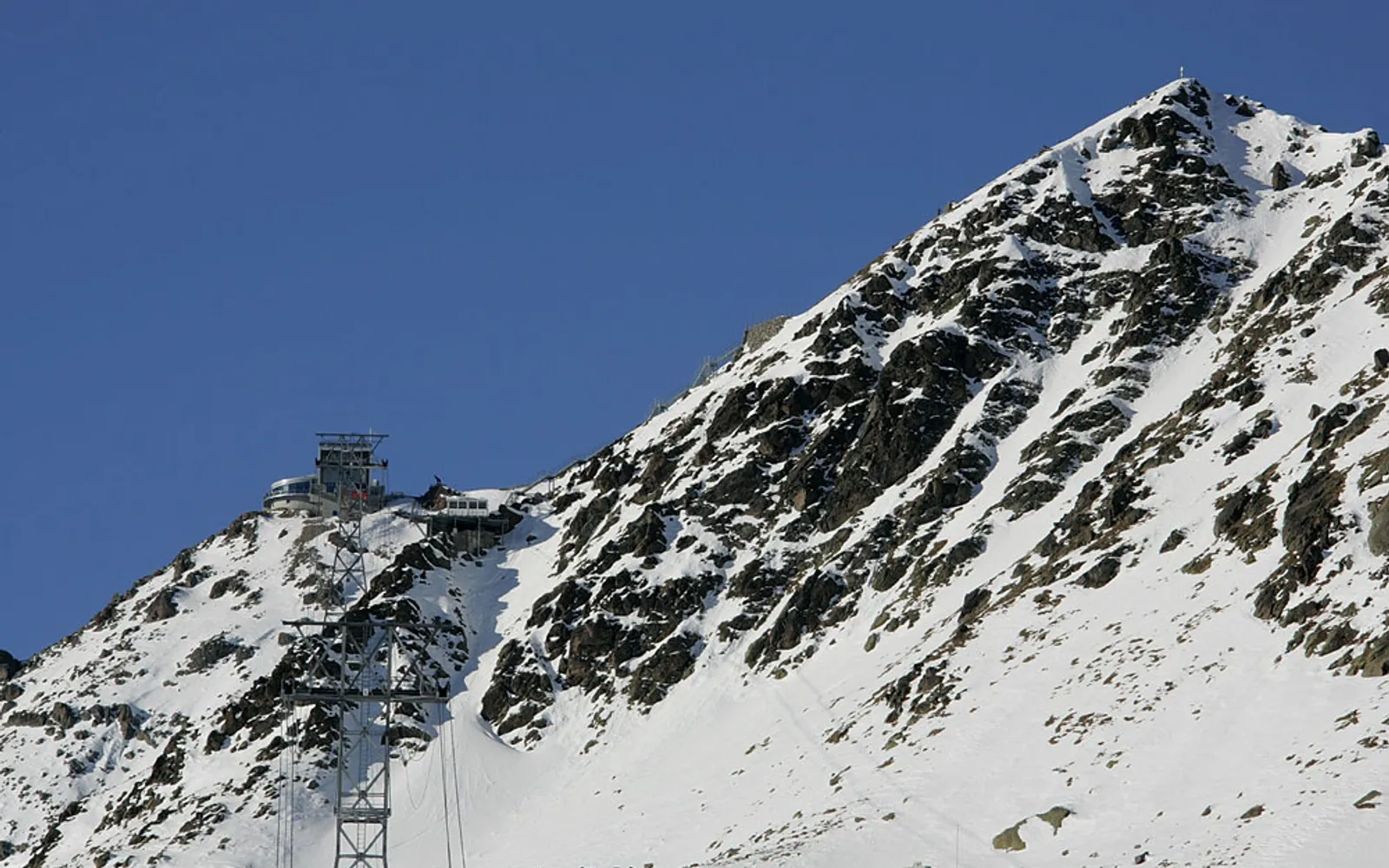
The highest point accessible by cable car from St. Moritz, at 3,057 metres above sea level. The 360-degree panorama takes in the full Engadin Valley, five lakes lined up below, and the Bernina range rising to nearly 4,000 metres. In winter it is the launch point for top-tier ski runs; in summer, the hiking trails back down are genuinely spectacular. The air on top is cold even in August — bring a warm layer regardless of the season.
- The round-trip cable car costs roughly CHF 60–80 and covers the Signalbahn + Corviglia + Piz Nair sections. Buy tickets via the Engadin St. Moritz app.
- There is a seasonal restaurant at the summit — Piz Nair. The food is good but prices are high even by Swiss standards. Bringing your own snacks saves money.
- In summer, hiking down from Piz Nair to Corviglia takes about 2 hours with lake views the whole way.
 #3
#3 Bernina Express
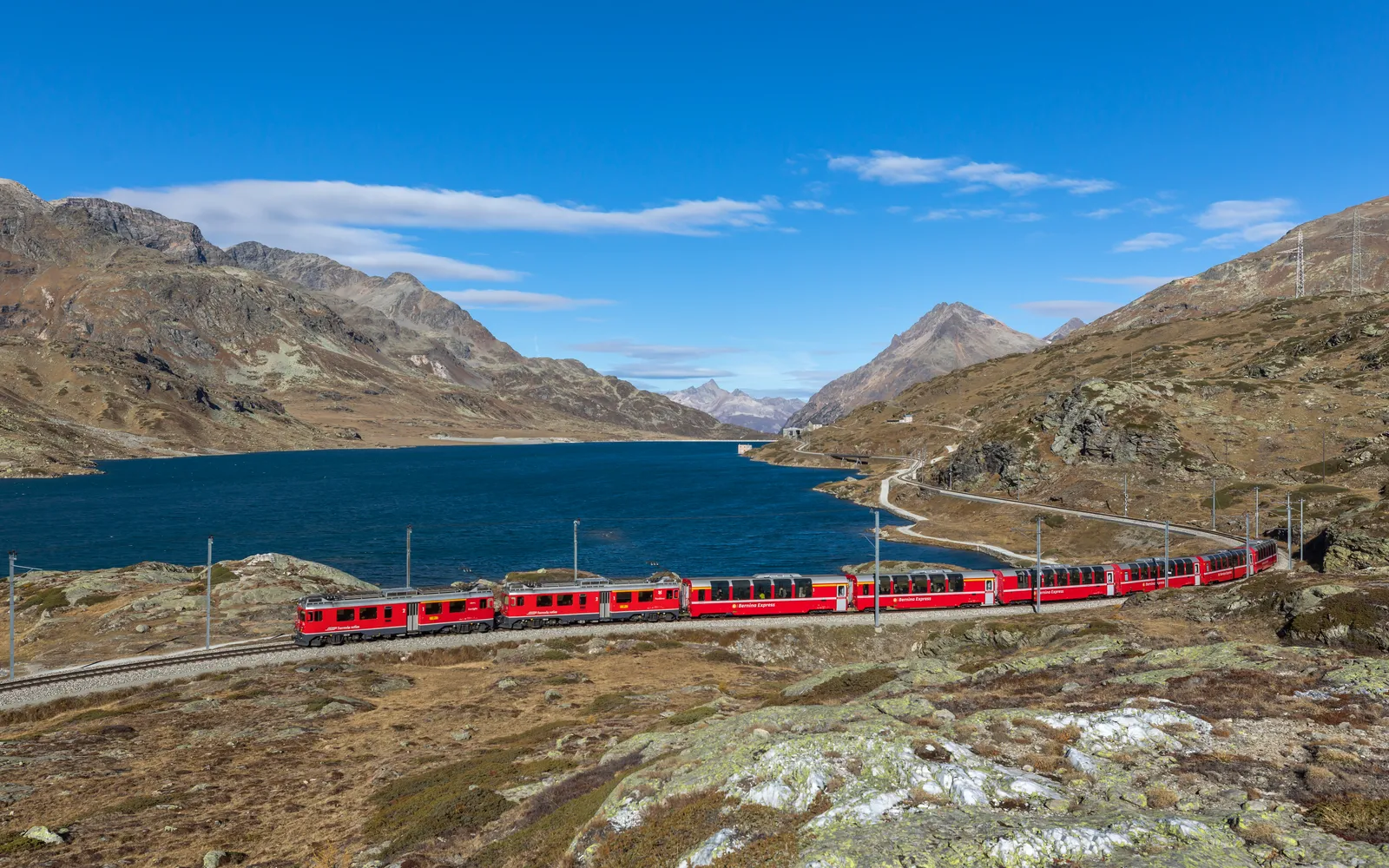
A UNESCO World Heritage railway route, voted one of the most scenic train journeys on Earth on multiple occasions. The train runs from St. Moritz over the Bernina Pass at 2,253 metres, past the Morteratsch Glacier, Lago Bianco, snowfields and pine forests, then drops 122 km to Tirano in Italy in 2.5 hours. The elevation falls from 2,253 metres to 429 metres without a rack system — all achieved through more than 50 viaducts and tunnels, including the famous spiral Brusio viaduct.
- Book a panorama seat in advance at sbb.ch — the reservation fee is CHF 15 and secures wide windows on both sides.
- Winter trains run through snow-covered scenery that many consider even more striking than summer green. The standard Bernina Express operates year-round.
- For a hop-on/hop-off approach: stop at Ospizio Bernina for glacier photos, continue to Poschiavo for lunch, then board the next train south.
 #4
#4 Upper Engadin Valley
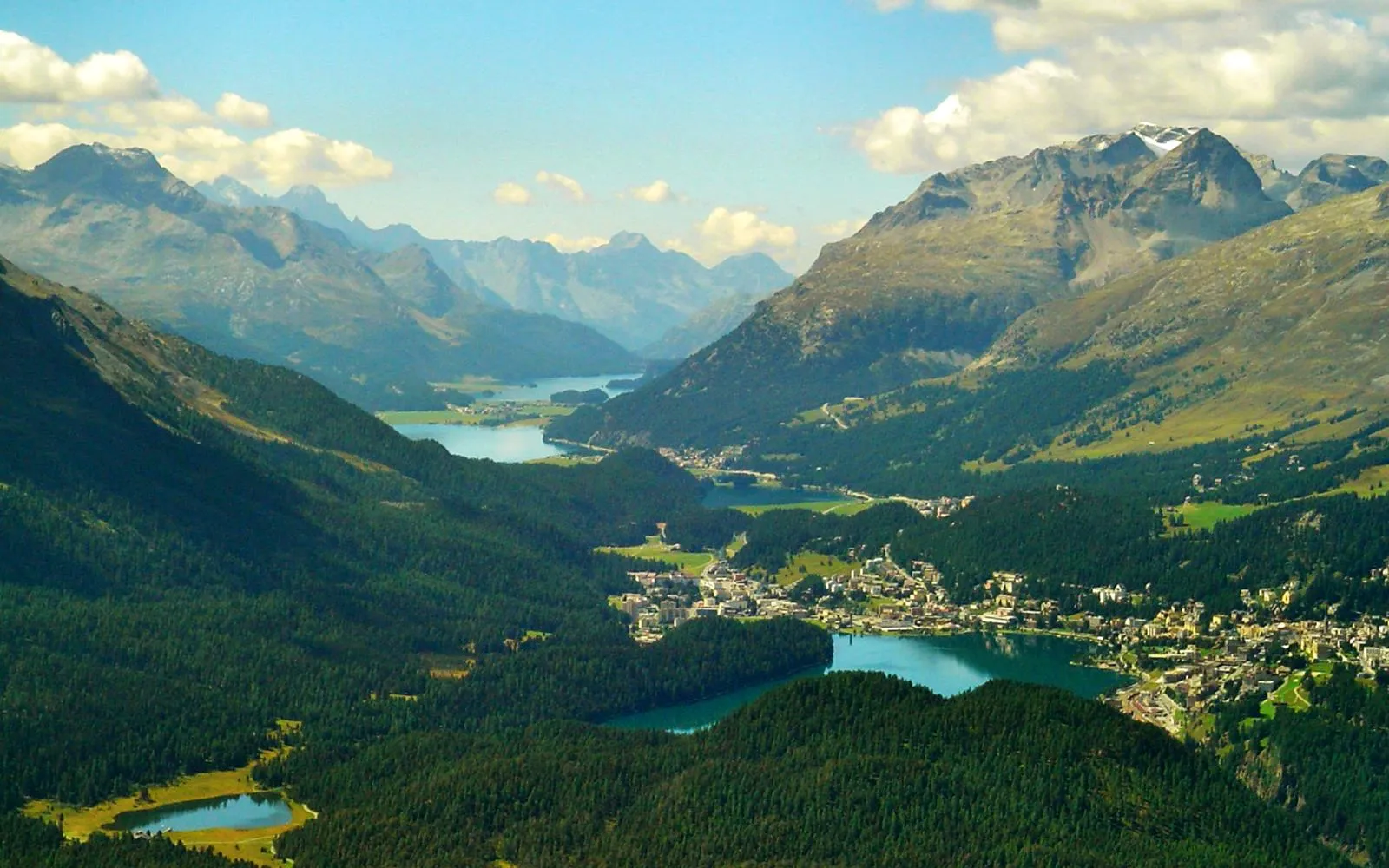
Switzerland's sunniest valley by official count — an average of more than 322 sunny days per year. At 1,800 metres altitude the air is unusually clear, and four distinct lakes (St. Moritz, Silvaplana, Sils, and Maloja) change character with each season. More than 100 km of cycling paths loop the valley, and hiking trails pass through ancient Romansh villages where the original architecture has been carefully preserved.
- Rent an e-bike in St. Moritz and ride the loop around Silvaplana and Sils lakes — half a day, views that stay with you.
- The village of Sils-Maria is where the philosopher Friedrich Nietzsche spent summers and wrote. A small museum there is worth a stop.
- September–October is when the larch forests turn gold and orange — it is peak season for photographers and one of the valley's most dramatic looks.
 #5
#5 Morteratsch Glacier
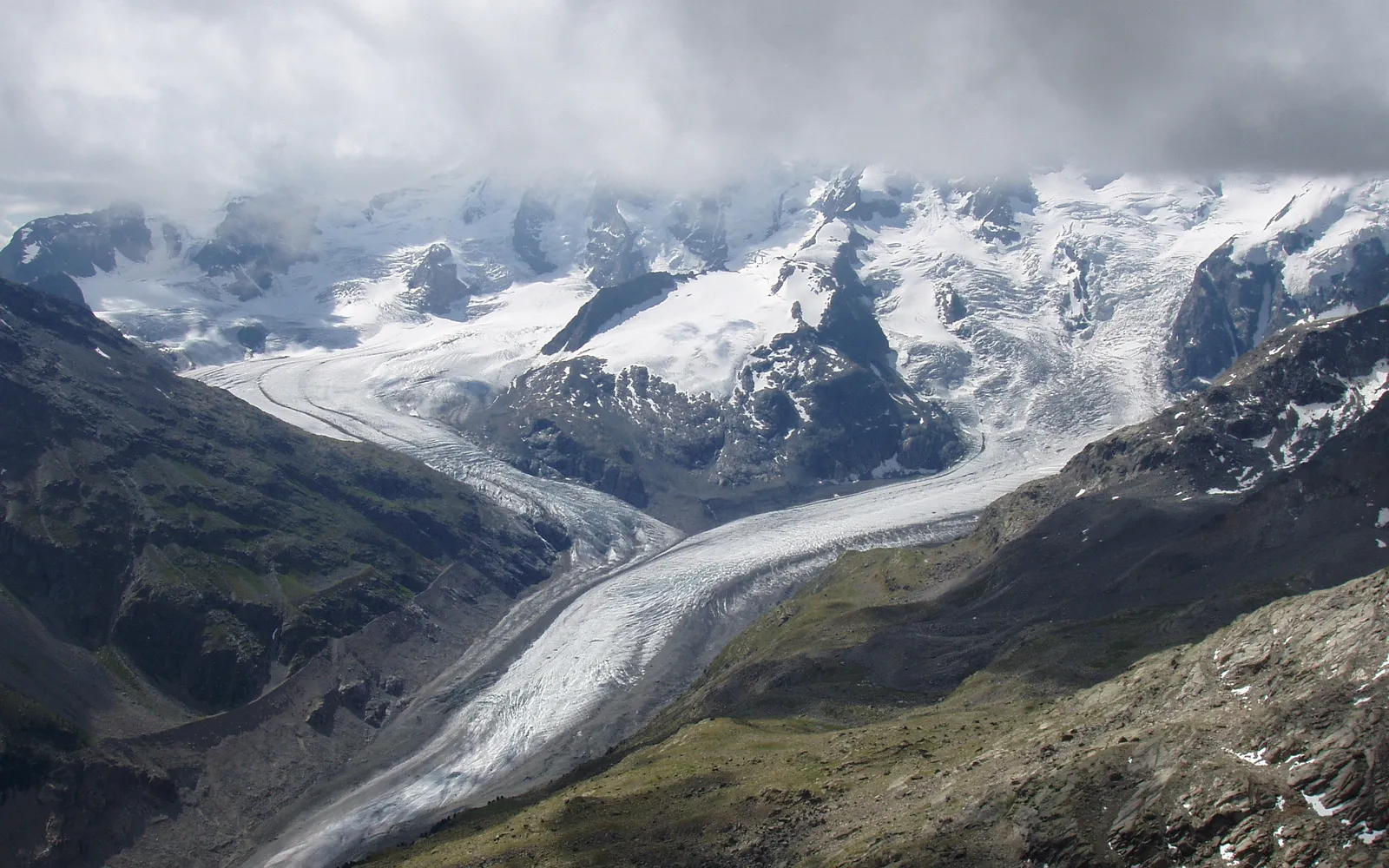
The largest glacier in the Bernina range and one of the most accessible in Switzerland. Step off the train at Morteratsch station and the glacier face is under 2 hours on foot. Up close, the blue-grey ice wall against dark rock is striking. Marker posts along the trail show exactly how far the glacier has retreated each year — one of the clearest illustrations of climate change you will encounter anywhere. Behind the glacier rises Piz Bernina, the highest peak in the entire range at 4,049 metres.
- The glacier has retreated significantly — you can no longer reach the ice edge quickly. Budget 1.5–2 hours of walking from the station to get there.
- Wear hiking or trekking shoes. The trail is rough rock and gravel — trainers are not suitable.
- The path is free to walk and open June–October. In winter, crampons are needed and conditions must be checked in advance.
 #6
#6 St. Moritz Dorf and Segantini Museum
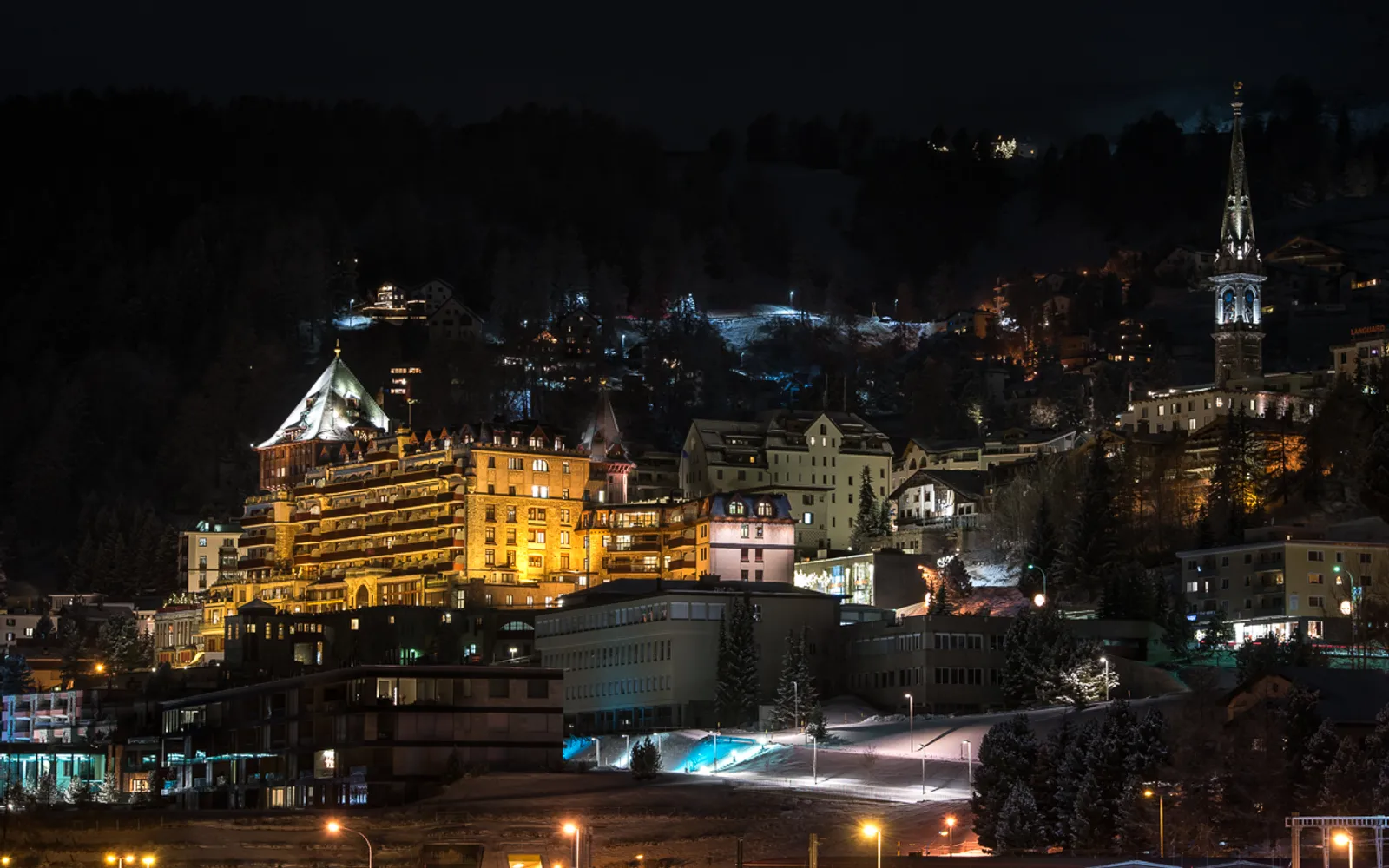
St. Moritz Dorf is the commercial heart of the town, lined with flagship stores for Bulgari, Cartier, and Hermès on a wide street framed by mountain views. Inside that same neighbourhood, the Segantini Museum holds the life's work of Giovanni Segantini, a painter who spent years living in the Engadin. His masterpiece Triptych — depicting life, nature, and death in the Alpine valley — is displayed here and is genuinely moving. The building itself, a stone rotunda, is an architectural object worth seeing on its own.
- Segantini Museum entry is around CHF 15. Open daily 10 a.m.–6 p.m., closed Mondays in the low season.
- The Dorf luxury shopping is priced at Swiss rates — steep. Walking the street for the architecture and atmosphere costs nothing.
- The viewpoint from the Dorf hillside looking down over the lake and Engadin Valley is best between 6–7 p.m. at sunset.
Where to stay in St. Moritz for this trip
A well-located hotel means less commuting and more sightseeing. Here are real, top-rated stays in St. Moritz — compare Agoda · Booking · Trip.com in one click.
Kulm Hotel St. Moritz
Affiliate links — we may earn a commission at no extra cost to you. Details
Carlton Hotel St. Moritz
Affiliate links — we may earn a commission at no extra cost to you. Details
Badrutt's Palace Hotel
Affiliate links — we may earn a commission at no extra cost to you. Details
Suvretta House
Affiliate links — we may earn a commission at no extra cost to you. Details
Tours, tickets & activities in St. Moritz
Day tours, attraction tickets and travel essentials for St. Moritz — book ahead on Klook with mobile e-tickets.
Affiliate links — we may earn a commission at no extra cost to you.
Before You Pack
St. Moritz delivers in both seasons. Winter (December–March) means skiing and white-out snow; summer (June–September) means hiking trails and clear lakes. Plan at least 3–4 days to cover the highlights, and book accommodation several months ahead — especially for peak periods.