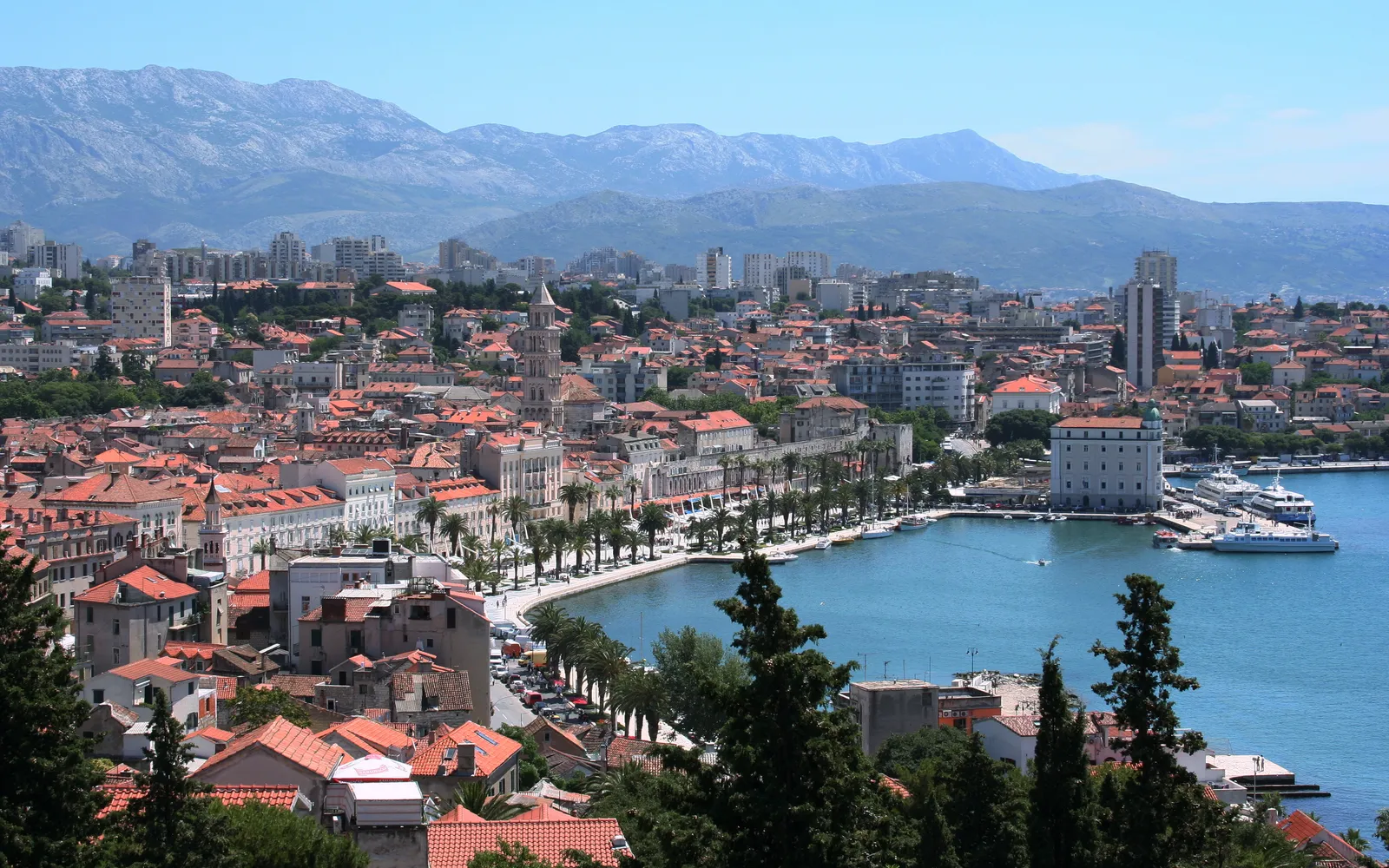
Split is not a museum city — people actually live inside a Roman palace. Diocletian's Palace, built in 305 AD and now 1,700 years old, has become the city's busiest residential neighborhood, full of cafés and bars tucked along ancient stone lanes. Add Marjan Hill, a seafront promenade, and islands reachable in under an hour, and Split delivers something hard to find elsewhere: history and daily life running on exactly the same track.
 #1
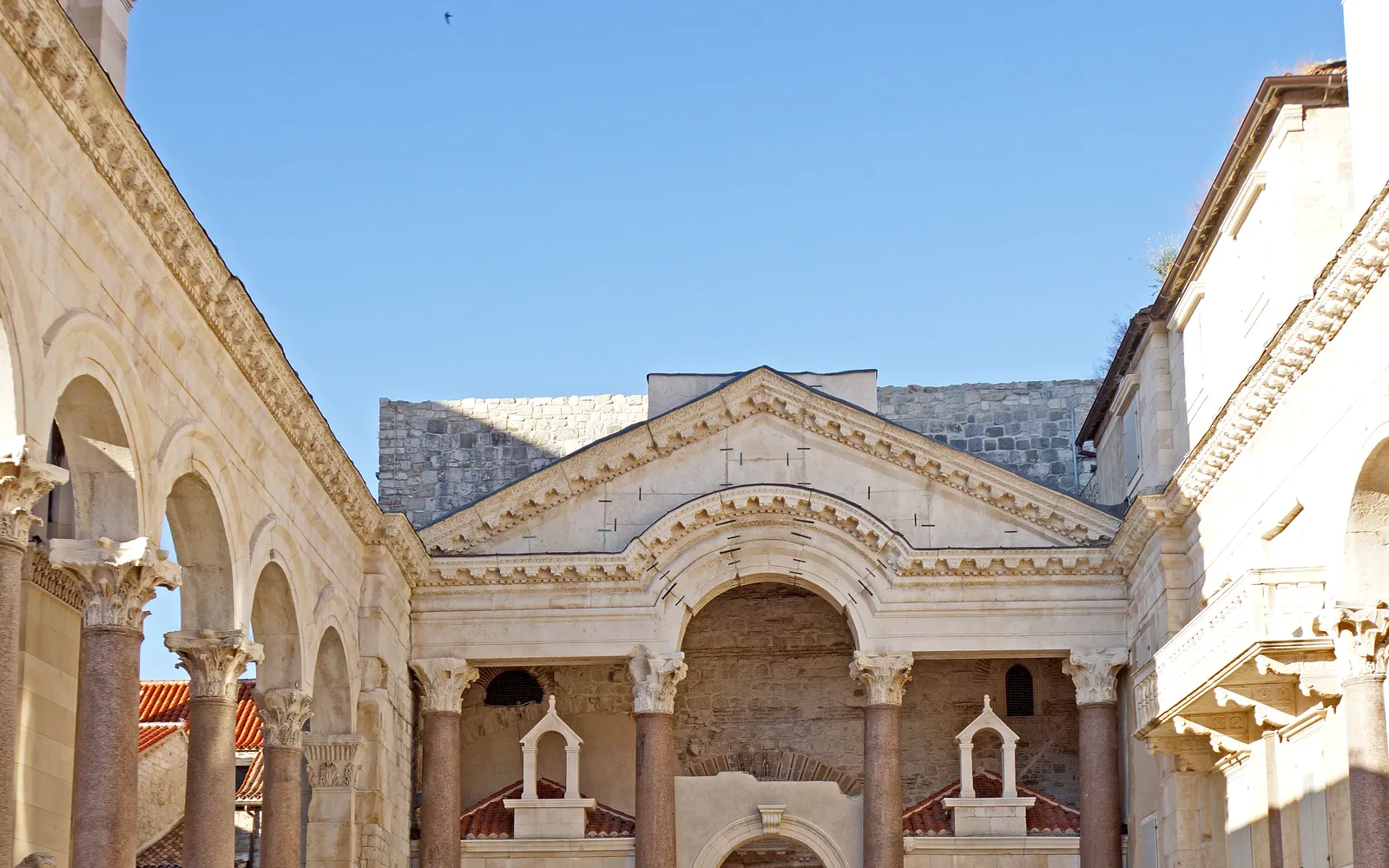
#1 Diocletian's Palace
Emperor Diocletian built this palace in 305 AD as his retirement estate, and it ranks among the most complete surviving Roman structures on Earth — a UNESCO World Heritage Site that people actually inhabit. Restaurants, bars, apartments, and guesthouses line the ancient stone lanes. The effect at night, when warm light plays off the white limestone, is one of the most arresting sights in Europe.
- Entry to the palace complex is free at all hours, but the subterranean halls and Vestibule charge €10-15 — the underground chambers are easily the best value of the two.
- Arrive before 5:30 or 6:00 AM when the alleys are empty. The silence inside a 1,700-year-old neighborhood has no equivalent anywhere else.
- The Golden Gate (north entrance) is the grandest and largest of the four gates. Turn right after walking through and you will find the statue of Archbishop Gregory of Nin — rubbing his big toe is the local good-luck tradition.
 #2
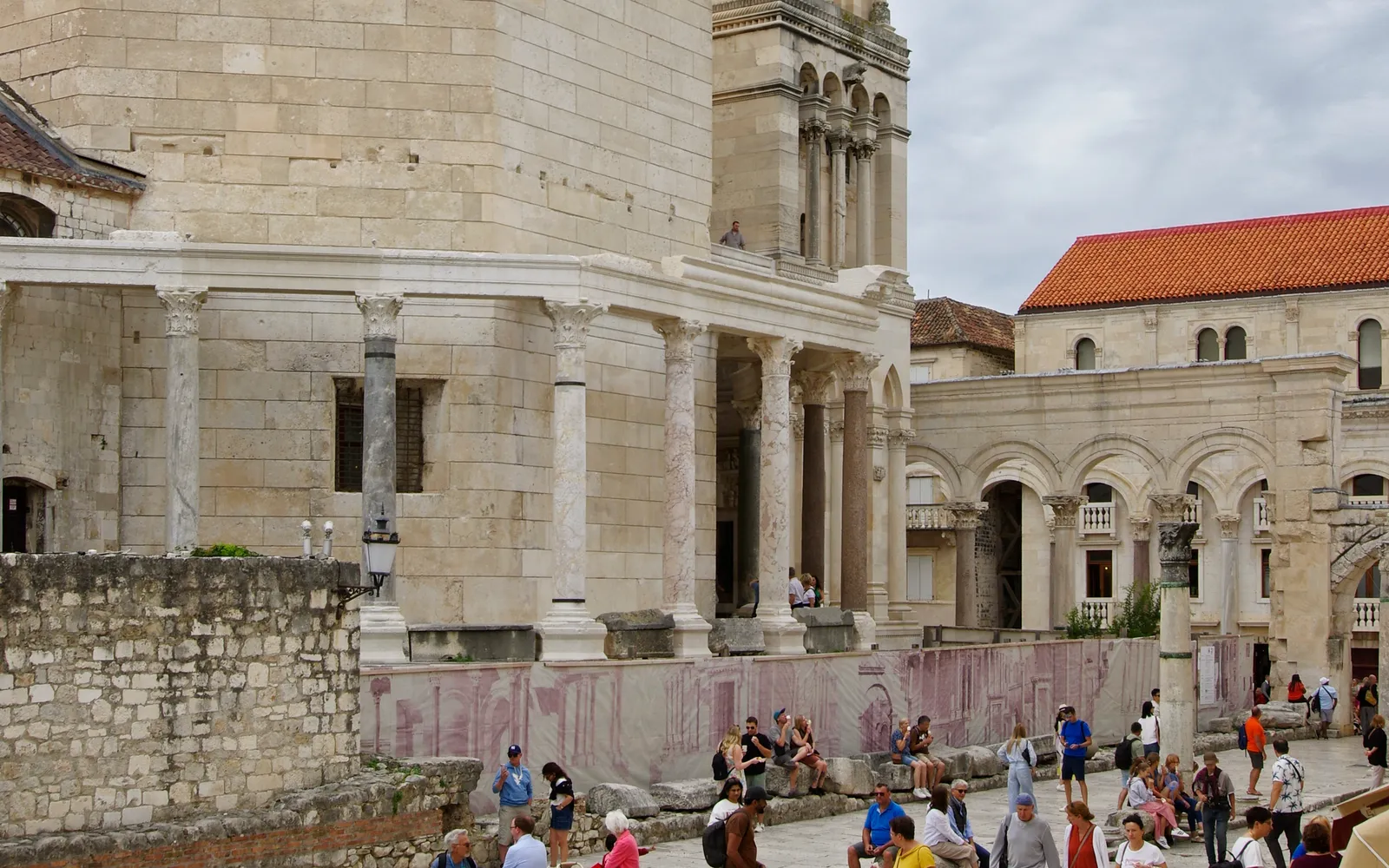
#2 Cathedral of Saint Domnius
This is the oldest cathedral in the world in continuous use — functioning since the 7th century. The historical irony is sharp: it was built directly on Emperor Diocletian's octagonal mausoleum, converting the tomb of a man who ordered the execution of Christians into a Christian church. Saint Domnius himself was one of those martyrs. Climb the bell tower for a full panorama of the old town and the Adriatic.
- A combined ticket covering the cathedral, bell tower, and crypt costs €15 — buy it at the desk outside.
- The bell tower climb is 206 steps with no handrail on parts of the ascent. If you have a fear of heights or tight spaces, consider that before committing.
- Sunday morning mass still takes place here every week. Arriving at the right time means hearing plainchant inside a structure that has been a place of worship for over 1,300 years — that is not replicable anywhere else.
 #3
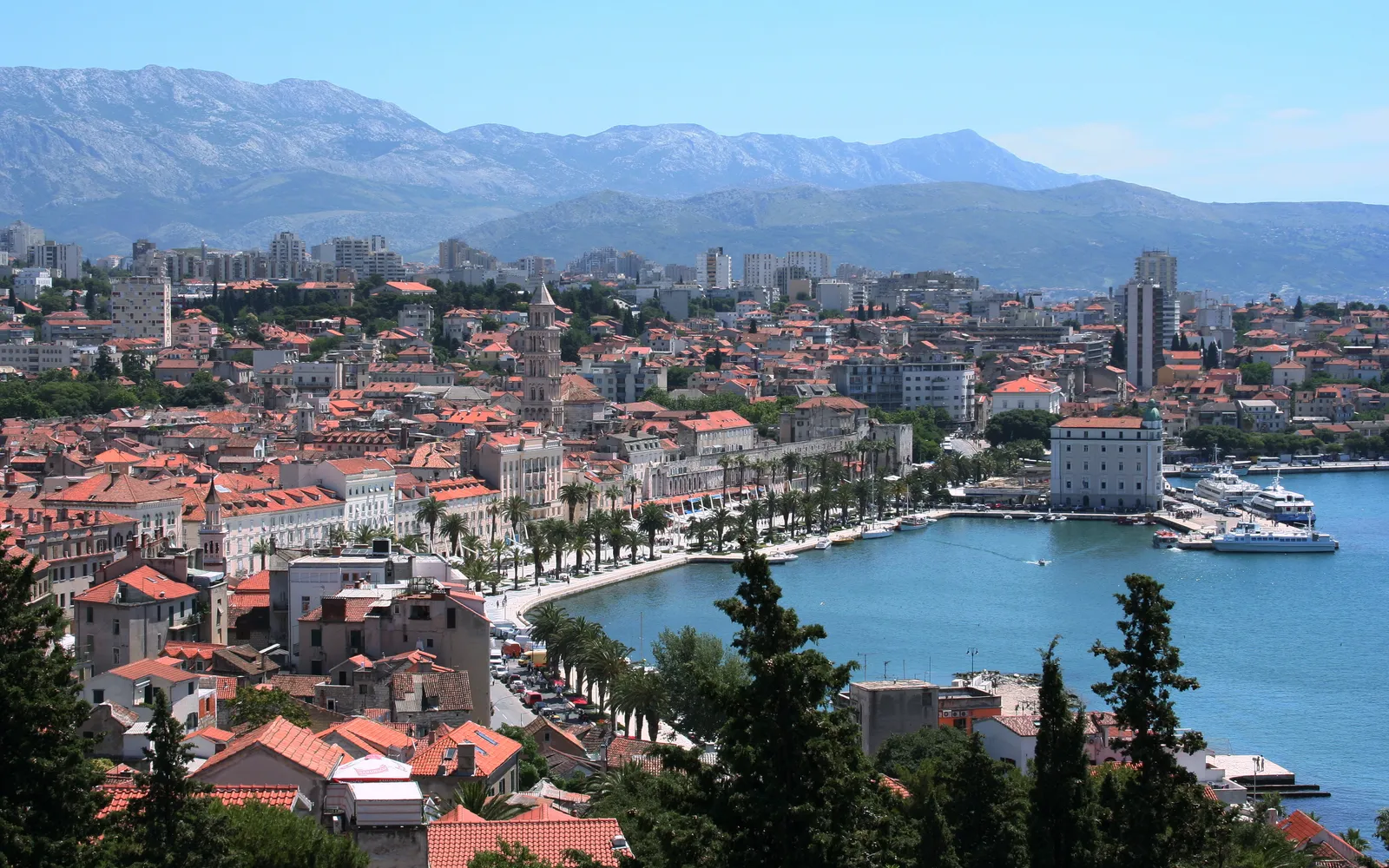
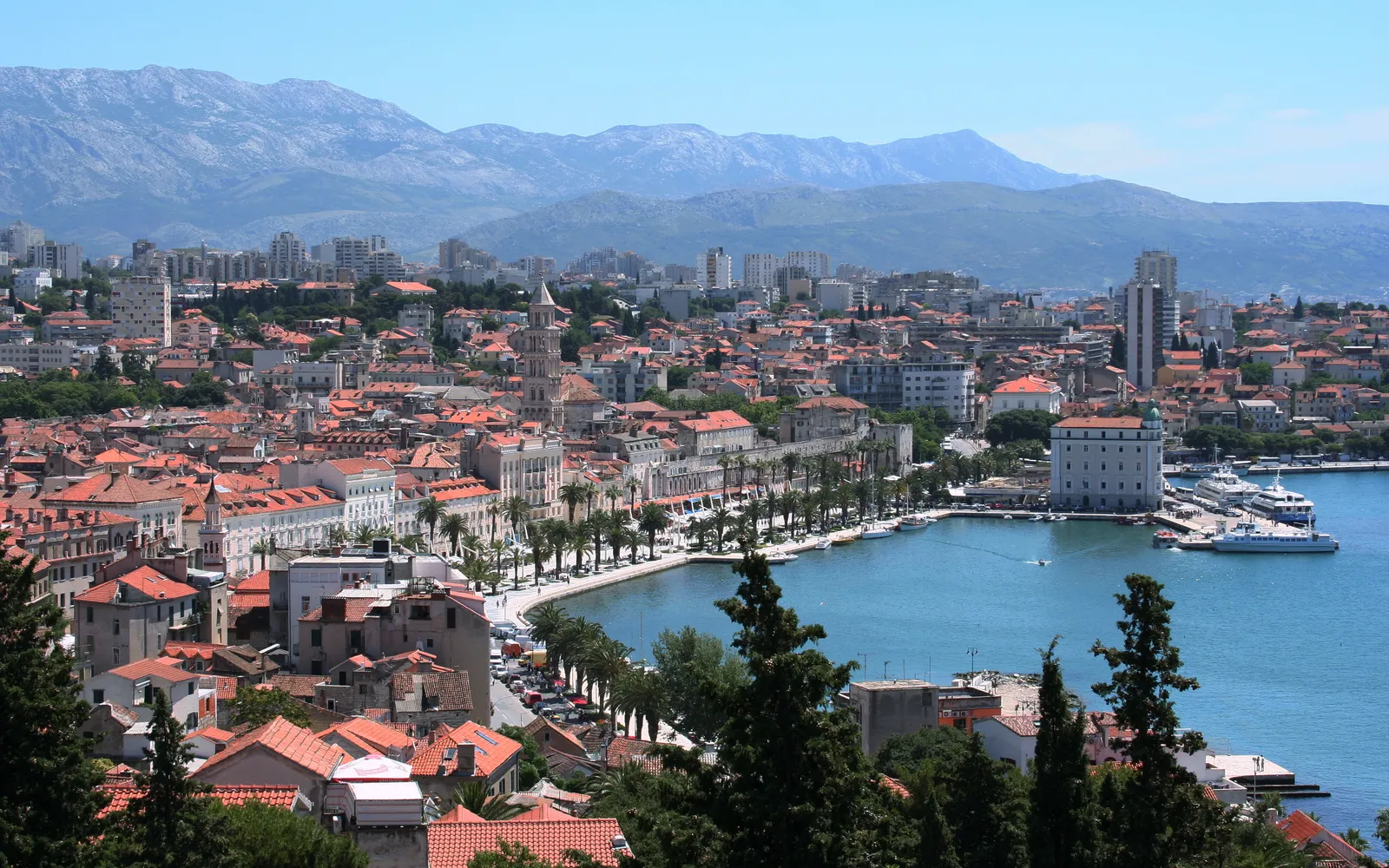
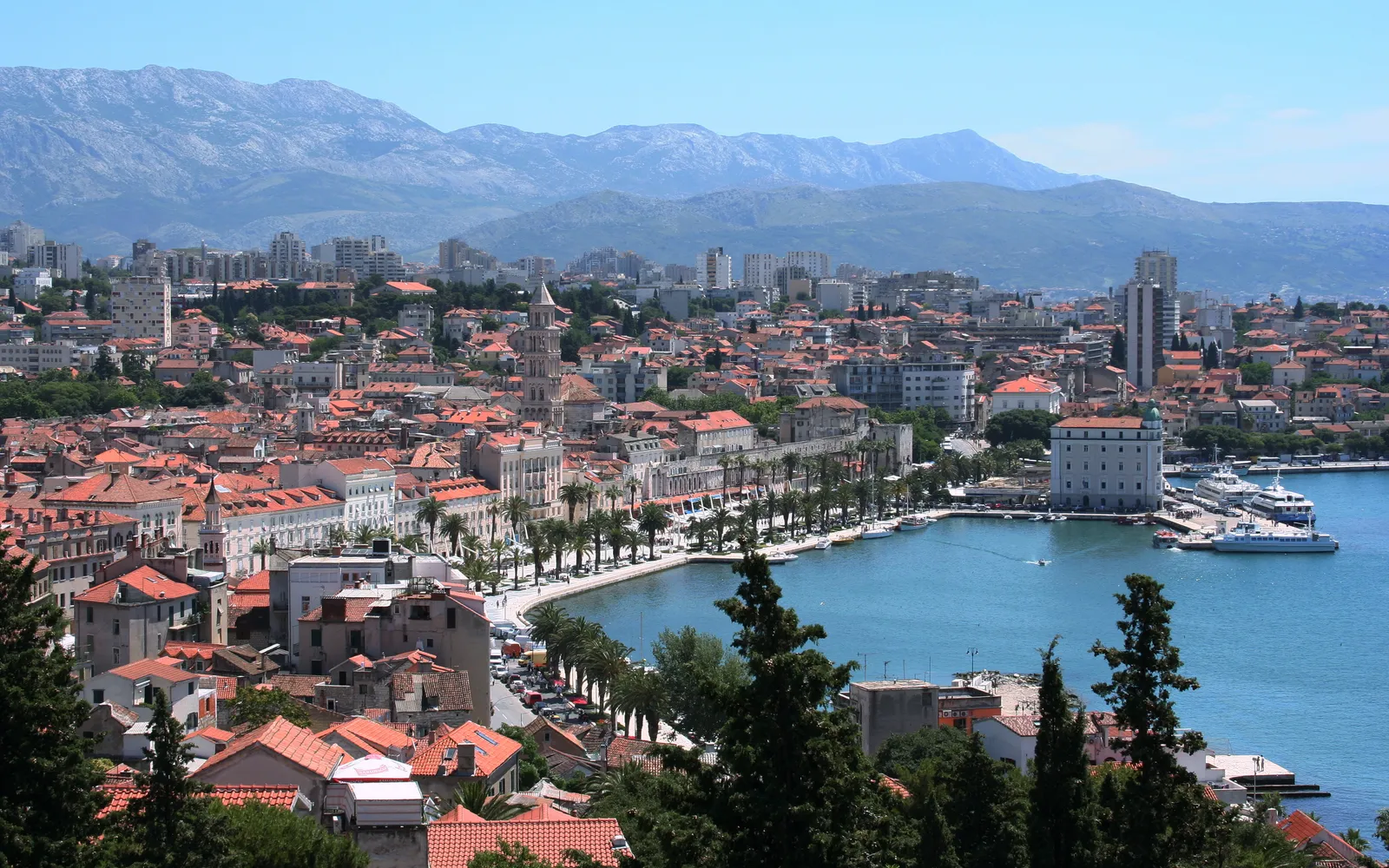
#3 Riva, Split
The Riva is a 500-metre pedestrian seafront running along the base of Diocletian's Palace walls — the social center of Split. Locals come for morning coffee facing the sea, evening strolls, and late-night catch-ups. From here you can see the island of Brač directly across the water, and the ferries to Croatia's islands depart from this exact pier. The promenade was redesigned in 2007 with a clean, modern look.
- Coffee on the Riva costs nearly twice as much as at a café inside the old-town alleys — the view and atmosphere justify an hour's sit, but for a quick stop, head one lane back.
- Between 7:00 and 9:00 PM Split's version of the evening Korzo walk takes over: the entire city seems to come out at once. It is unprompted, unhurried, and completely real.
- Ferry tickets to Brač or Hvar are sold right here at the Riva pier — boats run from early morning through the evening.
 #4
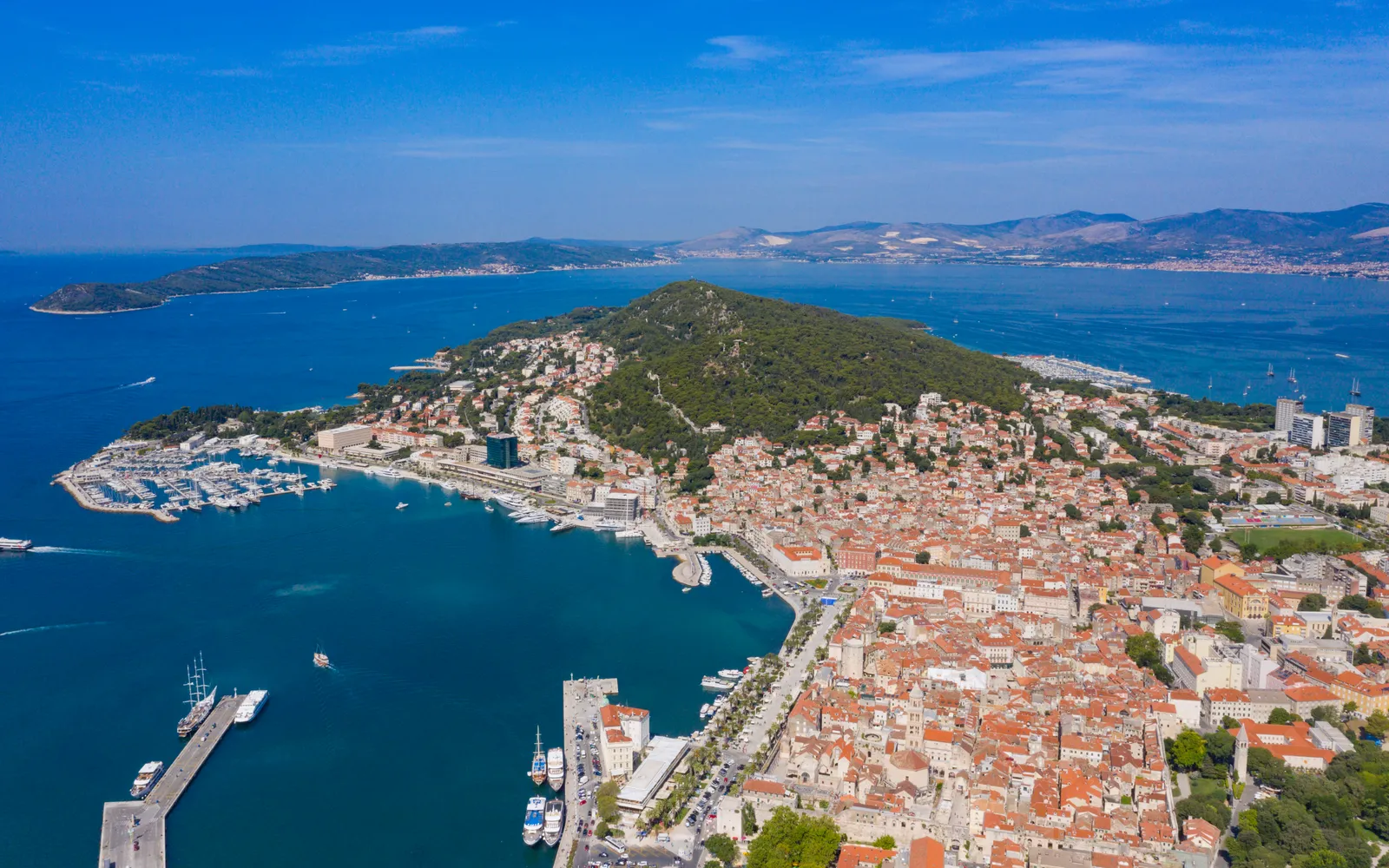
#4 Marjan, Split
Marjan is where Split locals actually go — daily, for running, cycling, and the kind of unhurried morning that the old town rarely offers. The hill is only 178 metres high but delivers a 360-degree panorama of Split, the Adriatic, and the islands scattered in the distance. Multiple walking trails range from easy to genuinely steep. Three small chapels sit near the summit, and the viewpoints up top are the best in the city.
- The main trail starts from Šperun Street in the Veli Varoš neighborhood — figure 30 to 40 minutes to the top on foot.
- Go early morning before the heat builds. There is a café on the hill where you can sit before heading back down, and you will almost certainly have it to yourself.
- The southwestern side of the hill has small coves where locals swim — a useful escape when the main beaches get crowded in summer.
 #5
#5 Veli Varoš and Marmontova Street
Veli Varoš is where Split residents lived long before the palace became a tourist draw. Stone houses rise three and four storeys over lanes so narrow that two people sometimes have to step aside to pass each other. The atmosphere is genuinely quiet in contrast to the palace's foot traffic. Marmontova Street runs parallel — Split's main shopping and strolling street, connecting the old town to the modern districts, lined with Croatian brands and restaurants that are noticeably better value than anything inside the palace walls.
- Wander Veli Varoš without a map. Getting slightly lost is the point — small cafés and sea-view terraces that never appear in travel guides turn up this way.
- Restaurants in this neighborhood run 20–30% cheaper than the equivalent inside the palace, and the food is not a step down.
- Marmontova has several Croatian design shops and art galleries. Souvenirs here are meaningfully better quality than what you will find in the tourist-market stalls.
 #6
#6 Prokurative Square and People's Square (Narodni trg)
Two adjoining squares that form the public heart of Split outside the palace. Prokurative — formally Trg Republike — was built in Austro-Hungarian style with a three-sided arcade; it hosts open-air concerts and public events throughout the year. Narodni trg next door is the medieval square of the city, with an antique clock and a Gothic building that dates to the 1400s. Both squares are where locals gravitate, not just travelers.
- From July through August, Prokurative hosts free or very cheap open-air concerts almost every night. Check the schedule on notice boards at the square or the city website.
- The ice-cream shops around Narodni trg are very good and noticeably cheaper than anything inside the palace walls — worth a stop every time you pass.
- The antique clock on the City Loggia in Narodni trg has only one hand. That is the original mechanism, dated to 1443.
Where to stay in Split for this trip
A well-located hotel means less commuting and more sightseeing. Here are real, top-rated stays in Split — compare Agoda · Booking · Trip.com in one click.
Piazza Heritage Hotel
Affiliate links — we may earn a commission at no extra cost to you. Details
PLR Peristyle Luxury Rooms
Affiliate links — we may earn a commission at no extra cost to you. Details
Villa Split Heritage Hotel
Affiliate links — we may earn a commission at no extra cost to you. Details
Heritage Hotel 19
Affiliate links — we may earn a commission at no extra cost to you. Details
Tours, tickets & activities in Split
Day tours, attraction tickets and travel essentials for Split — book ahead on Klook with mobile e-tickets.
Affiliate links — we may earn a commission at no extra cost to you.
Before You Pack
Split is at its best in May–June and September–October — before and after peak season, when hotel rates are reasonable, the streets have room to breathe, and the Adriatic is still warm enough to swim. July and August are crowded and hot, though the evening atmosphere along the seafront remains genuinely good. Plan 3–4 days to cover the city and get out to at least one island.