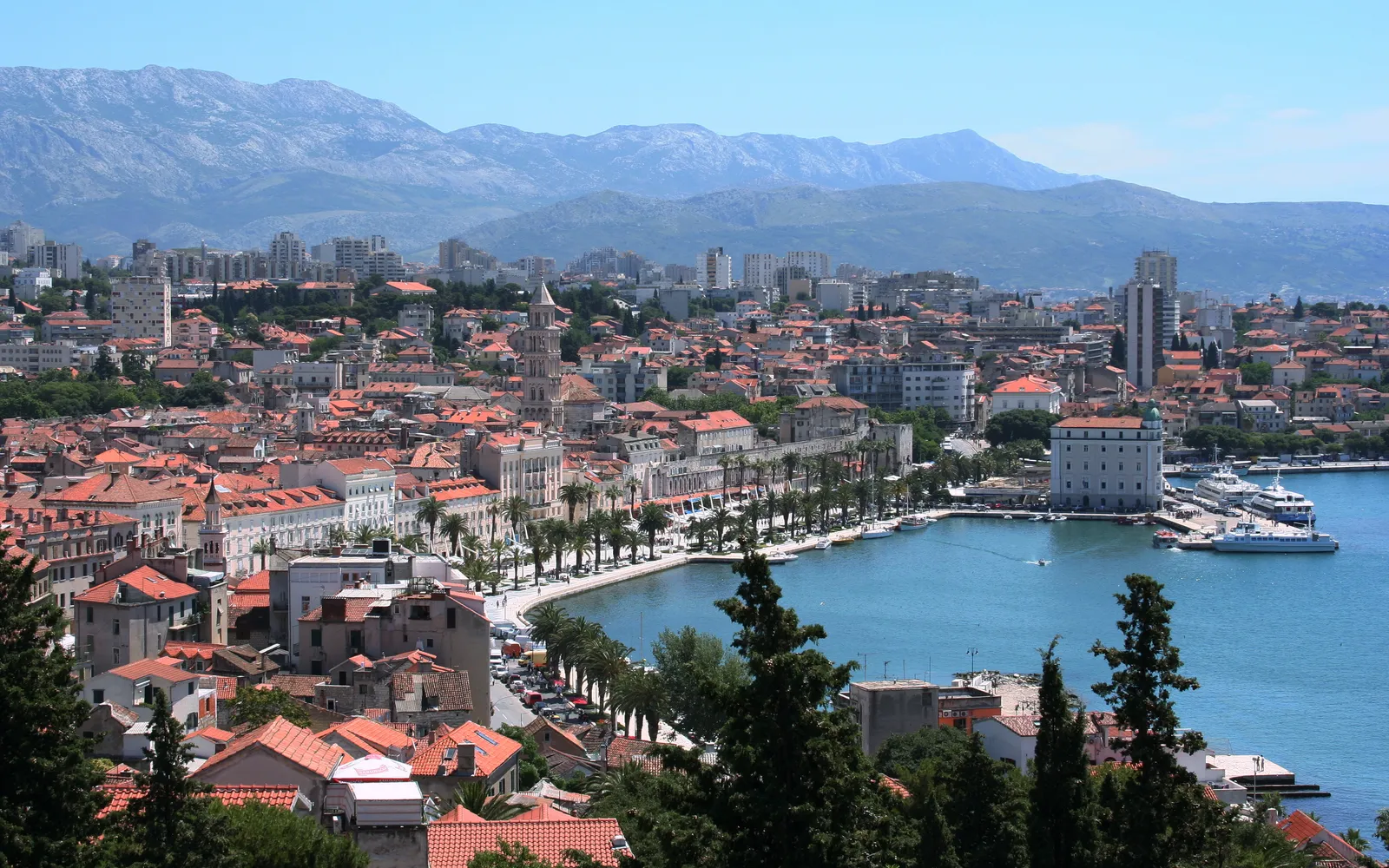
Dalmatian food in Split is simple but serious. Fresh fish from the Adriatic, Croatian wine, and Dalmatian olive oil are the three pillars that make every meal complete without needing complicated seasoning. The flavors are clean, direct, and satisfying in the way that genuine Mediterranean cooking delivers — no fine-dining setup required. An outdoor table by the water and a plate of fish just off the grill at the right temperature is the best meal Split has to offer.
 #1
#1 Black Risotto
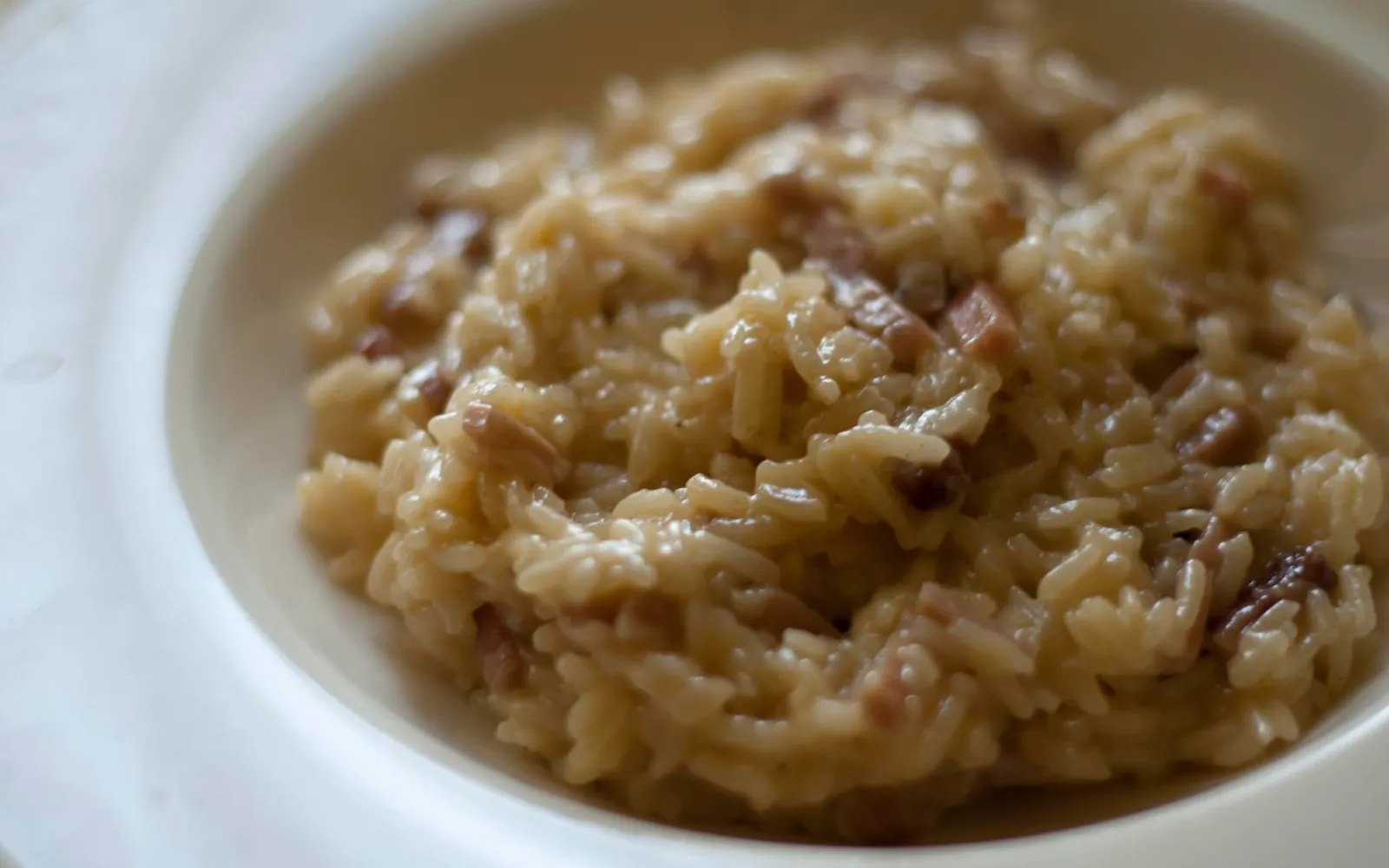
The signature dish of Dalmatia, available at every seafood restaurant in Split. It is made from arborio or short-grain Croatian rice cooked with fresh squid from the Adriatic — the deep black color comes from the ink released during cooking. The flavor is mildly briny, with notes of garlic and white wine; the texture is creamy-soft rice against springy squid. It pairs best with a glass of Dalmatian white wine.
- Order the Crni Rižoto plain, without special sauces — fresh Dalmatian squid is good enough to stand on its own.
- Expect to pay €15–25 per plate. If a restaurant prices it under €12, ask whether they use fresh or frozen squid.
- White wines Grk or Pošip from Croatian islands pair better with this dish than imported wines.
 #2
#2 Pašticada
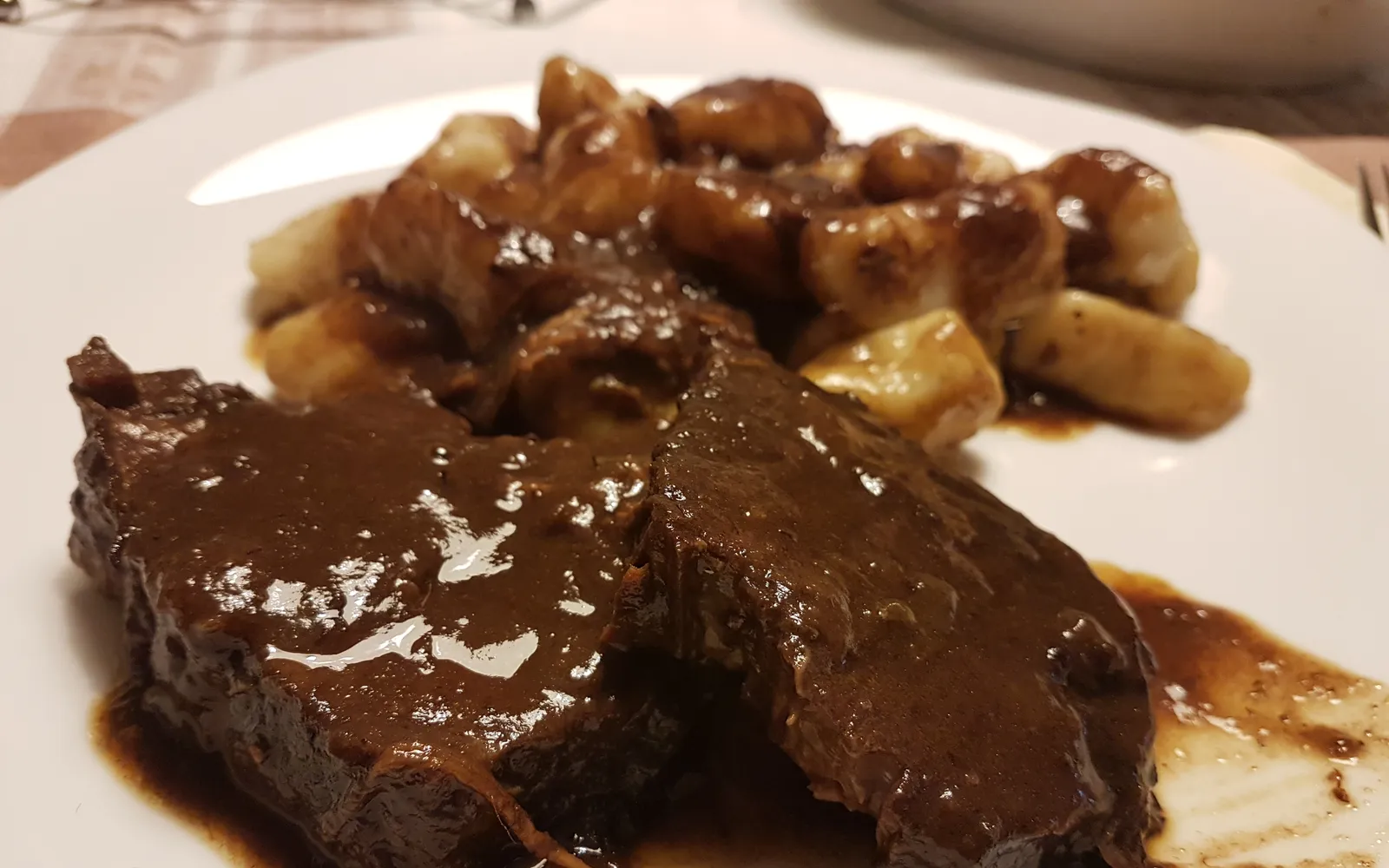
The celebratory dish of Dalmatia, served at weddings and festivals for centuries. The beef is marinated in red wine, vinegar, and spices for hours before being slow-braised with onions, root vegetables, dried figs, and — in some recipes — prunes or plum juice. The result is a sweet-sour depth of flavor with meltingly tender meat, served over homemade gnocchi or njoki. Which restaurants take their pašticada seriously is easy to tell: it is the dish that gives them away.
- Ask before ordering how long the meat was marinated. A good kitchen marinates for at least 24 hours; rushed versions taste noticeably different.
- Croatian red wine Plavac Mali from Hvar or Brač island makes the flavors stand out even more.
- Many traditional restaurants only make pašticada Friday through Sunday — call ahead to confirm.
 #3
#3 Grilled Adriatic Fish
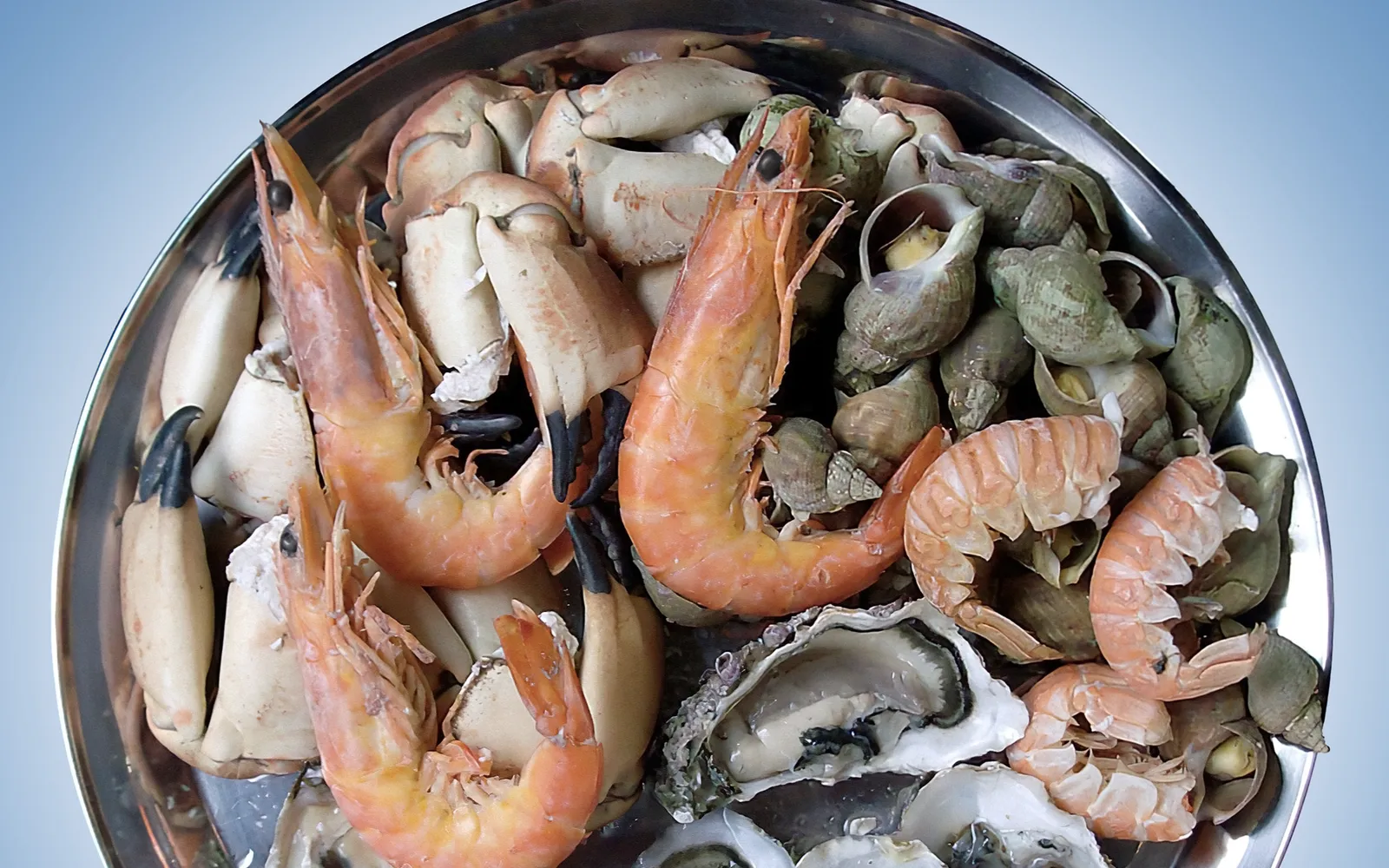
The simplest dish on the list — and the one that shows off the Adriatic most honestly. Dorade (Orada), sea bass, or yellowtail caught by local fishermen that morning, grilled over natural charcoal, finished with Dalmatian olive oil and garlic. Served with blitva — a chard-like green sautéed with garlic — plus boiled potato. The flavor is clean, carries a salt-air quality, and makes clear that the ingredient itself is the point.
- Ask where the fish came from and when it was caught. A good restaurant answers immediately. True Adriatic fish costs more than farmed or imported varieties.
- Quality fish is sold by weight at €40–80 per kilogram. Order a 400–500 g fish per person and watch it get weighed before it goes on the grill.
- Split's Fish Market (Ribarnica) behind Prokurative Square opens every morning — check what's fresh that day, then pick a nearby restaurant that sources from the same market.
 #4
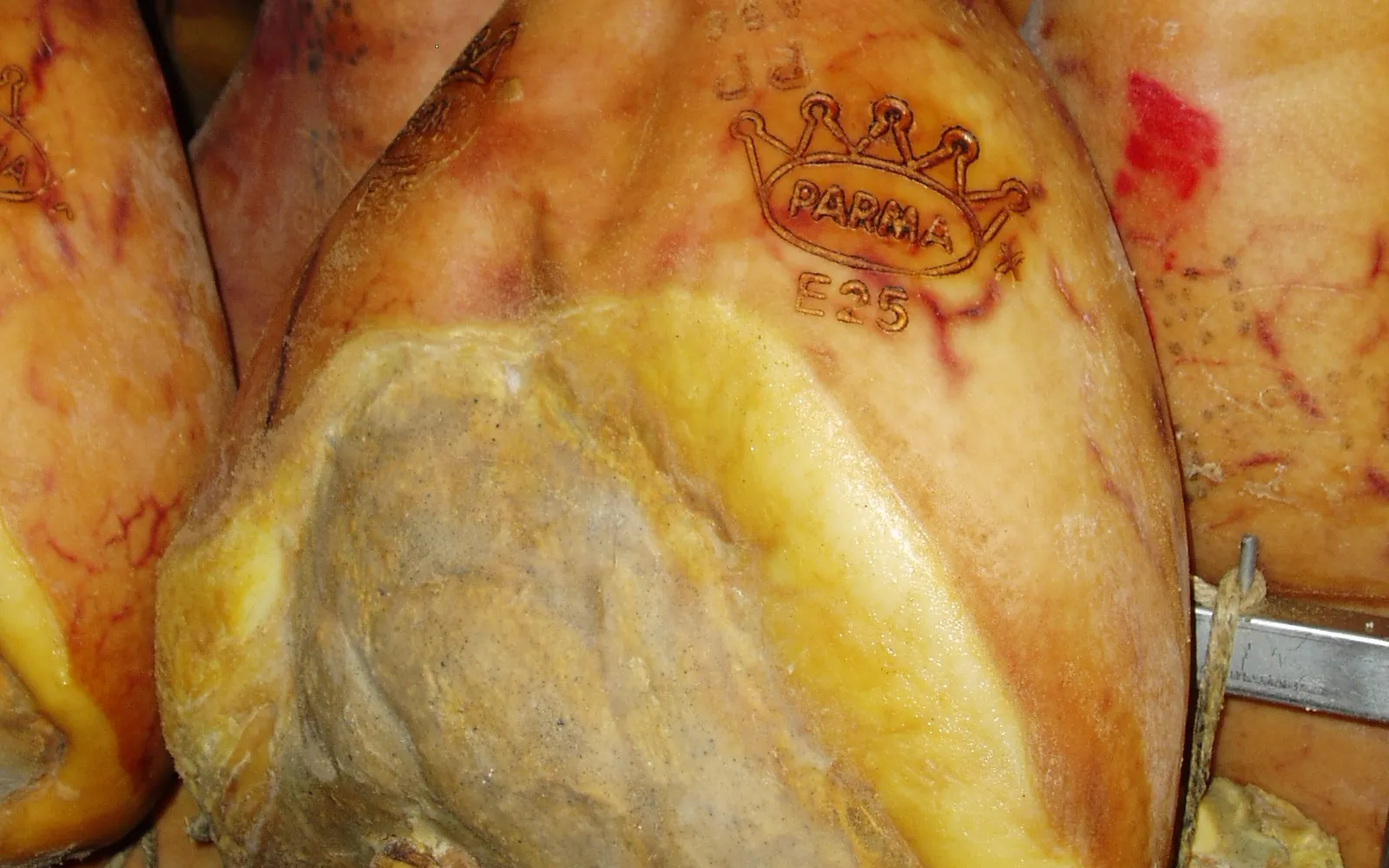
#4 Dalmatian Pršut
Salt-cured and air-dried ham from the Dalmatian hills — similar to Italian prosciutto but with a character all its own. The bora wind (Bora), the strong cold blast off the Dinaric Alps, is the secret ingredient that no other region can replicate. The texture is firmer than Italian ham, with a faint smokiness in some recipes that include light smoking. Eat it with white salty Pag cheese and black olives as a light starter or as an afternoon snack with a cold glass of white wine.
- Buy pršut from local vendors at Pazar Market or a delicatessen in the old town — cheaper and fresher than tourist-facing shops.
- Pair it with Paški Sir cheese from Pag island — this is the classic Dalmatian combination and they genuinely belong together.
- It travels well: ask for vacuum-packing. Dalmatian pršut is a more meaningful thing to bring home than a fridge magnet.
 #5
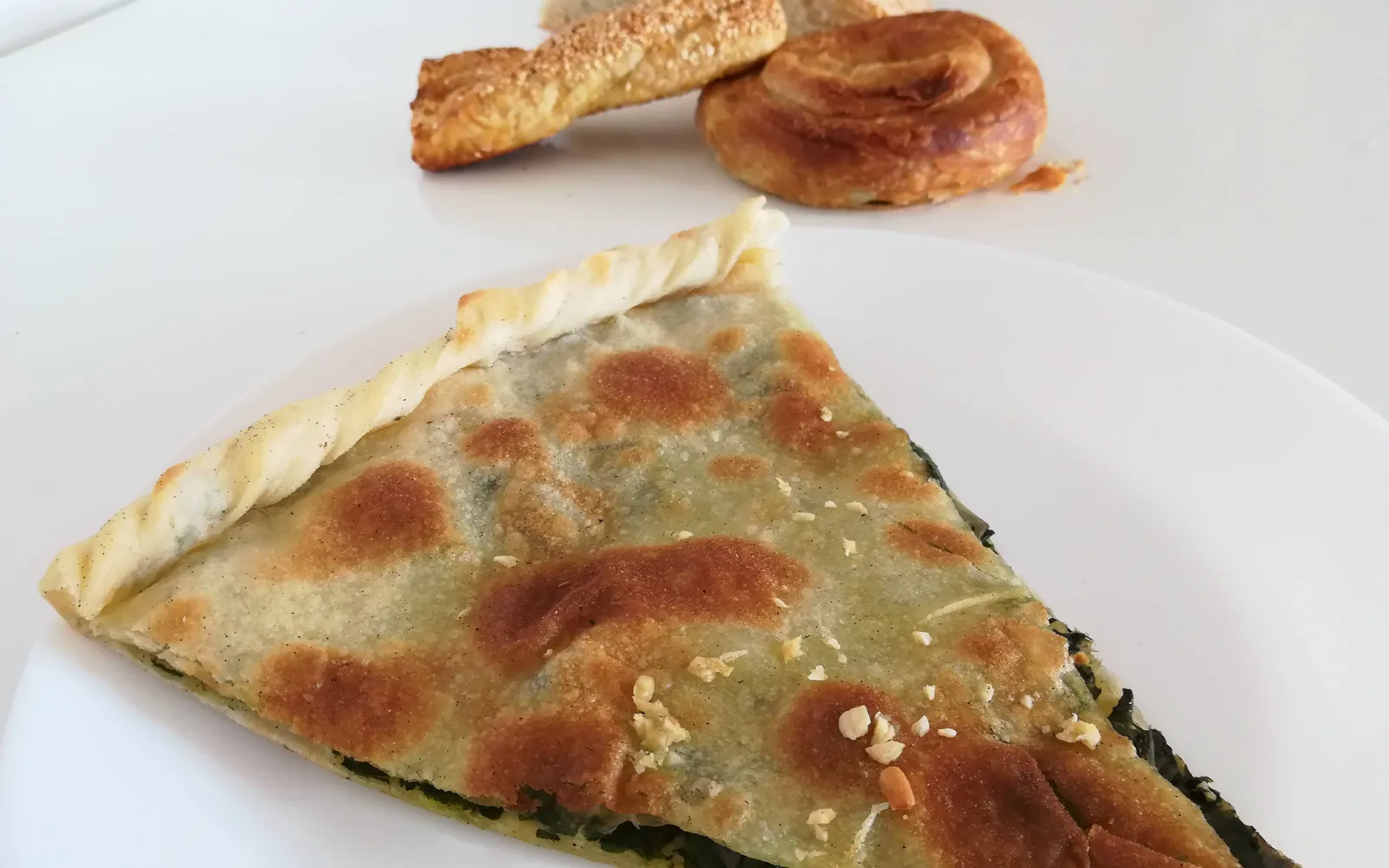
#5 Soparnik
A thin Dalmatian flatbread registered as Croatian cultural heritage. Two layers of thin dough wrap a filling of fresh chard or beet leaves with garlic and olive oil, then baked on stone or ash in the traditional way. Once out of the oven, it gets another pour of fresh olive oil and a scatter of chopped garlic. The flavor is fresh-green, mildly salty, and warming — a cheap everyday snack that Dalmatians ate for centuries during the pre-Christmas fasting period. Today it is available year-round.
- Find fresh soparnik at Dalmatian bakeries in the morning and eat it hot — once it cools the flavor drops off noticeably.
- It costs €2–4 per piece, making it the best-value snack in Split. Nothing quite like it exists outside Dalmatia.
- Ask the owner to explain the family recipe — every soparnik differs slightly in the ratio of chard to garlic.
 #6
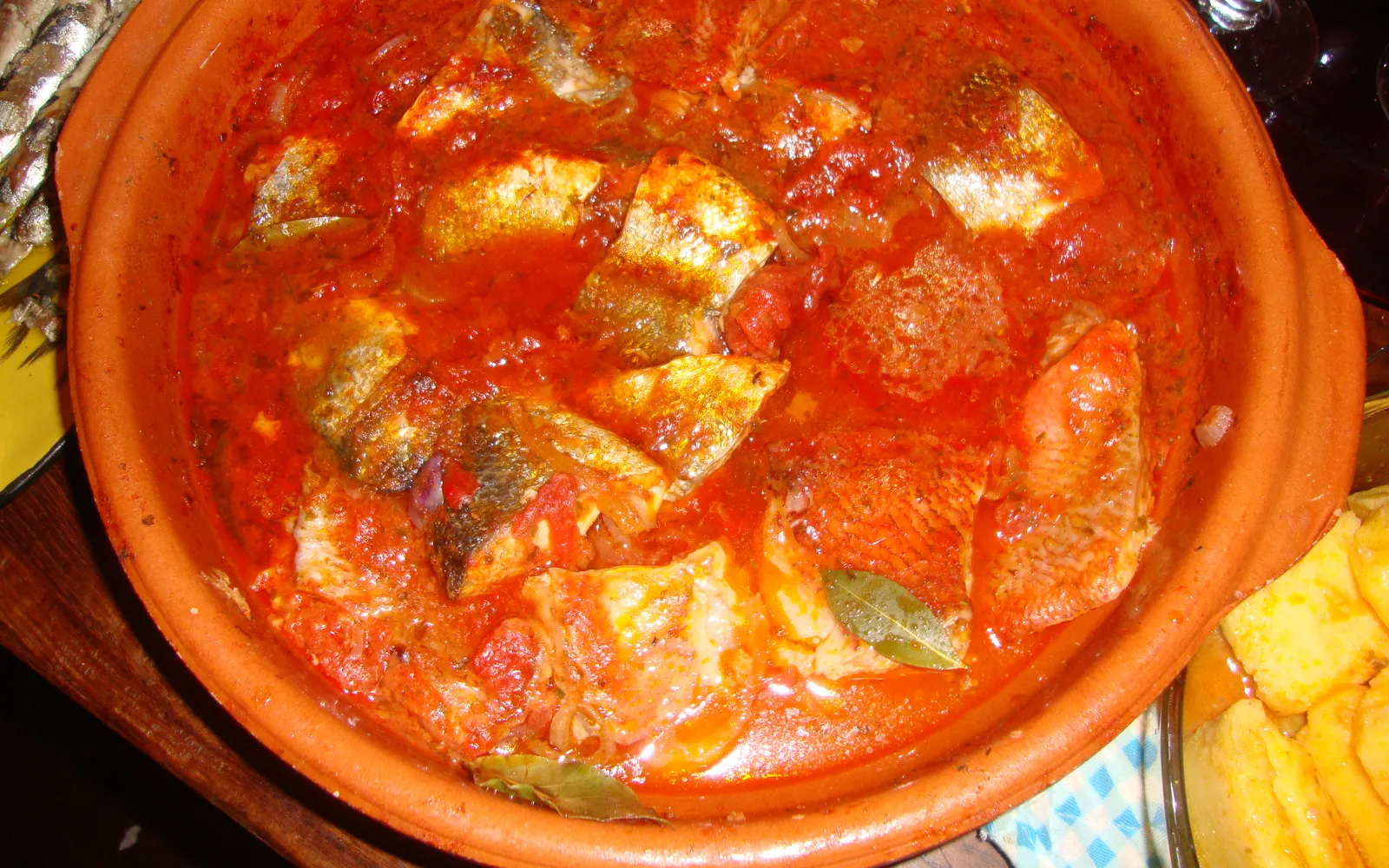
#6 Brudet
A fisherman's stew that Dalmatian sailors have cooked at sea since the Middle Ages. It uses multiple types of fish together — Adriatic rock fish, squid, prawns, or whatever was pulled in that day — slow-simmered with tomato, garlic, white or red wine, and Mediterranean herbs. The sauce is thick with a mild acidity. Served with polenta (dense cornmeal porridge) instead of bread — the mix of fish in one pot is what sets brudet apart from French bouillabaisse.
- Ask whether the fish is fresh or frozen. A proper brudet shows bones from multiple fish species in the pot. A restaurant using a single block of fish may be working with pre-frozen fillet.
- Eat it with polenta the traditional way — do not substitute bread. The cornmeal absorbs the sauce far better.
- Some konoba taverns only make brudet when the morning market has the right ingredients — call ahead if you want to be sure.
Where to stay in Split for this trip
A well-located hotel means less commuting and more sightseeing. Here are real, top-rated stays in Split — compare Agoda · Booking · Trip.com in one click.
Piazza Heritage Hotel
Affiliate links — we may earn a commission at no extra cost to you. Details
PLR Peristyle Luxury Rooms
Affiliate links — we may earn a commission at no extra cost to you. Details
Villa Split Heritage Hotel
Affiliate links — we may earn a commission at no extra cost to you. Details
Heritage Hotel 19
Affiliate links — we may earn a commission at no extra cost to you. Details
Tours, tickets & activities in Split
Day tours, attraction tickets and travel essentials for Split — book ahead on Klook with mobile e-tickets.
Affiliate links — we may earn a commission at no extra cost to you.
Before You Pack
The best food in Split comes from restaurants with short menus that change with the season and local regulars at the tables. If a place has an eight-language menu with photos of every dish, keep walking. Saturday morning at Pazar Market is the clearest window into what people in Split actually eat and buy.