
Sokcho's food scene is unlike anywhere else in Korea — a port city whose fishing heritage fuses with North Korean culinary traditions brought south by refugees after the war. Abai Sundae (squid-cased blood sausage from Hamgyong Province) and the ice-cold raw-fish soup mulhoe are the two signatures every serious eater should try at least once. Sokcho Central Market and Daepohang Harbour are the two anchors; between them they cover nearly every local dish worth knowing.
 #1
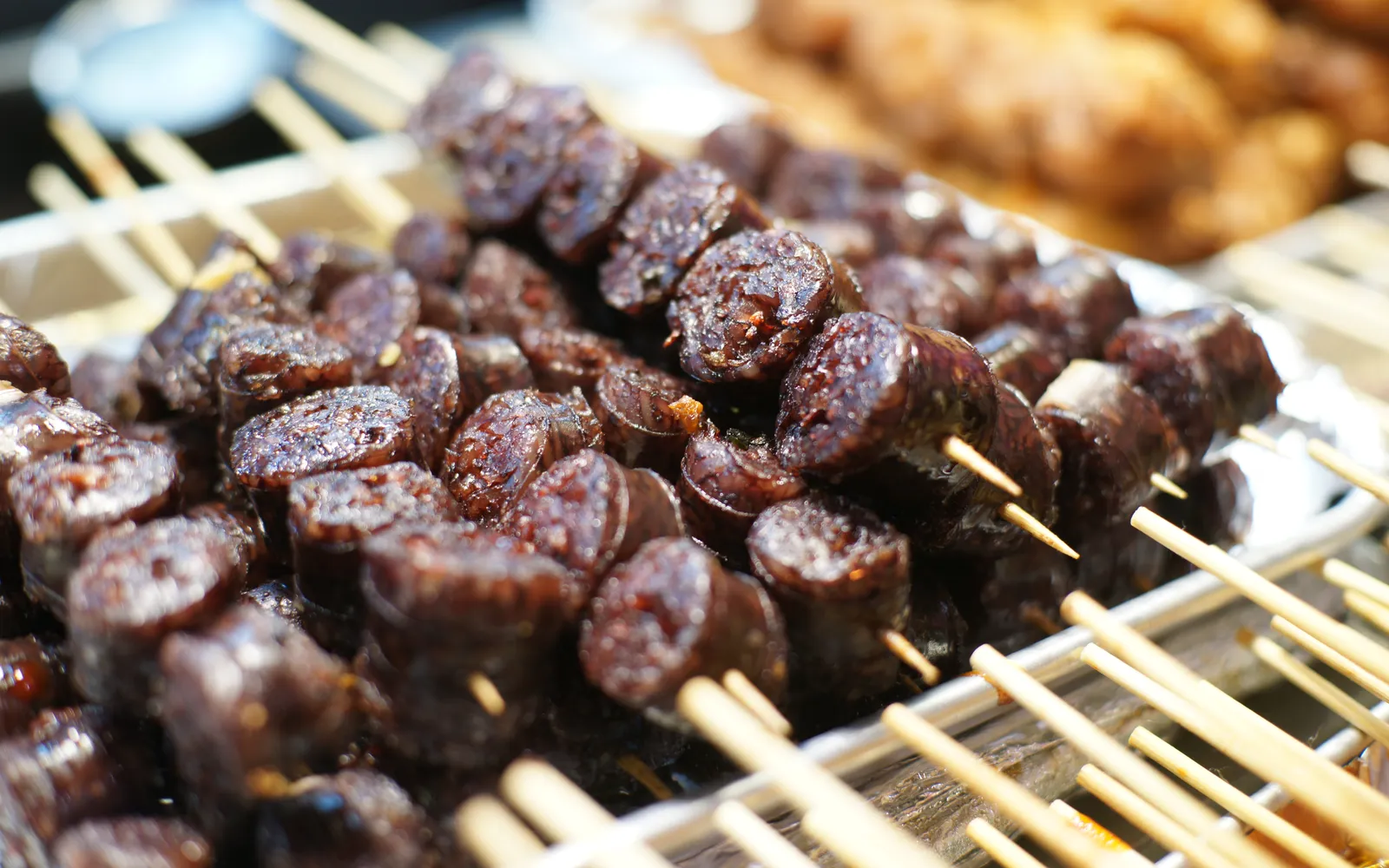
#1 Abai Sundae
Sundae in the Hamgyong style, brought to Sokcho by North Korean refugees after the war. What sets it apart from standard Korean sundae is the casing: instead of pork intestine, the filling is packed inside a whole squid. Inside you'll find glass noodles, tofu, stir-fried vegetables and steamed greens — richer and more complex than the Seoul version. Dip it in spicy gochujang sauce. The shops in Abai Village are the originals, and they still follow the closest thing to the founding recipe.
- The most-cited shop is Abai Sundae in Abai Village itself — signage is in Korean only, so ask your hotel to write the name for you.
- Pair it with a hot pork-bone soup for a well-balanced meal.
- Expect to pay around 8,000–12,000 won per plate — very reasonable for the portion size.
 #2
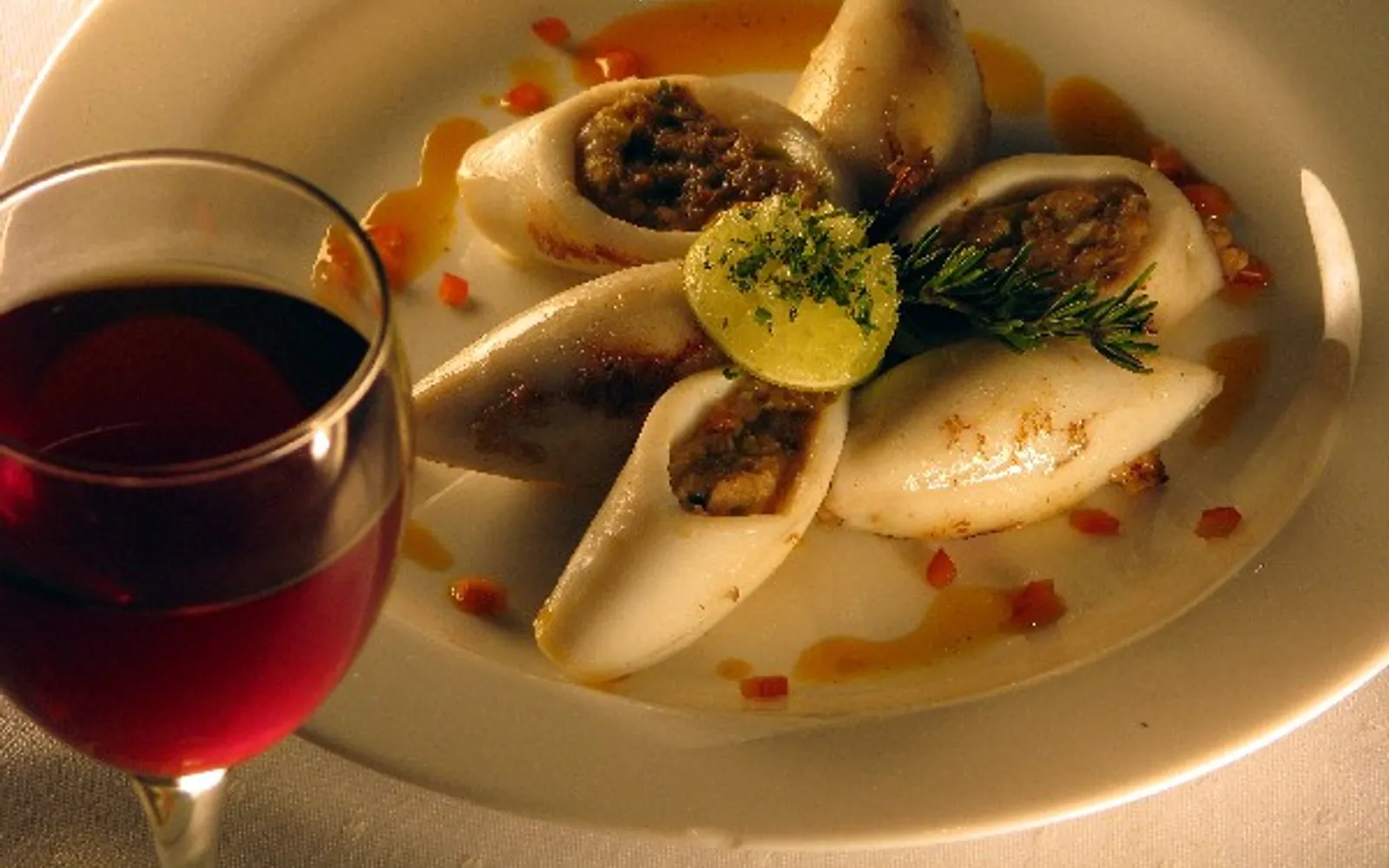
#2 Ojingeo Sundae
Sokcho's most recognisable dish: fresh squid stuffed with seasoned rice and vegetables, steamed, then cut into thick rounds. A popular newer variation tops the rounds with crispy nurungji (scorched rice) for an added crunch. Sokcho Central Market has multiple stalls, each with a slightly different recipe — worth trying more than one.
- Choose the larger, thicker squid for the best bite.
- Eat it immediately after steaming — the texture is at its peak while still hot.
- Some stalls offer a spicy and a mild version; ask before you order.
 #3
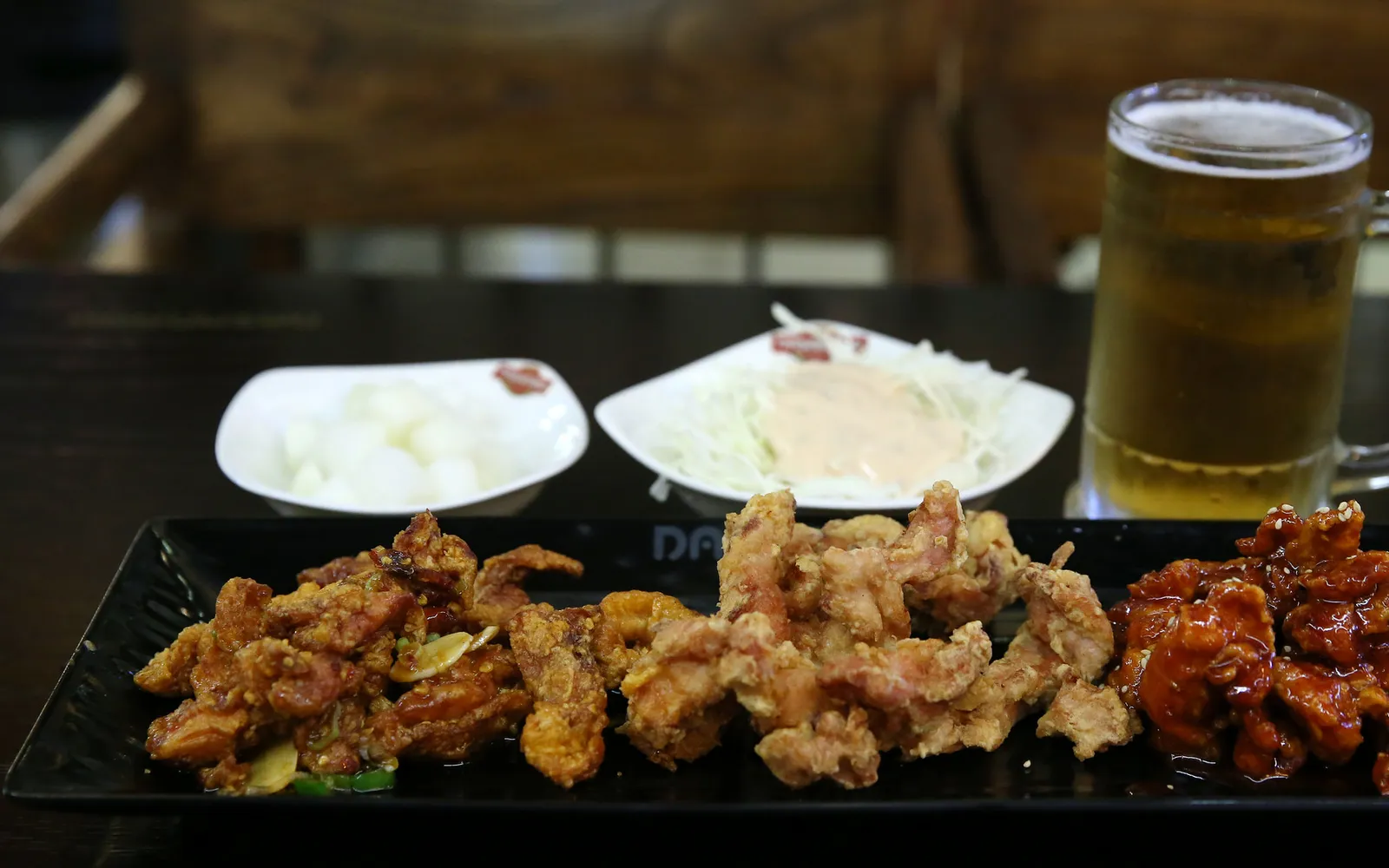
#3 Dak-gangjeong
Crispy fried chicken glazed in a sweet-sour-spicy Gangwon-province sauce, famous for staying crunchy even after it cools. The region's large poultry farms drove the development of a distinct local recipe. Mansuk Dakgangjeong (만석닭강정), operating since 1983, is considered the original in the market. On holidays it sells out fast — arrive before noon to be safe. The row of chicken shops inside the market is known as Chicken Alley.
- Mansuk (만석) is the founding shop, but the stalls next door are genuinely competitive — try both if you can.
- It travels well; buy a bag to take back to your hotel and it will still be crispy.
- Prices run around 8,000–15,000 won per bag depending on the size.
 #4
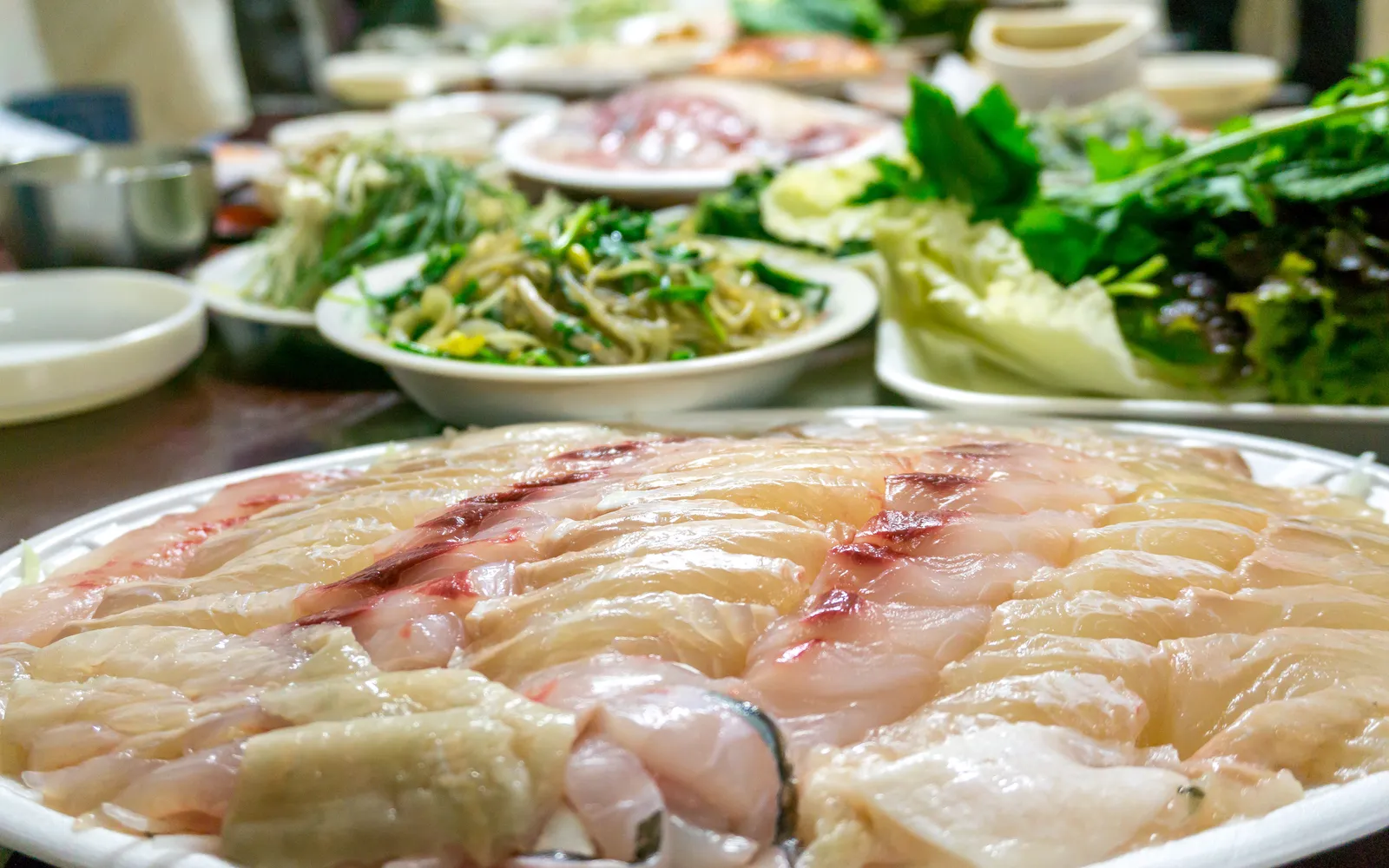
#4 Mulhoe
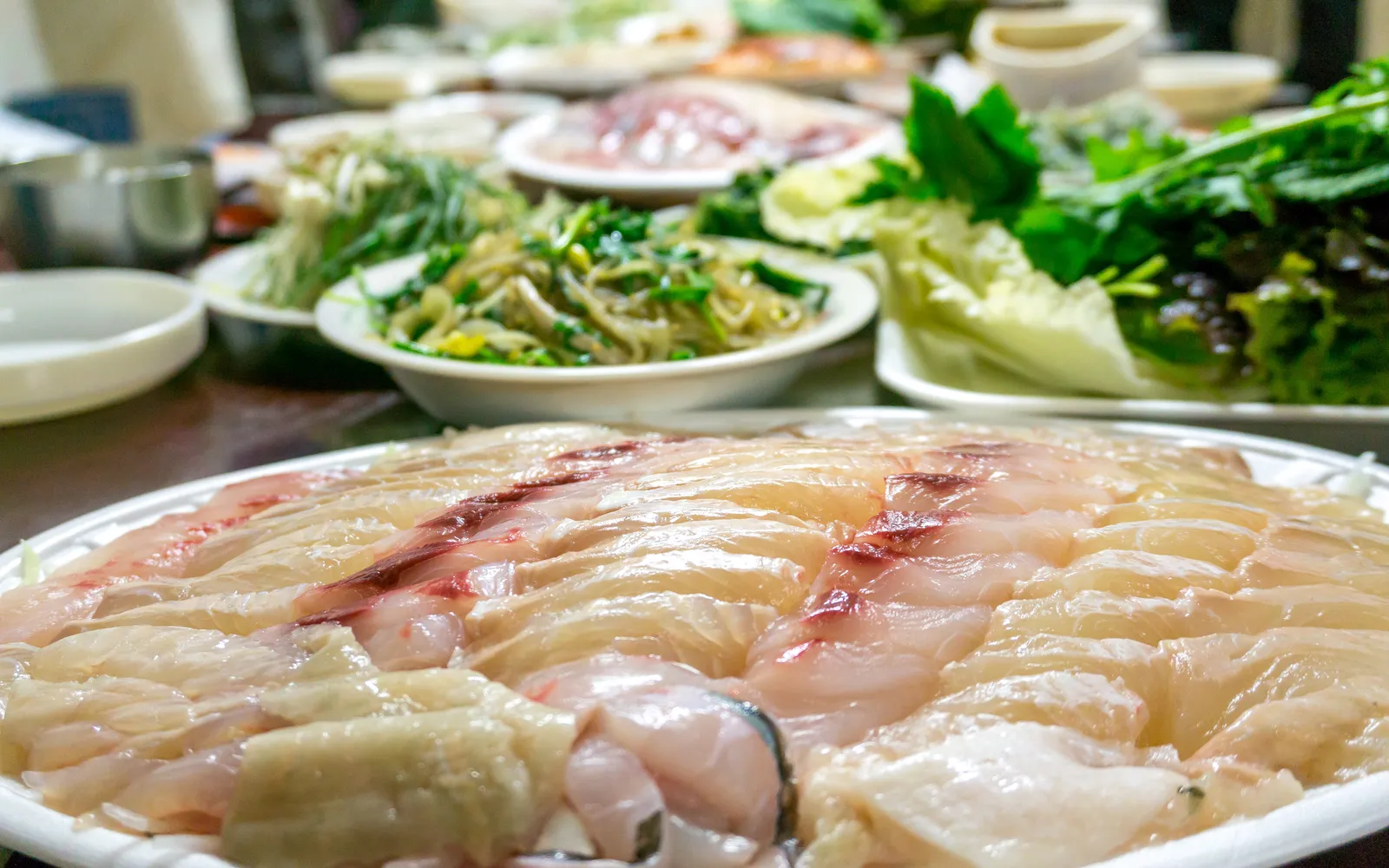
Sokcho's iconic summer dish: thinly sliced fresh raw fish served in a large bowl of red broth — sweet, sour and spicy at once — poured over ice. You eat it with cold noodles mixed in. The result is layered and surprisingly refreshing. Cheongchosu Mulhoe, which claims to be the first mulhoe restaurant in Korea, draws the longest queues.
- This is one of Korea's best summer dishes — ideal on a hot day after walking the beach.
- Spice level is adjustable; ask for mild if you're sensitive to heat.
- Try it before or after a walk along the coast for the full experience.
 #5
#5 Daepohang Fresh Seafood
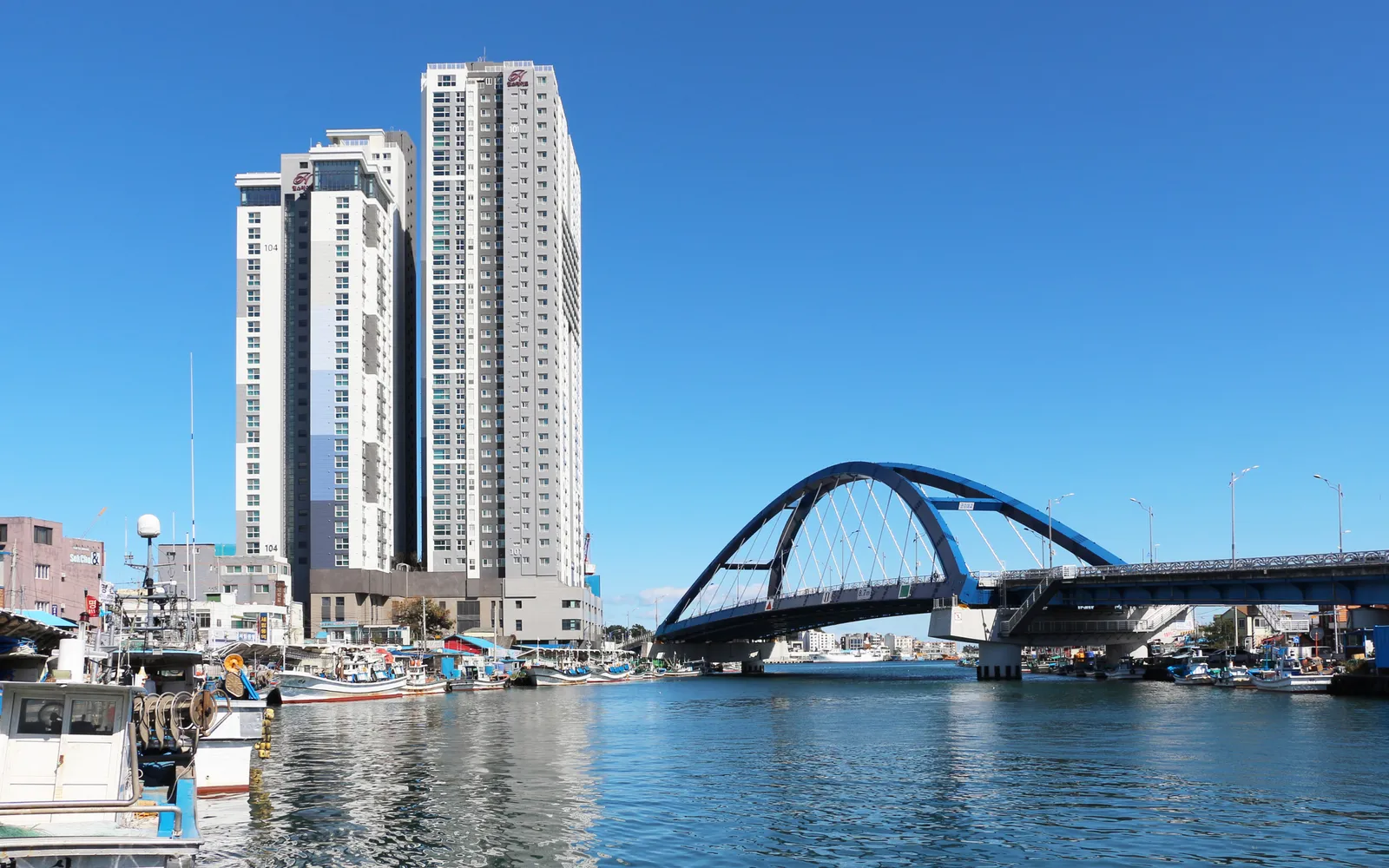
Daepohang Harbour is known for lobster and king crab — sweet, firm, pulled straight from the East Sea. Travelers can pick live seafood from market stalls and have it cooked on the spot: steamed, made into broth, grilled, or eaten raw as hoe. King crab tempura — deep-fried and golden — is another local speciality worth ordering. The whole experience has the energy of a real working fishing port.
- Prices come down if you negotiate and buy in larger quantity.
- Ask the vendor which fish or seafood arrived fresh that morning.
- Watch out for stalls that weigh the ice along with the seafood — clarify before you agree to a price.
 #6
#6 Ojingeo Hoe
Sokcho has a particular reputation for raw squid — the East Sea variety is notably sweeter and more tender than squid caught elsewhere. Eat it dipped in gochujang sauce (sour and spicy), or order it tossed in spicy sauce as ojingeo hoe muchim. Some restaurants serve it whole-steamed as tongjjim, which gives a deeper, more concentrated flavour. You'll find it at virtually every stall in the Central Market and at Daepohang.
- Check the squid before you order: fresh squid is translucent, the eyes are clear, and there is no odour.
- Gochujang dipping sauce comes in several heat levels — ask first.
- Pair it with soju or makgeolli in the classic Korean style.
Where to stay in Sokcho for this trip
A well-located hotel means less commuting and more sightseeing. Here are real, top-rated stays in Sokcho — compare Agoda · Booking · Trip.com in one click.
Lotte Resort Sokcho
Affiliate links — we may earn a commission at no extra cost to you. Details
Kensington Hotel Seorak
Affiliate links — we may earn a commission at no extra cost to you. Details
Hotel The Class 300 Sokcho
Affiliate links — we may earn a commission at no extra cost to you. Details
Hanwha Resort Sorak Sorano
Affiliate links — we may earn a commission at no extra cost to you. Details
Tours, tickets & activities in Sokcho
Day tours, attraction tickets and travel essentials for Sokcho — book ahead on Klook with mobile e-tickets.
Affiliate links — we may earn a commission at no extra cost to you.
Before You Pack
Sokcho's food is fresh and considerably cheaper than Seoul. A single pass through the Central Market or a morning at the harbour covers almost every local dish worth trying. Plan a breakfast at the fresh market and an evening meal by the sea — those two meals alone make the trip worthwhile.