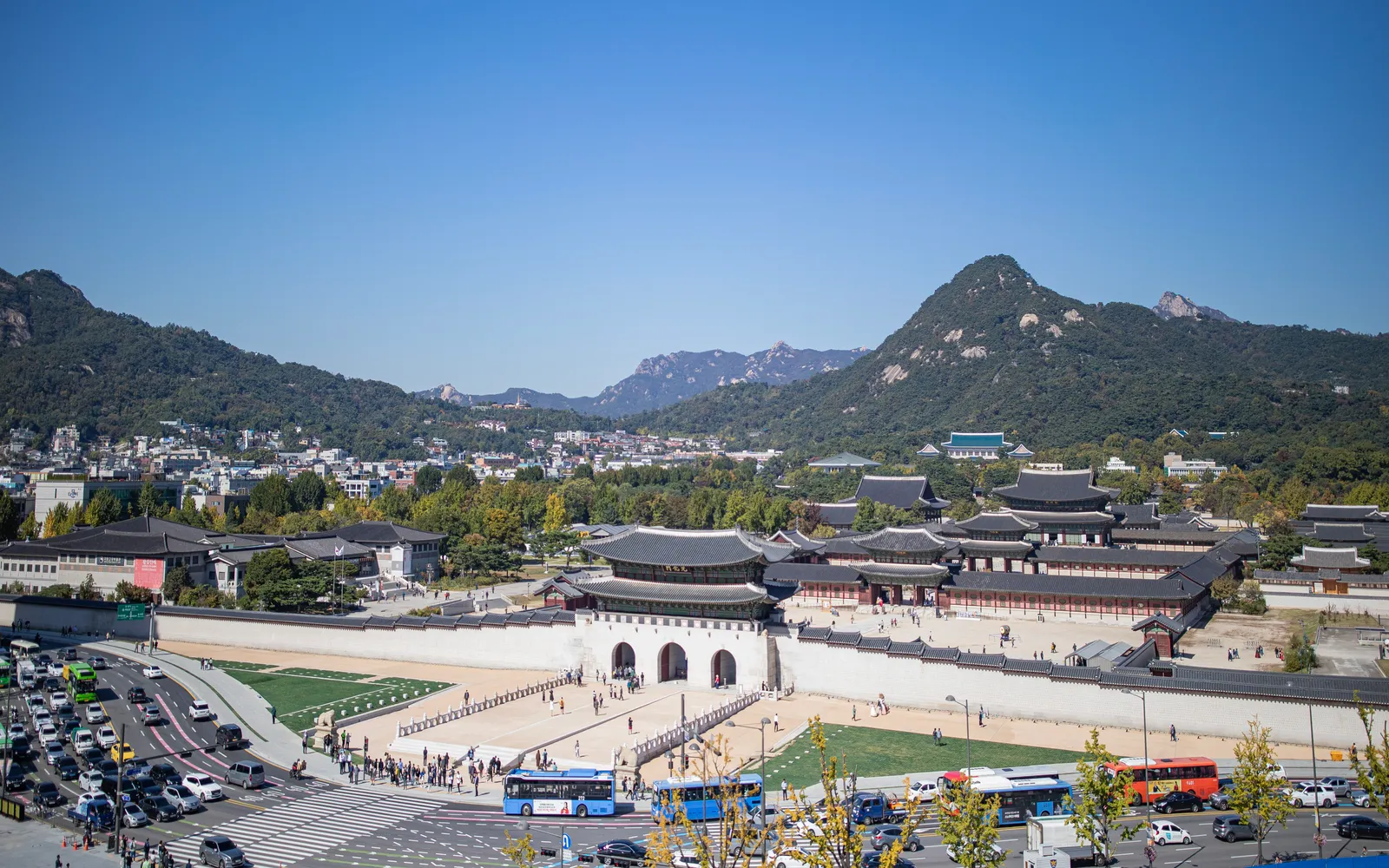
Korean food is about far more than flavour — it is a culture of gathering, sharing, and connection. A genuine Korean table is covered in dozens of small side dishes (banchan) arranged around the main course; everyone eats together, conversation flows, and refills are unlimited. In Seoul you will find everything from classic Korean BBQ joints and century-old street food markets to a newer generation of restaurants that reimagine traditional recipes for a modern palate — all of it waiting for you in this city built around the pleasure of eating.
 #1
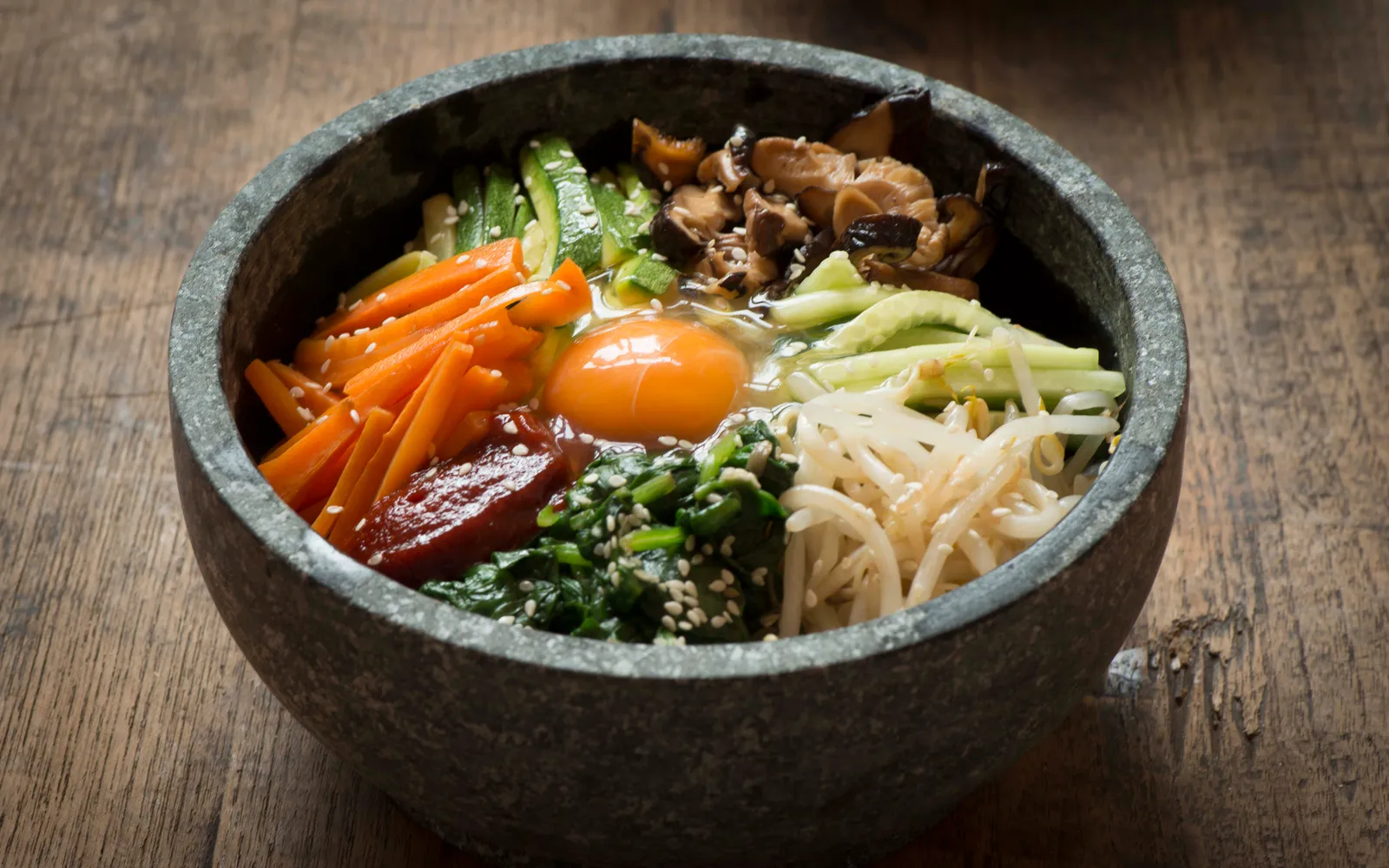
#1 Bibimbap
Korea's most internationally recognised dish: steamed rice served in a brown ceramic bowl or a sizzling stone pot, topped with fresh and pickled vegetables of many colours, minced beef, a fried egg, and gochujang chilli sauce. Mix everything together before eating. The <em>dolsot</em> version — served in a superheated stone pot — creates a uniquely crisp, toasted layer of rice on the bottom that no other version can replicate.
- Order it as 'dolsot bibimbap' (돌솥 비빔밥) to get the stone pot version — the crispy rice crust on the bottom is the best part.
- Jeonju Jungang Hoegwan in Insadong is well regarded for bibimbap in the original Jeonju style.
- Adjust the gochujang to your heat preference — a little sesame oil stirred in takes the flavour up another level.
 #2
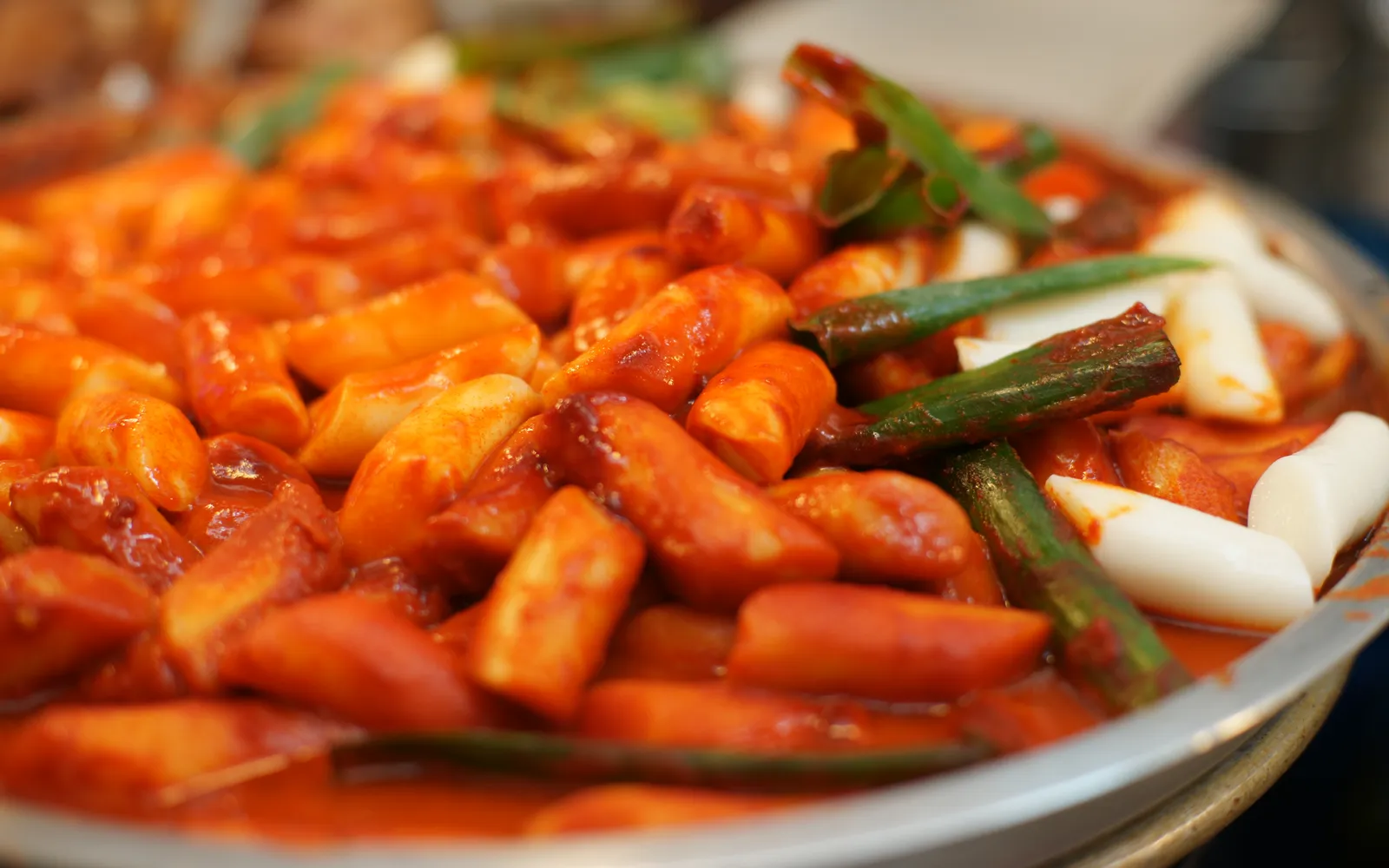
#2 Tteokbokki
Seoul's definitive street food. Cylindrical <em>tteok</em> (soft, chewy rice cakes) are simmered in a sweet-spicy gochujang sauce and served hot in a paper cup. Fish cakes, boiled egg, or melted cheese can all go in. You will find tteokbokki at every market and outside schools — it is a year-round snack for Koreans of all ages, and in winter the heat and spice make it feel like proper comfort food.
- Gwangjang Market and Tongin Market are the two best spots for tteokbokki with real atmosphere.
- Ask 'eolmana maewo yo?' (얼마나 매워요?) to check the heat level — some stalls offer a mild version.
- Try the 'gungmari' version at Gwangjang Market, where the rice cake is wrapped with seaweed and vegetables and fried before going into the sauce.
 #3
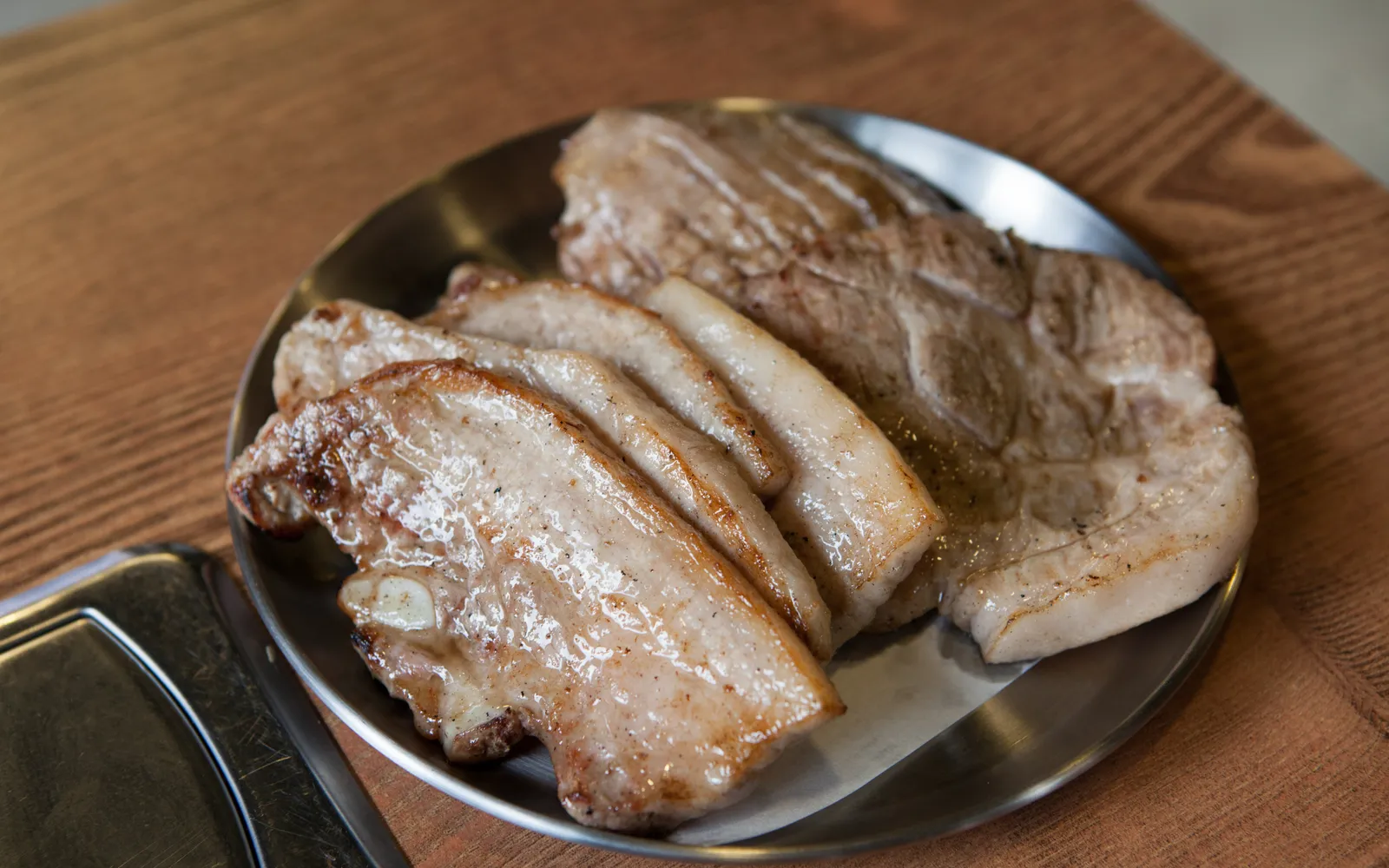
#3 Samgyeopsal
The essential Korean BBQ experience — thick cuts of fresh pork belly grilled on a charcoal grill set into the centre of the table. Wrap a piece in a sesame leaf (<em>kkaennip</em>) or perilla leaf with a sliver of raw garlic, pickled spring onion, and a dab of Korean soybean paste (<em>ssamjang</em>), then eat it in one generous bite. Wash it down with soju or <em>makgeolli</em> (fermented rice beer). This style of eating is genuinely central to Korean social life.
- Come as a group of two or more — BBQ is more fun and tastes better eaten together.
- Say 'samgyeopsal haejwo' (삼겹살 해줘) and the staff will either grill it for you or you can do it yourself at the table.
- The streets around Mapo-gu (홍대 근처) are lined with quality BBQ restaurants at fair prices, open late.
 #4
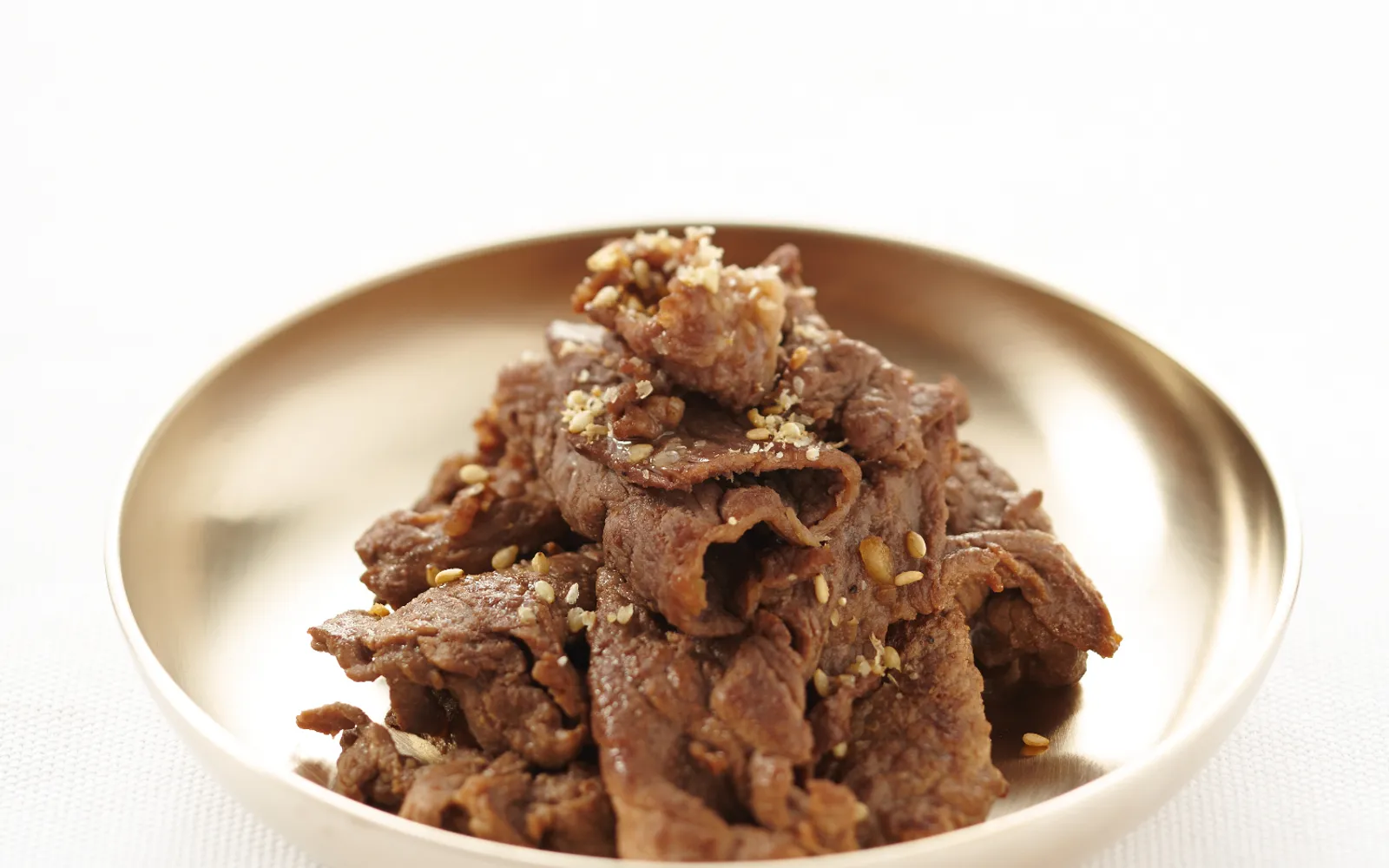
#4 Bulgogi
One of Korea's oldest dishes and among its most popular worldwide. Tender beef sirloin is shaved thin, then marinated in soy sauce, garlic, honey, sesame oil, and Korean pear juice — the pear acting as a natural tenderiser. It is grilled or stir-fried on a hot iron plate and has a gentle sweetness, a savoury depth, and an aroma that is entirely its own. Eat it with steamed rice or wrap it in perilla leaves, just as you would samgyeopsal.
- The 'dolsot bulgogi' version in a stone pot concentrates the flavour and lets the broth soak into every piece.
- Wooraeok (우래옥) in Mieom-dong has been open since 1946 — its bulgogi follows the old Joseon-dynasty style.
- Ask for 'bulgogi dolsot' with one raw egg on the side — crack it in at the end and stir it through while everything is still sizzling.
 #5
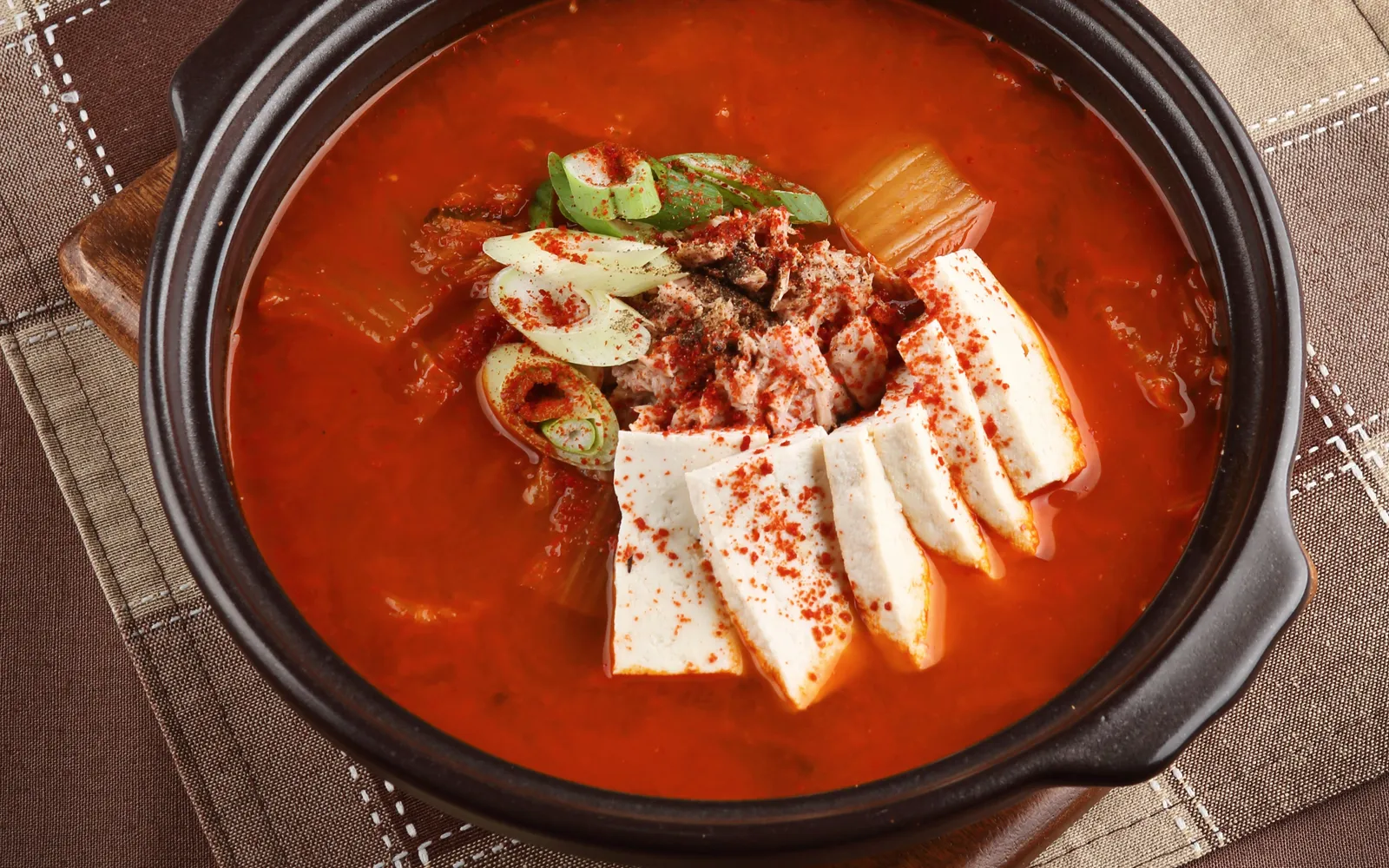
#5 Kimchi Jjigae
Korea's number-one comfort food — a deep, assertive stew made from well-aged kimchi, pork or tuna, tofu, and vegetables, all simmered in Korean chilli broth inside a stone pot. The sour tang of fermented kimchi combined with the piping-hot soup is what many Koreans reach for when the weather turns cold or when they simply need something restorative. It arrives with steamed rice and a spread of banchan (small side dishes) at no extra charge.
- Longer-fermented kimchi makes the best stew — ask whether the restaurant uses 'puk kimchi' (aged kimchi) if you want the fullest flavour.
- Eat it immediately while it is still bubbling; the stone pot retains heat for a long time, so watch for scalding.
- Kimchi jjigae is one of the cheapest meals in Seoul — typically 5,000 to 8,000 won at everything from market stalls to sit-down restaurants.
 #6
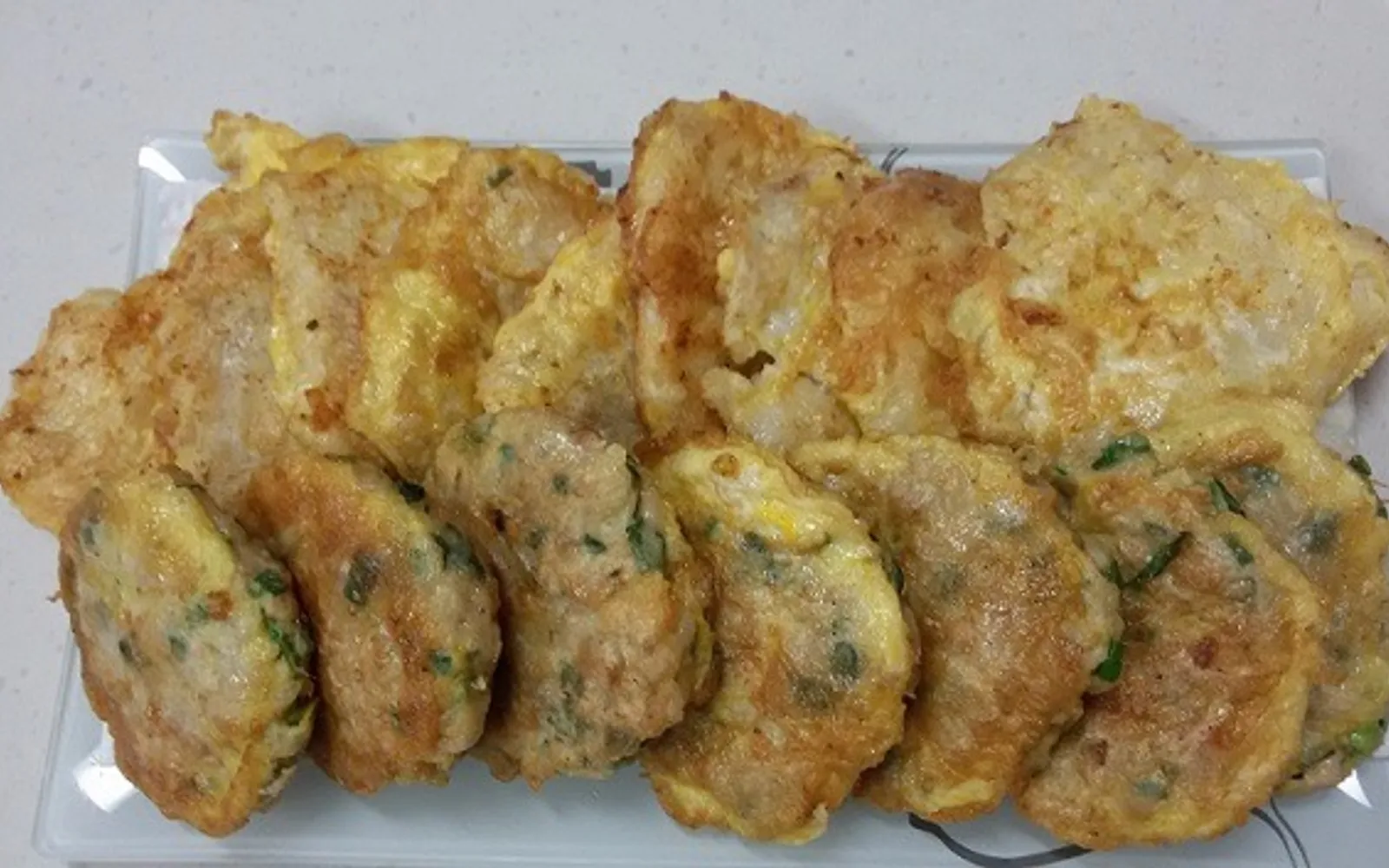
#6 Pajeon
A Korean rice-flour pancake that is crisp on the outside and soft within, laced with fresh spring onions and a clean sesame-oil aroma. The batter combines egg, flour, and spring onions; seafood (<em>haemul pajeon</em>) or kimchi (<em>kimchi pajeon</em>) are common additions. It arrives with a soy-and-vinegar dipping sauce, and the sound from the hot pan announces it before it even reaches the table. Pajeon and <em>makgeolli</em> (fermented rice beer) are a traditional pairing — one that Koreans still observe on rainy days.
- Gwangjang Market has pajeon stalls that have been operating for decades; they make them fresh to order and the result is noticeably crispier.
- Order 'haemul pajeon' (해물 파전) — the seafood version with prawns, clams, and squid is considerably better than the plain version.
- Korean tradition holds that pajeon and makgeolli must be eaten together on rainy days — a custom that Koreans genuinely still keep.
Where to stay in Seoul for this trip
A well-located hotel means less commuting and more sightseeing. Here are real, top-rated stays in Seoul — compare Agoda · Booking · Trip.com in one click.
Lotte Hotel Seoul
Affiliate links — we may earn a commission at no extra cost to you. Details
Ewha Hostel
Affiliate links — we may earn a commission at no extra cost to you. Details
L7 Myeongdong by LOTTE
Affiliate links — we may earn a commission at no extra cost to you. Details
Nine Tree Hotel Myeongdong
Affiliate links — we may earn a commission at no extra cost to you. Details
Tours, tickets & activities in Seoul
Day tours, attraction tickets and travel essentials for Seoul — book ahead on Klook with mobile e-tickets.
Affiliate links — we may earn a commission at no extra cost to you.
Before You Pack
Work through all six of these dishes and you will understand exactly why Korean food is winning over eaters around the world — flavours built up over time, a remarkable range of ingredients, and a way of eating together that makes every table feel warm.