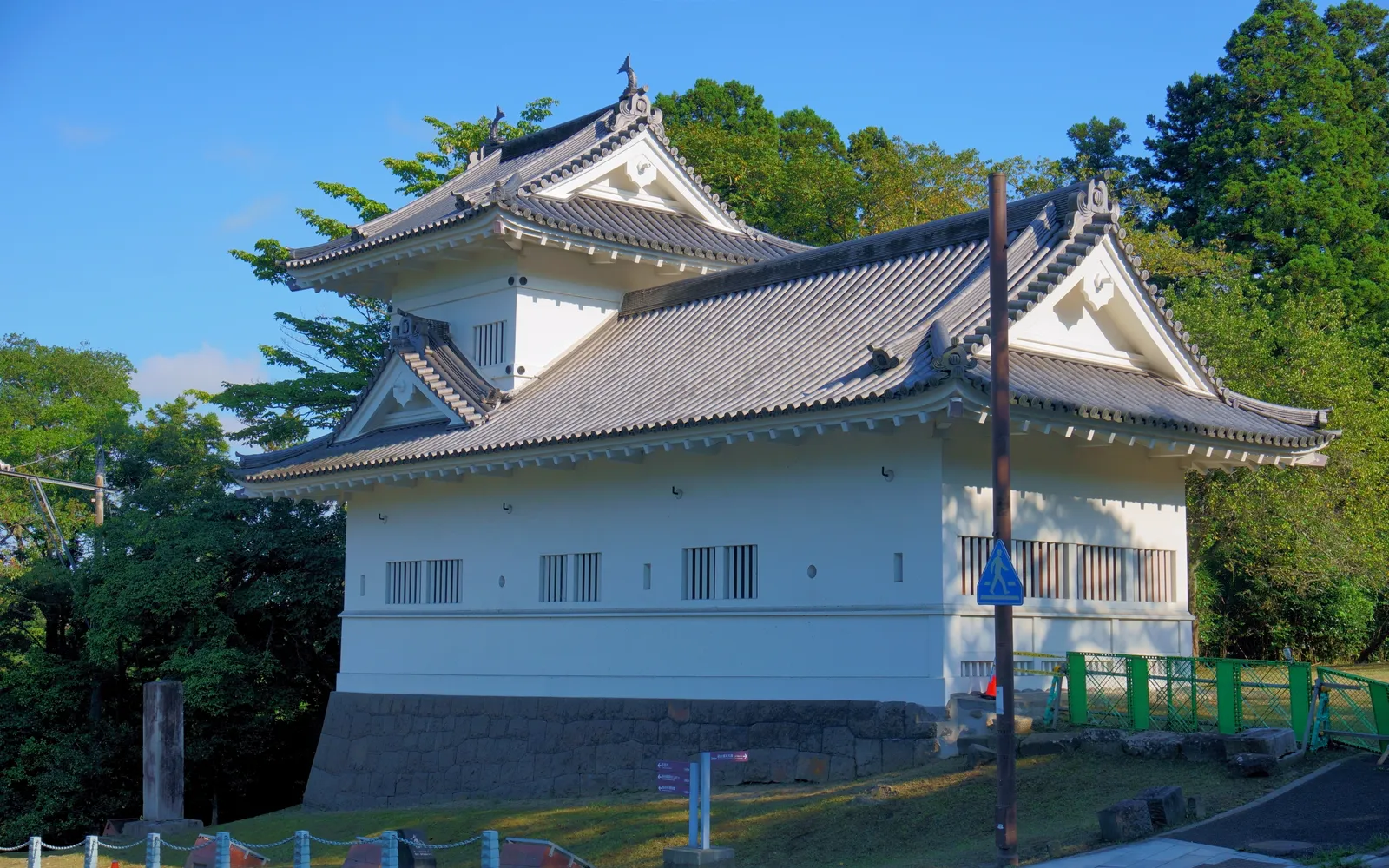
Sendai holds a firm claim as Tohoku's top food city — and a few dishes explain why. Gyutan, charcoal-grilled beef tongue, started here in 1948 when a single restaurant began treating a cut everyone else threw away; it has since become one of Japan's most recognized regional specialties. Then there is zunda mochi: vivid green mochi coated in sweetened edamame paste, tied by legend to warlord Date Masamune. Add the Tohoku Pacific coast's seafood — pulled fresh and turned into dishes you will not find replicated elsewhere — and you have a food city worth the Shinkansen ride.
 #1
#1 Gyutan (Grilled Beef Tongue)
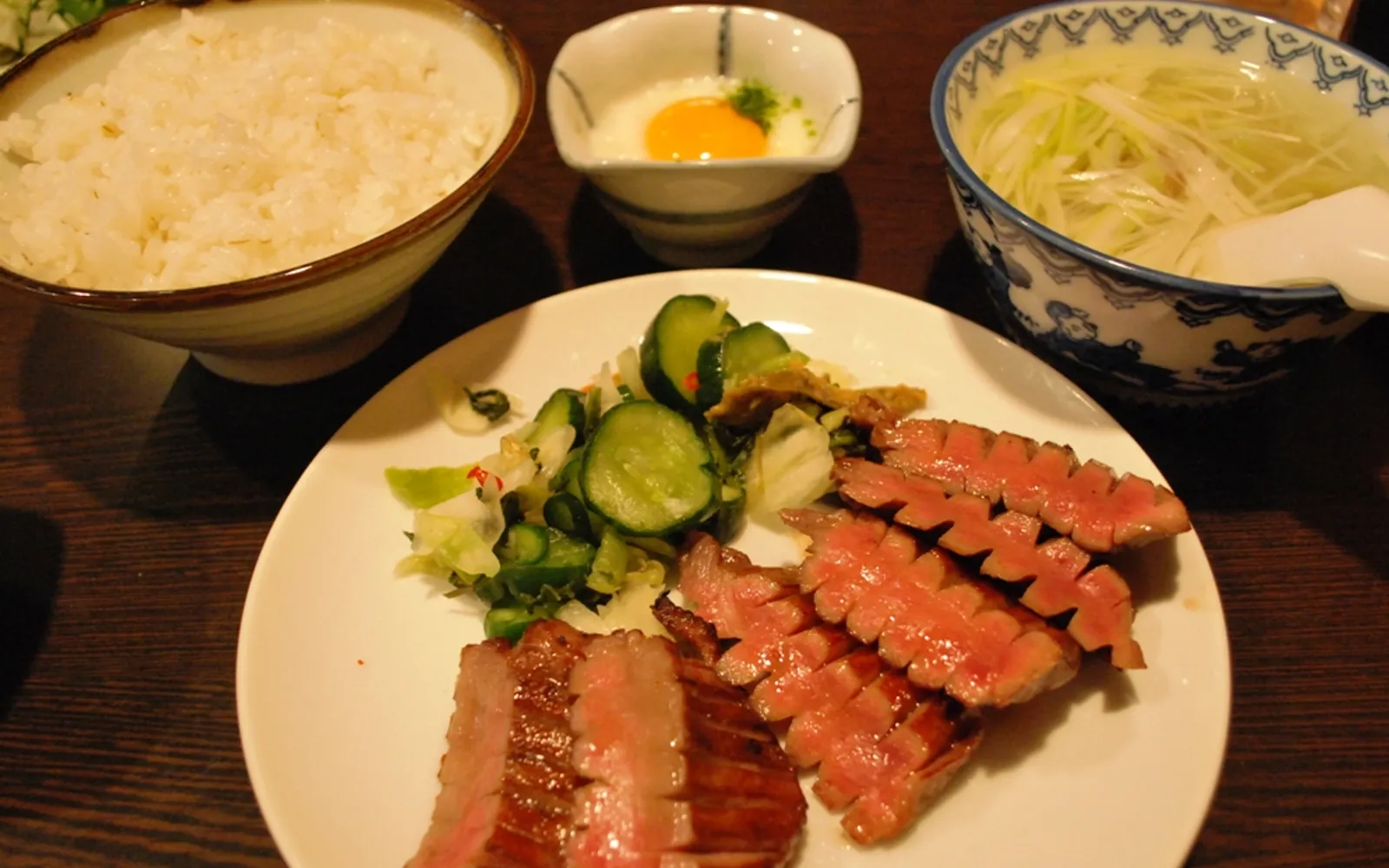
Sendai's most famous dish started in <strong>1948</strong> when Keishiro Sano, founder of restaurant Tasuke, began grilling beef tongue — a cut widely ignored at the time. Each slice is cut <strong>4–5 mm</strong> thick, salted, and cooked over real charcoal until the outside crisps with a smoky char while the inside stays tender and springy. It arrives with a set of barley rice, oxtail soup, and pickled vegetables. That formula has barely changed in 75 years, and the restaurants here have no reason to change it.
- Gyutown, right by the East Exit of Sendai Station, concentrates the city's top gyutan restaurants in one compact strip — worth starting here.
- Aji Tasuke is the original. Kisuke and Negishi are both strong alternatives with shorter queues at peak times.
- Order the full set meal — barley rice plus oxtail soup — for the complete experience as locals eat it.
 #2
#2 Zunda Mochi
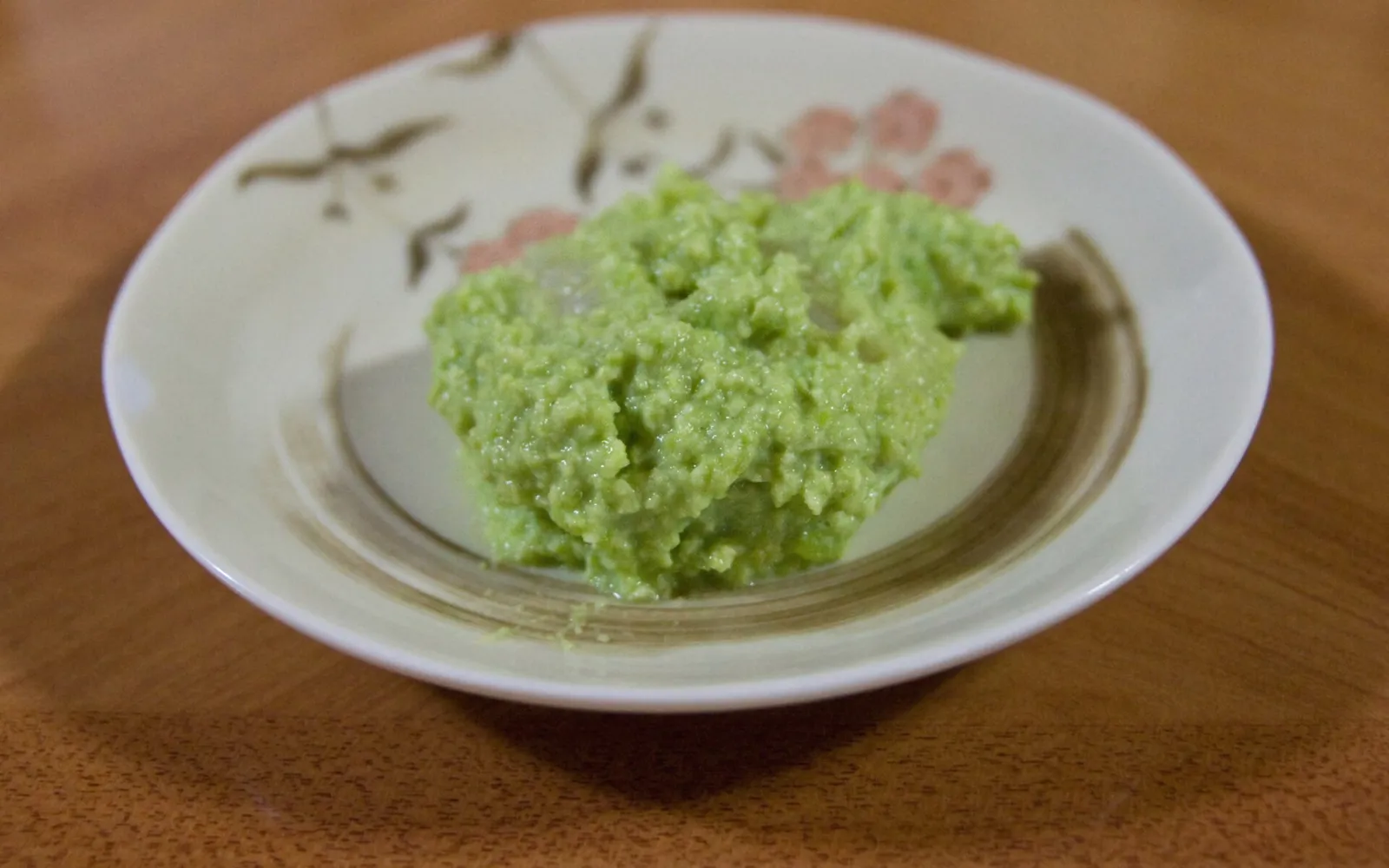
Zunda mochi is the edible symbol of Sendai: soft rice-cake mochi coated in a lightly sweetened paste ground from edamame (young soybeans). The flavor is gently sweet with a clean, grassy edge you do not get from red-bean or sesame versions. Legend holds that Date Masamune himself ground the beans with the handle of his sword and served the result on mochi — whether or not the story is true, the flavor stuck. Today zunda appears in everything from ice cream to lattes, though the classic mochi remains the benchmark.
- Zunda Saryo inside Sendai Station does a modern lineup: zunda parfaits, zunda matcha lattes, and the original mochi — good for tasting several formats at once.
- Vacuum-packed zunda mochi boxes at the station souvenir stalls keep for 3–5 days and travel well as carry-on.
- Try the Zunda Shake — a bright-green blended milk drink that has become a local favorite and is far better than it sounds.
 #3
#3 Harako Meshi
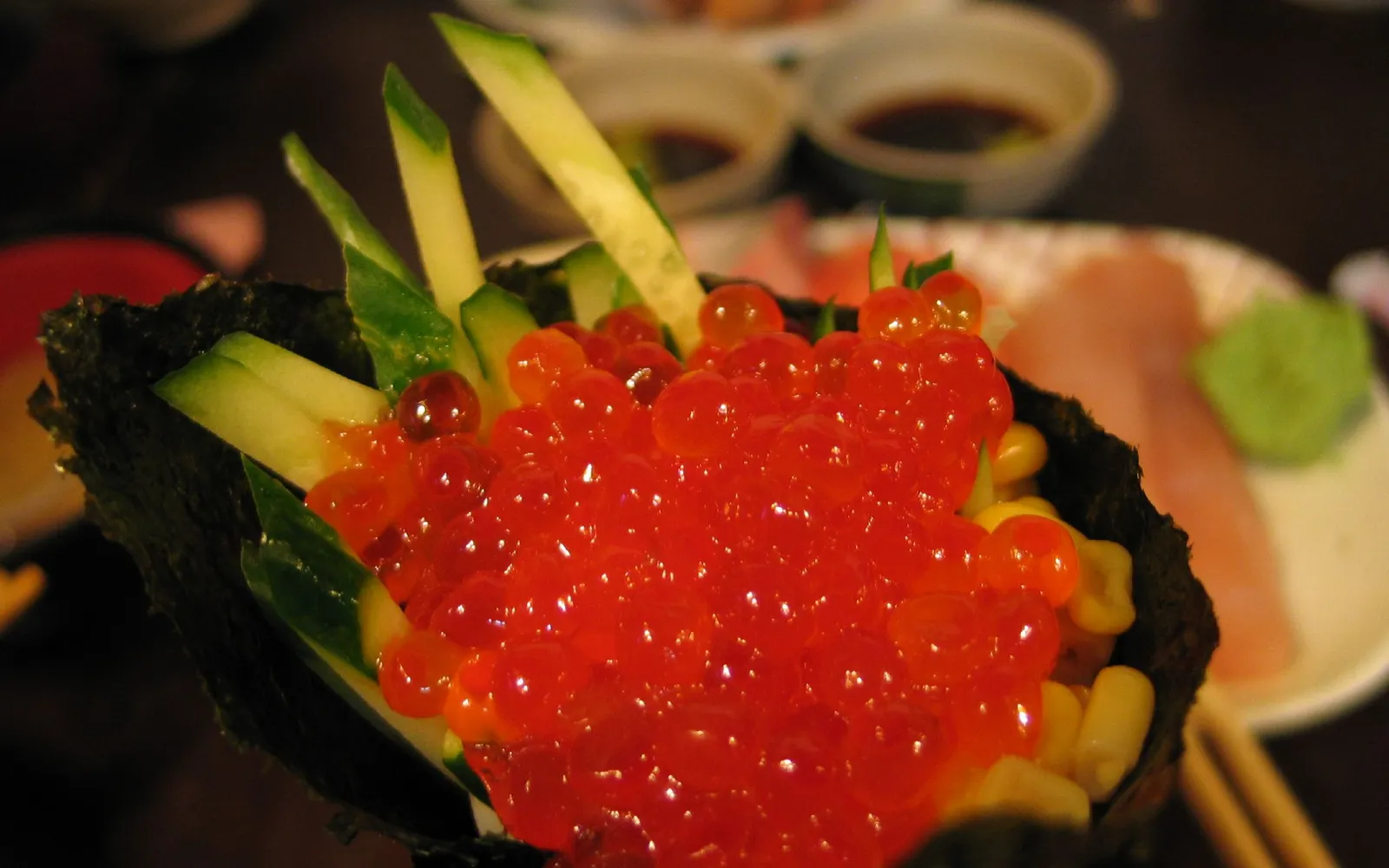
Harako meshi is Miyagi Prefecture's proudest local rice dish: salmon and ikura (salmon roe) simmered in soy sauce, sake, and mirin, then layered over hot steamed rice. The result is a quiet, rounded richness — soy's gentle saltiness against the briny pop of fresh roe. Miyagi residents treat this as a celebratory dish, and it shows up at autumn banquets and in the prefecture's best traditional restaurants during the harvest months.
- Peak season is autumn — September through November — when salmon run up the Abukuma River and the roe is at its freshest.
- Traditional Japanese restaurants in the Kokubuncho district often list harako meshi as a seasonal special; call ahead to confirm availability.
- Quality shows in the roe: look for firm, intact eggs that do not break easily. Soft or mushy roe means it is past its best.
 #4
#4 Sasakamaboko
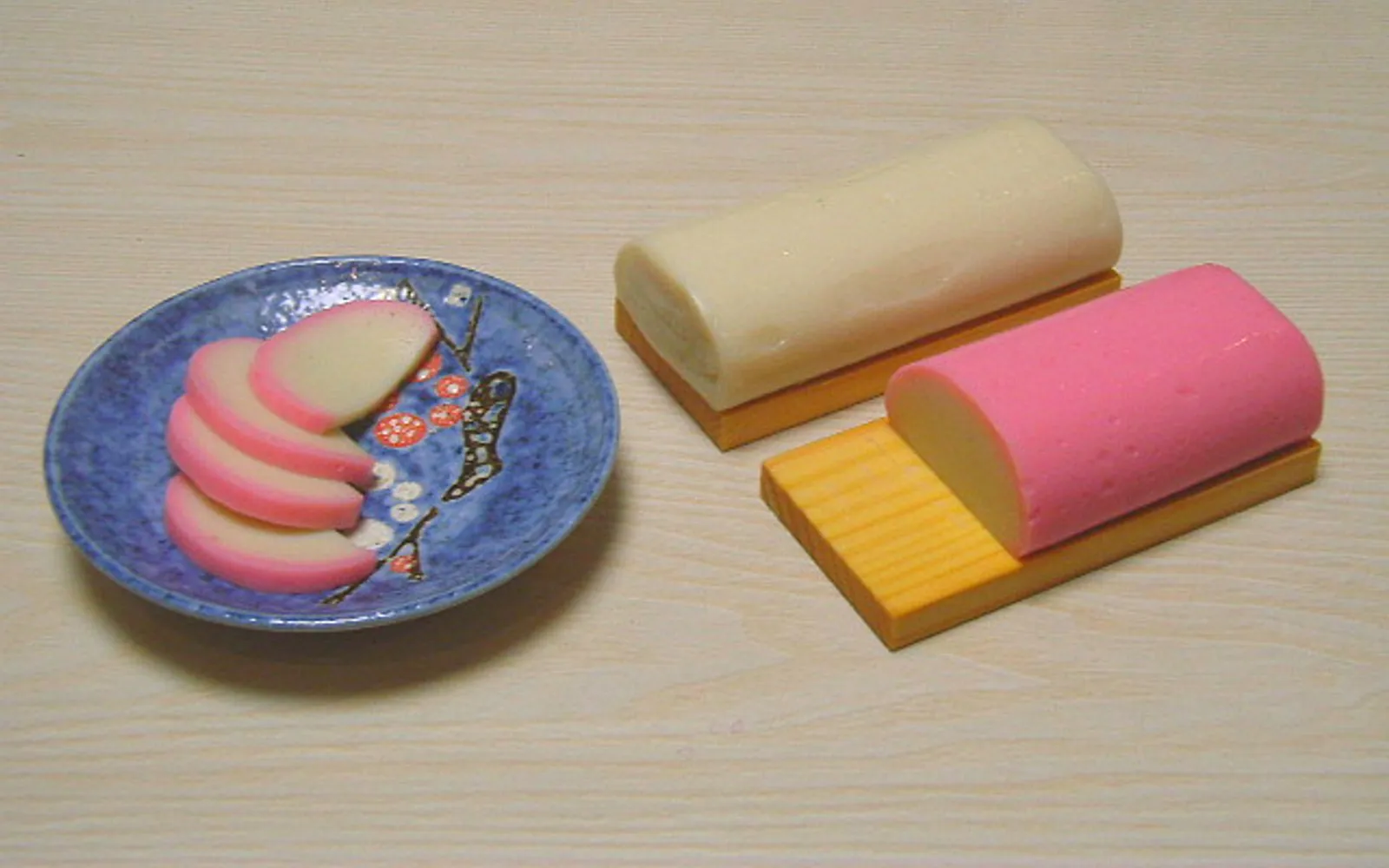
Sendai's take on kamaboko (Japanese fish cake) is shaped like a bamboo leaf — <em>sasa</em> in Japanese — distinguishing it from the flat-board versions common elsewhere. The texture is soft and springy, with a mild sweetness that comes from fresh Tohoku Pacific fish. Eat it cold as a snack or warmed briefly in butter in a pan, and the difference is marked. Long-established producer Matsukamaboko is the name most associated with the handmade version, though the station is full of options.
- Cold or pan-fried in a small knob of butter — both work, and the flavors are noticeably different. Try it both ways if you have the chance.
- A few traditional shops in Nakamachi still hand-shape every piece using generations-old recipes.
- Beautifully boxed sets make an ideal souvenir; the station's B1 level has the widest selection.
 #5
#5 Seri Nabe (Japanese Parsley Hot Pot)
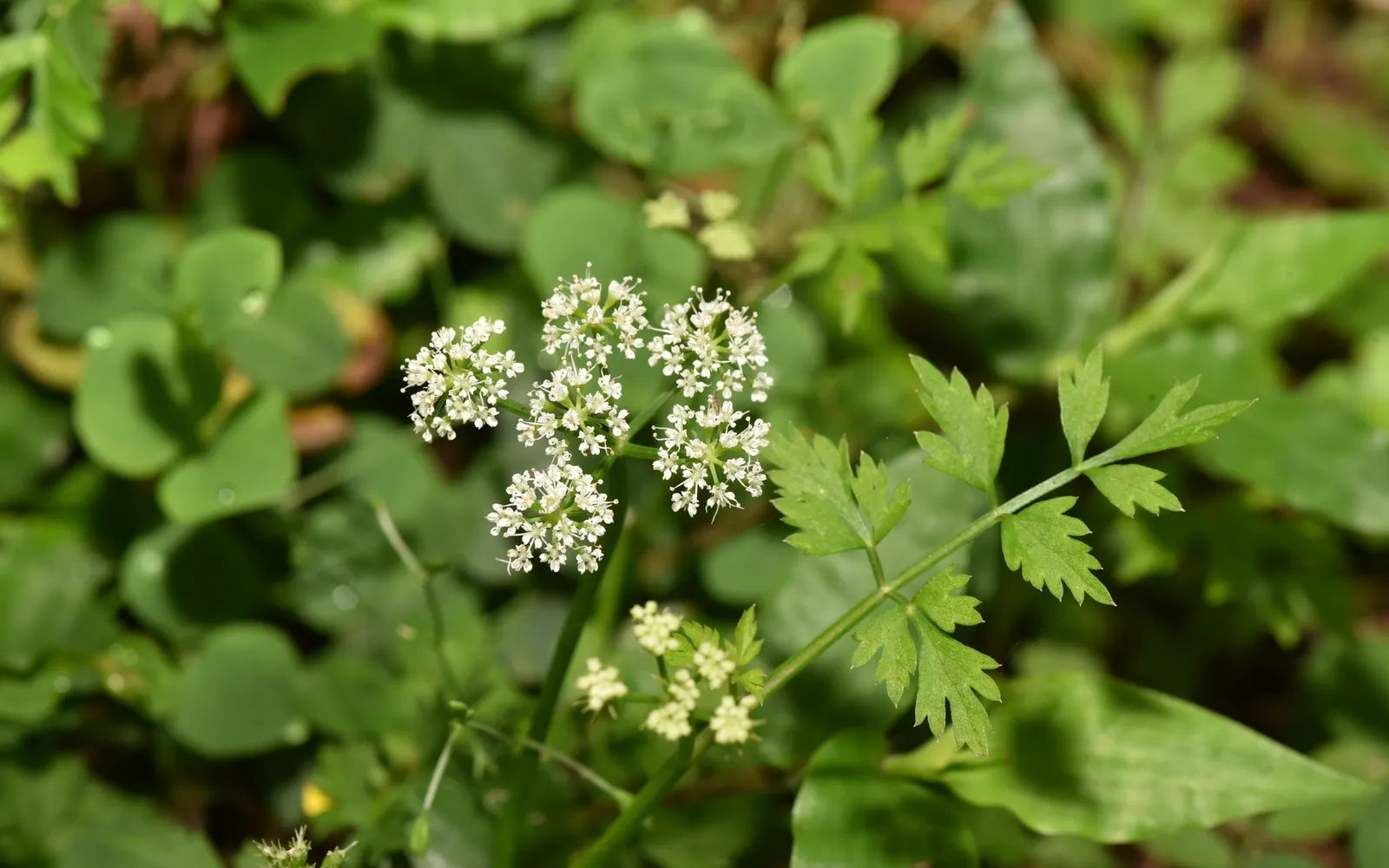
Seri nabe is Sendai's signature winter hot pot. The star ingredient is <em>seri</em> — Japanese parsley with a faint bitter edge somewhere between celery and watercress — cooked in a dashi broth alongside duck or chicken and tofu. The seri grown in Miyagi Prefecture is considered Japan's finest, owing to the local soil and water, and local restaurants know it. Eating seri nabe in Sendai in January is one of those things that makes the cold worth it.
- The izakaya in Kokubuncho district are the right setting for this: lively from early evening, traditional, and well-versed in the dish.
- Eat the roots as well as the leaves — locals consider the root sweeter and consider it the best part of the plant.
- Winter, December through March, is when seri is freshest and most restaurants put it on the menu.
 #6
#6 Aoba Gyoza (Green Gyoza)
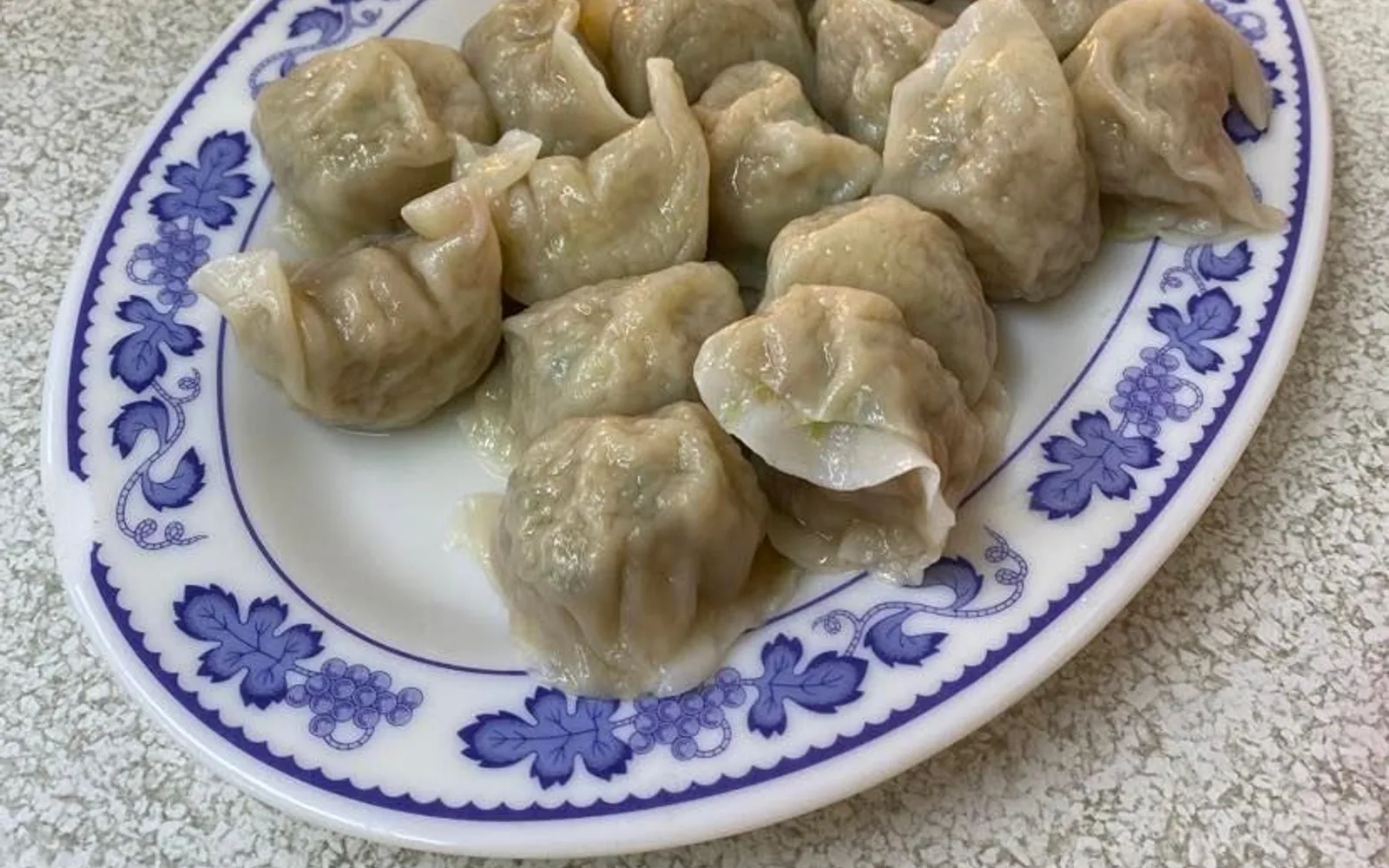
Aoba gyoza are Sendai's own take on the pan-fried dumpling: the wrapper is green, colored by <strong>Sendai yukina</strong> — a leafy vegetable native to Miyagi Prefecture — blended directly into the dough. The wrapper is slightly thicker than standard gyoza, giving a pleasantly chewy bite, and the filling is minced pork with garlic. The green skin is natural, not food coloring. You will find these in izakaya and ramen shops across the city, usually ordered as a side alongside a cold beer.
- The green color in the wrapper comes entirely from Sendai yukina — no artificial coloring. Worth mentioning if you are ordering with anyone skeptical.
- Dip in rice vinegar with a pinch of Japanese chili flakes to cut through the richness of the pork filling.
- Izakaya in Kokubuncho and Ichibancho districts carry these as a standard side dish — one of the most reliable places to find them.
Where to stay in Sendai for this trip
A well-located hotel means less commuting and more sightseeing. Here are real, top-rated stays in Sendai — compare Agoda · Booking · Trip.com in one click.
The Westin Sendai
Affiliate links — we may earn a commission at no extra cost to you. Details
Sendai Royal Park Hotel
Affiliate links — we may earn a commission at no extra cost to you. Details
Hotel Metropolitan Sendai
Affiliate links — we may earn a commission at no extra cost to you. Details
Hotel JAL City Sendai
Affiliate links — we may earn a commission at no extra cost to you. Details
Tours, tickets & activities in Sendai
Day tours, attraction tickets and travel essentials for Sendai — book ahead on Klook with mobile e-tickets.
Affiliate links — we may earn a commission at no extra cost to you.
Before You Pack
Six dishes in a single visit to Sendai is entirely doable — and the gyutan and zunda mochi alone are the kind of things that bring people back for a second trip.