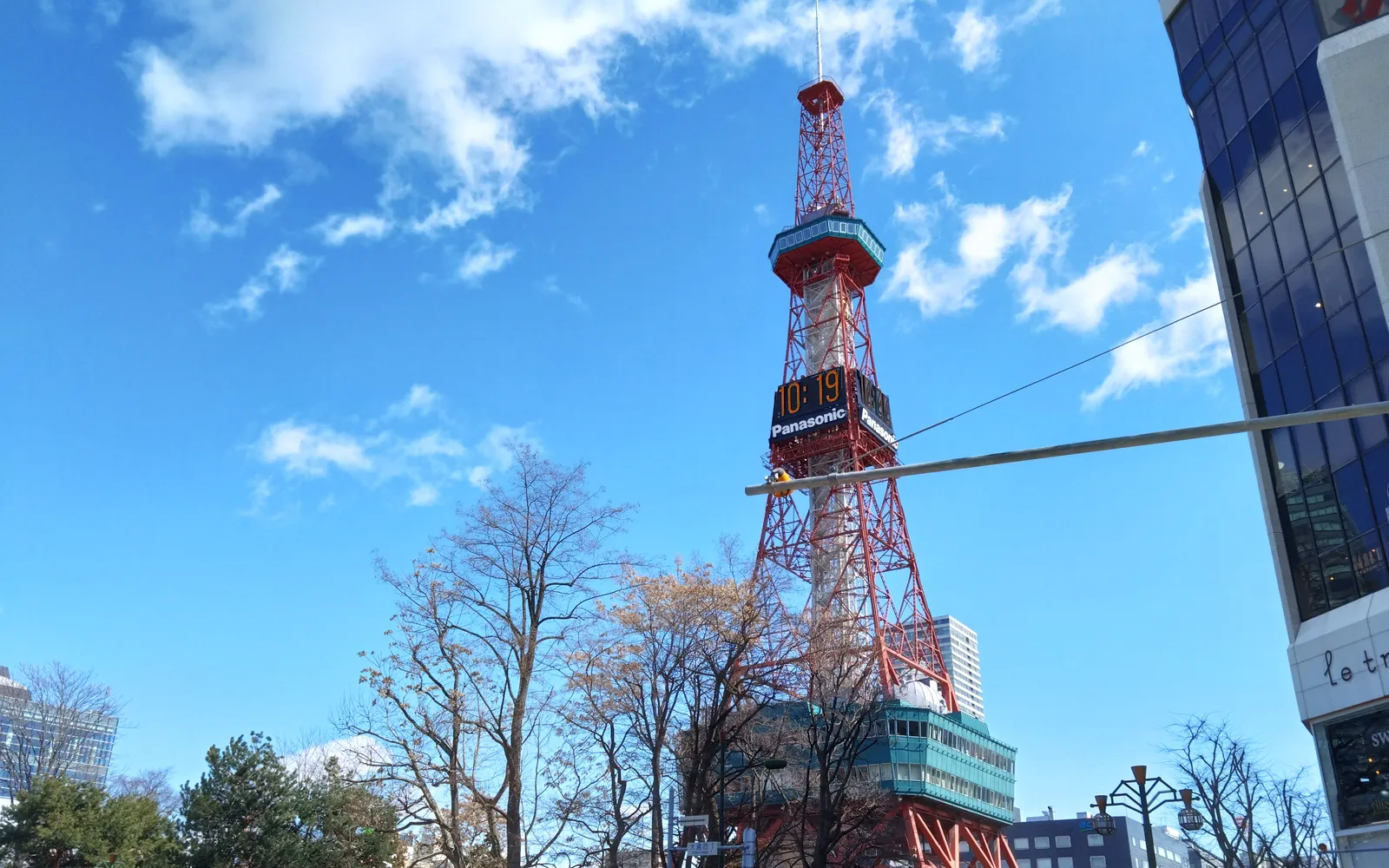
Hokkaido is Japan’s larder — the island produces the country’s finest milk, butter, seafood, lamb, and vegetables. Sapporo, as its capital, became the city where all those ingredients converge on a single plate. Miso ramen, soup curry, and jingisukan were all born and refined here before spreading across Japan. Here is what to eat the moment you arrive.
 #1
#1 Sapporo Miso Ramen
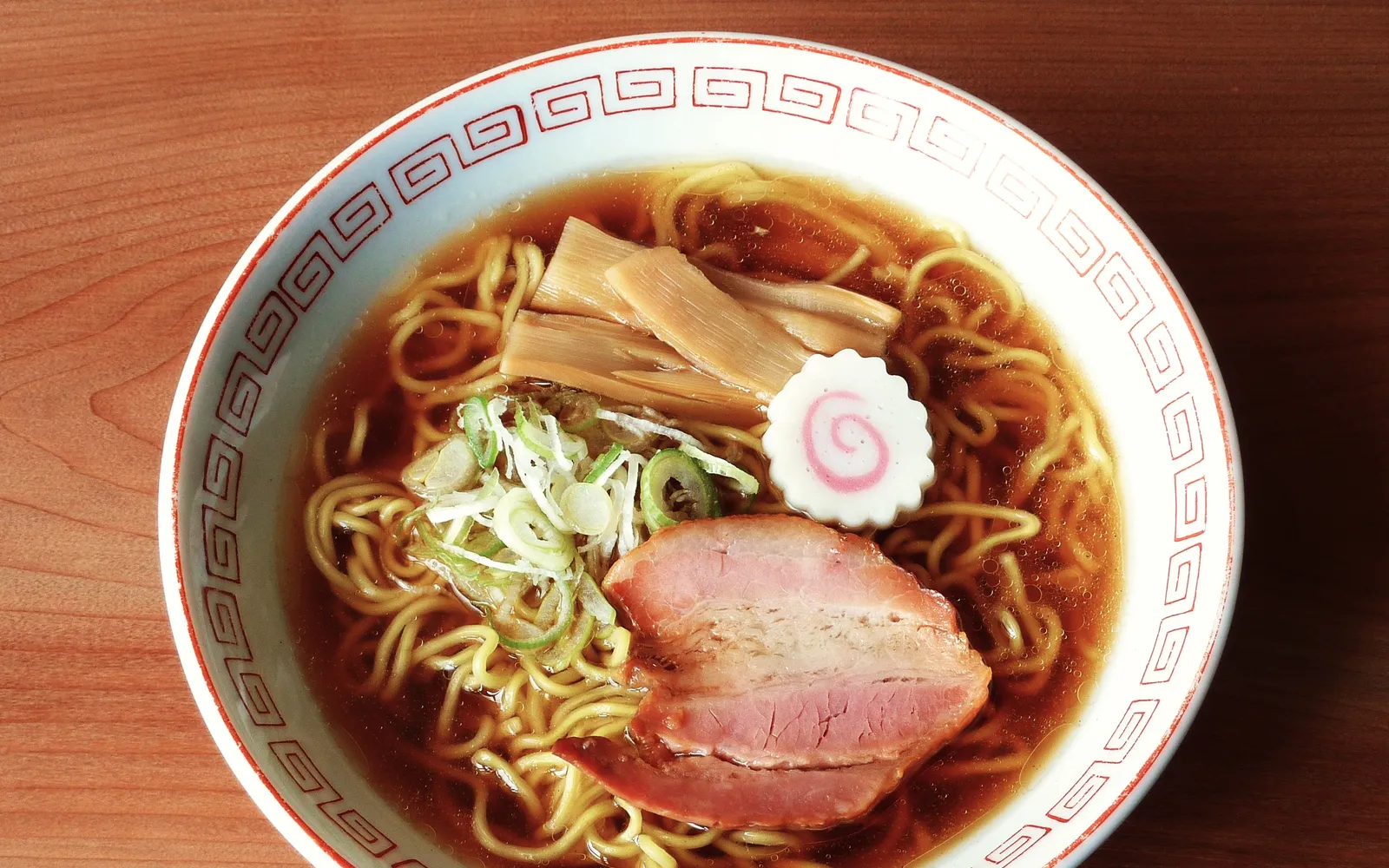
Sapporo is the birthplace of miso ramen — the original recipe dates to 1958 at a restaurant called Aji no Sanpei. The broth layers rich miso paste with pork bone stock; toppings typically include ground pork, bean sprouts, corn, and a knob of butter that melts slowly into the hot soup. The thick, wavy noodles were developed specifically to hold up to the dense miso broth. Ramen Yokocho in Susukino packs 17 shops into a single 42-metre alley.
- Classic shops Aji no Sanpei and Sumire set the standard — both are worth the queue.
- Add the butter topping when ordering for the full Hokkaido flavor.
- The alley is busiest between 19:00 and 23:00 — arrive earlier or be prepared to wait.
 #2
#2 Soup Curry
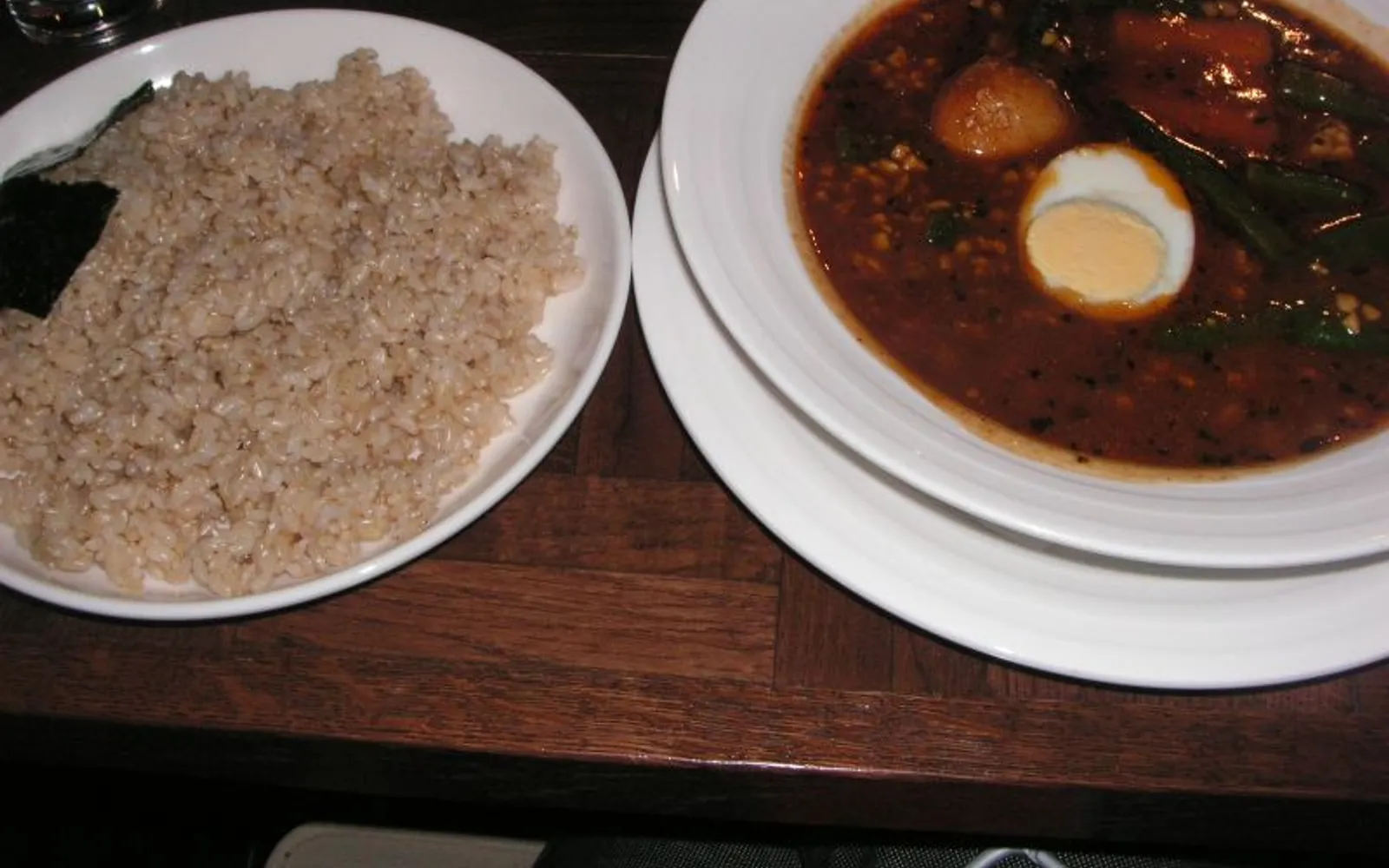
Soup curry is a Sapporo signature that emerged in the late 1970s. Unlike conventional Japanese curry, it is a thin, aromatic, spiced broth — poured over or served alongside roasted or fried vegetables such as aubergine, lotus root, and pumpkin, with a choice of protein: braised chicken, lamb, or seafood. Rice comes in a separate bowl for dipping. Today more than 200 soup curry restaurants operate in Sapporo.
- Spice level is customisable from mild to very hot — specify when you order.
- Popular spots like GARAKU and Rojiura Curry SAMURAI usually have queues.
- Order the roasted vegetable topping for noticeably better flavour.
 #3
#3 Jingisukan (Hokkaido Lamb Barbecue)
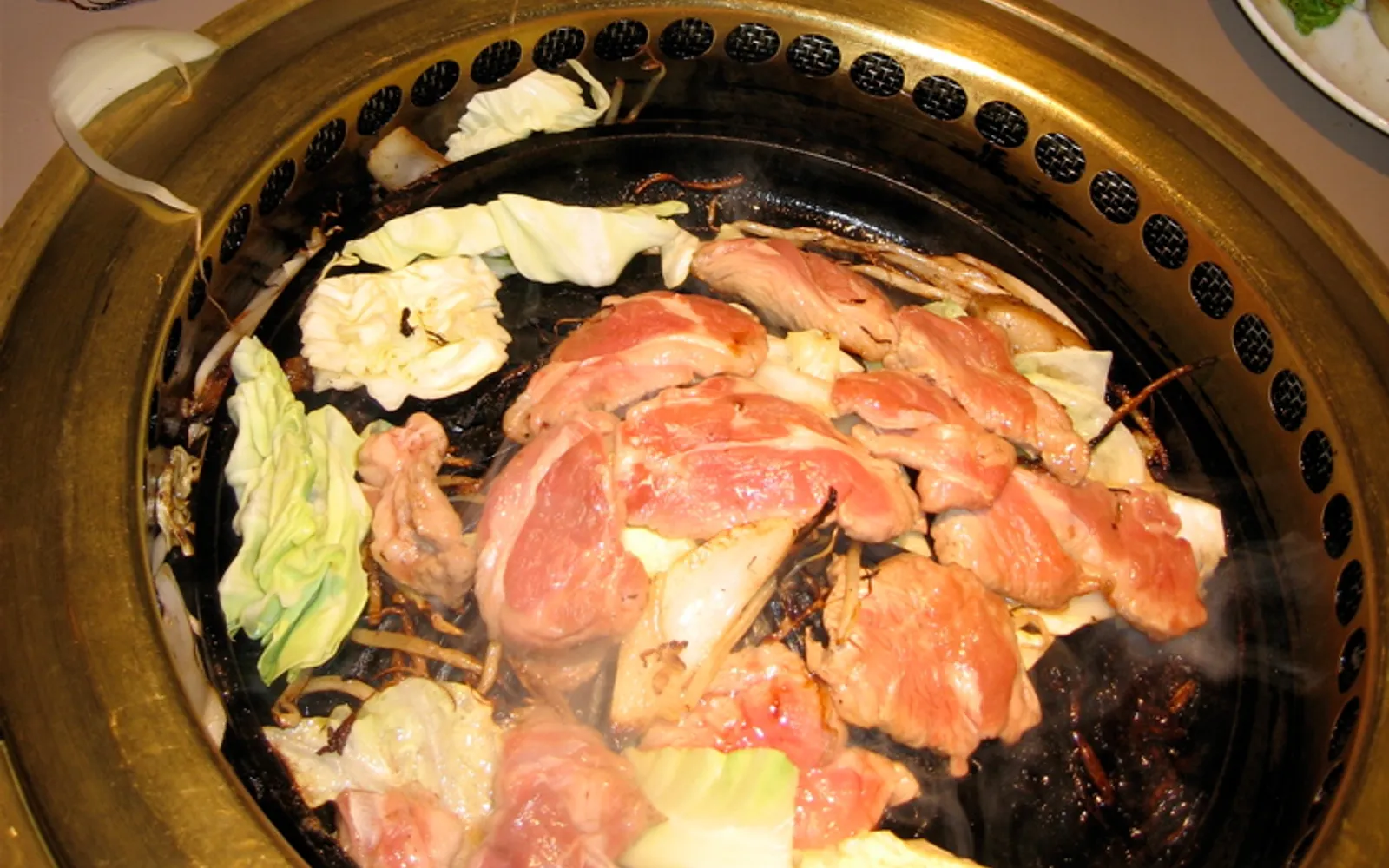
Jingisukan — the name is a Japanese rendering of Genghis Khan — is lamb grilled on a dome-shaped iron pan, letting the excess fat drain to the rim. Hokkaido is Japan’s largest sheep-farming region, so the meat arrives fresh and high-quality. You can order it pre-marinated in a sweet soy sauce or fresh and dipped in a special tare. <strong>Jingisukan Daruma</strong>, open since 1954, is the original restaurant and well worth a visit.
- Smoke will cling to your clothes — wear something easy to wash or ask the shop for a zip-lock bag.
- Daruma in Susukino stays open late, making it a natural last stop after sightseeing.
- The all-you-can-eat set offers better value for groups.
 #4
#4 Kaisendon (Fresh Seafood Rice Bowl)
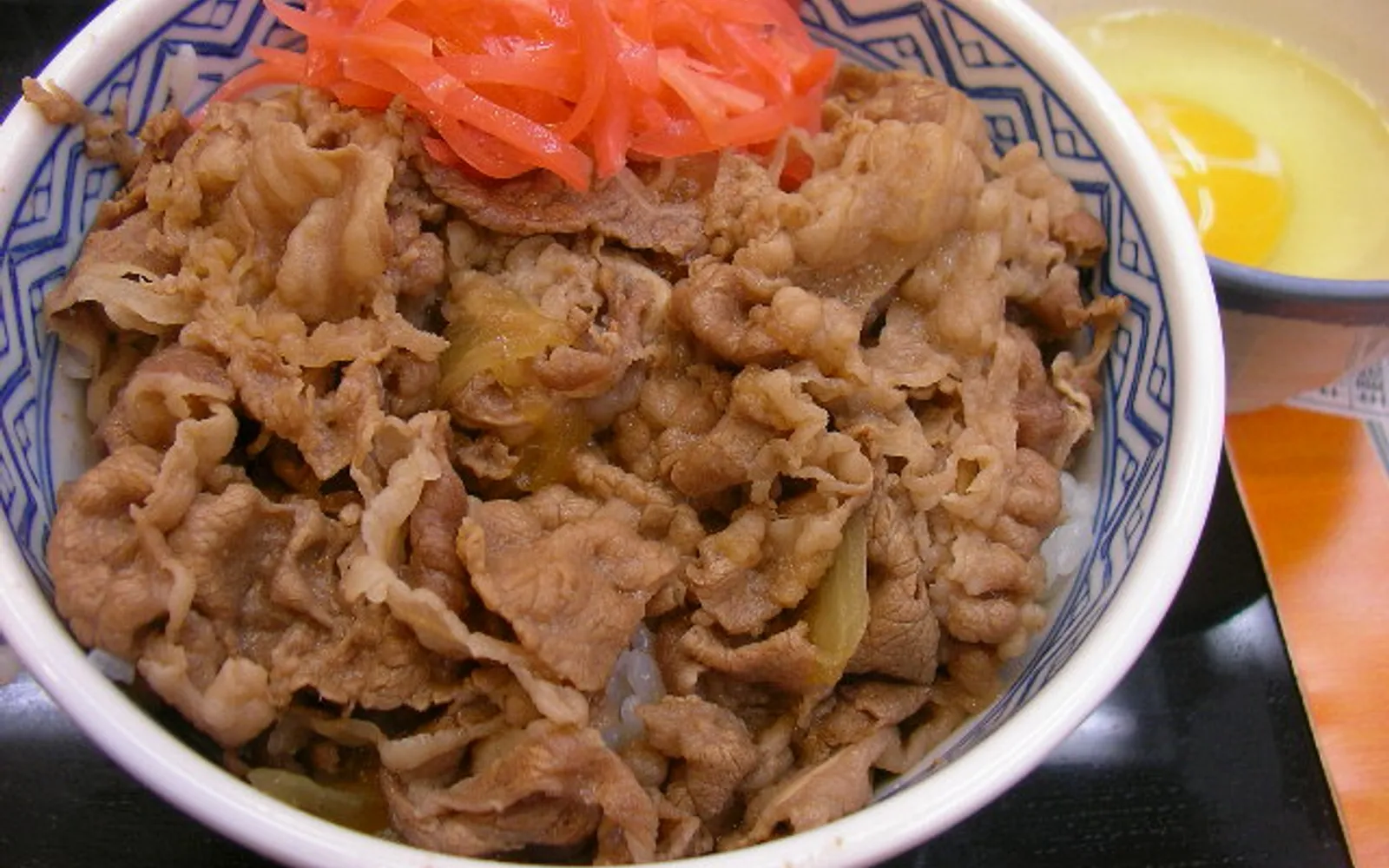
Kaisendon is a Japanese rice bowl loaded with raw, fresh seafood from Hokkaido’s surrounding seas. <strong>Nijo Market</strong> in Sapporo has operated for over 100 years and earned the nickname “Sapporo’s public kitchen.” Seafood from the Sea of Okhotsk and the Pacific off Hokkaido reaches the stalls every morning. Popular toppings include ikura (salmon roe), uni (sea urchin), red crab, and salmon; some shops offer more than 30 combinations.
- Arrive before 10:00 to get the best pick of the freshest seafood.
- Nijo Market is a 10-minute walk from Odori Park.
- Try the Sanshoku Don (uni + salmon roe + crab in one bowl) if you want to sample several things at once.
 #5
#5 Hokkaido King Crab
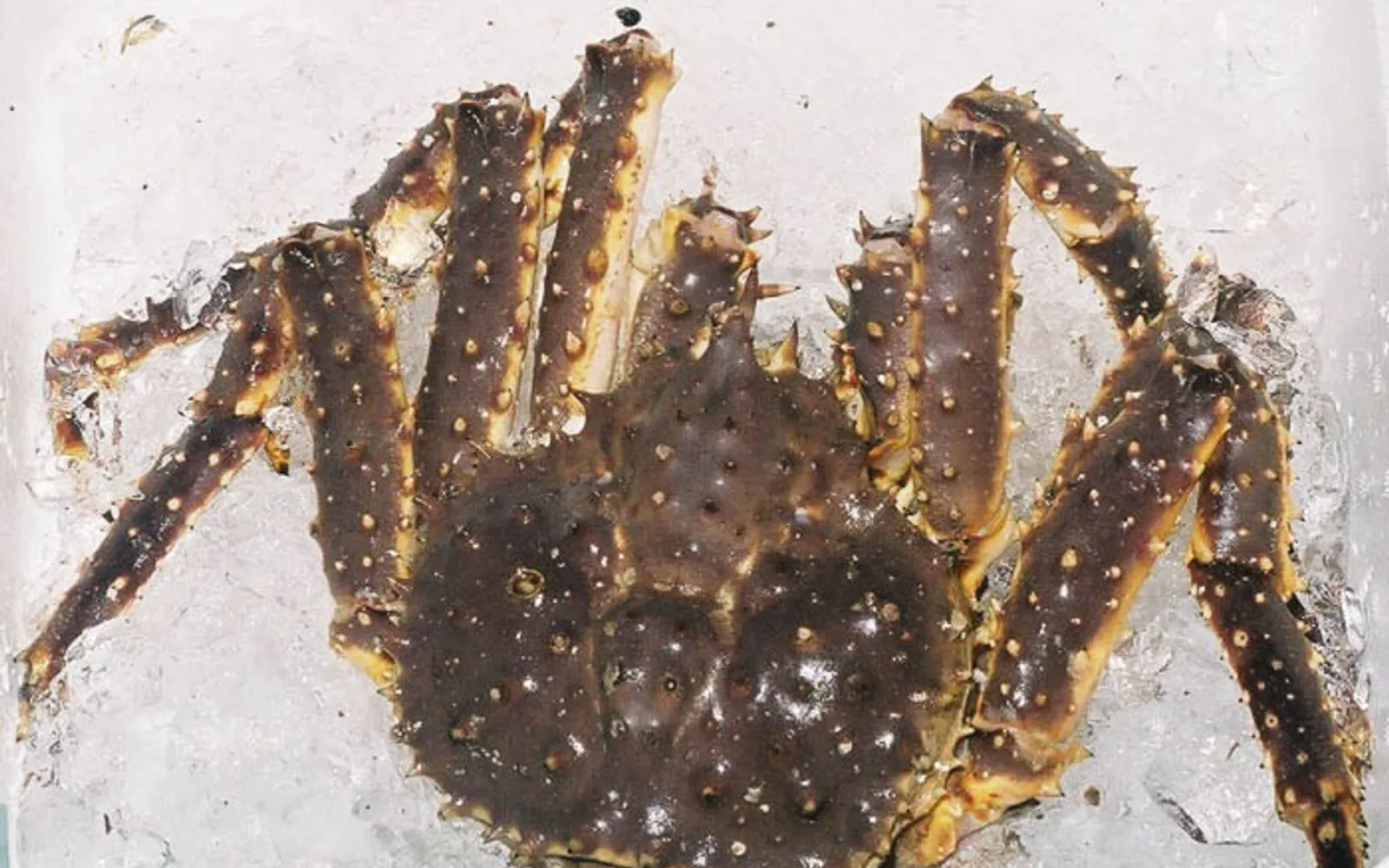
Hokkaido is Japan’s most celebrated crab-fishing region, producing <strong>Red King Crab</strong>, <strong>Hairy Crab (Kegani)</strong>, and <strong>Snow Crab</strong> — each with its own season. Red King Crab has thick, sweet-firm legs and is typically steamed or salt-grilled. Kegani is prized among Japanese diners for its intensely flavourful roe. Restaurants at Nijo Market and the nearby Curb Market offer all three varieties.
- Best seasons: Red King Crab — January to May and September to October; Hairy Crab — June to August.
- Buy at the market and have the vendor cook it on the spot — cheaper than a sit-down restaurant.
- Always confirm the total price before ordering from any stall where pricing is not clearly posted.
 #6
#6 Hokkaido Soft Cream and Dairy
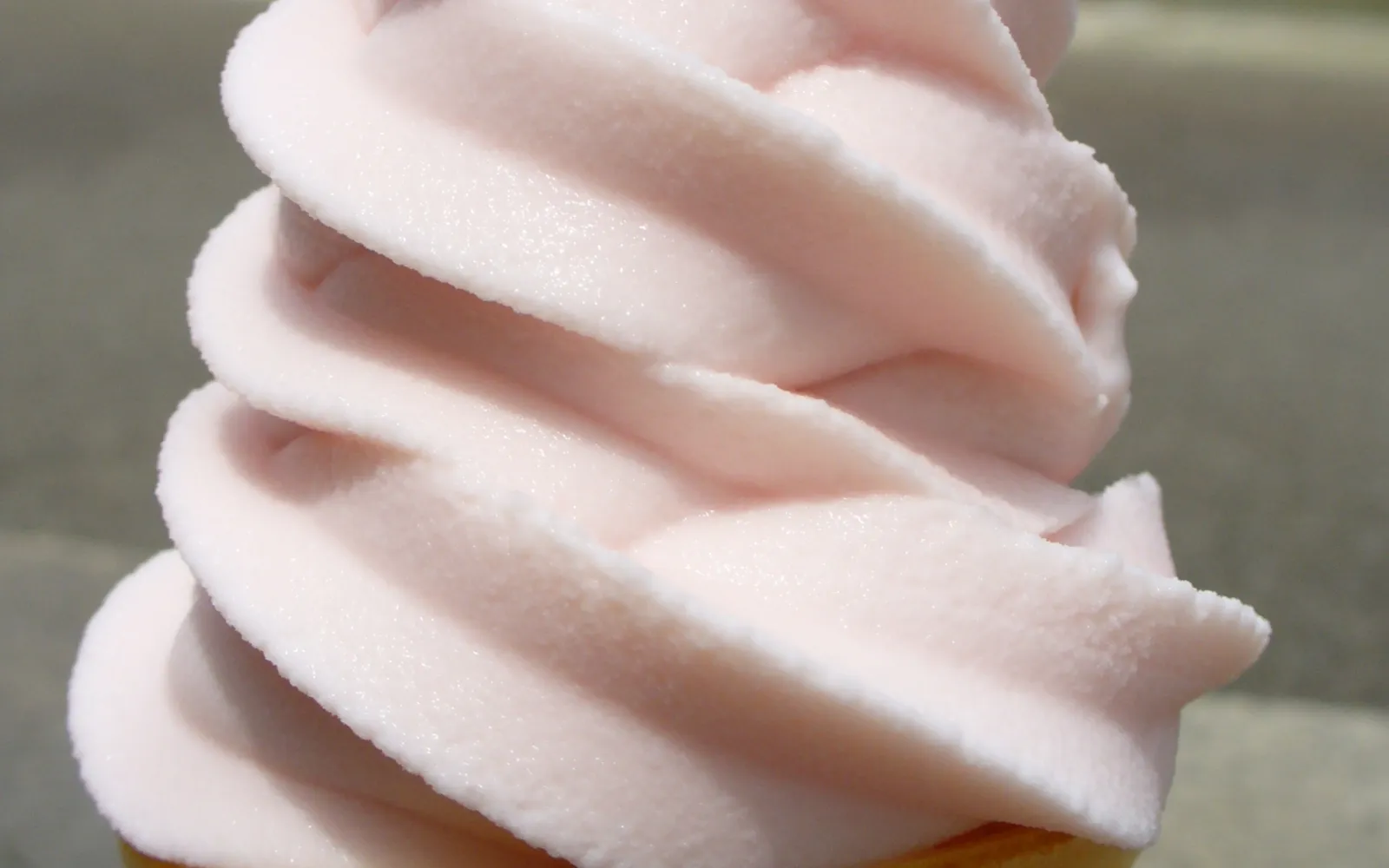
Hokkaido runs Japan’s largest dairy industry, and its milk is richer and sweeter than the national average — a difference that shows immediately in soft-serve ice cream, yoghurt, and cheese. Hokkaido soft-serve stands appear at shops across Sapporo, at Odori Park, and around the station. Well-known producers <strong>LeTAO</strong> and <strong>Rokkatei</strong> also sell premium Hokkaido dairy goods — double-fromage cheesecakes, milk-chocolate confections — worth buying as gifts.
- Try Yubari Melon Soft Cream — a cantaloupe-flavoured variety made from Yubari melons, available only in Hokkaido.
- Rokkatei and LeTAO both sell gift-boxed cheesecakes and dairy sweets that travel well.
- Soft-serve is best eaten immediately — don’t wait.
Where to stay in Sapporo for this trip
A well-located hotel means less commuting and more sightseeing. Here are real, top-rated stays in Sapporo — compare Agoda · Booking · Trip.com in one click.
JR Tower Hotel Nikko Sapporo
Affiliate links — we may earn a commission at no extra cost to you. Details
Richmond Hotel Sapporo Odori
Affiliate links — we may earn a commission at no extra cost to you. Details
Sapporo Grand Hotel
Affiliate links — we may earn a commission at no extra cost to you. Details
the b sapporo
Affiliate links — we may earn a commission at no extra cost to you. Details
Tours, tickets & activities in Sapporo
Day tours, attraction tickets and travel essentials for Sapporo — book ahead on Klook with mobile e-tickets.
Affiliate links — we may earn a commission at no extra cost to you.
Before You Pack
Sapporo food is best eaten in the city itself — ingredients like Hokkaido seafood and lamb are at their peak when they’ve barely travelled. Plan your meals to cover all 6 items on this list and you’ll get a true sense of what Hokkaido tastes like.