Sapa sits at over 1,500 metres above sea level in Lao Cai Province, in the far northwest of Vietnam. It is known as the roof of Indochina — and with good reason: Fansipan Peak, rising to 3,147 metres, is the highest point in Vietnam, Laos, and Cambodia combined. Beyond the sweeping mountain panoramas, Sapa is home to a diverse mix of ethnic groups — the Hmong, Red Dao, and Tay among them — who have held on to their traditional ways of life with remarkable tenacity.
 #1
#1 Fansipan Cable Car
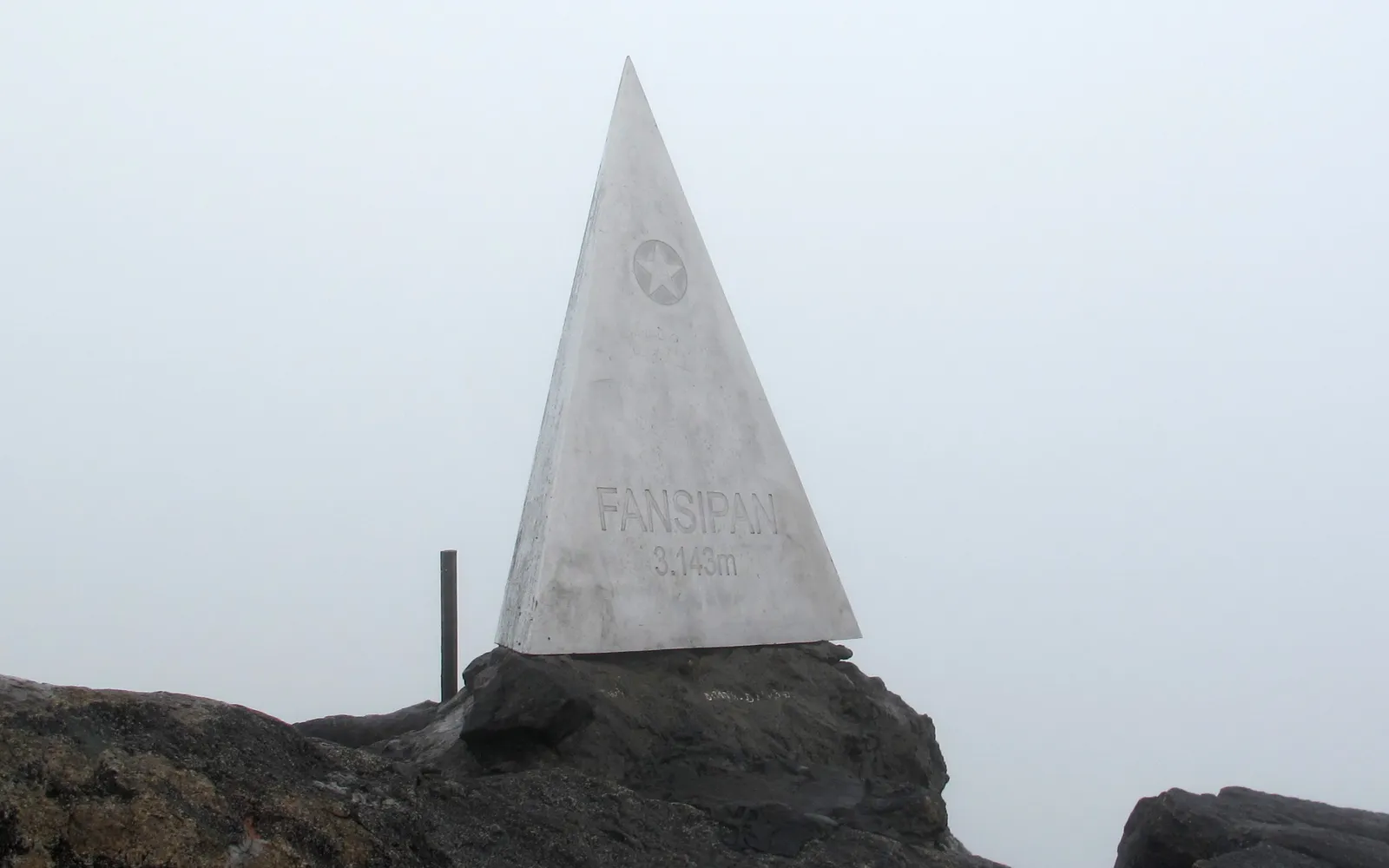
Fansipan stands at <strong>3,147 metres</strong> and carries the title 'roof of Indochina'. The <strong>Sun World Fansipan Legend</strong> cable car, opened in <strong>2016</strong>, holds two Guinness World Records: the world's longest non-stop single-rope cable car at <strong>6,292 metres</strong>, and the greatest vertical rise at <strong>1,410 metres</strong>. The <strong>15-minute</strong> ride delivers a sea of clouds and dense pine forest before depositing you at a summit complex of temples, stairways, and unobstructed views across the Hoang Lien Son range.
- Buy tickets in advance online to avoid long queues on public holidays and peak season
- Bring a warm layer regardless of the season — the summit runs <strong>8–10°C</strong> colder than town
- Cable car operates <strong>07:30–17:30</strong>; go early to stay ahead of cloud cover
 #2
#2 Muong Hoa Valley
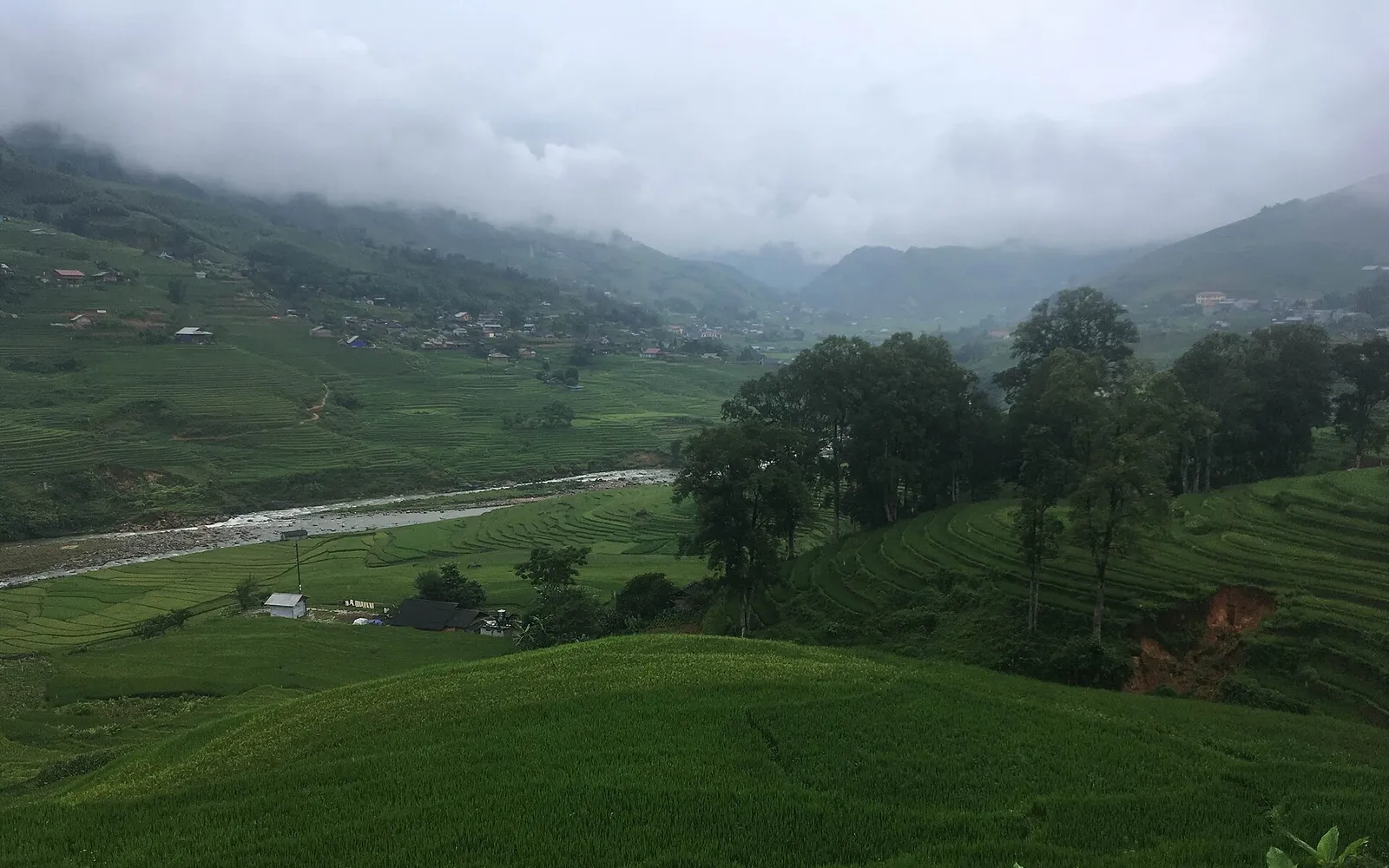
Muong Hoa Valley is the heart of Sapa. Hmong and Red Dao farmers have been carving these terraces out of steep mountainsides for <strong>hundreds of years</strong>, and the Muong Hoa River threads through the entire <strong>15-kilometre</strong> length of the valley, linking the villages of <strong>Lao Chai</strong>, <strong>Ta Van</strong>, and <strong>Hau Thao</strong>. The valley also holds an 'Ancient Stone Field' — more than <strong>200 stone slabs</strong> engraved with mysterious symbols spread across nearly <strong>8 square kilometres</strong> — designated a national heritage site in <strong>1994</strong>.
- Hire a Hmong guide from the village for a genuine experience that also puts money directly into the local economy
- September to October the fields turn gold for harvest — the single best time for photography
- Wear trail shoes with grip; the valley paths get slippery after rain
 #3
#3 Cat Cat Village
<strong>Cat Cat</strong> is the oldest Black Hmong village near Sapa town — a <strong>15–20 minute</strong> walk down the hillside from the centre. The village has a waterfall, a stage for traditional music performances, and a working area where you can watch indigo dyeing and hand-weaving. Black Hmong women in silver-embroidered black traditional dress weave cloth and craft silver jewellery on the spot. The atmosphere is easy and unhurried — a gentle walk through real daily life against a backdrop of terraced fields.
- Entry fee is around <strong>70,000 VND</strong> per person, payable at the gate
- The climb back up is fairly steep — take a motorbike taxi up if you prefer not to walk it
- Souvenir shops sell genuine hand-embroidered textiles made by villagers, at fairer prices than the town market
 #4
#4 Ta Phin Village
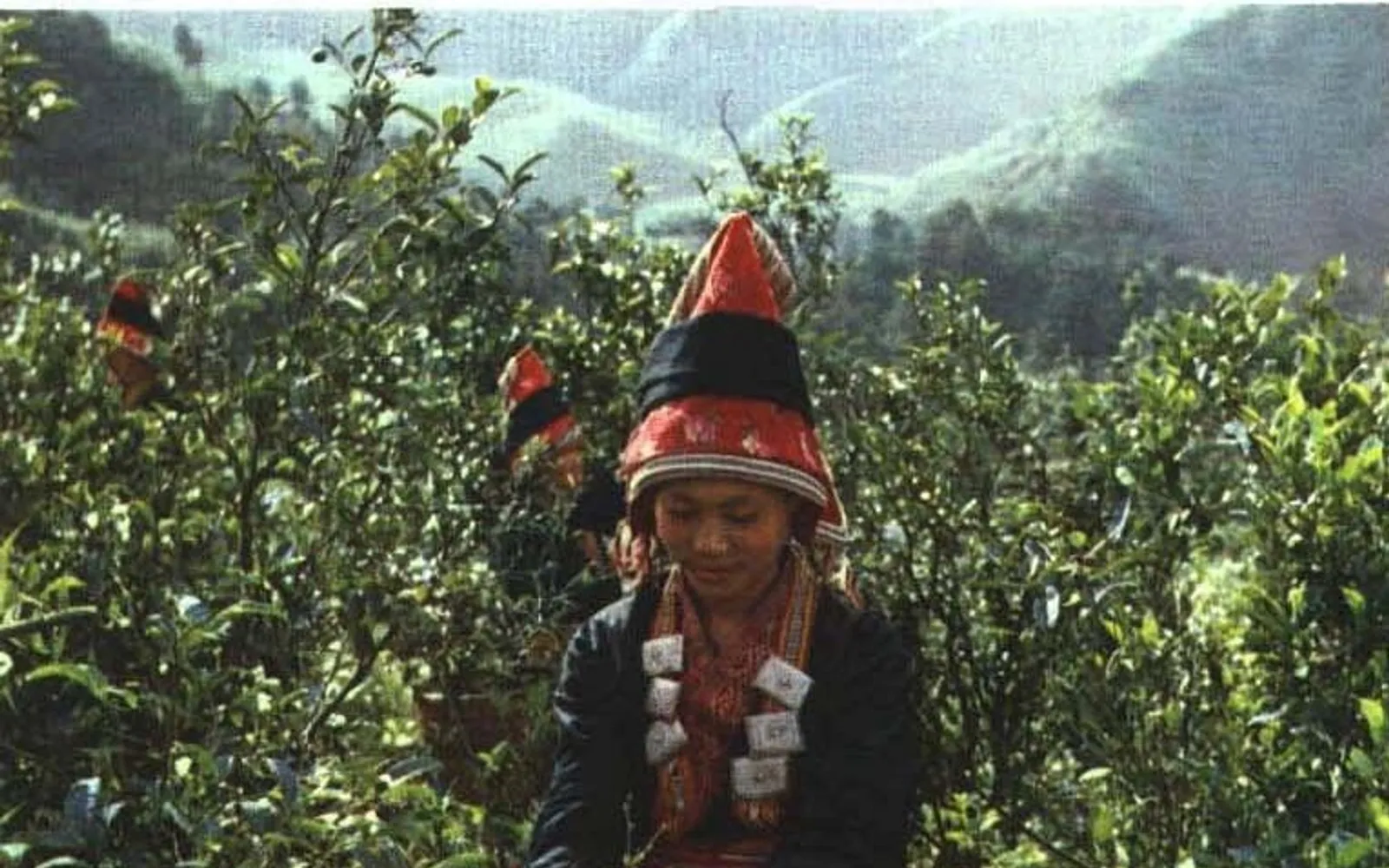
<strong>Ta Phin</strong> is a traditional village of both the Red Dao and Black Hmong peoples. The Red Dao are immediately recognisable by their bright crimson headdresses and embroidered garments — a style unlike any other group in the region. The village is particularly known for its <strong>ancient herbal bathing ritual</strong>, passed down for over a century: Red Dao women gather dozens of mountain herbs, boil them together, and the resulting bath is believed to improve circulation, relax muscles, and treat skin conditions. Doing this in the village feels considerably more authentic than the spa versions on offer in town.
- Book the herbal bath in advance; sessions run <strong>30–45 minutes</strong> at around <strong>100,000–150,000 VND</strong>
- Red Dao hand-embroidery from Ta Phin has a reputation good enough to reach export markets in Europe — quality noticeably higher than market stalls
- A forest trail from Ta Phin to <strong>Ta Phin Cave</strong> takes about <strong>20 minutes</strong> on foot
 #5
#5 Silver Waterfall
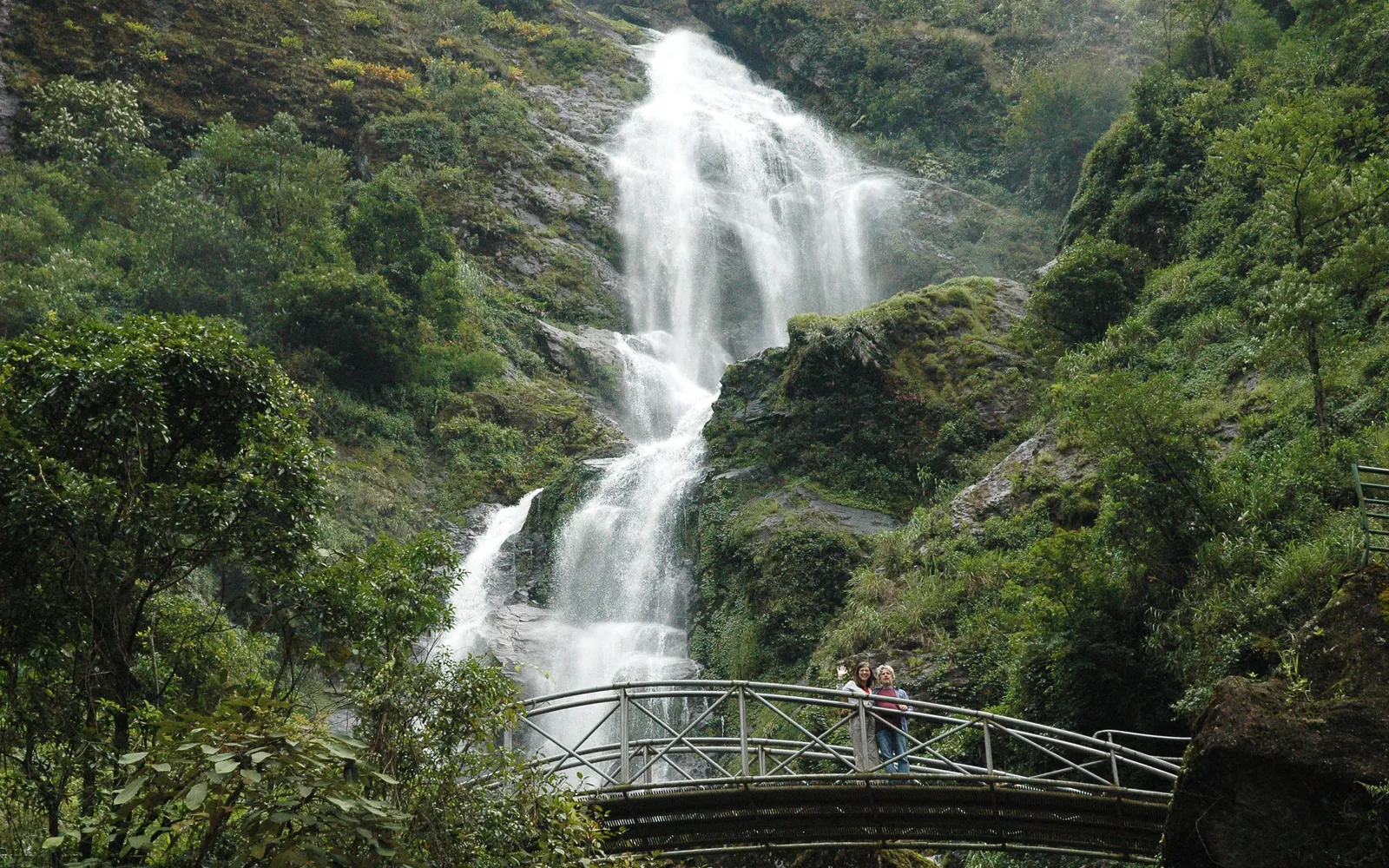
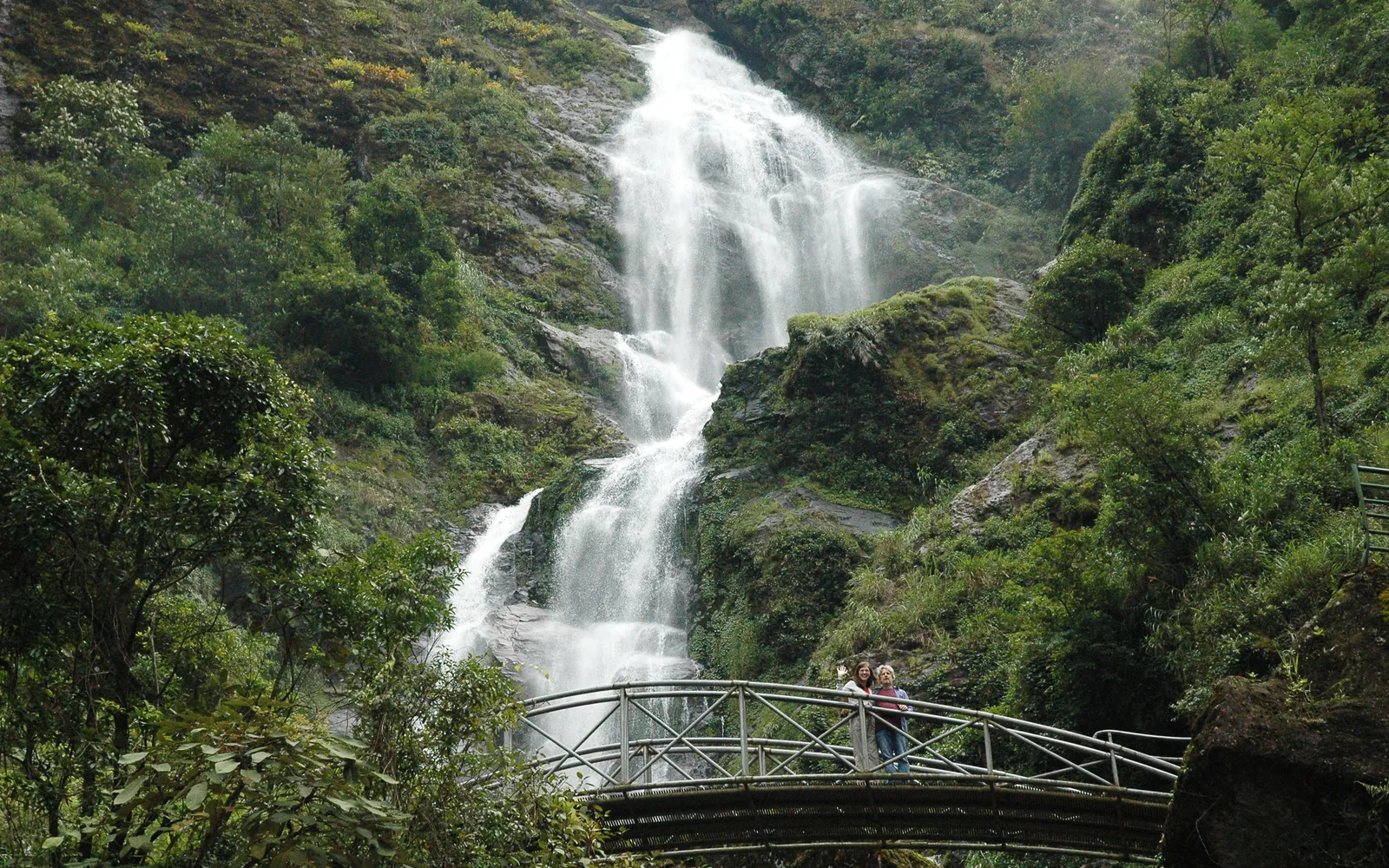
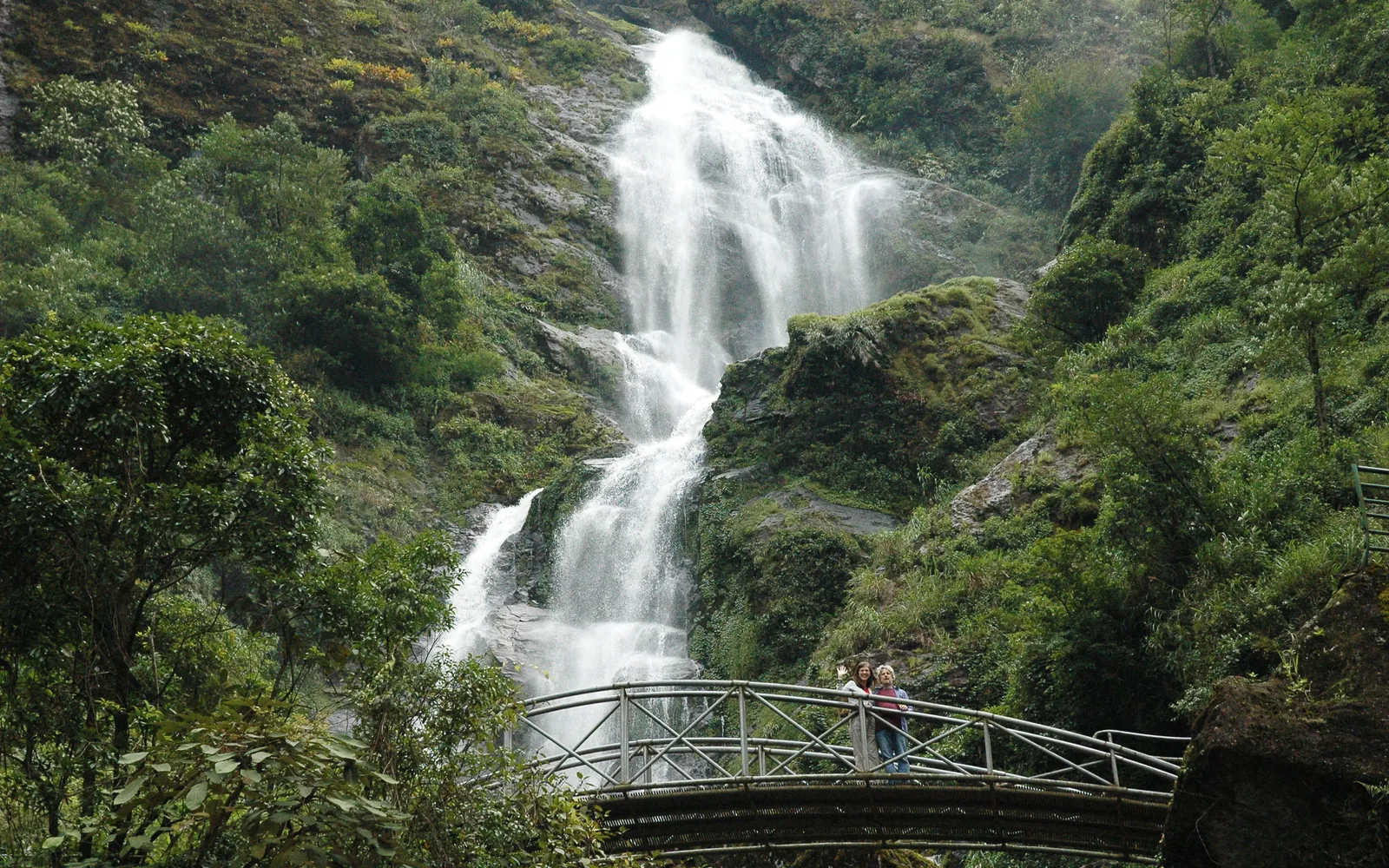
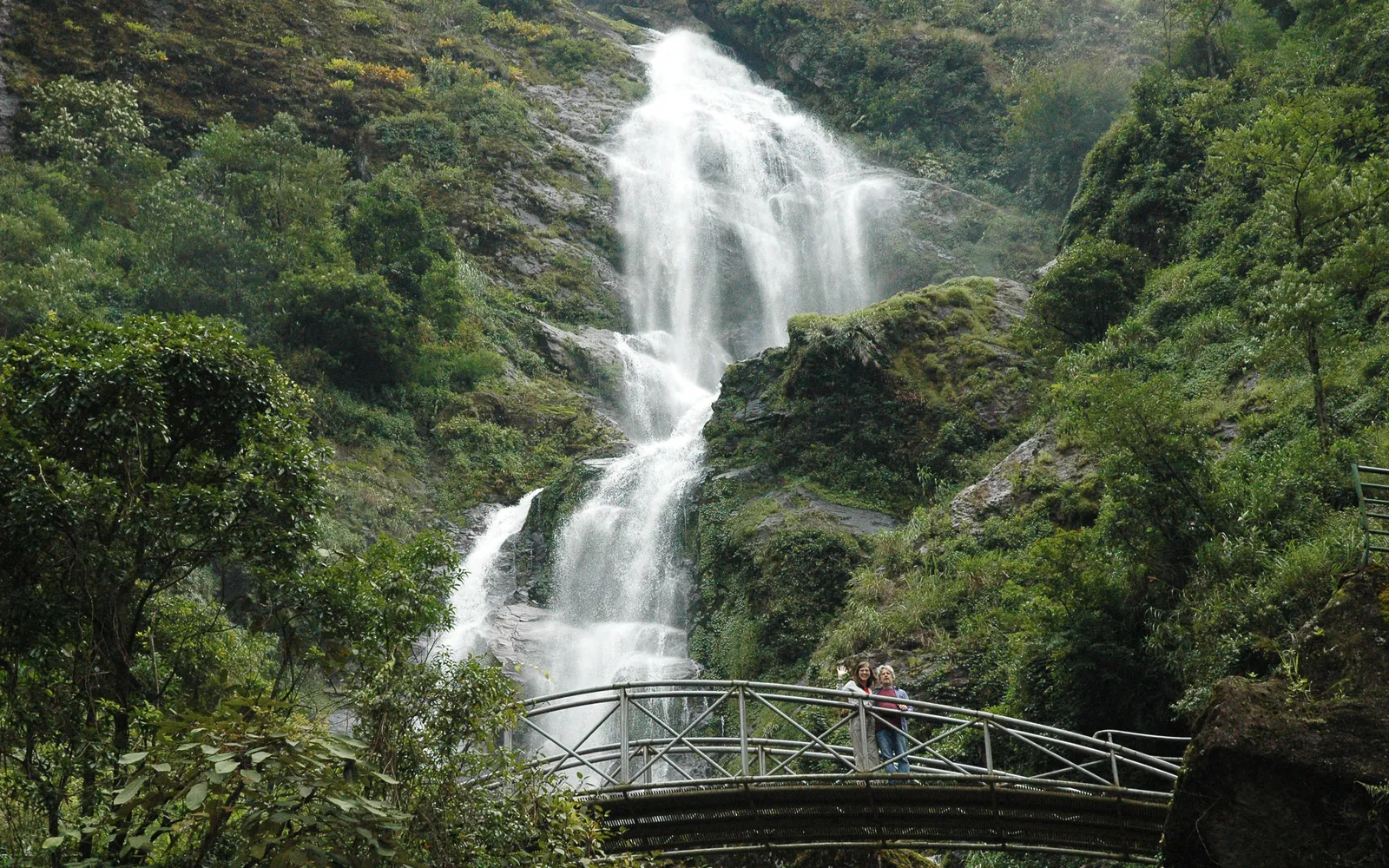
<strong>Silver Waterfall</strong> — <em>Thac Bac</em> in Vietnamese, literally 'silver falls' — sits on the <strong>Tram Ton Pass</strong> road, which at <strong>1,900 metres</strong> is the highest mountain pass in Vietnam. The waterfall drops over <strong>100 metres</strong> down a cliff face in the Hoang Lien Son massif; when sunlight catches the water it turns a bright, silver-white glare. The air around it stays cool and fresh year-round, and the scenery along the Tram Ton road is frequently compared to the Swiss Alps.
- The descent to the waterfall base is steep — watch your footing, especially after rain; trail shoes are essential
- Nearby <strong>Love Waterfall</strong> (<em>Thac Tinh Yeu</em>) requires about a <strong>30-minute</strong> forest walk and is worth the detour
- Stop for photos at the <strong>Tram Ton Pass</strong> marker on the way — a signpost marks the highest point
 #6
#6 Ham Rong Mountain
<strong>Ham Rong Mountain</strong> sits in the middle of Sapa — the name translates as 'dragon's jaw' for the jaw-like shape of its peak. It is divided into three zones: an orchid garden with over <strong>200 species</strong>, the Salami Stone Garden, and the <strong>Cloud Yard</strong> viewpoint at the top. From Cloud Yard on a clear morning you can see <strong>Muong Hoa Valley</strong>, <strong>Cat Cat Village</strong>, and <strong>Fansipan Peak</strong> at once. A relaxed half-day walk covers the whole mountain comfortably.
- Entry is around <strong>70,000 VND</strong> per person; open daily <strong>07:00–18:00</strong>
- In early spring (January–March) peach and plum blossoms cover the slopes
- Cloud Yard is frequently fogged in by afternoon — go in the morning for the clearest views
 #7
#7 Lao Cai Market
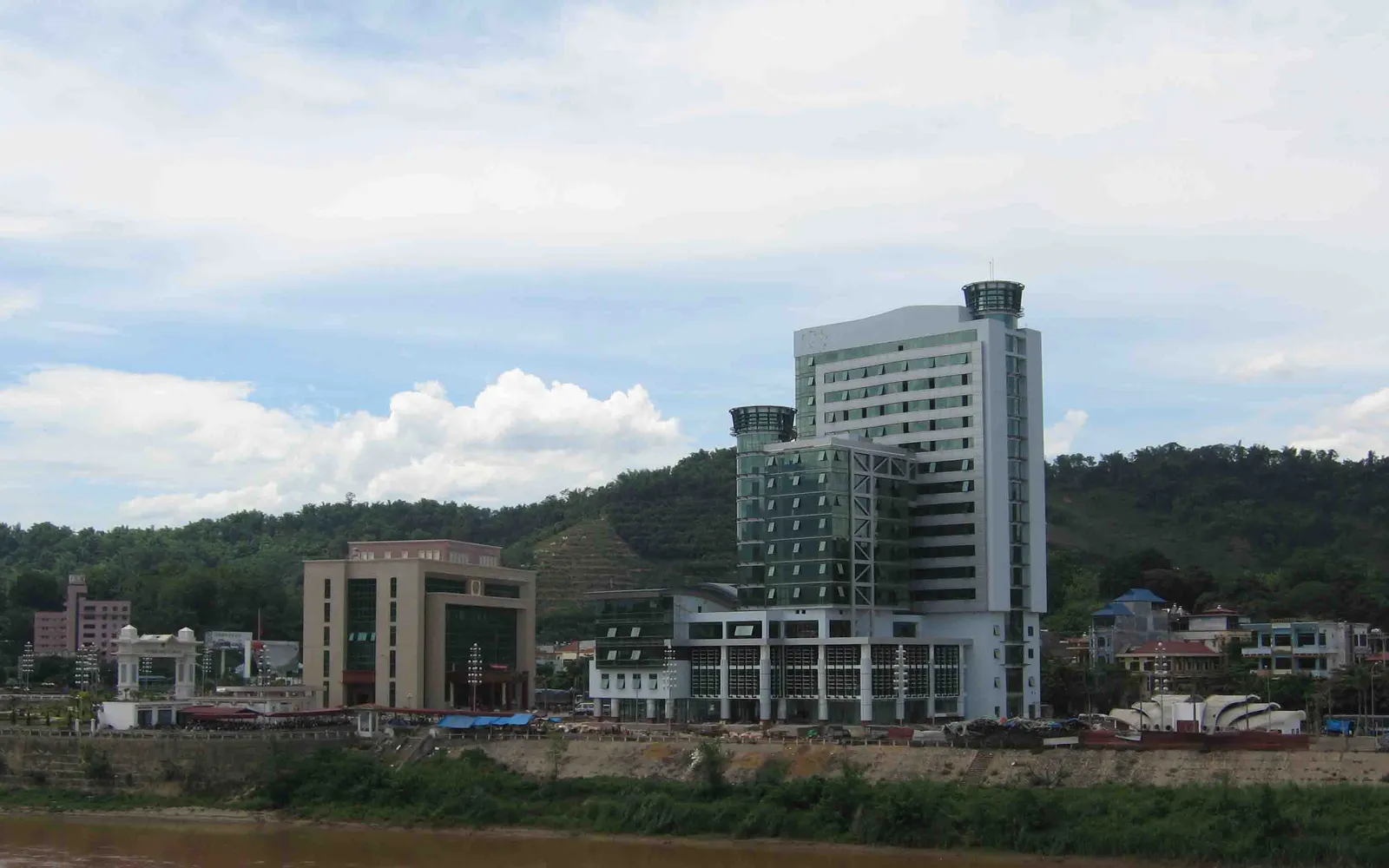
<strong>Lao Cai Market</strong> is the main trading hub for multiple ethnic groups across this region. Every morning, Hmong, Dao, Tay, Giay, and Nung people come down from surrounding villages to buy and sell. The main goods are hand-embroidered textiles, tribal silver jewellery, mountain herbs, spices, rare local vegetables, and livestock. The colour and energy of the scene — dozens of distinct traditional costumes visible at once — is a cultural snapshot that is hard to find elsewhere.
- Peak activity runs <strong>06:00–11:00</strong>; sellers start heading home after that
- Bargaining is expected, but keep it fair — hand-crafted pieces take hours to make and the margins are thin
- Keep valuables close; the market gets crowded and pickpocketing is a known risk
Where to stay in Sapa for this trip
A well-located hotel means less commuting and more sightseeing. Here are real, top-rated stays in Sapa — compare Agoda · Booking · Trip.com in one click.
Aliana Boutique Sapa Hotel & Spa
Affiliate links — we may earn a commission at no extra cost to you. Details
Sapa Clay House - Mountain Retreat
Affiliate links — we may earn a commission at no extra cost to you. Details
Sapa Relax Hotel & Spa
Affiliate links — we may earn a commission at no extra cost to you. Details
Sapa Horizon Hotel & Skybar
Affiliate links — we may earn a commission at no extra cost to you. Details
Tours, tickets & activities in Sapa
Day tours, attraction tickets and travel essentials for Sapa — book ahead on Klook with mobile e-tickets.
Affiliate links — we may earn a commission at no extra cost to you.
Before You Pack
Sapa rewards those who take time with it. The more you explore — the valleys, the villages, the ridge trails — the more you find. Budget at least 3–4 days to move at a comfortable pace without rushing the best parts.