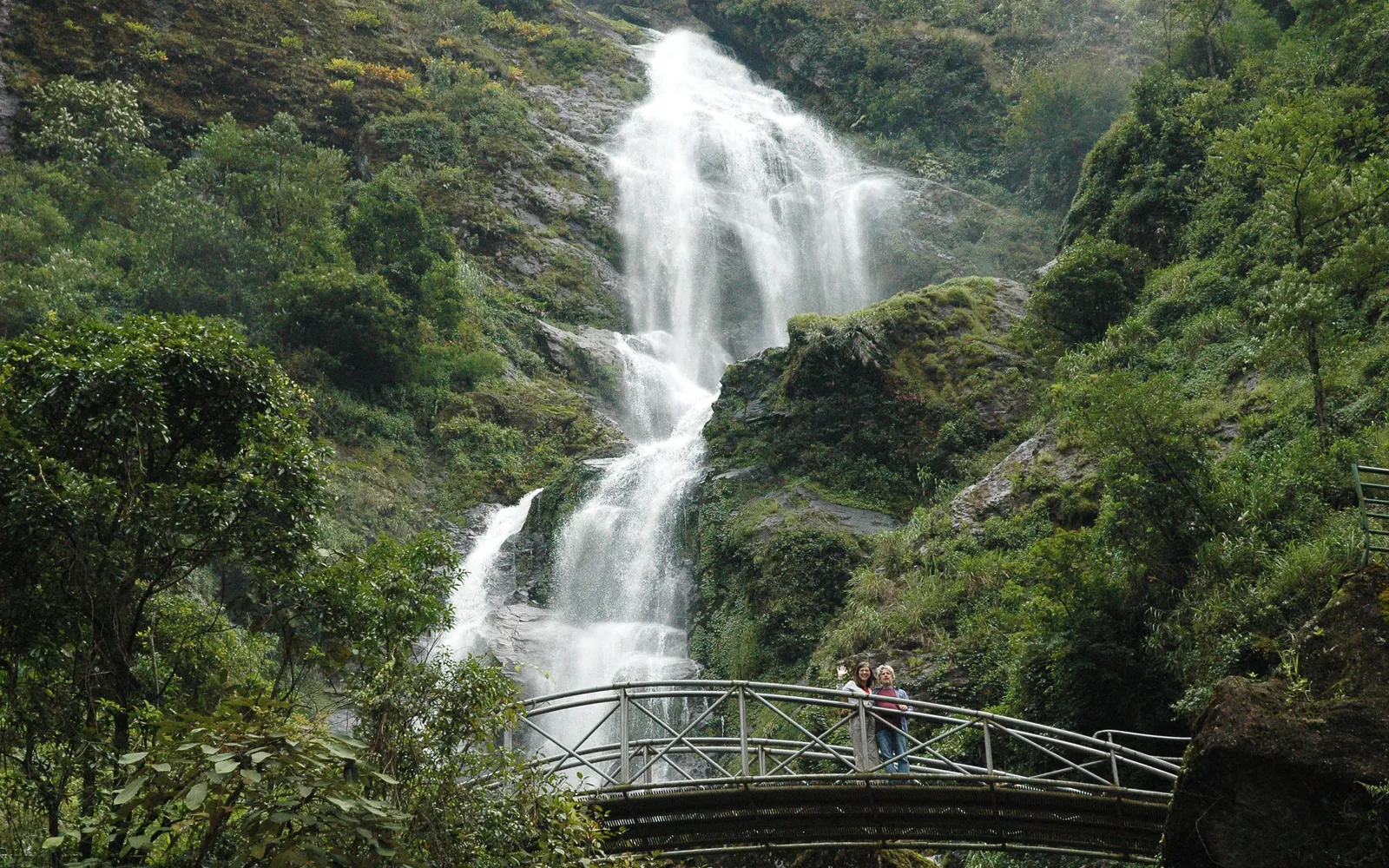
Sapa's food grew from centuries of tribal knowledge on the Hoang Lien Son mountain range. Ingredients you simply cannot find elsewhere — wild herbs, cold-stream fish, free-range livestock — give the dishes here a flavour unlike anywhere else in Vietnam. From ancient bone stew at a tribal market to salmon hotpot on a cold mountain evening, every plate reflects the culture and climate of this misty highland town.
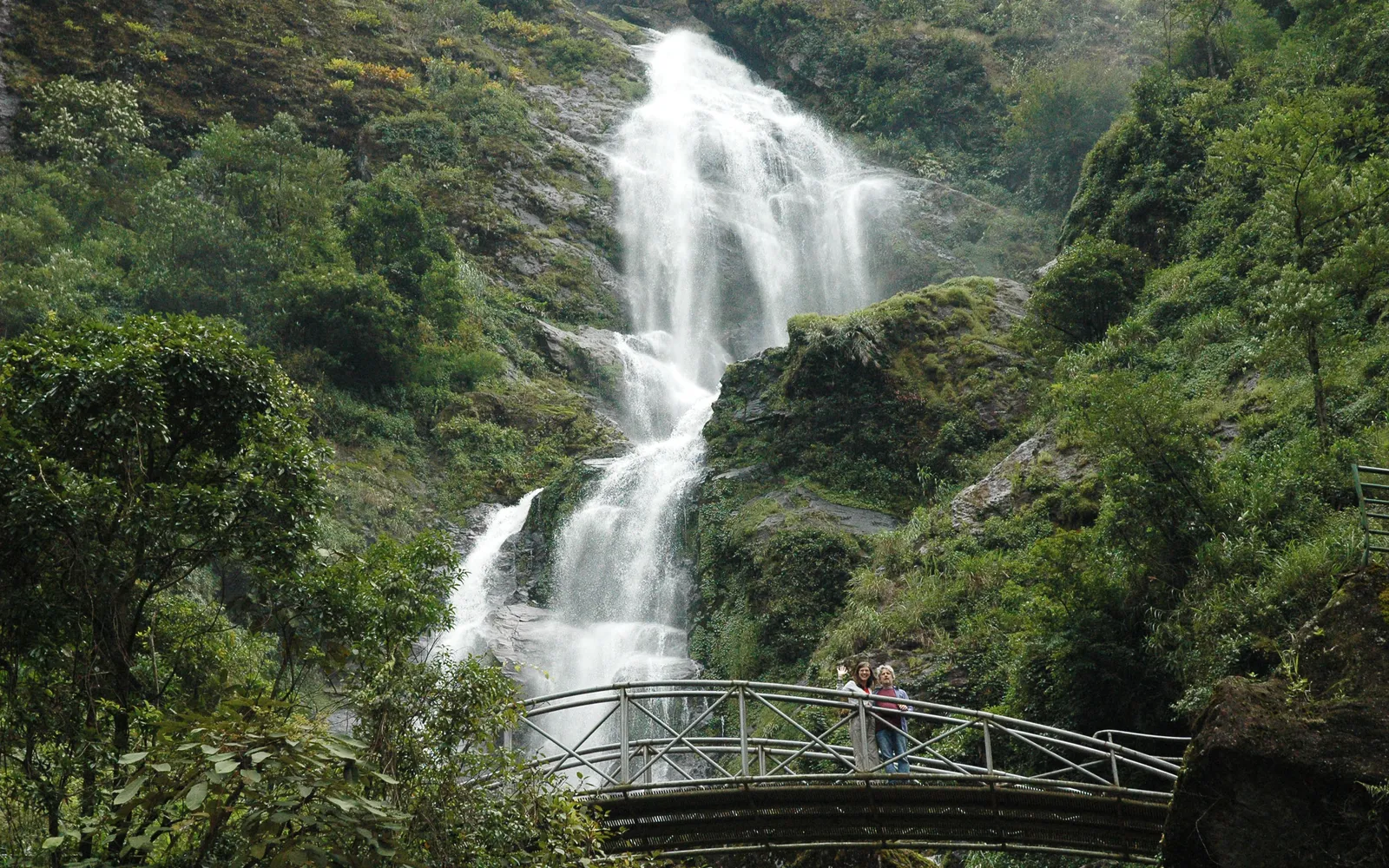 #1
#1 Thang Co
Thang Co is the Hmong people's ancestral bone soup — a recipe passed down for over 200 years from Yunnan province in China. It is made by simmering horse meat and offal (some stalls use beef or pork) with more than 20 herbs including lemongrass, star anise, and wild roots, all day in a large cauldron until the broth turns deep and thick. By tradition, Thang Co is eaten alongside corn wine at tribal markets late in the morning — it is a social dish, with people sitting in a circle around a shared pot.
- Horse Thang Co is the authentic original — the flavour is richer and deeper than the beef or pork versions, and worth trying if you're up for it.
- Bac Ha Market, held every Sunday, serves what many consider the best Thang Co in the region.
- Order it the traditional way: paired with sticky rice or bread and a cup of corn wine.
 #2
#2 Salmon Hotpot
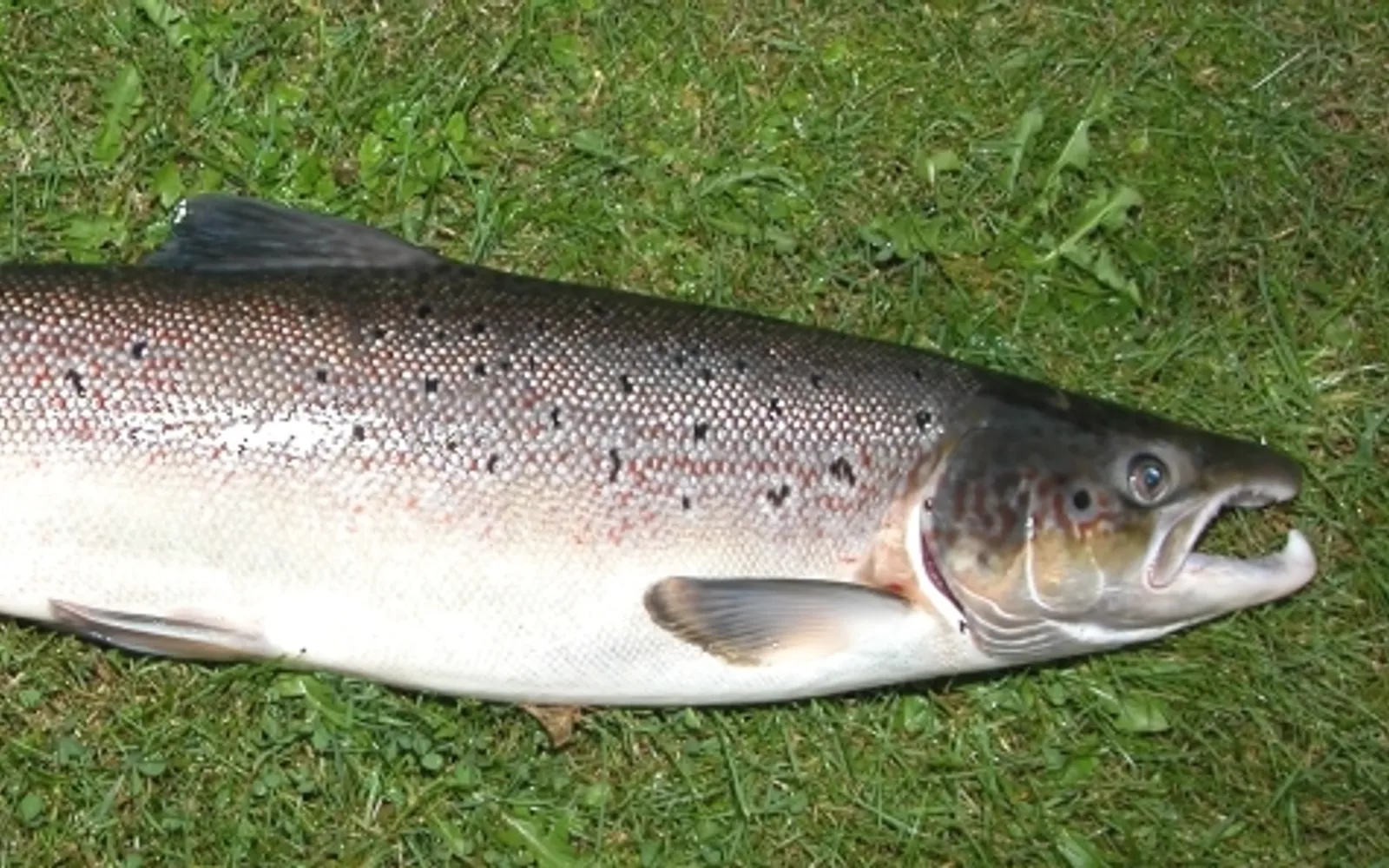
Sapa is the only place in Vietnam where salmon and sturgeon are farmed, because the mountain stream temperatures are exactly right for cold-water fish. The hotpot starts with a clear, gently sweet broth made from fish bones, then arrives at the table with thinly sliced fresh salmon, various local greens, multiple mushroom varieties, tofu, and noodles. It is the go-to meal on cold nights for warming up after a long day on the mountain.
- You can add sturgeon to the same pot — the texture is noticeably firmer than salmon, and the two flavours complement each other well.
- A good restaurant will have same-day fish from local farms. Ask whether the fish is fresh or frozen before ordering.
- The slightly sour broth style (<em>chua</em>) is Sapa's original recipe and, most regulars agree, tastier than the plain clear version.
 #3
#3 Com Lam (Bamboo Sticky Rice)
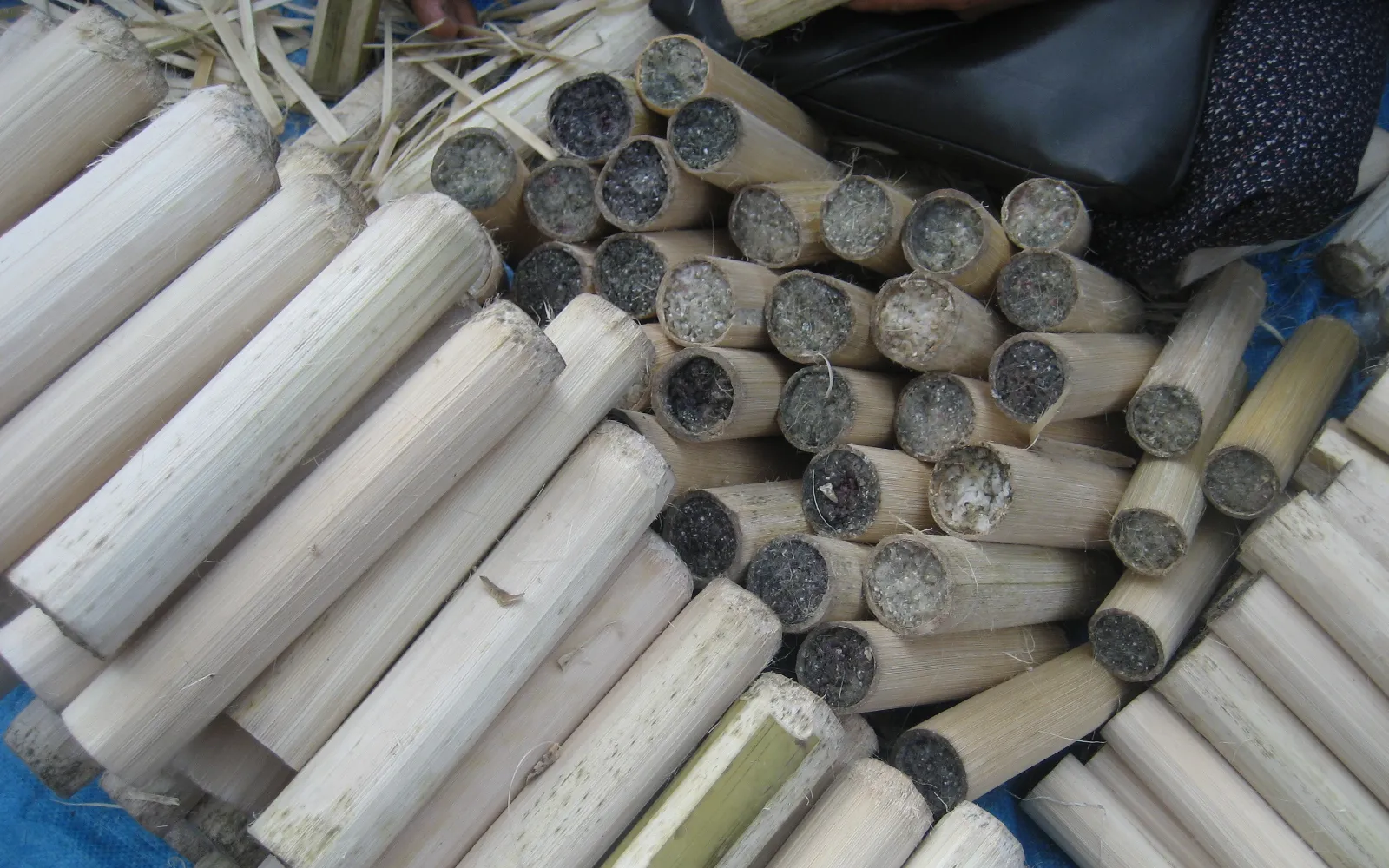
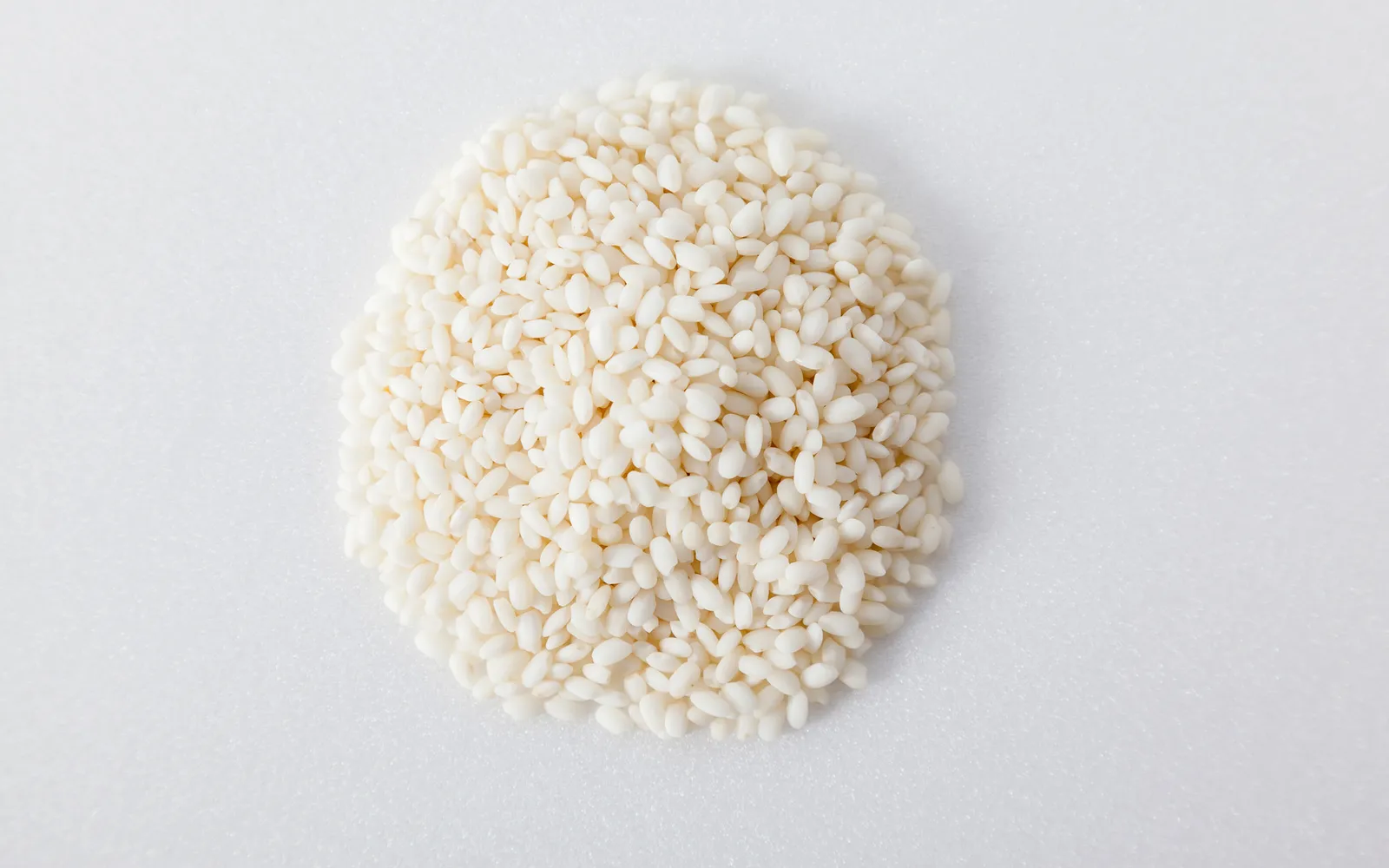
<em>Cơm lam</em> is a traditional dish of the Thai ethnic minority in northern Vietnam. Glutinous rice is packed into a fresh bamboo tube with a little water and salt, then grilled slowly over charcoal until the rice cooks through and takes on the bamboo's distinctive fragrance. When the outer casing is peeled away, the rice is soft and chewy, wrapped in a thin bamboo film. It is eaten with salted toasted sesame or grilled pork — a portable street food that travelers love to buy while walking the town.
- Choose a tube that is still warm — rice just off the grill has a noticeably clearer bamboo aroma.
- Some stalls will stuff the tube with pork or black beans; worth asking for if you want a heartier version.
- The outer bamboo skin is edible if grilled just right — some people like eating it together with the rice.
 #4
#4 Cap Nach Black Pig
Cap Nach — literally 'armpit-carried pig' — is a small indigenous black pig breed from the Sapa mountains, raised free-range in forests and gardens and weighing only around 10 kilograms. The meat is lean, sweeter and more aromatic than conventionally farmed pork. The traditional preparation is whole-pig grilling over wood charcoal until the skin crisps up while the inside stays juicy. The bones are thin enough to eat whole. This is Sapa's one truly unmissable meat dish.
- Order in advance or arrive before 6 pm — authentic Cap Nach pig is available in limited numbers each day.
- It costs more than ordinary pork, at around 150,000–250,000 dong per 200 grams, but most people find it worth every dong.
- Eat it with fresh local vegetables, chilli-lime dipping sauce, and hot sticky rice for the full experience.
 #5
#5 Xôi Ngũ Sắc (Five-Colour Sticky Rice)
Five-colour sticky rice (<em>Xôi Ngũ Sắc</em>) is a ceremonial dish of the Thai ethnic minority in which all five colours come entirely from natural plants: red from nettle leaves, green from Siamese senna or pandan, yellow from turmeric, black from forest tree bark, and white from plain glutinous rice. Each colour carries symbolic meaning related to the balance of nature and good health. Herbs woven through every grain give it a gentle fragrance, with a subtle sweet-nutty flavour.
- Five-colour rice is handmade and time-consuming, so it sells in limited quantities each morning — buy early.
- Vivid, deep colours mean fresh plants were used rather than food colouring. You can ask the vendor about the ingredients.
- Eat it the traditional Thai-minority way: with shredded coconut tossed in salt, or toasted sesame.
 #6
#6 Sapa Night Market Grilled Street Food
The Sapa night market is an experience you should not skip. From 6 pm, the main streets and central square transform into a lively open-air market with herb-rubbed grilled corn, meat skewers marinated in tribal spices, multiple varieties of wild mushrooms grilled over charcoal, and stuffed fried bread. Cold mountain air, wood-smoke, and live folk music create an atmosphere that exists nowhere else quite like this.
- Dress very warmly — the night market sits at high elevation and temperatures can drop below 10°C in winter.
- Grilled wild mushrooms and grilled corn are the two standouts at this market; both are worth ordering.
- Hill-tribe groups from several communities perform music and sell handmade goods here — the atmosphere is genuinely festive.
Where to stay in Sapa for this trip
A well-located hotel means less commuting and more sightseeing. Here are real, top-rated stays in Sapa — compare Agoda · Booking · Trip.com in one click.
Aliana Boutique Sapa Hotel & Spa
Affiliate links — we may earn a commission at no extra cost to you. Details
Sapa Clay House - Mountain Retreat
Affiliate links — we may earn a commission at no extra cost to you. Details
Sapa Relax Hotel & Spa
Affiliate links — we may earn a commission at no extra cost to you. Details
Sapa Horizon Hotel & Skybar
Affiliate links — we may earn a commission at no extra cost to you. Details
Tours, tickets & activities in Sapa
Day tours, attraction tickets and travel essentials for Sapa — book ahead on Klook with mobile e-tickets.
Affiliate links — we may earn a commission at no extra cost to you.
Before You Pack
Sapa's food is as much of the experience as the mountain scenery. Plan at least one meal at a local market to taste the real flavours of highland life in northern Vietnam.