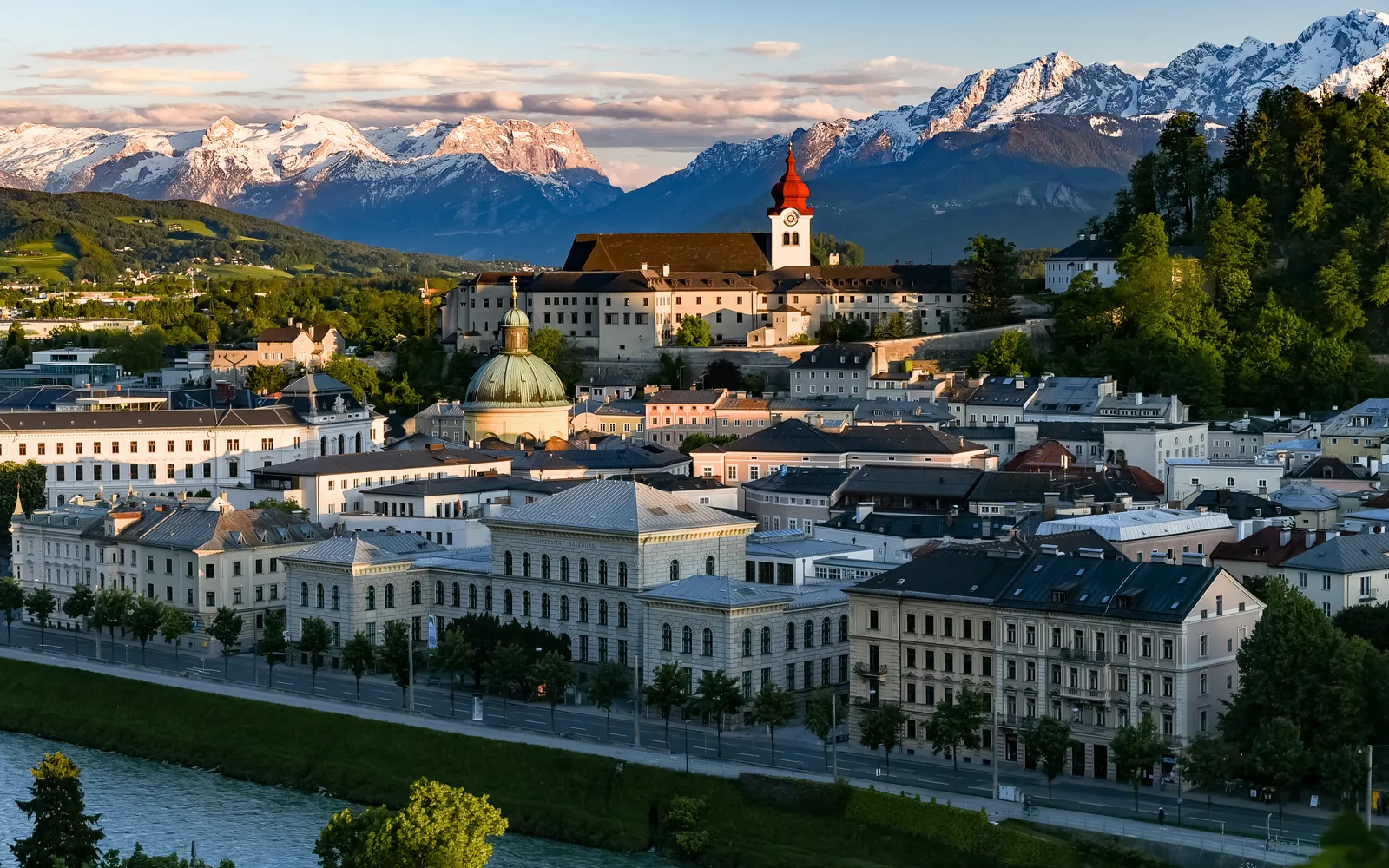
Compact Salzburg is packed with history and beautiful architecture. The entire old town has been a UNESCO World Heritage Site since 1996, and in every corner you'll find traces of the greatest composer in history. The city is small enough to walk easily, but every step you take has a story hiding behind it.
 #1
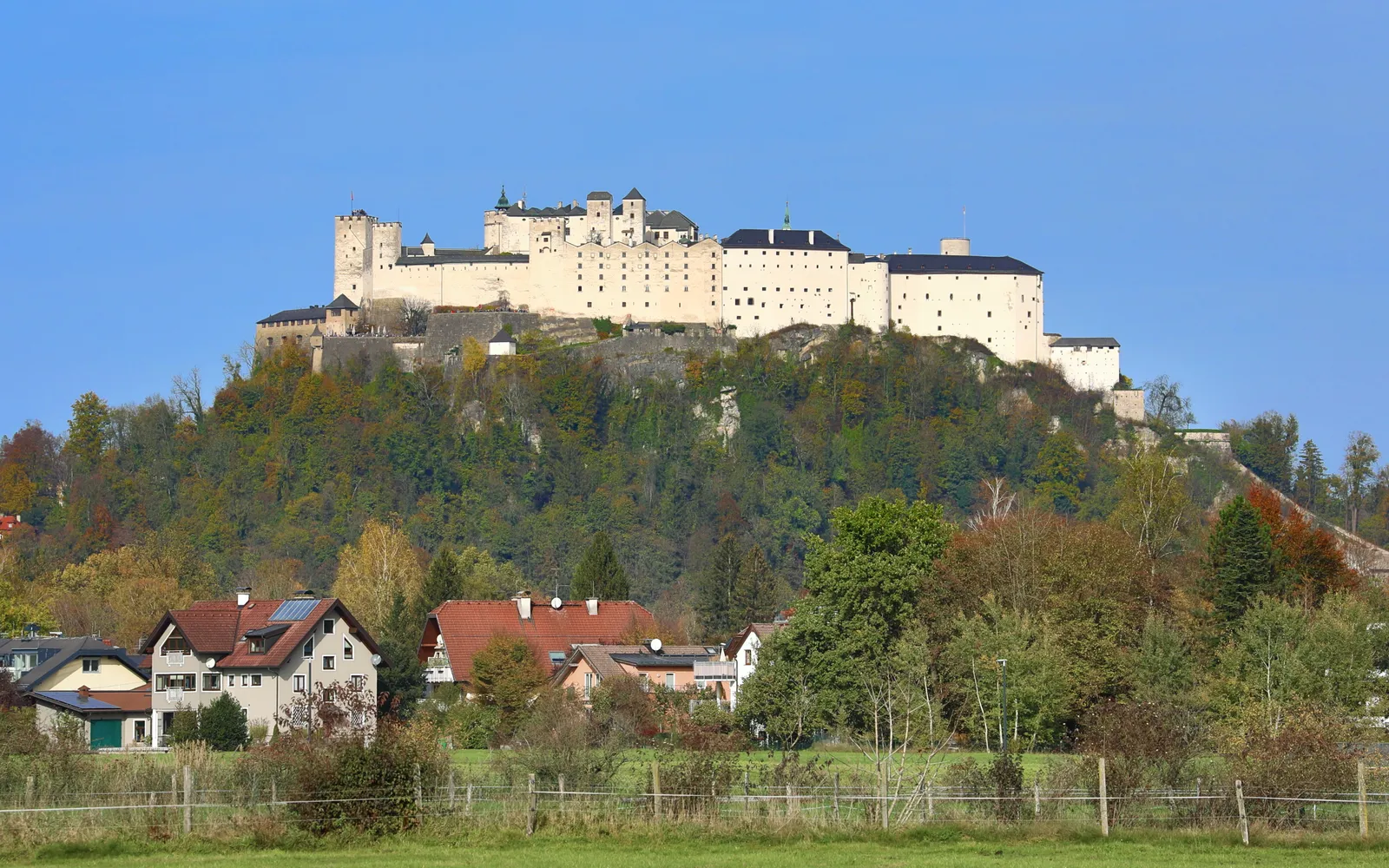
#1 Hohensalzburg Fortress
The largest fully preserved medieval fortress in Central Europe, built from 1077 by Archbishop Gebhard. It stands tall on a hill 120 metres above the city. Inside you'll find ornately decorated state rooms, a museum of weapons and history, and a viewing terrace with a breathtaking 360-degree panorama of the city and the Alps. You can reach it by funicular or on foot in about 15 minutes.
- A combined ticket covering the funicular and fortress entry costs 15.20 euros for adults, with a discount if you book online in advance.
- Arrive in time for the 9:00 am opening to reach the viewing terrace before the tour groups roll in around 10:30 am.
- Walk back down the Festungsgasse route, past small gardens and an old coffee house that's well worth it.
 #2
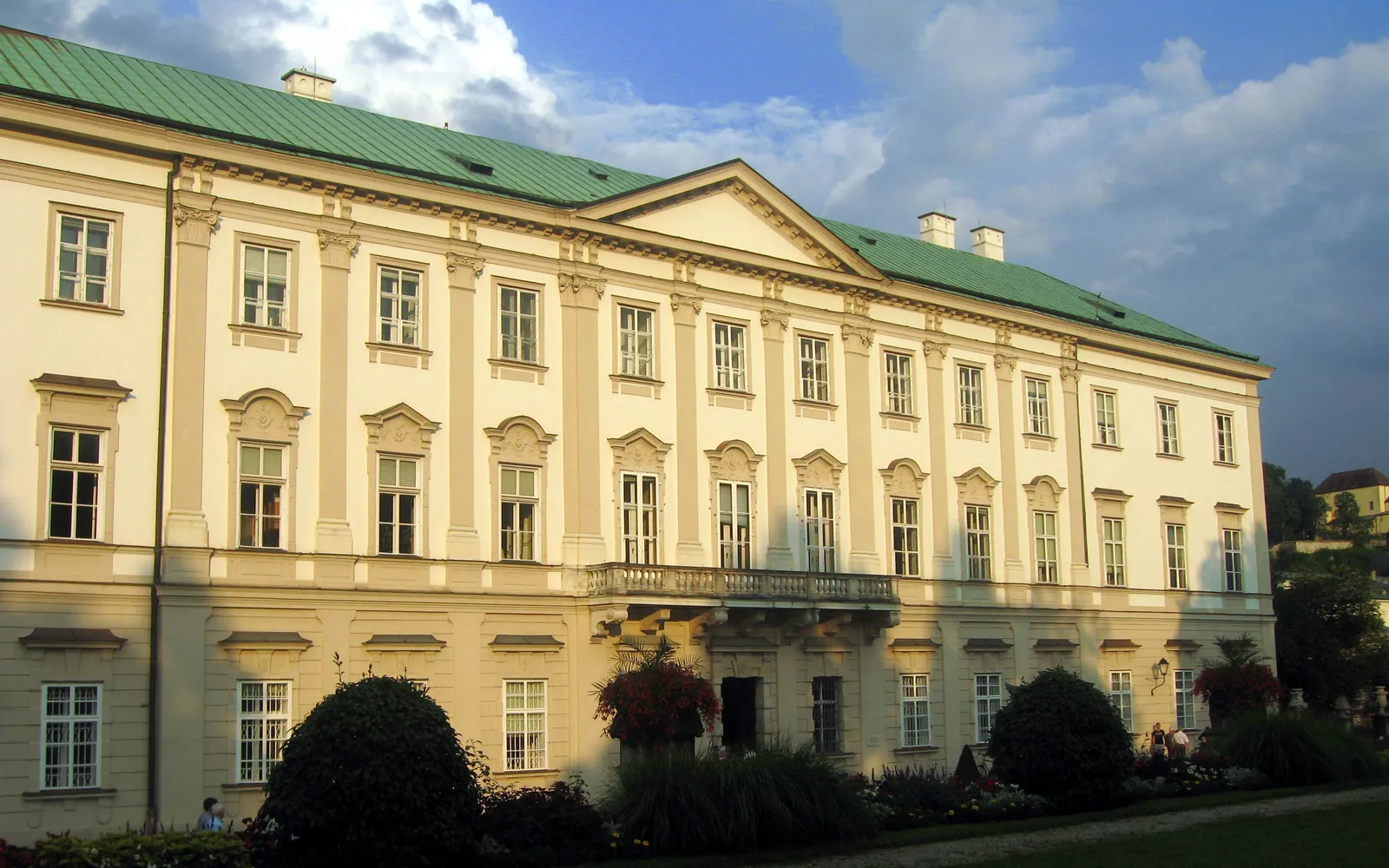
#2 Mirabell Palace and Gardens
The most beautiful Baroque garden in Austria and the scene anyone who's seen The Sound of Music recognises instantly. The palace was built in 1606 by Archbishop Wolf Dietrich, and the garden is laid out in elegant symmetry with flowers of every kind, statues of cherubs, fountains, and a view aimed straight at the fortress on the hill. The palace's Marble Hall is still used for real weddings to this day. The garden is free to visit all year round.
- The garden is free to visit all year, open every day from dawn — locals come here to exercise in the morning.
- The best photo spot is the stone staircase in front of the central fountain, with the fortress as your backdrop, which looks great by day and in the evening.
- Spring from April to June is when the garden is fullest of flowers and at its prettiest; in winter, December brings Christmas lights.
 #3
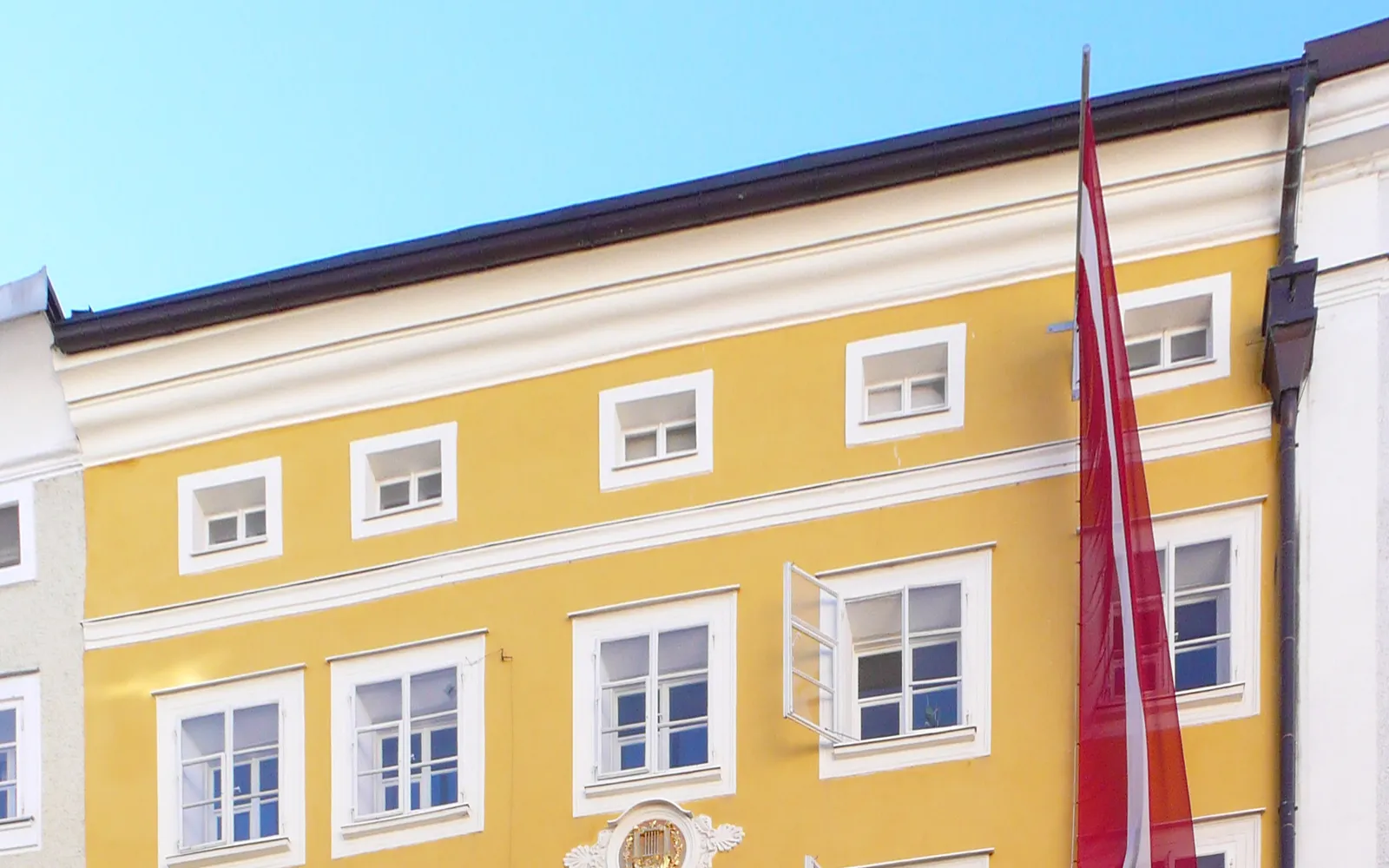
#3 Mozart's Birthplace
The birthplace of Wolfgang Amadeus Mozart on 27 January 1756. The yellow building on Getreidegasse — the third floor in particular — has been open as a museum since 1880. Inside you'll find his personal belongings, the child's violin Mozart played at the age of 5, handwritten scores, letters, and family portraits. It's a place of pilgrimage for musicians and classical music fans the world over.
- Admission is 12 euros for adults, including an English audio guide; set aside at least 1.5 hours.
- Queues are longest around midday, so come before 10:00 am or after 3:00 pm to avoid them.
- Pick up Mozartkugel (round Mozart chocolate balls) at the shop in the same building as a souvenir — the original genuine ones are made only in Salzburg.
 #4
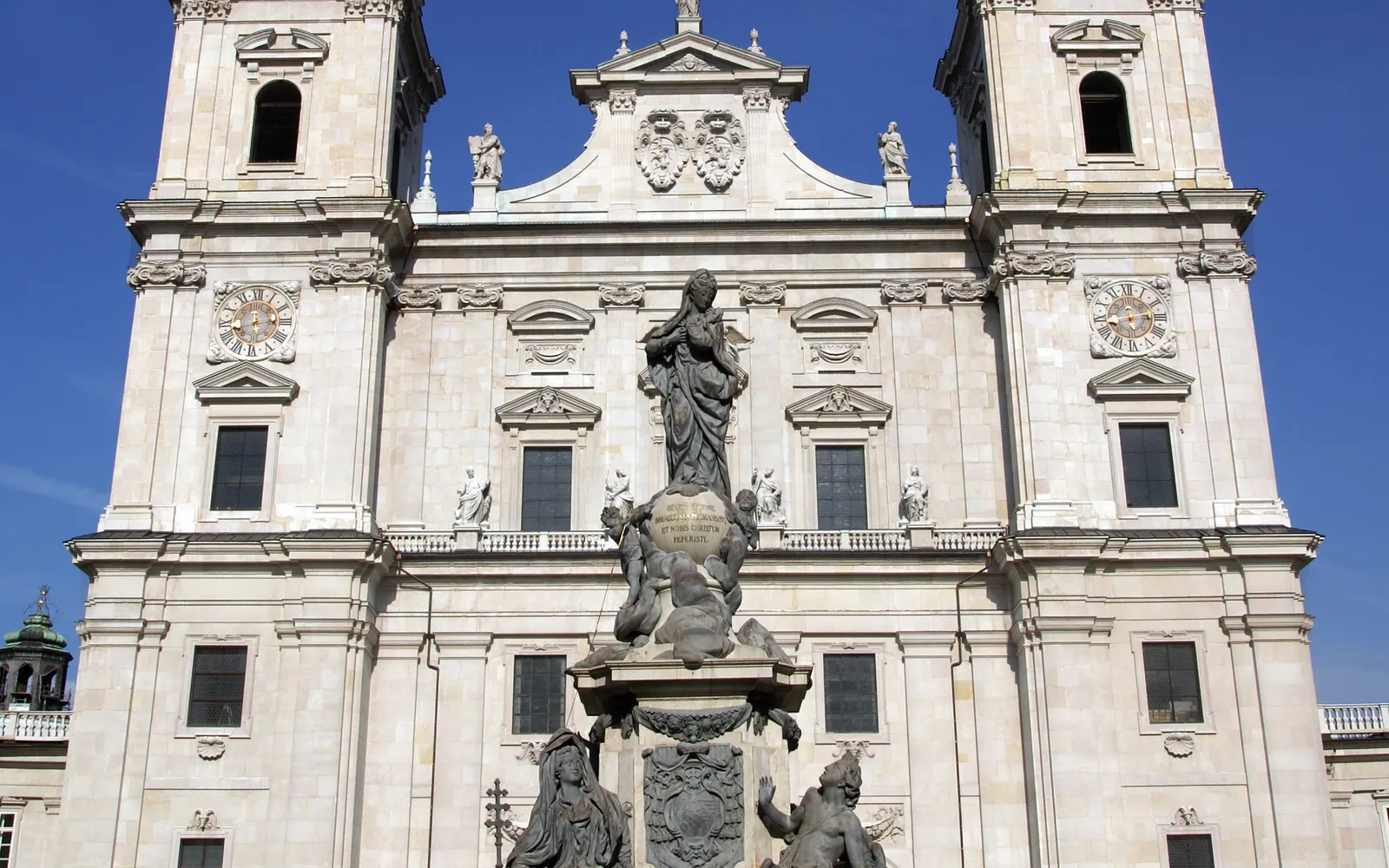
#4 Salzburg Cathedral
One of the most graceful Baroque cathedrals in the German-speaking world, rebuilt in the 17th century after a fire. It was designed by the Italian architect Santino Solari in the Roman Baroque style. The spacious interior holds beautiful frescoes, four large organs that Mozart once played, and the baptismal font used to baptise Mozart in 1756. Entry is free except during religious services.
- Entry is free during regular hours, except during Sunday morning Mass — check the schedule before you go.
- Climb the tower for the view (3.50 euros) for a different angle from the fortress; the river view on this side is lovely.
- Organ concerts are held every Wednesday at 11:30 am in summer — free, and not to be missed.
 #5
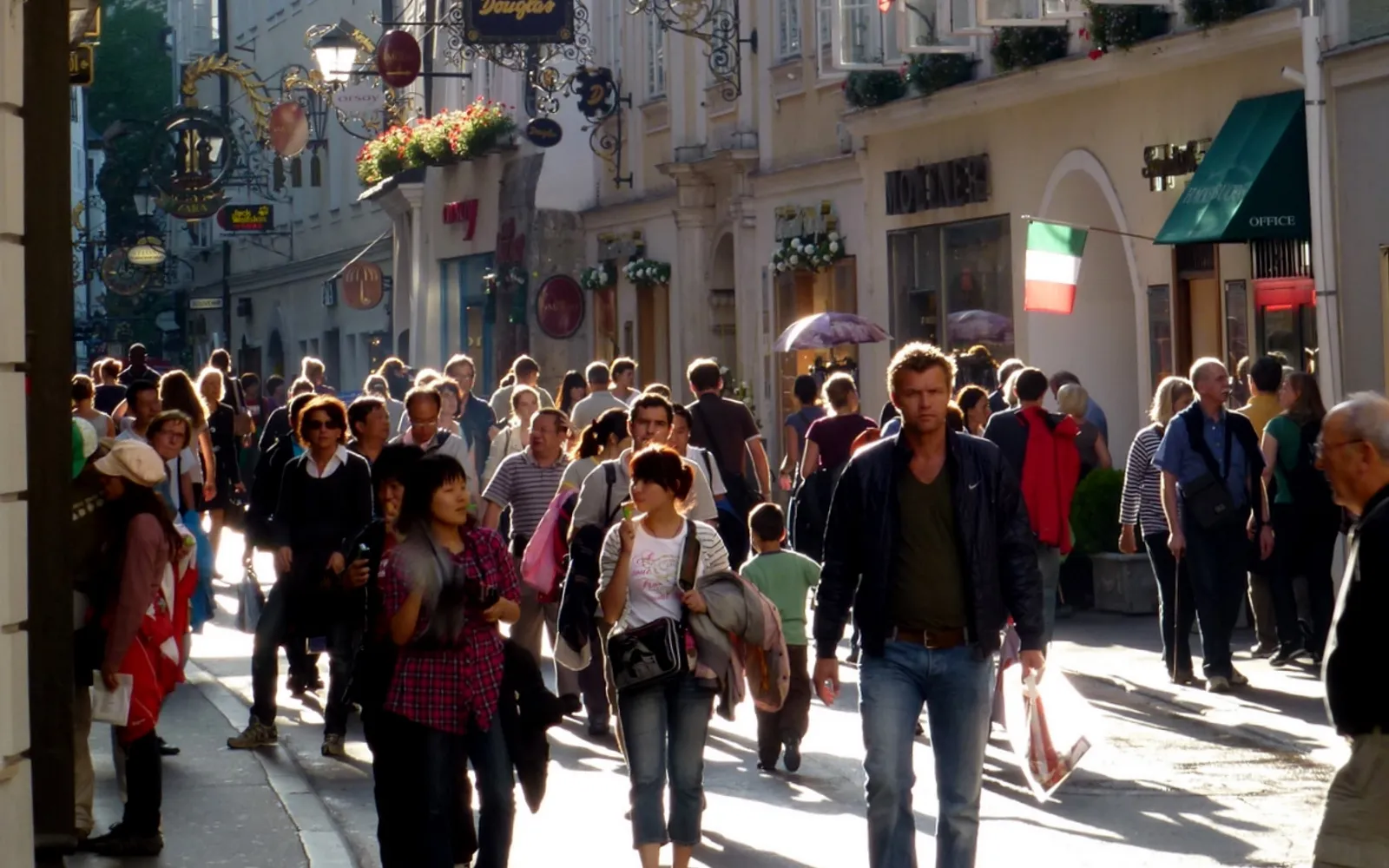
#5 Getreidegasse
The most famous old shopping street in Salzburg. What makes it special is the intricately carved metal signs hanging in front of every shop — a tradition from the era when most people still couldn't read. Today it mixes world-famous brand stores with old local sweet shops side by side. The building at no. 9 is Mozart's birthplace. The street is narrower and more beautiful than it looks in photos.
- Walk slowly and look up at the metal signs above every shop — each one tells you the type of business with a symbol, which is great fun to read.
- The alleys branching off Getreidegasse have small restaurants and cafes that locals love, much cheaper than the main street.
- The McDonald's here has a carved metal sign just like the rest, and is famous as the 'most beautiful' branch in the world.
 #6
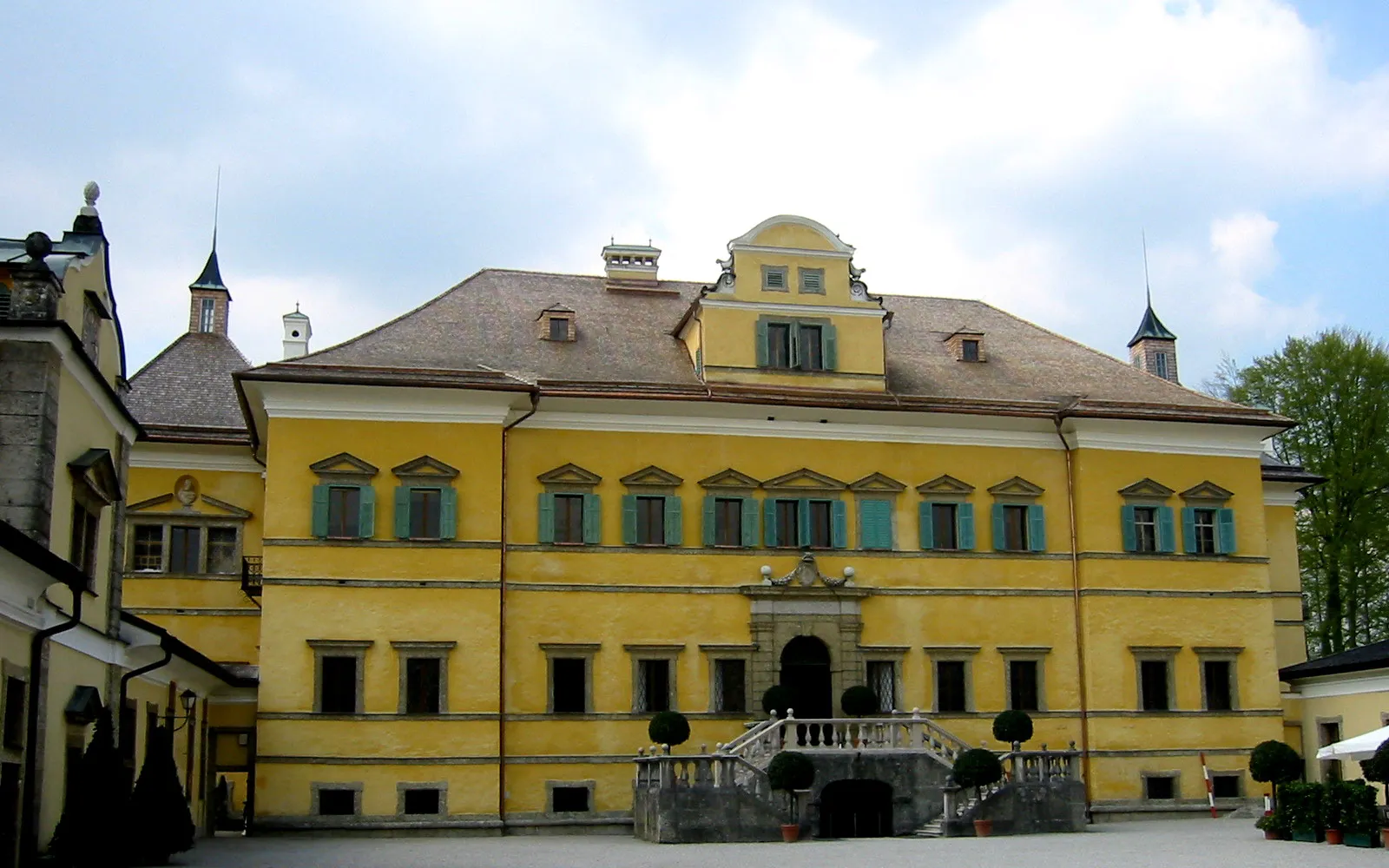
#6 Hellbrunn Palace
The archbishop's summer palace and a Baroque garden with the most famous 'water traps' in the world. Built in 1619 by the mischievous Archbishop Markus Sittikus, who had hidden water pipes installed under the stone chairs, statues and paths to spray unsuspecting guests in the middle of a banquet. Guided tours still set off these trick fountains to this day — everyone gets soaked, the guide included.
- Wear clothes that can get wet and don't carry a leather bag, because you will definitely be sprayed during the tour.
- A tour including the garden costs 13.50 euros for adults; the tour takes 40 minutes and runs every half hour in summer.
- From November to April the fountain tour is closed — you can visit the garden but there's no water spraying — so come between May and October.
Where to stay in Salzburg for this trip
A well-located hotel means less commuting and more sightseeing. Here are real, top-rated stays in Salzburg — compare Agoda · Booking · Trip.com in one click.
Hotel Sacher Salzburg
Affiliate links — we may earn a commission at no extra cost to you. Details
Altstadt Hotel Stadtkrug
Affiliate links — we may earn a commission at no extra cost to you. Details
Star Inn Hotel Premium Salzburg Gablerbräu
Affiliate links — we may earn a commission at no extra cost to you. Details
Austria Trend Hotel Europa Salzburg
Affiliate links — we may earn a commission at no extra cost to you. Details
Tours, tickets & activities in Salzburg
Day tours, attraction tickets and travel essentials for Salzburg — book ahead on Klook with mobile e-tickets.
Affiliate links — we may earn a commission at no extra cost to you.
Before You Pack
Salzburg is at its loveliest in winter, during the December Christmas markets, and in spring from April to June when the flowers bloom in the Mirabell Gardens. Plan at least 2 days to cover the old town and Hellbrunn Palace fully, and on your first morning head up to the fortress before the tourists pour in.