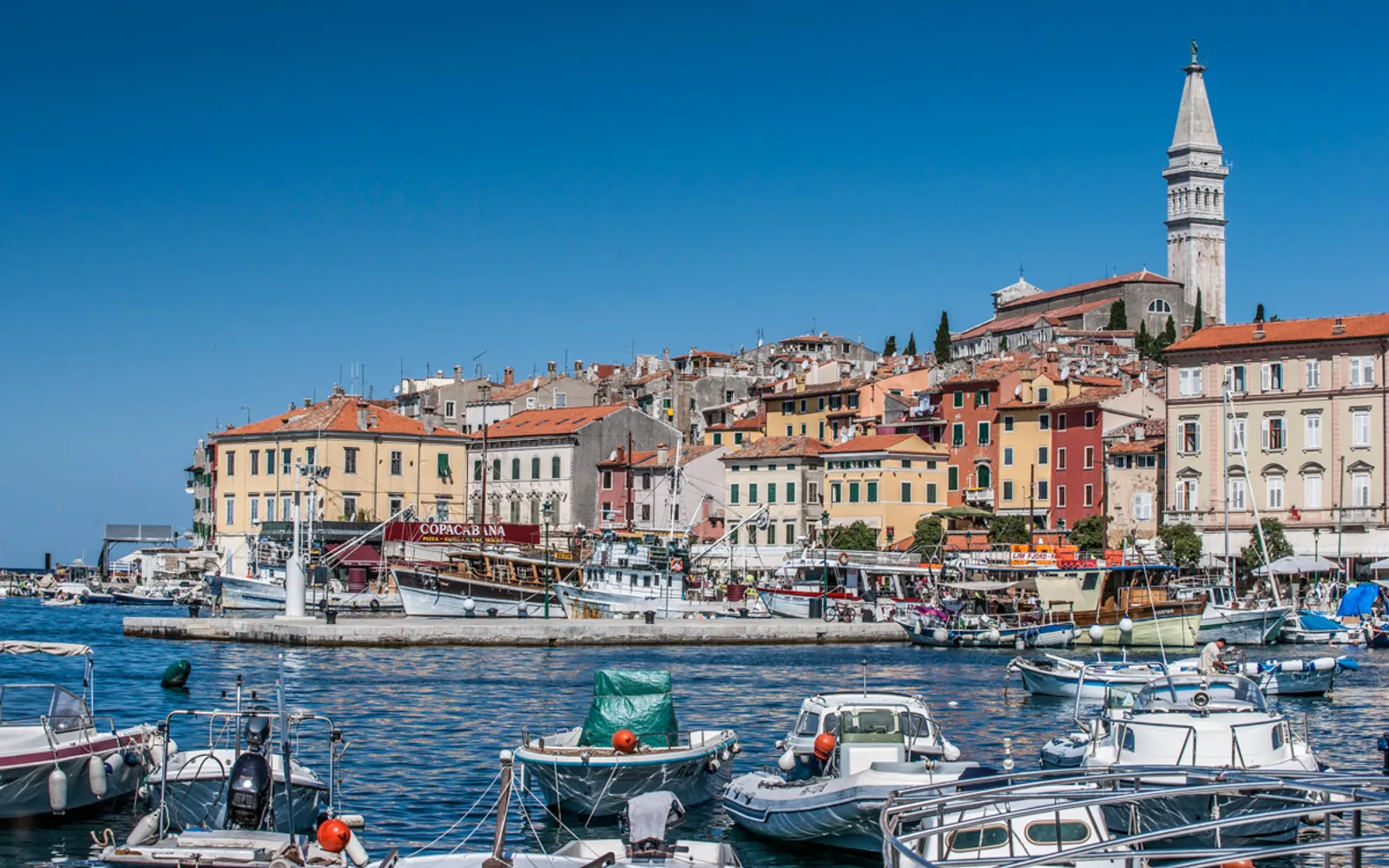
Rovinj is a small town on Croatia's Istrian peninsula, but its beauty ranks among the finest on the entire Mediterranean. Ancient stone lanes climb to a church perched above the rooftops, truffle markets you won't find anywhere else, turquoise water, and Lim Bay — famous for some of the freshest oysters in the Adriatic — all wait for you here. Most travelers who come say leaving is the hard part.
 #1
#1 Church of St. Euphemia
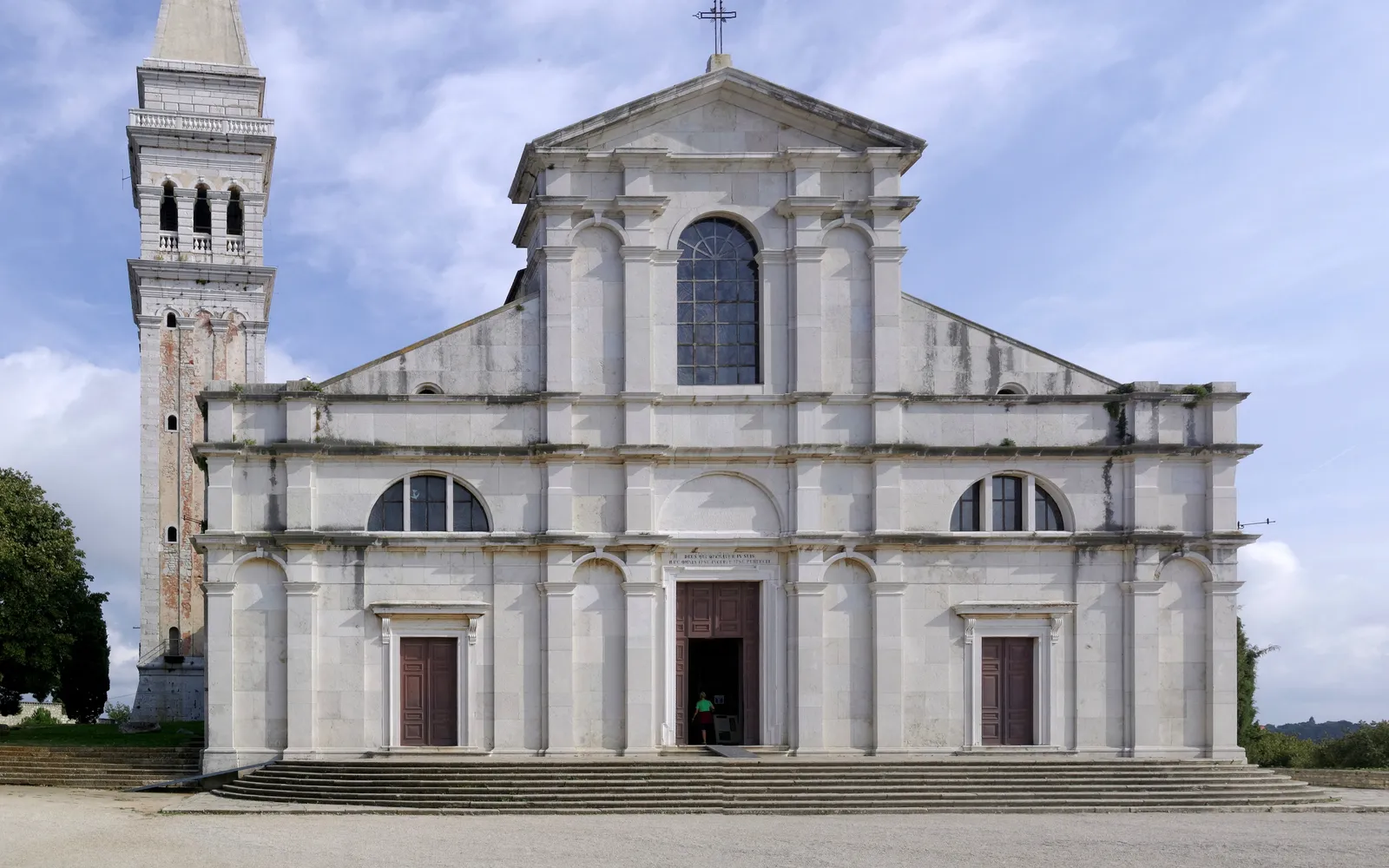
The defining symbol of Rovinj, visible from the sea for kilometres around. This Baroque church was built in the 18th century on the highest point in town and holds the sarcophagus of Saint Euphemia, believed to have washed ashore by sea in the year 800. Climb the <strong>60-metre bell tower</strong> for a 360-degree view over the old town and the Istrian islands. The stone lane leading up to the church is one of the most beautiful streets in the city.
- Climbing the bell tower is inexpensive and the view from the top is the best vantage point for photographing Rovinj — just watch out for the steep, narrow staircase.
- Entry to the church is free, though donations are welcome. Open daily during daytime hours; closed midday 12:00–15:00.
- Arrive early, before 9 am — the stone lane is quiet and the soft morning light on the bell tower is exceptional.
 #2
#2 Rovinj Old Town
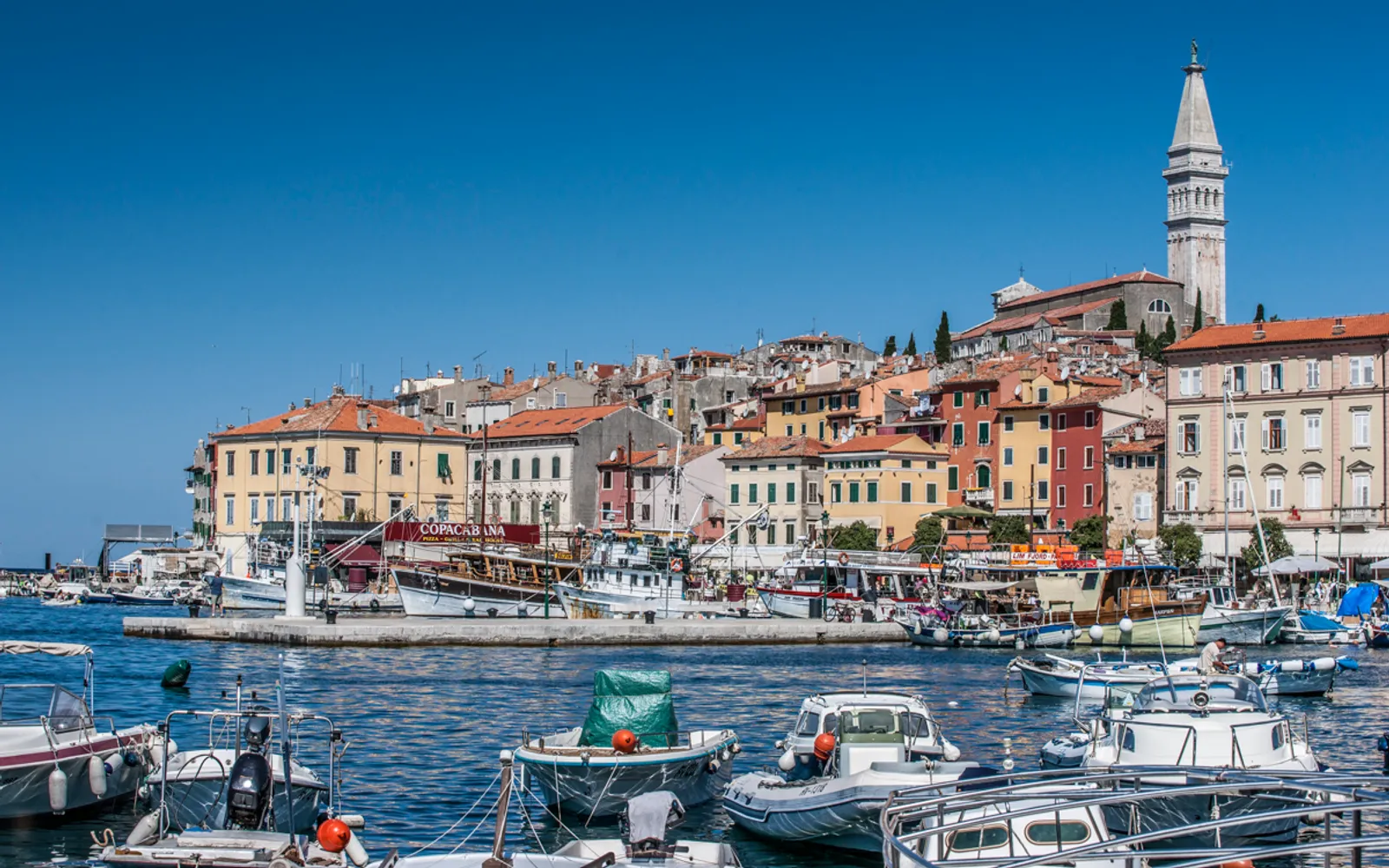
Rovinj's old town is a labyrinth of narrow cobblestone lanes where pastel houses stack up the hillside. It was once a separate island before being connected to the mainland in the 18th century. An Italian atmosphere lingers in every corner — the town spent over <strong>500 years under Venetian rule</strong>. The harbour is full of fishing boats, seafood restaurants, and artists' galleries, making it one of the most romantic places to stroll anywhere in Croatia.
- Bikes or feet only — cars cannot enter the old town. Parking is outside the walls.
- Harbour-front restaurants have great views but charge more for it. Restaurants tucked into the stone lanes offer better value and are just as good.
- Dusk is when the old town looks its best — golden light reflects off the stone and the water.
 #3
#3 Lim Bay
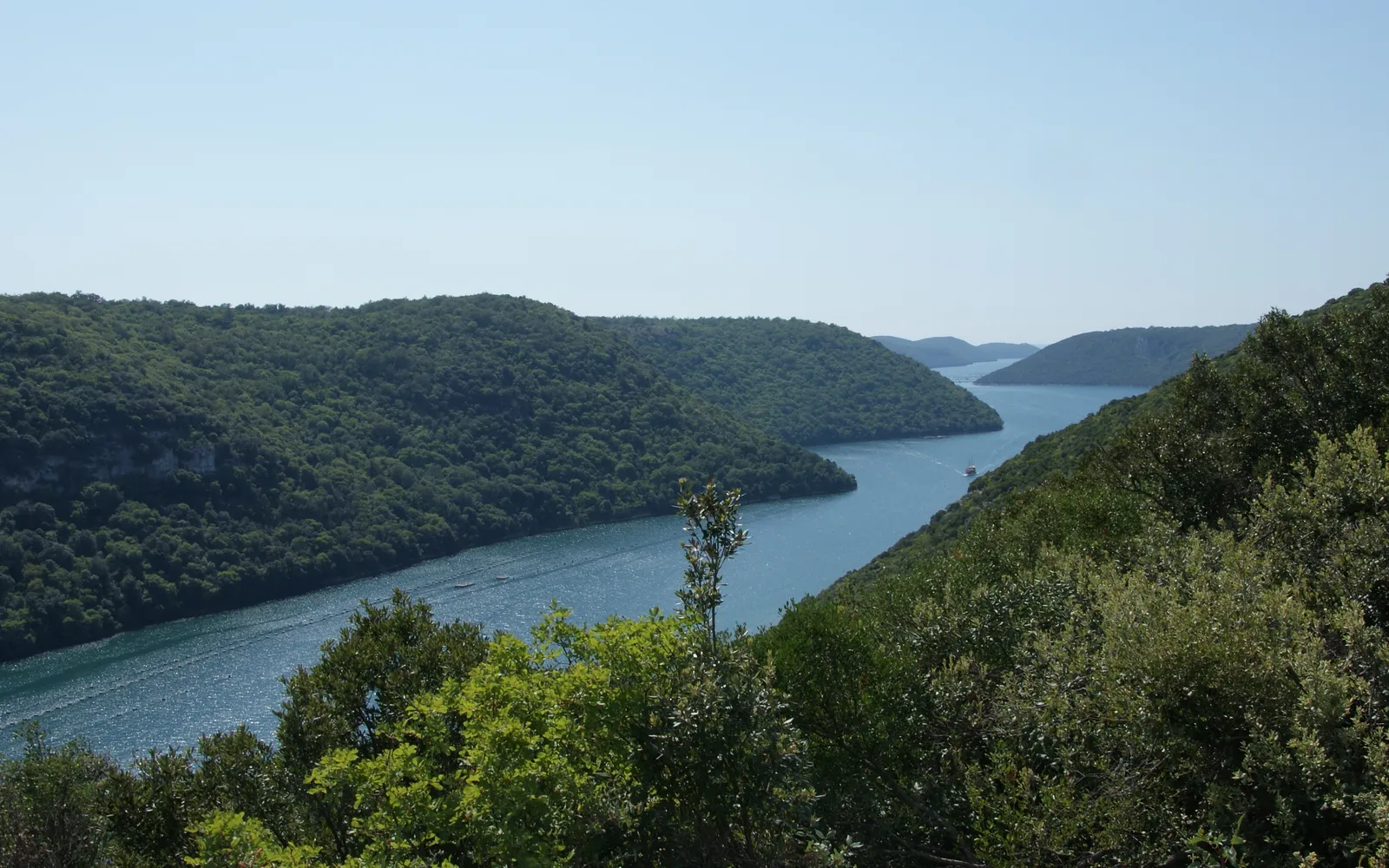
Lim Bay is the longest sea-inlet fjord in Croatia, stretching over <strong>10 kilometres</strong> inland. The water is calm and slightly less salty than the open sea because freshwater rivers mix in — conditions that make it the best oyster and mussel farming site in Istria. Restaurants along the bay serve oysters freshly shucked at the table, at prices well below what you'd pay elsewhere. The silence here is a complete contrast to the bustle of Rovinj.
- Order fresh oysters with a glass of local white Malvazija — the pairing is hard to beat. Oysters run around 1–1.50 euros each.
- Rent a kayak or rowing boat from the small jetty along the bay to explore it yourself — around 10–15 euros per hour.
- Do not swim in the bay. There are strong undercurrents and boat traffic throughout the day.
 #4
#4 Istrian Truffle Hunting
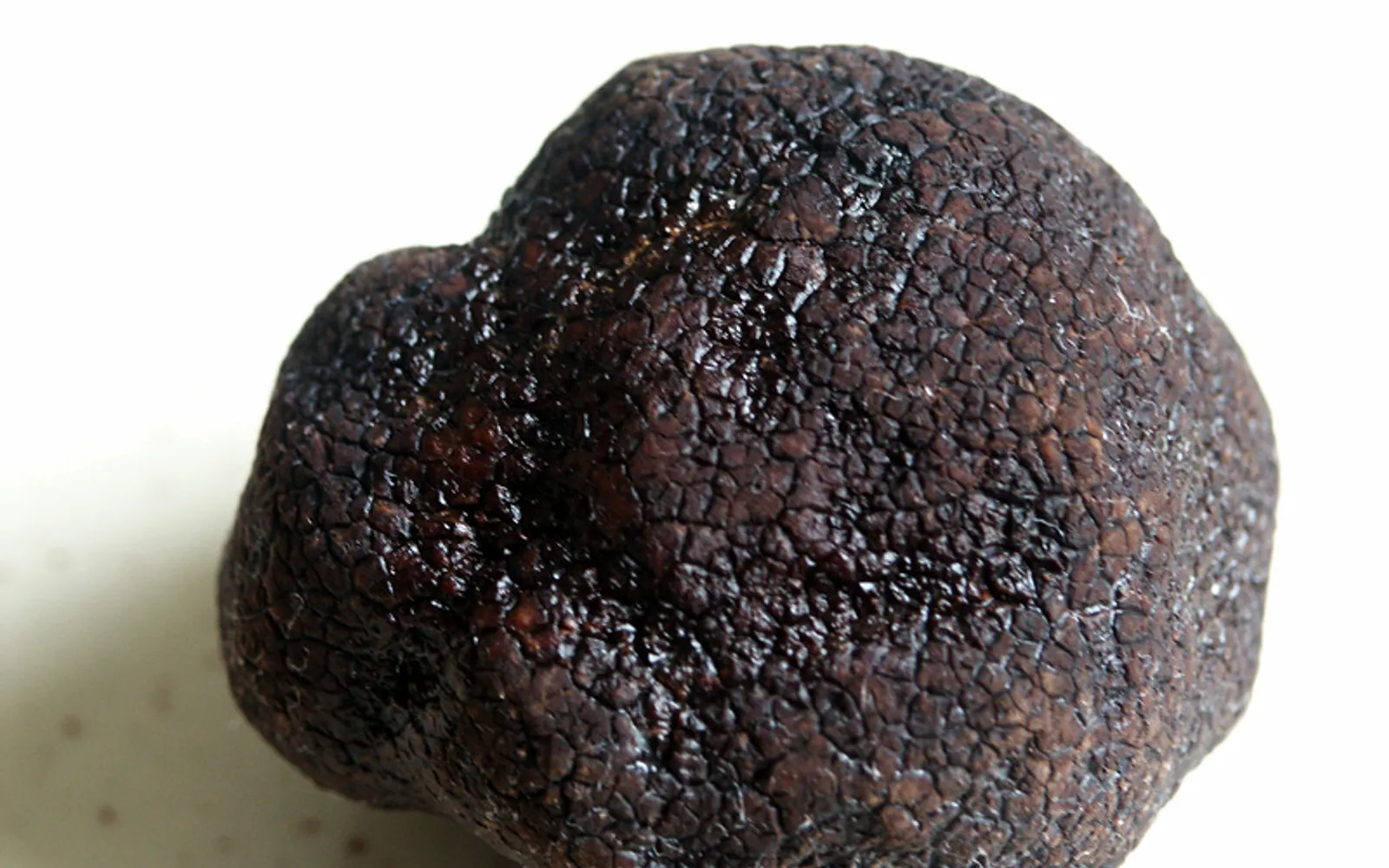
Istria is one of the <strong>three best truffle-producing regions in the world</strong>. Istrian white truffles sometimes grow larger than Alba truffles from Italy — and cost noticeably less. Truffle-hunting tours with specially trained dogs run from October to December for white truffles and March to June for black truffles. It is an experience you are unlikely to find outside Istria and Piedmont.
- Book a truffle-hunting tour in advance through Zigante Tartufi or a local farm. Prices run around 50–80 euros per person, lunch included.
- Buy fresh truffles or truffle products (oil, sauce, cheese) at shops in Motovun or Rovinj market — significantly cheaper than imported versions back home.
- Fresh white truffle keeps for only 5–7 days. If you're taking some home, choose preserved products instead.
 #5
#5 Brijuni Islands
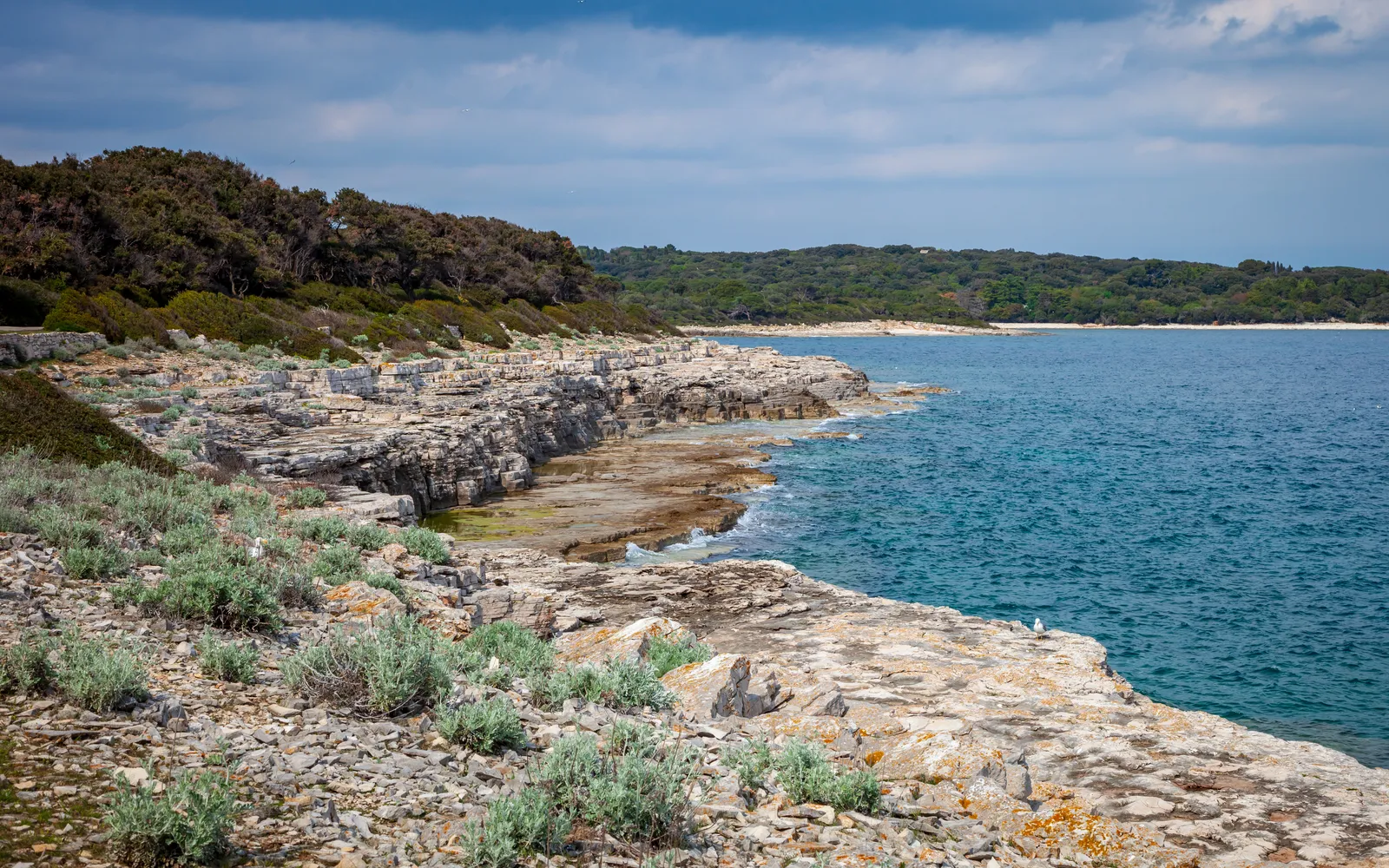
The Brijuni National Park covers <strong>14 islands</strong> that once served as the private resort of President Tito, who hosted world leaders here from Nehru to Churchill. Today they are a national park open to visitors, with a small safari park, fossilised dinosaur tracks, ancient Roman villas, and beautiful coastal walking paths. Access is by ferry from the town of Fažana only — no private vehicles are allowed on the islands.
- Buy ferry tickets and park entry at Fažana pier. Book in advance in summer. Prices run around 15–20 euros.
- Rent a bicycle on the island to get around — no private cars are permitted. Golf carts are available to hire for those who need them.
- Stop at the dinosaur fossil footprints on the western beach — one of the best dinosaur tracksite sites in Europe.
 #6
#6 Motovun
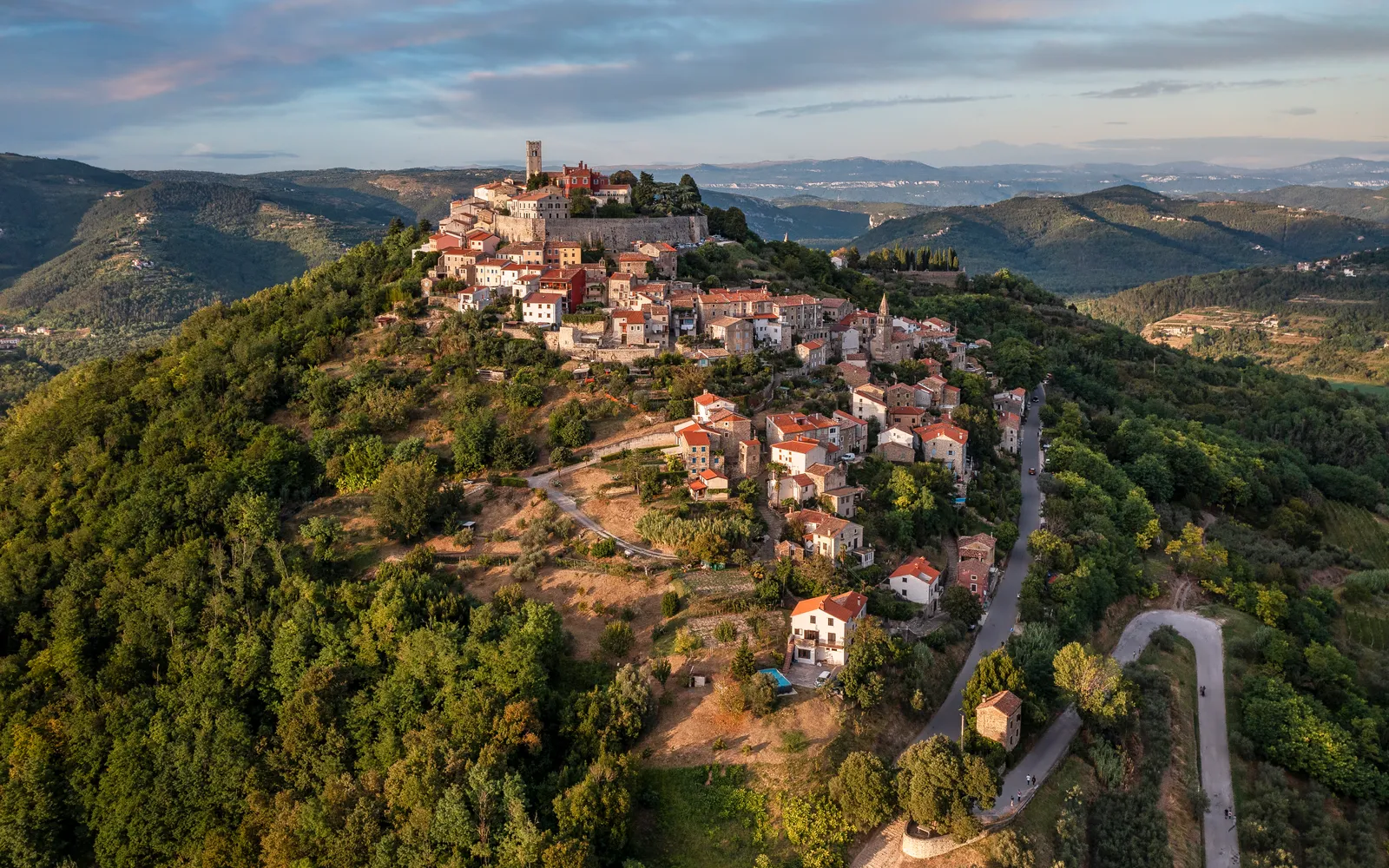
A medieval walled town perched on a hill above the Mirna River valley, Motovun is the heartland of Istrian truffles and hosts an internationally acclaimed independent film festival every July. You can walk the full circuit of the <strong>town walls</strong> around the hilltop — the view over the truffle forest and vineyards from the ramparts is the most memorable panorama in Istria. Small restaurants at the summit serve truffle pasta and local wine at fair prices.
- Park at the lower car park and walk up 15 minutes, or take the small shuttle bus — the road at the top is very narrow.
- Mondo and Pod Voltom are the well-known restaurants, but smaller places along the town walls are often better value and quieter.
- The Motovun Film Festival at the end of July draws huge crowds. If you prefer quiet, avoid that window.
Where to stay in Rovinj for this trip
A well-located hotel means less commuting and more sightseeing. Here are real, top-rated stays in Rovinj — compare Agoda · Booking · Trip.com in one click.
Adriatic Hotel by Maistra Collection
Affiliate links — we may earn a commission at no extra cost to you. Details
Maistra Select Family Hotel Amarin
Affiliate links — we may earn a commission at no extra cost to you. Details
Hotel Lone by Maistra Collection
Affiliate links — we may earn a commission at no extra cost to you. Details
Monte Mulini Adults Exclusive Hotel by Maistra Collection
Affiliate links — we may earn a commission at no extra cost to you. Details
Tours, tickets & activities in Rovinj
Day tours, attraction tickets and travel essentials for Rovinj — book ahead on Klook with mobile e-tickets.
Affiliate links — we may earn a commission at no extra cost to you.
Before You Pack
Rovinj is at its finest in May–June and September–October, when the weather is good, the sea is clear, and the crowds are manageable. Plan at least 3–4 days to explore the old town properly, make the trip to Lim Bay, and fit in a truffle excursion in the Istrian forests.