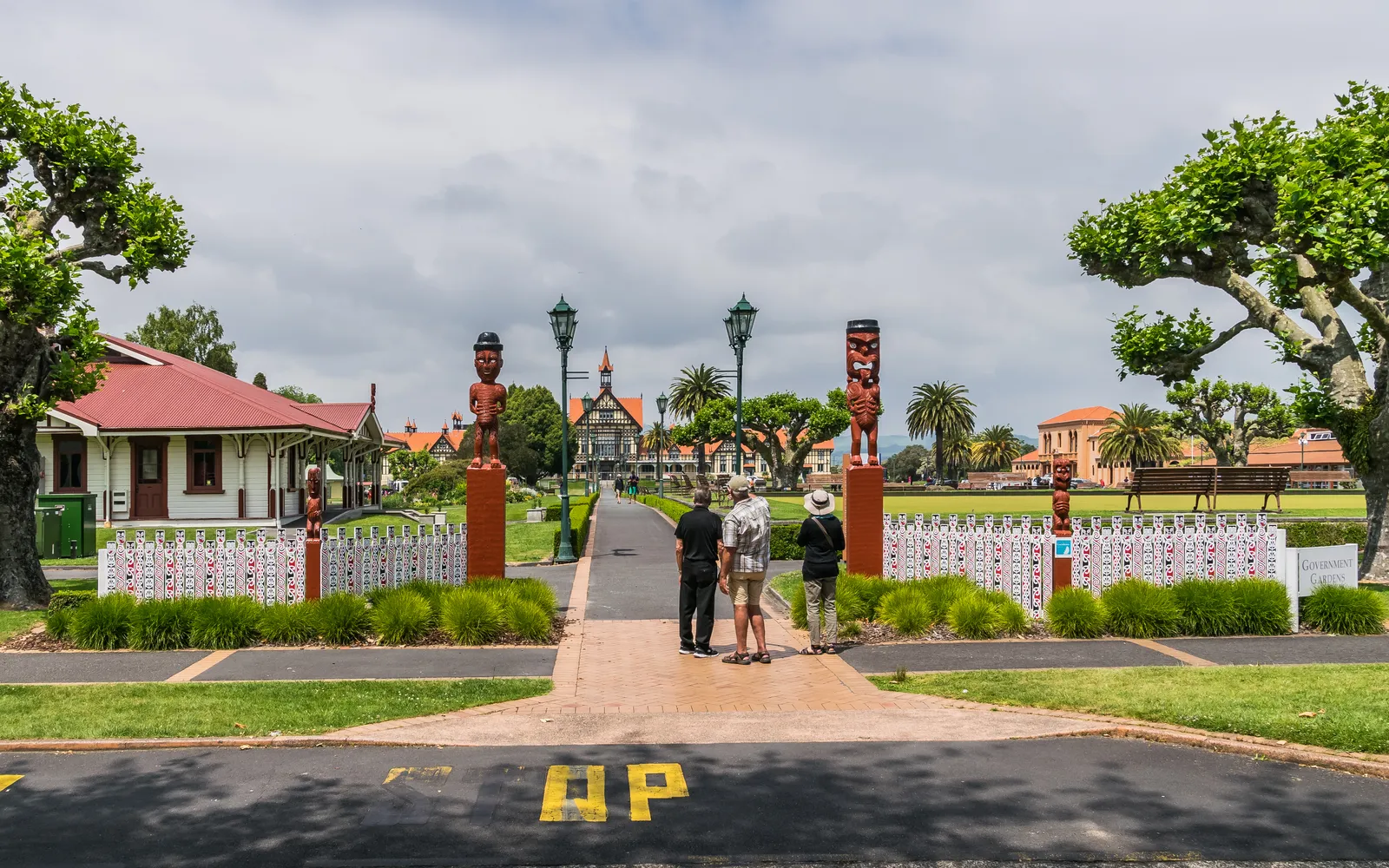
Rotorua is a city you know you've arrived in before you spot the welcome sign — the sulphur gets there first. But stand next to a geyser blasting 30 metres into the air, or sit listening to Maori stories in a village that has been continuously inhabited for over 700 years, and every bit of it is worth it. This is a place where the ground still breathes beneath your feet, and Maori culture is alive — not a museum exhibit.
 #1
#1 Pohutu Geyser and Whakarewarewa
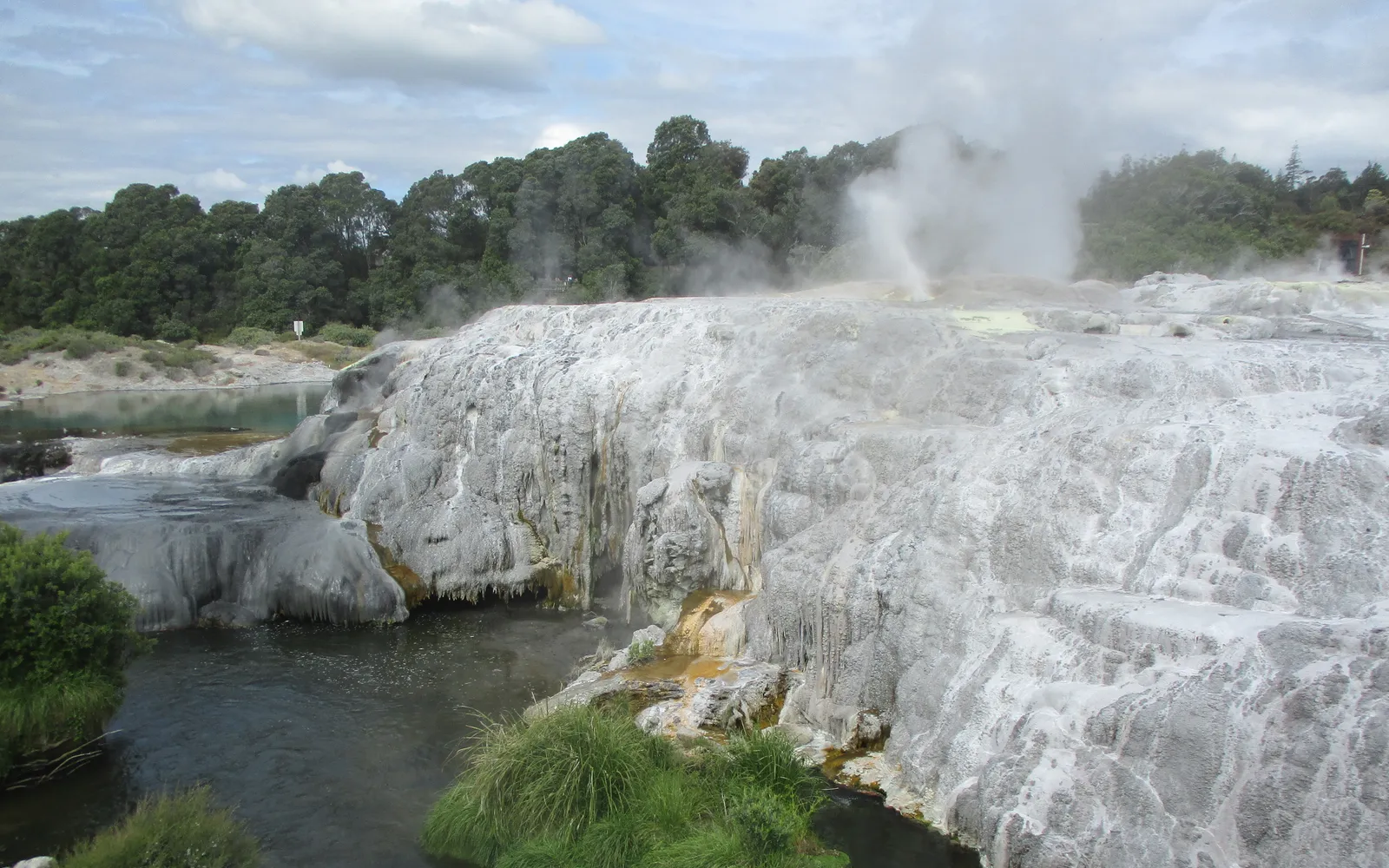
New Zealand's largest and most famous geyser, erupting up to 30 metres high dozens of times a day. It sits inside Whakarewarewa — a Maori village that has been continuously lived in for over 700 years. Residents still use the natural hot pools to cook food and do laundry in daily life. Entry includes a Maori-guided tour that explains legend and way of life in real depth. A haka performance runs every day and is not to be missed.
- Book the 2 pm afternoon tour to catch the haka show and village walk in a single session — more efficient than doing them separately.
- Pohutu erupts irregularly; wait at least 30–45 minutes to have a real chance of seeing the geyser at full height.
- Adult entry is around NZD 45–55 including the guided tour and show — good value for what's on offer.
 #2
#2 Wai-O-Tapu Thermal Wonderland
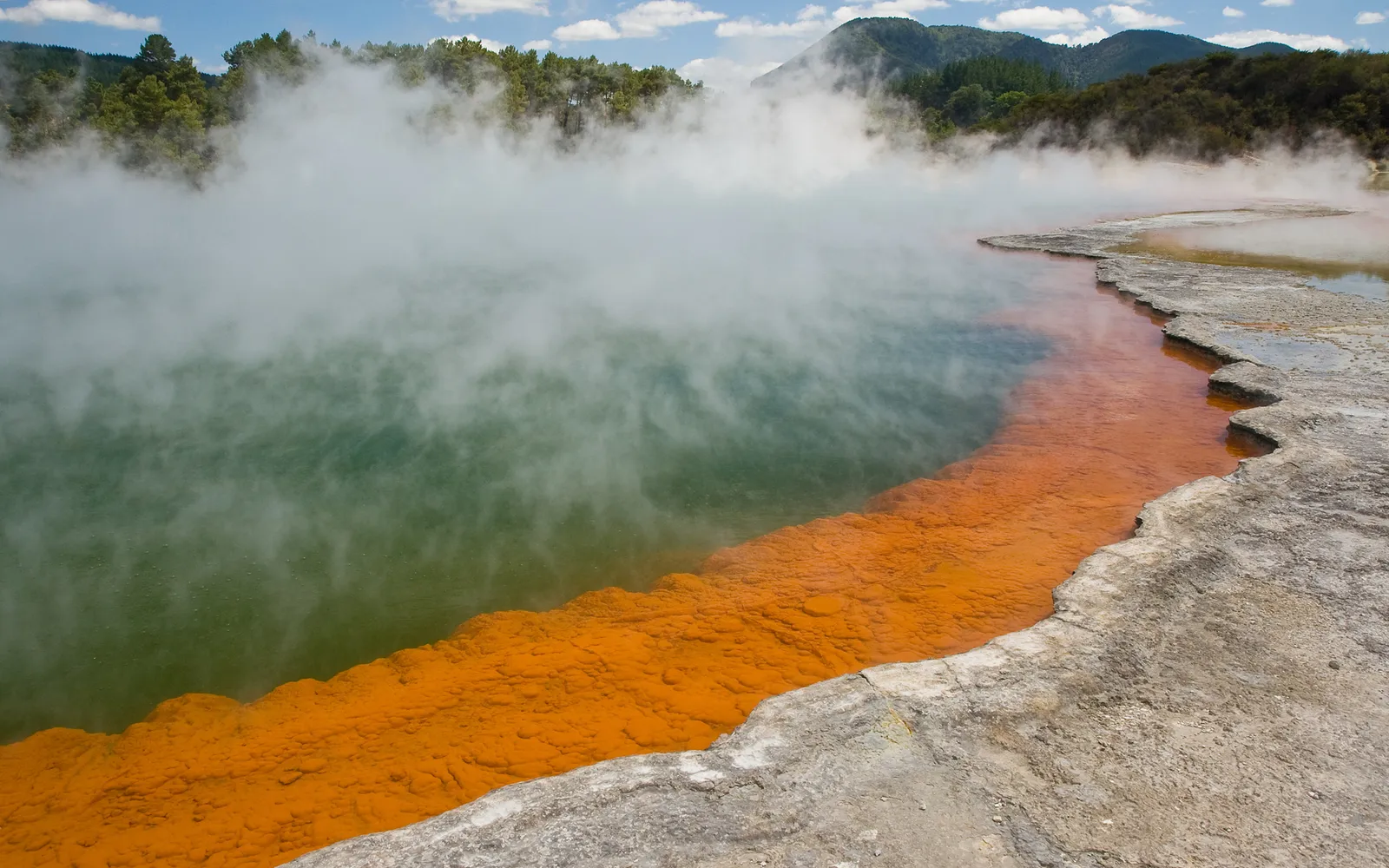
The most visually spectacular geothermal park in New Zealand. Different minerals give each pool a completely different colour: the deep emerald of Champagne Lake, the vivid orange of Artist's Palette, grey bubbling mud craters. A 3 km walking circuit passes through a landscape that looks like another planet. The headline is Lady Knox Geyser, which erupts every morning at exactly 10:15 am — clockwork reliable. Arrive early to get a good spot.
- Arrive before 10 am to secure a position for the Lady Knox Geyser eruption at 10:15 am daily.
- Walking shoes are recommended — parts of the path are damp and slippery even where sealed.
- There is no food vendor on site; bring water and snacks. The full circuit takes 1.5–2 hours.
 #3
#3 Te Puia Maori Cultural Centre
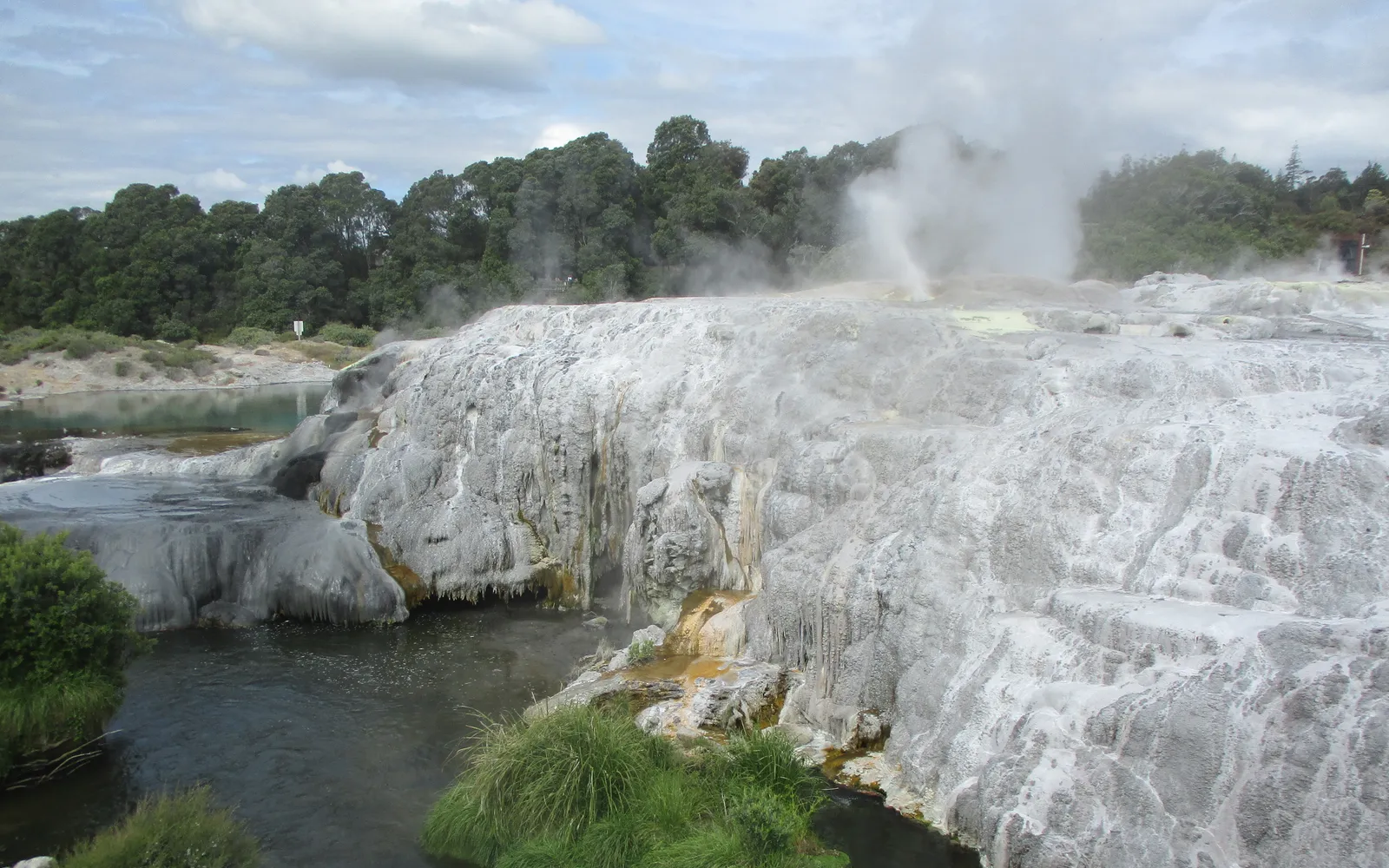
The largest Maori cultural centre in New Zealand, combining active geothermal features, a working school of traditional wood carving, flax weaving, and daily live haka performances. The carvings produced here are distributed worldwide and are among the most respected examples of Maori art anywhere. An evening hangi dinner (earth-oven feast) runs every night alongside a cultural show — it pulls together the essentials of Maori life in one experience.
- Book the hangi dinner and cultural show (NZD 100–130) online in advance, especially December–January.
- Day entry is around NZD 55–65 and includes a guided geothermal walk and access to watch carvers working in real time.
- The haka here is one of the best in Rotorua — performers are all descendants of local Maori families, not hired actors.
 #4
#4 Lake Rotorua
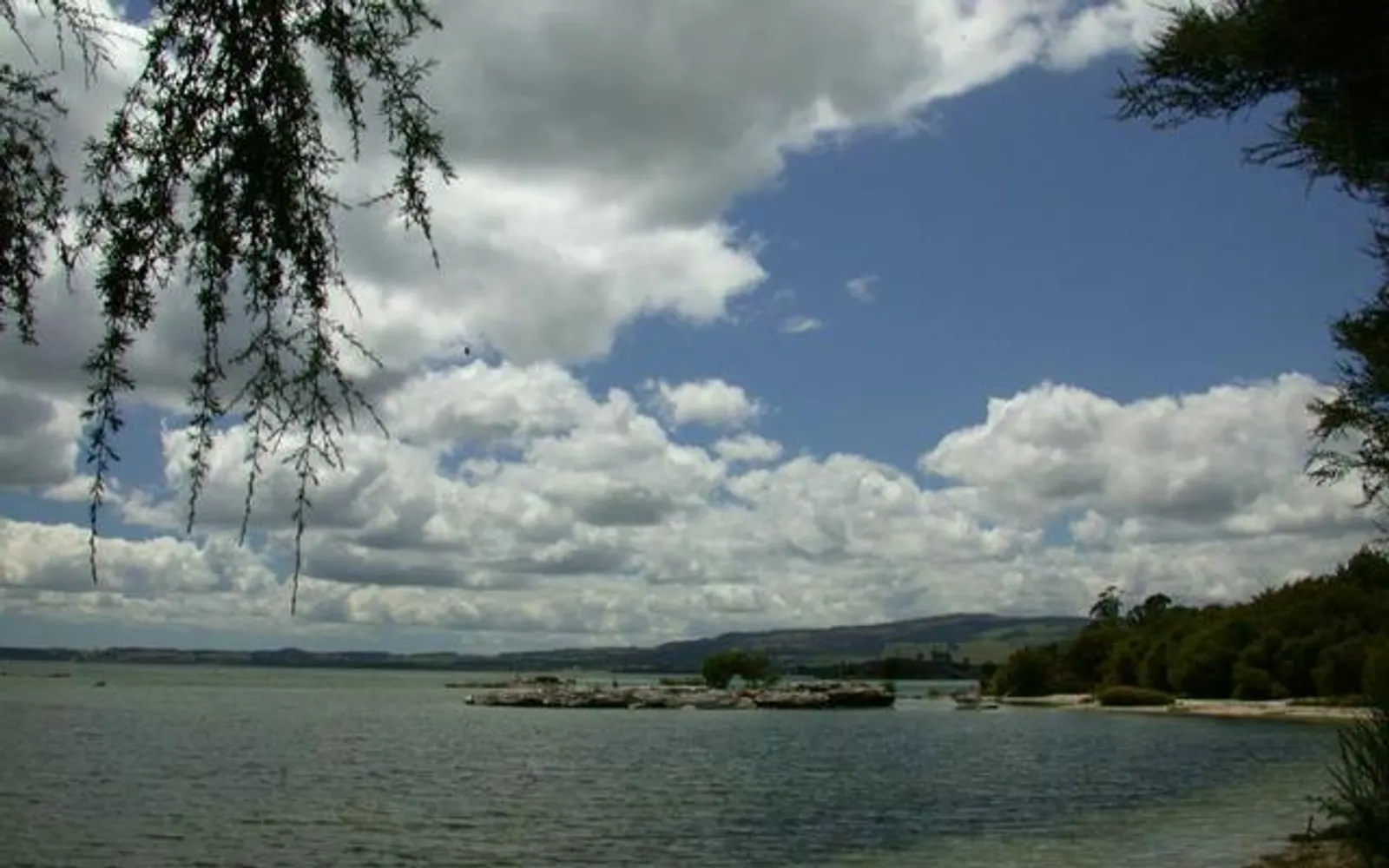
New Zealand's second-largest volcanic lake, with a 34 km circumference. The water runs slightly warmer than you'd expect because of the geothermal heat underneath. The lakefront Government Gardens holds a collection of handsome Tudor-style buildings with real history behind them. Boat tours cover the lake and Mokoia Island (Moko-ika) at the centre, or rent a kayak and explore at your own pace. The sulphur smell is much lighter here than elsewhere in town.
- The Lakeland Queen paddle boat tour covers the lake and the island in 1.5 hours — NZD 35–45 and worth every cent.
- Government Gardens is free to enter; the Rotorua Bath House building (now a museum) is open daily.
- Government Jetty at sunset is the best vantage point in town — the pink sky reflects across the lake in summer.
 #5
#5 Redwoods Whakarewarewa Forest
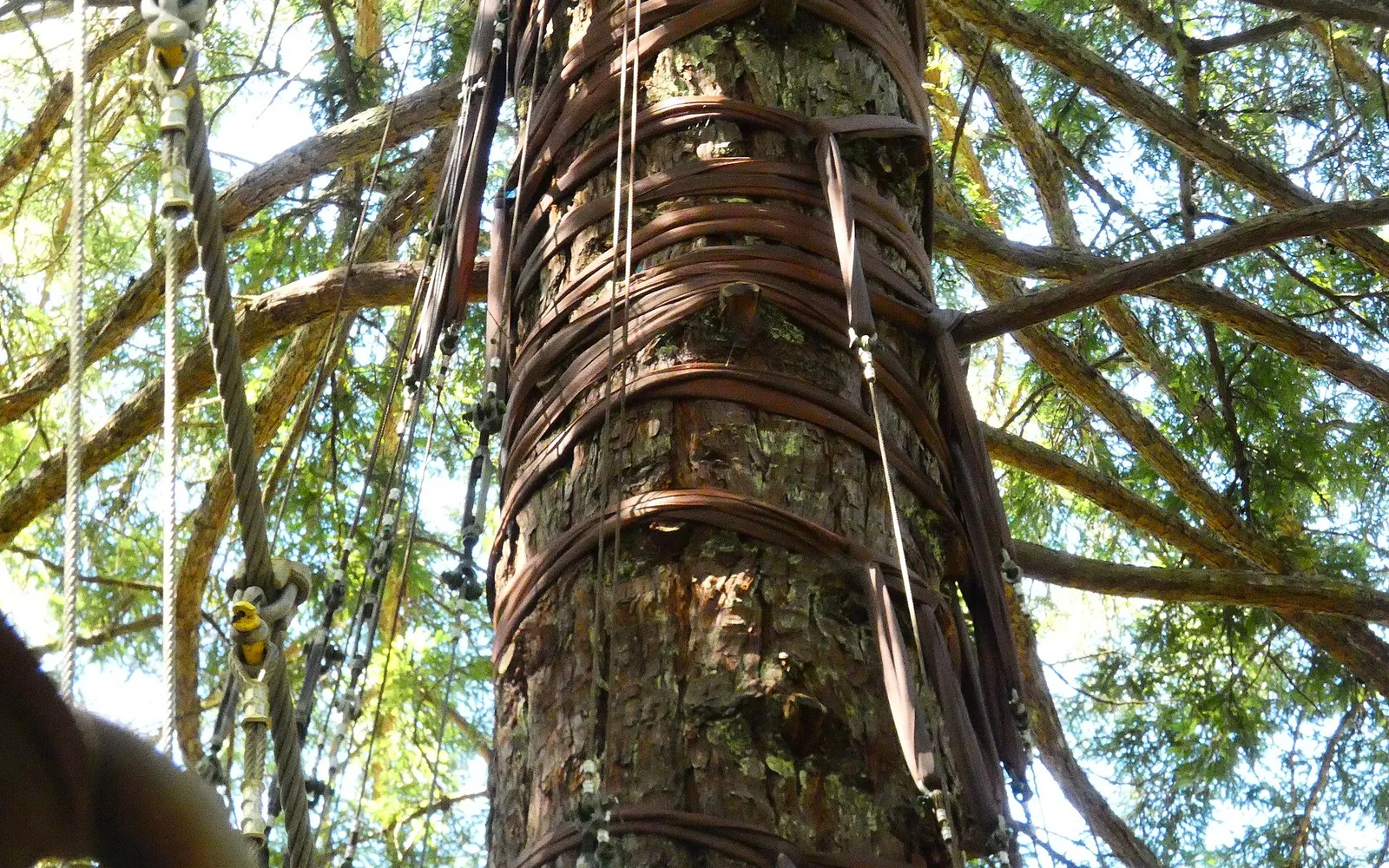
The largest California redwood forest outside the United States, planted in 1901. The tallest trees are now over 60 metres, forming a canopy so dense the air below stays cool even at midday. Walking tracks range from an easy 30-minute stroll to a 3-hour hike. The Treewalk — a suspension bridge system 12 metres up in the canopy — lets you wander through the forest from above. The mountain bike trails here are rated among the best in Oceania.
- The Treewalk costs NZD 35 per adult and runs in the day and at night — the night session is genuinely atmospheric.
- The walking trails are free; park at the Redwoods Visitor Centre and start walking immediately.
- Mountain bike hire is available at the Visitor Centre for around NZD 60–80 per day, with trails for every ability level.
 #6
#6 Hell Gate Geothermal Park
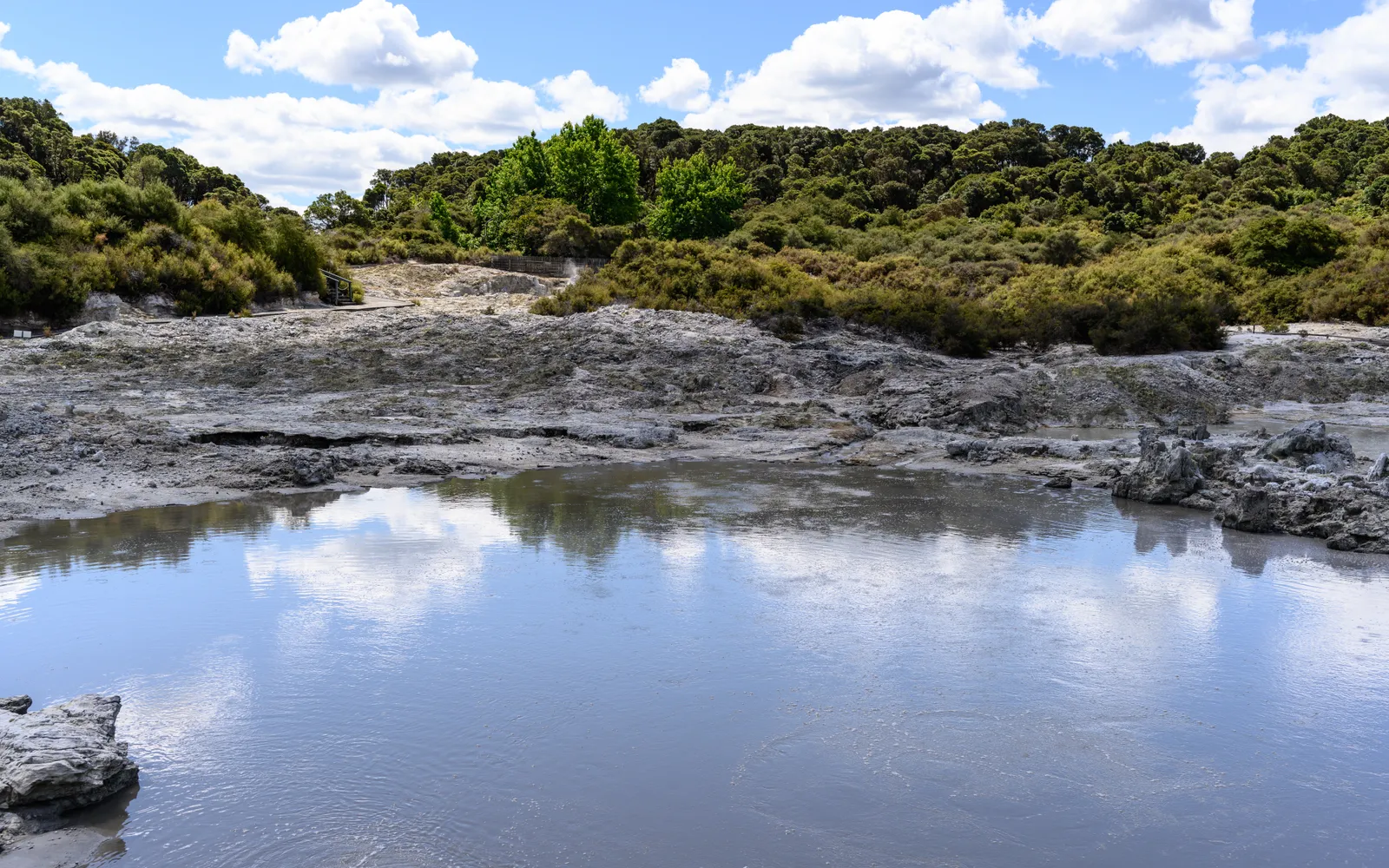
The most raw and dramatic geothermal park in New Zealand — George Bernard Shaw named it after visiting in 1934. The site has a hot waterfall, actively boiling mud pools, and a vast sulphur pool that hits 99°C. The standout addition is the Mud Spa: you can soak in natural sulphur mud and a hot mineral pool right on the earth's surface. The sulphur smell here is noticeably stronger than anywhere else in Rotorua — that's part of the experience.
- The combined Geothermal Walk + Mud Spa package (NZD 55–75) is better value than buying separately; book ahead in peak season.
- The sulphur smell is intense — give yourself 5–10 minutes to adjust before deciding it's overwhelming.
- Do not touch the water in any pool other than the designated Spa pools — the geothermal water is acidic and far too hot for skin contact.
Where to stay in Rotorua for this trip
A well-located hotel means less commuting and more sightseeing. Here are real, top-rated stays in Rotorua — compare Agoda · Booking · Trip.com in one click.
Pullman Rotorua
Affiliate links — we may earn a commission at no extra cost to you. Details
Quest Rotorua Central
Affiliate links — we may earn a commission at no extra cost to you. Details
Novotel Rotorua Lakeside
Affiliate links — we may earn a commission at no extra cost to you. Details
Sudima Hotel Lake Rotorua
Affiliate links — we may earn a commission at no extra cost to you. Details
Tours, tickets & activities in Rotorua
Day tours, attraction tickets and travel essentials for Rotorua — book ahead on Klook with mobile e-tickets.
Affiliate links — we may earn a commission at no extra cost to you.
Before You Pack
Rotorua is at its best December–April (New Zealand summer) — warm weather and long days — but the geothermal sites are worth visiting in any season. Budget 2–3 days to cover both the natural landscape and Maori culture properly. Book the haka show and hangi dinner well ahead if you're coming in peak season.